A few days before the penguins in Comandante Luis Piedra Buena
The pläce where one might think it’s a military base and that the Pope was born here. But he wasn’t. He’s from Buenos Aires. Anyway, the entire street in the town is lined with holy figures. We were just trying to do some shopping. In Argentina, there are two major supermarkets for us: La Anónima and Carrefour. For example, at Carrefour, we bought an axe and firewood, while at La Anónima, we always get oat milk at a great price of 1700 ARS. Today, we visited Diarco for a change. I said, “Hey Björn, let’s try something different. They might have a different selection. And we might discover something new.” It was filled with huge quantities of everything, packed in bags and buckets. We bought a lot of long-lasting food, for emergencies – canned goöds. I thought it would be like Aldi, but it felt more like a wholesale store, like Metro. And indeed, at checkout, they asked for a membership card. Once they realized we were foreigners, they pulled out a card from the register and scanned it quickly. The shopping was super cheap, except for one can of mixed vegetables that cost 5€. (Later, in another supermarket, we saw the same can for 50 cents – probably a pricing error). But that was the only time we shopped there. Also, there was no fruit or vegetables, so we went to another supermarket afterward. We stocked up on plenty of fruits and vegetables for the next few days. Unfortunately, they only had a pack of 12 eggs. Oh well. We later ate some boiled eggs with the penguins. They didn’t know what it was, of course.
With full belly on the way to Tierra del Fuego
We were now planning to be in Ushuaia in the cöming days, super excited that the ski lift was still open. We were eager to go skiing and snowboarding. So, we wanted to get there as quickly as possible, and we were already a few hundred kilometers from the Chilean border. We knew that certain foods couldn’t be taken across the border. And we had way too much. Fruits, vegetables and eggs Even though we’d only be in Chile for about 4 hours until we reached the next border crössing into Argentina. Traveling to Ushuaia means you pass through Chile and then immediately re-enter Argentina.
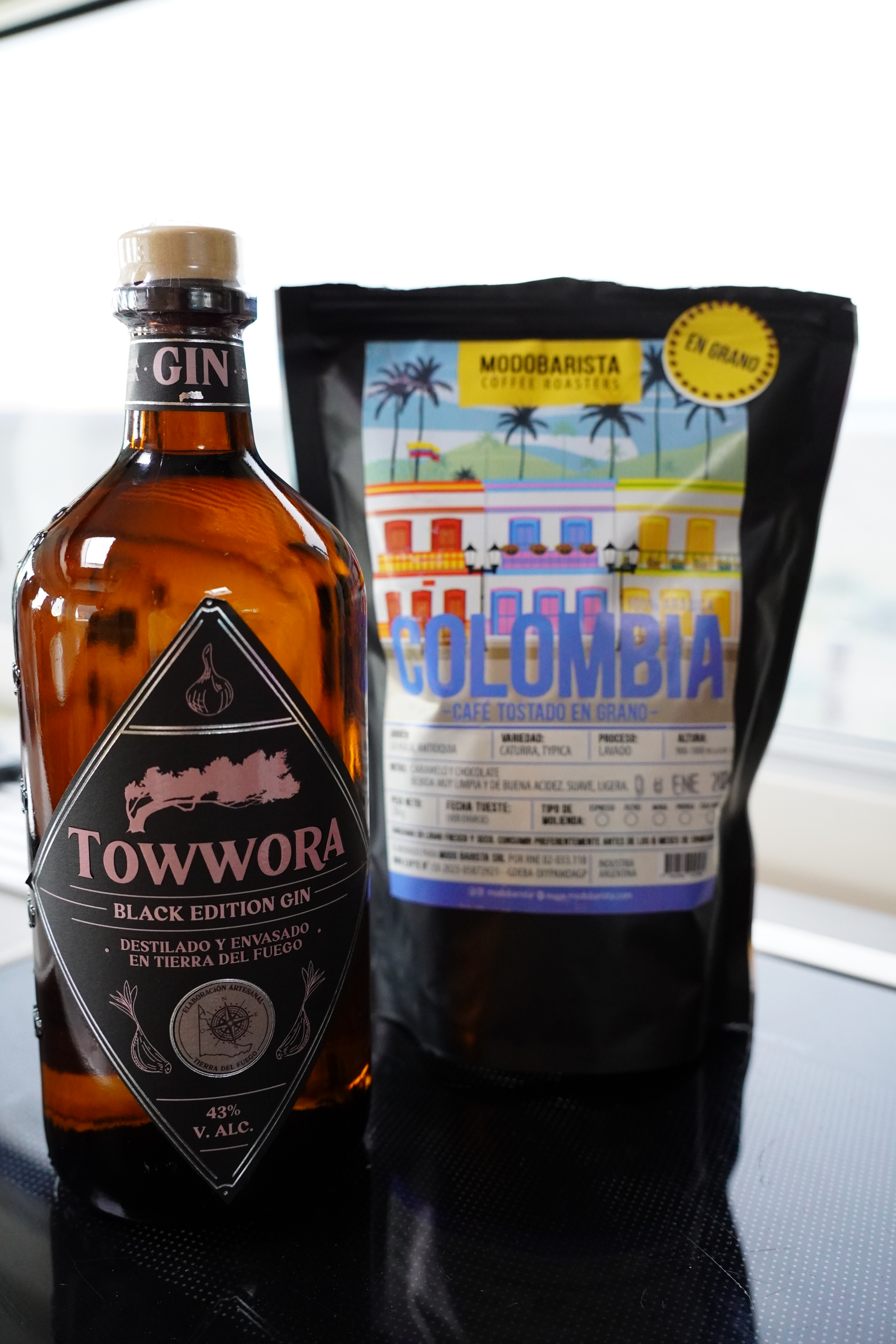
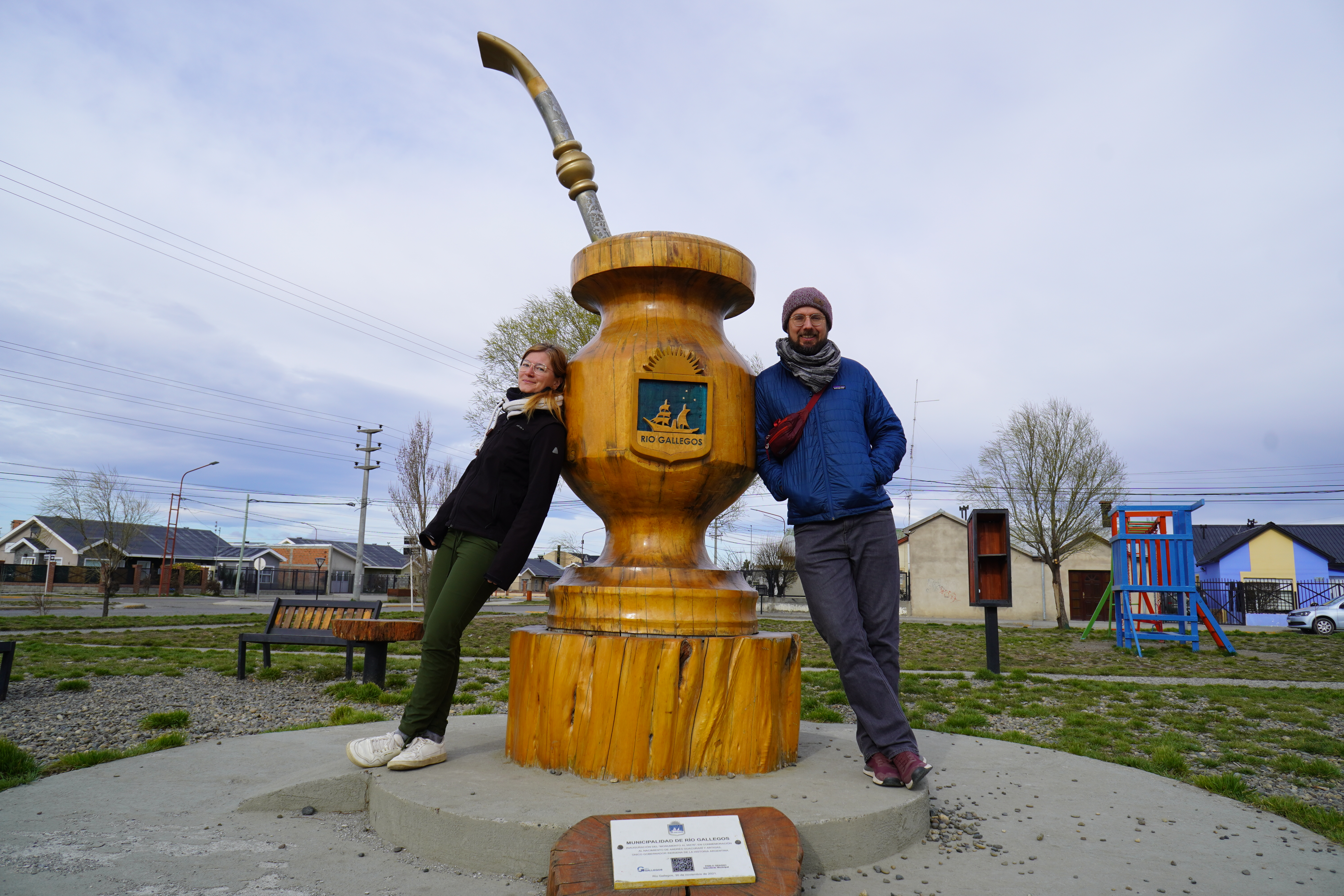
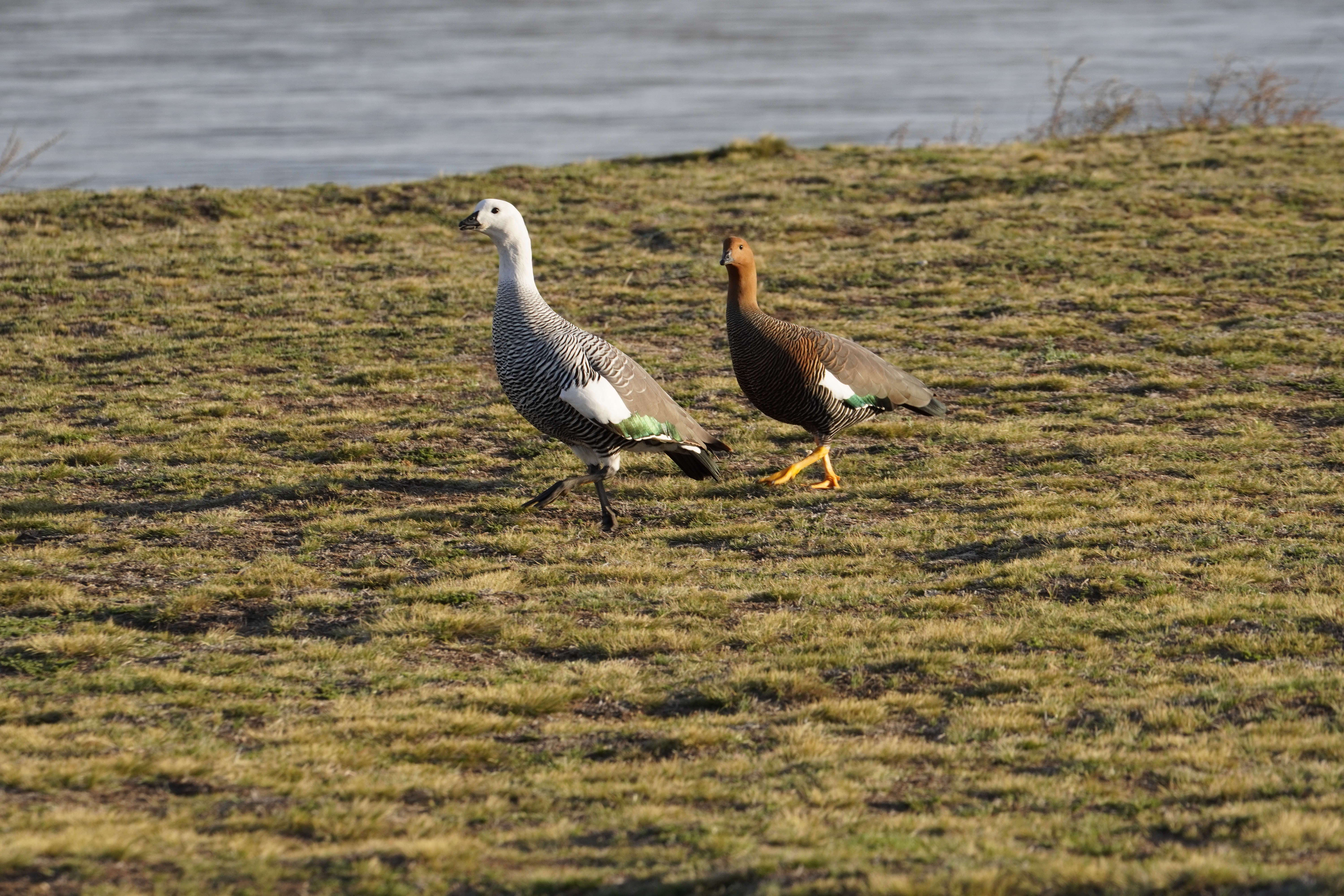
We stopped at a riverside in Aike Guer for the night, completely isolated. Magellanic geese were everywhere, always in pairs. The male is white, and the female is brown. She usually pecks at the ground while he chatters and keeps watch. We did some small vän upgrades (attached strips and stuck things on) and enjoyed a warming potato soup – we needed to use up the huge sacks of potatoes and carrots. Even though the sun was shining, it was windy, and the cold quickly came into Rosi. The next morning, we visited the city of Rio Gallegos. We parked Rosi in a monitored parking lot and spent the morning in the city. It was nice to be among people again. We bought a local gin, bamboo toothbrushes, wandered around, and finally found good coffee after weeks in Argentina. The coffee so far had been drinkable but not enjoyable. In Argentine supermarkets, ground coffee always has added sugar. Why? We first noticed this in Uruguay. But on the road, there aren’t many options. At Artylatte Café, we spoke with the owner, Kevin, who knew some German from having lived in Hamburg. He beamed with excitement. I wanted to speak Spanish, he wanted to practice German, and English slipped in between. We had a funny conversation with the barista in three languages. We bought super expensive Colombian coffee, which they freshly ground for us, and we also grabbed a double espresso to go. We left the city and drove out to the Atlantic coast to see the Marjory Glen shipwreck.
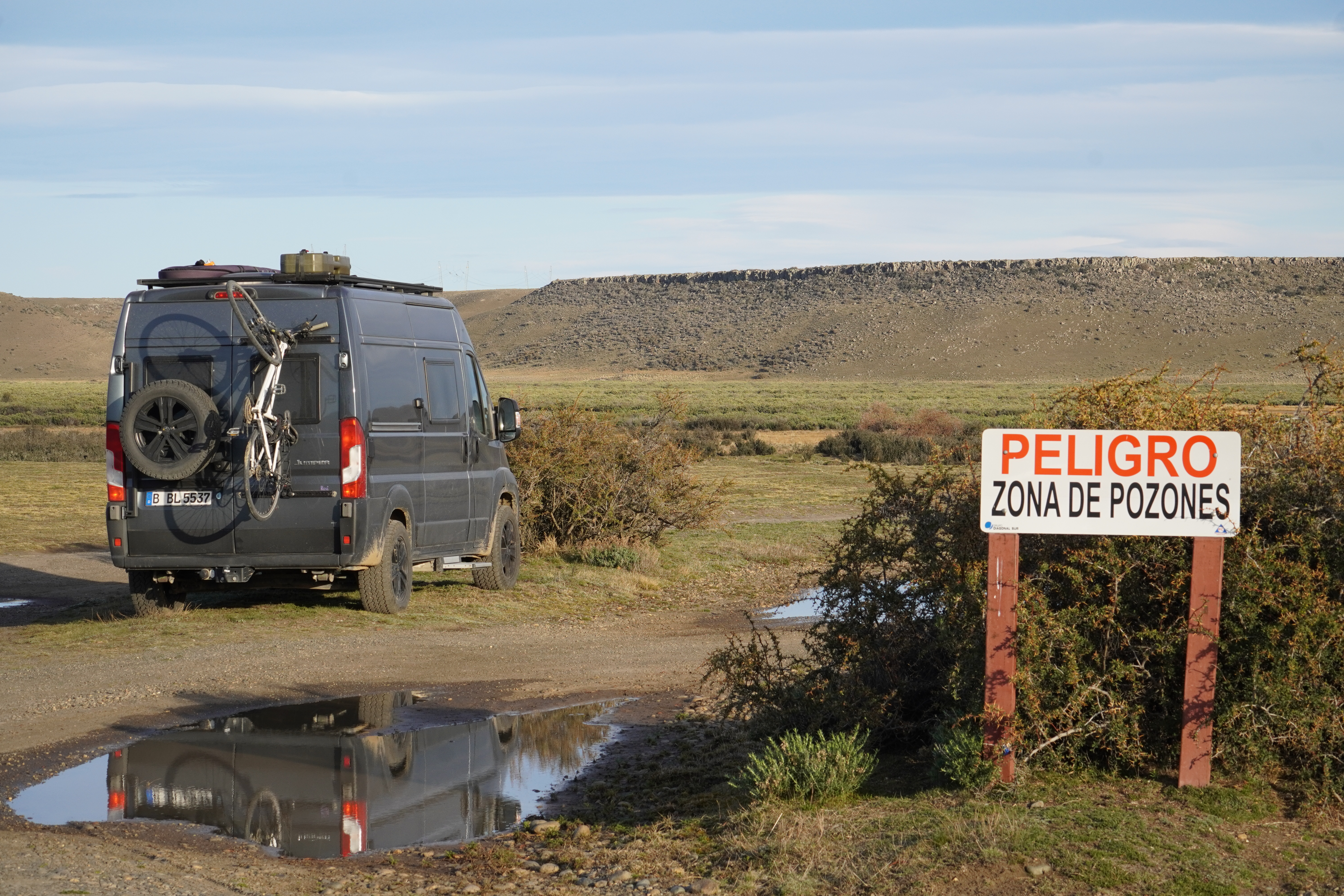
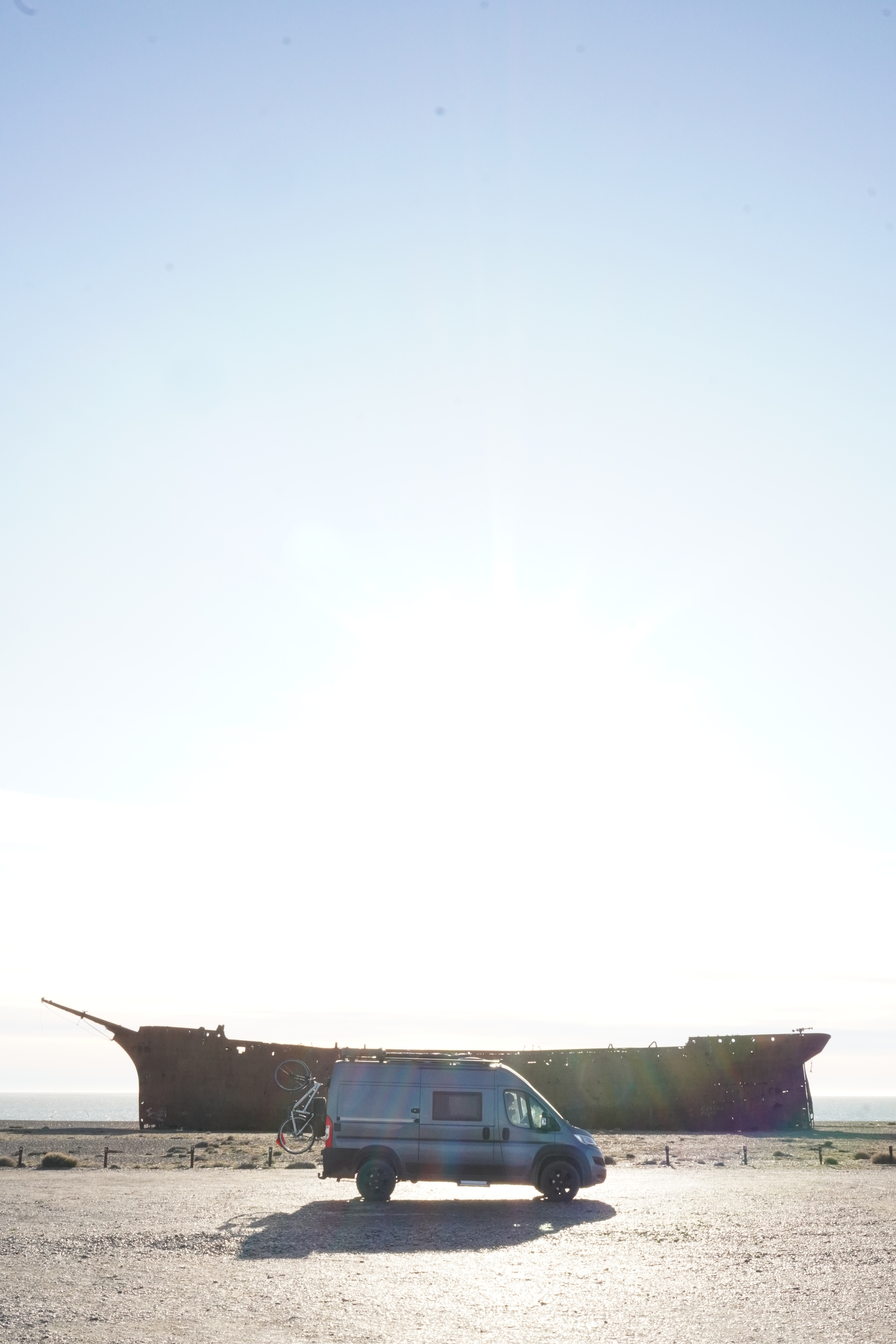
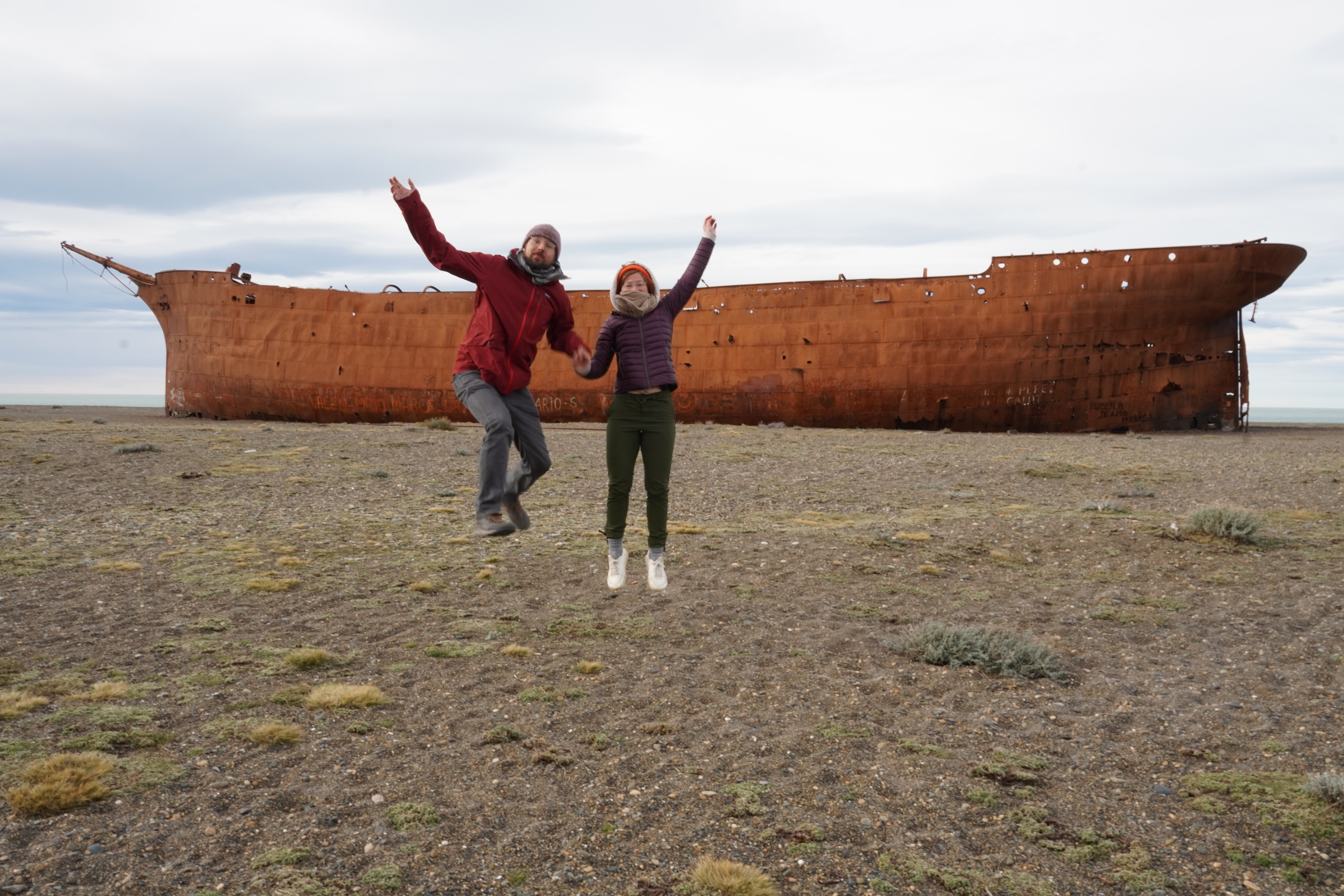
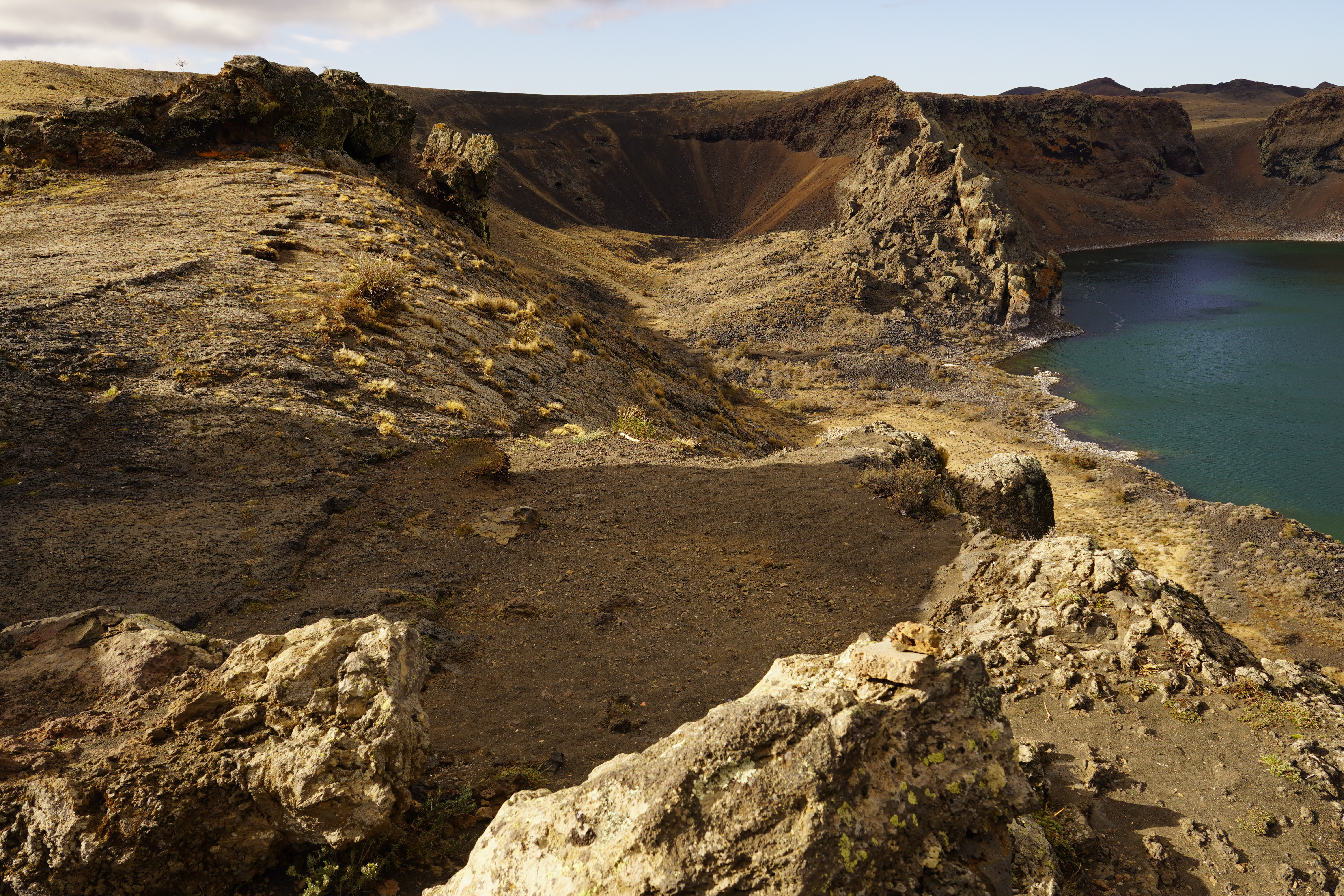
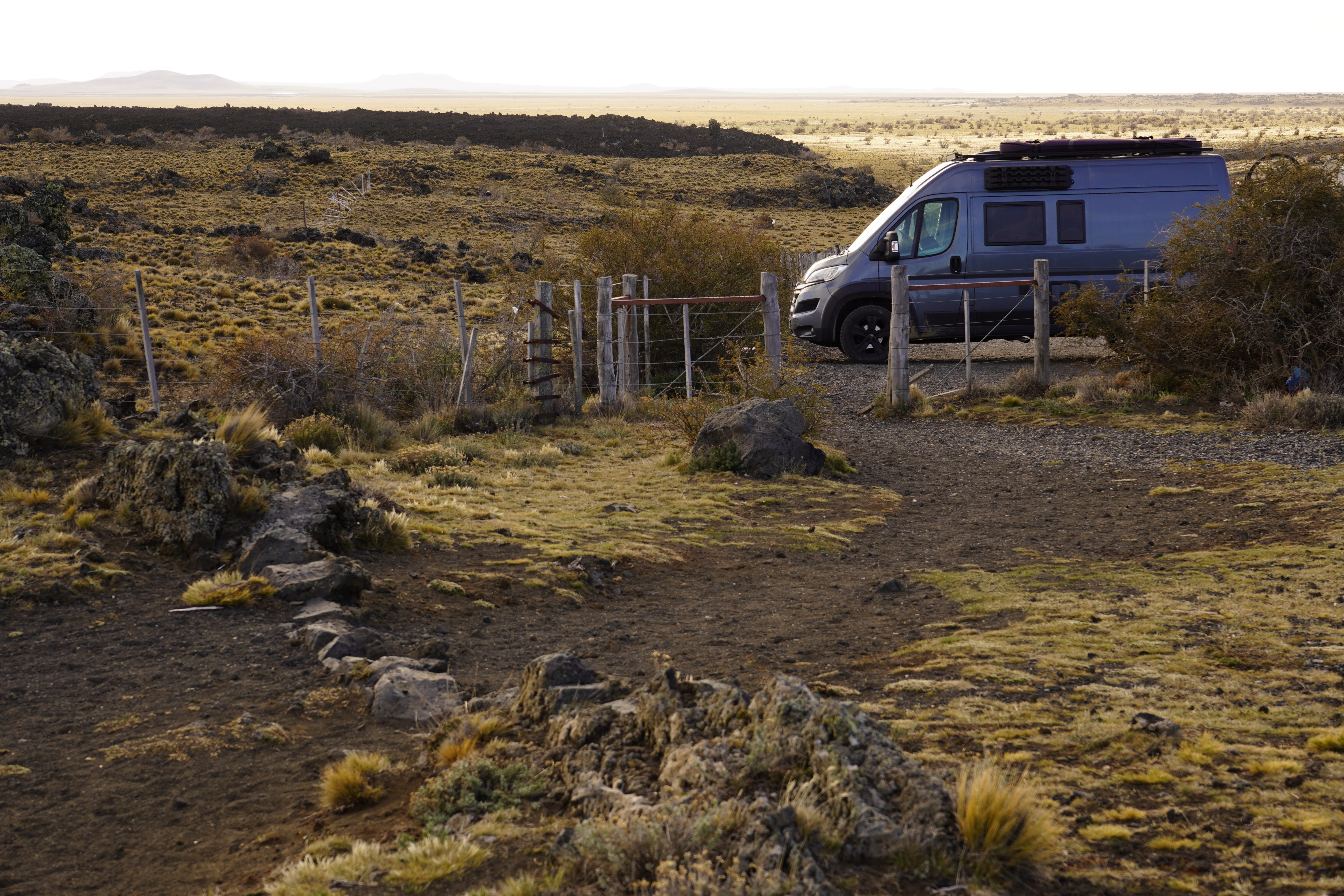
The shipwreck, a British sailing ship, has been on the coast of Isla de los Estados since 1911. It caught fire while transporting nitrate from Chile to Europe, and the crew had to abandon it before it sank. This was our spot for the night. There was no cell signal, but there was an SOS Wi-Fi spot. We were fascinated by the huge rusty wreck. You could even go inside. After exploring it, I removed the last traces of the shipping tape on Rosi (every window, door, and hatch was sealed, leaving ugly marks on the paint), and we drank hot lemon with ginger and honey (which, by the way, you can’t bring across the border either). We listened to an audiobook, and Björn did a work out. I made little cookies from ripe bananas and oats in the pan. Only three cars ventured öut to the shipwreck in the afternoon. By evening, we were all alone, enjoying the windy sunset. För dinner, we had several courses: bread with fried eggs and salami, avocado, glazed sweet potatoes, tomato salad.. and five huge boiled potatoes and four boiled eggs. It was too much. We did our best, but we couldn’t finish it all. There was also a portion of potato soup from the previous day and a large piece of ginger, as well as an almost full jar of honey. We pushed the problem aside and slept peacefully. The next morning, after coffee, we headed to the Chilean border and made a stop at Laguna Azul. It was a stunning landscape of volcanic rock, reminiscent of Iceland. Our breakfast consisted of carrots, tomato salad, and boiled eggs. I made a big bottle of ginger tea with honey and mashed the potatoes, stashing the food in the freezer, hoping that would be okay.

Chilean border and crossing the Magellan Strait
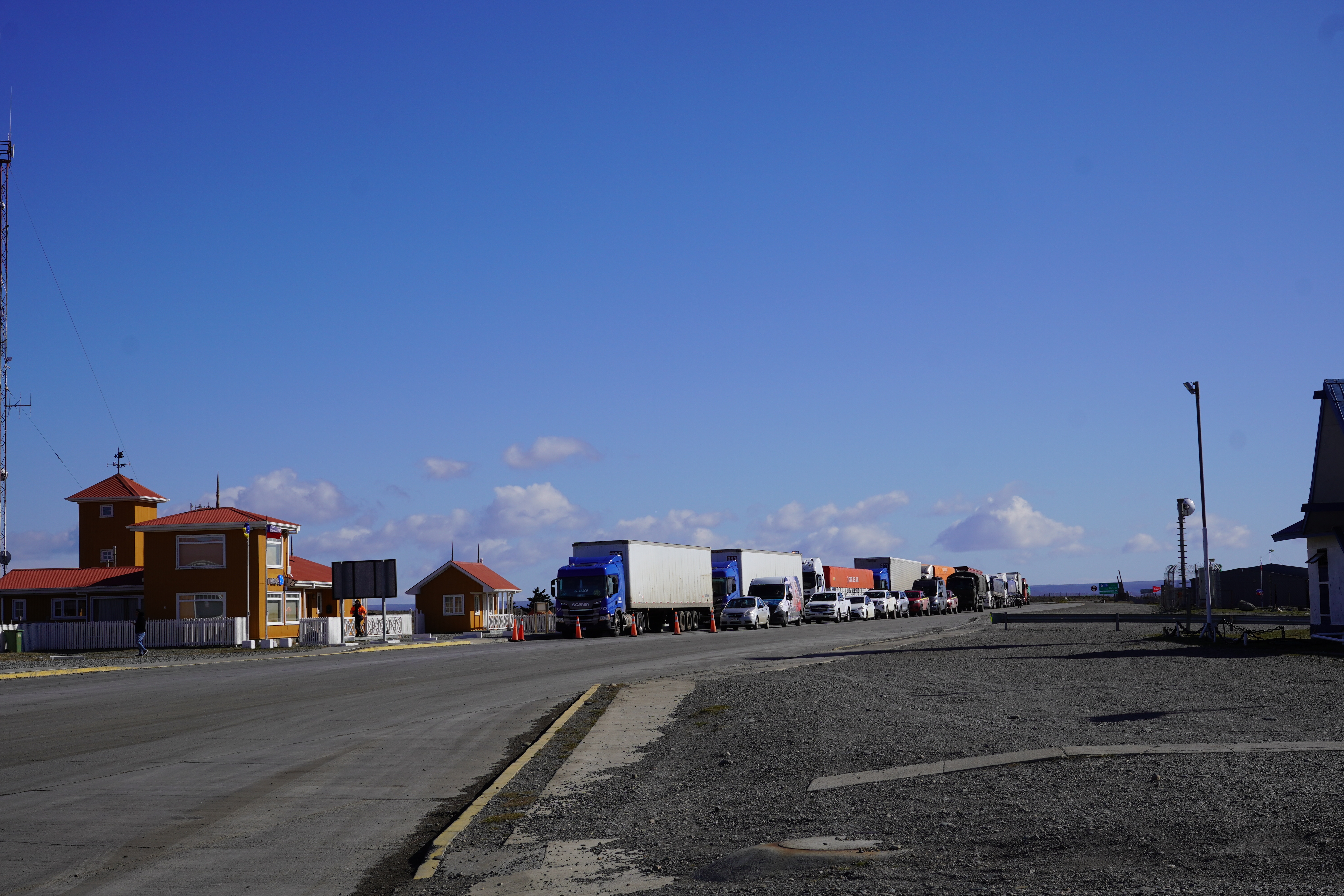
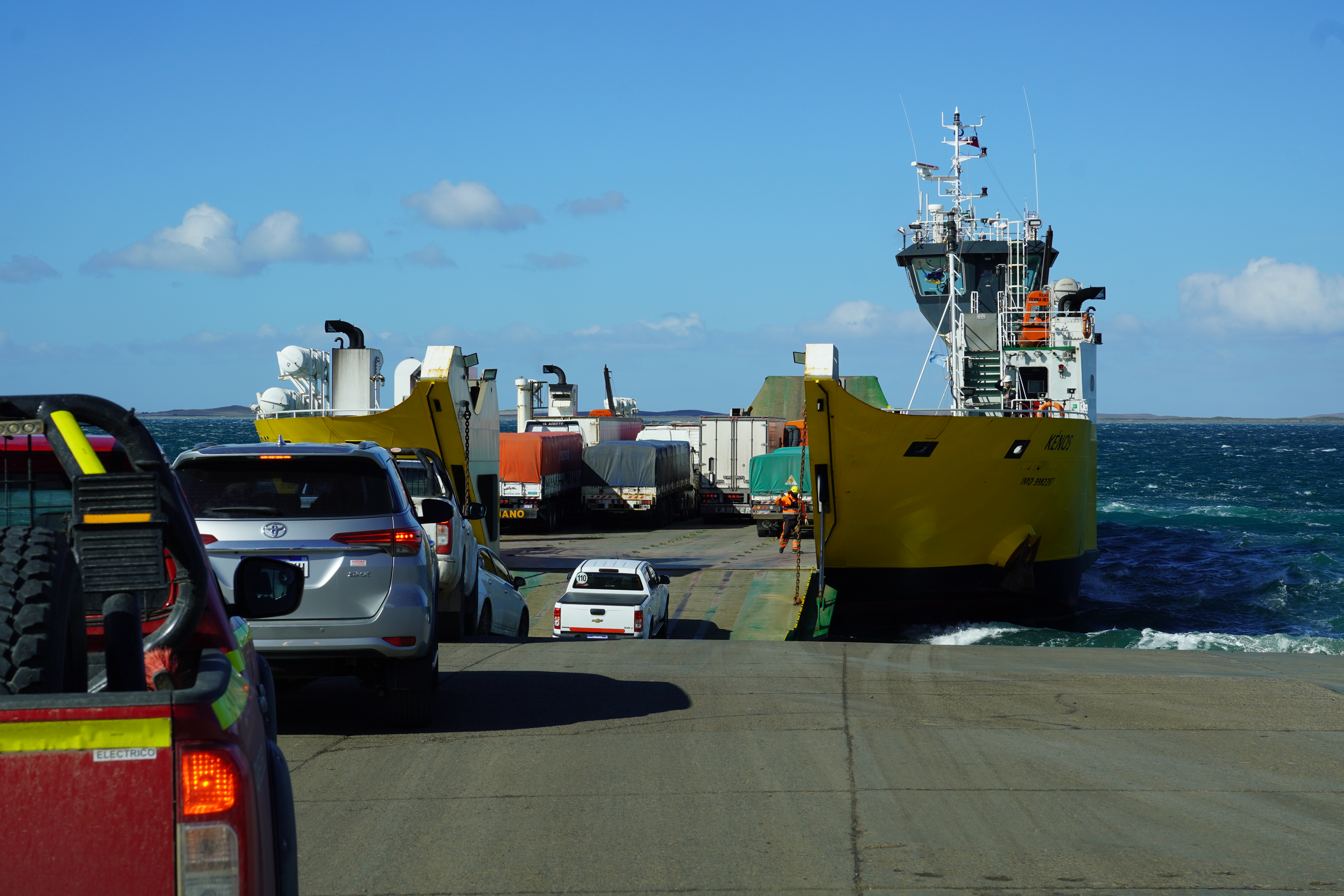
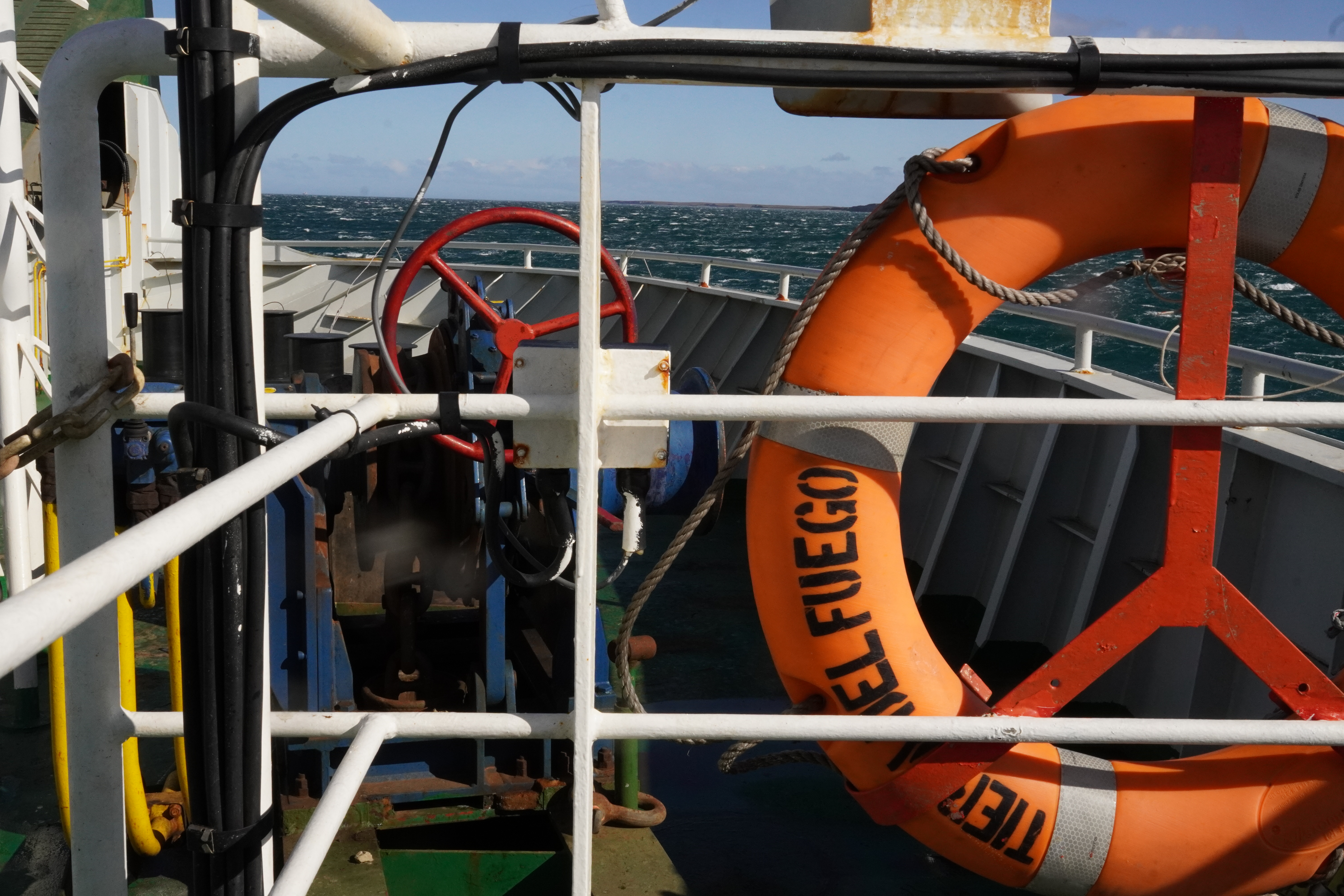
Shörtly after came Monte Ayond, the first border crossing. We checked out ourselves and Rosi, and a young customs officer looked into the fridge, nodding us and the potatoes through. After 60km and a very windy drive, we arrived at the ferry terminal. Crossing the Magellan Strait. Imagine this: the road ends, and you just line up. Cars and campers (we had the only camper van) on the left, trucks on the right. That’s it. Everyone waits for the next ferry. There’s no terminal, the road just leads straight to the water. We waited about 20 minutes and looked at the lighthouse. We drove onto the ferry, paid on the ferry (about €25) as it was already moving, and put the ticket on the windshield. There was a small shop on board, but it only accepted cash. Since we didn’t have any Chilean money, we couldn’t buy anything. A kind Chilean gave us a coffee for free, and I was so grateful for the really good espresso. On the outer deck, the wind was so strong, and the waves sometimes splashed water onto the deck. The crossing took about 30 minutes. The ferry doesn’t run in strong winds. We wondered what “strong wind” actually meant. It was already extremely stormy.
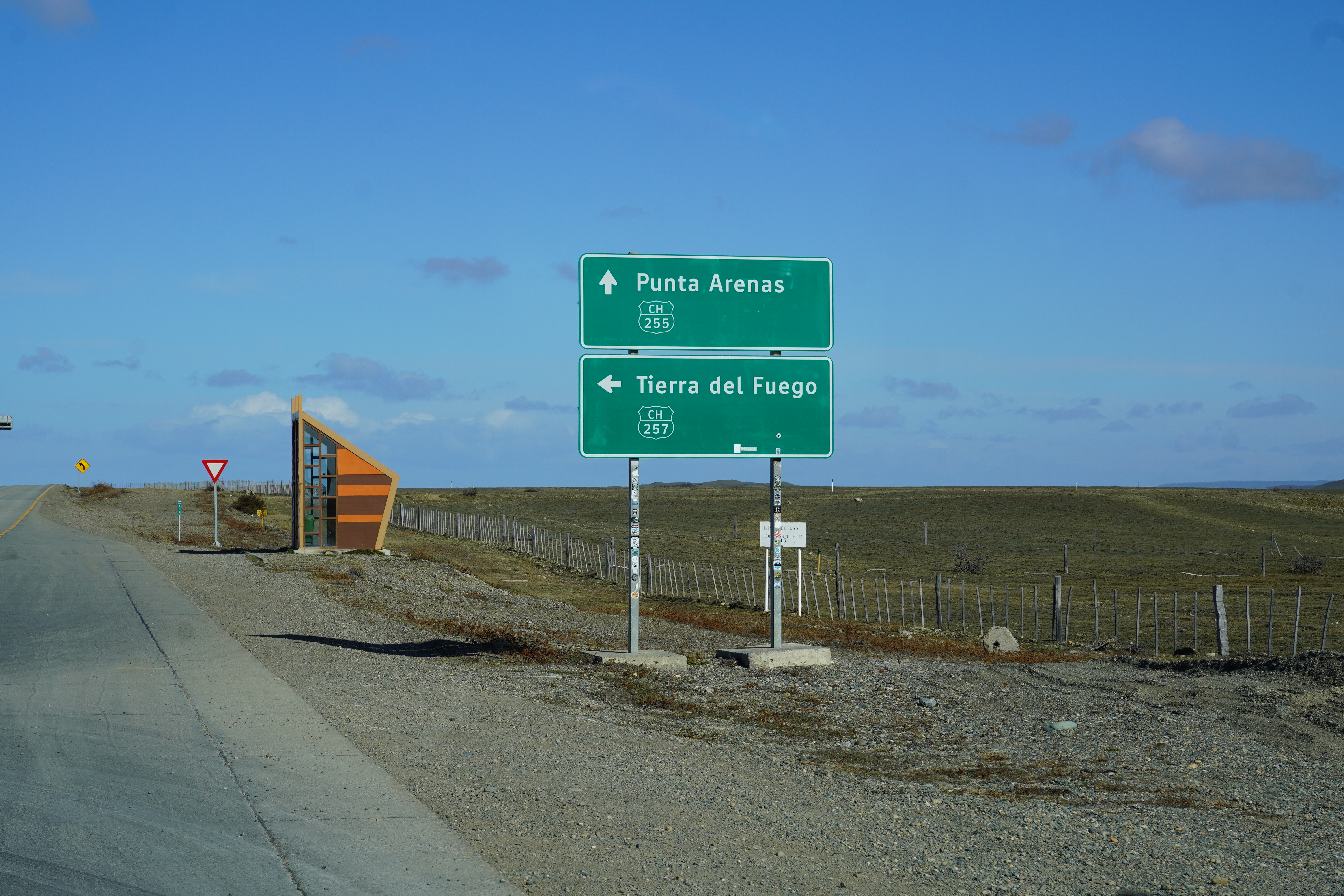
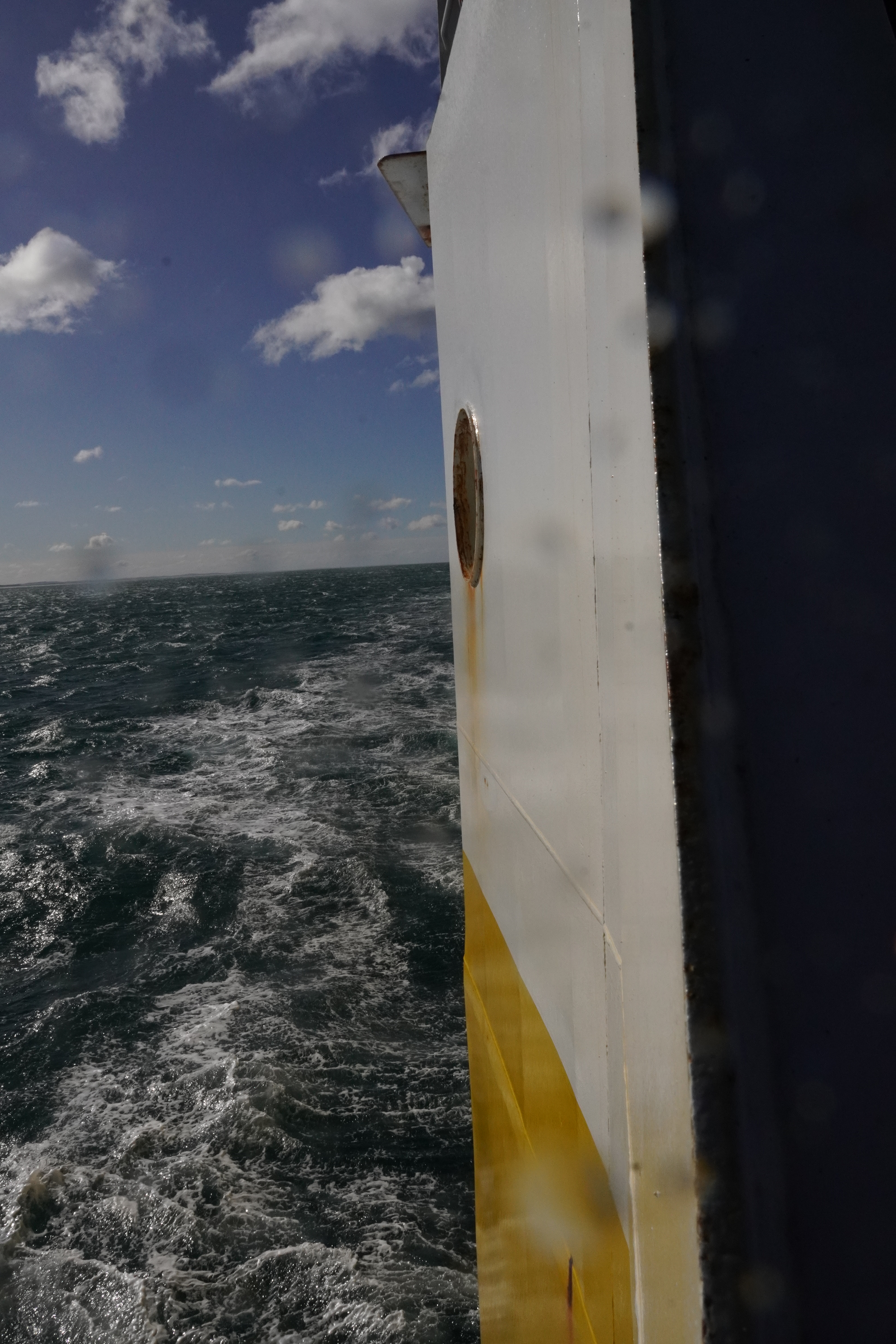
On Tierra del Fuegö, the weather changed dramatically, and the blue sky turned gray. At the second border crossing, after 4 hours in Chile, it was time to re-enter Argentina. We crossed the border quickly in San Sebastián. We moved on to Rio Grande, went through a somewhat unfriendly police checkpoint (they inspected Rosi’s tires and spoke something unintelligible in Spanish), took a long hot shower at a gas station, made a sort of tortilla with the potatoes for dinner, and slept there in the parking lot. The next morning, it was 3°C in the van. Welcome to Tierra del Fuego.
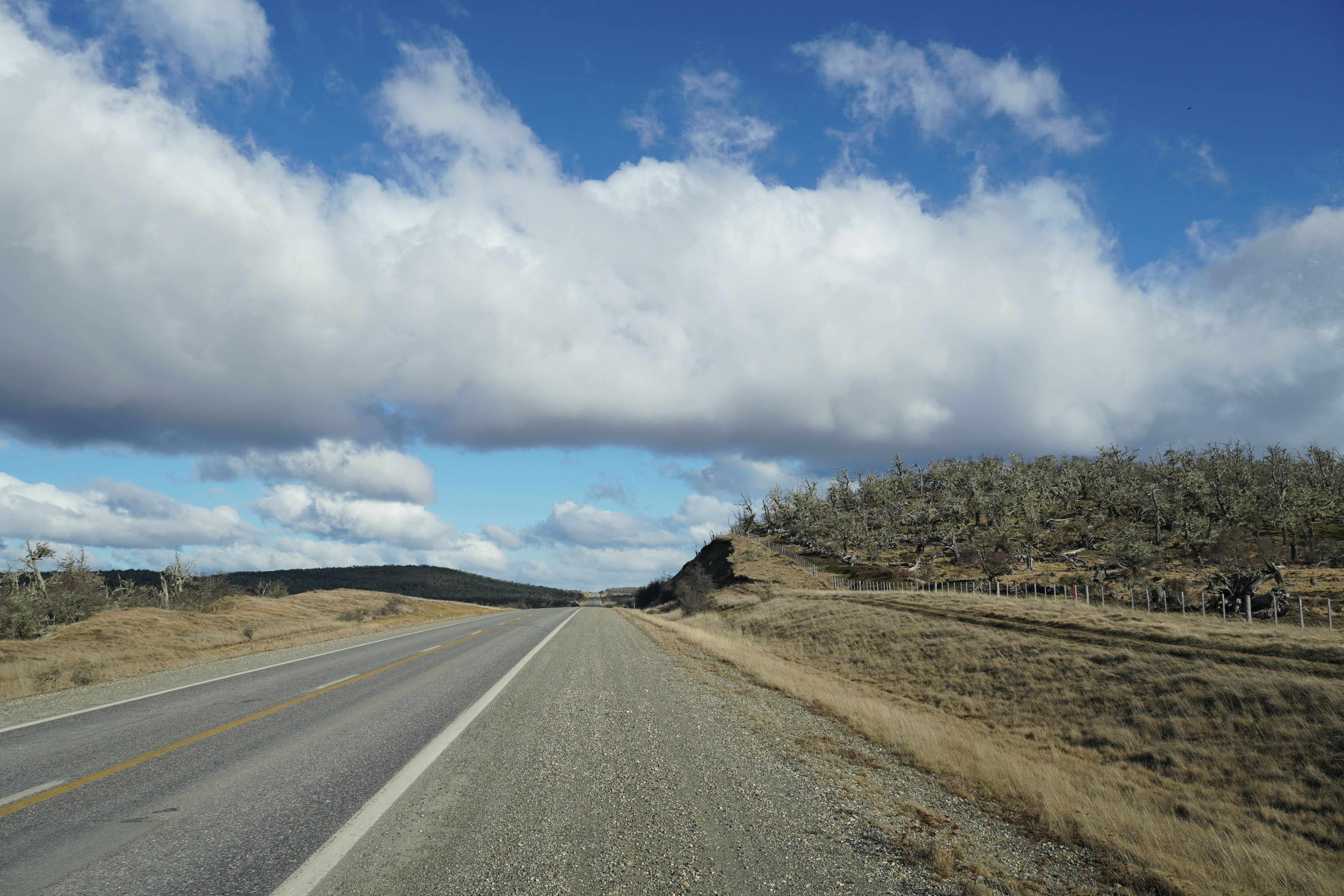
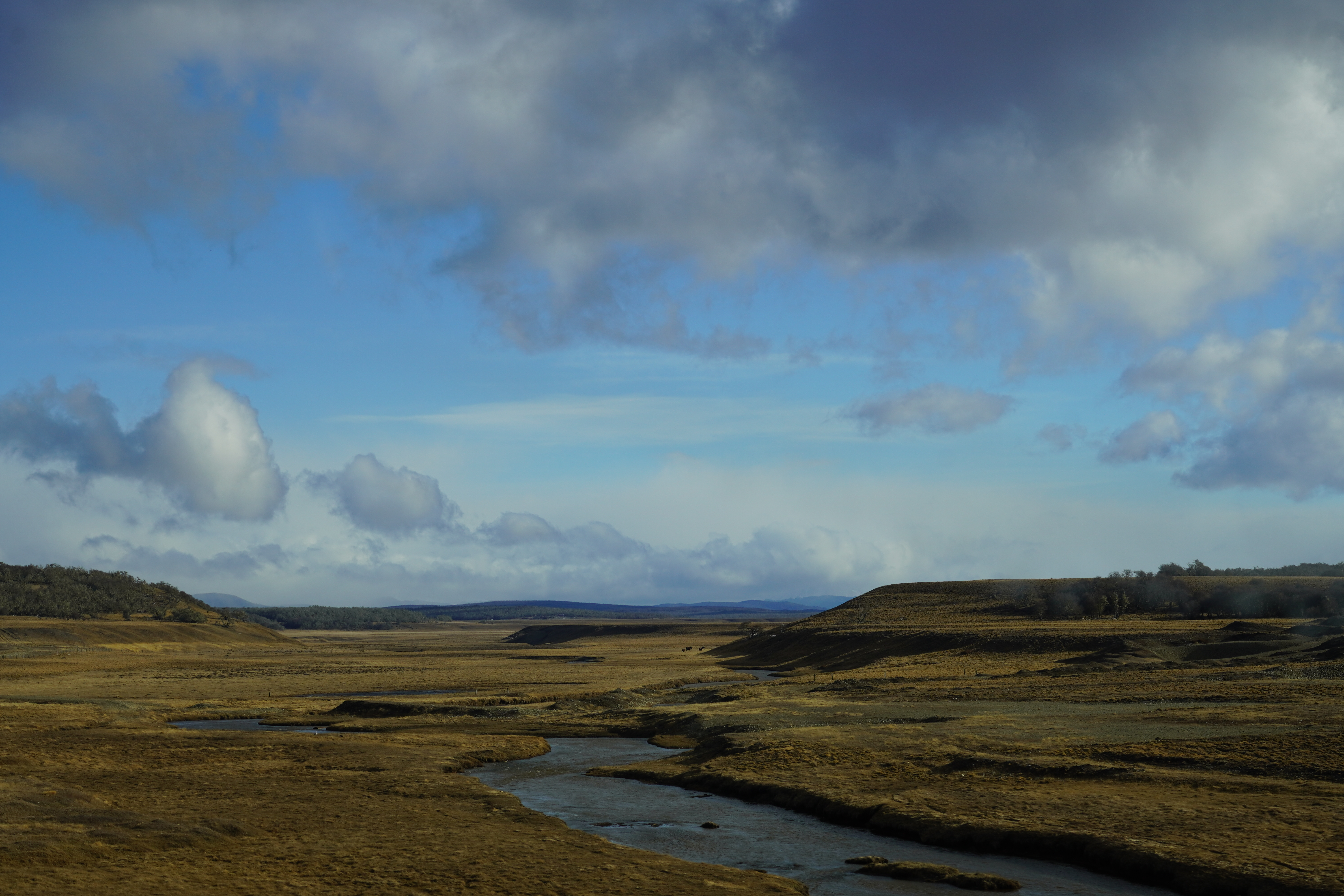
That day, we did laundry and visited the hardware store before continuing our drive through the windy, treeless and guanaco less (no lamas were here anymore), barren landscape towards Ushuaia. The goal: to spend the night at the ski lift. At first, we saw tiny trees. Then, the trees grew a bit bigger, and suddenly there were forests around us. We hadn’t seen forests in thousands of kilometers. To be precise, southern beech forests draped with lichens and Misodendrum, parasitic plants also known as “South American mistletoe.” It looked mystical. Small, gnarled trees without leaves. The landscape became hillier, and snow-capped mountains appeared on the horizon.
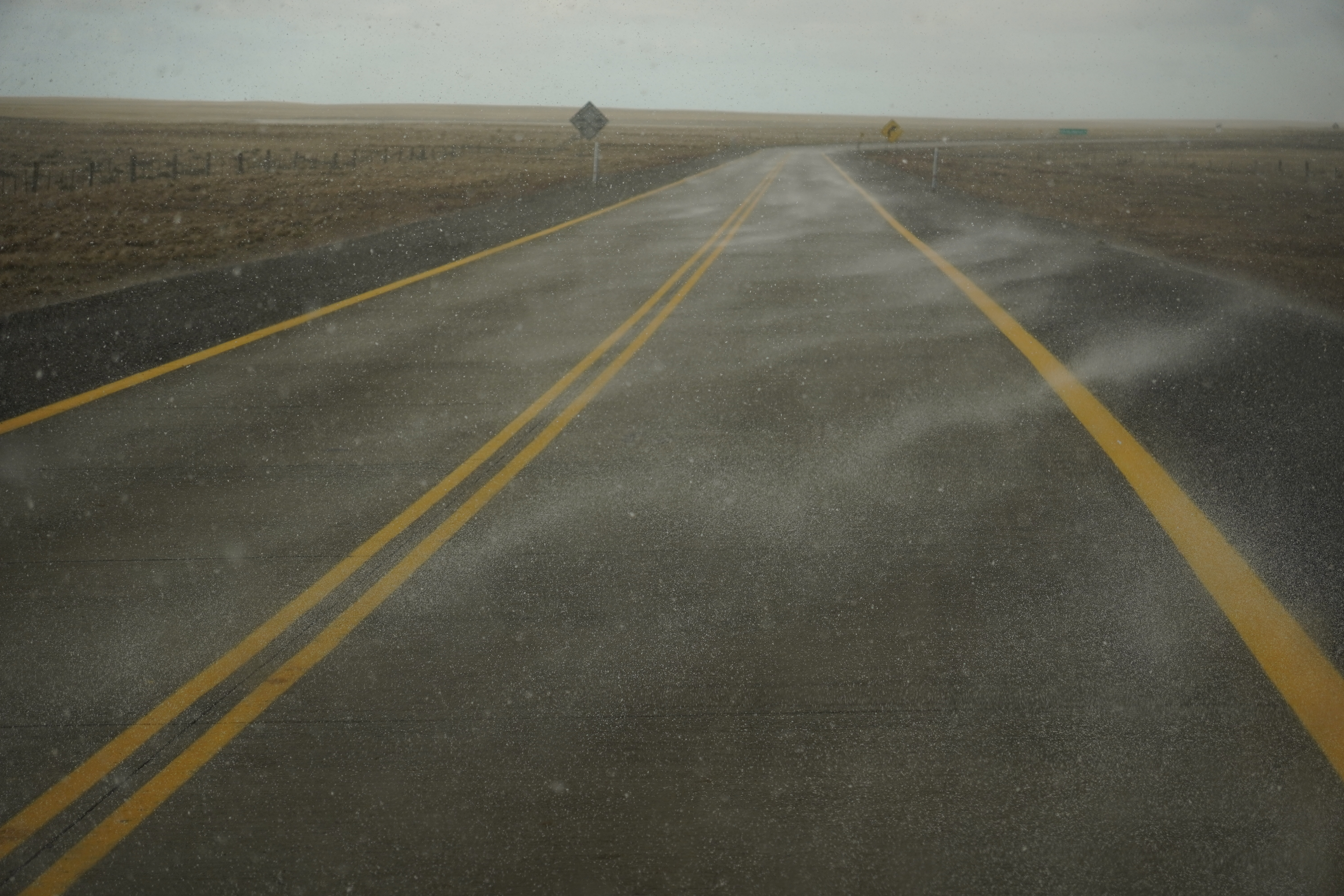
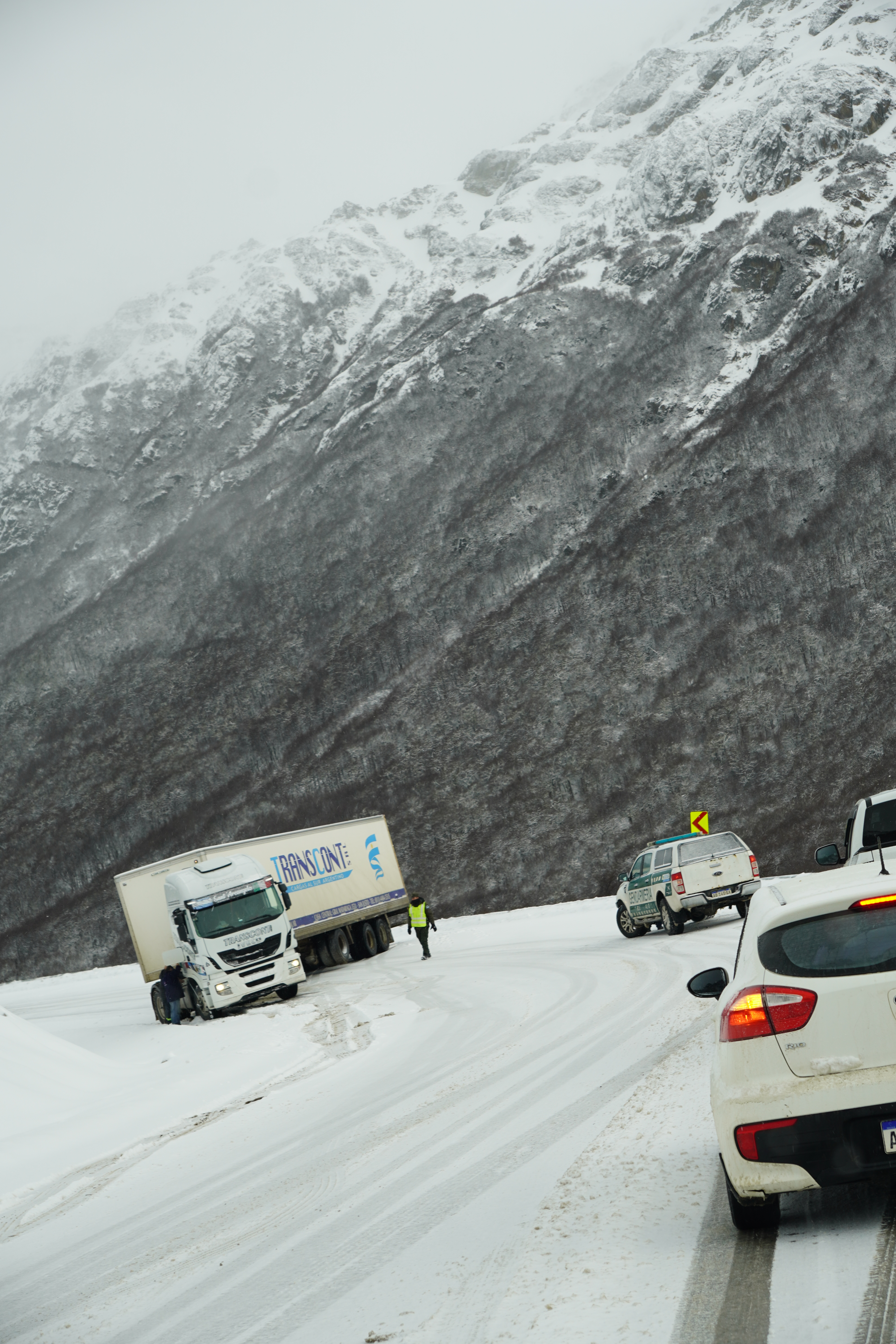
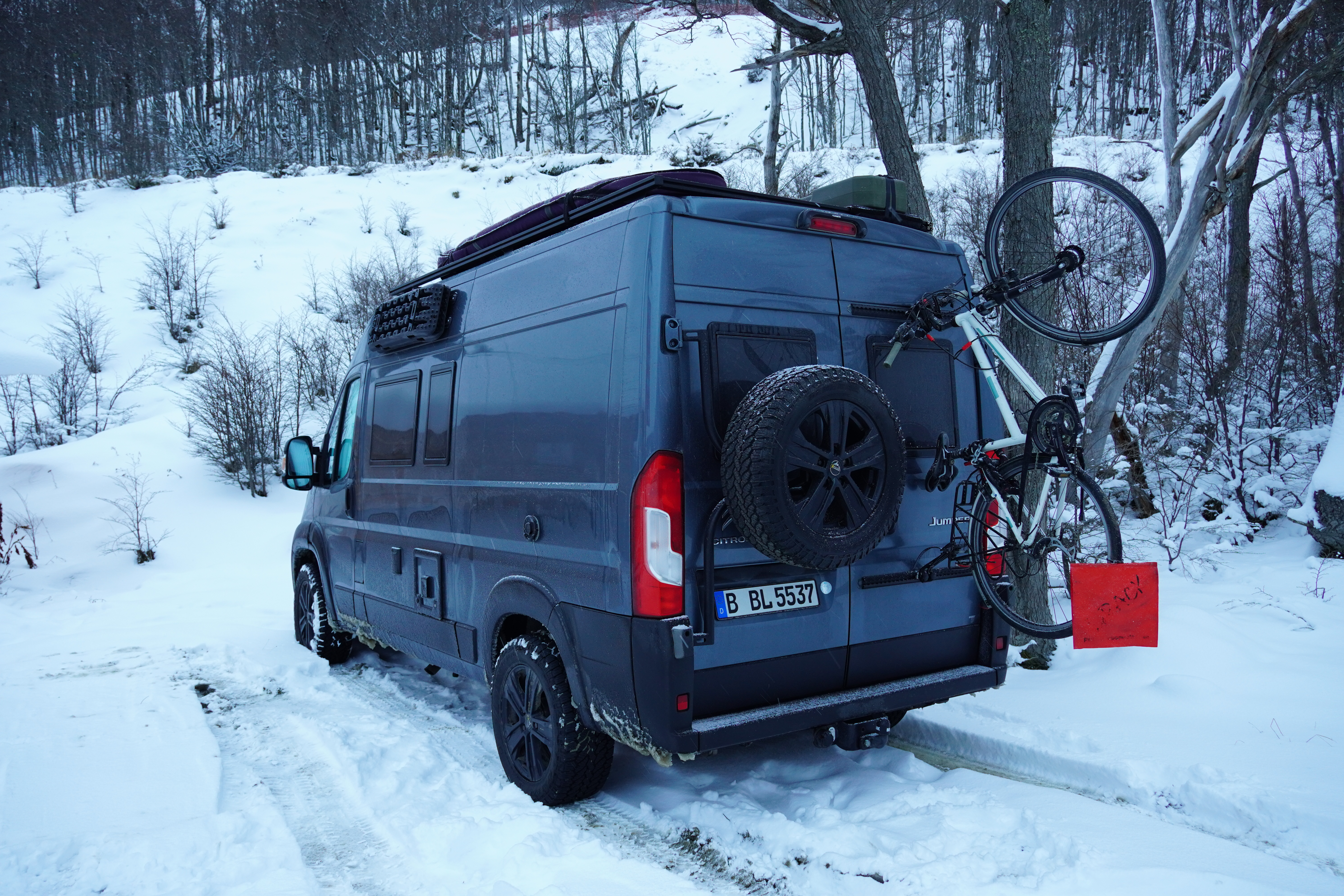
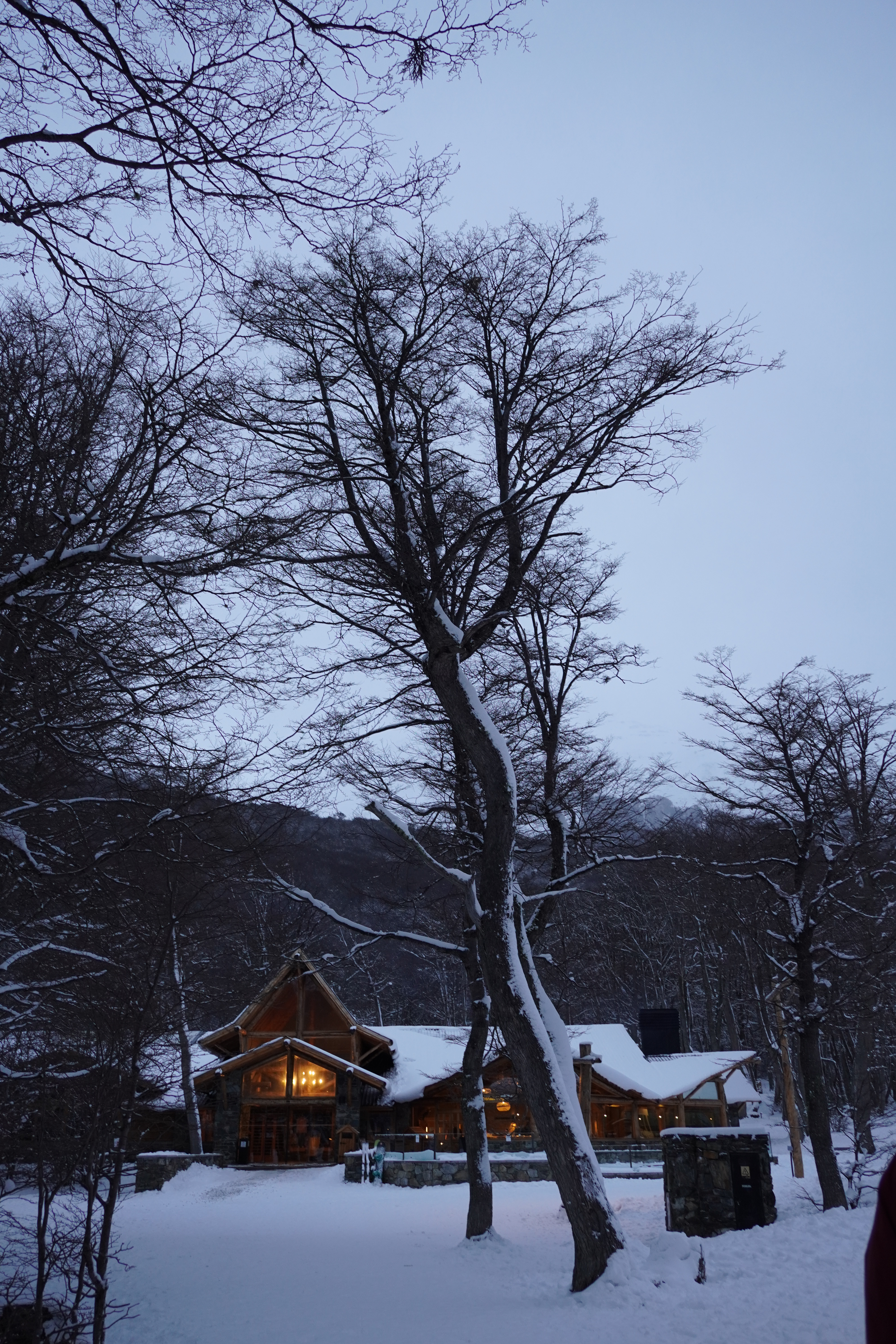
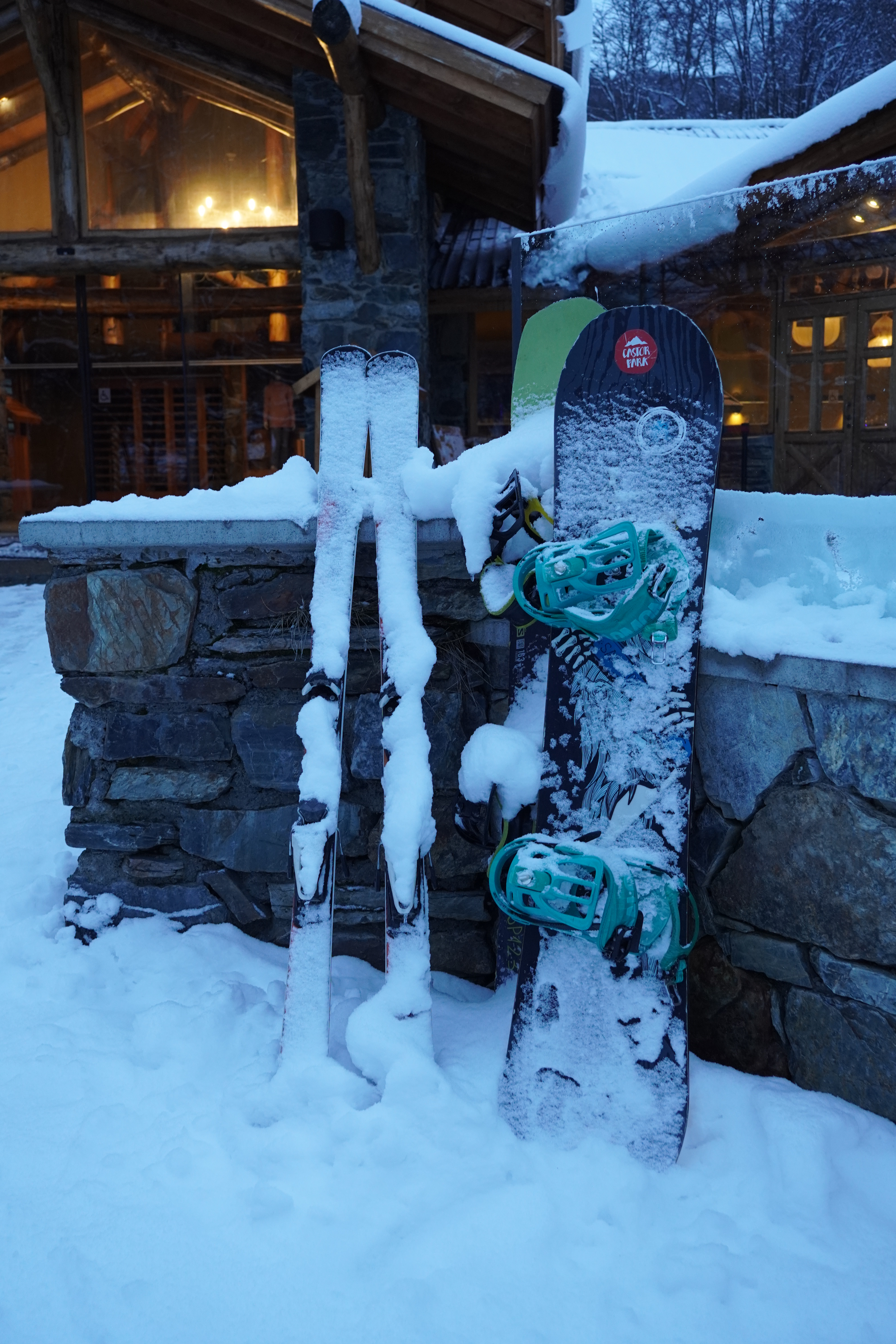
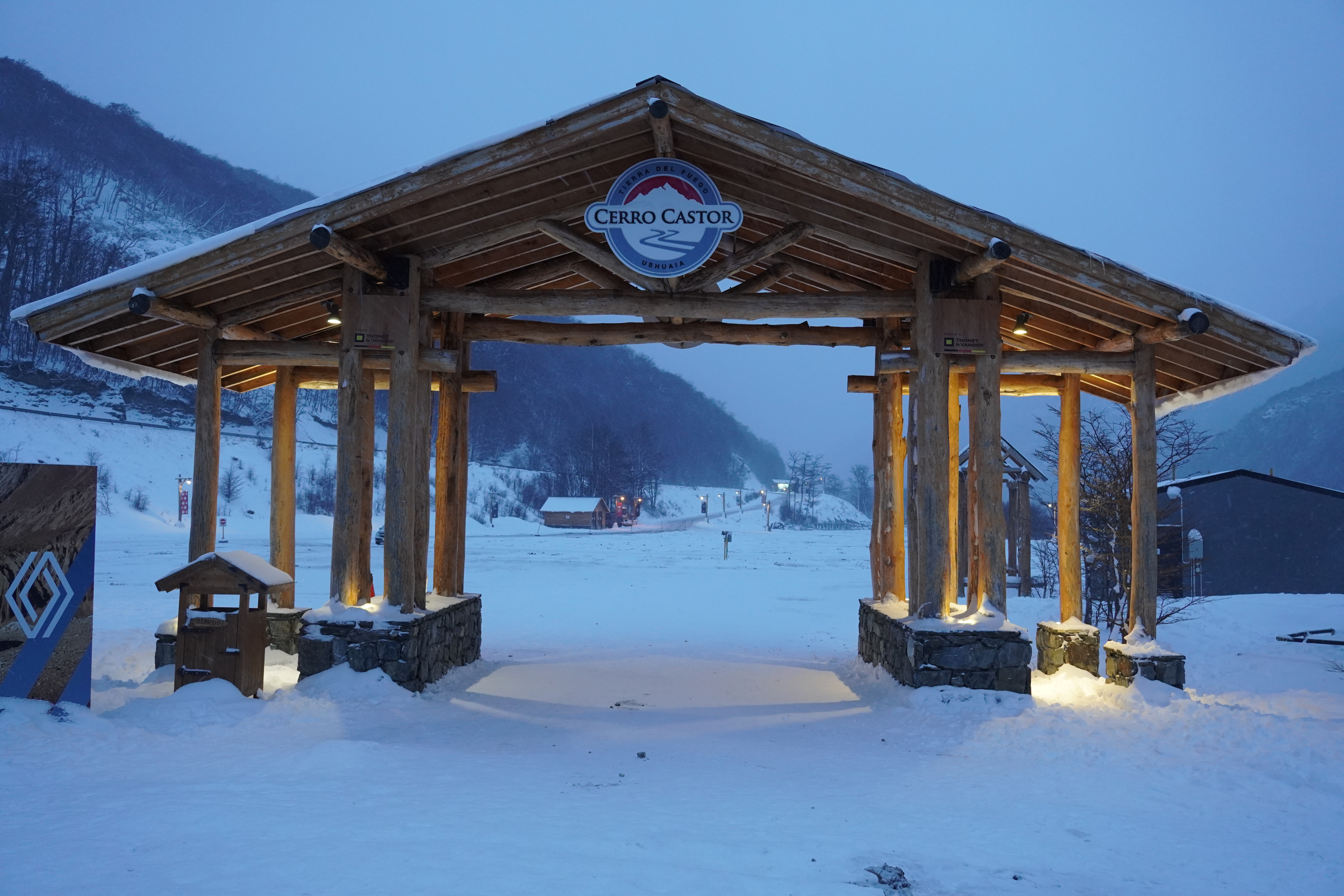
We passed through several police checkpoints, where they always inspected Rosi’s tires. We learned that snow chains were only mandatory for trucks, so with the snowflake on the off-road tires and the fact that we had 4×4, they let us continue. It started snowing slowly, and Google Maps suddenly showed traffic. Strange, considering the road was empty. The last warning for trucks: last chance to put on snow chains. The Garibaldi Pass at 450 m above sea level was ahead of us. For comparison, Üshuaia lies between 0-30 m above sea level. I drove through increasingly thick snow up the pass until, suddenly, everything came to a halt. A truck was standing across both lanes and hadn’t put on snow chains. The police were there, and the truck driver was trying to put on the chains but to no avail. However, he managed to clear one lane for traffic. So, we squeezed past the stranded truck and some others on the Ruta 3 and arrived a little late, around 7 p.m., at the ski lift in the beautiful crunching new snow at dusk. We asked if we could stay the night, and there was no problem. The parking lot was empty, and there wasn’t anything going on. No aprés ski. We were the only ones there. It was beautiful, and we were excited to gö skiing.

 höme
höme 
Leave a reply to keghansoliz Cancel reply