
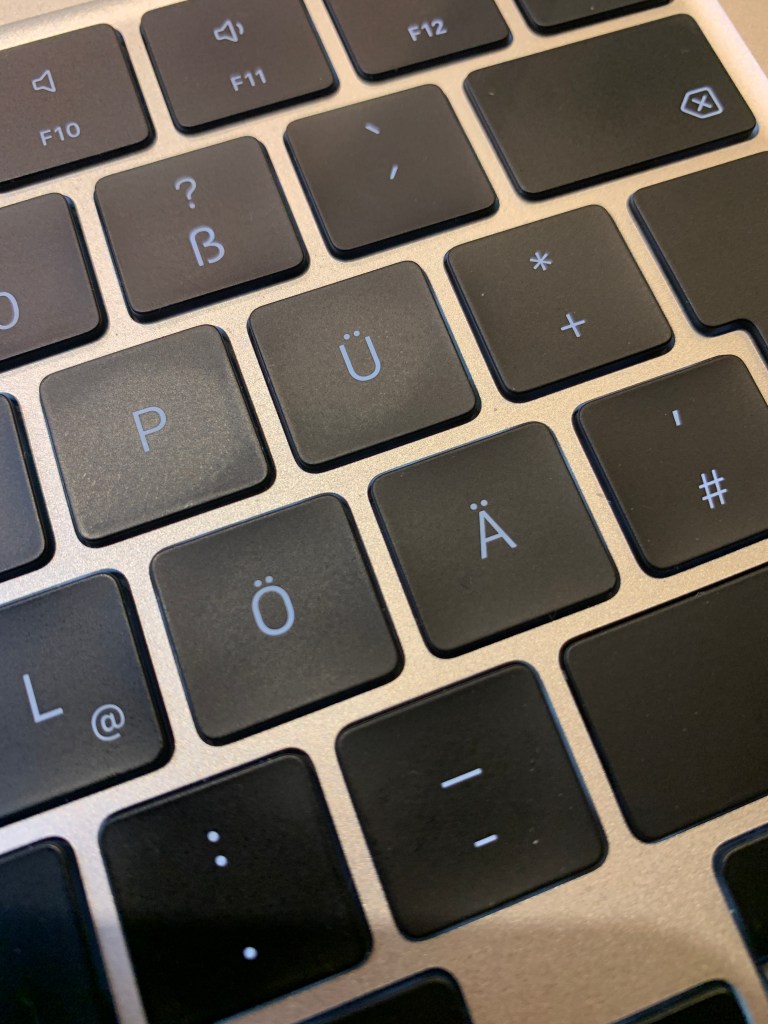
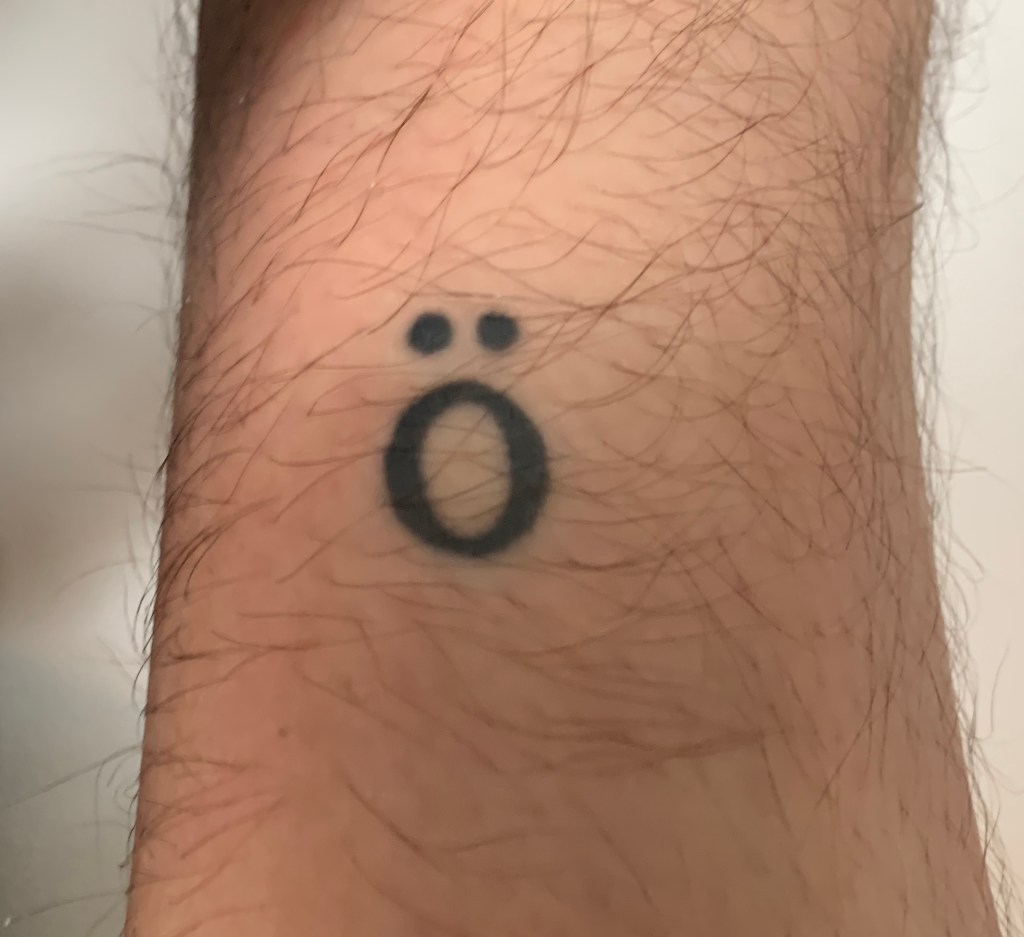
The term “umlaut” refers to a specific type of diacritical mark used in Germanic languages, primarily in German. It consists of two dots placed over a vowel (e.g., ä, ö, ü). The umlaut changes the pronunciation and sometimes the meaning of the vowel it modifies. For example, in German, the word “Mutter” (mother) becomes “Mütter” (mothers) with the addition of an umlaut, indicating a change in both pronunciation and meaning.
In a broader, more metaphorical sense, the word “umlaut” can be seen as representing a small change that makes a significant difference, reflecting the idea of transformation and adaptation.






 höme
höme 