The Essentials, Border Crossings, Capybaras at the Cable Park, Wild and wilder Camping in Argentina
Water & Gäs
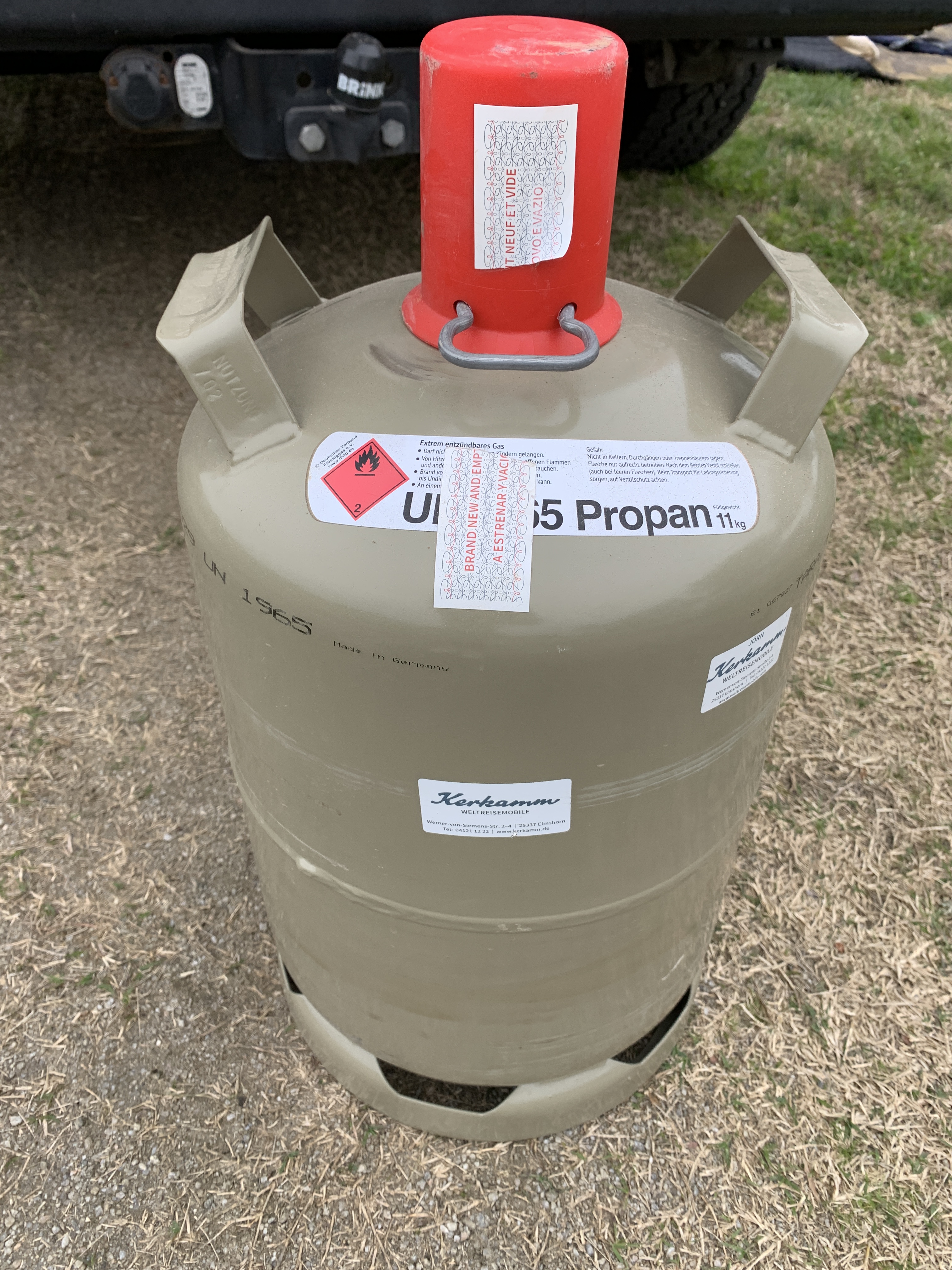
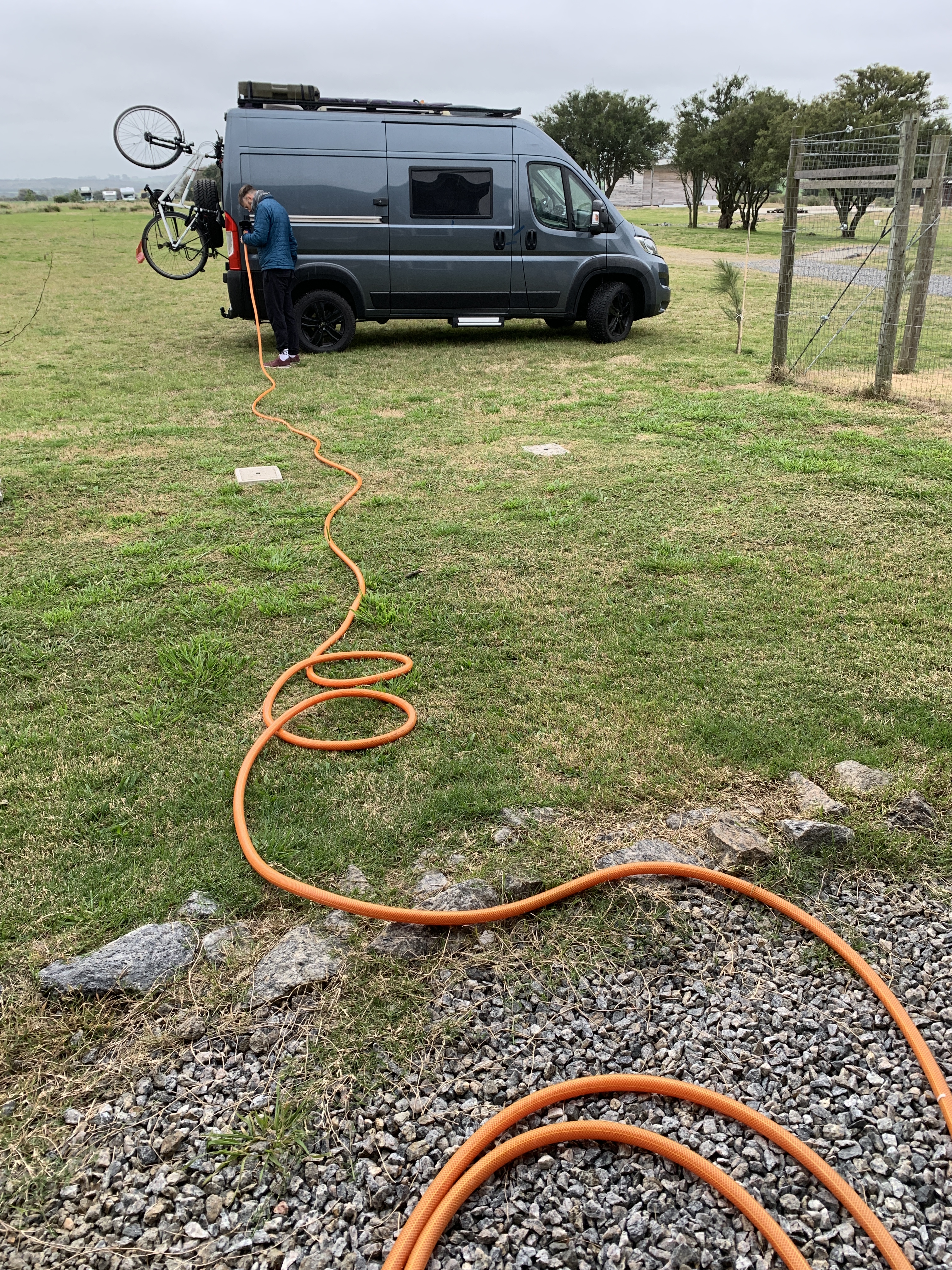
Just before we set off, it started pouring. We had been lucky with the weather in the previous days, allowing us to unload Rosi in the sunshine and sort everything out. But we weren’t finished yet. In the rain, we filled our water tank to the limit with drinking water. In the heavy rain, we drove towards the city to the first gas supplier. He couldn’t fill our empty German gas bottles, even with all the gas adapters we brought. We had brought one brand-new and empty gas bottle from Germany. We needed a certificate for the shipping, confirming that it was empty and unused. The second empty gas bottle was given to us by Ruedi (who had an entire stockpile of gas bottles) at the previous camping spot. Överlanders from Elmshorn – at least that’s what it said on our new empty gas bottle – had left it before their shipping. It was easier and worked out in our favor. Honestly, that had been our plan from Germany: to get an empty gas bottle near the port from returning travelers. Back to the gas filling: A few hundred meters further on, we got lucky, and Bjo..rn managed to fill both gas bottles at the second gas supplier. Yes! The price was completely okay, and finally, we were self-sufficient. Water in the tank (and plenty of water still coming from the sky) and gas! Electricity comes from the sun. Let’s hit the road.
Roads, Border Crossings, Food Inspections
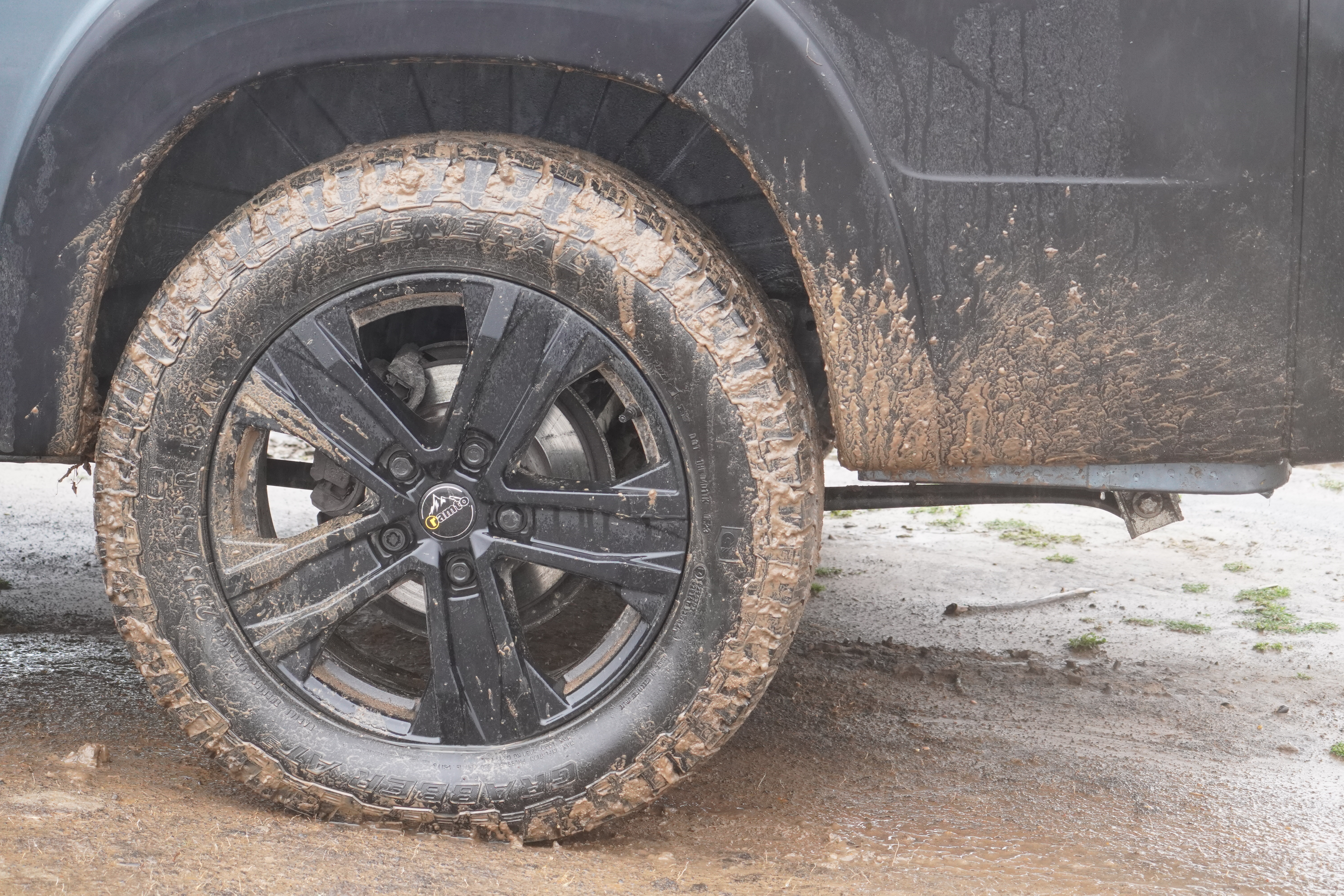
Oh, the road to Argentina.. We didn’t want to take the shorter route because that would mean we’d have to ship ourselves and Rosi to Buenos Aires. We weren’t keen on that after waiting so long for the Grande Francia. We just wanted to drive, hear the engine, and have Rosi with us. We were simply happy to be on the road. The road from Colonia del Sacramento to the north was in terrible condition, as it was only used by trucks and rural vehicles. Huge potholes. You couldn’t drive very fast, plus it was raining. Let’s hit the road..? Hmm, hopefully not. But the good thing, there was barely any traffic. Which was good because sometimes you had to drive in the oncoming lane or brake heavily. It’s important to stay focused on the road and keep both hands on the wheel (yeah, that’s true everywhere, but here you can’t even glance at the scenery just for a second). Just before the border, we filled up on fuel in Uruguay, asked for an AdBlue canister (the just had 20l) and a few things from the shop. They had everything there – cleaning supplies, Medialunas (not to be confused with croissants), black coffee for Linda, cat food, mate, sweaters, guns.. We wanted to spend our remaining Uruguayan money and stuck to juice, cleaning supplies, coffee for Linda, muesli bars and a few snacks. We knew there would be a food inspection at the border. Not just passport checks, but also a food check. I hid the muesli bars in the side door and the chocolate bar and coffee didn’t make it to the border. The border looked chaotic. You didn’t really know where to go. There were 4 to 8 rows with small, numbered containers spaced 20 meters apart, young customs officers and loooots of mud. At least it was covered, since it kept raining. The whole thing reminded us of a market or a festival entrance. They checked our passports, the vehicle registration, and Rosi’s entry confirmation to Uruguay (TIP). They also wanted to take a quick look inside Rosi, but just briefly. Maybe someone was still in the bathroom??? But no, so we were allowed to close Rosi’s bathroom, side, and rear doors quickly. Then we had to park in the mud, and Björn went to another counter. There, he sorted out all the paperwork for Rosi’s entry and exit, and we got our entry permit for Argentina. The whole thing took about 15 – 20 minutes. Nobody checked our food. I took the muesli bars back from their hiding place. Then we drove through a toll station and over a very, very long bridge to Gualeguaychú, Argentina. There was no stamp in our passport here either.
Crossing the border to Argentina – Capybaras at the Cable
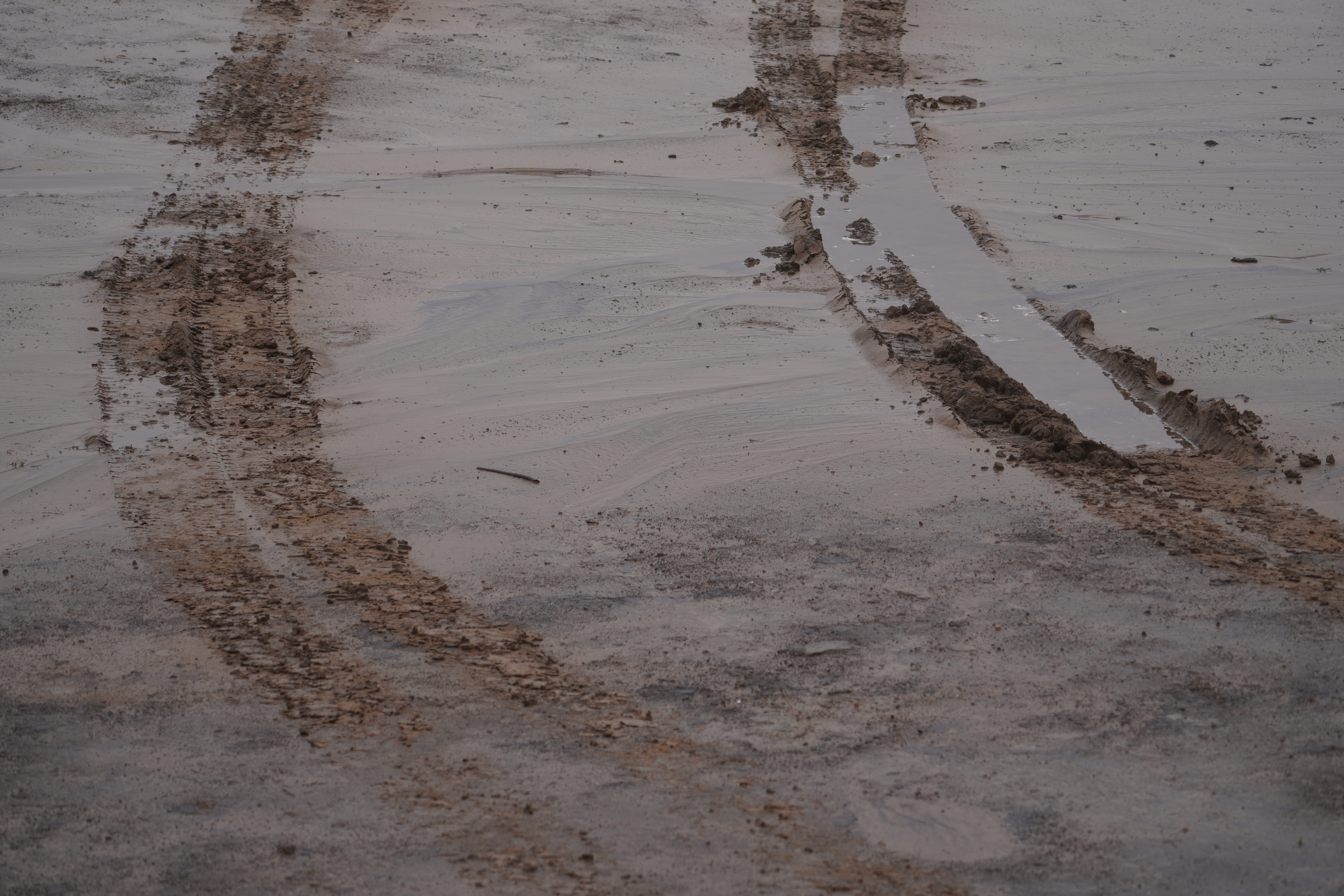
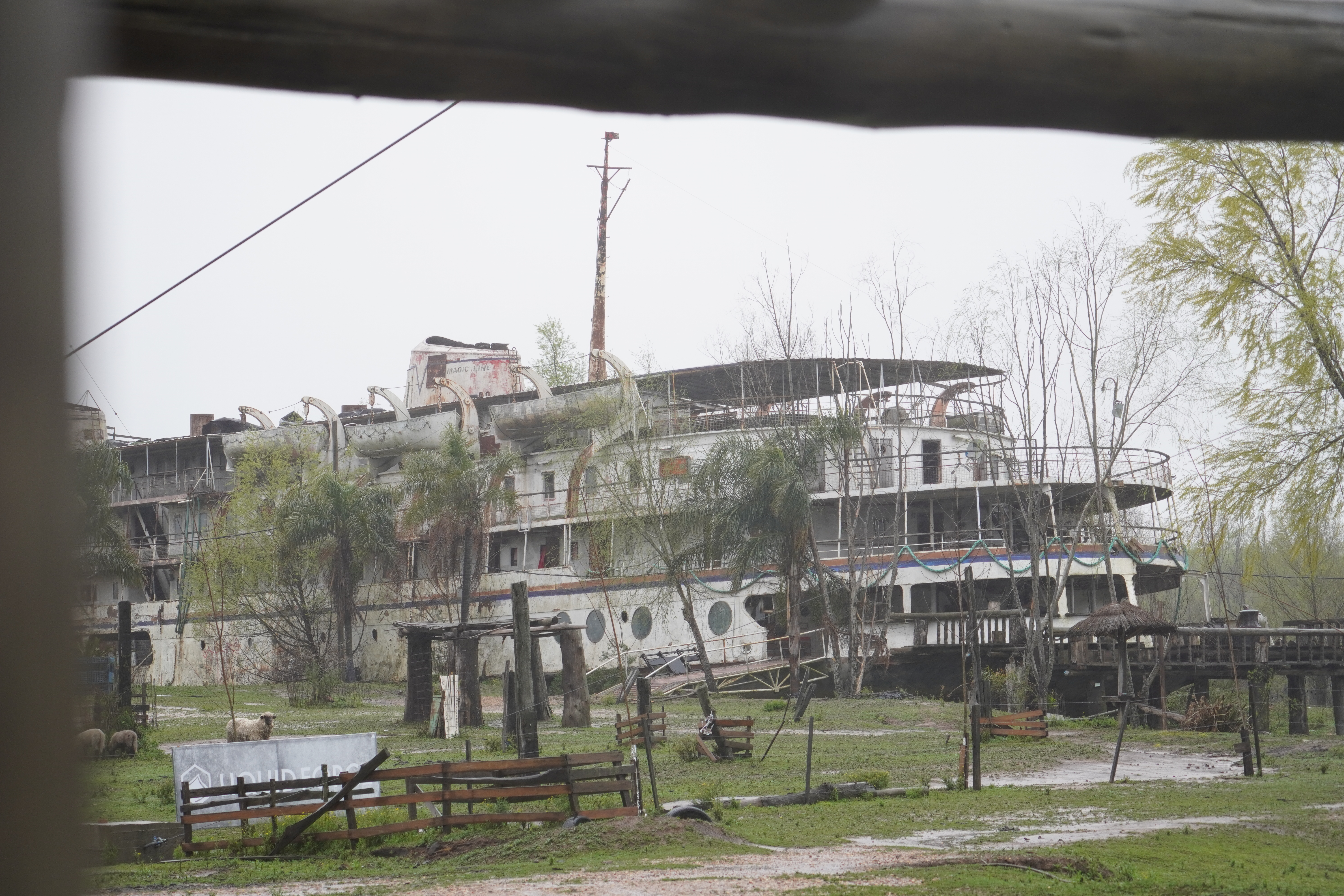
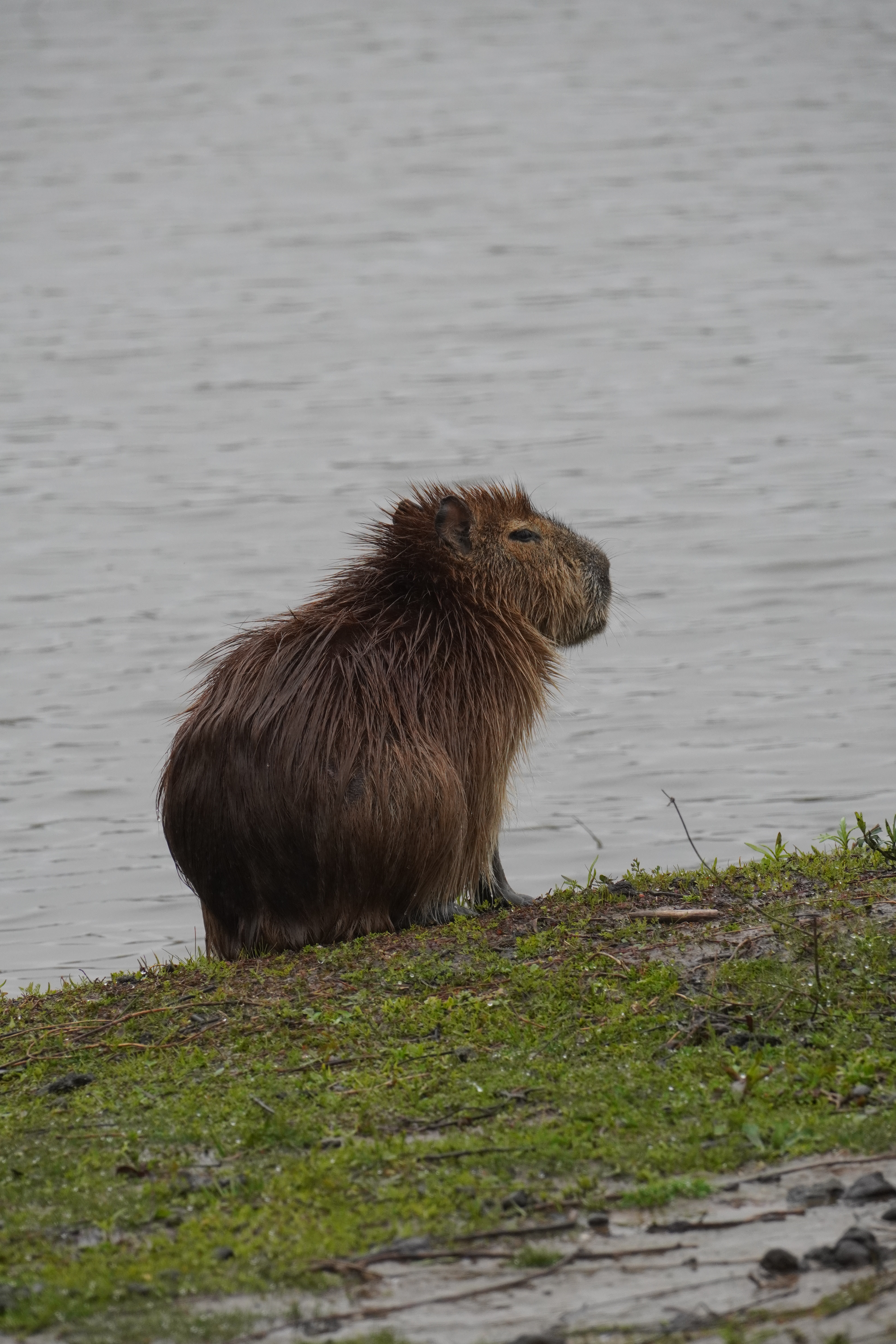
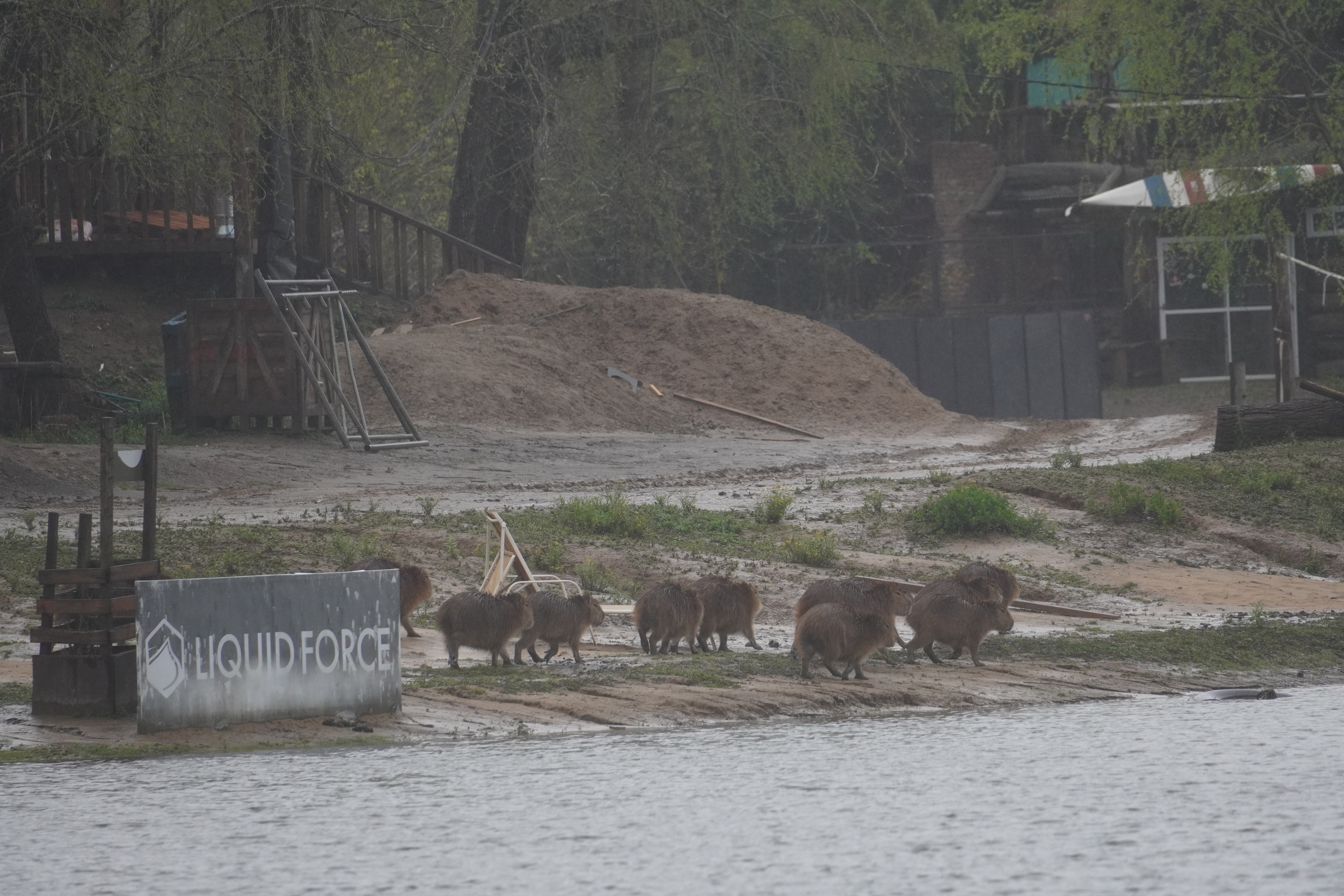
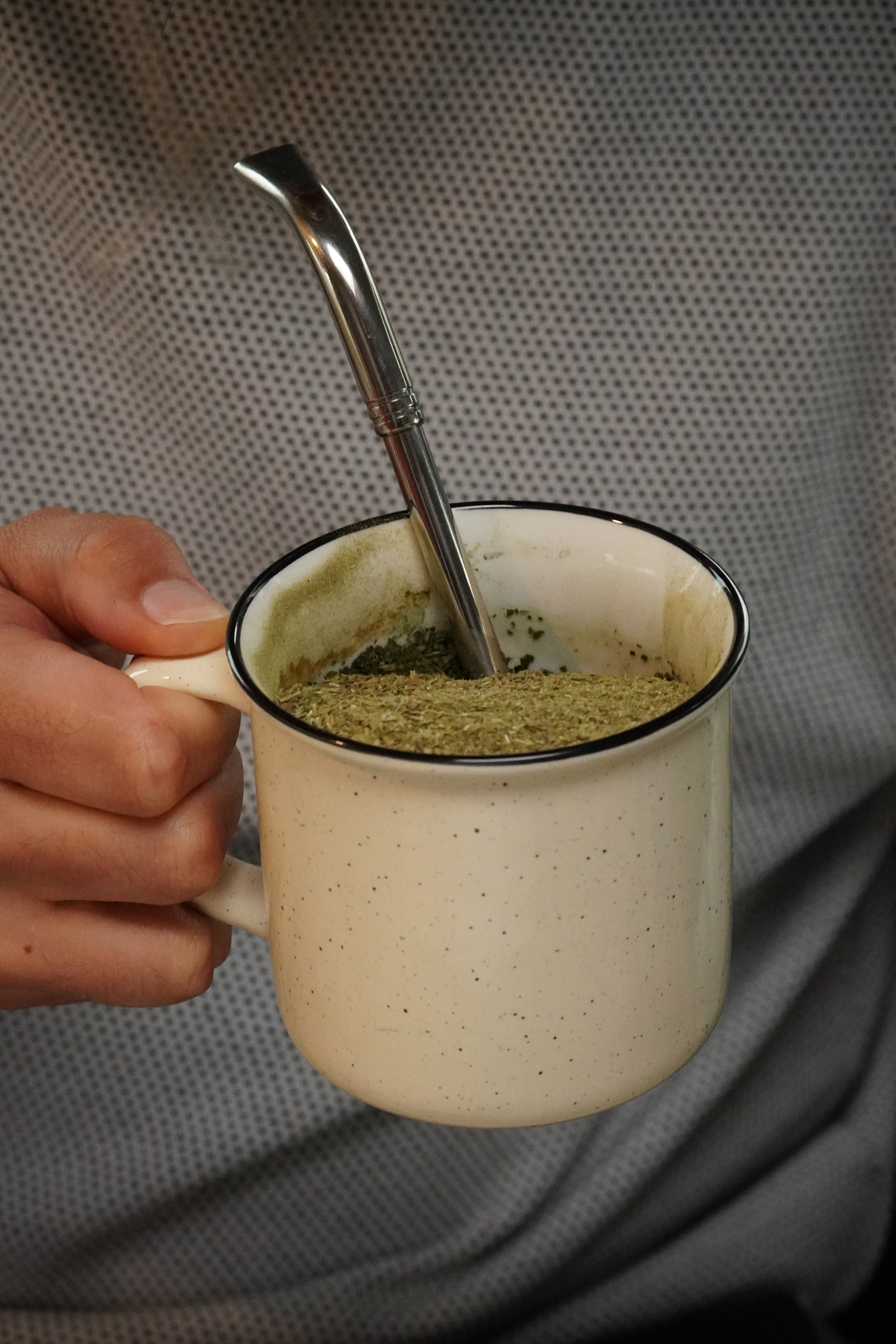
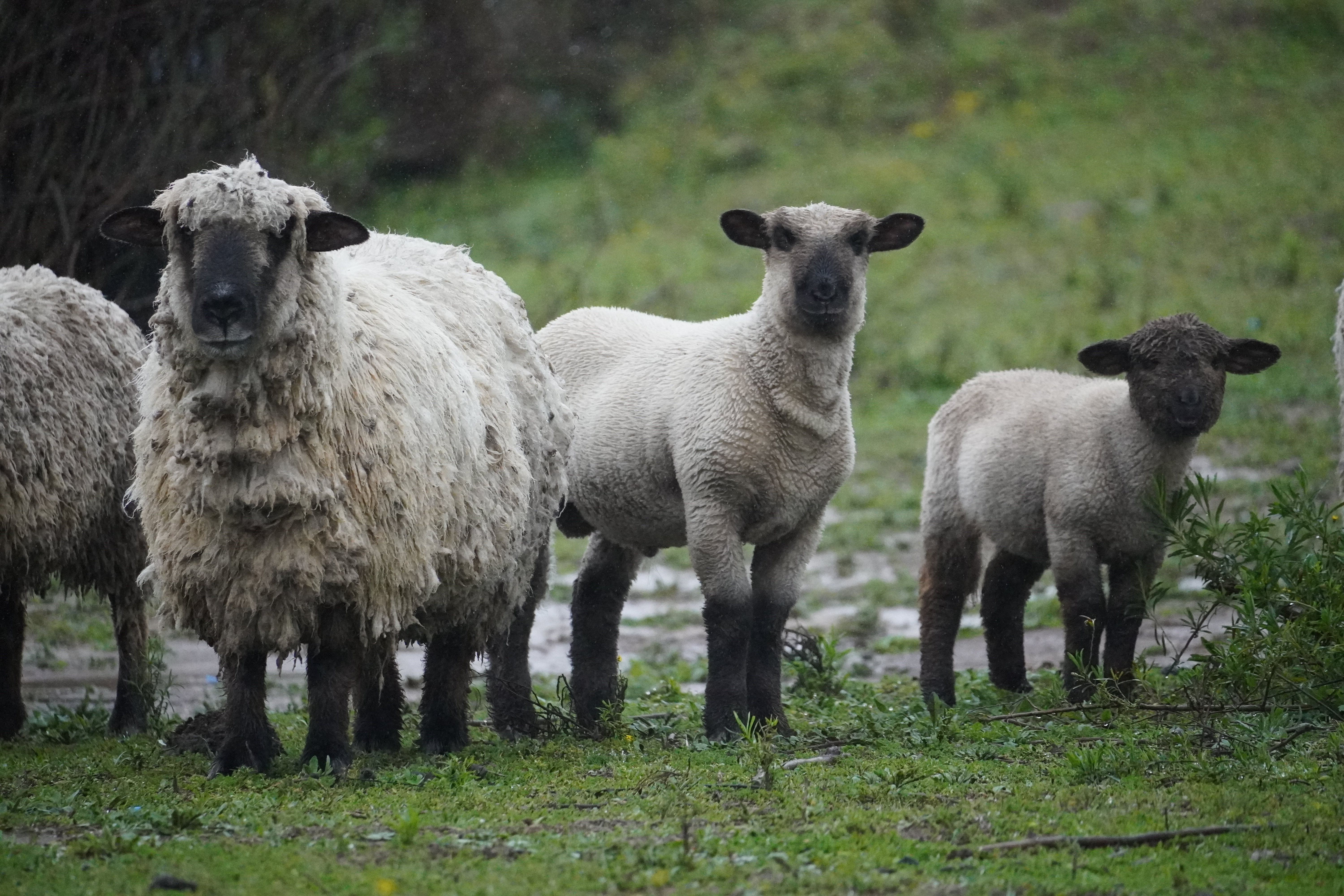
When we crossed the border into Argentina, we knew it wouldn’t be light for much longer. We did a big grocery shop in Gualeguaychú, quite a large city with everything you might need. Shopping was fun again. How cheap the groceries suddenly were. Our total was in the six-figure range, but it was only around €89. We were even able to stock up on some items that couldn’t be in Rosi during shipping – WD40, a lighter, tea, various spices, etc. That night, we planned to make a warming stew with potatoes, beans, and chorizo. After shopping, it was dark, and our Uruguayan network – and also the internet – was gone. Björn’s Argentine SIM card was not yet active. Beforehand, we had marked a few wild camping spots in iOverlander (comparable to the app Park4Night in Europe). We didn’t want to drive for several more hours, and according to Google, most of the campsites heading south were currently closed. We had also learned in Uruguay that nothing was open, despite what Google said. Never trust Google, as we would later realize. We parked with other overlanders by the river within the city, where we felt very safe. The first night of wild camping. It felt really good. The first time cooking with the gas stove. The stew warmed us, and the rain pounded on the roof. It was cozy, and we felt secure. The first coffee in the morning in bed.. enjoying the little things. The next day, after we got new or charged sim cards for our phones, we continued south to Pampas Cable Park, which was unfortunately closed due to bad weather. The drive to the wakeboard park was an adventure, and without 4×4, we would never have made it through the mud. It was in the middle of nowhere, and everything seemed deserted and abandoned. A pickup drove up to us and said the park was closed, but we were welcome to stay on the property. In German. His name was Bernie, and he apparently owned the land. He gave us his phone number, just in case we need help with anything. Wow, we did not expect that, that was so kind. So we spent a night at the cable park, without any people, surrounded by a large herd of capybaras, geese, various bird species, cattle, and sheep. We watched the capybaras’ behavior, how they swam through the lake, curiously eyed Rosi, grazed, and made funny noises. When they sense danger, capybaras just jump into the water. It looks like they’re doing a full belly flop. Then you don’t see them anymore. They can dive for quite a while and eventually reemerge. In this case, they came out on the island in the middle of the wakeboard park, where they live. But they can also gracefully slip into the water, with just their heads peeking out as they swim. We were fascinated by the animals. The next morning, the park was supposed to open at 10 AM, but it was cold, muddy, windy, rainy, and nobody was there. At 11 AM, we decided to leave. We made a Yerba Mate beforehand to keep us awake during the drive.
The real wild Cämping in Argentina
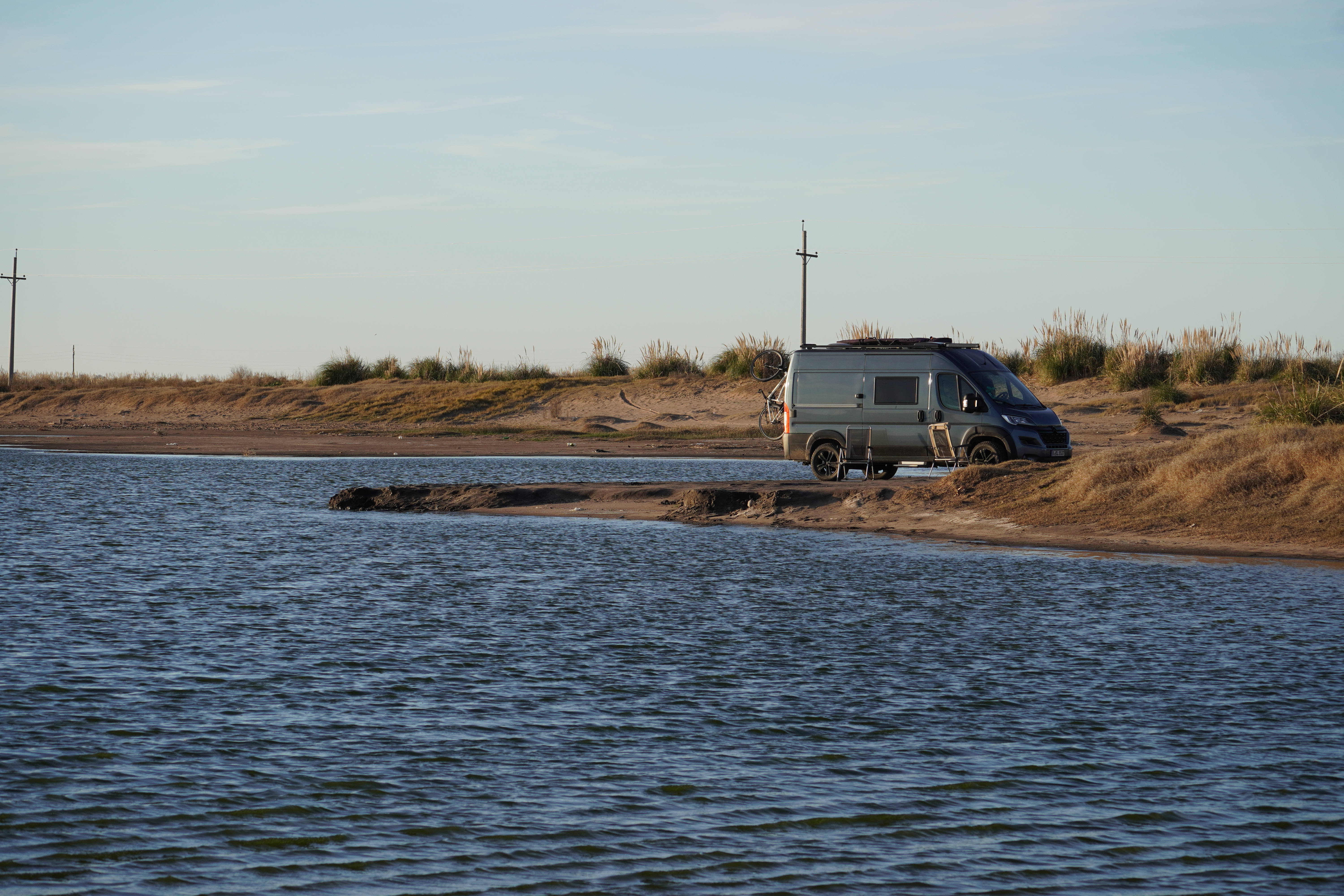
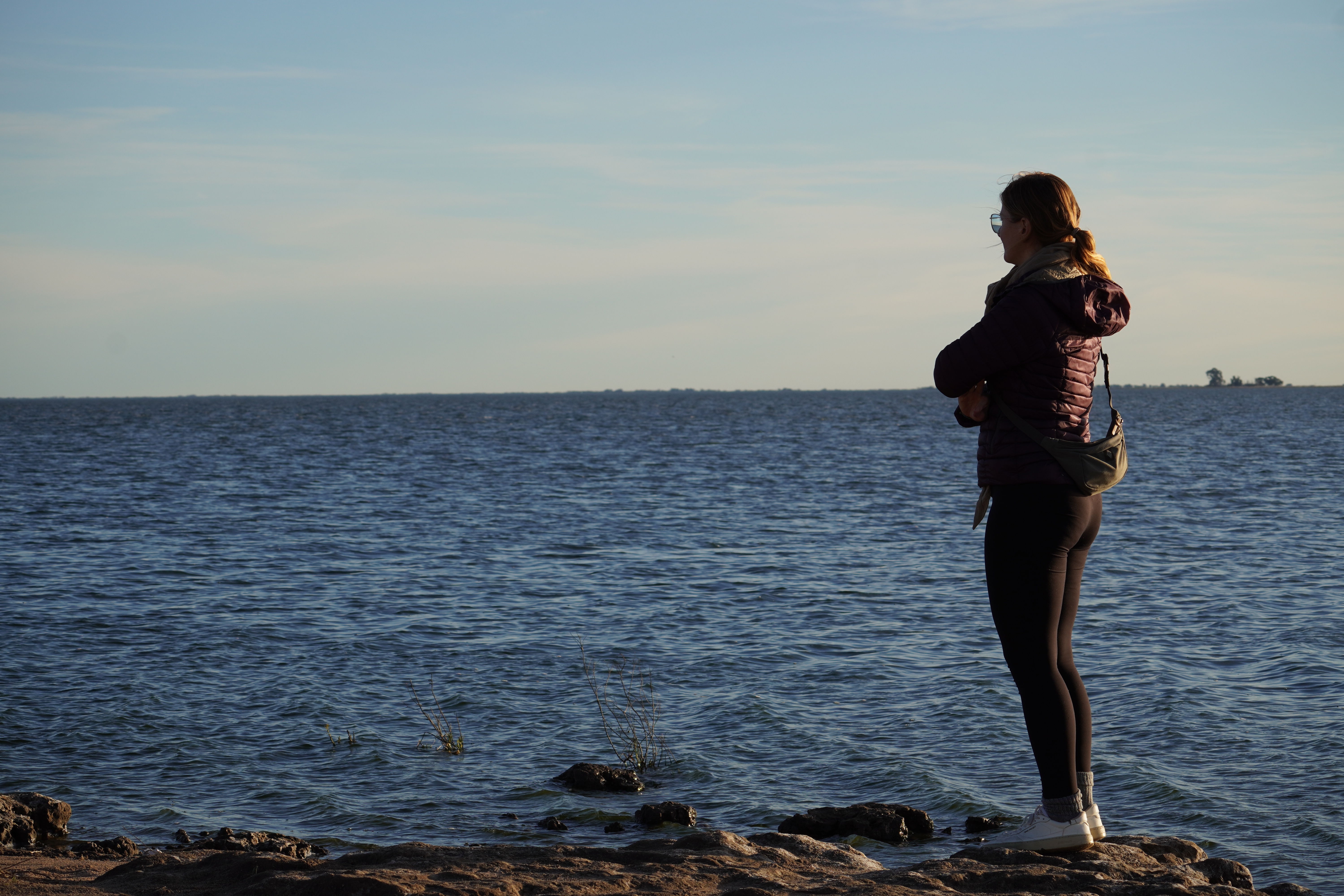
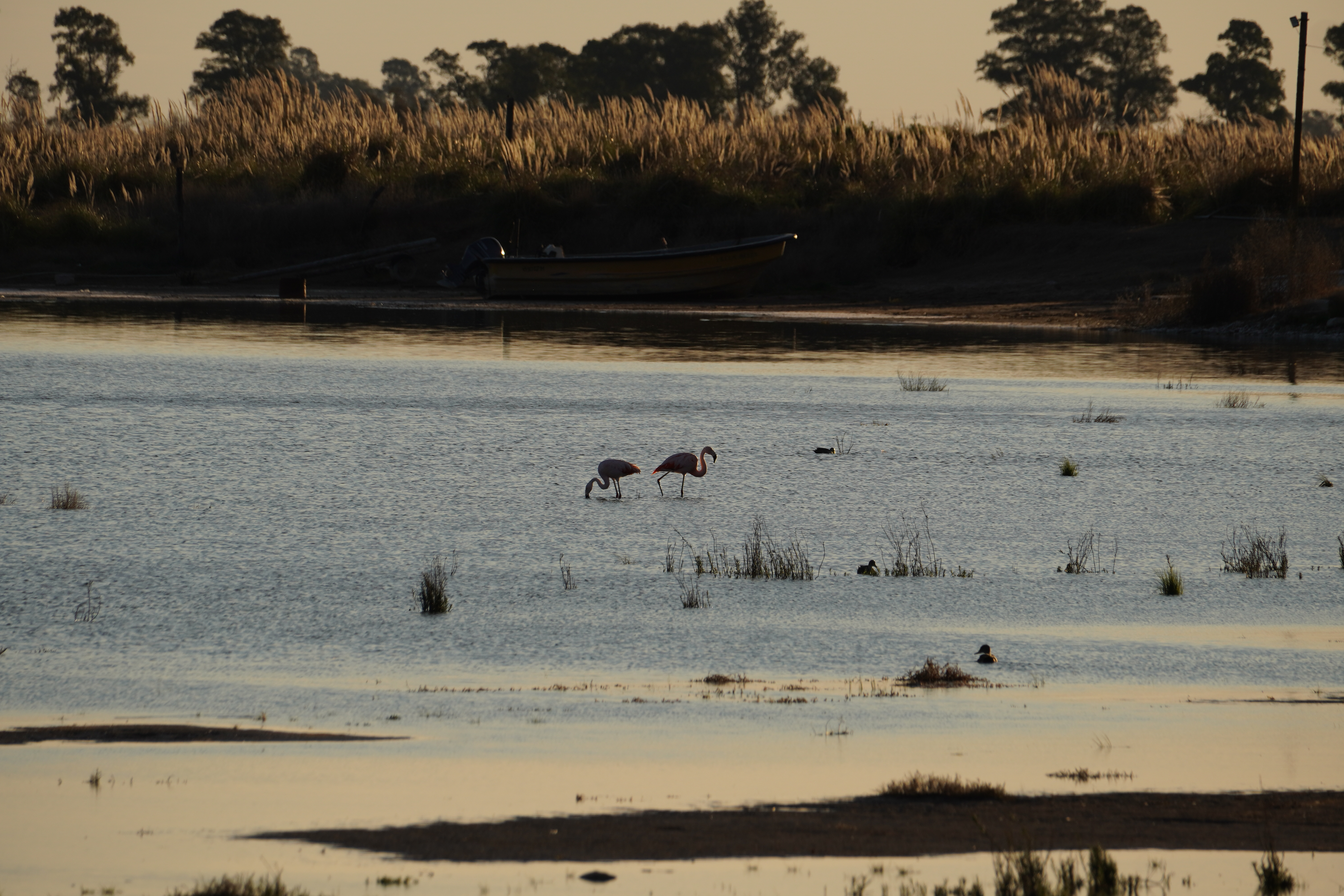
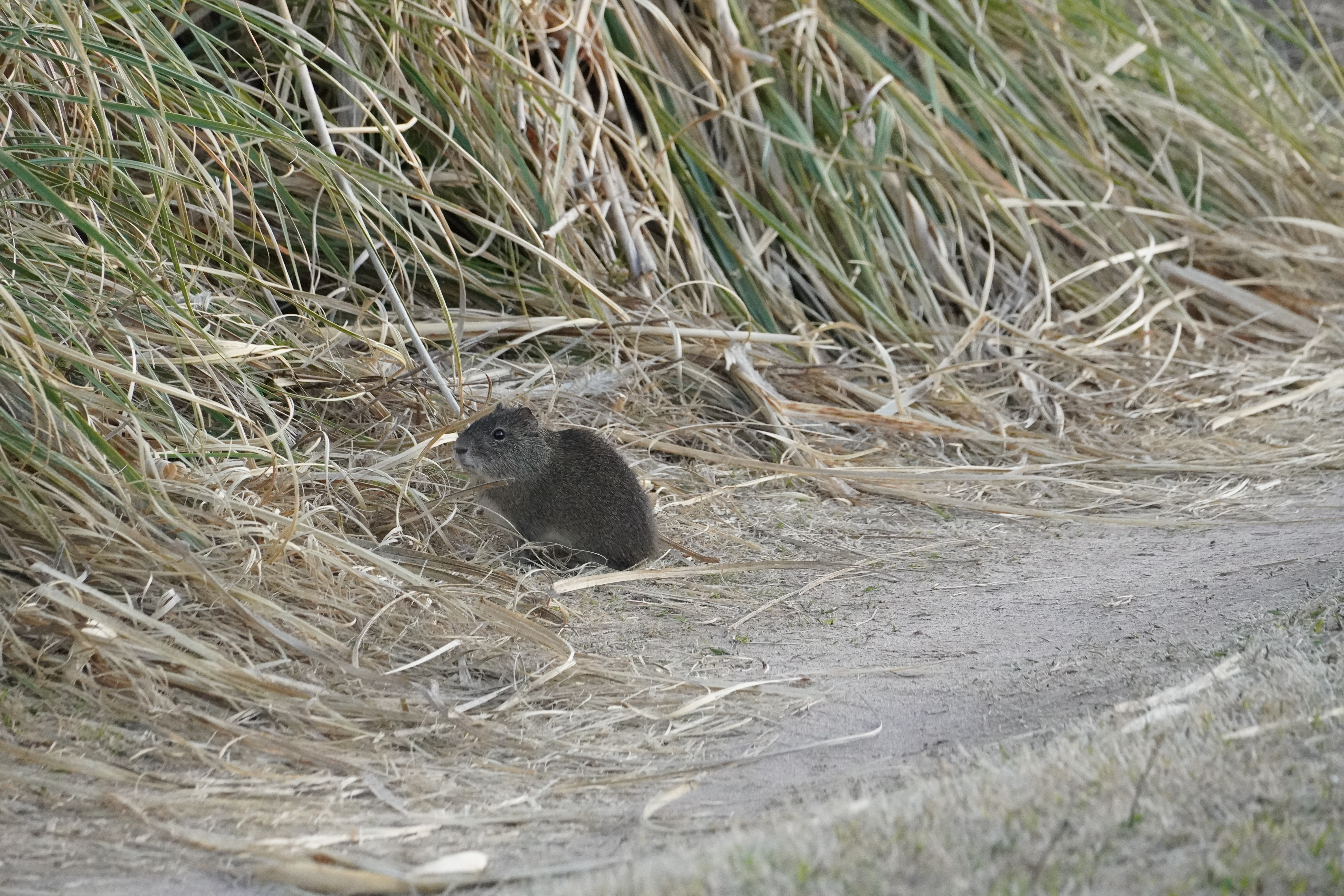
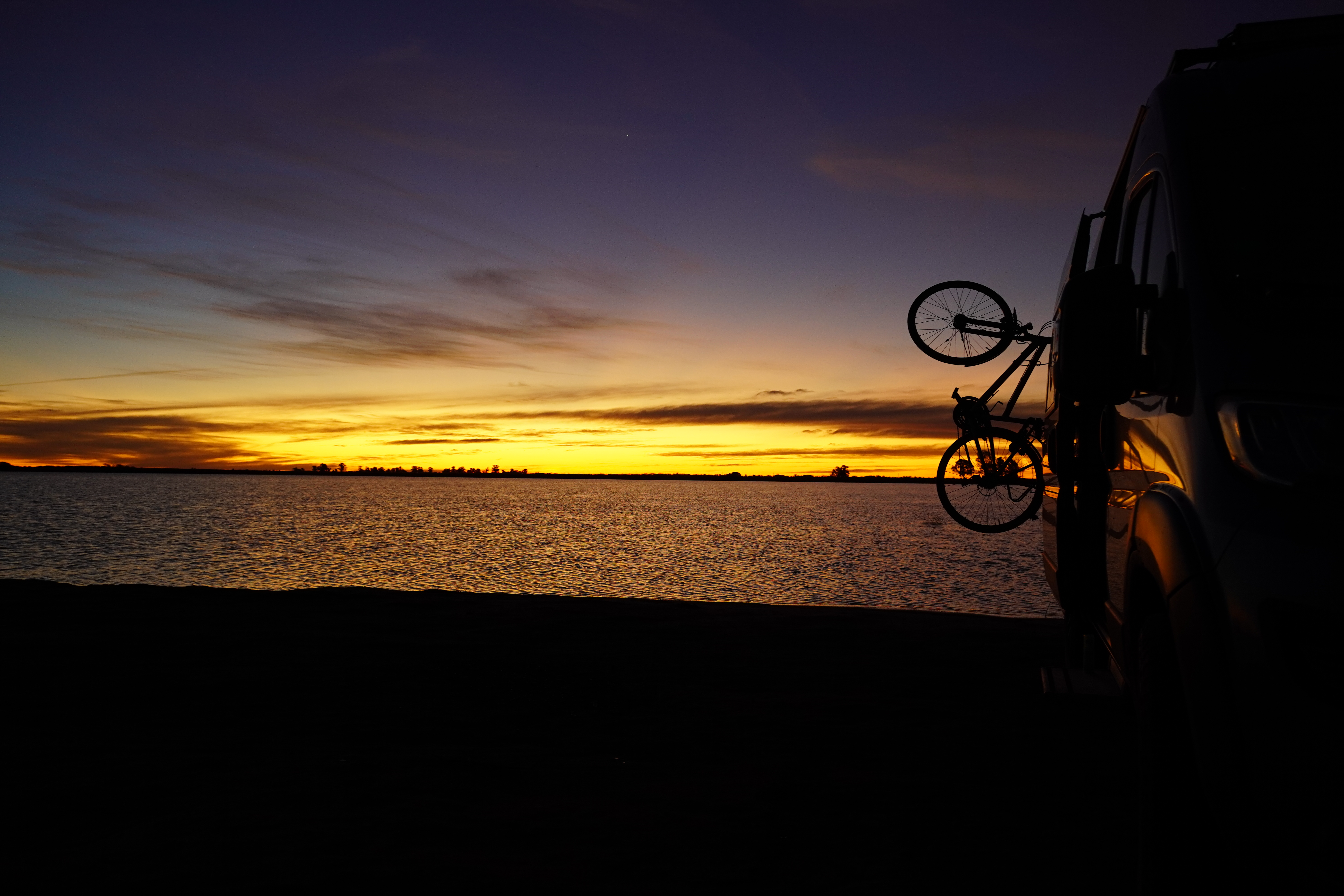
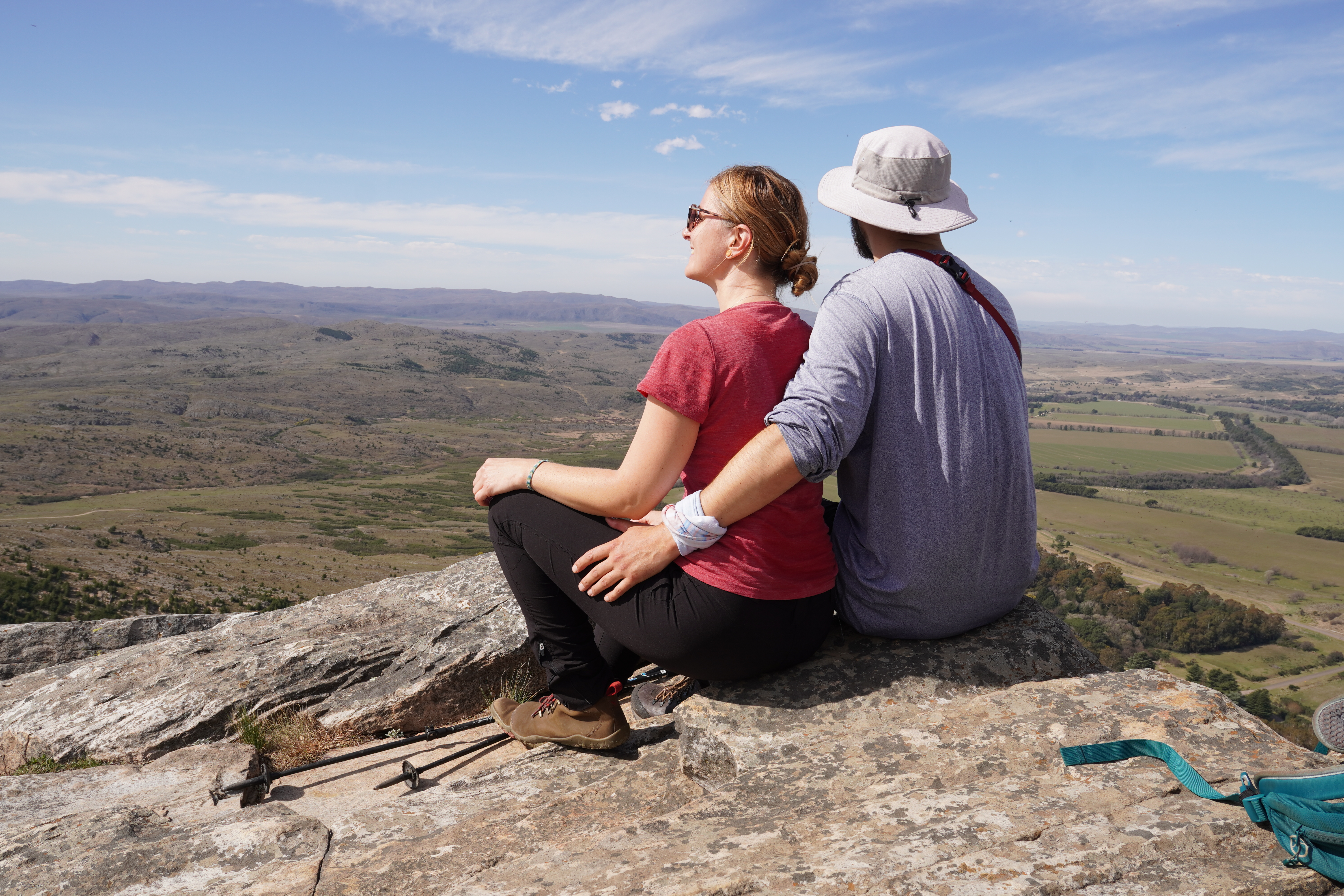
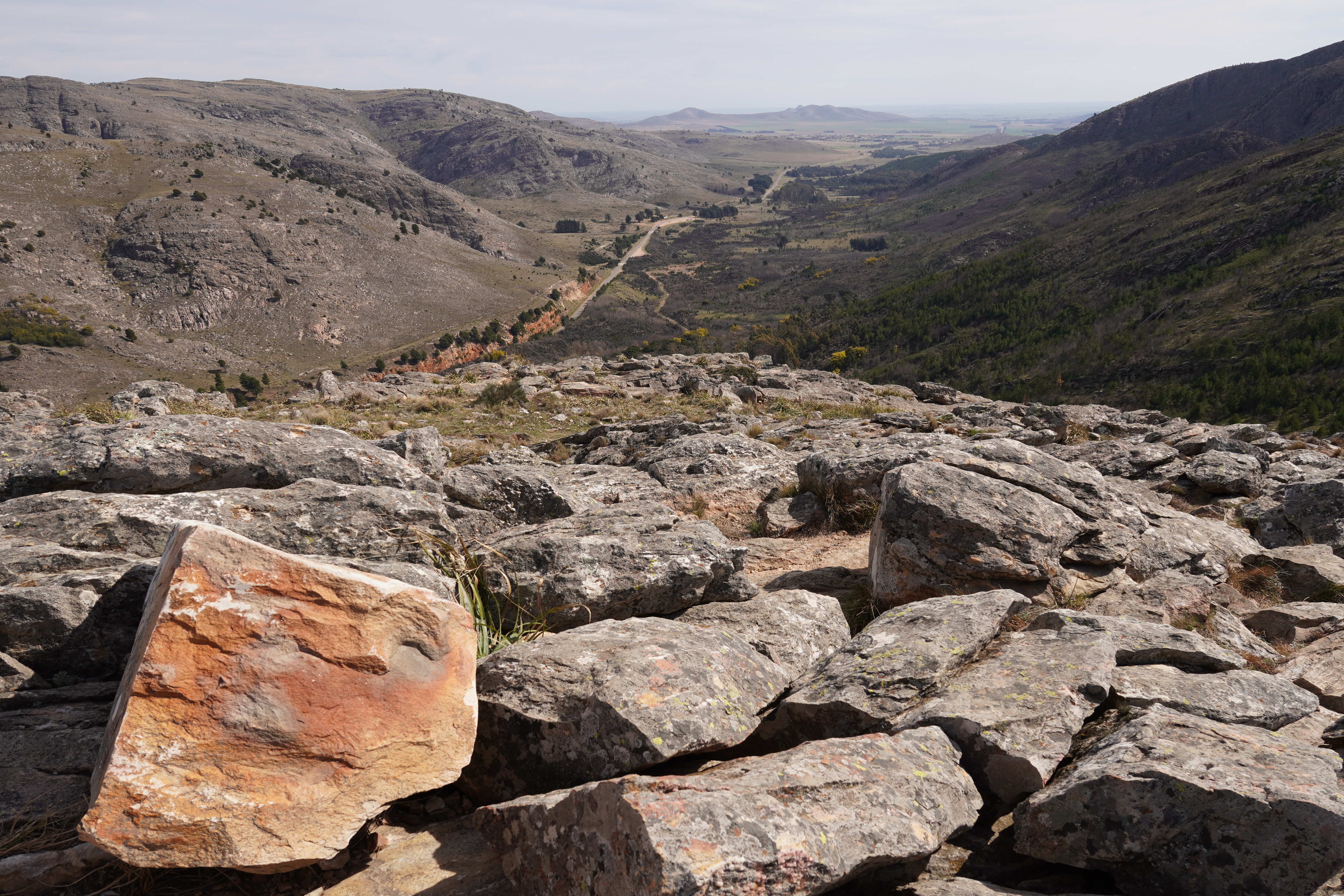
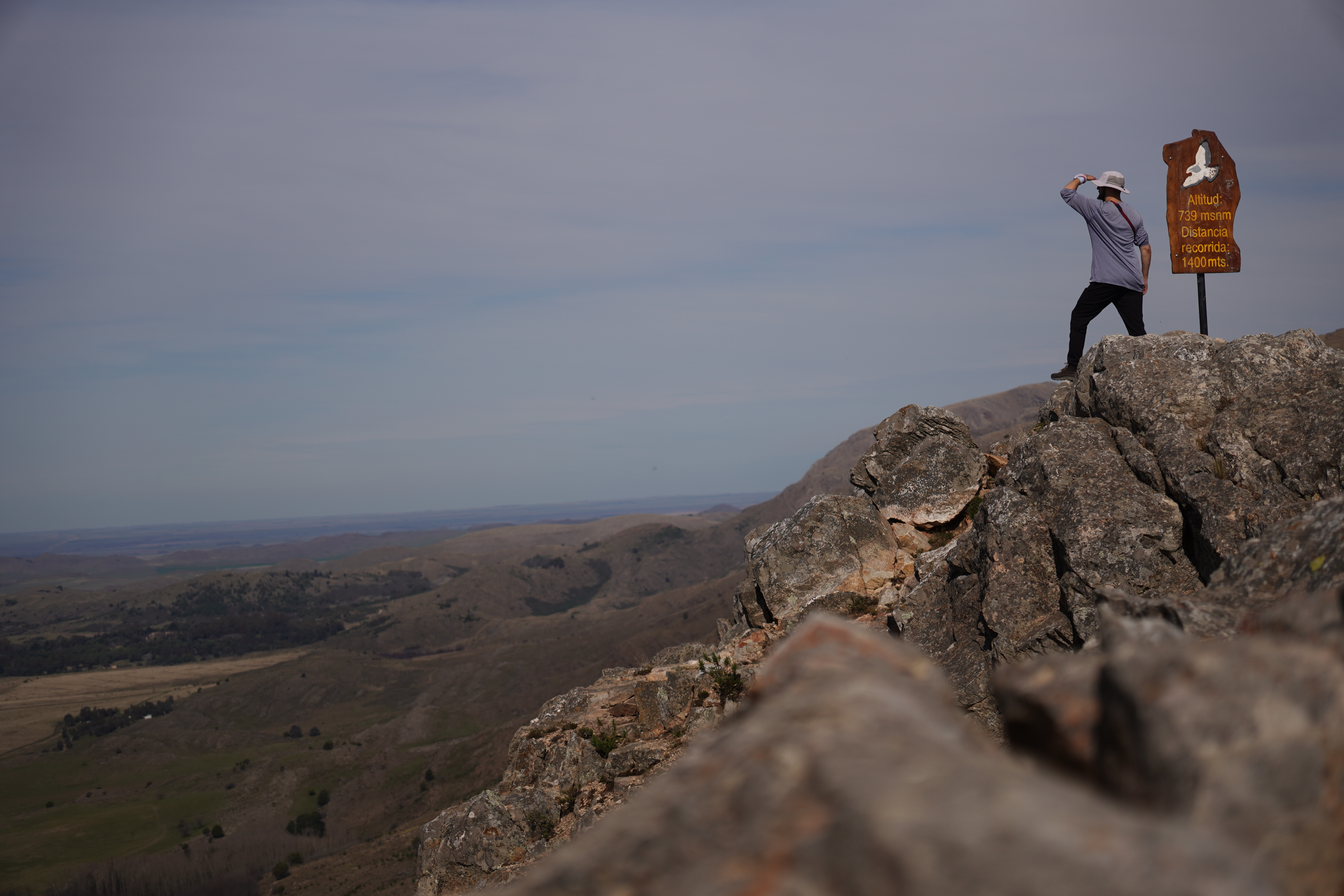
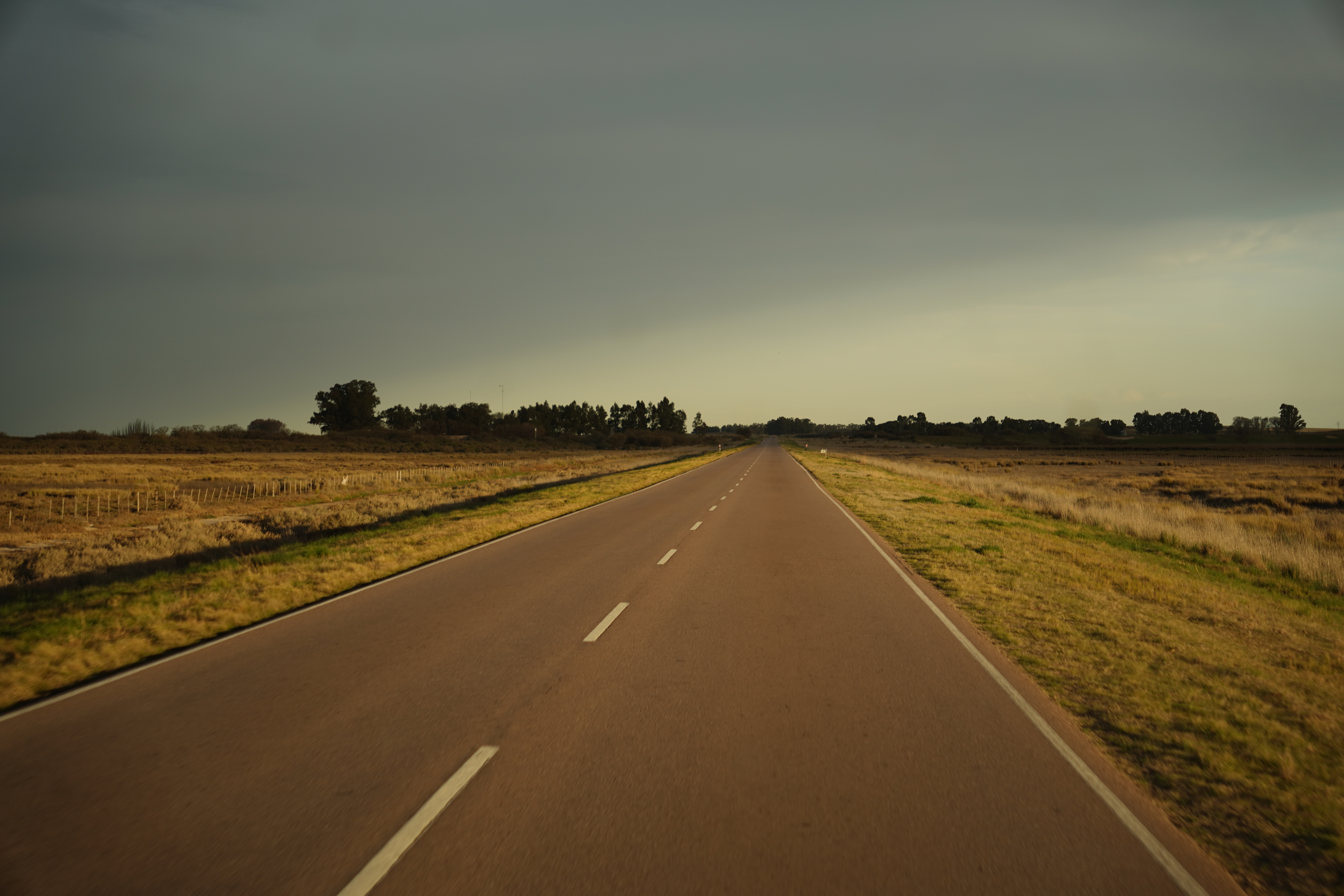
Through the Buenos Aires region along Ruta 5, we kept heading south, toward our first major destination, the Peninsula Valdés, which we planned to reach in a week. The weather became friendlier and sunnier. We drove a lot in the following days. The landscape was dominated by flat, monotonous land, bushes, huge herds of cattle, dead animals, and broken tires by the roadside, trucks, and pickups, endless highways, single-lane roads in varying states of repair – some good, some catastrophic. We passed only 1 or 2 toll stations in the north and had to pay in Ärgentine Pesos (around €3). By the way, getting the special diesel was not a problem in Argentina anymore, we were also able to buy a 10l AdBlue canister. Like the last few nights, we spent the following ones by the water, whether by rivers, lakes, or the sea. It’s a beautiful feeling to look out over the water, and you see lots of animals. At Laguna las Tunas Grandes, we parked Rosi one meter from the water’s edge and watched flamingos and guinea pigs (Microcavia, which look like rabbits without ears). It felt so good to feel the sunshine on our skin, look out over the lake, and feel at home in the middle of nowhere. That’s happiness. The next day, we continued south along Ruta 33 to go on a hike in Parque Province Ernesto Tornquist. The thousands of kilometers of mostly treeless flat land (the Pampas) suddenly rose, taking on a very different character. Here, a small mountain range cuts through the land, the Sierra de la Ventana. It was 18 degrees, the sun was shining, and in the afternoon, we hiked to a 700-meter-high “summit,” accompanied by a curious Pampas fox. On our way out, we stopped at a bakery for some really fantastic little buns in Tornquist. In the evening, we passed through two villages looking for a suitable camping spot. We didn’t feel comfortable there, even though the police were patrolling. We drove a bit further in the dark. Sunset was at 6:50 PM. We decided to move on and drove a long, bumpy gravel road to Laguna La Salada. We parked Rosi at around 8:30 PM on the shore of the saltwater lagoon, under a starry sky where you could see the Milky Way. We had baguette with fried eggs and two very happy peöple.


Leave a Reply