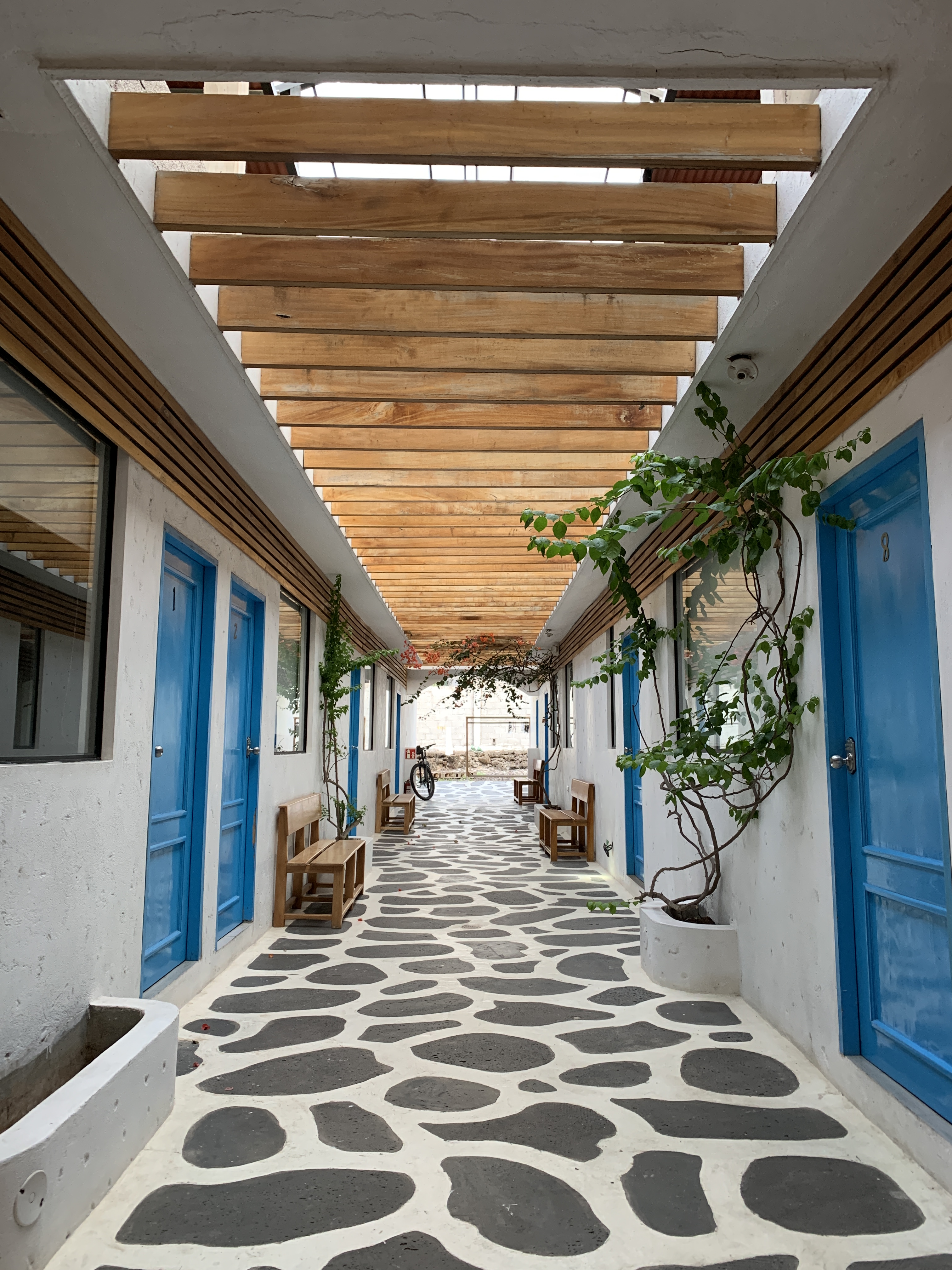
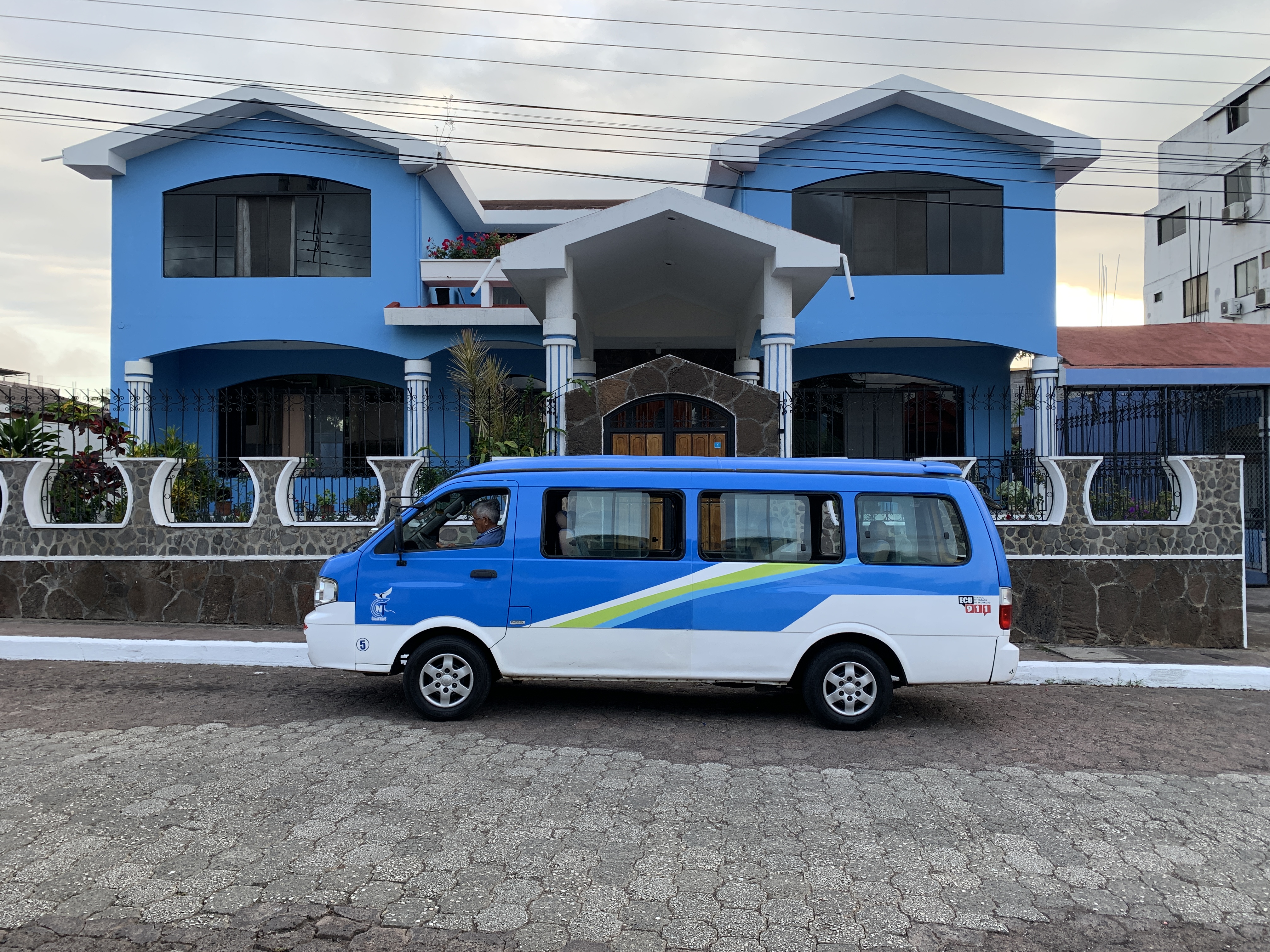
First of all, it felt strange to sit in an airplane after all these months of traveling in a van, but we were excited. Upon arriving on San Cristobal, we first had to pay an entrance fee of $200 per person for the national park at the airport. Just before our arrival, they had increased the price from $100 to $200. It should be noted in advance that a visit to the Galápagos Islands is not cheap. However, the entrance fees support many projects and organizations on the islands as well as national parks throughout Ecuador. All other national parks in the country are free. The airport is very small, with just one runway. It is centrally located, so we were able to walk with our backpacks to our accommodation in Puerto Baquerizo Moreno under the hot sun. A significant part of our backpacks was occupied by the many dollar bills we needed. Many things here can only be paid for “en efectivo,” in cash, and ATMs are rare. This reminded us once again that we were in South America.We had booked our hotel through Booking.com. The total price is clearly displayed in large digits, with additional costs written in small print underneath. By now, we were familiar with this trick. According to Booking, payment was possible on-site with a credit card. However, the accommodation informed us that currently, only cash payments were accepted as they were waiting for a response from their bank. Annoyed, we decided to explore the town and not let this issue stress us any further.
San Cristobal: Island of the Sea Lions
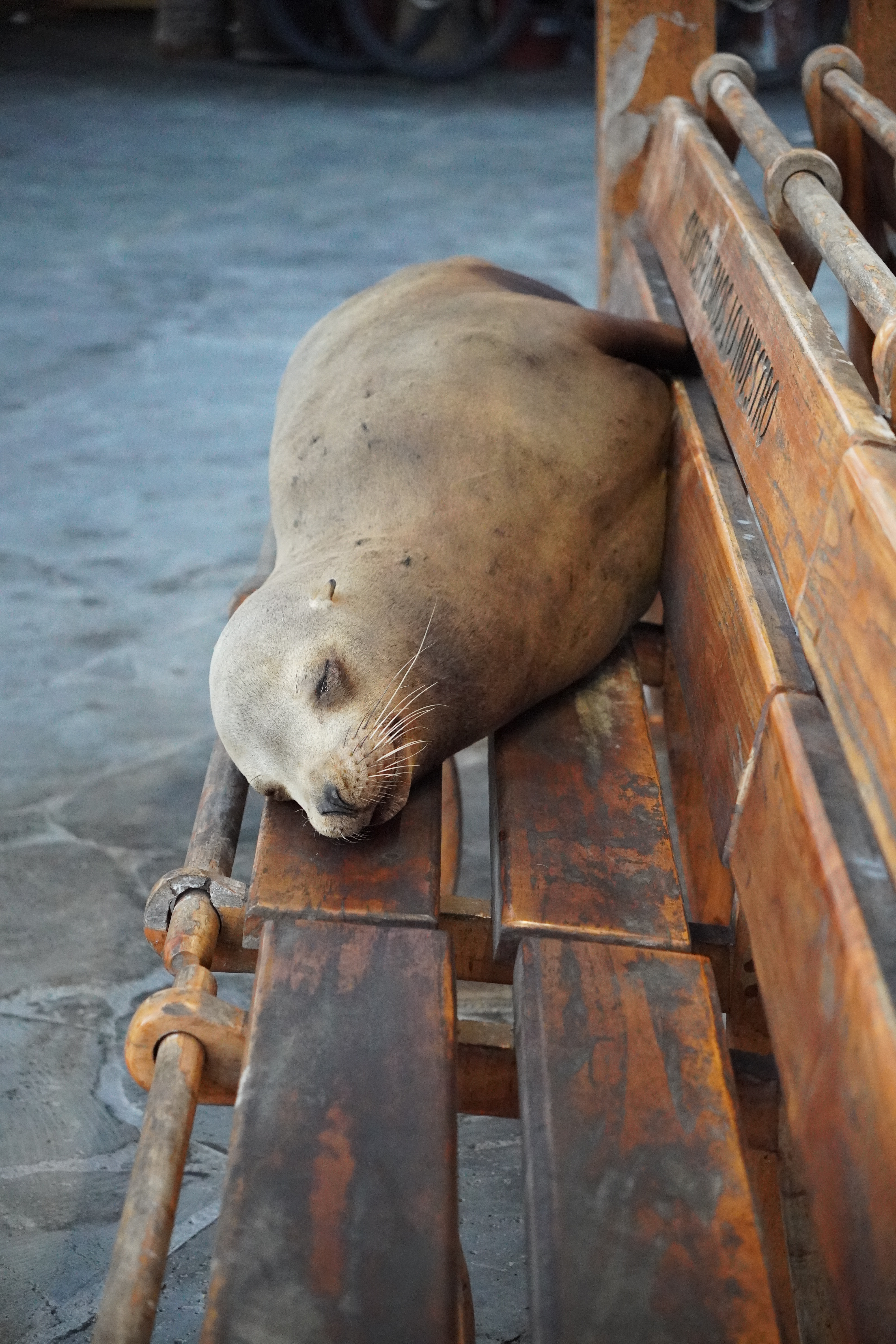
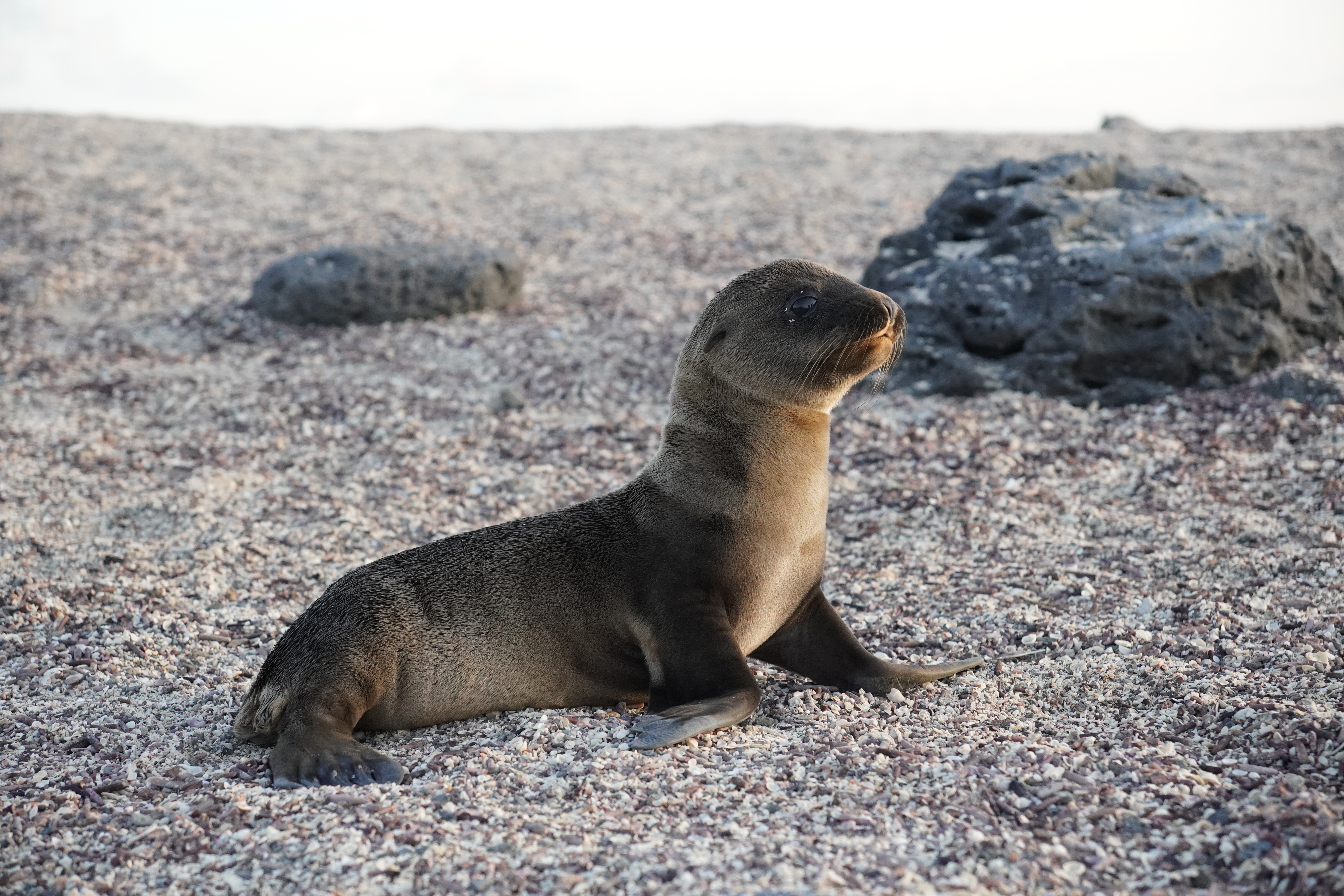
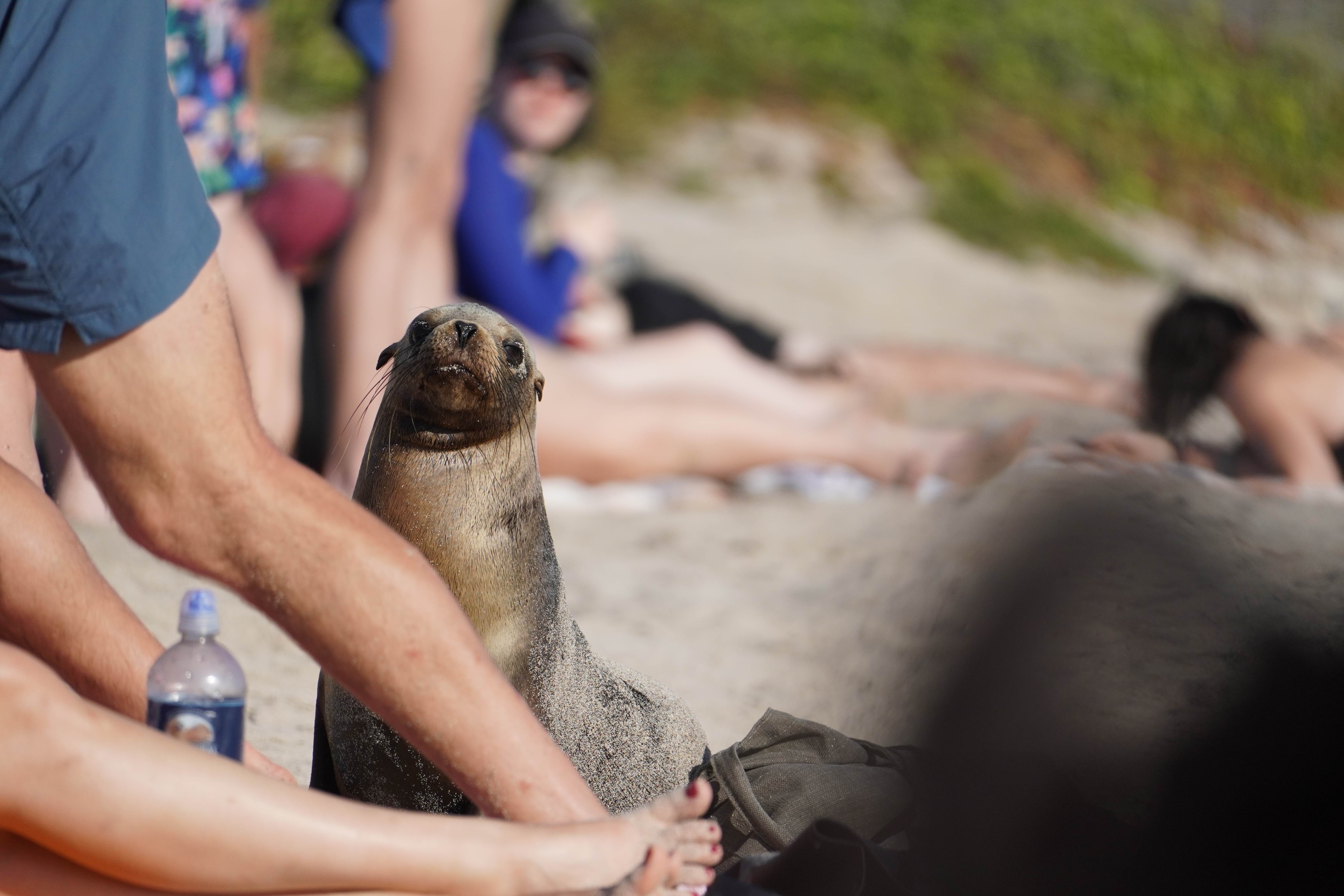
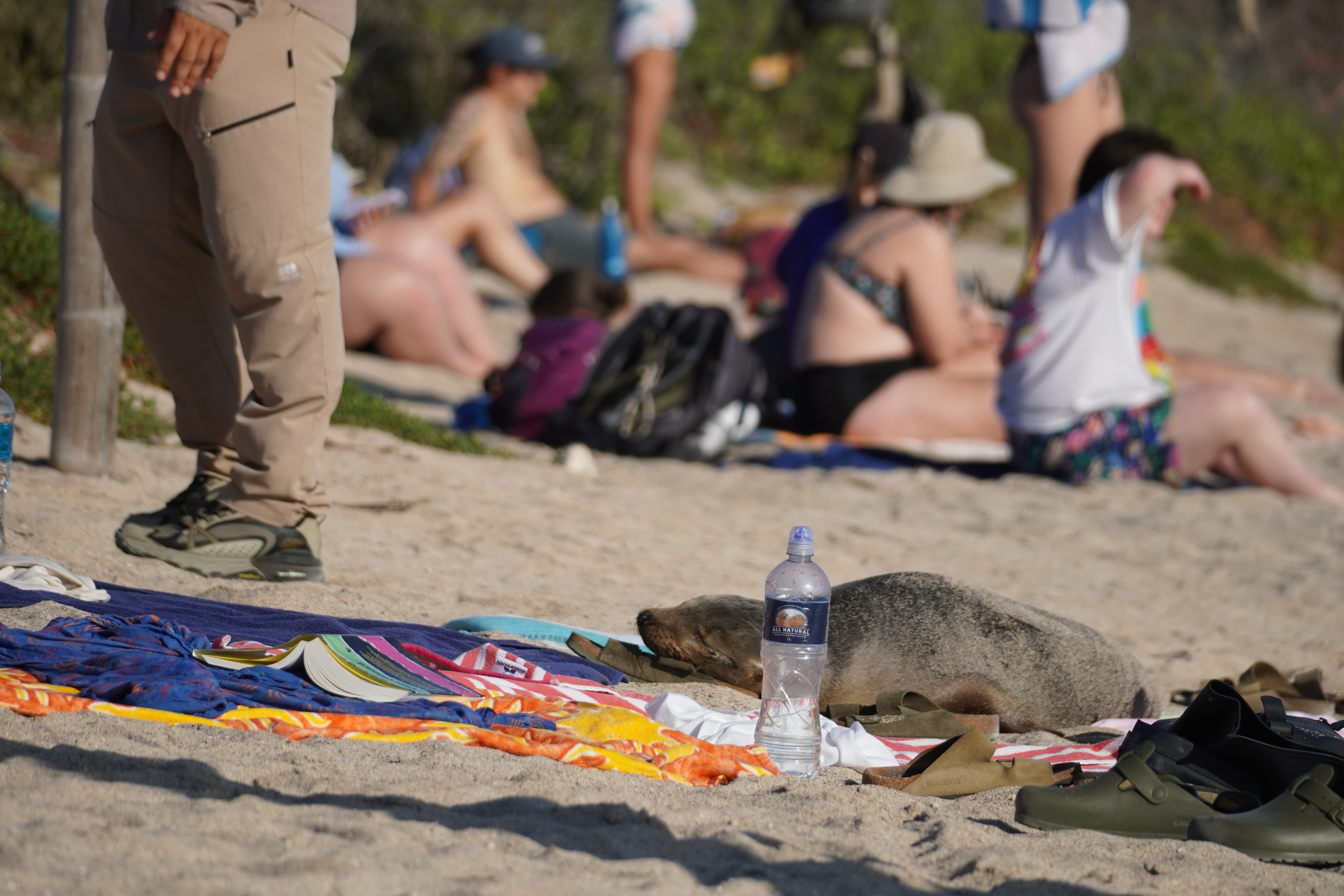
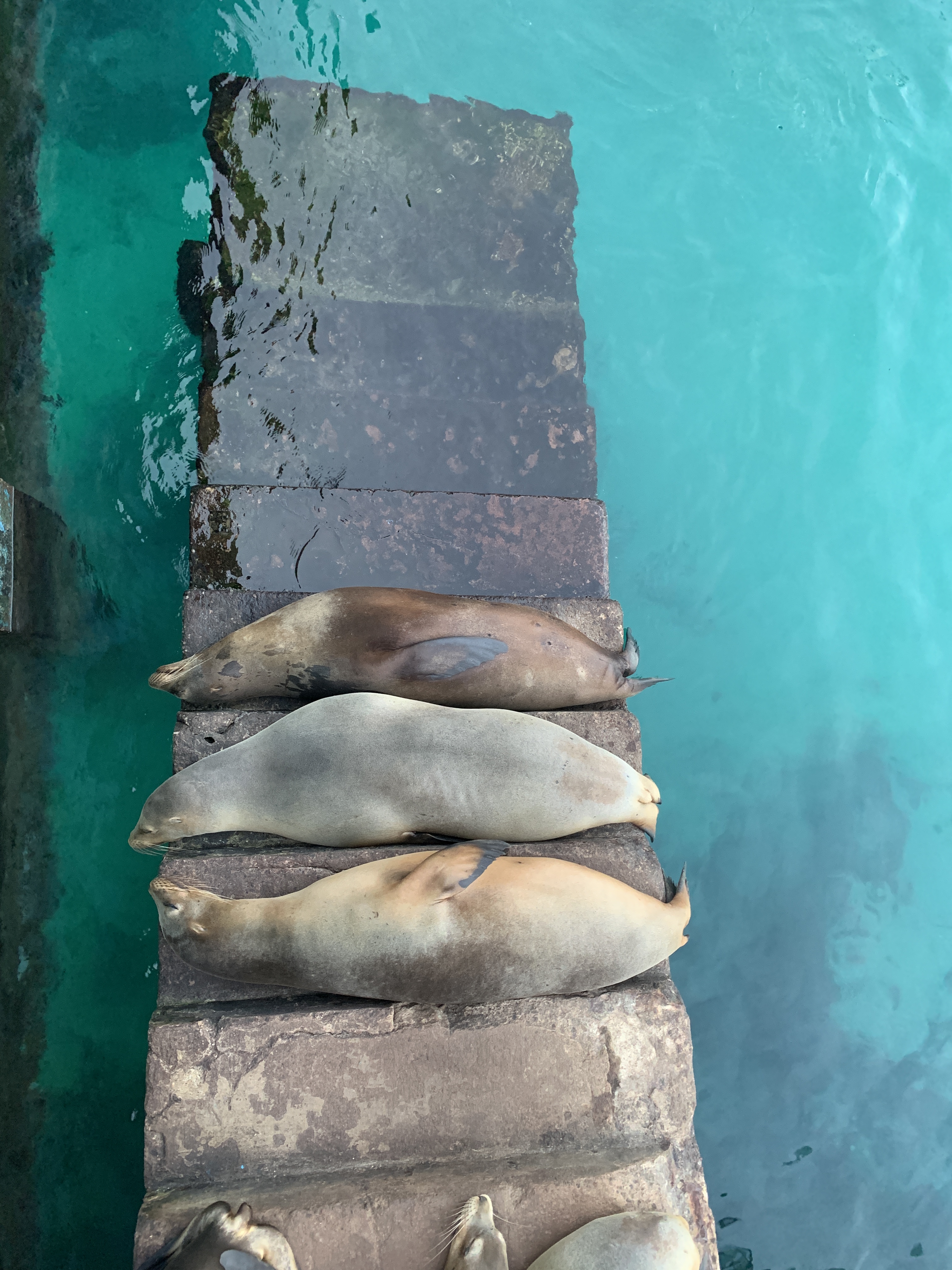
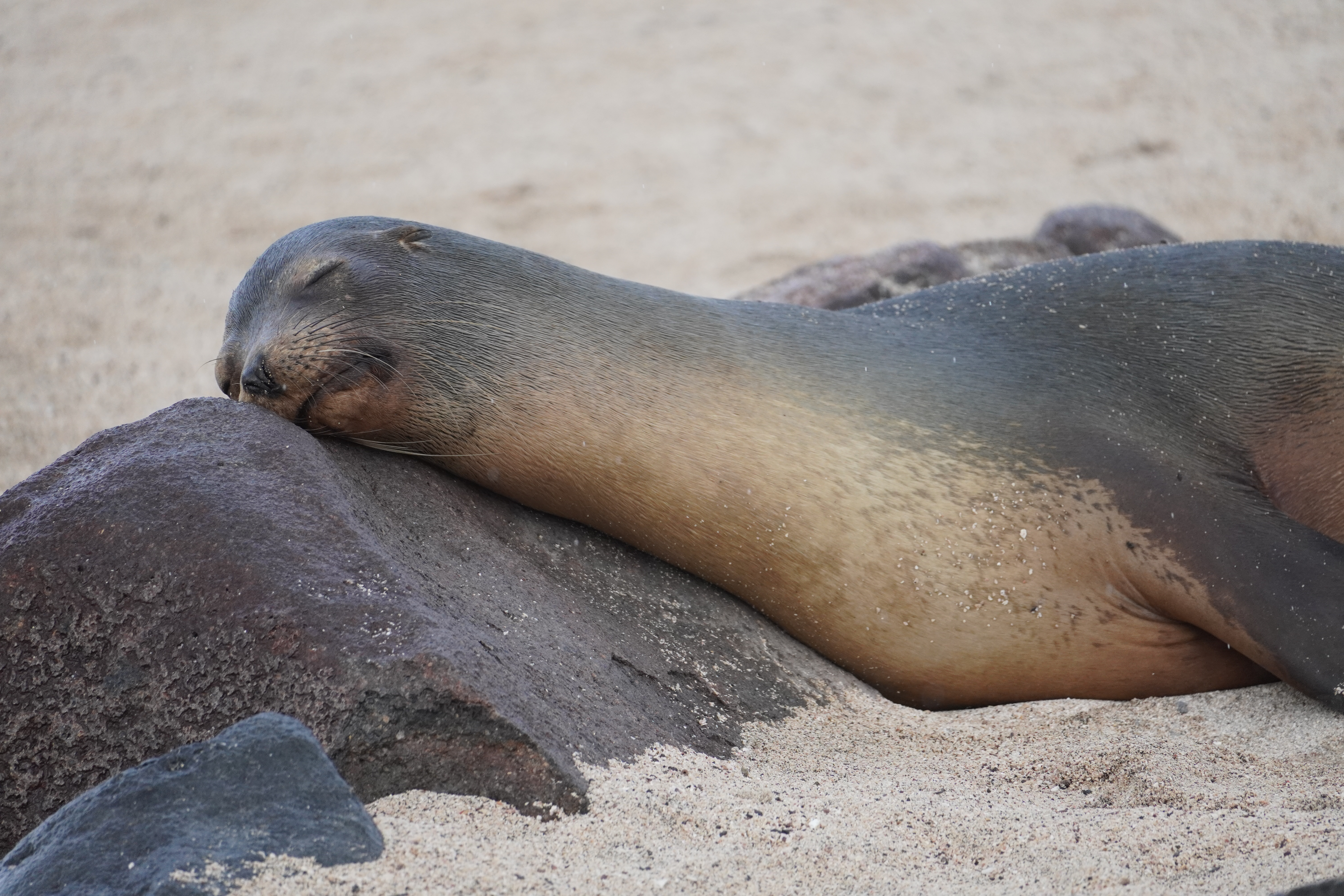
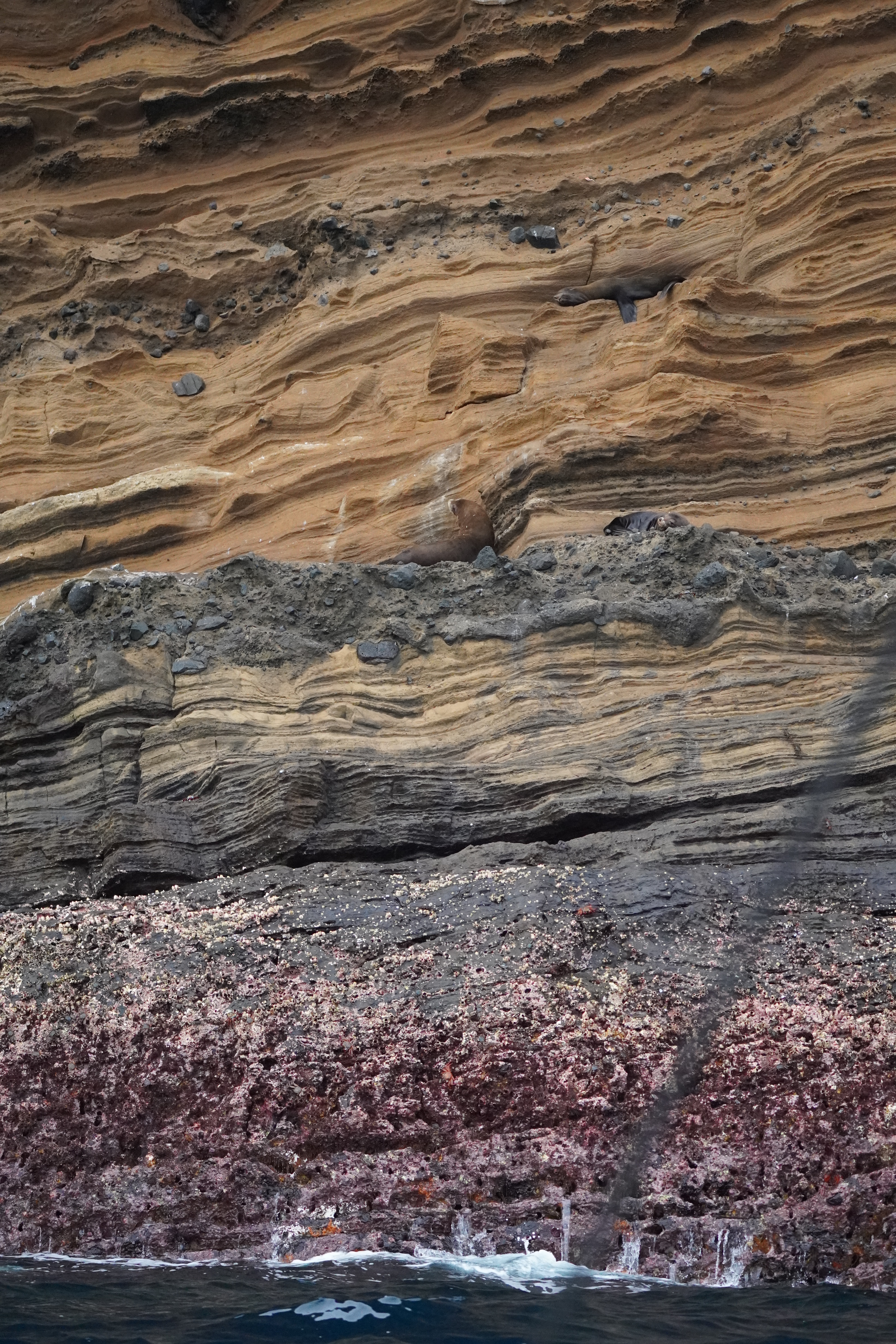
San Cristobal is one of the three major islands most visited by tourists. The Galápagos Islands consist of 19 islands and countless islets, most of which are uninhabited. San Cristobal is a sleepy island with relatively few tourists. It feels like you are among locals, even though the island only has 5500 inhabitants. The houses are simple, and only the beachfront promenade feels like a vacation destination, lined with souvenir shops and restaurants. The real highlight becomes quickly apparent, audible, and even smellable: the largest sea lion colony of the Galapagos Islands. They live right in the town center, as if on the marketplace of Münster or Datteln. In fact, they are everywhere: on park benches, in the streets, even in restaurants. People simply step around them and respect their presence. The beaches within the town center now belong entirely to the sea lions and are off-limits to humans. Over the past five months of our journey, we had encountered sea lions multiple times and thought they were no longer that special to us. But here, we got to know them in a whole new way and up close. We were especially enchanted by the young sea lions. They are nursed by their mothers for up to 1.5 years, which is quite audible when the small (or sometimes very large) sea lion babies suckle at their mother’s teats. We had lunch (ceviche and fish burger) and rented bicycles for 24 hours to explore without taxis or tour guides. Almost all activities require booking a tour and paying a high fee. There were no locks for the bikes, as the islands are considered extremely safe compared to the rest of Ecuador.
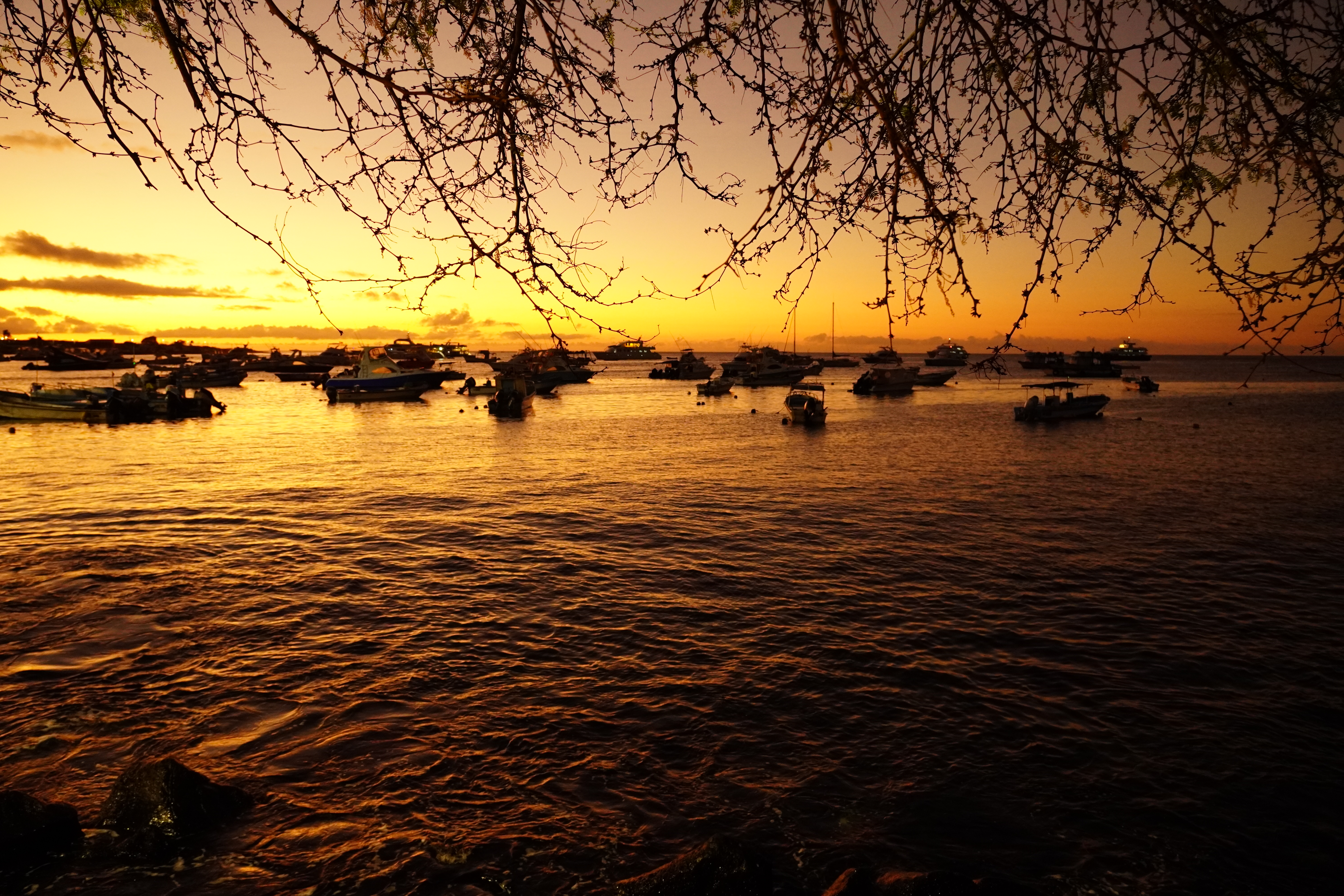
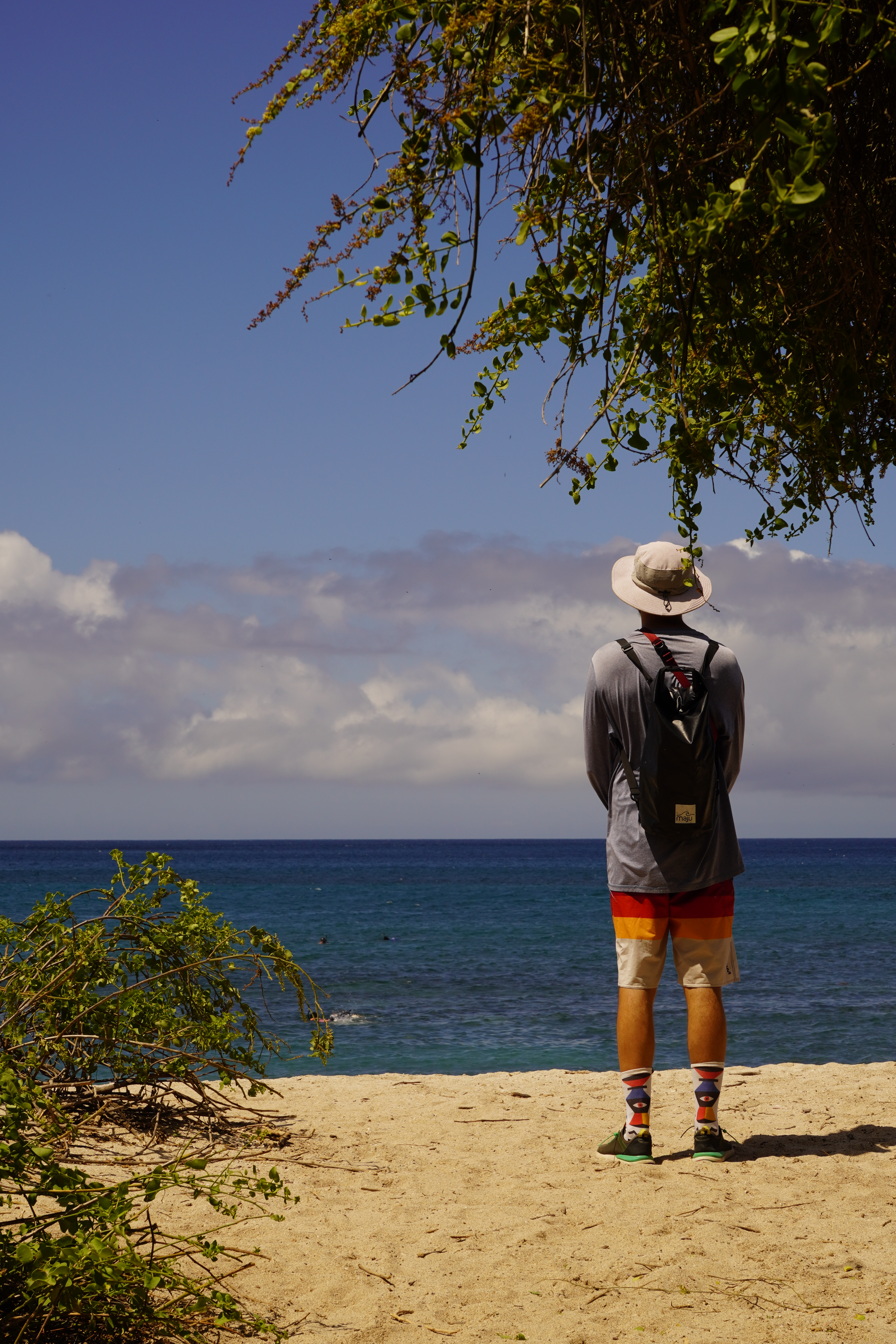
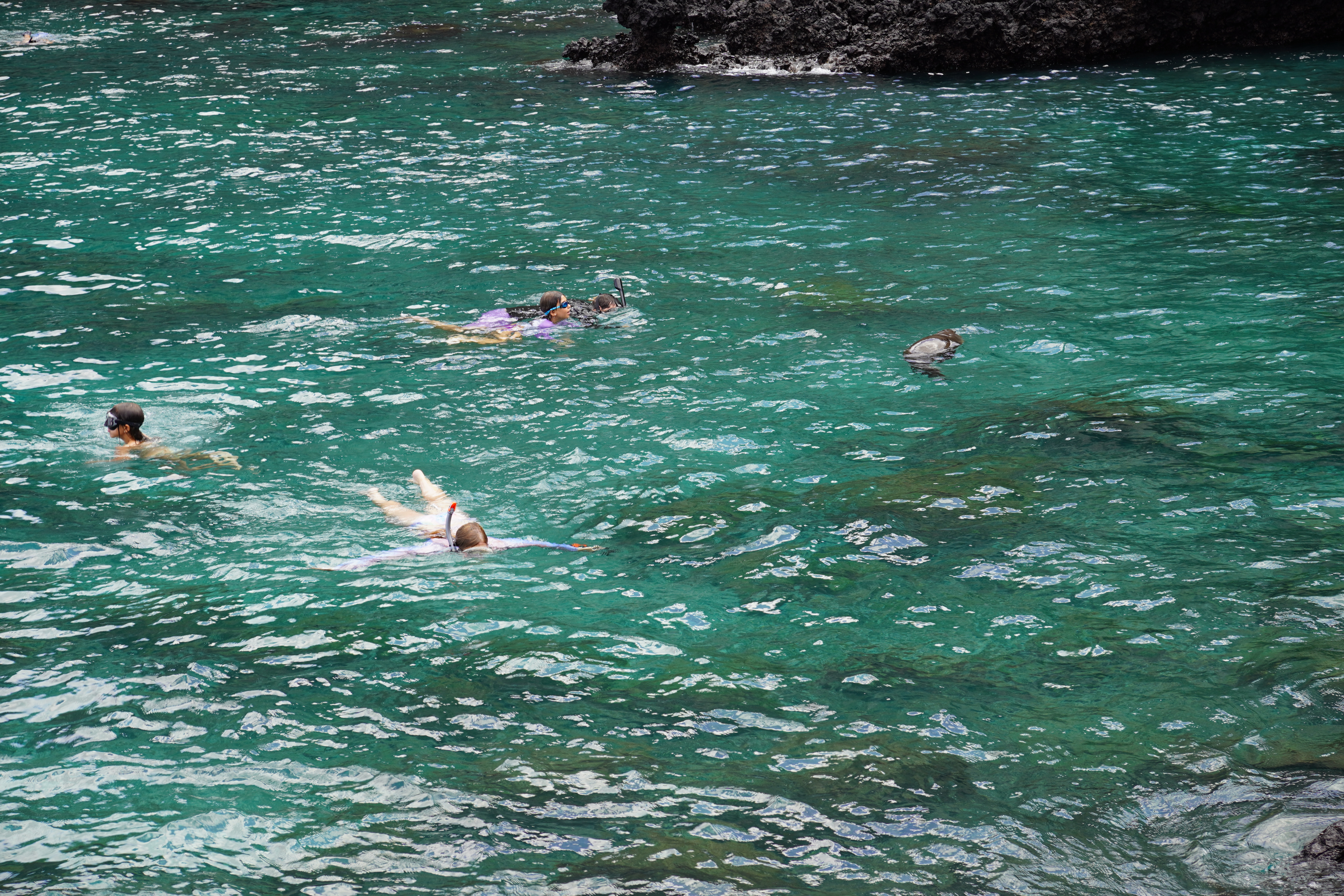
Sunscreened, wearing sun hats, and carrying snorkel gear in our backpacks, we cycled to La Loberia, a beach perfect for snorkeling. After a short hike, we arrived at the white sandy beach. The water was turquoise, surfers were riding the waves further out, and the sea lions were resting in the shade or swimming. It was only my second time snorkeling, and my first experience had been a disaster when I jumped from a sailboat into the Mediterranean and panicked. This time, Björn, who has been snorkeling since childhood, held my hands and reassured me, helping me with my breathing. The shallow water allowed me to stand, which was comforting. The seabed was rocky, and the water crystal clear. Colorful fish of all shapes and sizes appeared, and sea lions swam past. The gurgling of the sea and my own breathing sounds were soothing. Then, suddenly, they appeared: beautiful green sea turtles. It was pure joy. They swam by slowly and calmly, close enough to touch, though everyone here respected the wildlife and kept a safe distance. However, I still felt a bit nervous when the current carried me over one of the turtles. Björn and I took turns with the snorkel and mask. I could have snorkeled for hours if not for the cold eventually setting in. At the beach, we dried off in the sun and watched the sea lions claim the tourists’ towels to sunbathe. As the evening sun set, we cycled back happily and ended the day with a beautiful sunset and a cold drink.
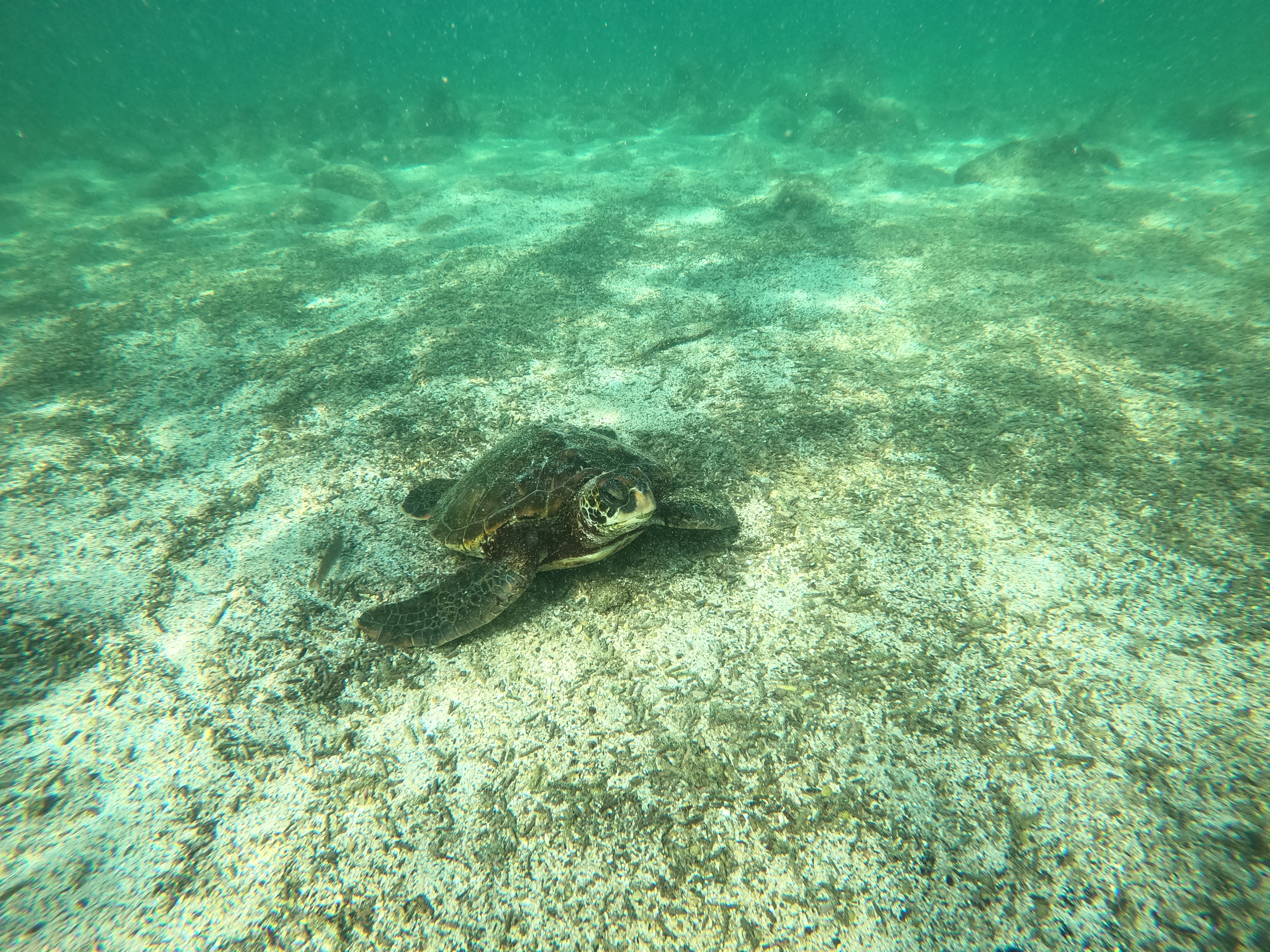
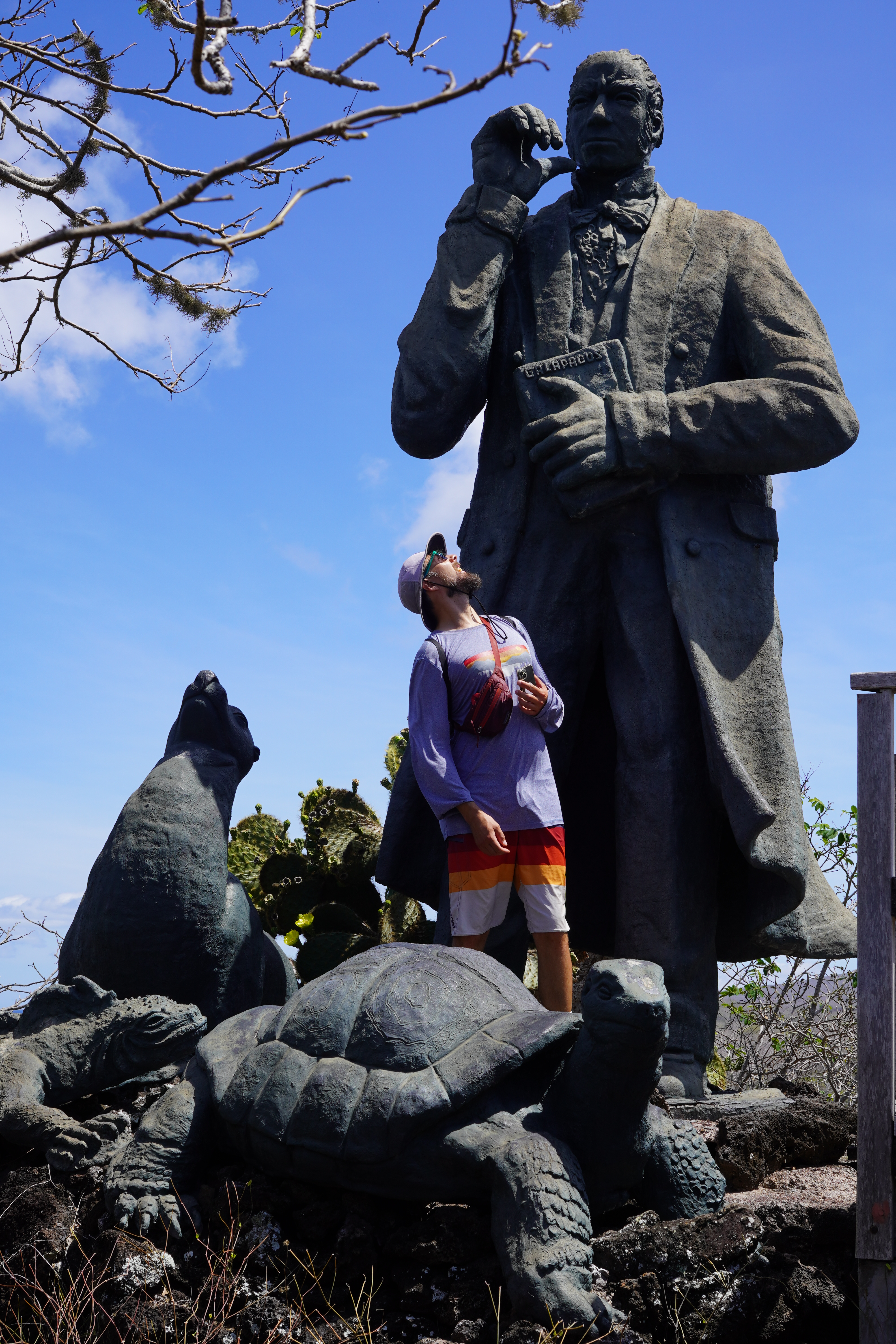
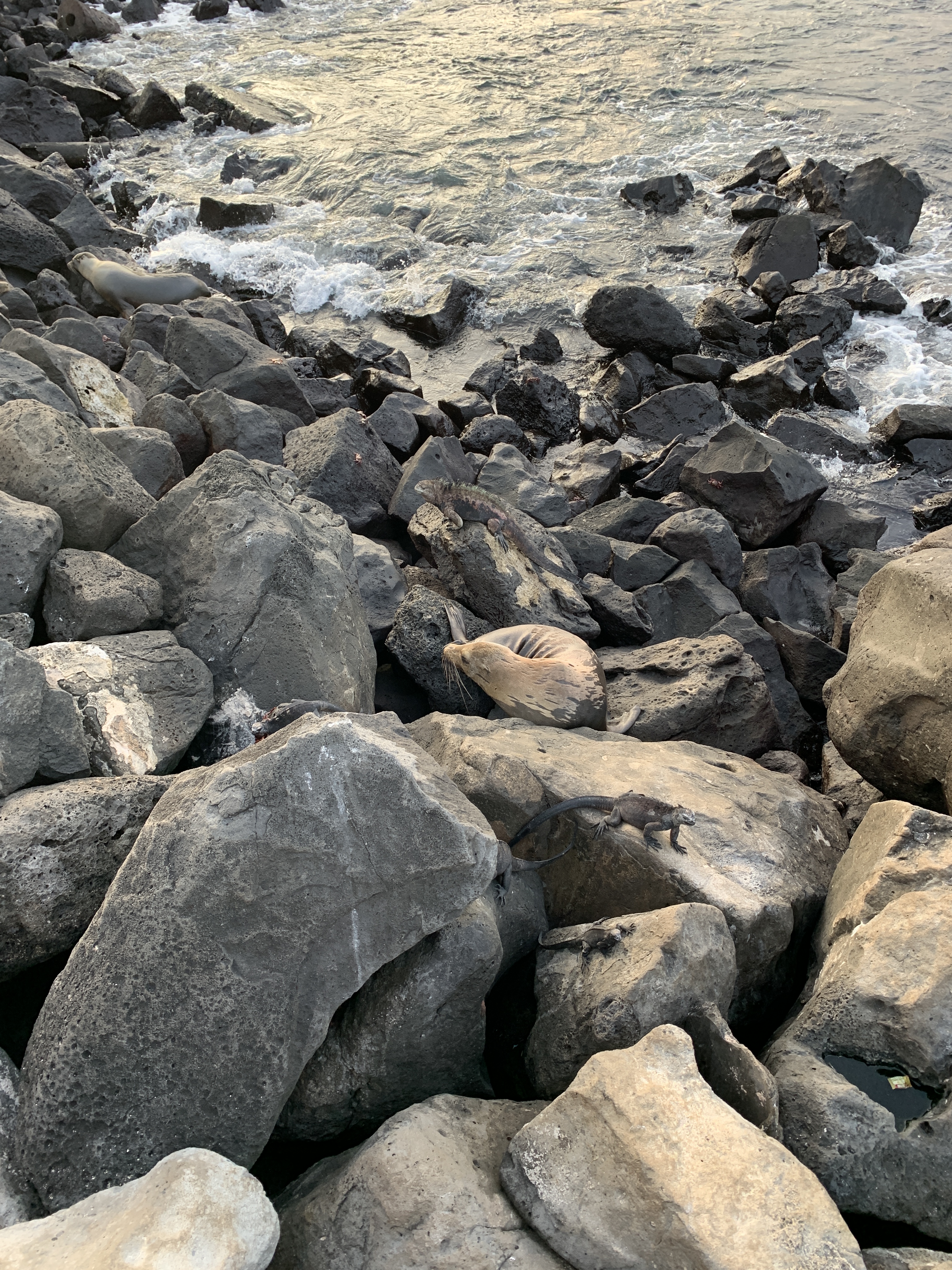
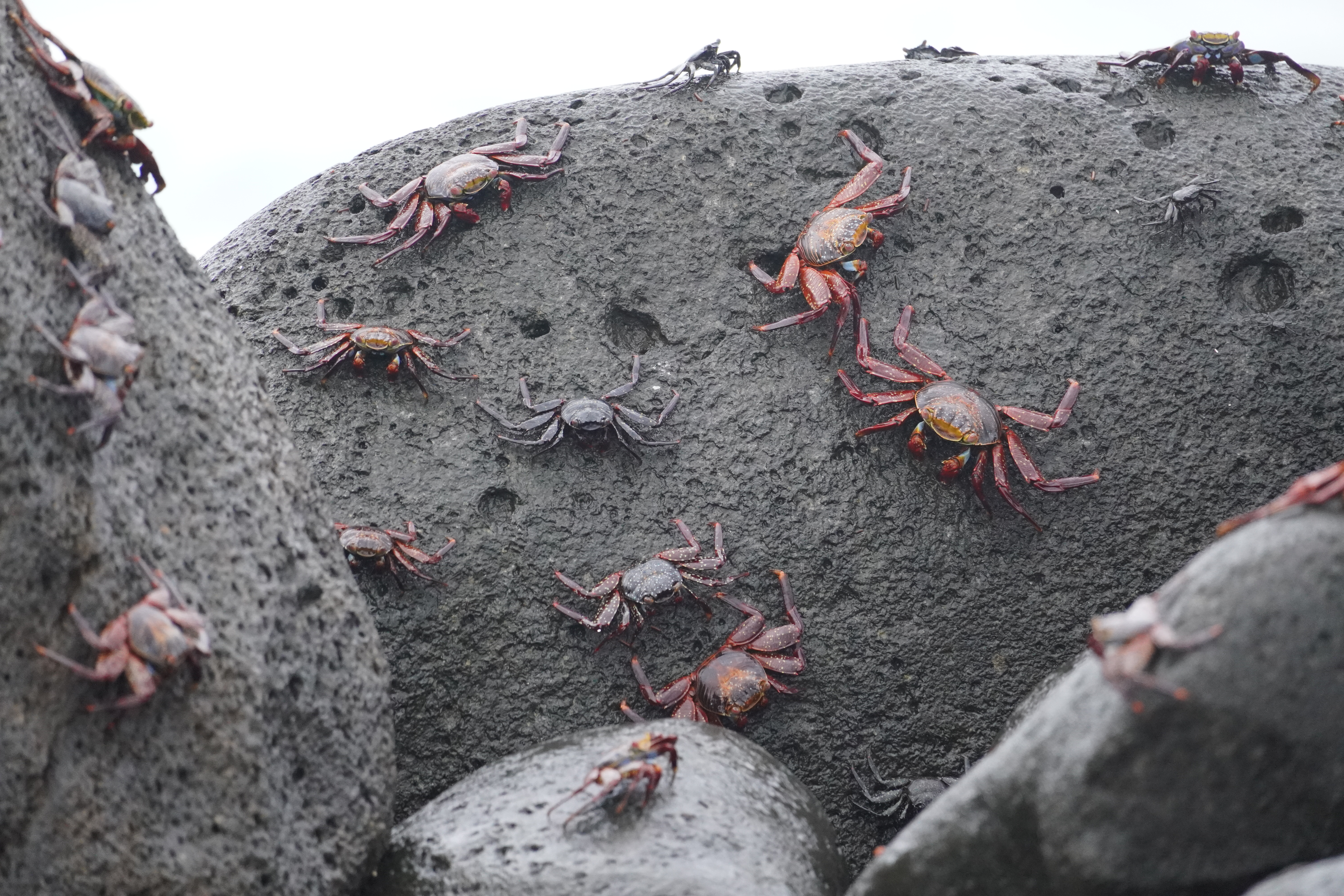
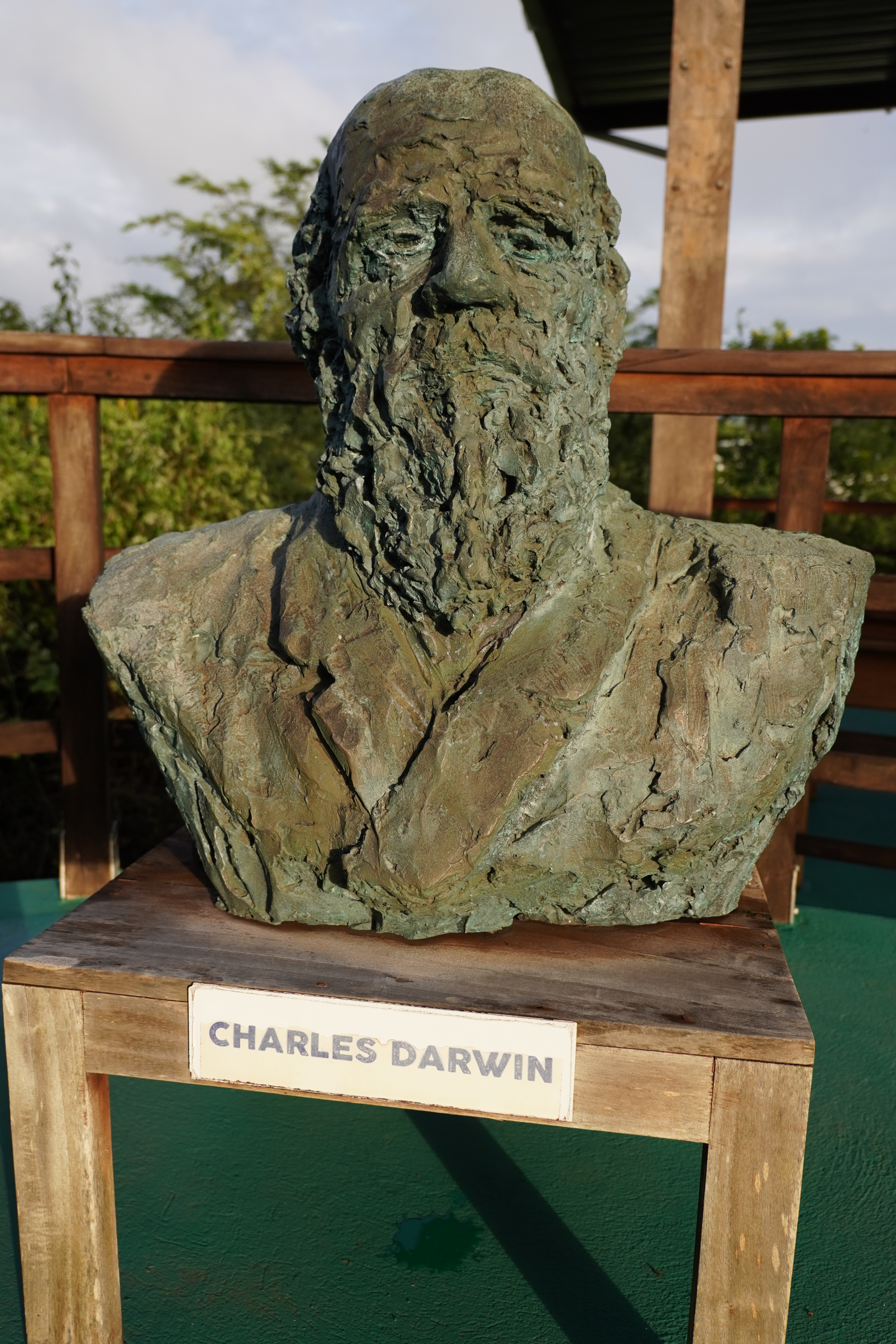
The next morning, under a bright blue sky, we biked to another snorkeling spot, passing Playa Mann, a statue of Charles Darwin, and reaching Muelle Tijeretas. A small platform led into the water and provided a place to sunbathe. The current and waves were much stronger here. Again, we spotted many sea lions and sea turtles grazing underwater. In the afternoon, we returned the bikes, enjoyed delicious coffee, and strolled through town. On the rocks, we saw our first black marine iguanas sunbathing. In the evening, we had pizza with fresh tuna, packed our bags for the boat trip the next day, and went to settle our hotel bill. The hotel, which we had booked through Booking, now wanted to charge an additional 8% for credit card payments, which we refused, and we were proven right. Exhausting.
Santa Cruz: Giant Tortoises and Inflated Birds
The boat ride to Santa Cruz was supposed to take two hours. We were instructed to be at the pier by 6:20 AM, where passengers were divided into groups and assigned boats. We had a cinnamon roll and a roll filled with passion fruit jam as braskfast. The water taxi, which transports passengers and their luggage to the speedboat just 50 meters away, costs $1 each time. I always wondered when a suitcase would fall into the water since they were stacked at the front of the boat. I kept my backpack securely on my lap. On the speedboat, we ate our breakfast, and I took a motion sickness pill as a precaution. At that moment, I had no idea what lay ahead, and the pill was taken far too late. The crossing to the next island was horrible. The waves were extreme, and the boat shot up and down relentlessly. Every 30 minutes, I said goodbye to my cinnamon roll. I was beyond relieved when we arrived at Santa Cruz around 9 AM and could check into our Airbnb immediately. I lay in bed until my body somewhat recovered.
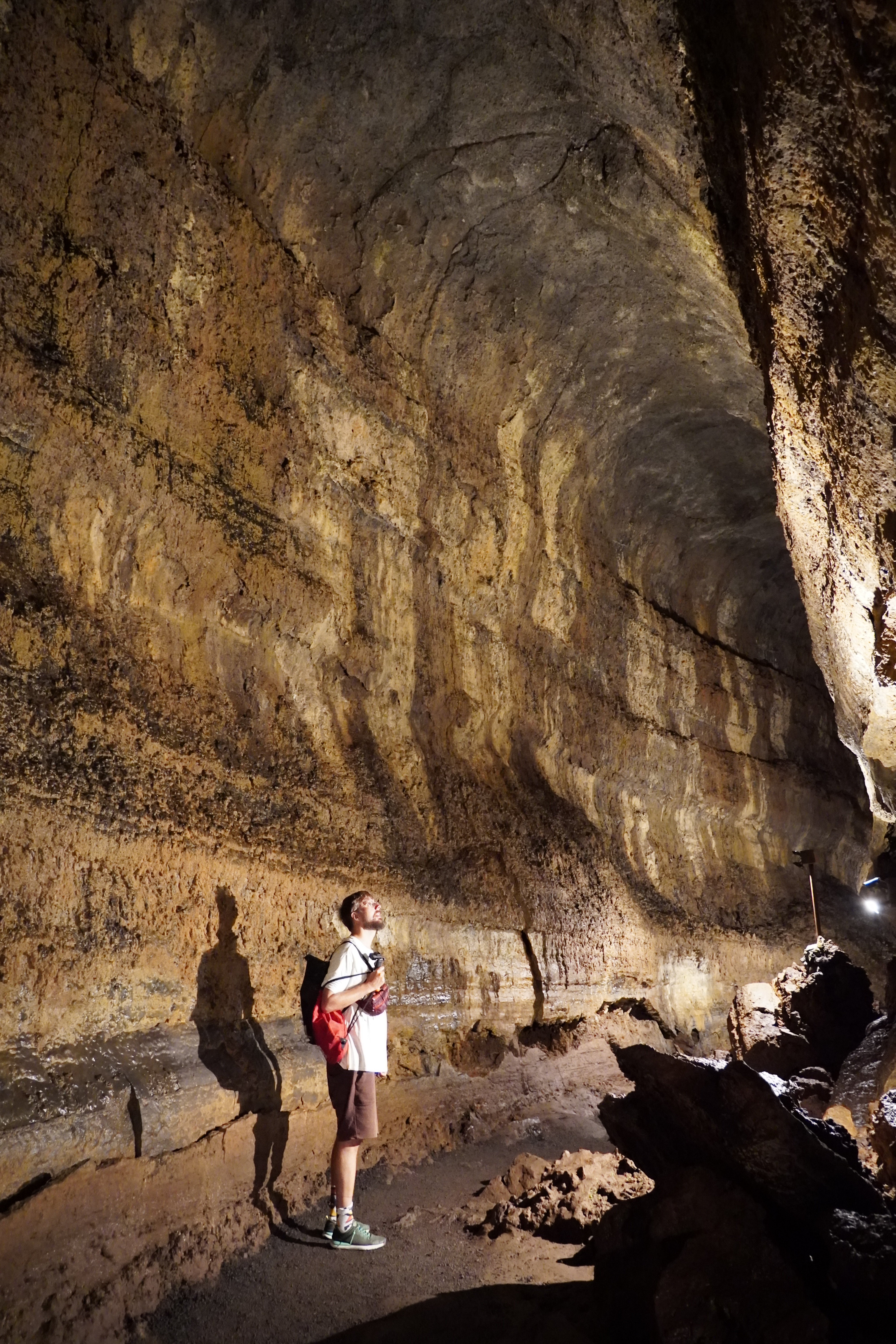
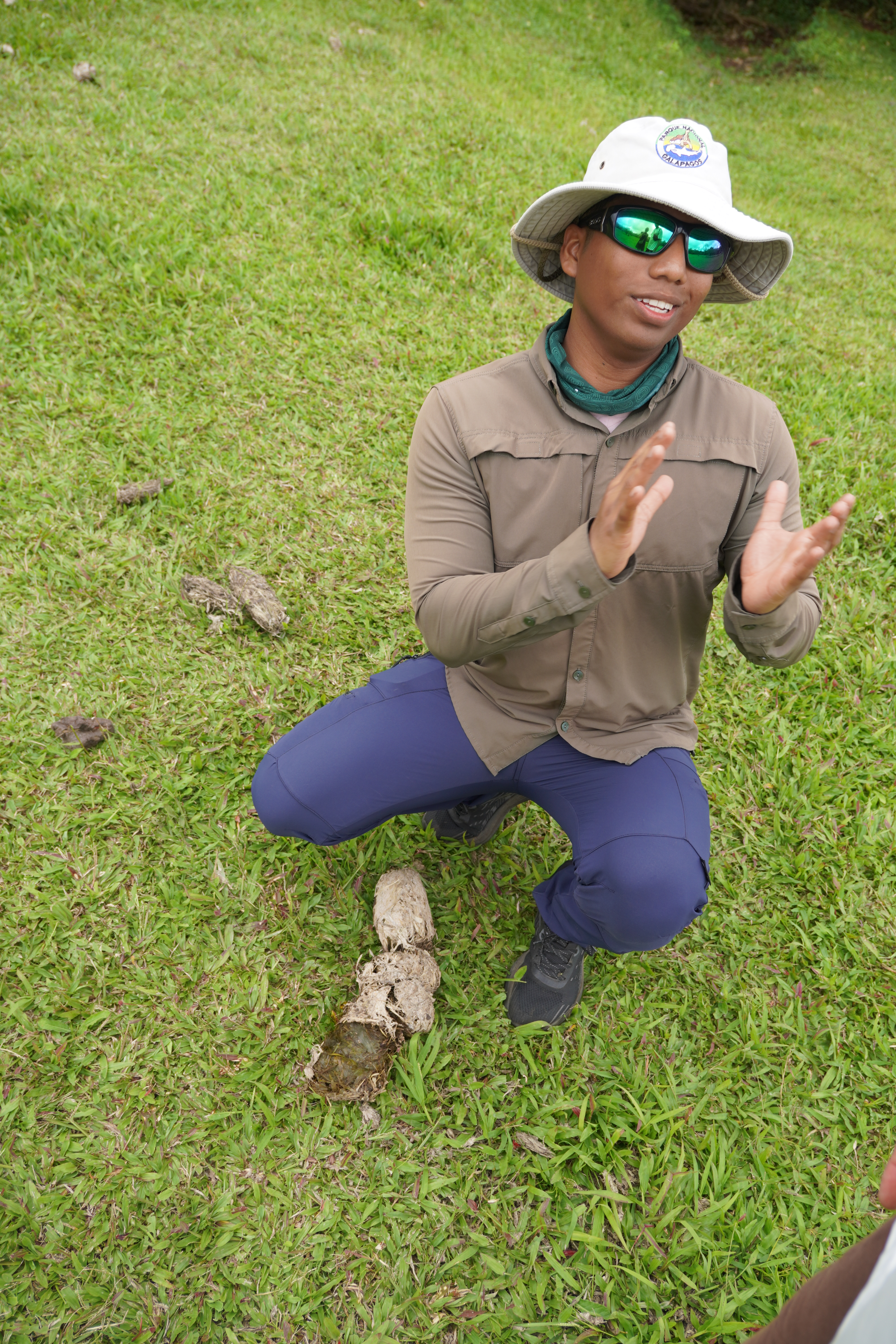
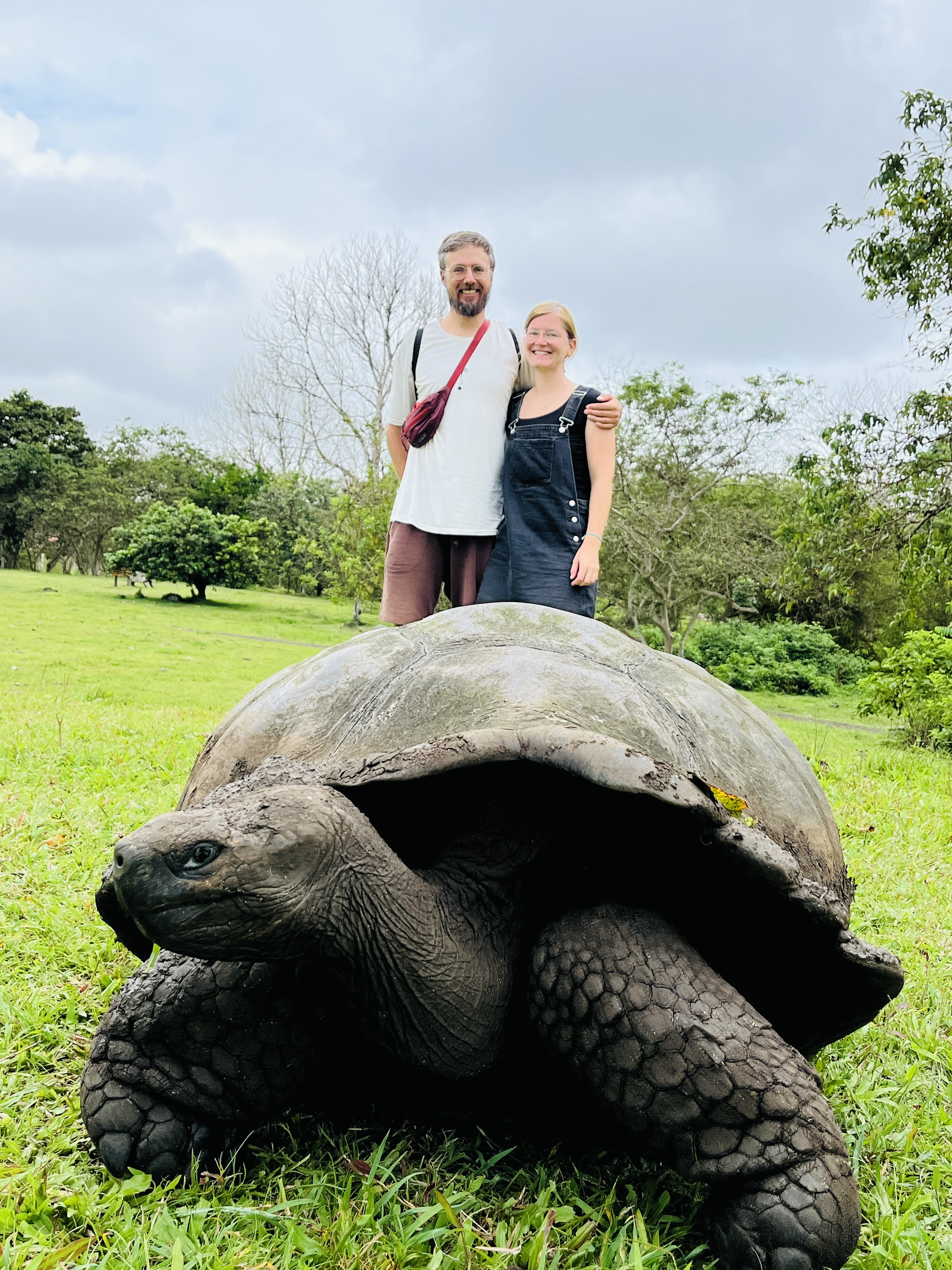
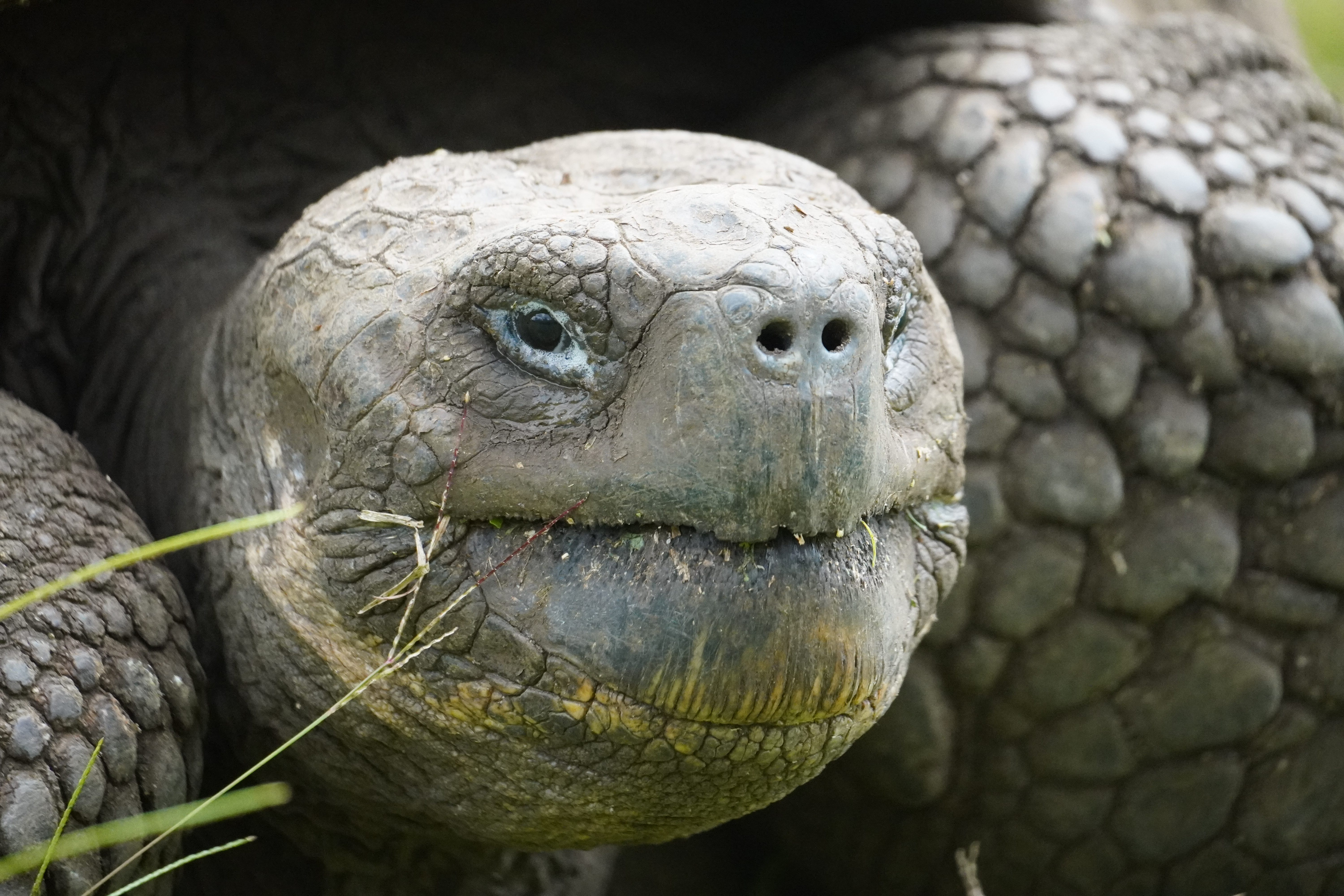
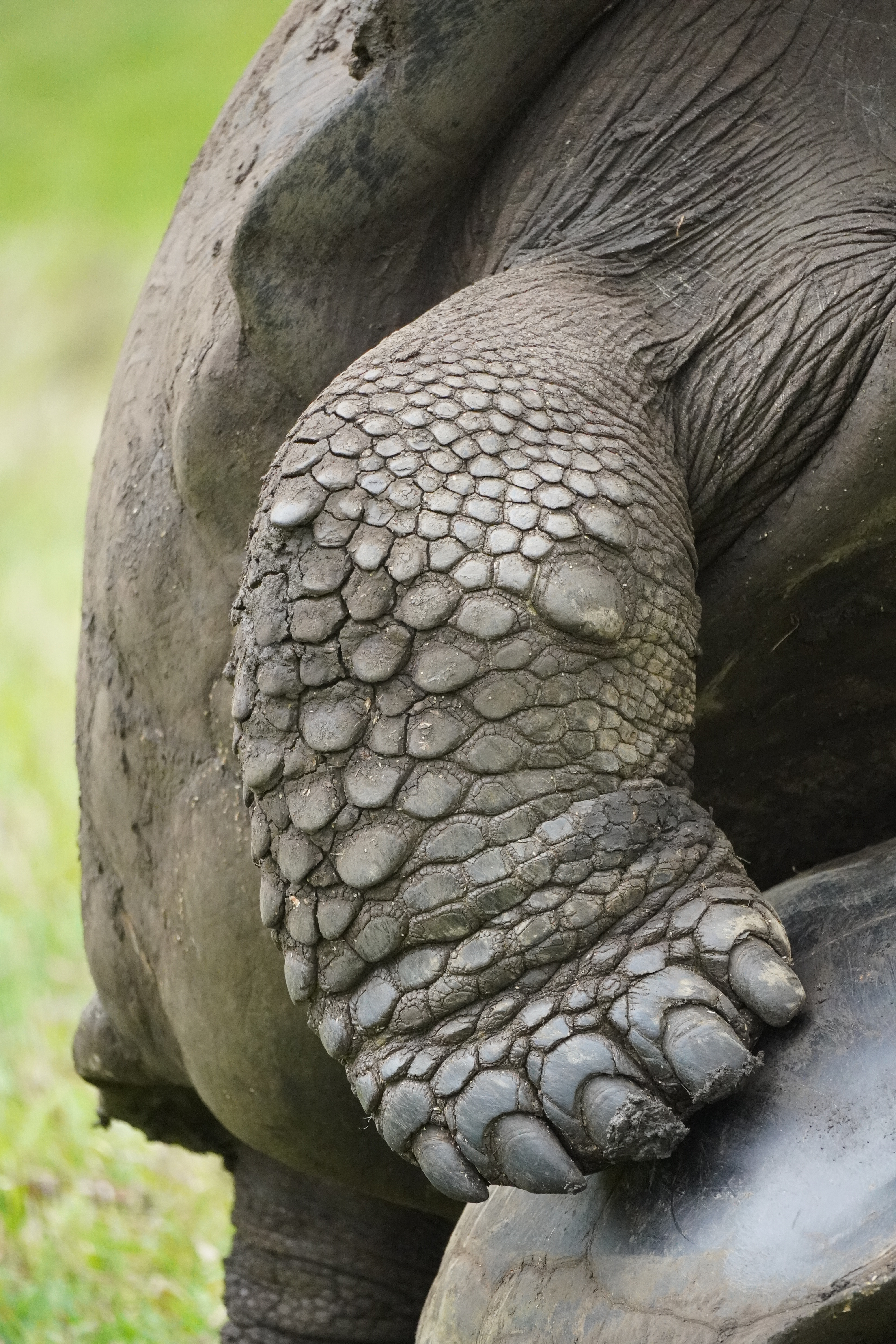
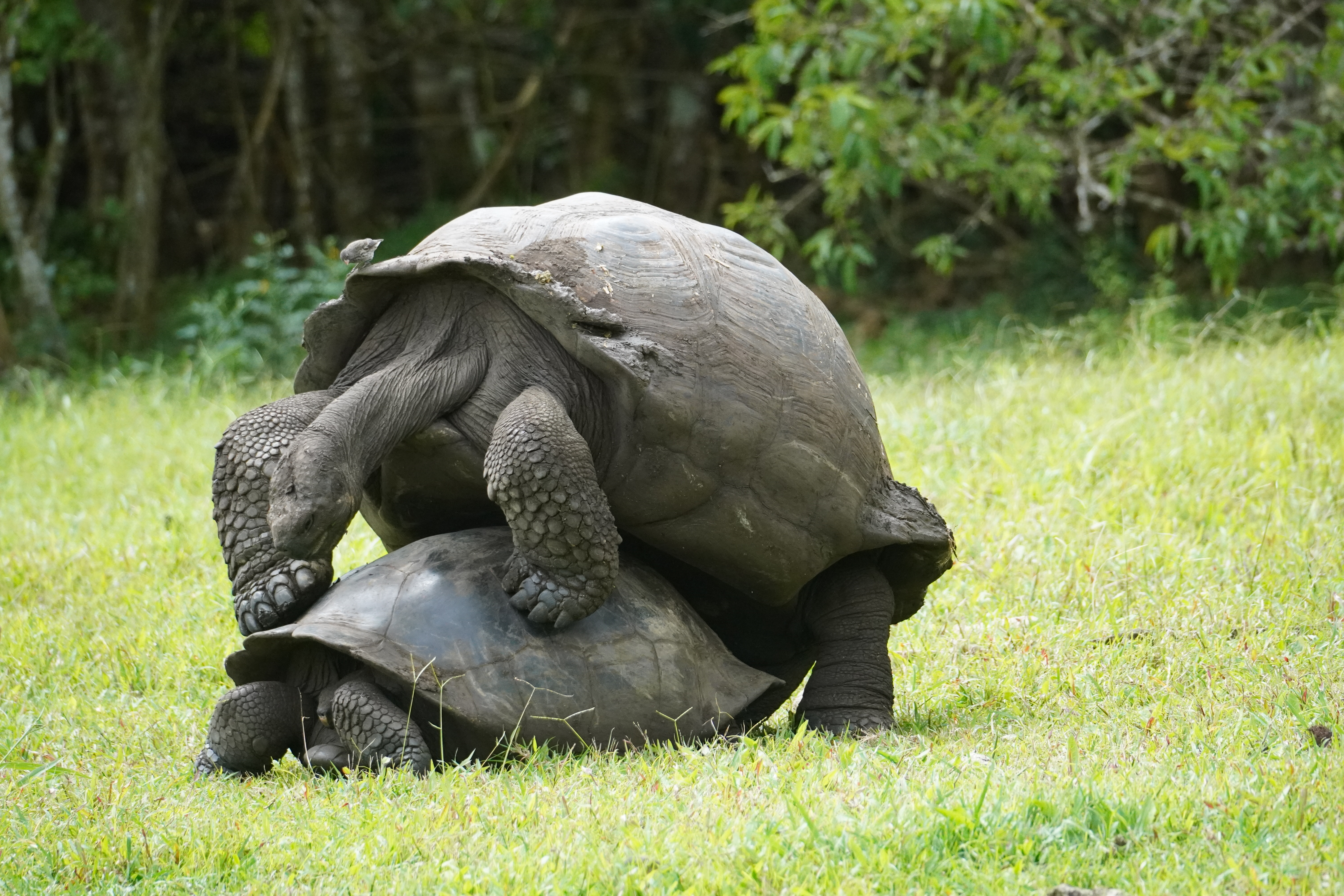
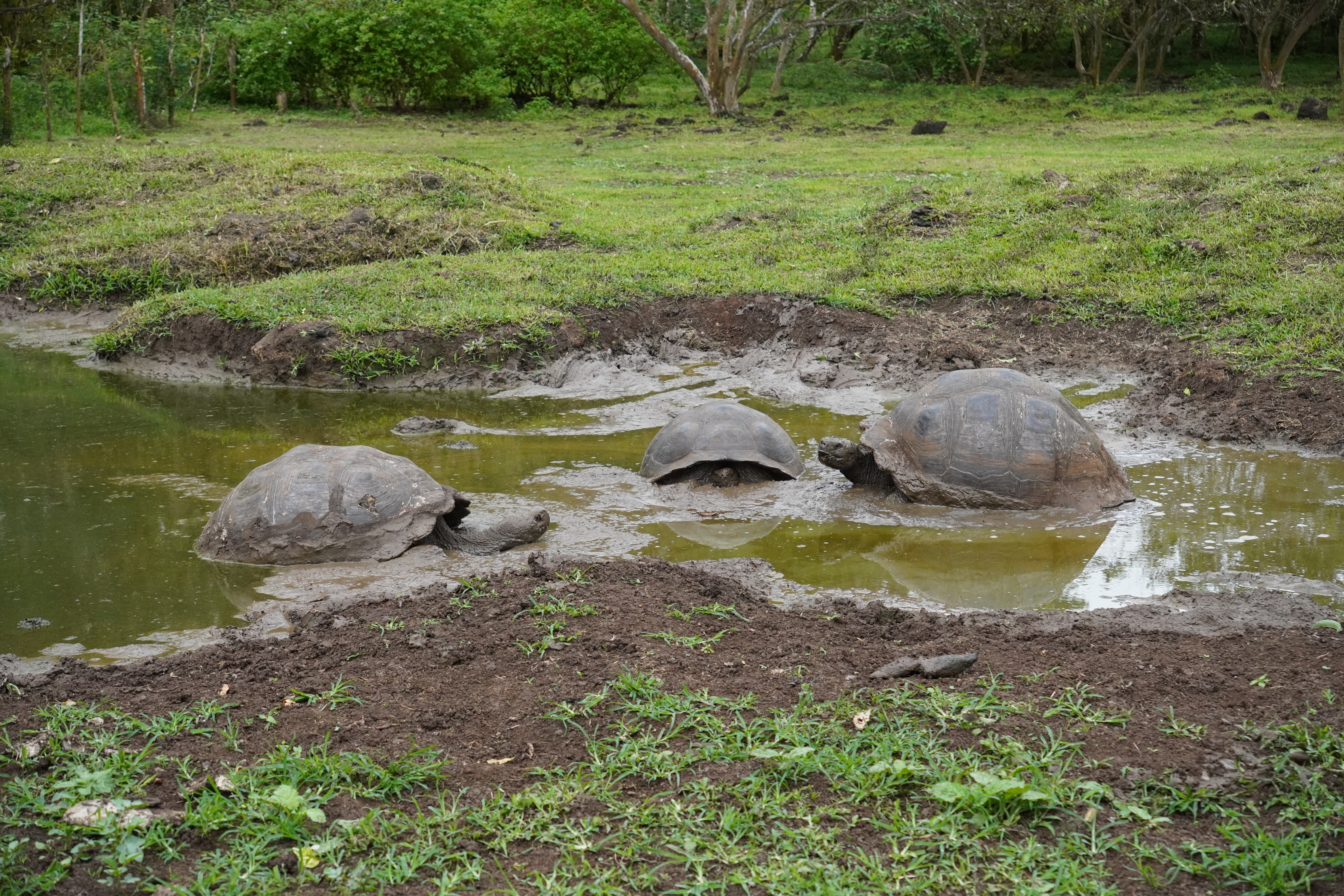
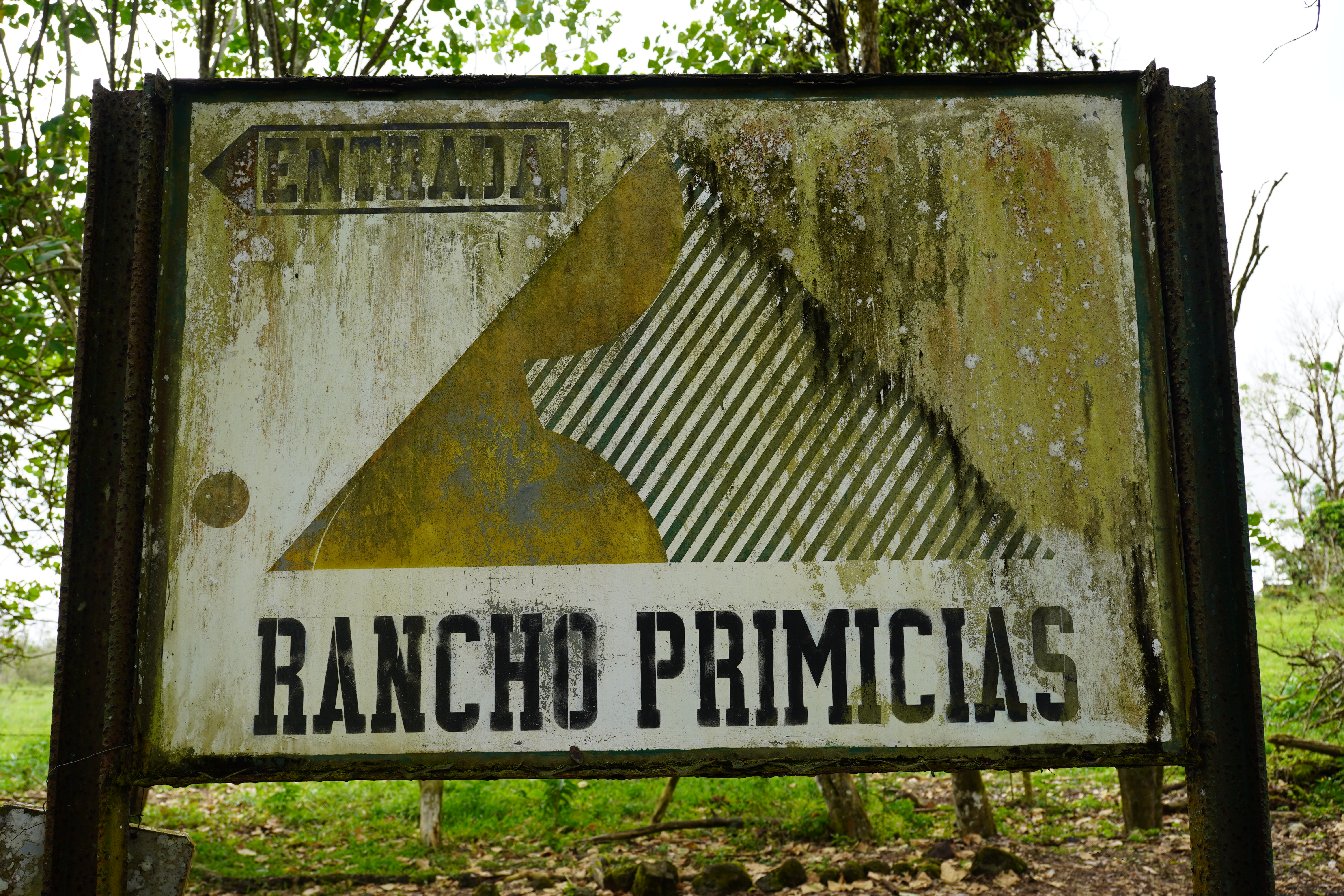
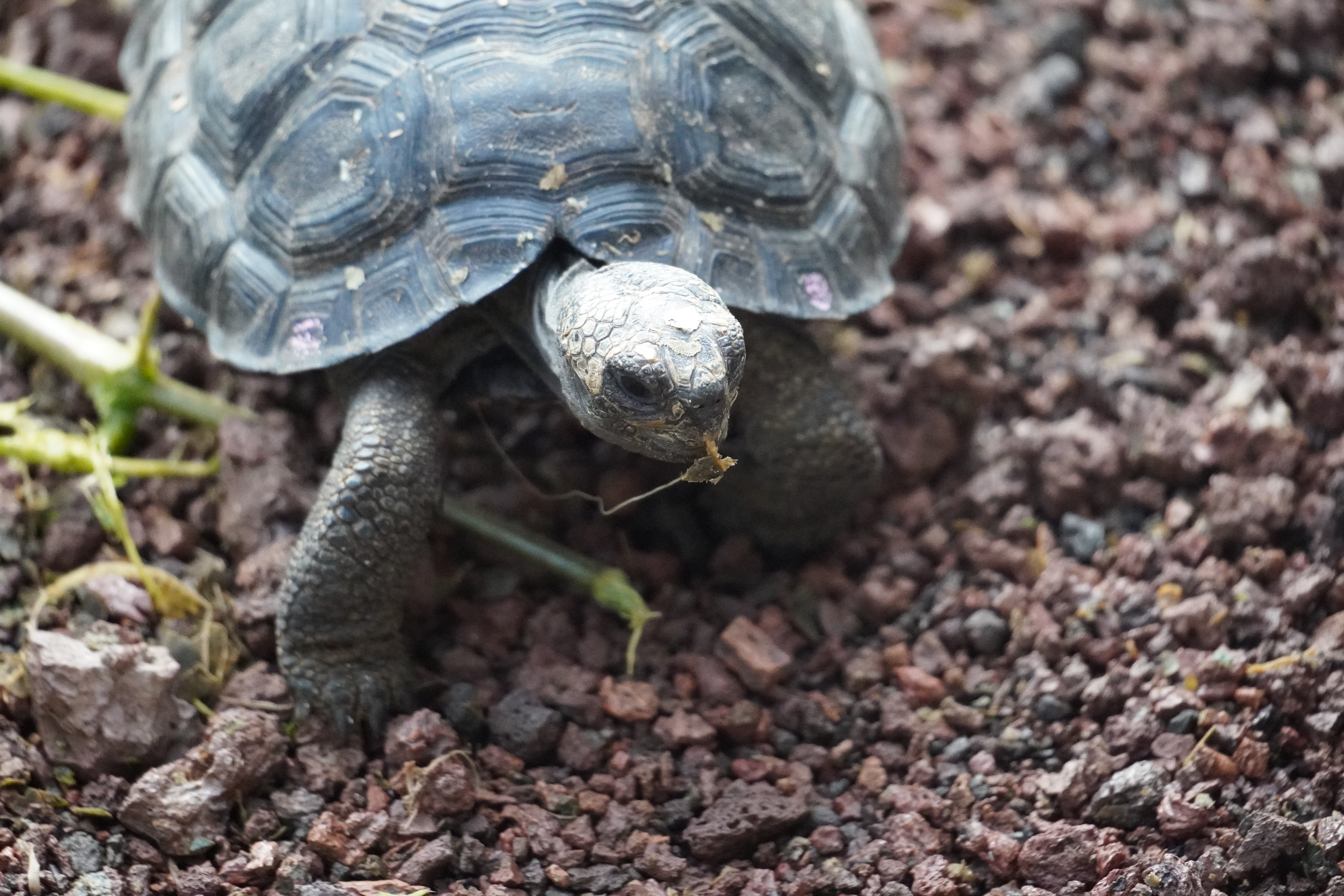
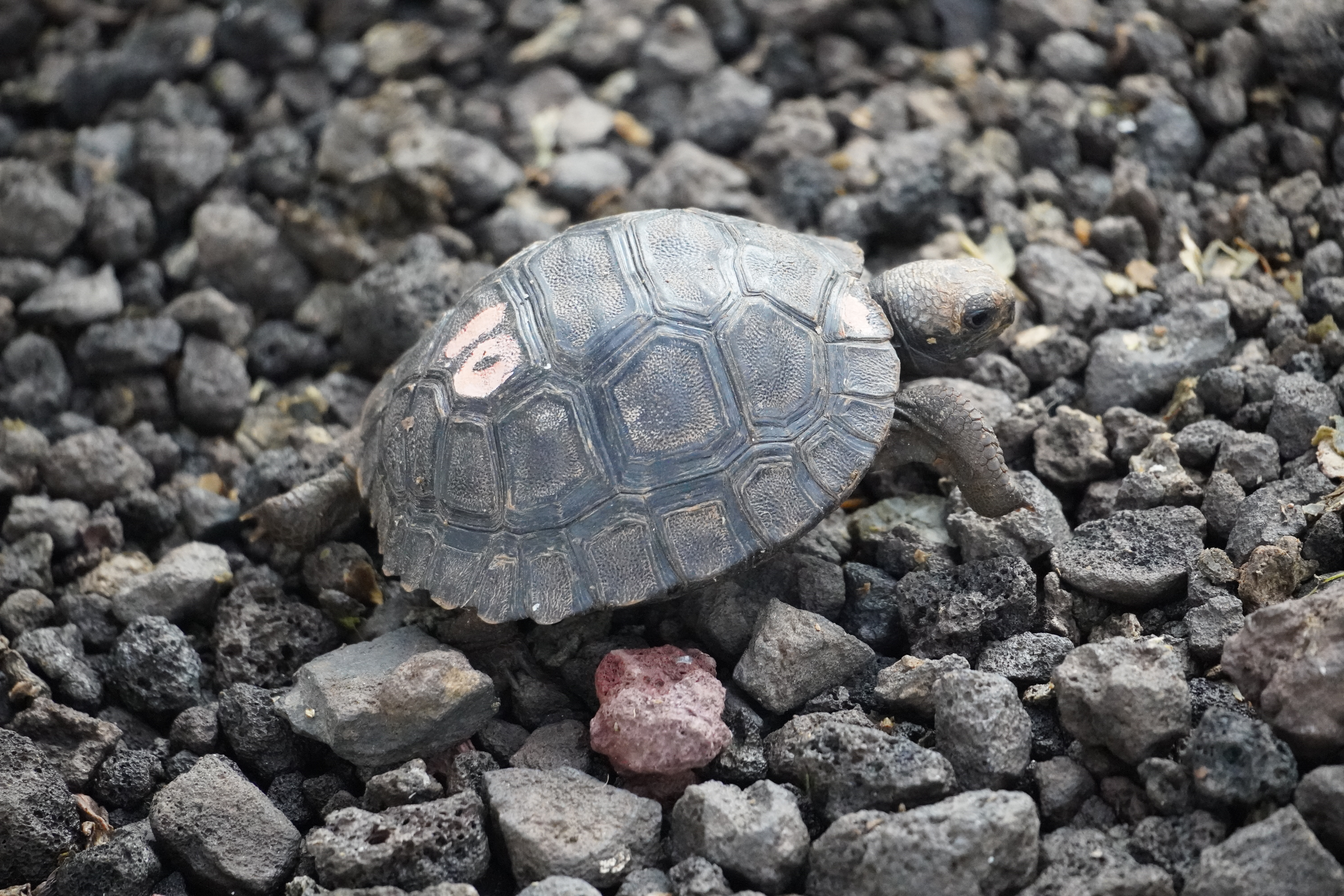
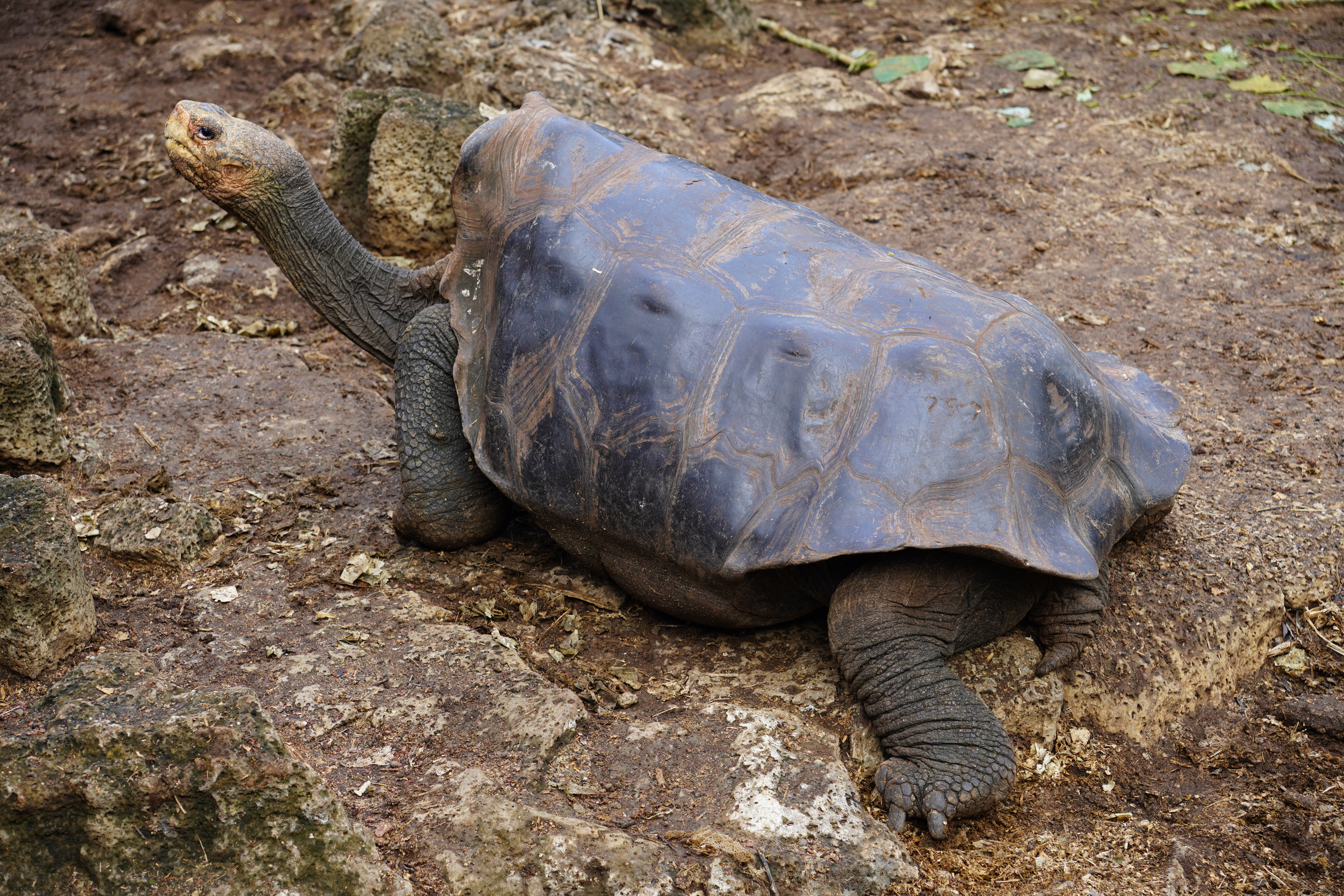
By noon, we explored the town and had a stomach-friendly brunch before taking a taxi to the tortoise farm. The term “farm” is misleading; the tortoises are not kept there. They roam freely on the island, and even on the way there, we saw them everywhere in the grass among cattle. Rancho Primicias simply provides what tortoises love – plants and muddy puddles – so they often gather there. Before reaching the tortoises, we walked through an enormous naturally formed lava tunnel that looked like a man-made shaft. At the farm, a guide explained the lives of these giants. We were fascinated by them. They move slowly and eat constantly. Males and females differ in size and shell shape; the male’s shell has a concave underside to fit onto the female during mating. Giant tortoises can live up to 150 years, weigh over 250 kg, and grow over 1.2 meters long. They are strict vegetarians, feeding on grass, leaves, cacti, fruits, and herbs. They can survive long periods without water by extracting moisture from their food. In the muddy puddles, they cool off and sleep. One particularly fascinating experience was observing a pair of tortoises mating. The process lasts several hours, during which the male produces loud, gasping sounds. After laying the eggs, it takes between 4 to 8 months for the hatchlings to emerge. Since young tortoises are often preyed upon by rats and birds of prey, many of them are raised in conservation centers. A few days later, we visited the Charles Darwin Research Station, where we saw the small, numbered baby tortoises. Here, they learn to survive with minimal water and climb over steep volcanic rocks to prepare for life in the wild. While the giant tortoise population on Santa Cruz is no longer considered endangered, only 12 of the original 15 species remain. During the 17th – 19th centuries, sailors hunted them extensively, and introduced species pose additional threats.
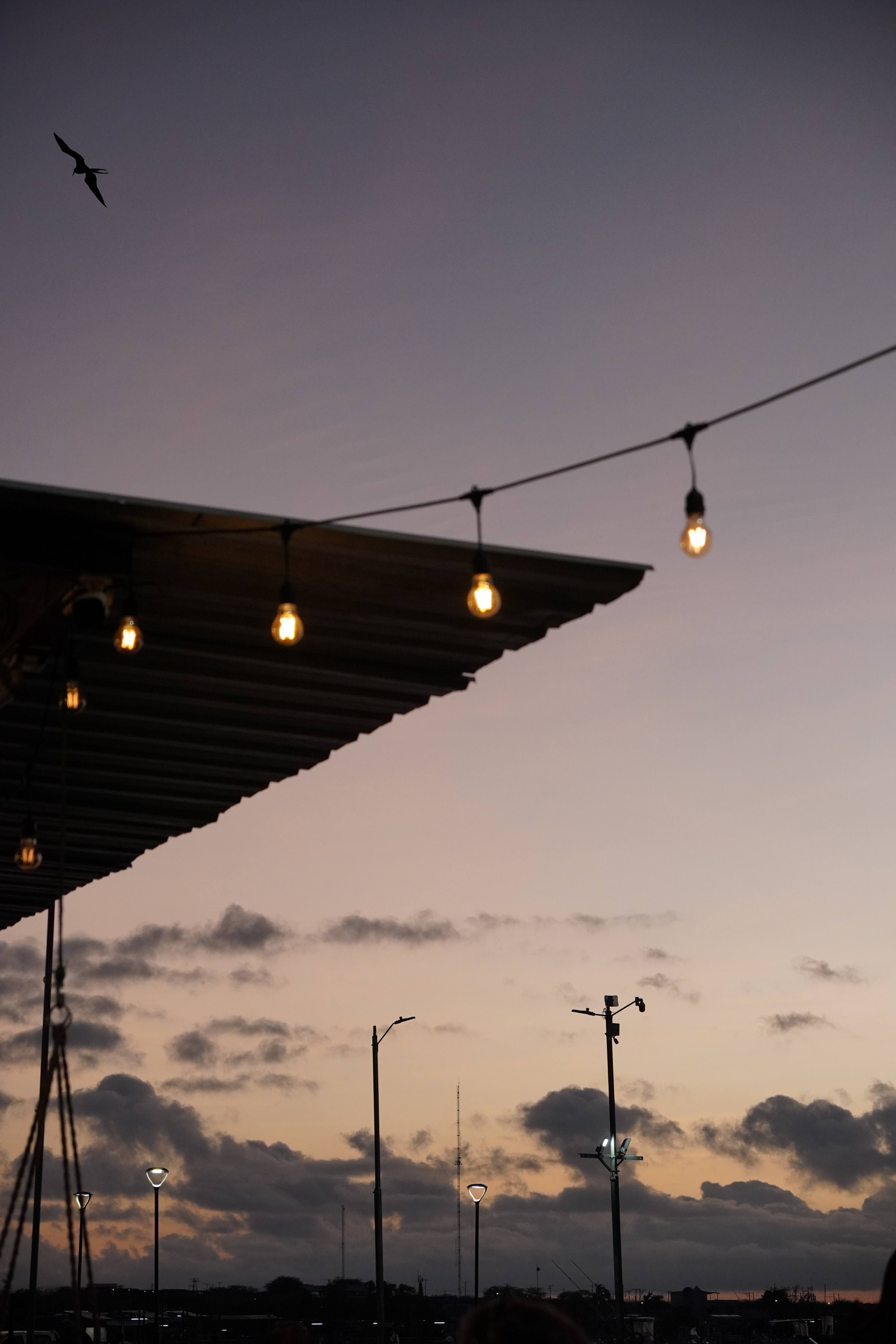
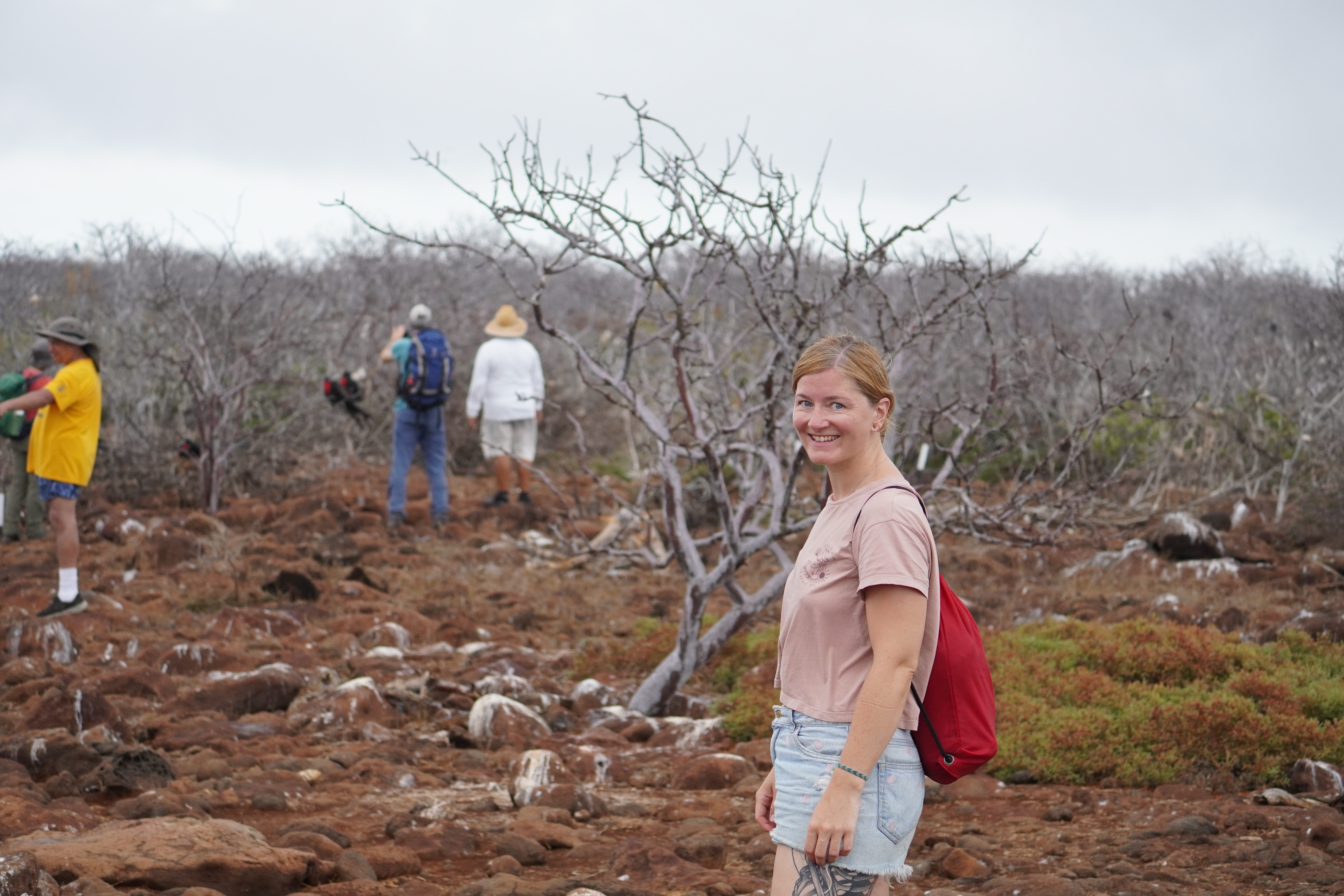
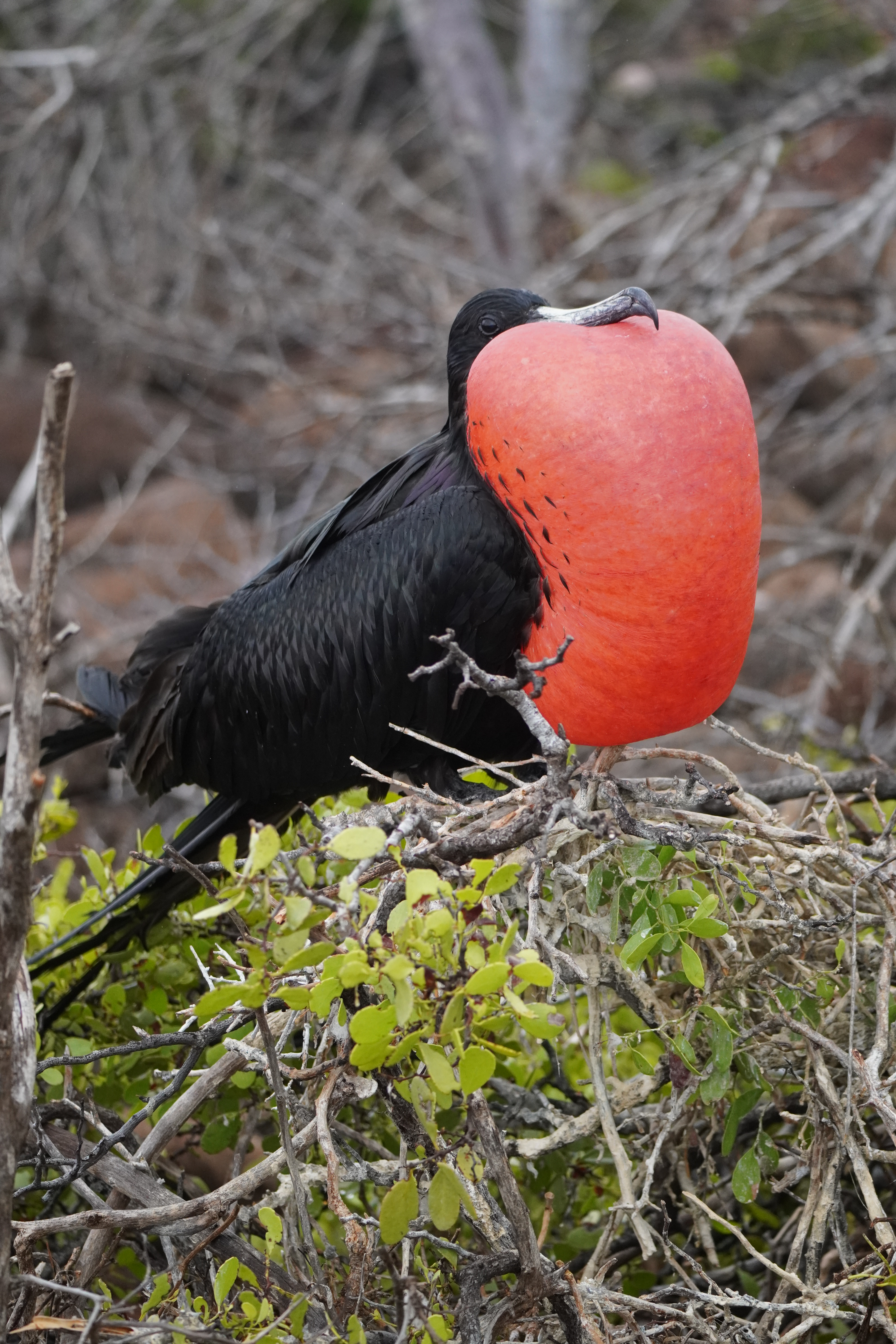
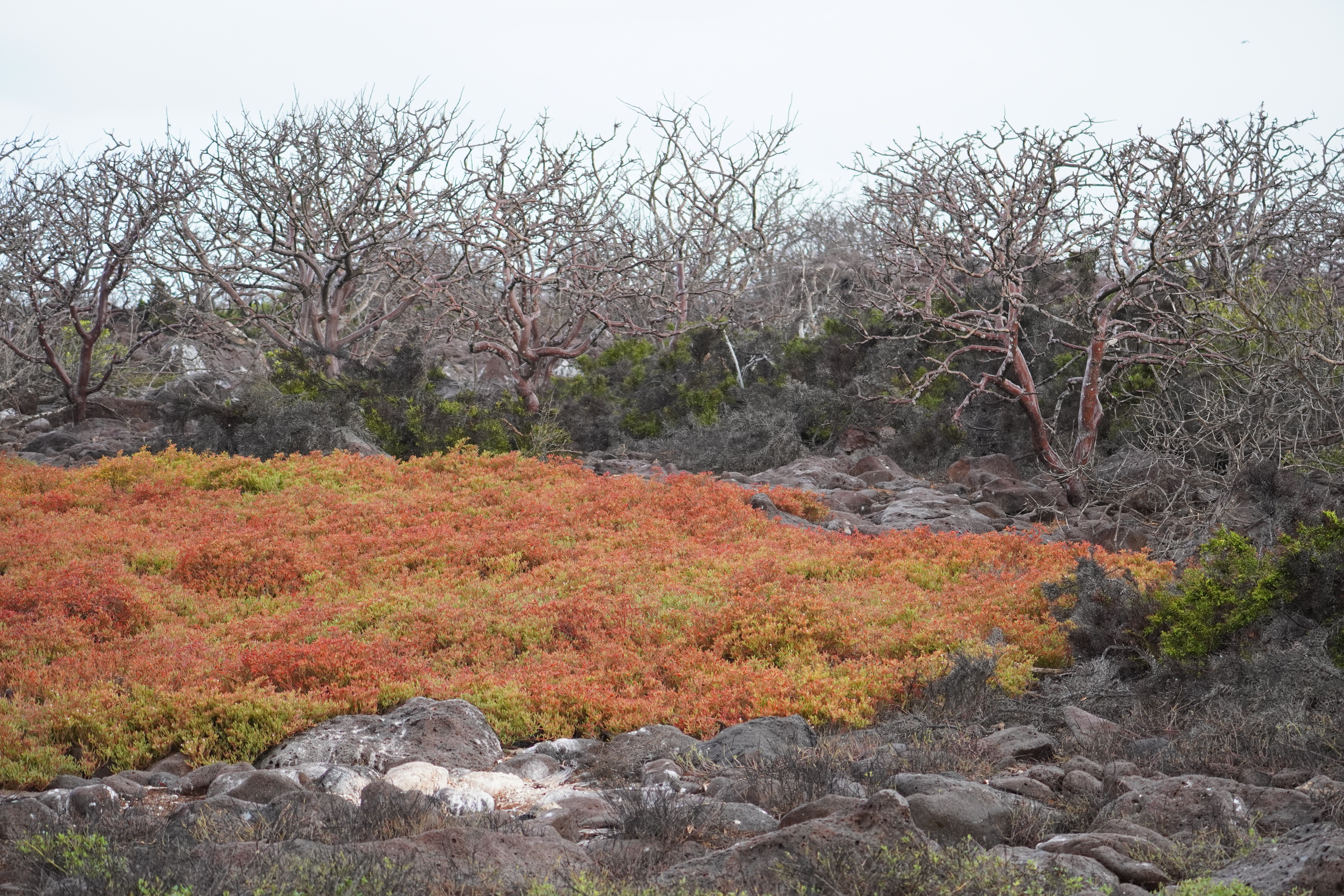
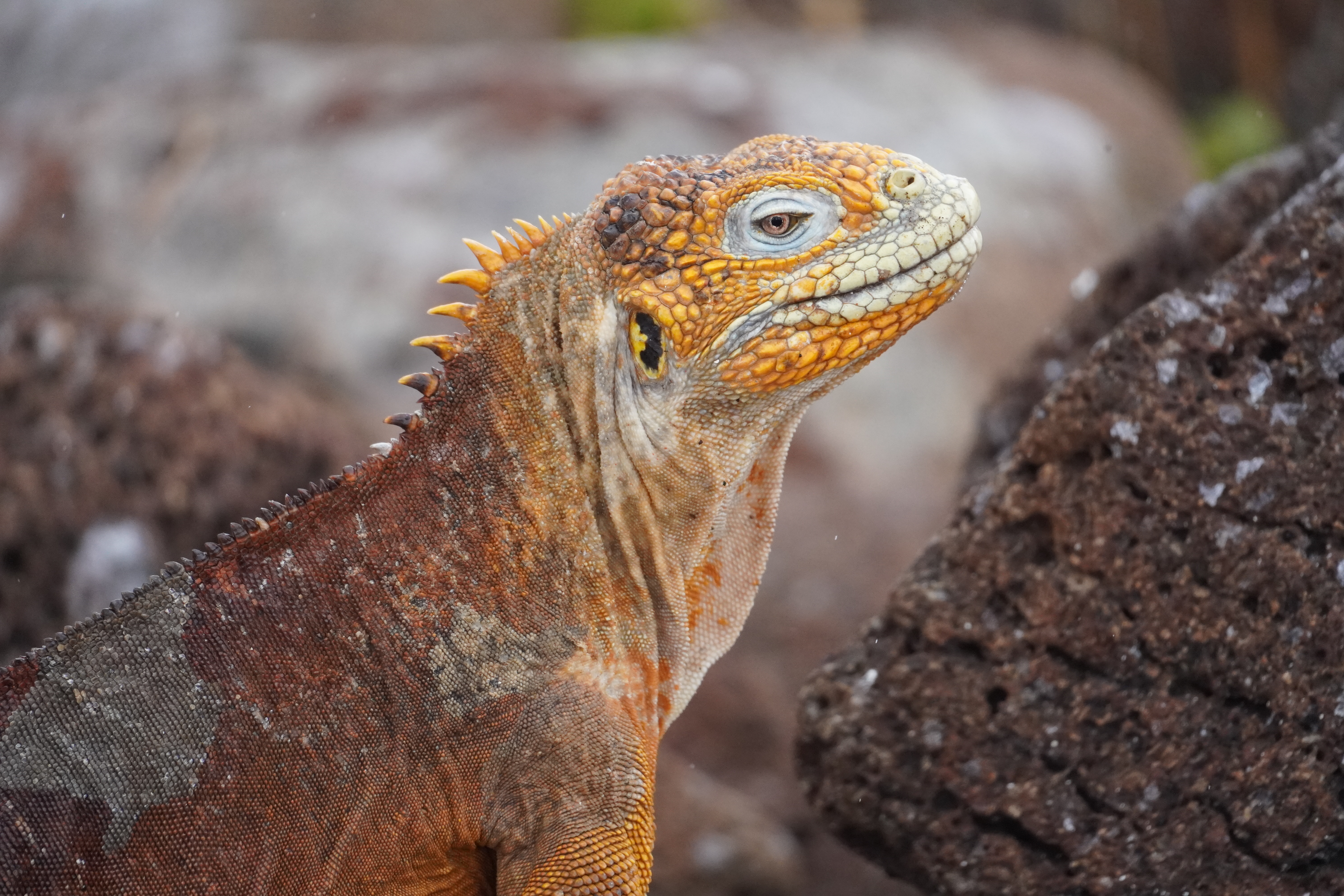
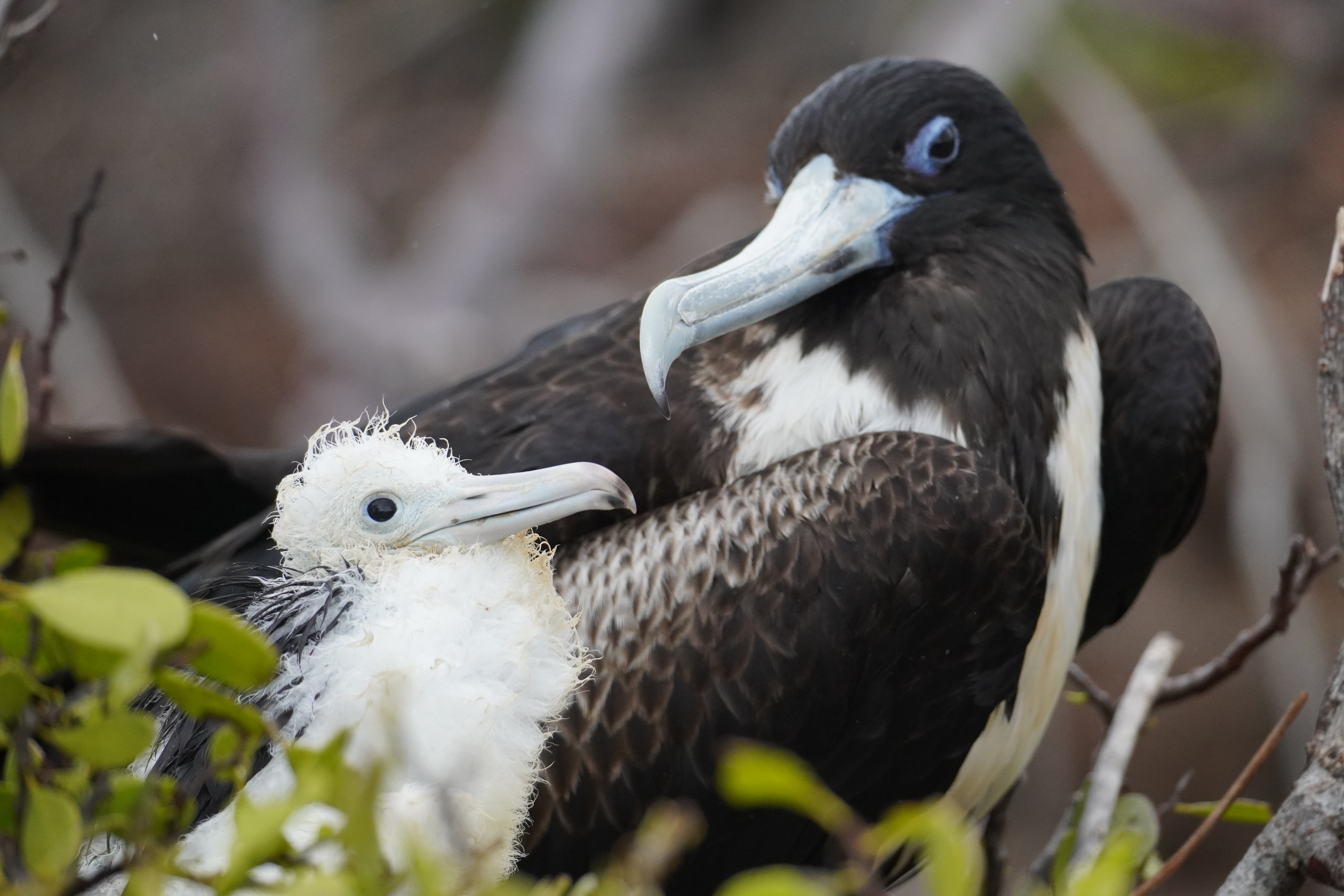
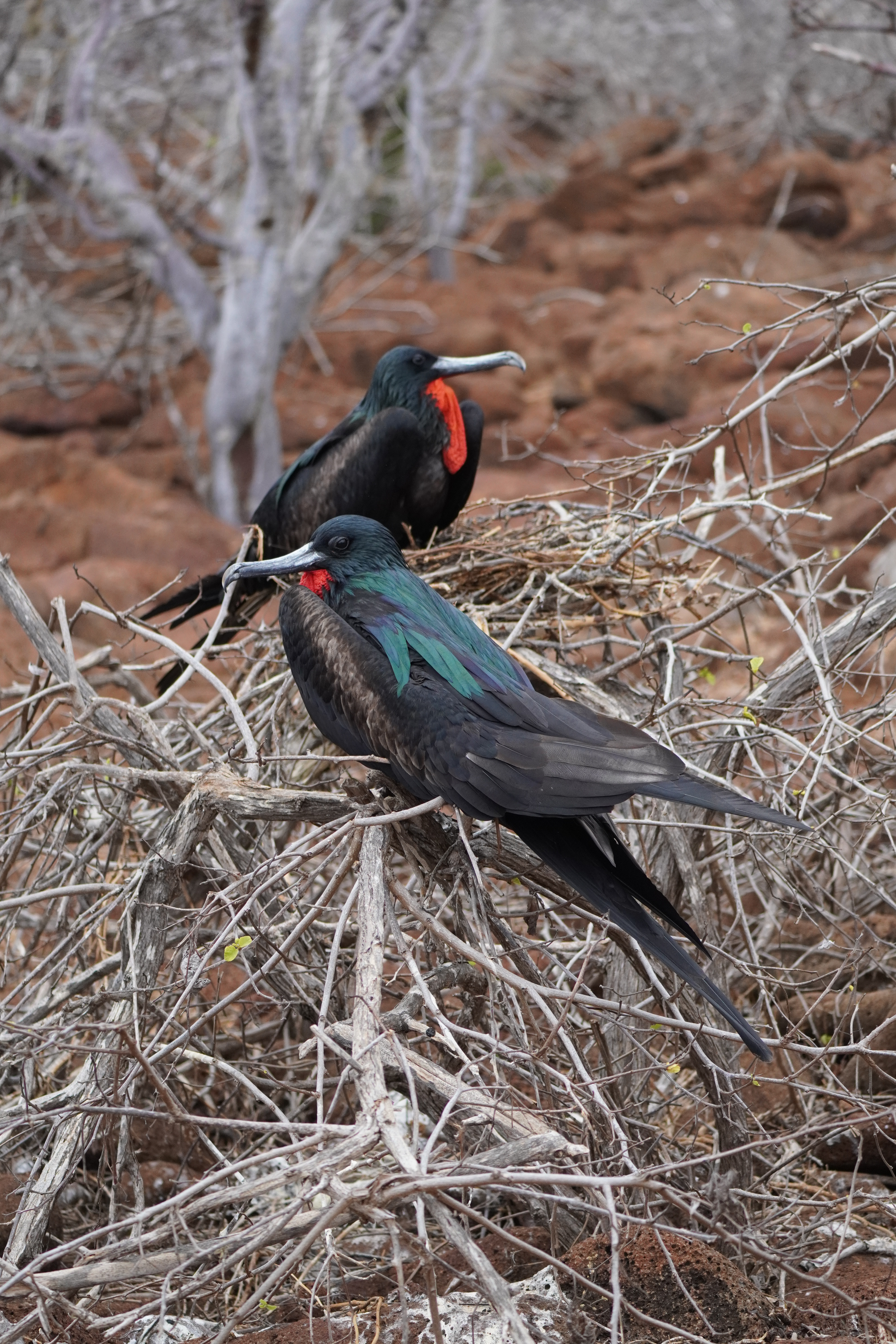
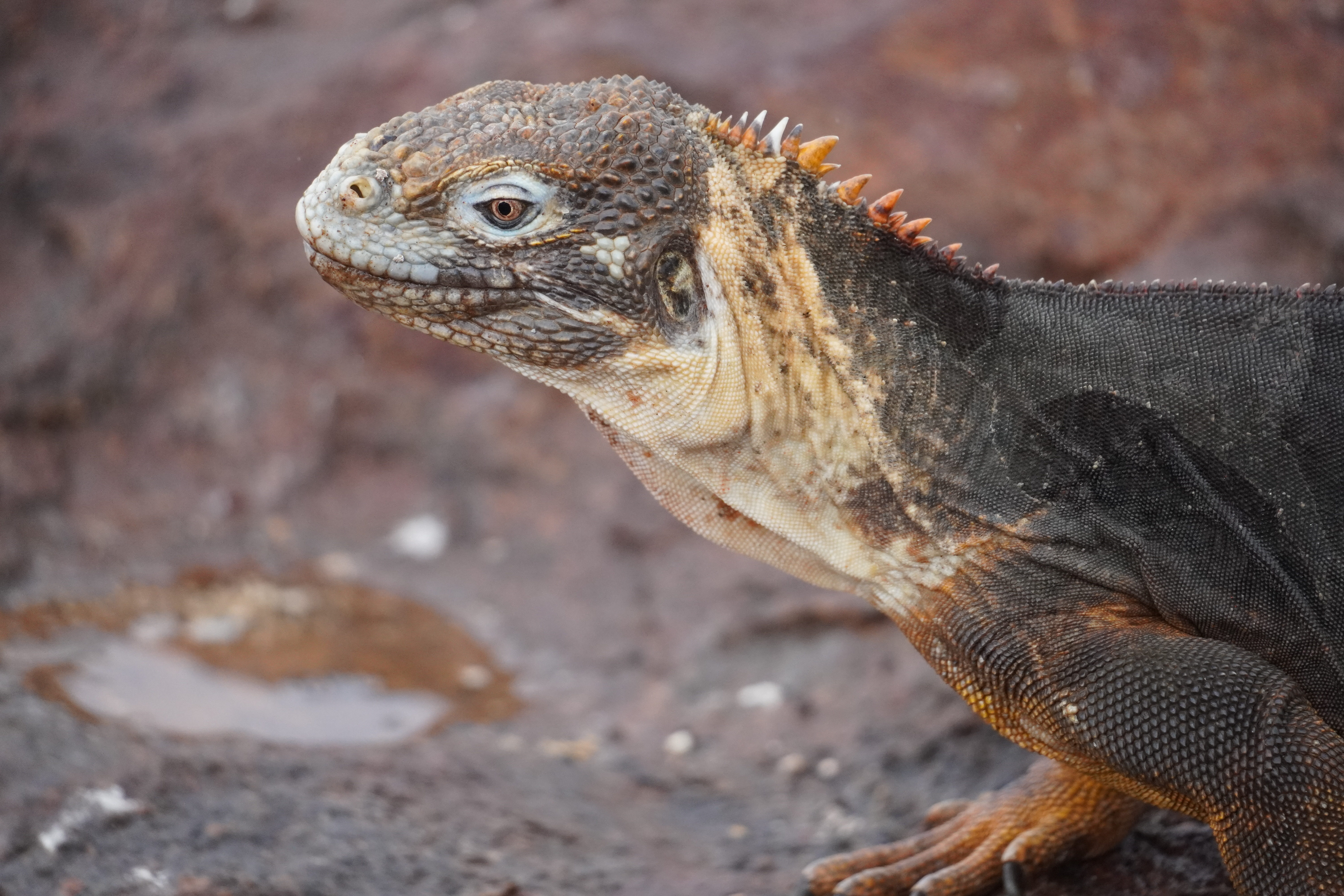
The next day, we took a full-day boat tour to North Seymour Island to observe blue-footed boobies and, most importantly, frigatebirds. We saw both species, as well as numerous sea lions, black marine iguanas, yellow land iguanas, and nesting swallow-tailed gulls. Frigatebirds – those black birds that inflate a red throat pouch to impress females – have lived without natural predators on the Galápagos Islands for centuries, so they show no fear of humans. Visitors can walk very close to them, always with respect. Today, however, their biggest threat comes from rats, which is why rat traps are placed throughout the area.
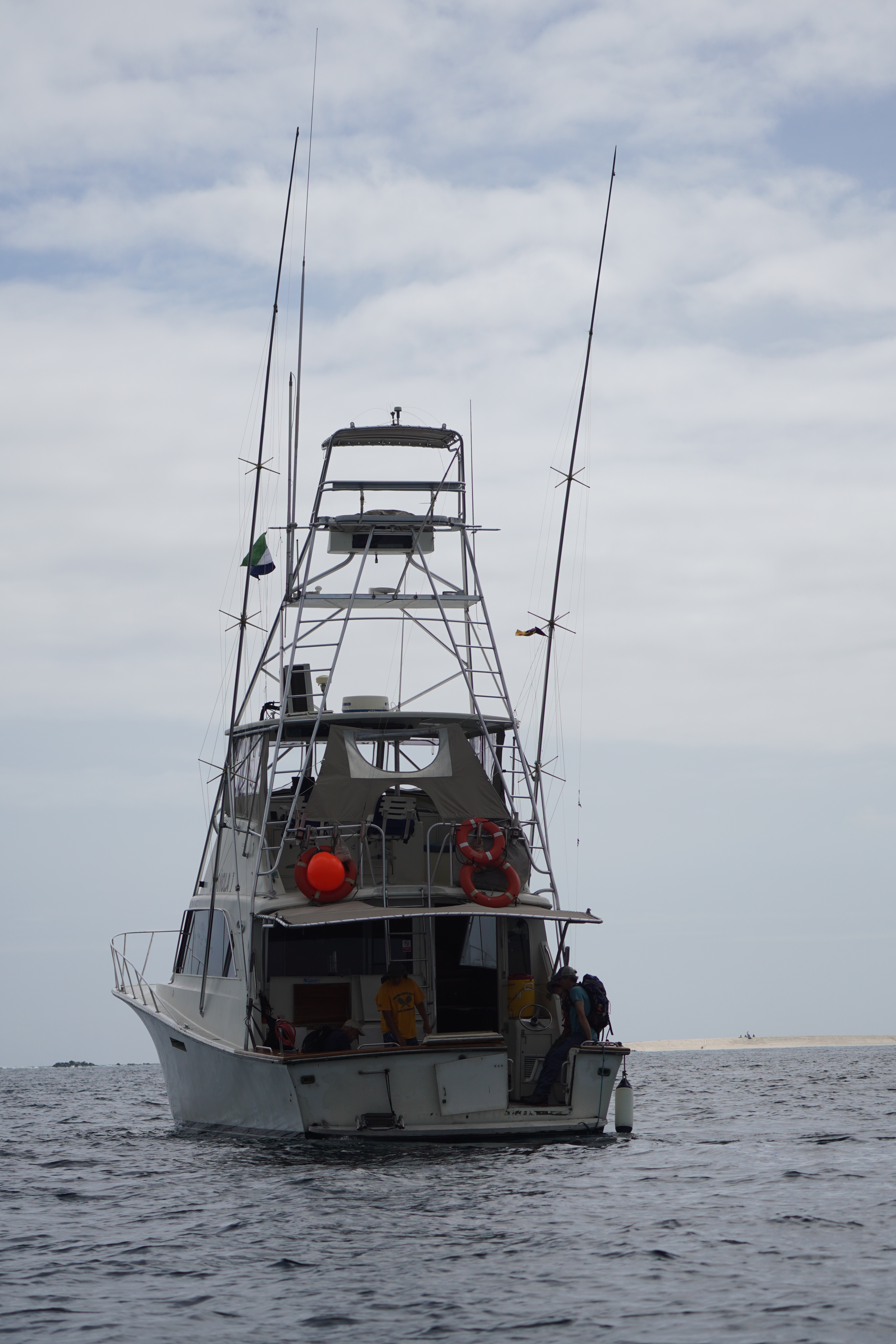
On the boat, we enjoyed air conditioning, a delicious lunch, tea and coffee, and the luxury of a toilet. After lunch, we stopped at a stunning white sandy beach for snorkeling, despite a light drizzle. While observing a sleeping stingray underwater, I suddenly felt an intense, electric shock-like sensation on my wrist and arm. It wasn’t the stingray – I had been stung by a jellyfish tentacle. When I got out of the water, my skin looked like it had been brushed by stinging nettles, and the pain lasted for hours. Next time, I’ll definitely wear a rash guard again… This day, we met Sanne, with whom we coincidentally ended up taking another tour a few days later on a different island and spent a lot of time together. Our next stop was Isabela Island, so it was time to take some motion sickness pills, wake up at 6 AM in the dark, head to the pier, and board the speedboat.
Isabela: Our Favorite Island
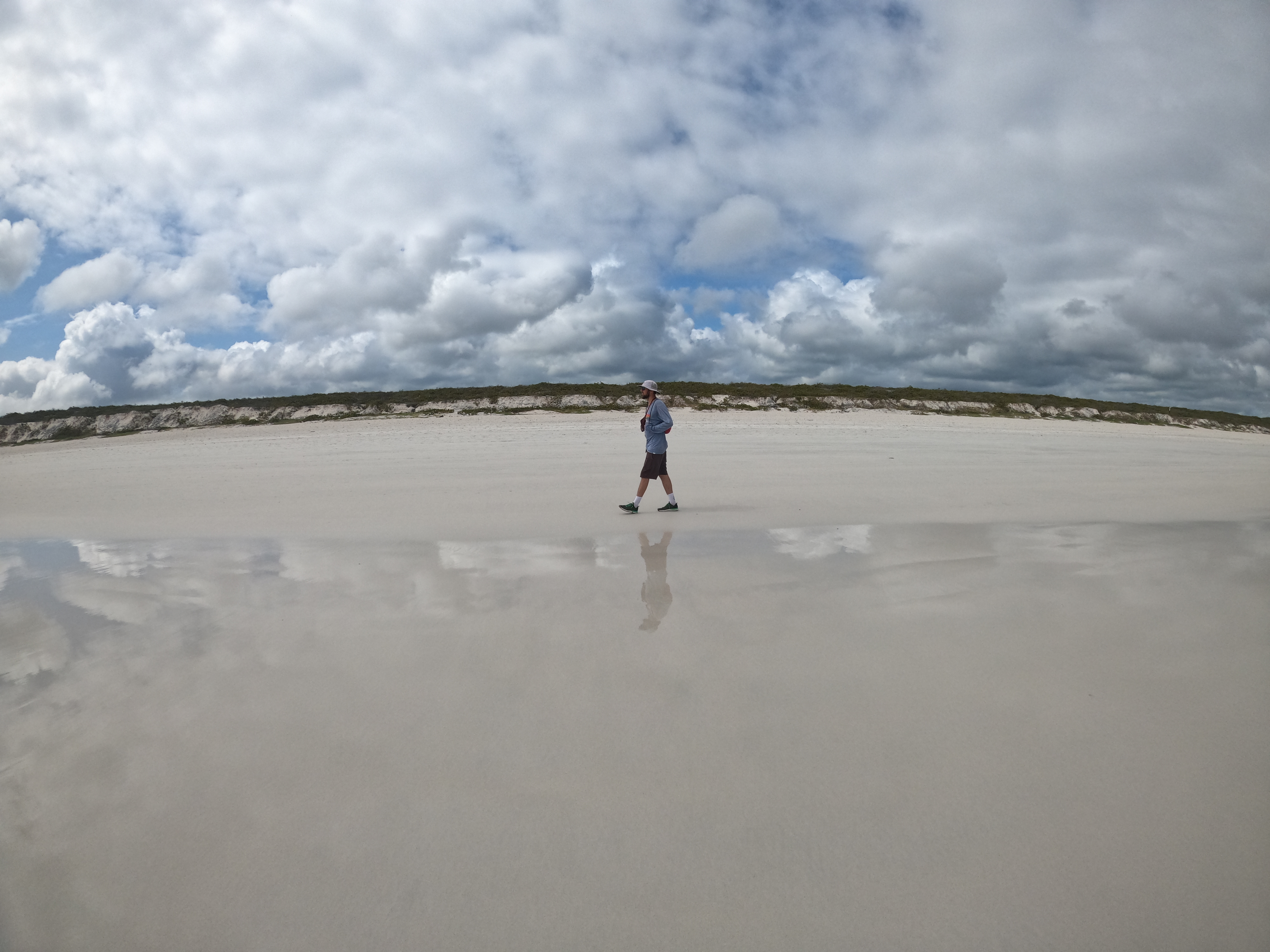
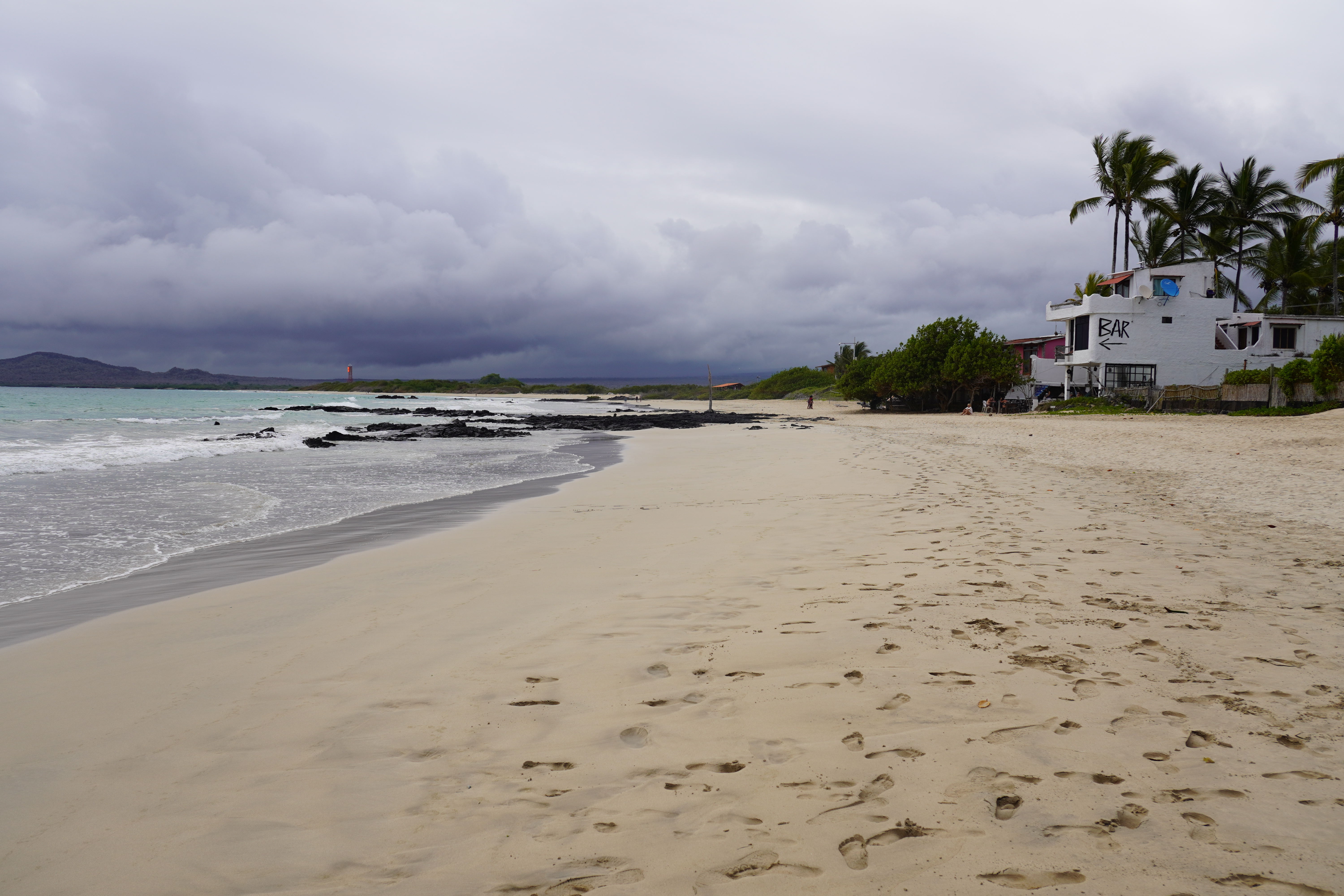
The two-hour boat ride was pleasant. We walked from the harbor across lava rocks into town. Isabela has only about 2200 inhabitants, mostly living in Puerto Villamil. Fortunately, on the Galápagos Islands, hotels allow early check-ins around 9 AM, as most guests leave early in the morning. Puerto Villamil felt quiet and had very few tourists. A sandy main street runs through the town, with a few small side alleys. It almost feels like you are directly on the beach – powdery white sand and turquoise waters. We immediately fell in love with the island.
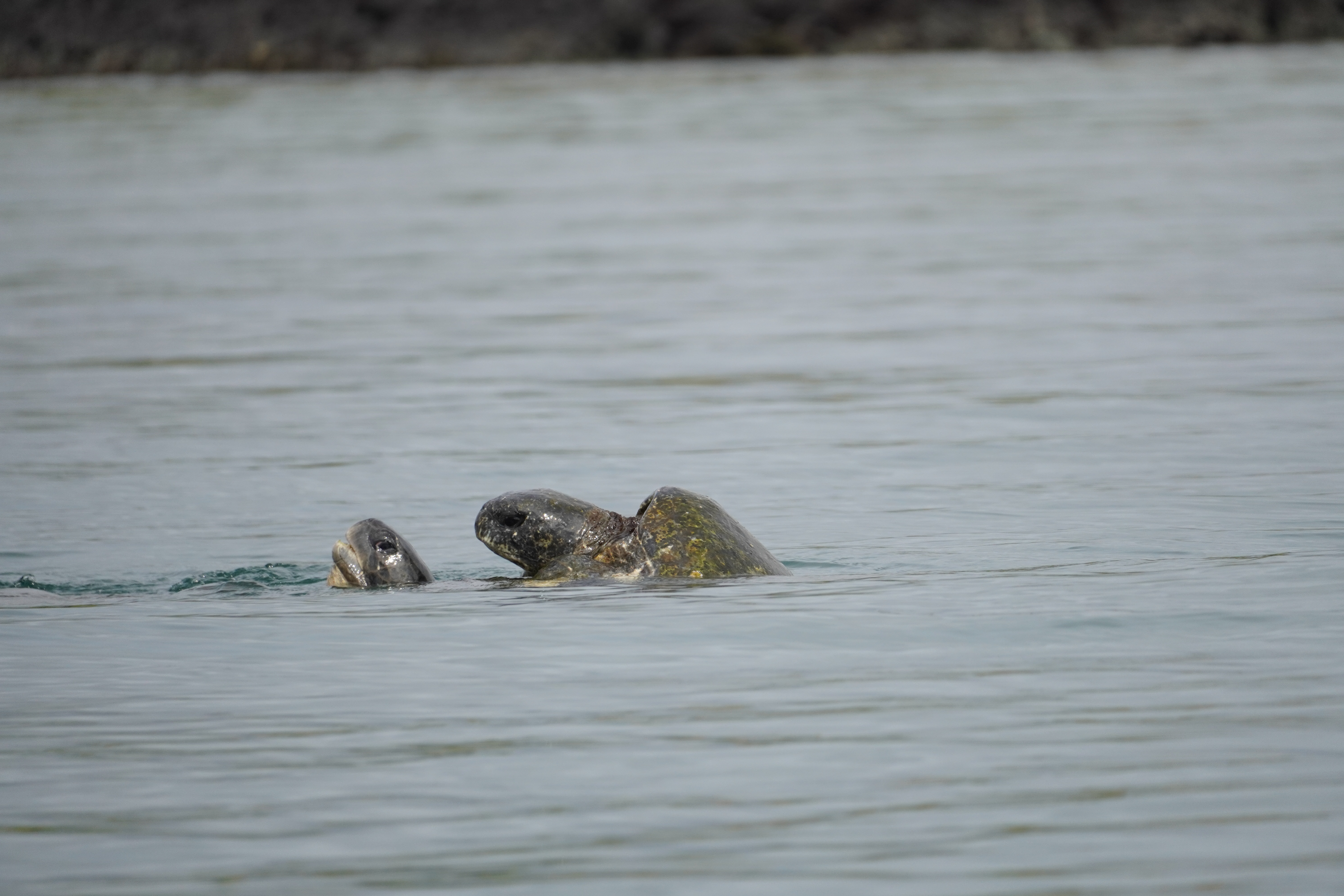
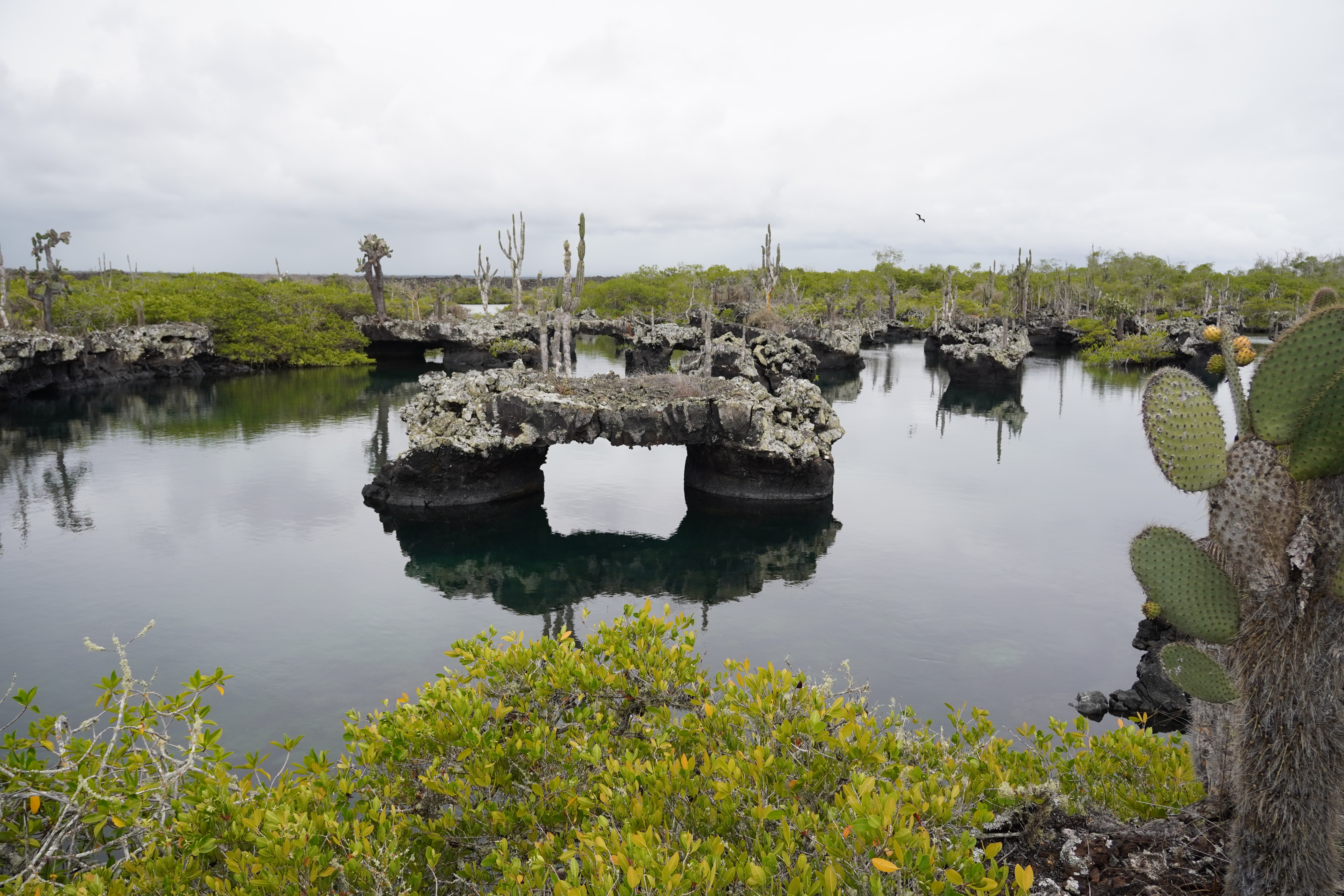
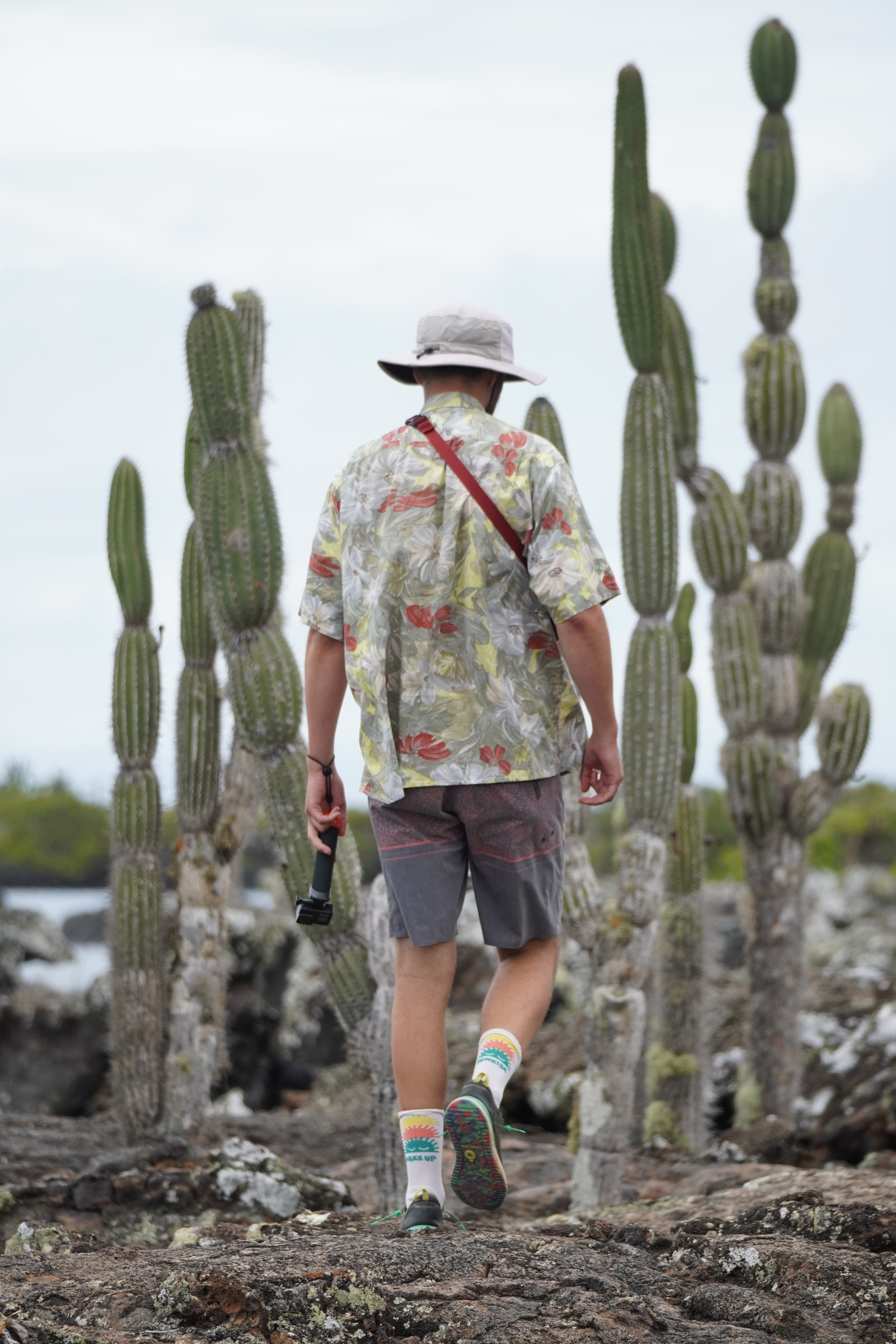
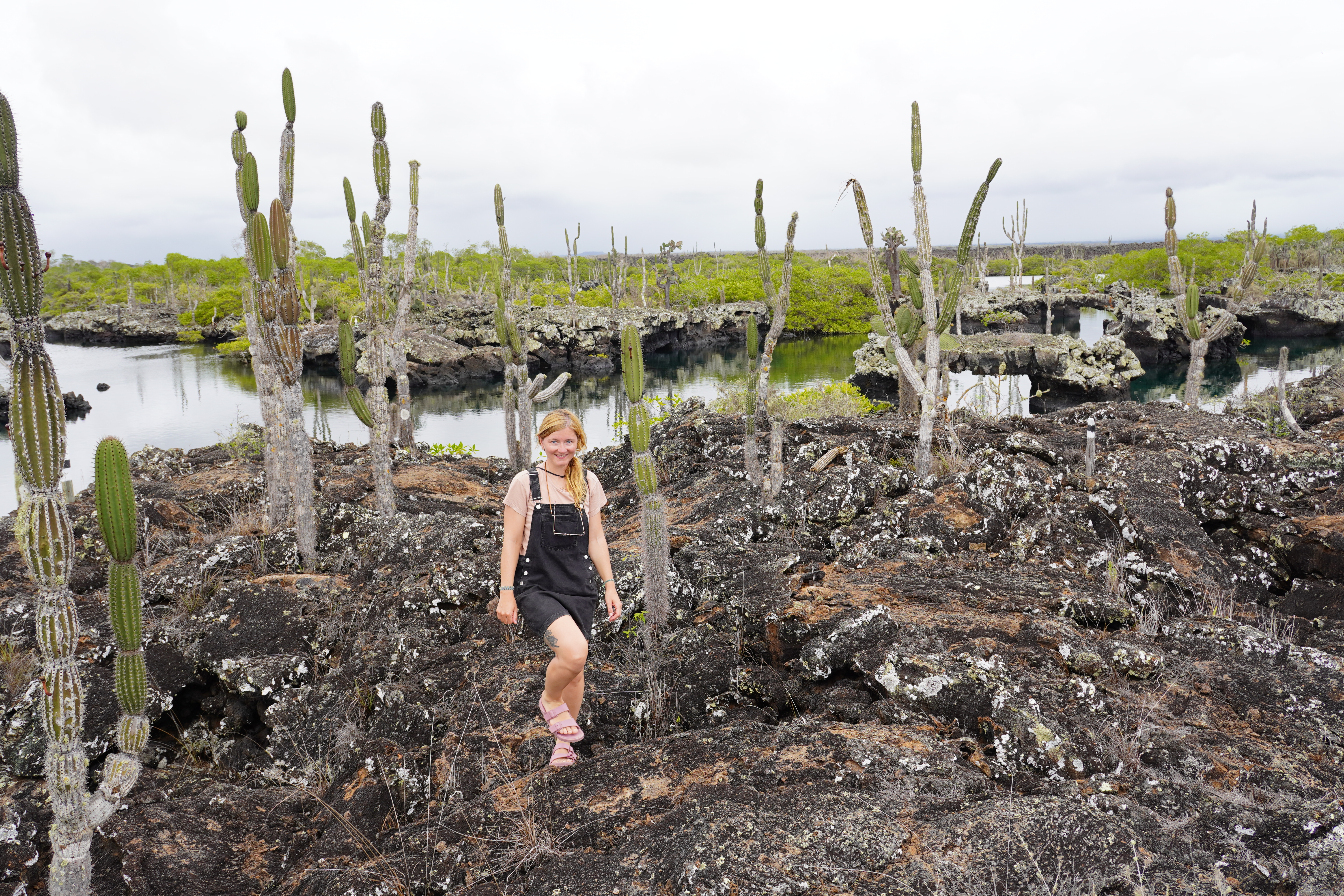
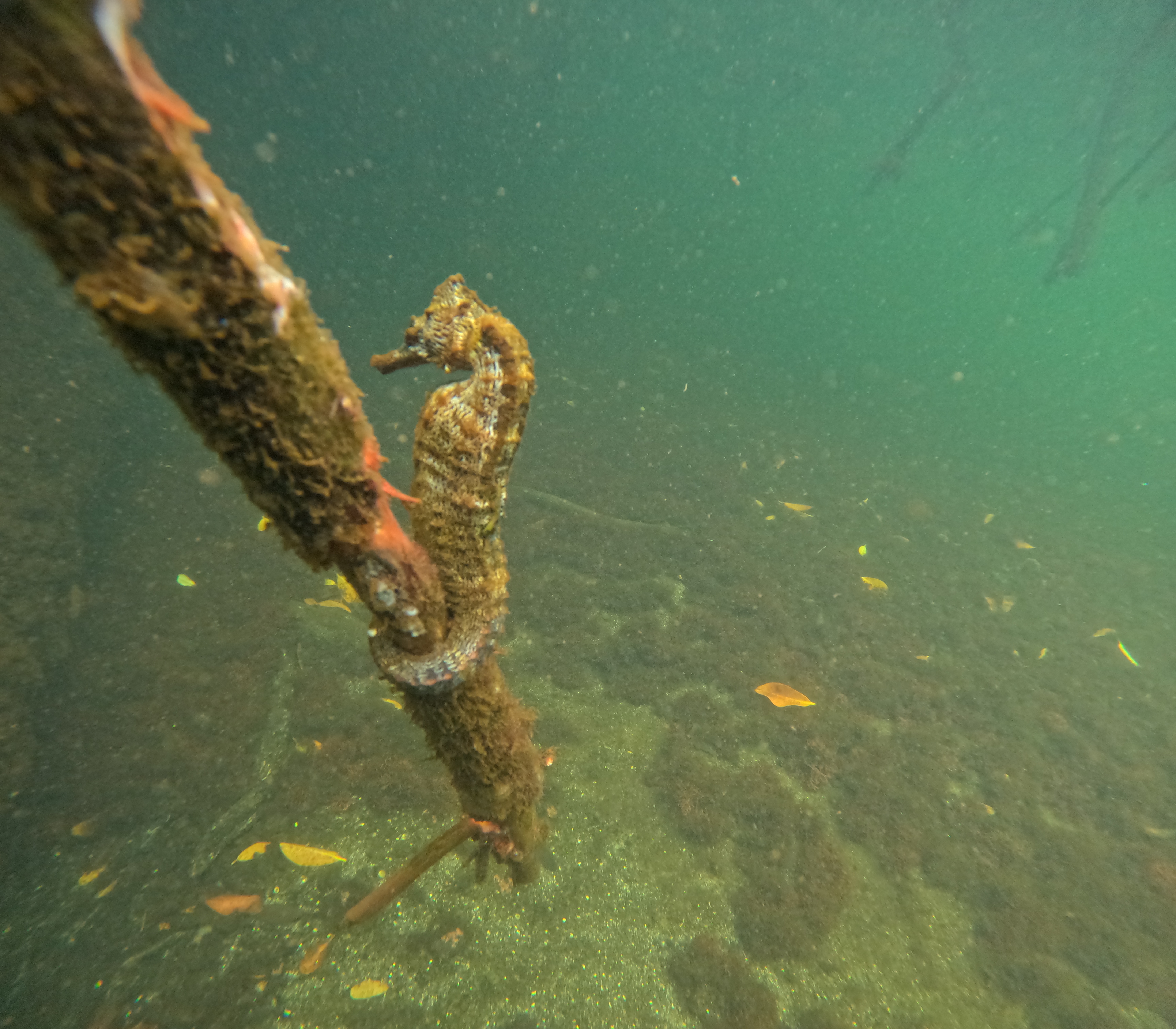
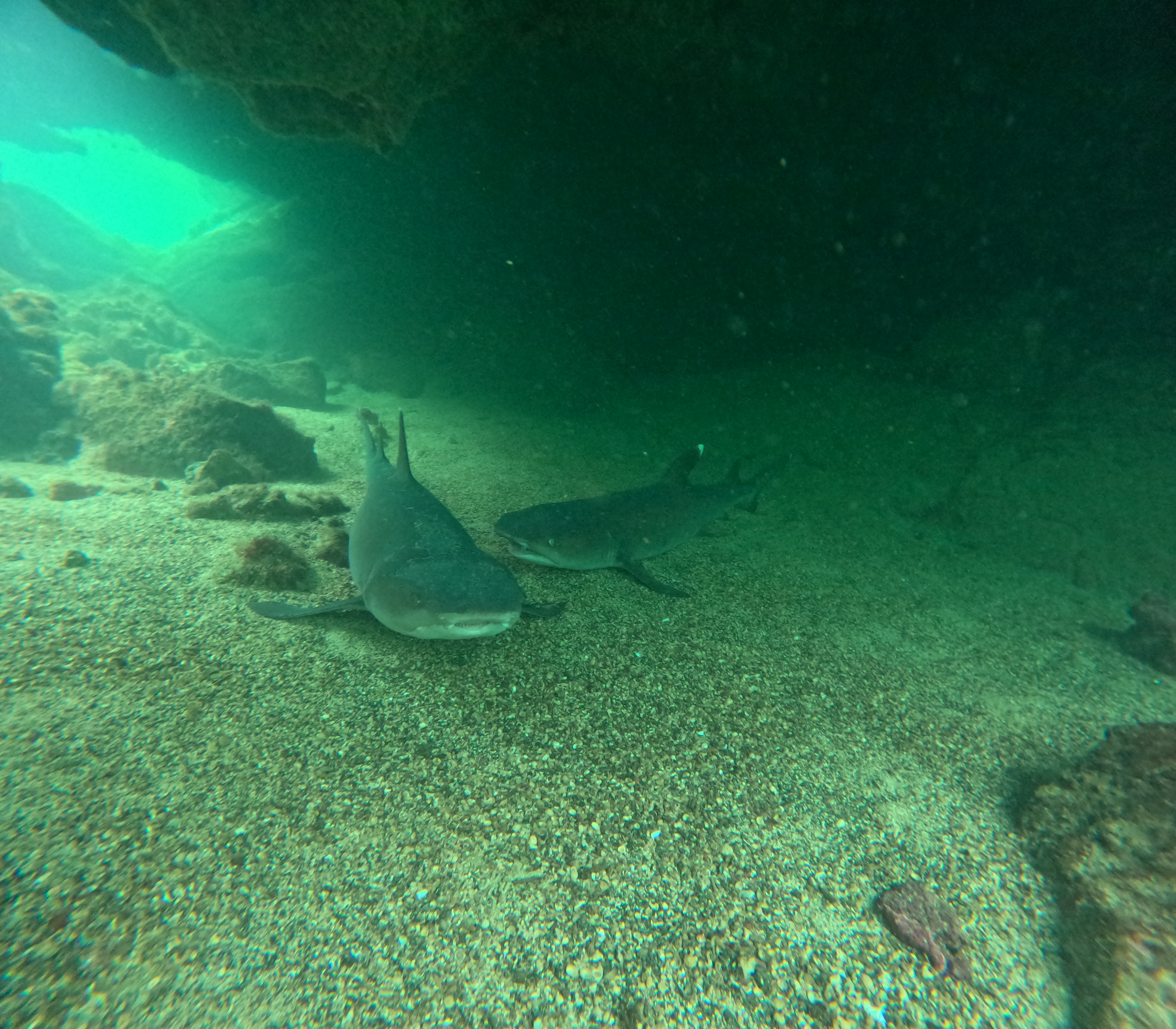
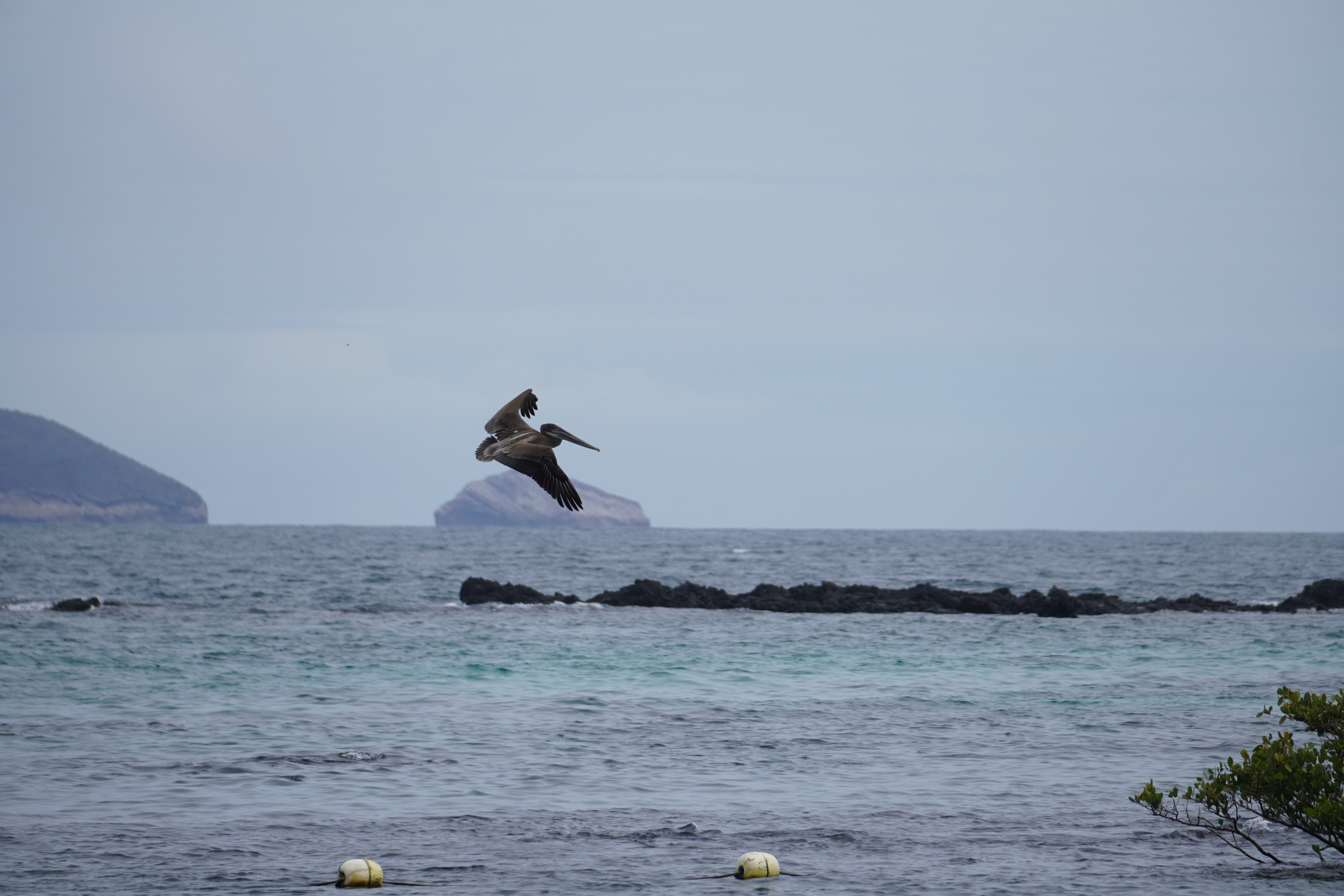
We spent the day snorkeling and ended it with cocktails at the Pink Iguana Bar with Sanne. The next morning, we were picked up for our snorkeling tour to Los Tuneles. This area is known for its impressive lava formations, which create natural tunnels and bridges both above and below the water. On the way there, we spotted penguins and rays in the water. Upon arrival, we saw blue-footed boobies and mating sea turtles. When we jumped into the water to snorkel, we found ourselves surrounded by sea turtles. We also spotted two seahorses, sleeping whitetip reef sharks hiding in small caves, spotted eagle rays, and many colorful fish. Both underwater and on land, the breathtaking lava rock formations were visible, and we even swam through some of them. The rocks were covered in countless cacti, and we observed a nearly grown blue-footed booby chick that had ts nest right on the ground. Since we loved this snorkeling tour so much, we booked another one with the same agency for the next day.
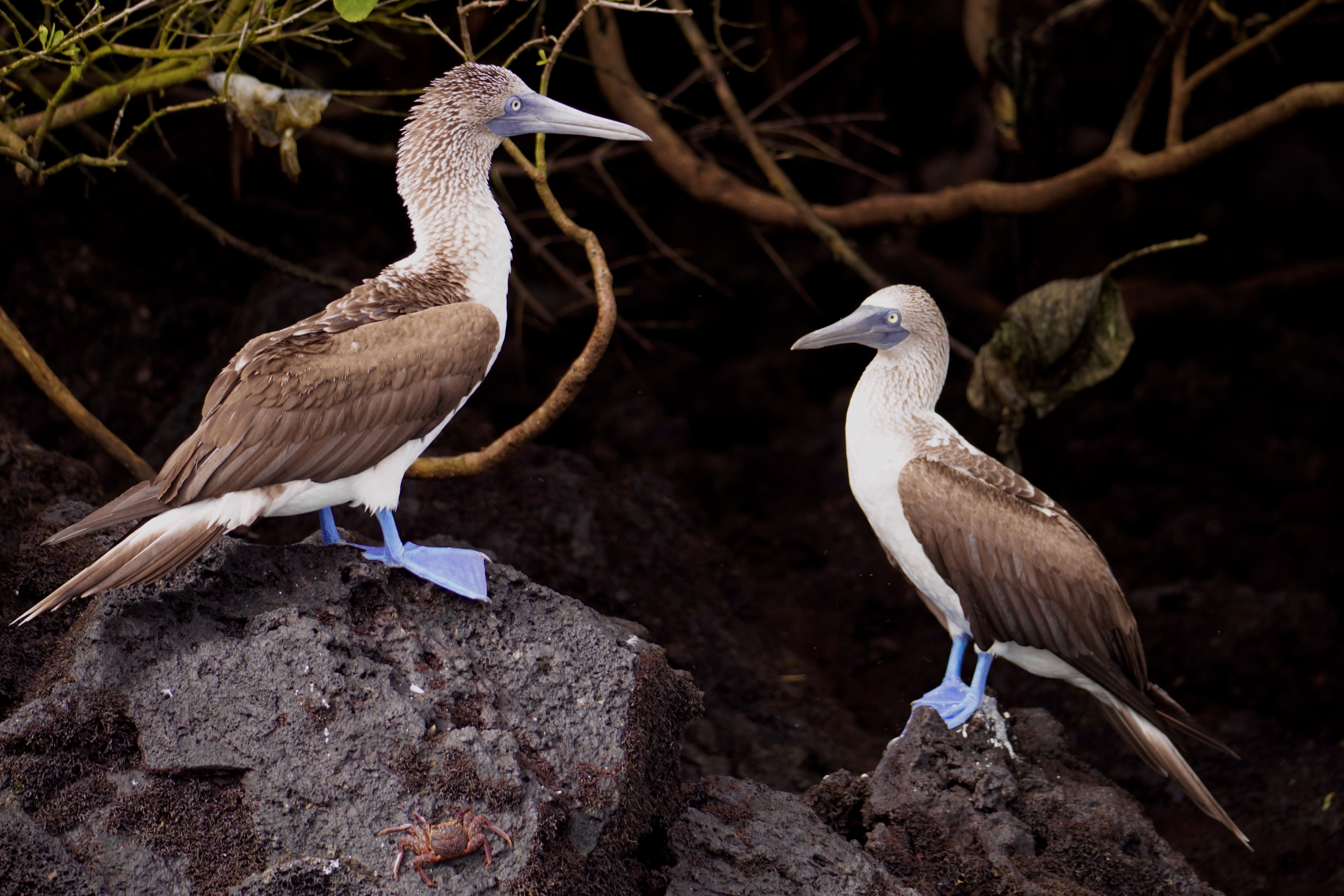
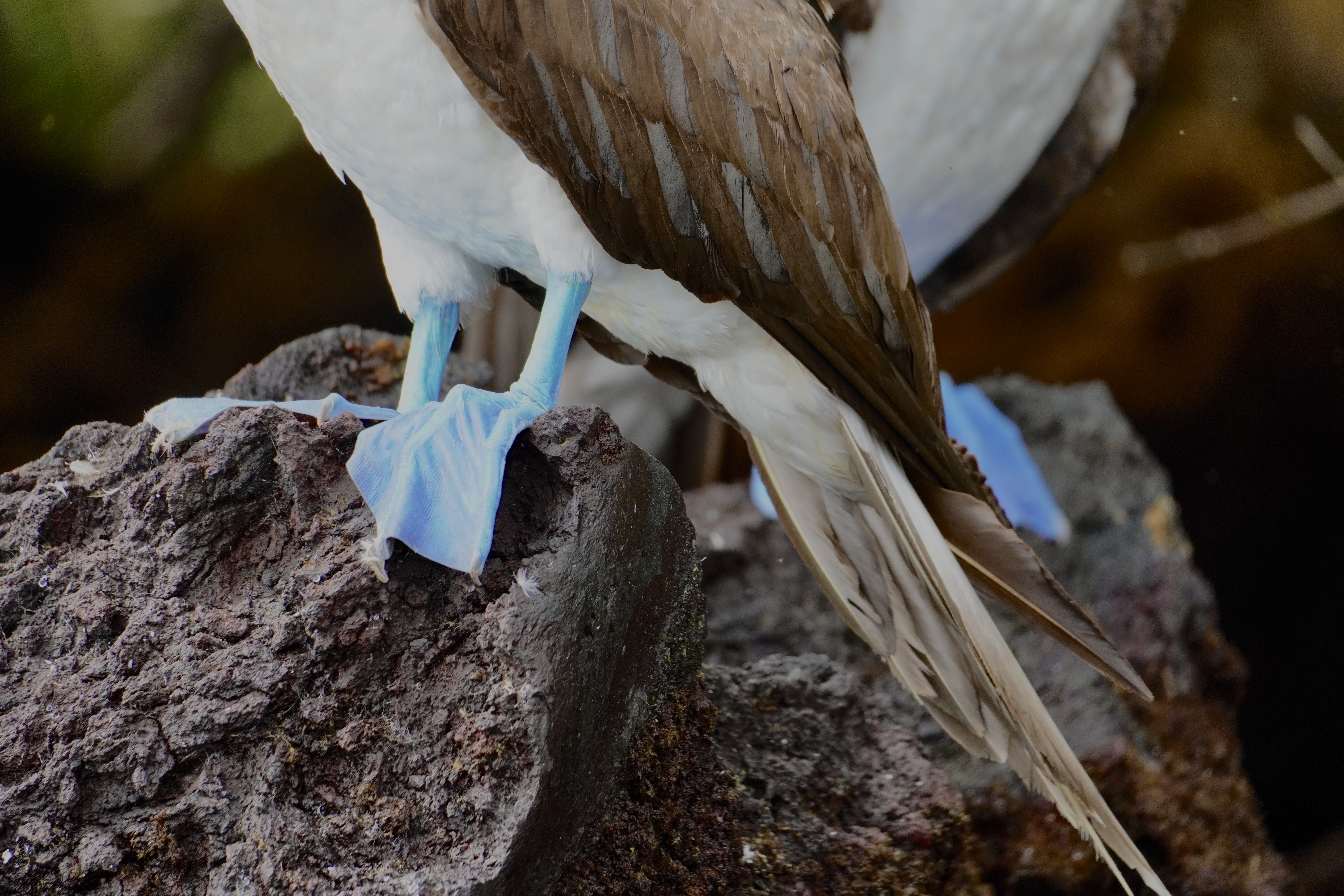
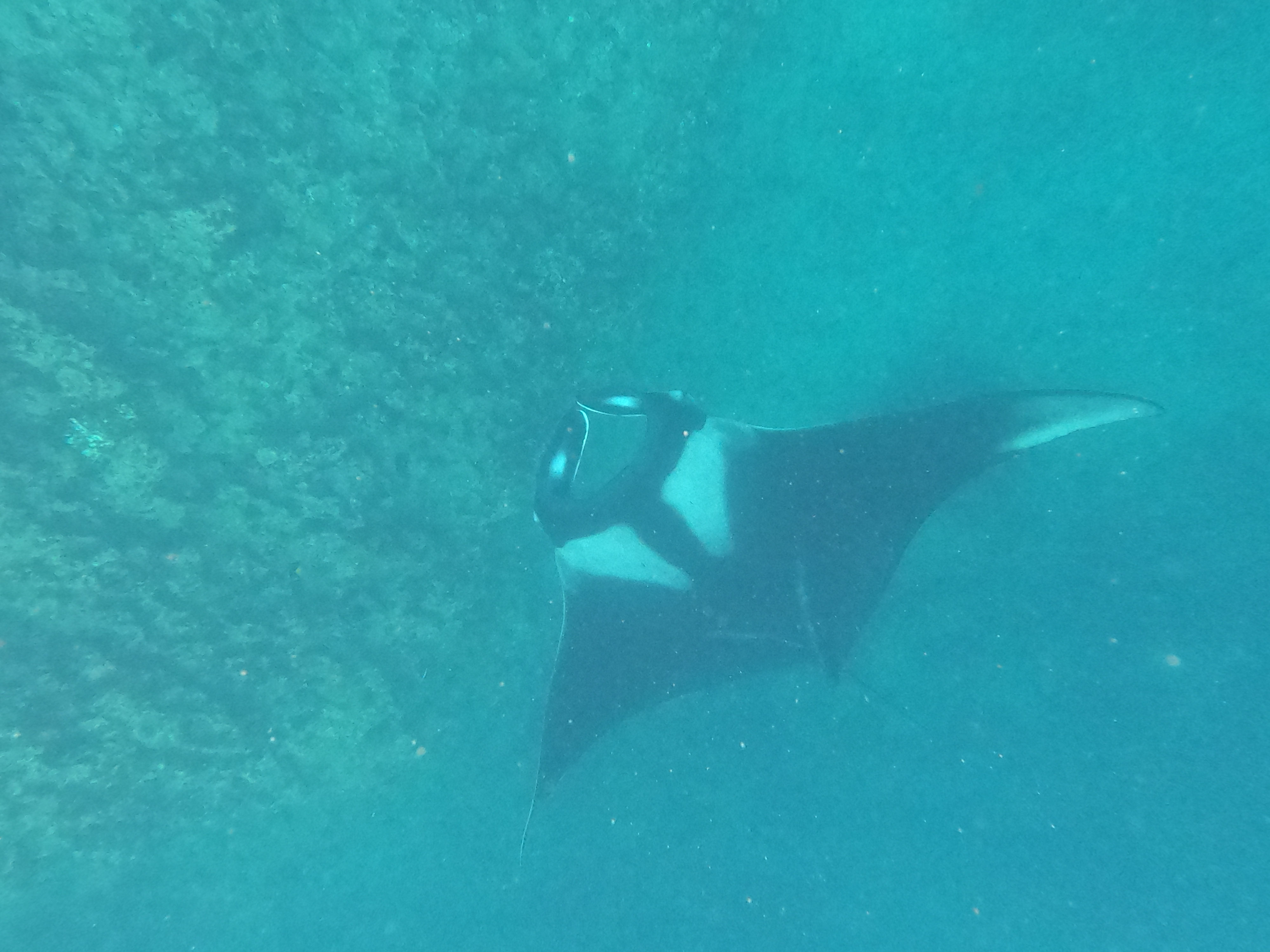
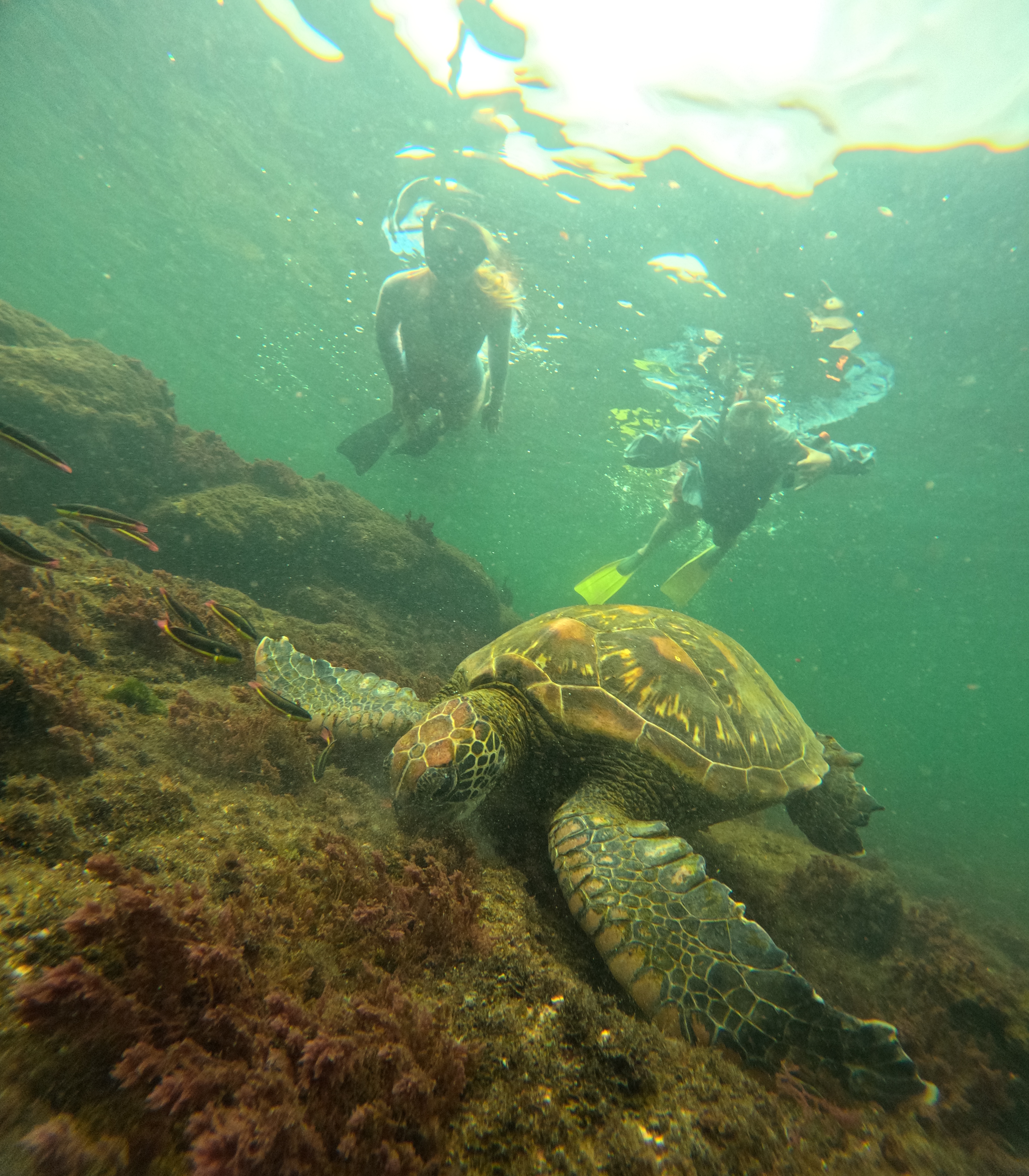
The following day, equipped with thick wetsuits, we set off for Tortuga Island. This island is a collapsed and submerged volcano filled with water. First, we observed birds and fur seals from the boat and admired the island’s shape. It looks like a smiley face on Google Maps. Then, we jumped into the water. We snorkeled along the outer edge of the island for over 1.5 hours, and it was breathtaking. On one side, the submerged volcano was visible; on the other, the open, deep ocean. Right at the beginning, we were greeted by a giant manta ray that performed a complete spin for us. Many more of these majestic creatures followed, along with colorful fish, sea turtles, whitetip reef sharks, and the star we had been hoping for – multiple hammerhead sharks. Towards the end, some members of our group even saw a Galápagos shark. Björn was lucky enough to spot a whale shark. It was absolutely surreal, and we were incredibly grateful for this experience. Thank you, Galápagos—it was an honor.
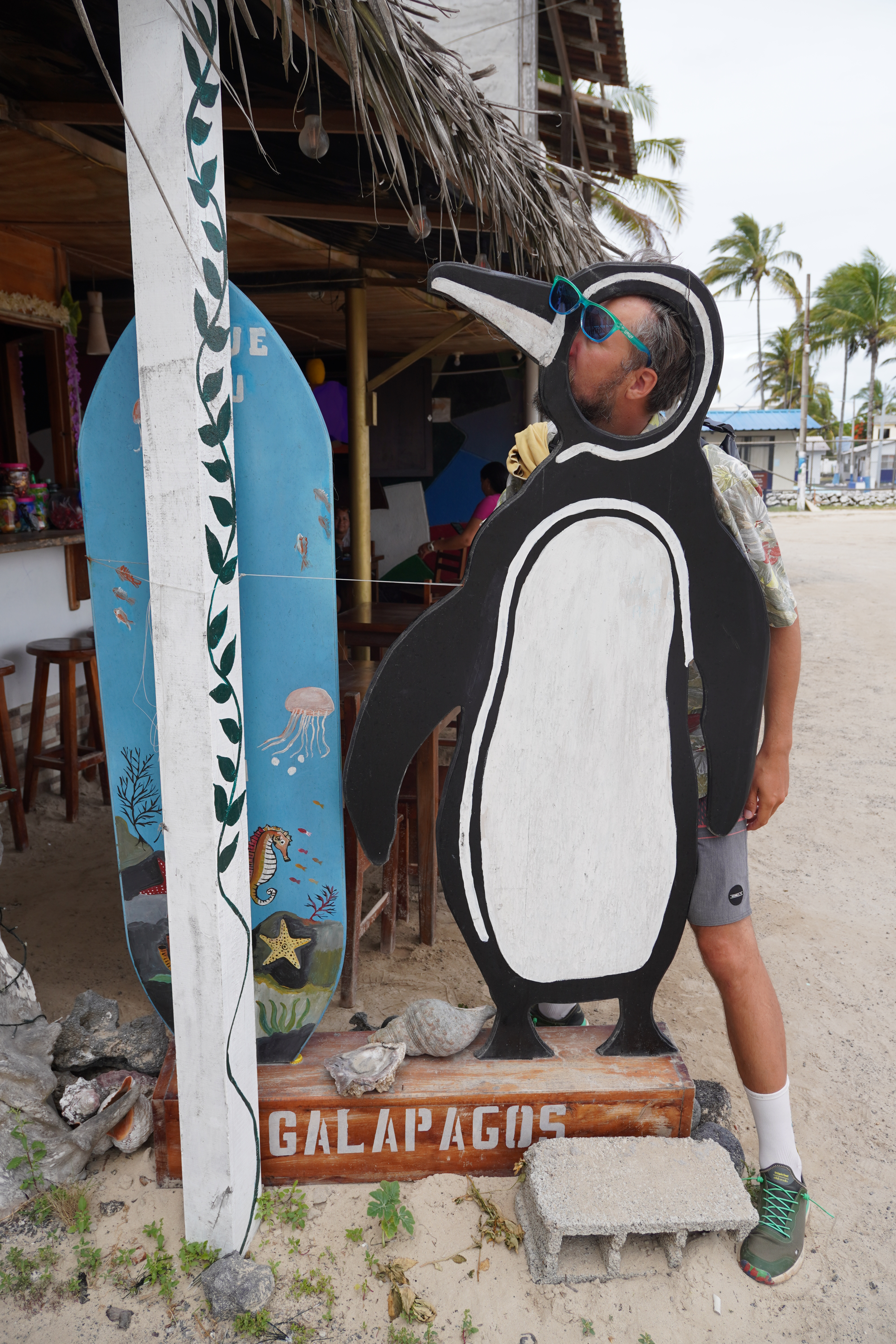
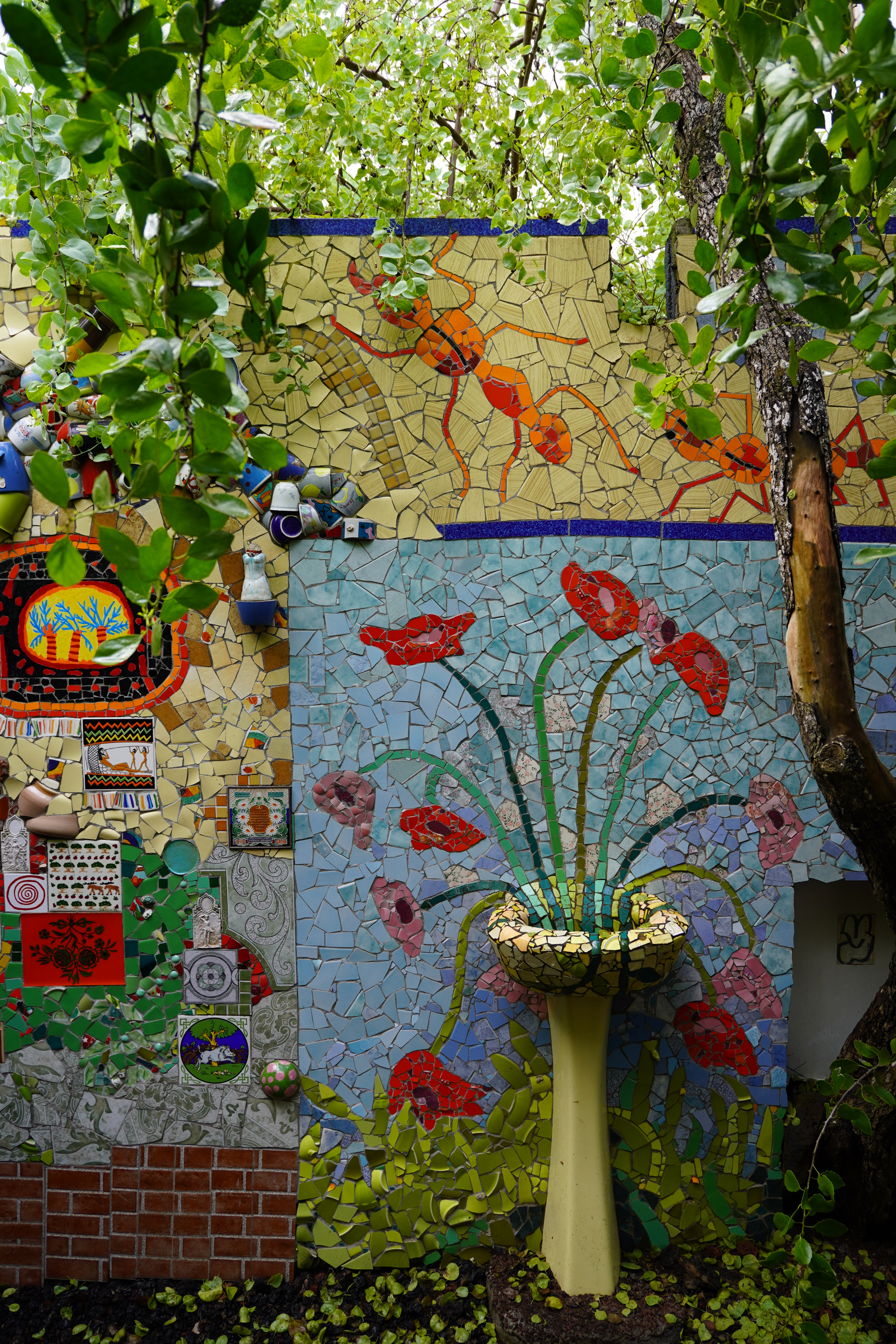
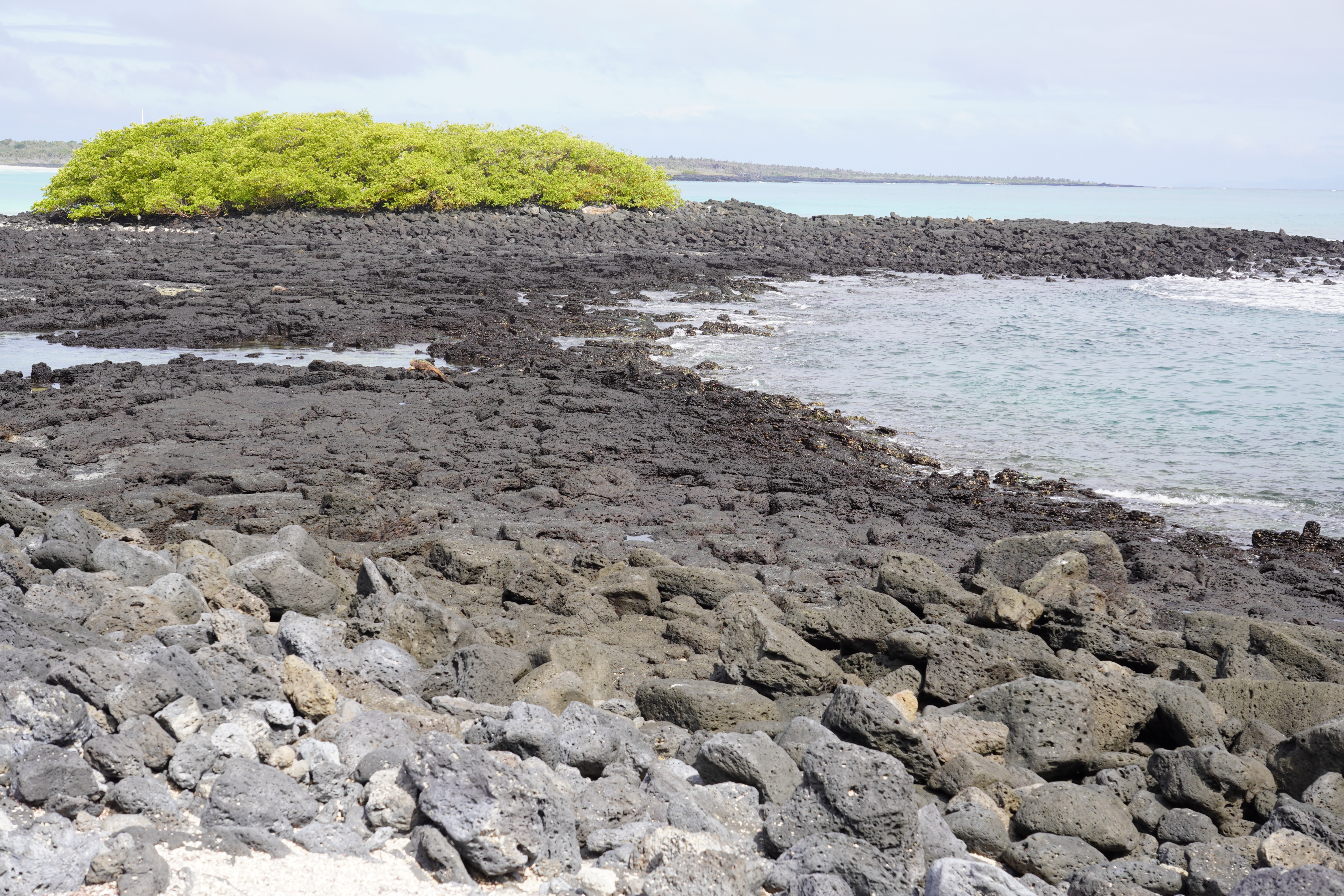
The next day, we took the speedboat back to Santa Cruz, as our flight from Baltra would take us back to mainland Ecuador. It was time to reunite with Rosi and return to van life.
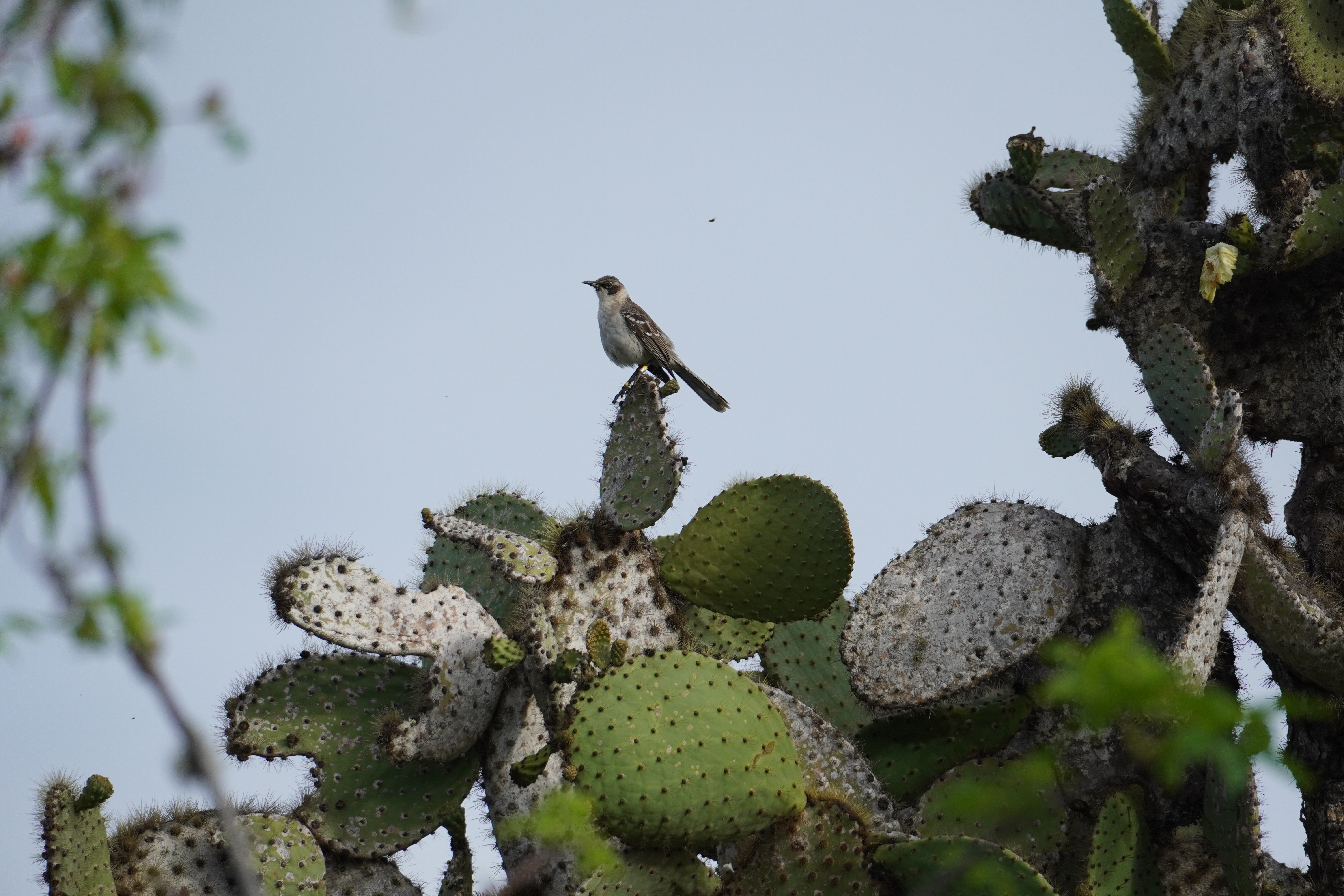
Our visit to the Galápagos Islands was incredibly intense. I fell in love with snorkeling. We saw so many endemic animals, and there’s no other place in the world where Darwin’s theory of evolution is so tangible. It was simply amazing, and it’s definitely worth visiting this unique and fragile part of the world at least once in a lifetime. Without a doubt, one of our top highlights.
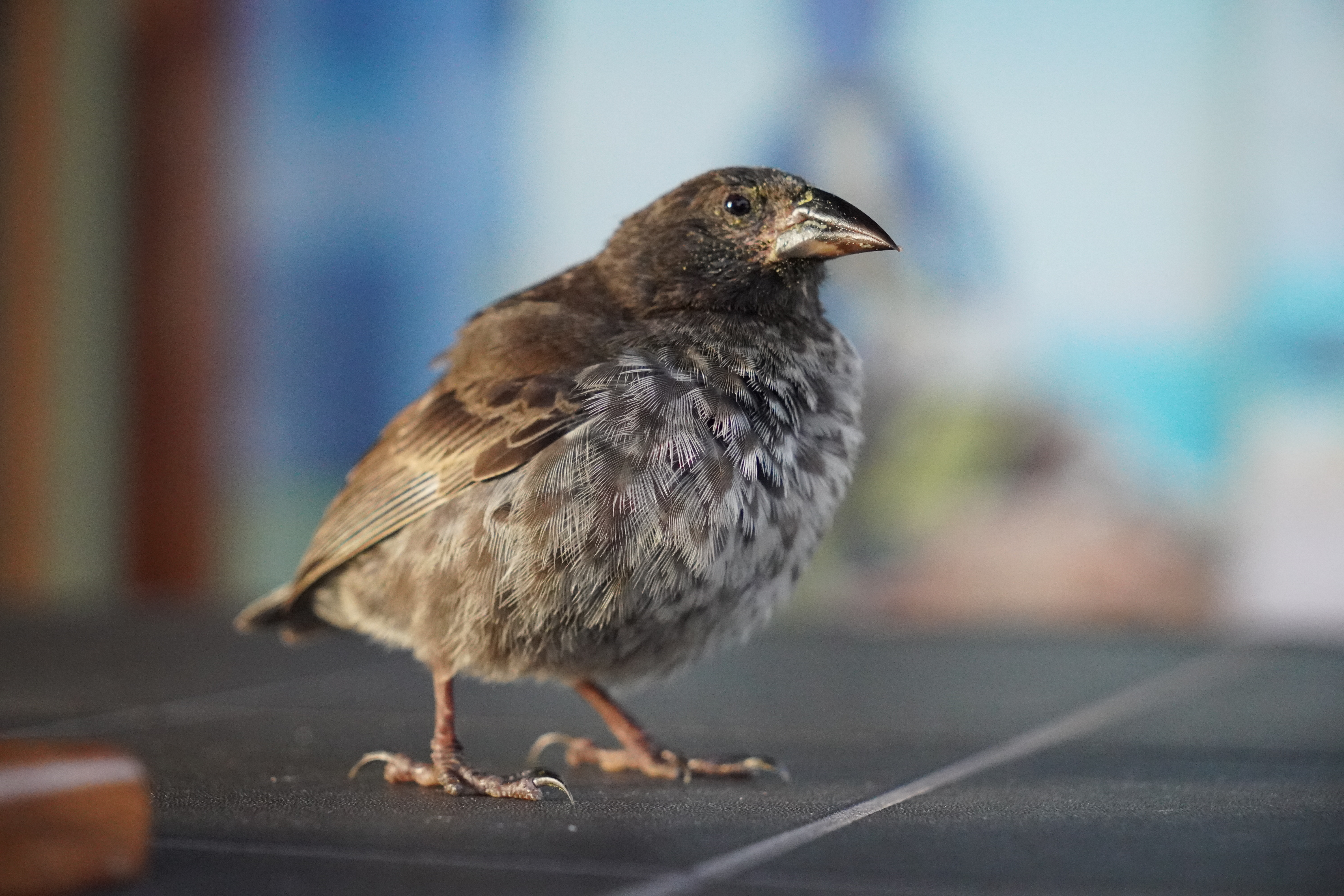
Björn said I can never go snorkeling anywhere else again because I’ve been completely spoiled now. New hobby: snorkeling!
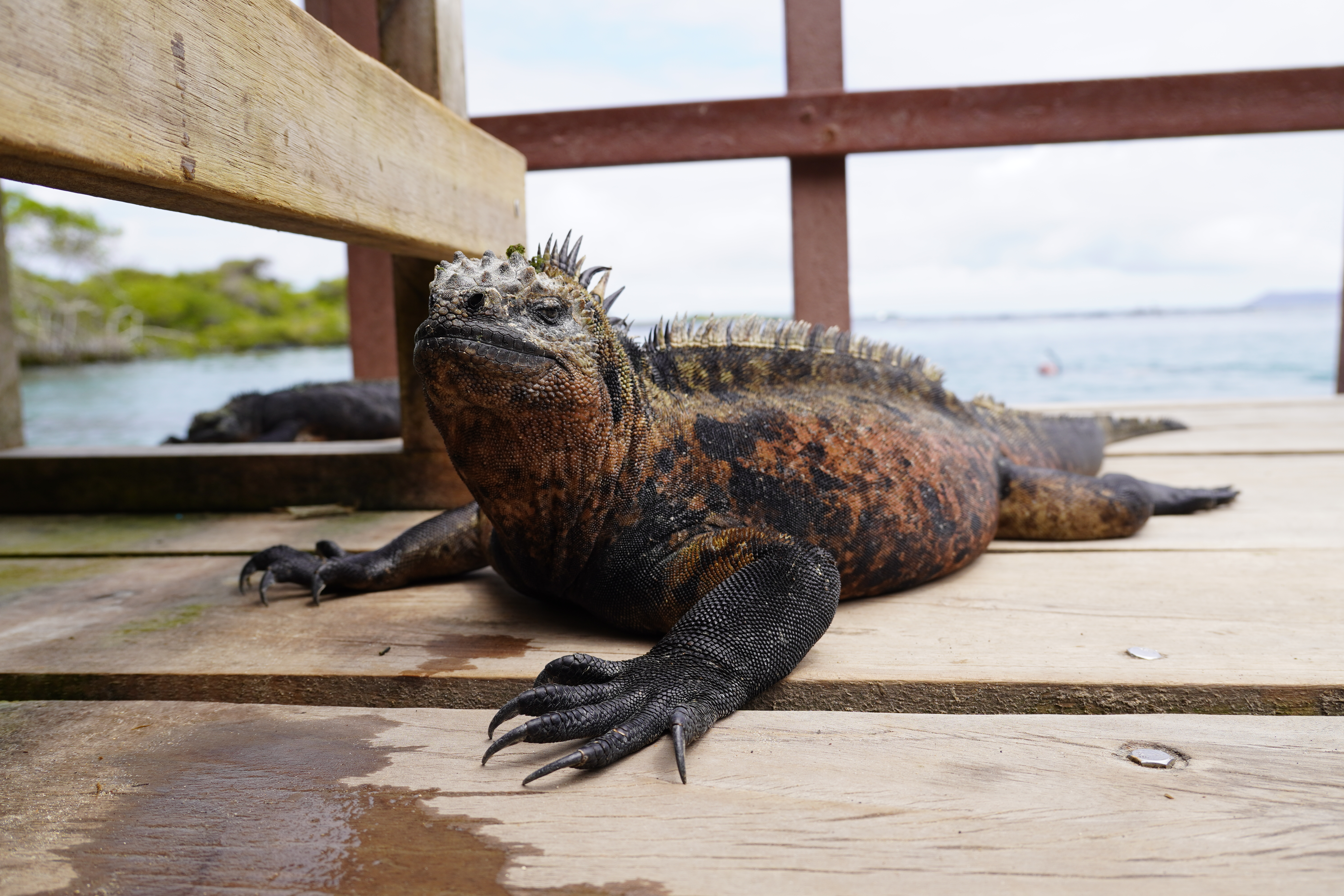
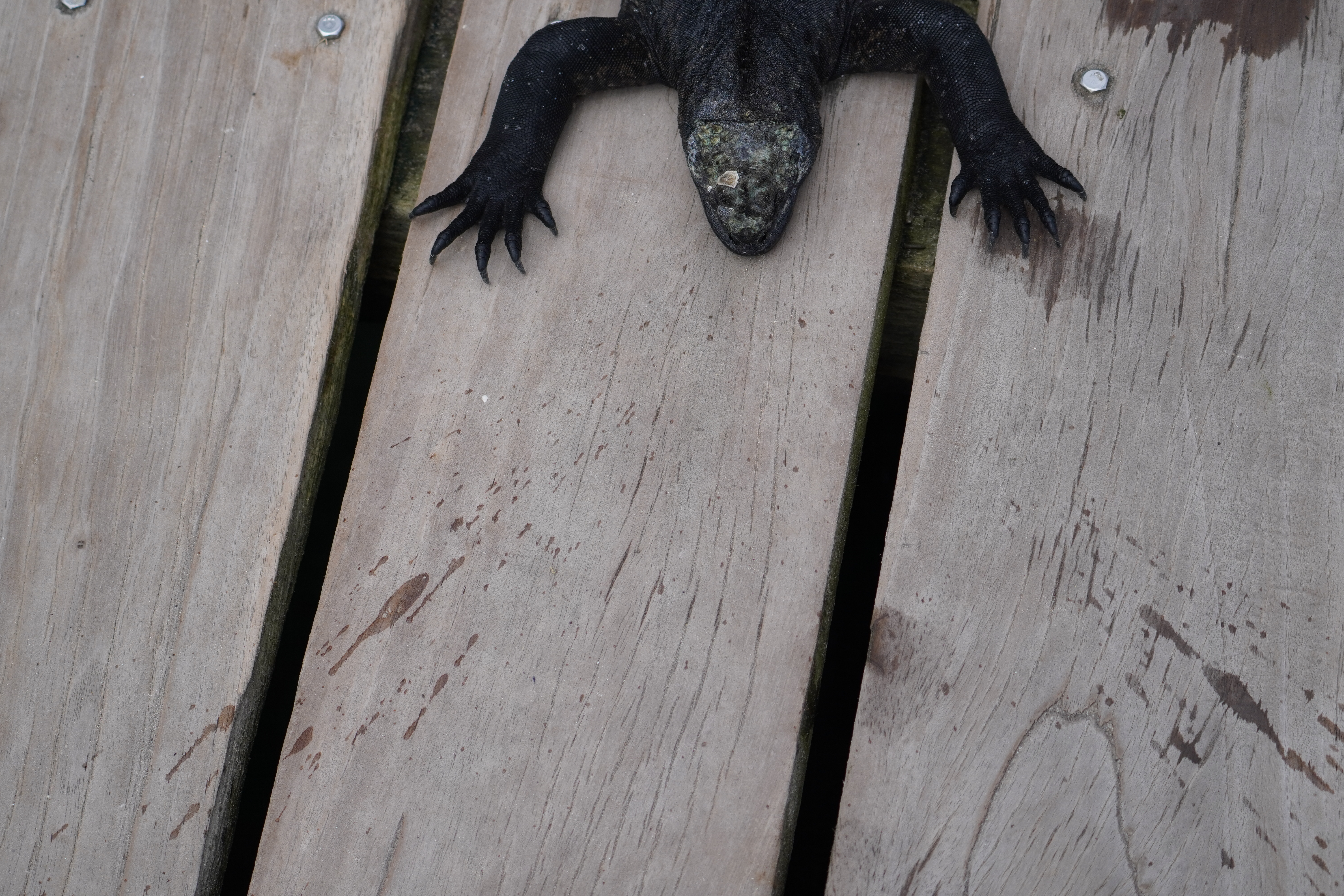
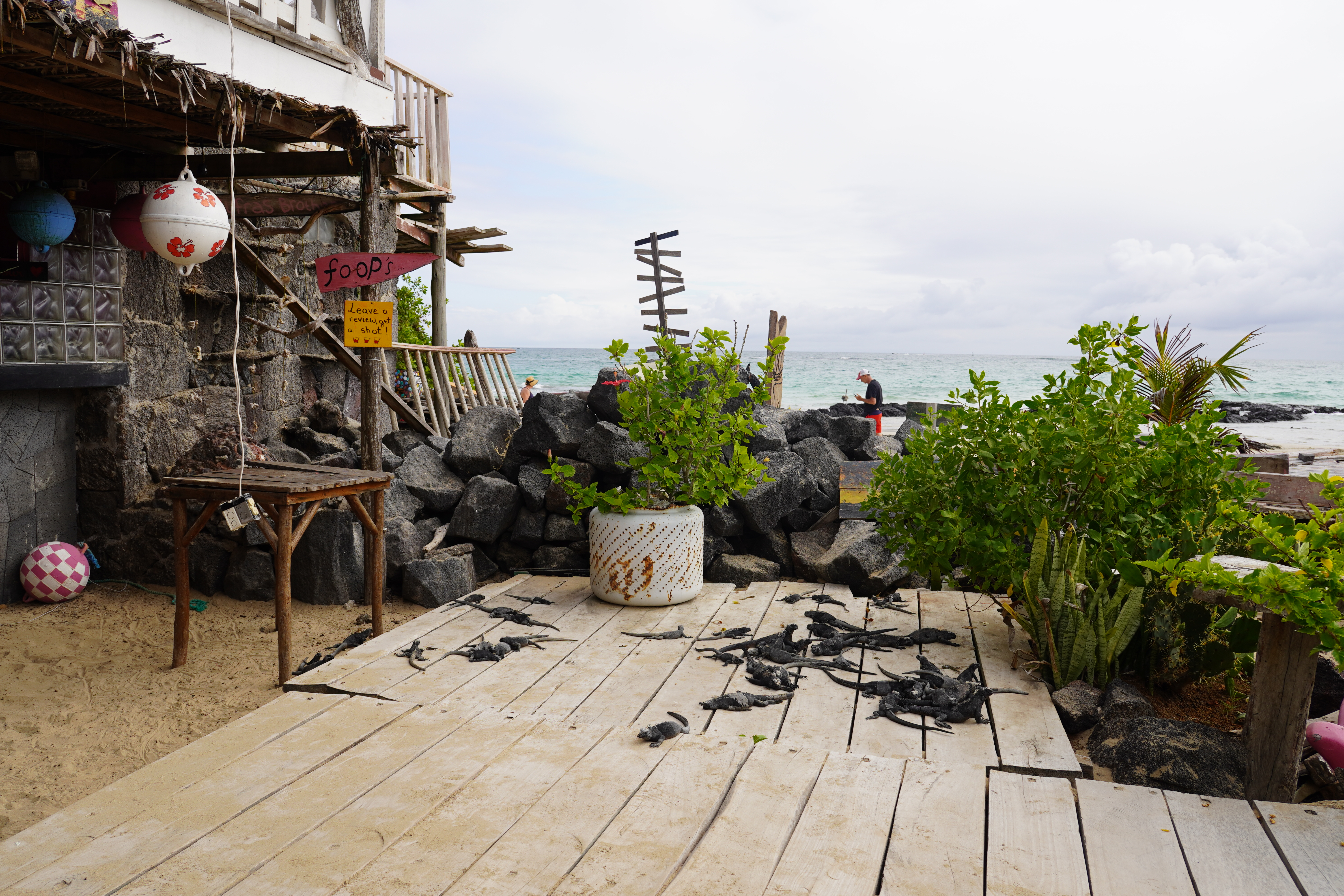
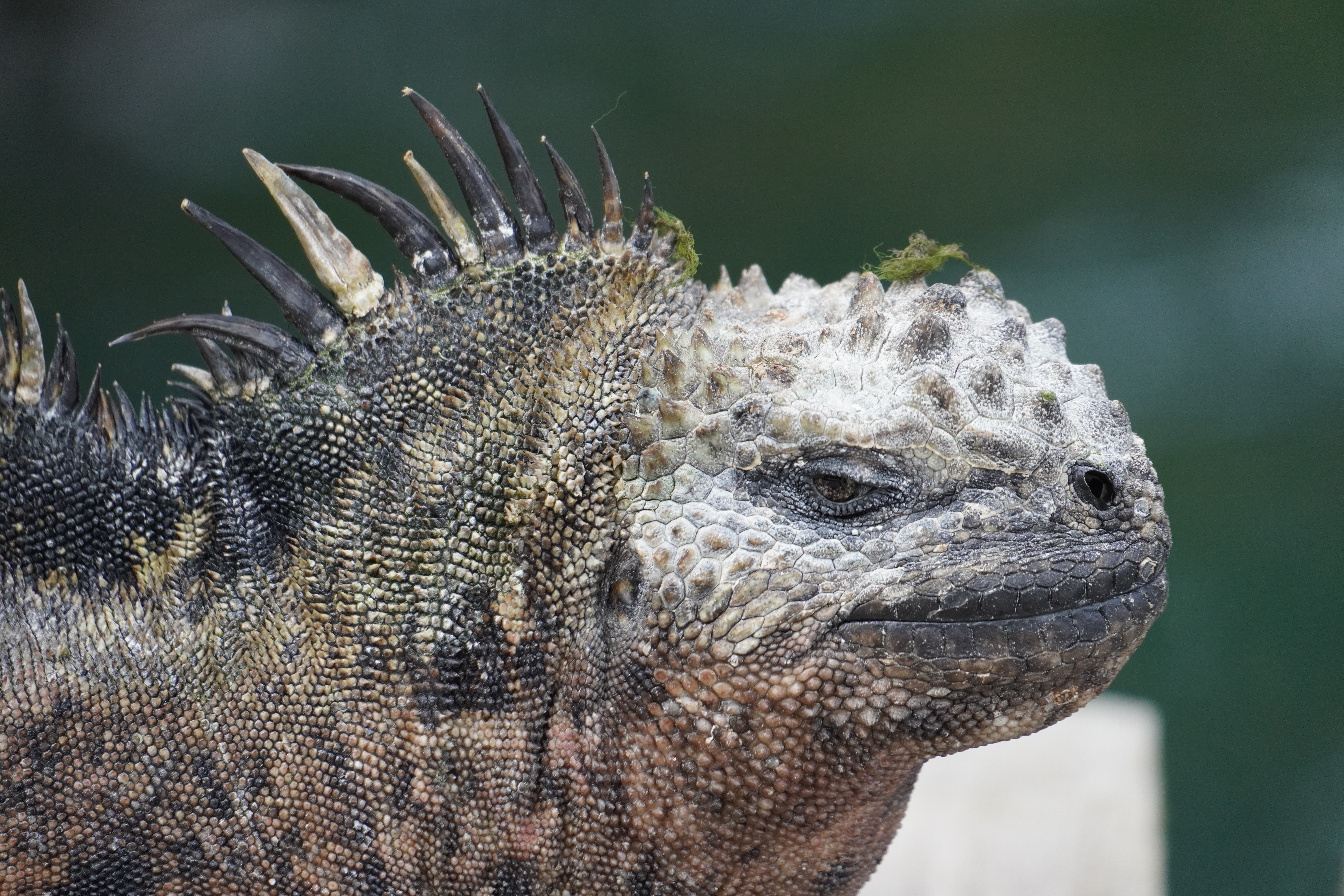
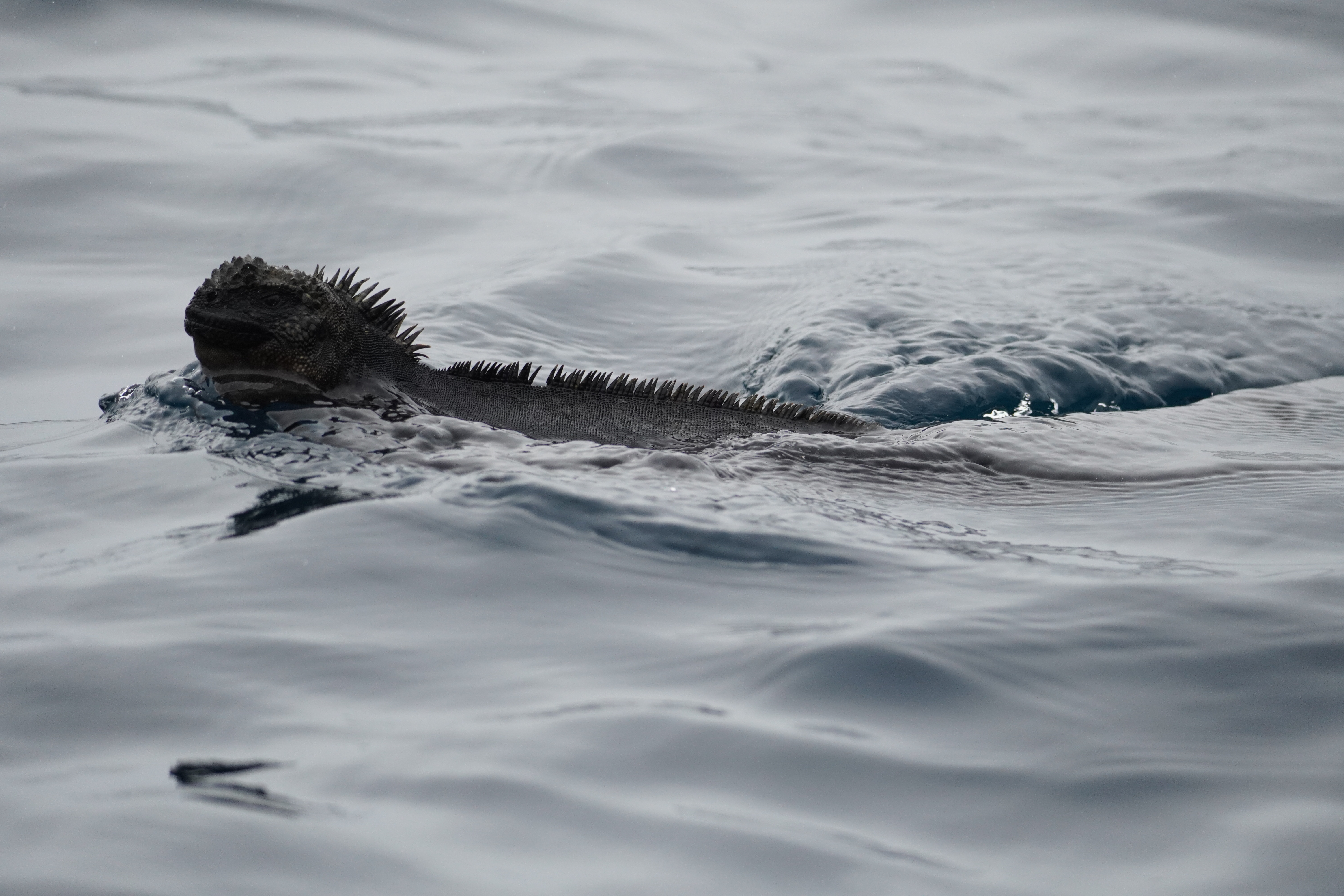
My favorite animal and an incredible example of evolution is the marine iguana. They spend their days lounging in the sun with their legs stretched out, completely motionless even when people walk past. They look like tiny Godzillas. They come in all sizes, sometimes even stacking on top of each other. They are vegetarians, feeding on underwater algae, and sneeze out the salt from their bodies. After swimming, they have to warm up on the lava rocks. When food is scarce (such as during El Niño weather events), they can shrink their body size, even reducing their bones. There are also two other land iguana species and a very rare variant—the pink iguana. At first, we thought it was just a bar name, but it actually exists.
Cost Overview
It’s expensive, but staying longer is worthwhile, as many costs are one-time expenses, like entry fees. It’s best to pay everything in cash, as credit card payments often incur a 5 – 15% charge. Here’s an overview of the costs:
- Flight from Ecuador Mainland: $600 for 2 people
- National Park entrance: $200 per person
- Transit Control Card (TCT) it’s like a Galápagos “visa”: $20 per person
- Boat rides between islands: $30 per person
- Water taxis: $1 per ride
- Tours: $150–250 per person (usually including lunch and drinks)
- Isla Isabela entry fee: $20 per person
- Hotels: from $50 per night
- Menu del día: $10
- Taxi to tortoise farm: $40
- Entry Tortoisefarm: $8,50
- Guide Charles Darwin Research Station: $10 per person
- Taxi, boat and bus to the airport Baltra: $37 for 2 people
 höme
höme 
Leave a comment