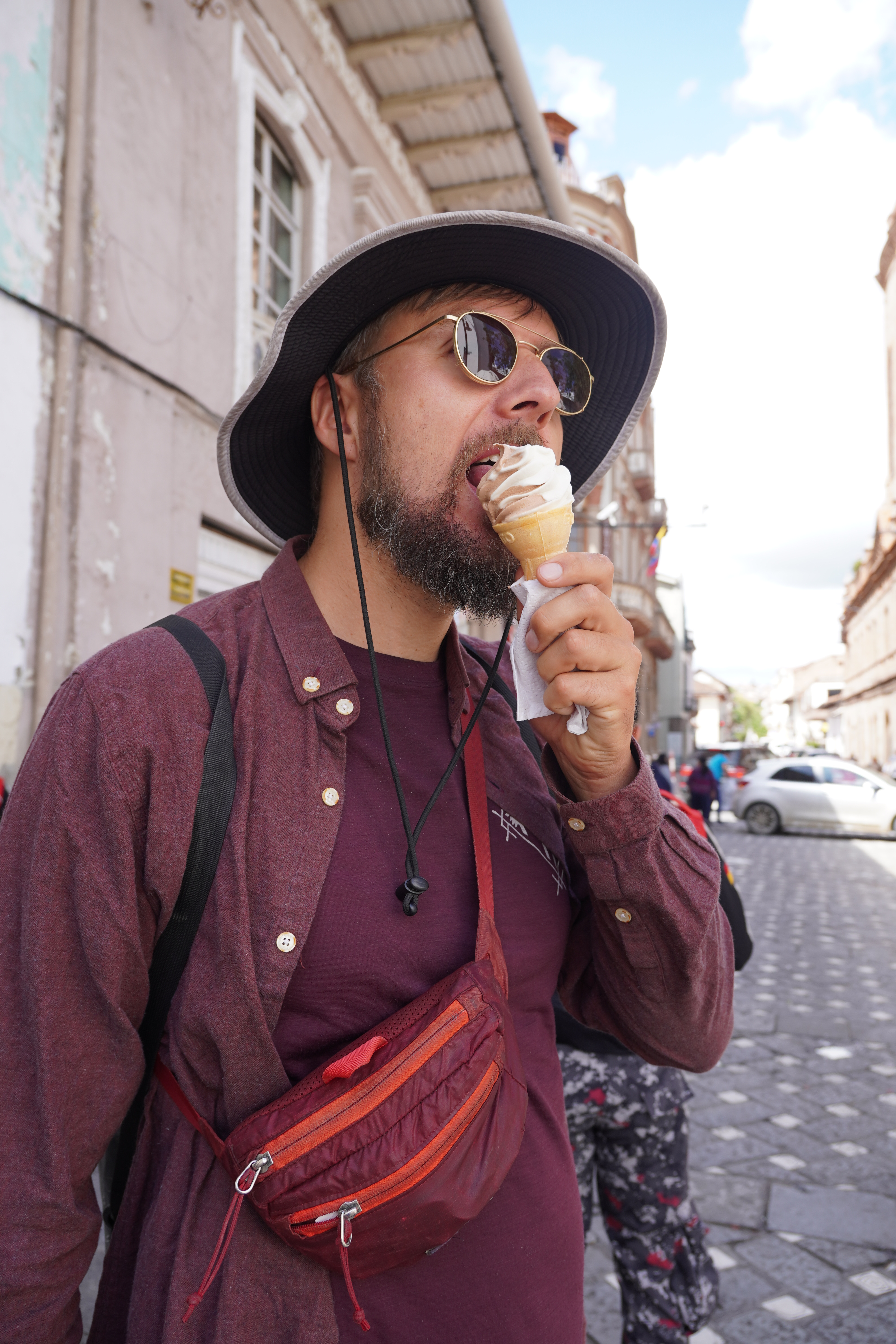
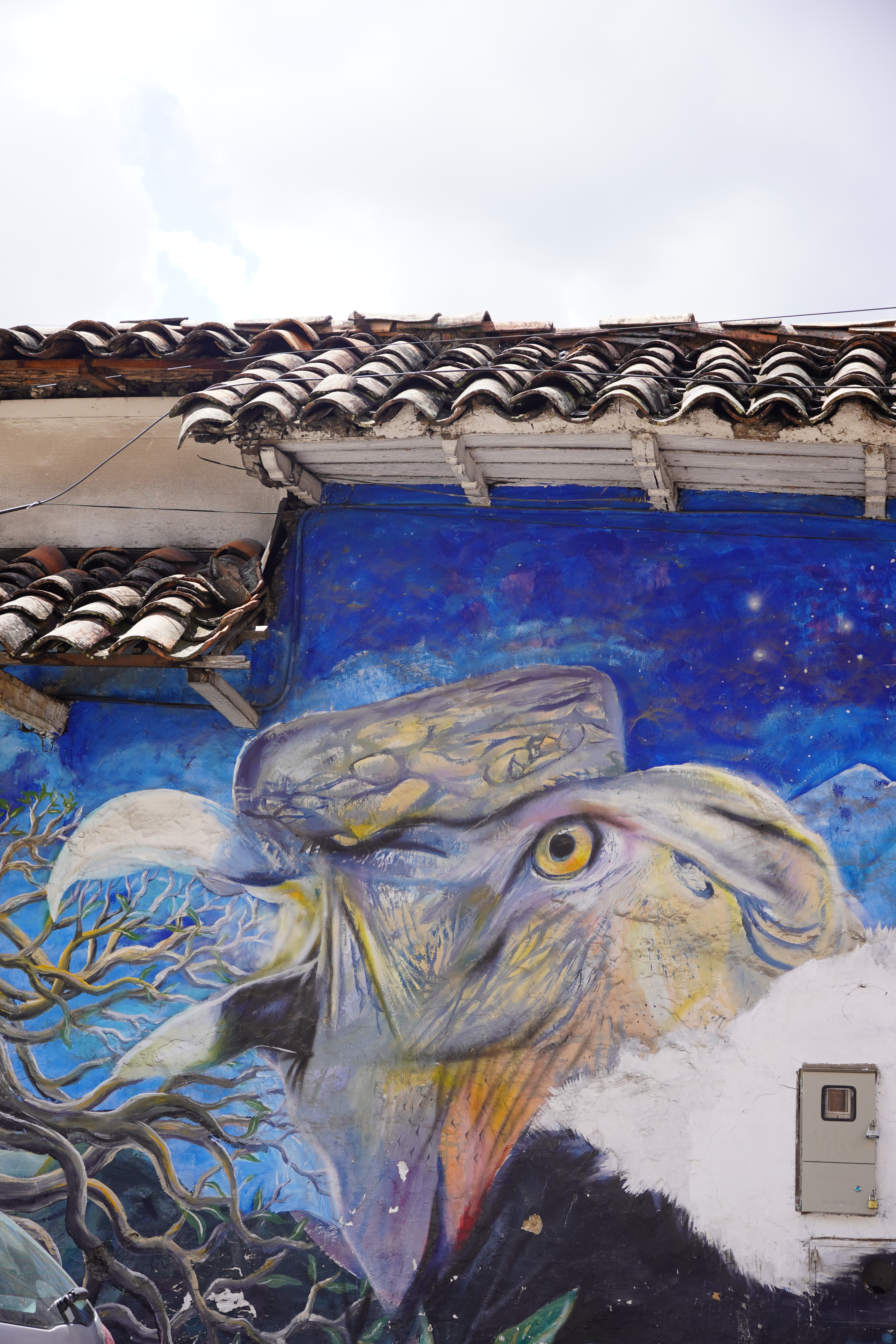
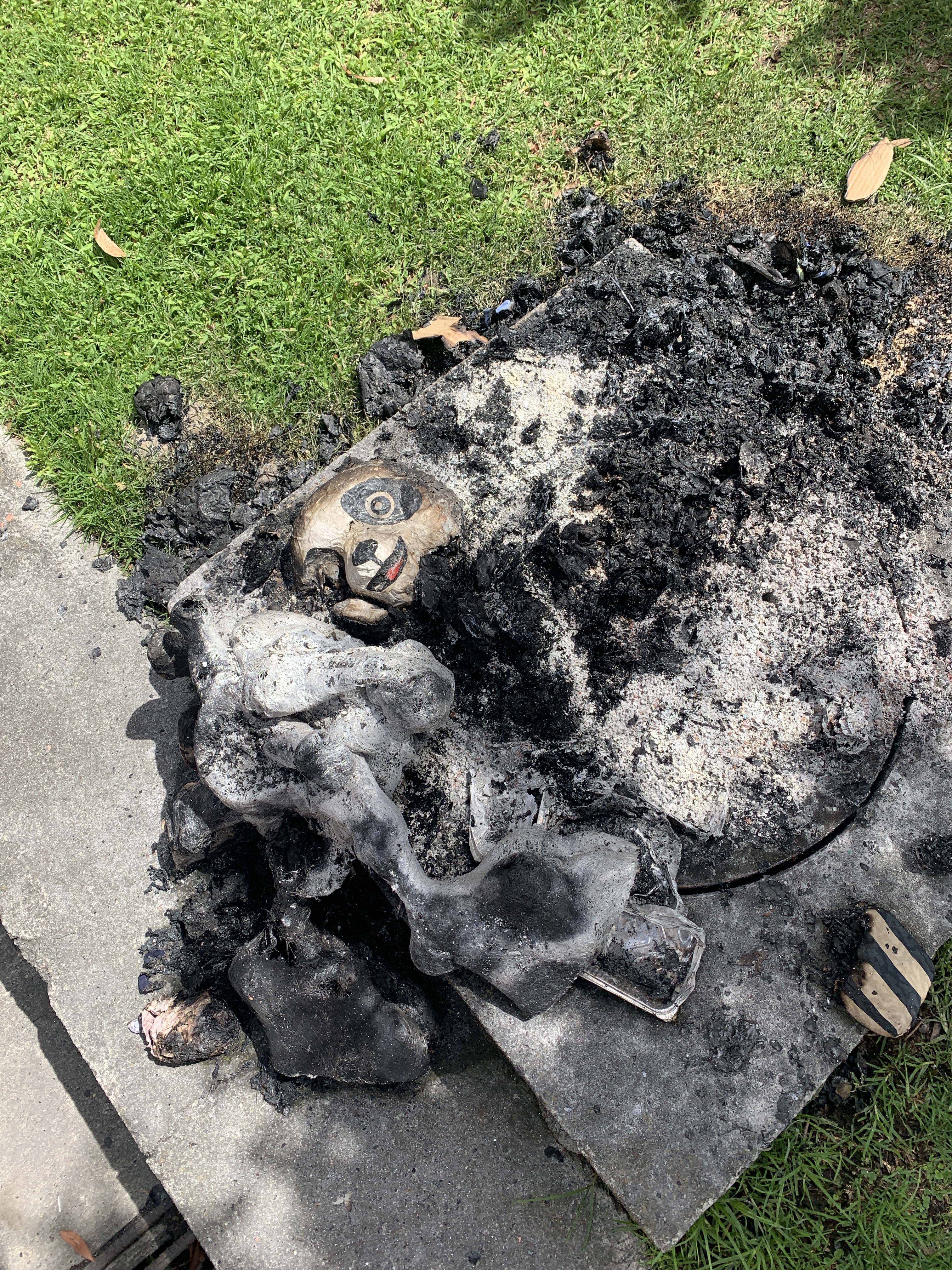
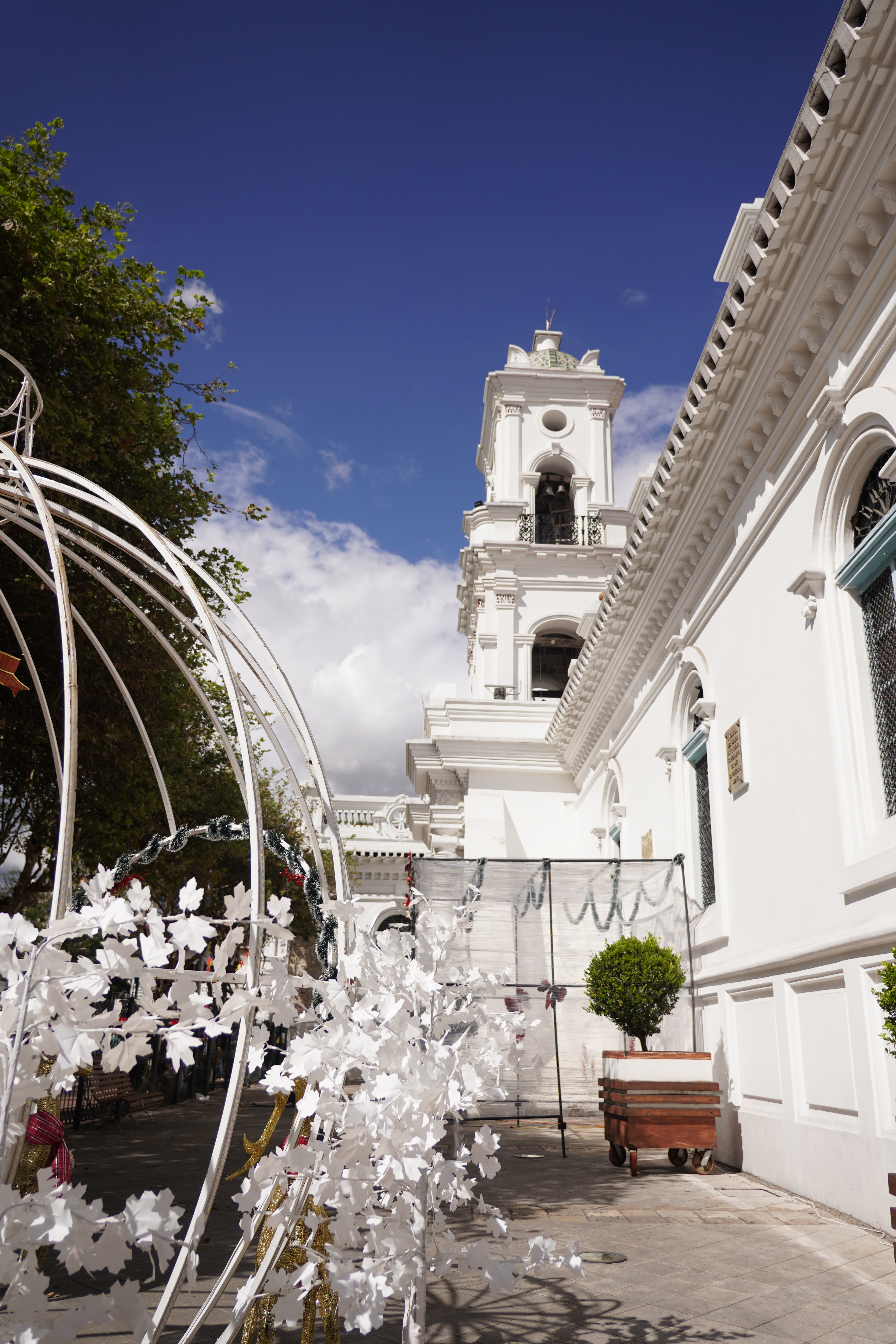
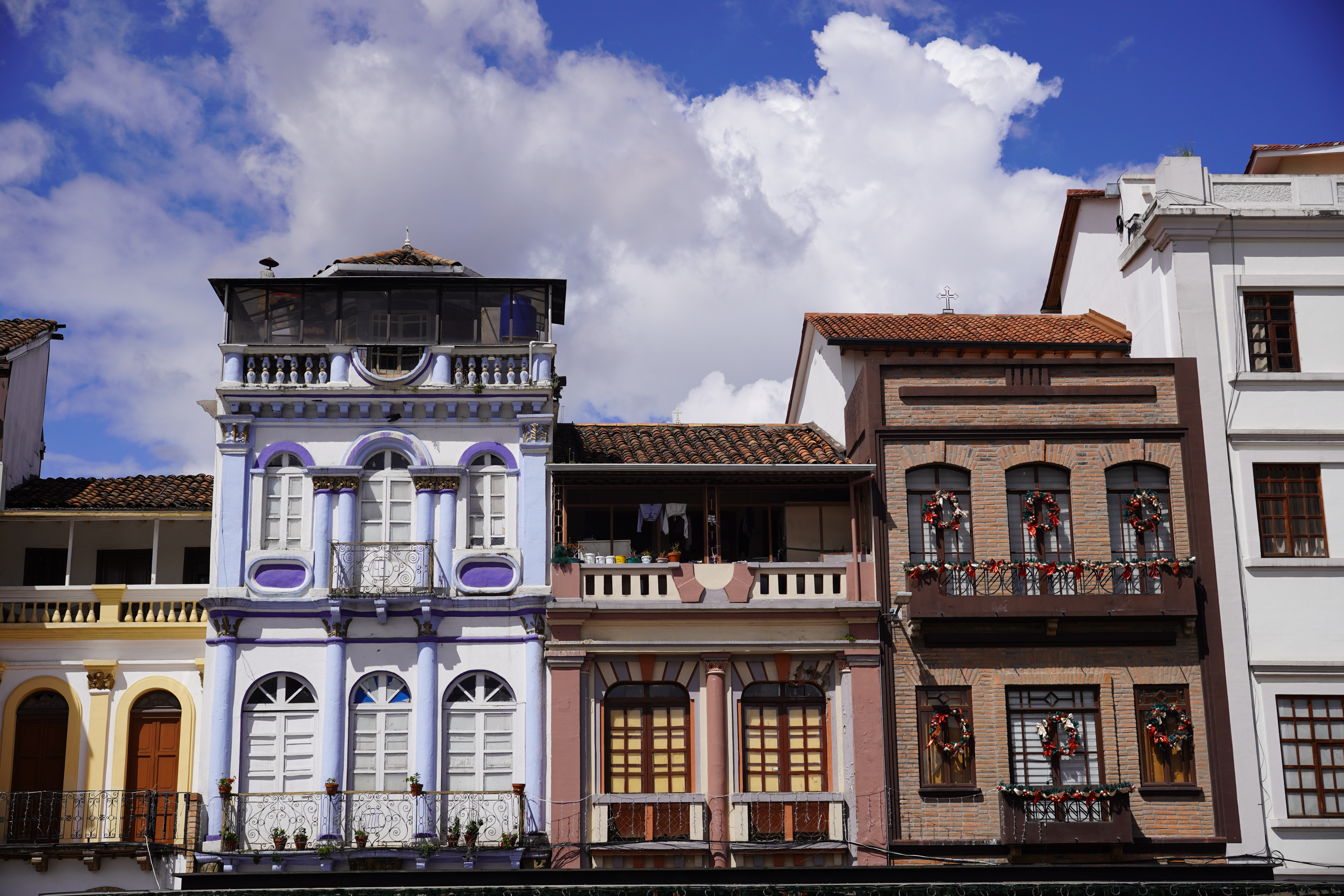
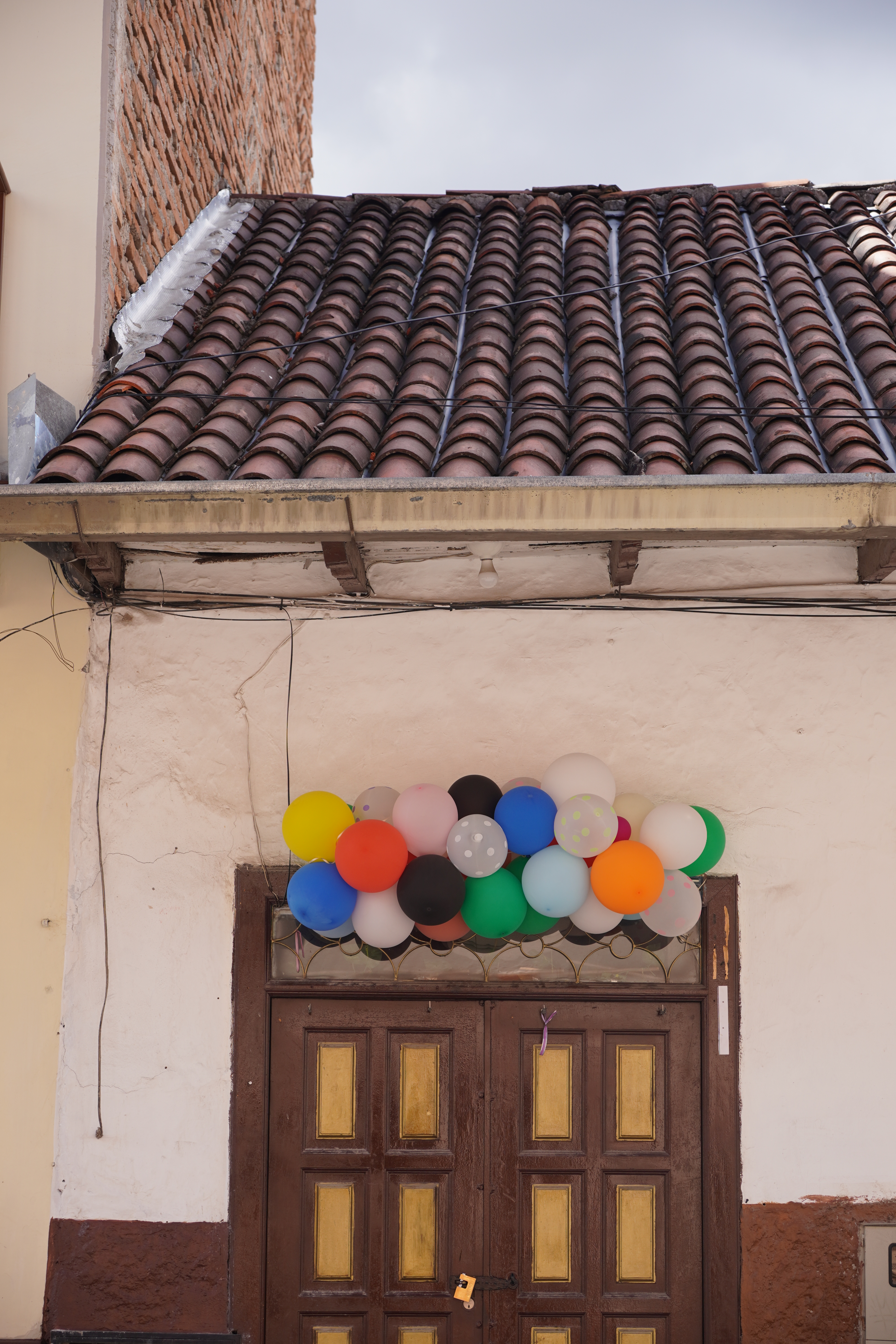
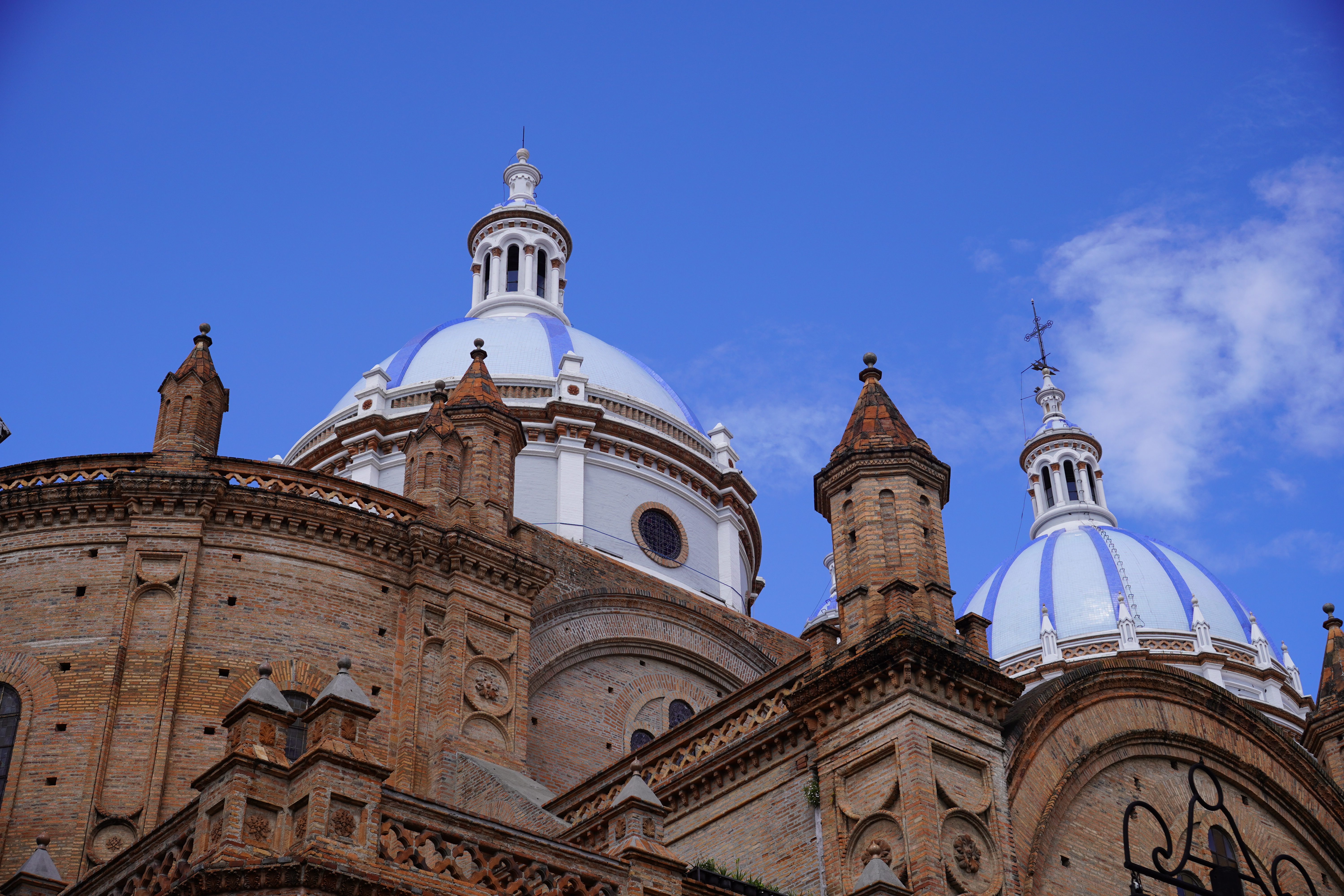
We have been traveling for five months now. Hard to believe. At the beginning of our journey, we didn’t even know if we could travel safely through Ecuador. By now, we had heard from other travelers that, apart from power and water shortages, it was safe for van travelers. We also had a very special destination on our list here in Ecuador, but more on that later. First, after crossing the border, we needed to find a place to stay for the next few nights because tomorrow was New Year’s Eve, and we wanted to celebrate at least a little. The Argentinian sparkling wine was already chilled. Along the roadside, we kept seeing life-sized dolls in various designs and wondered about them. They were everywhere. We headed for the city of Cuenca, one of the most beautiful and culturally rich cities in Ecuador, known for its well-preserved colonial old town, which was declared a UNESCO World Heritage Site in 1999. On the way there, we witnessed a bizarre New Year’s tradition. Men, in this case very young men, dress up as widows (okay, they wore wigs, miniskirts, and short tops) and block the road to collect money. They danced for us, and we found it rather uncomfortable. We drove on. Öur parking spot was in a park by a river, very idyllic. The next morning, on New Year’s Eve, we headed into the city. On the way there, we saw the dolls again and finally found the explanation: On New Year’s Eve, the dolls (Años Viejos) are burned to welcome the new year. These dolls, often made of cardboard symbolize the old year that is left behind. We considered buying a small doll to burn later but first took the tram into the city for one dollar. Yes, $1. Ecuador adopted the US dollar as its official currency in 2000, replacing the Sucre. This decision was made to address a severe economic crisis. However, sometimes you receive Ecuadorian centavo coins as change, which are equivalent to US cents but only valid within the country. Cuenca has a beautiful old town with amazing architecture, almost like Italy. It was very clean, and we felt safe. But somehow, I didn’t feel well that day. Björn suspected it in the morning when I didn’t want coffee. So, we spent the afternoon on a balcony at a café with a view of the Catedral Nueva and had pizza at an Italian restaurant. There, I started feeling hot and cold alternately and just wanted to go to bed. That’s where I spent the next 13 hours and slept through the New Year. Björn watched the fireworks at night and described them as similar to those in Germany. But by 1 a.m., absolute silence had set in. I didn’t notice any of it and slept soundly. On New Year’s Day, when I felt better, we wanted to explore Cuenca a bit more. Since almost everything was closed, we strolled through the city and observed the activity. There were a few stalls and markets, but otherwise, it was quiet. The city cleaners had done a great job, there were no remnants of fireworks and firecrackers, only some small piles of ash from the burned dolls.
Räin, rain, rain, even in the van
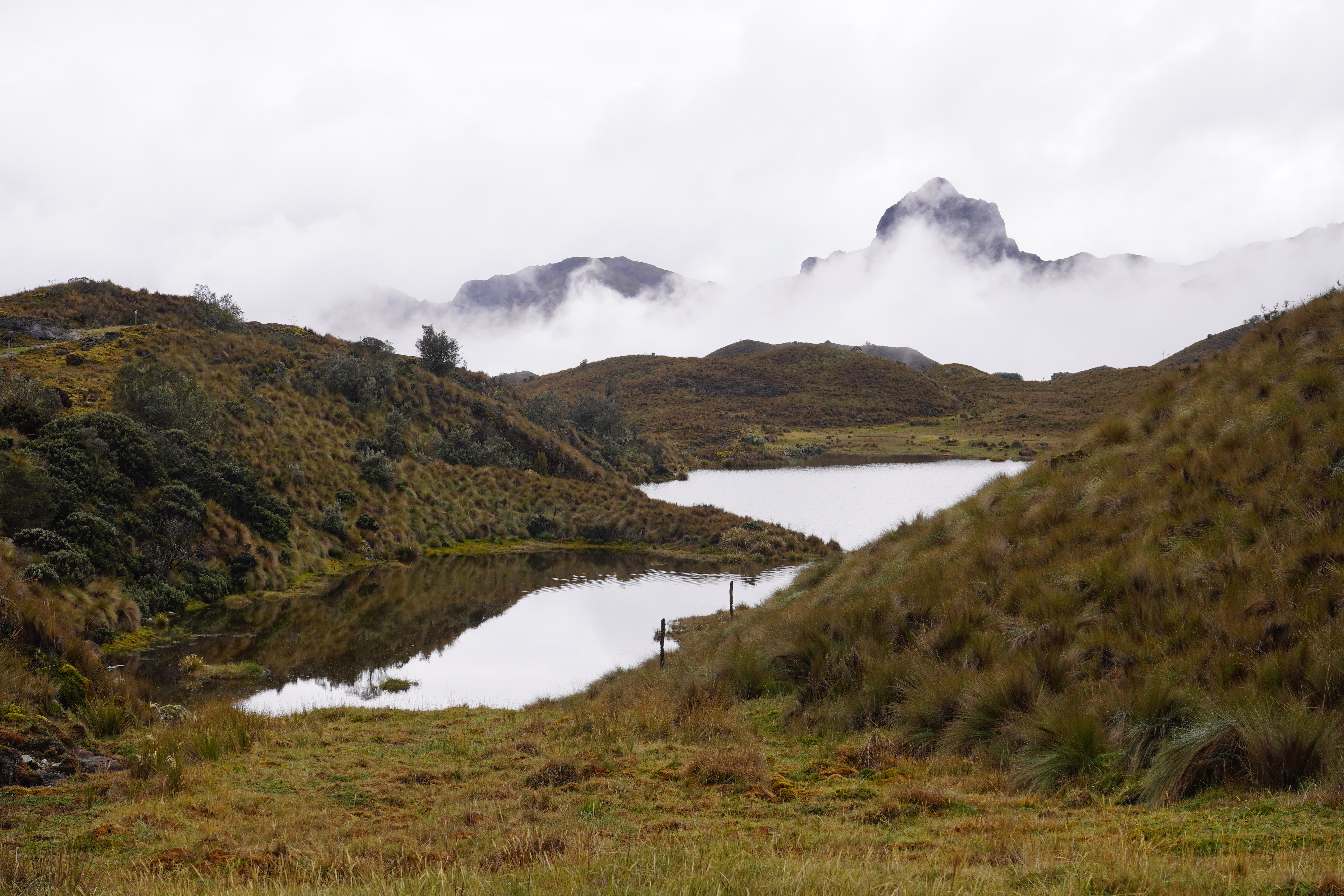
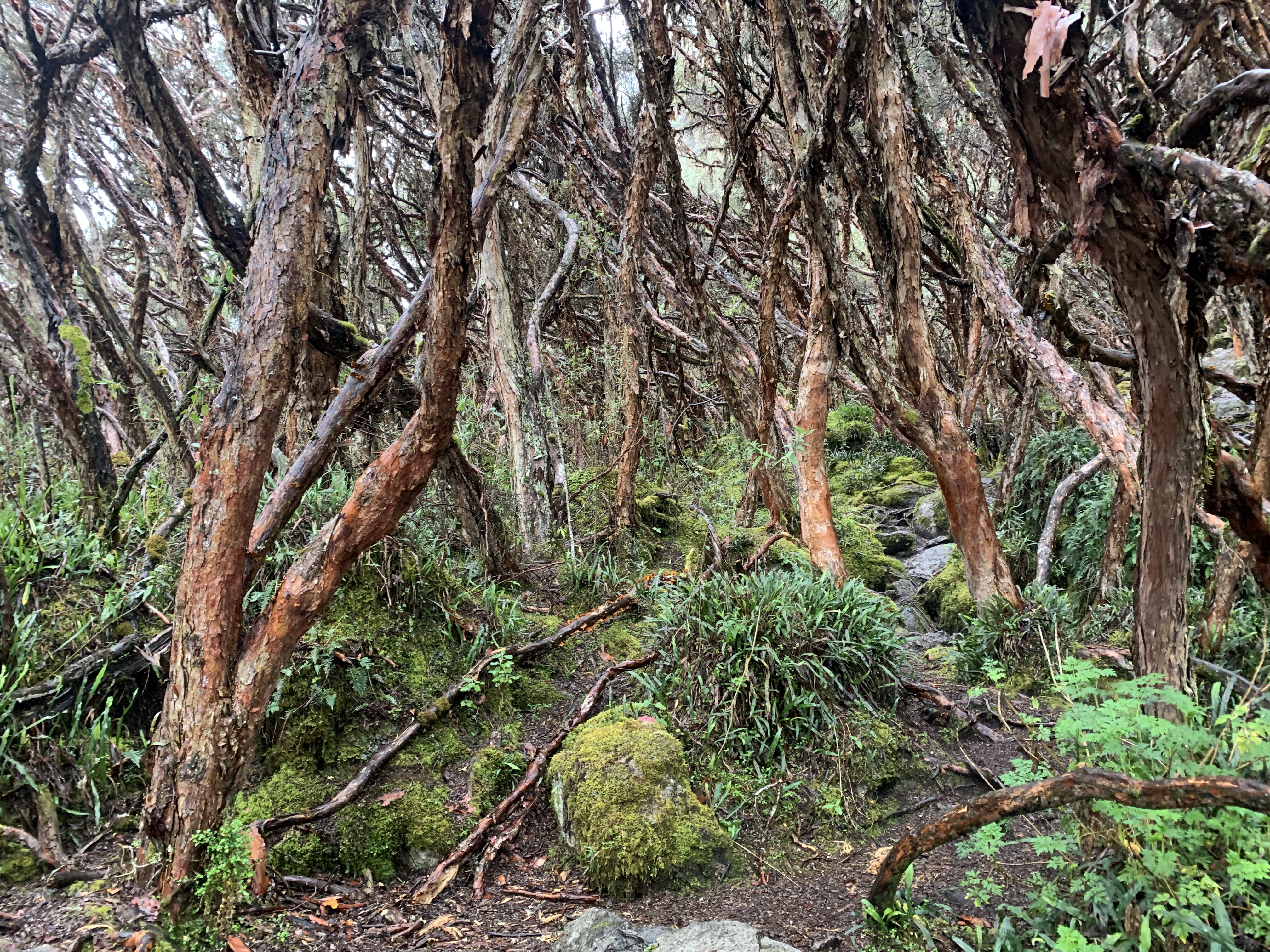
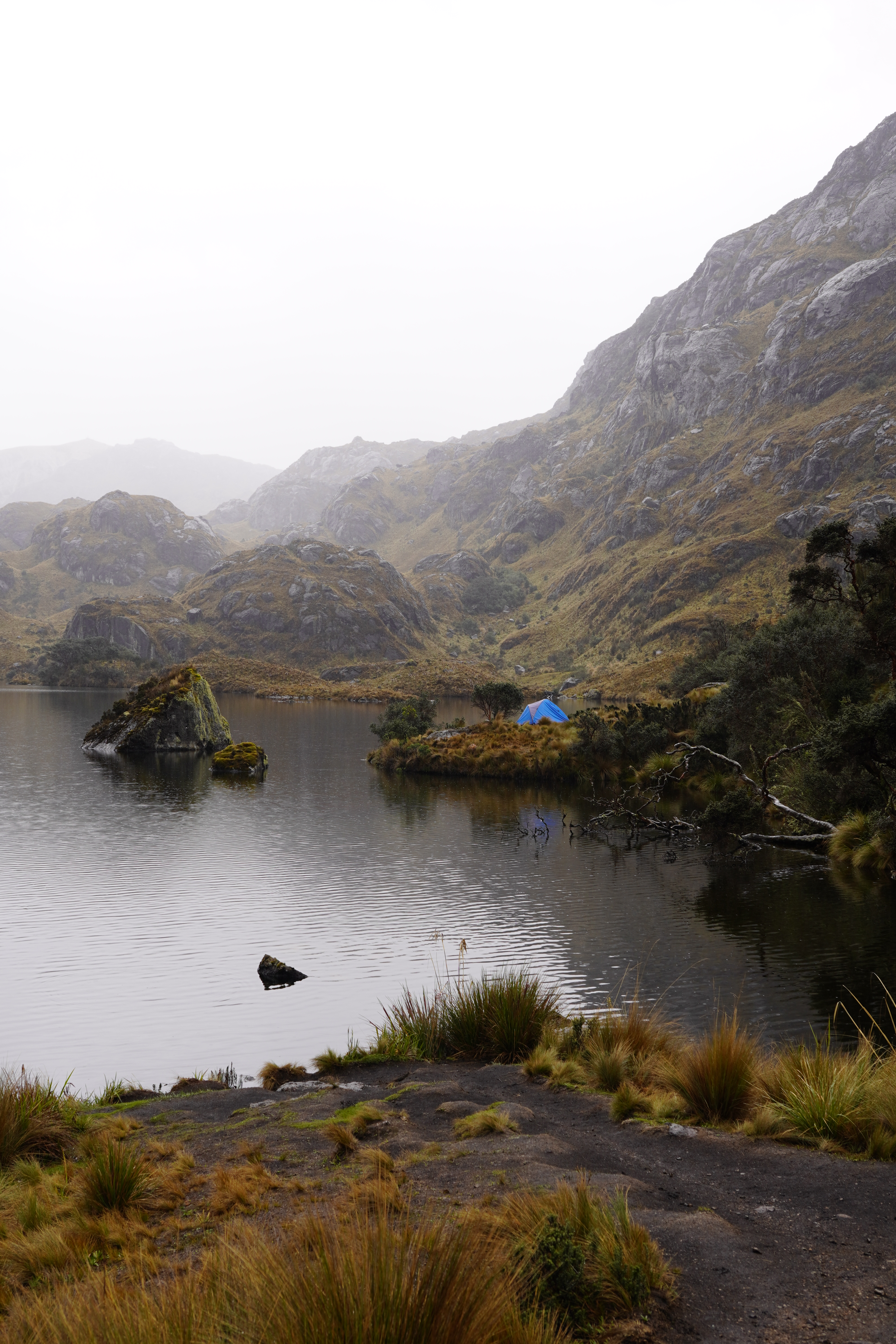
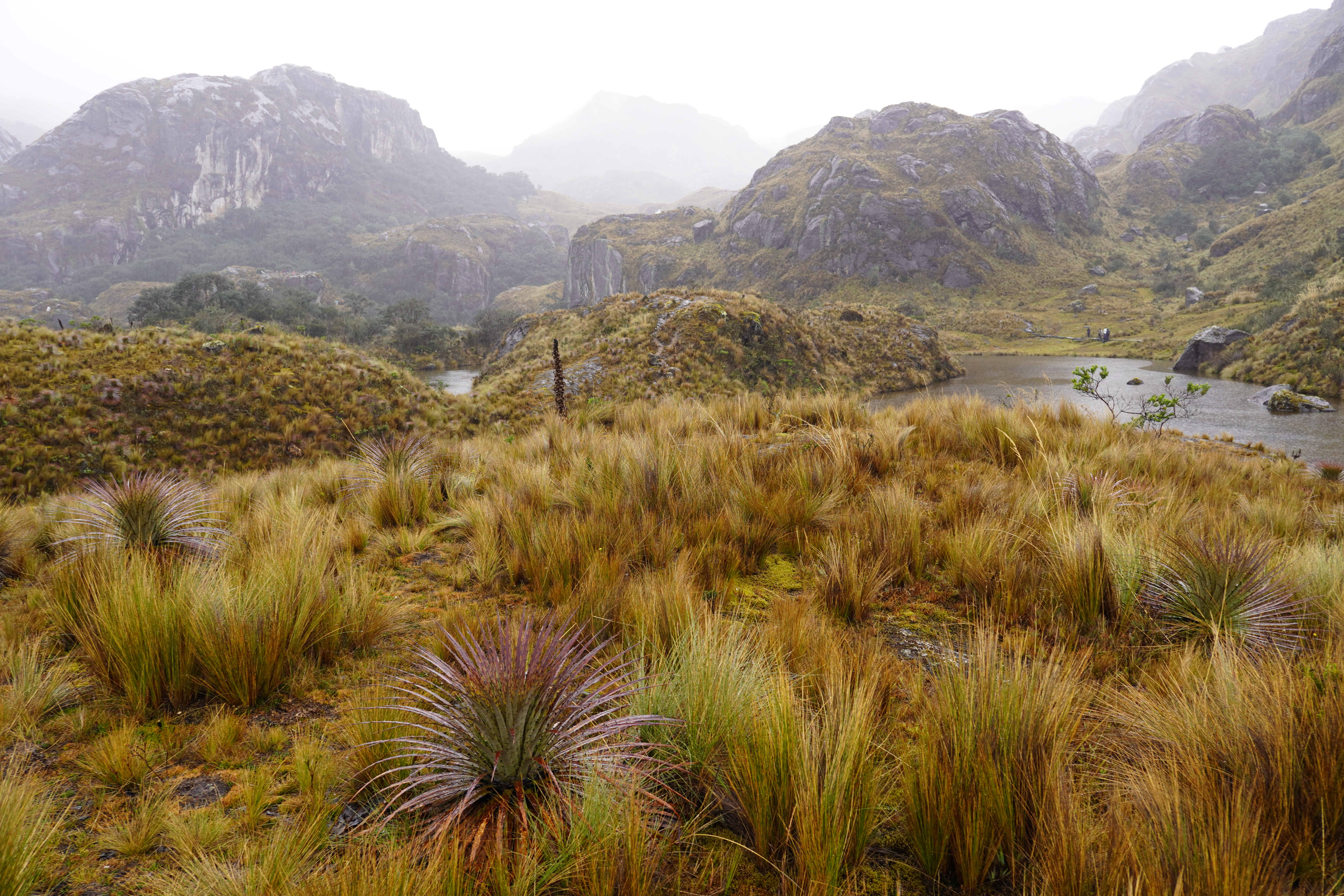
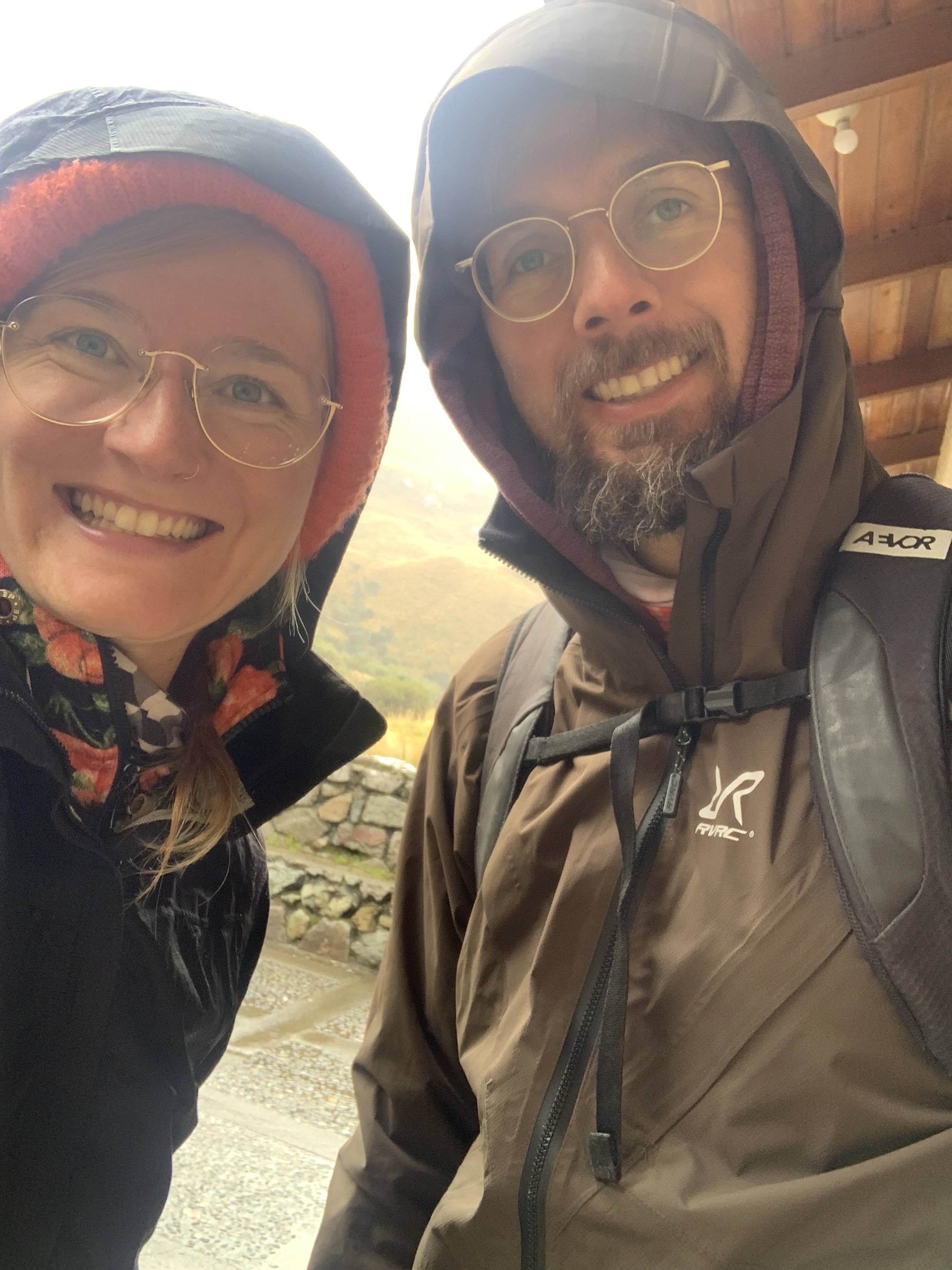
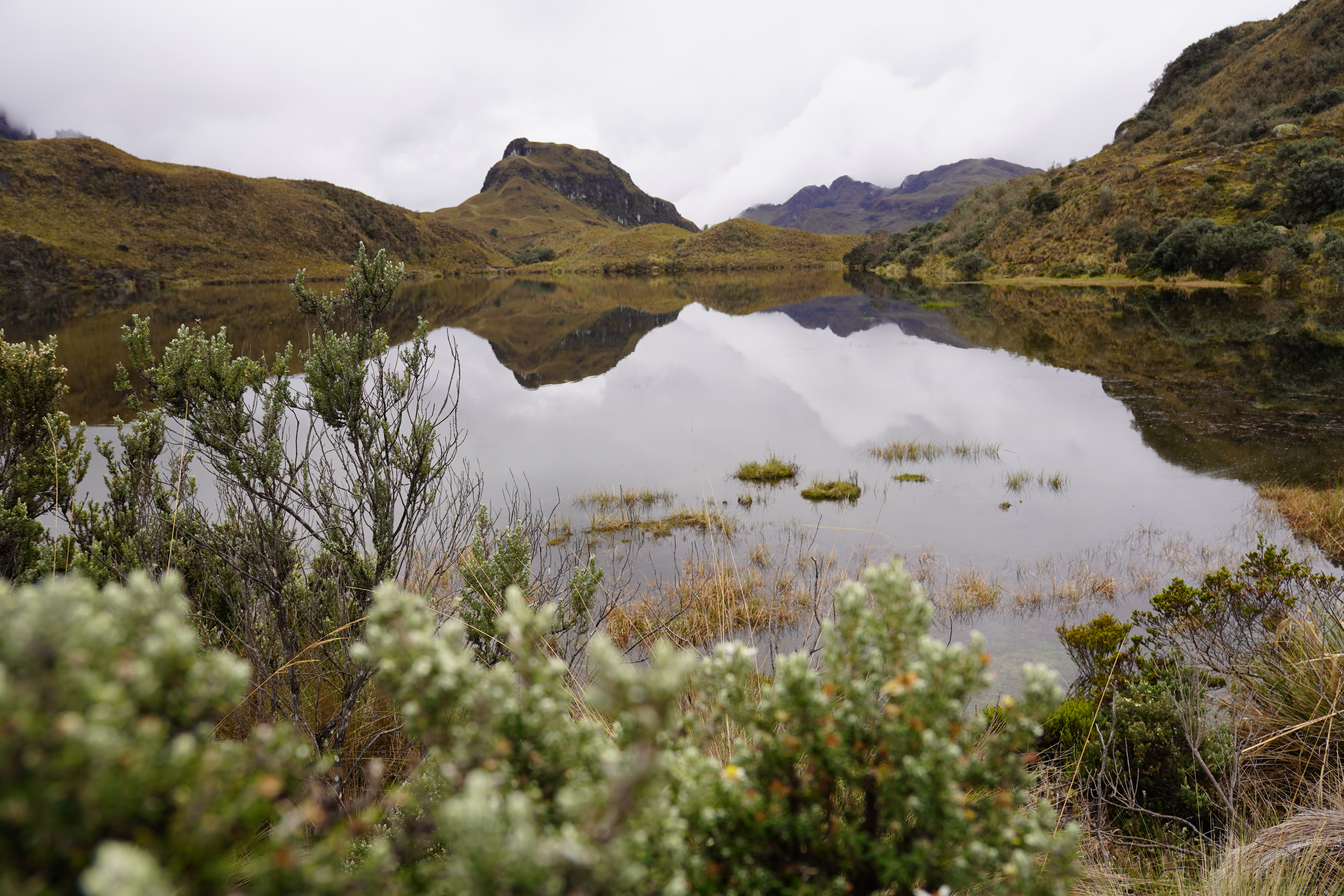
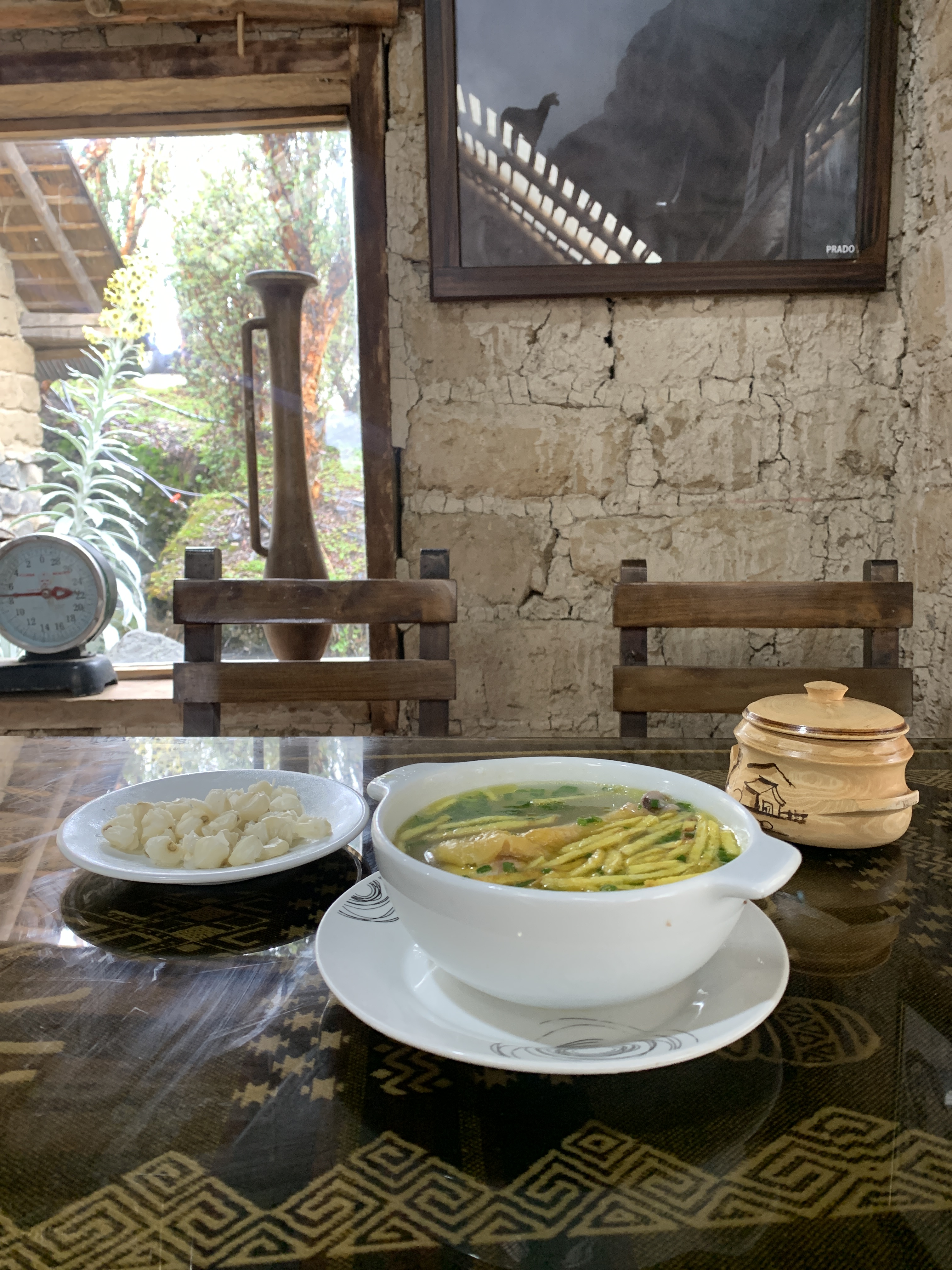
After two days in Cuenca, we continued to Cajas National Park. Even though the weather wasn’t on our side, we hiked for two days and got soaked to the skin both times. It was still beautiful. The landscape reminded me of Scotland or Ireland, just at over 3000 meters altitude. It was astonishing how suddenly it became cold and wet. Just a week ago, we had been surfing in Mancora in perfect weather. But it was the rainy season here. After the hikes, drinking a warm tea and heating up Rosi was especially nice. It warmed us up quickly and was very cozy. The next day, we planned to fish for trout in a pond and stay there overnight. We first had some tea and warmed up with soup at a restaurant. When we returned to Rosi, the floor and table were wet, and Björn quickly discovered where the moisture was coming from. It was dripping through the roof window, drop by drop. It had been raining for three days, and it didn’t look like it would stop anytime soon. We placed our dishwashing bowl on the back seat to catch the drops. All the tricks and tips to stop the dripping didn’t help. The plan to fish for a trout was put on hold. We decided to drive into the valley where it wasn’t raining. The next day, we wanted to visit a cocoa farm. On the spur of the moment, we decided to drive there because it was dry and about 30 degrees there. But first, we had to descend from the mountains into the valley, past a landslide that covered half the road and caused a long traffic jam. But the lower we got, the less it rained.
From tree to mouth
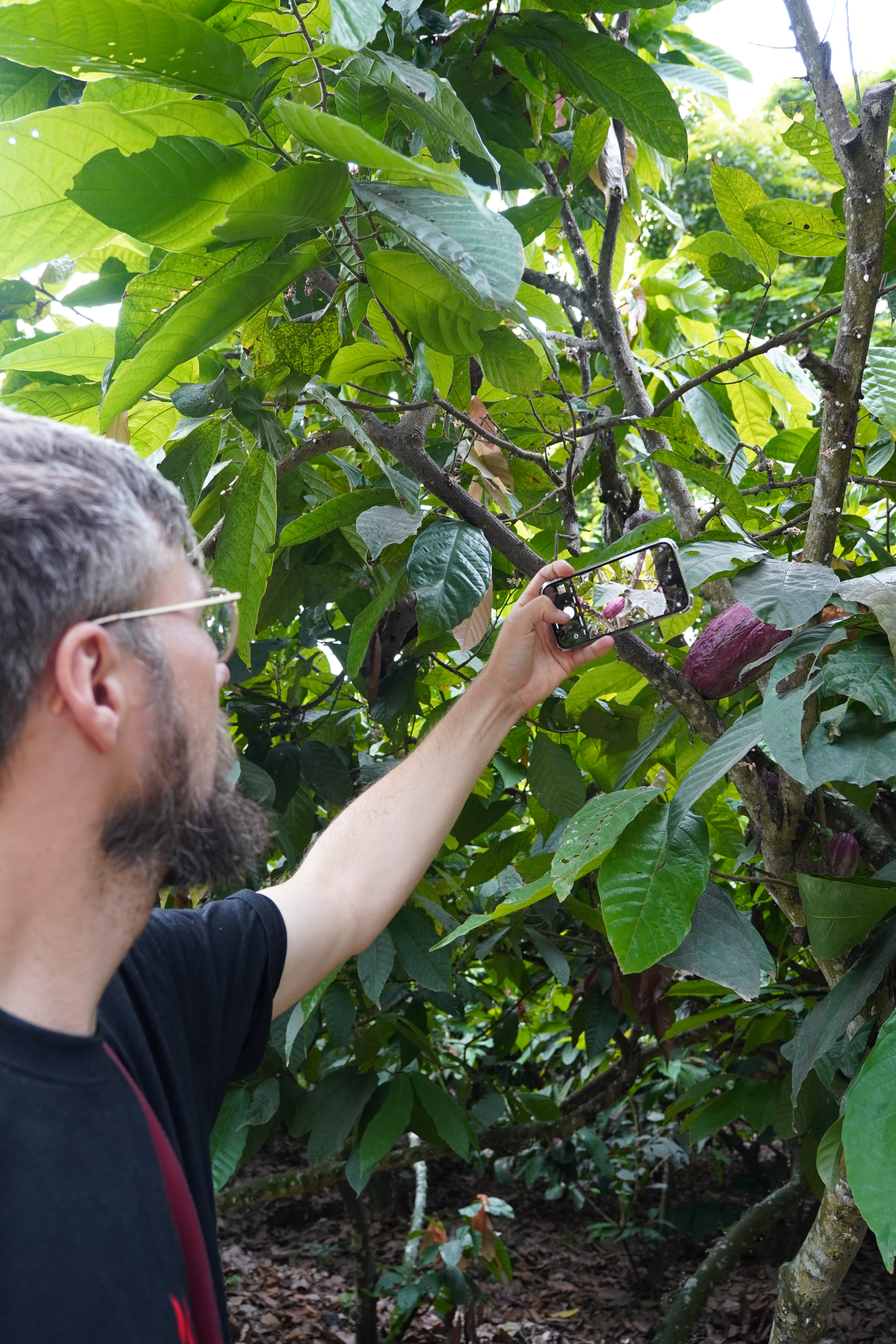
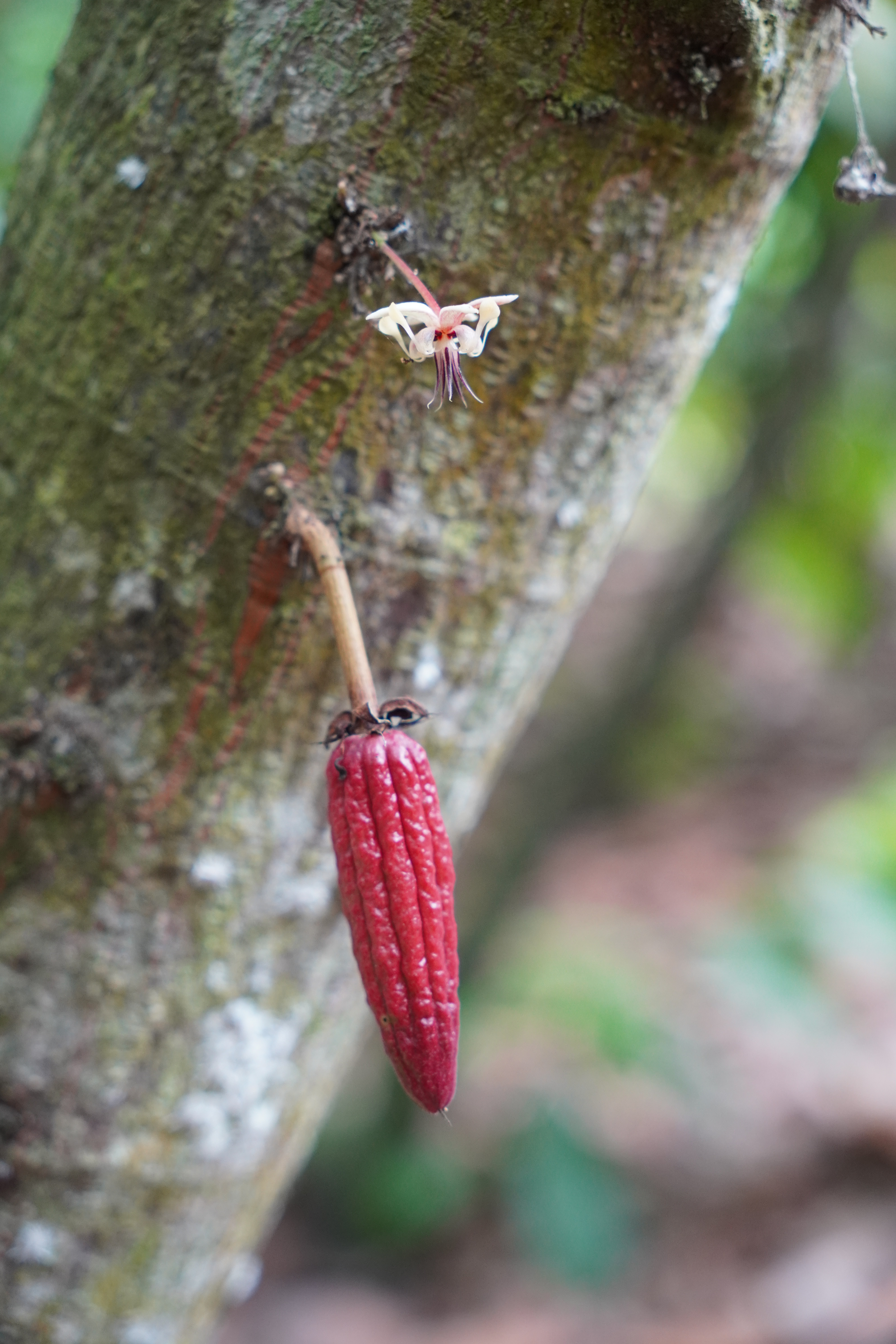
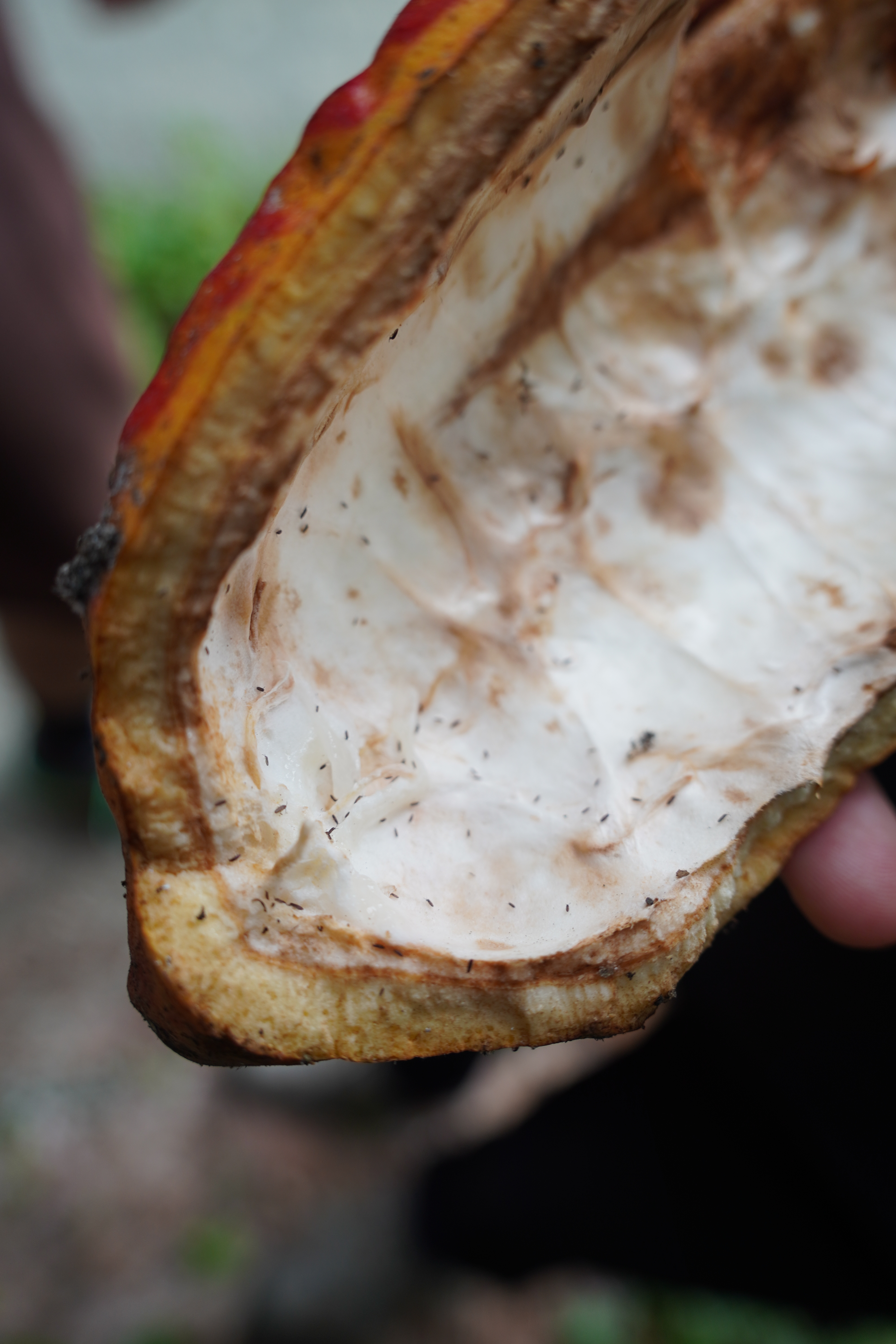
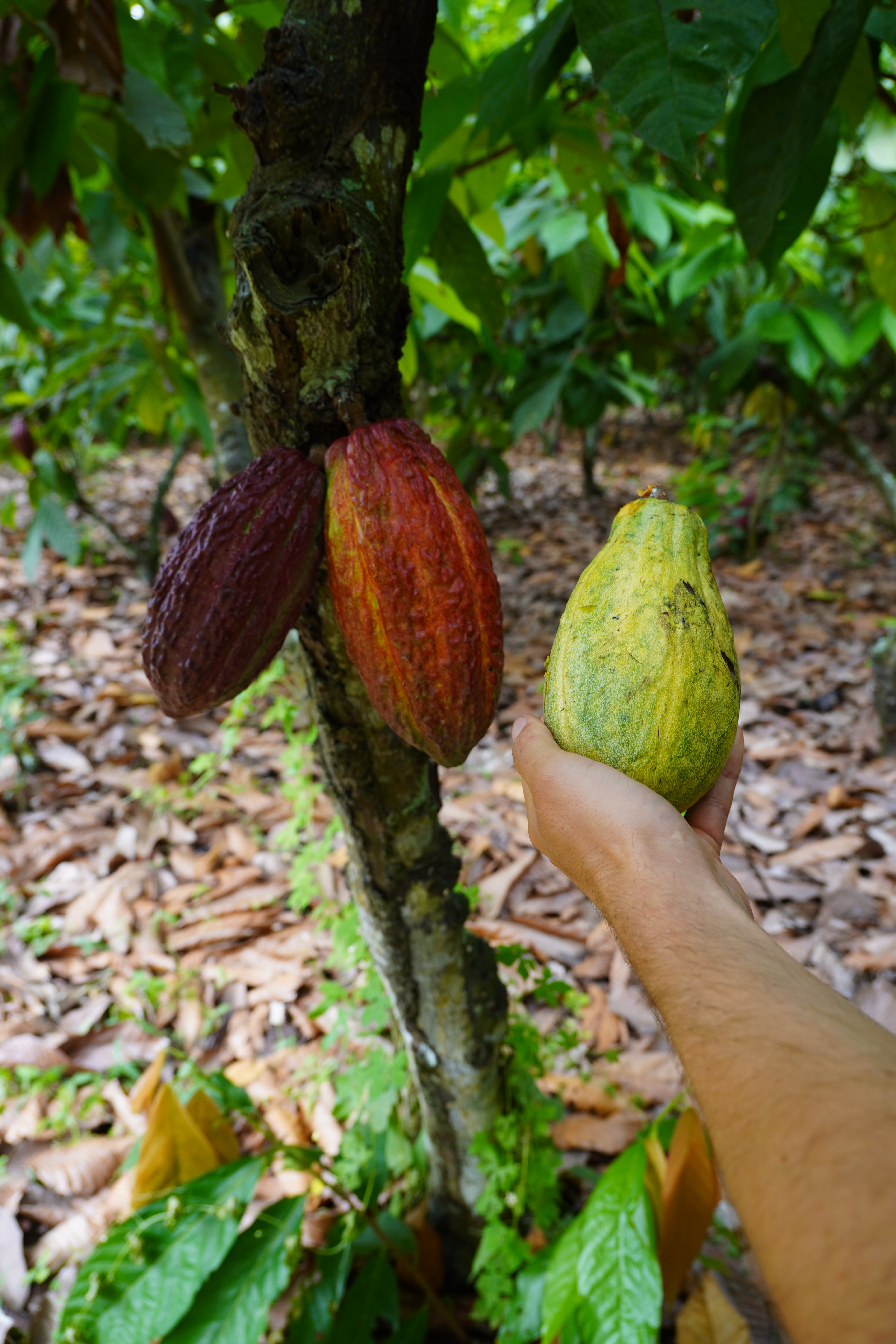
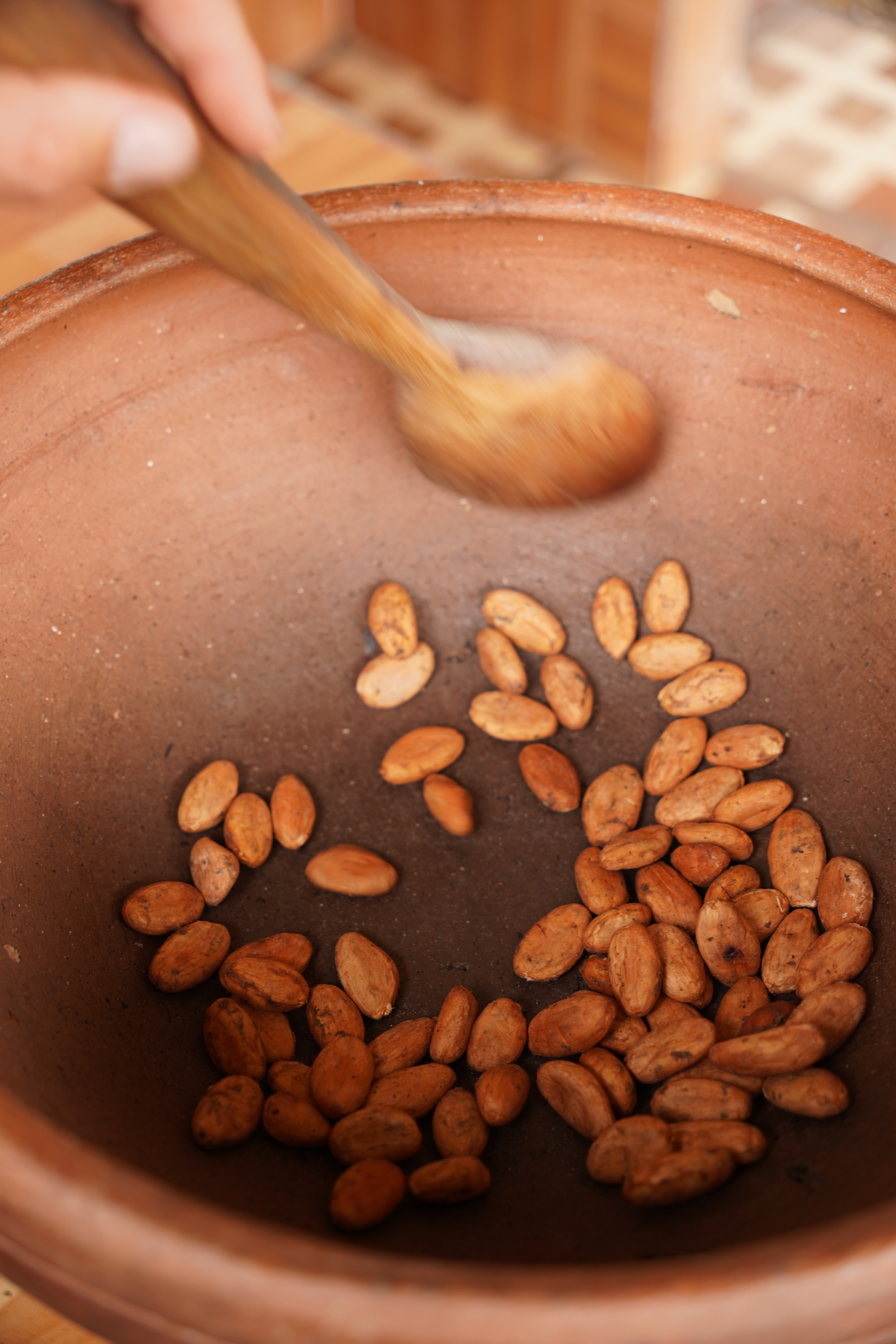
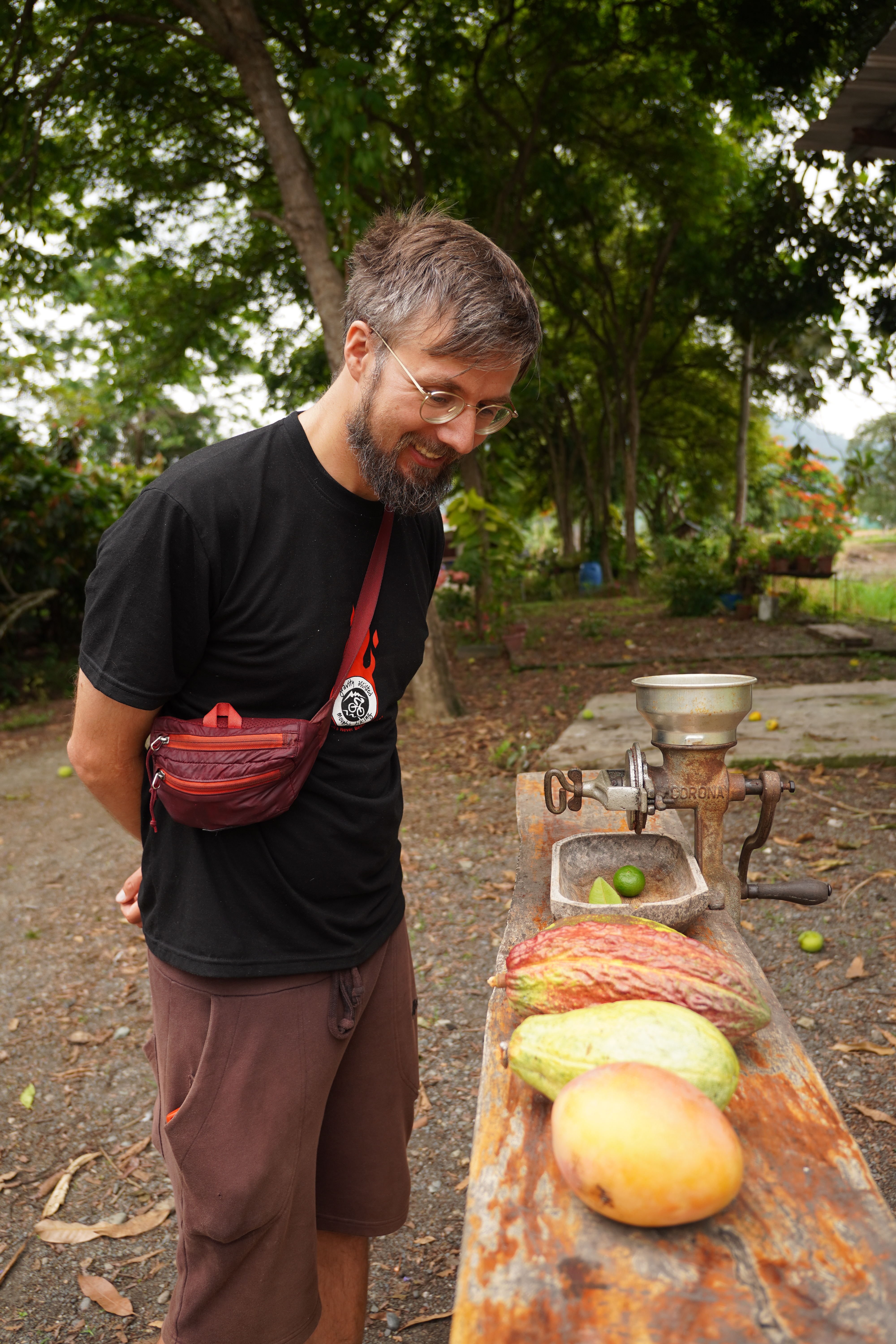
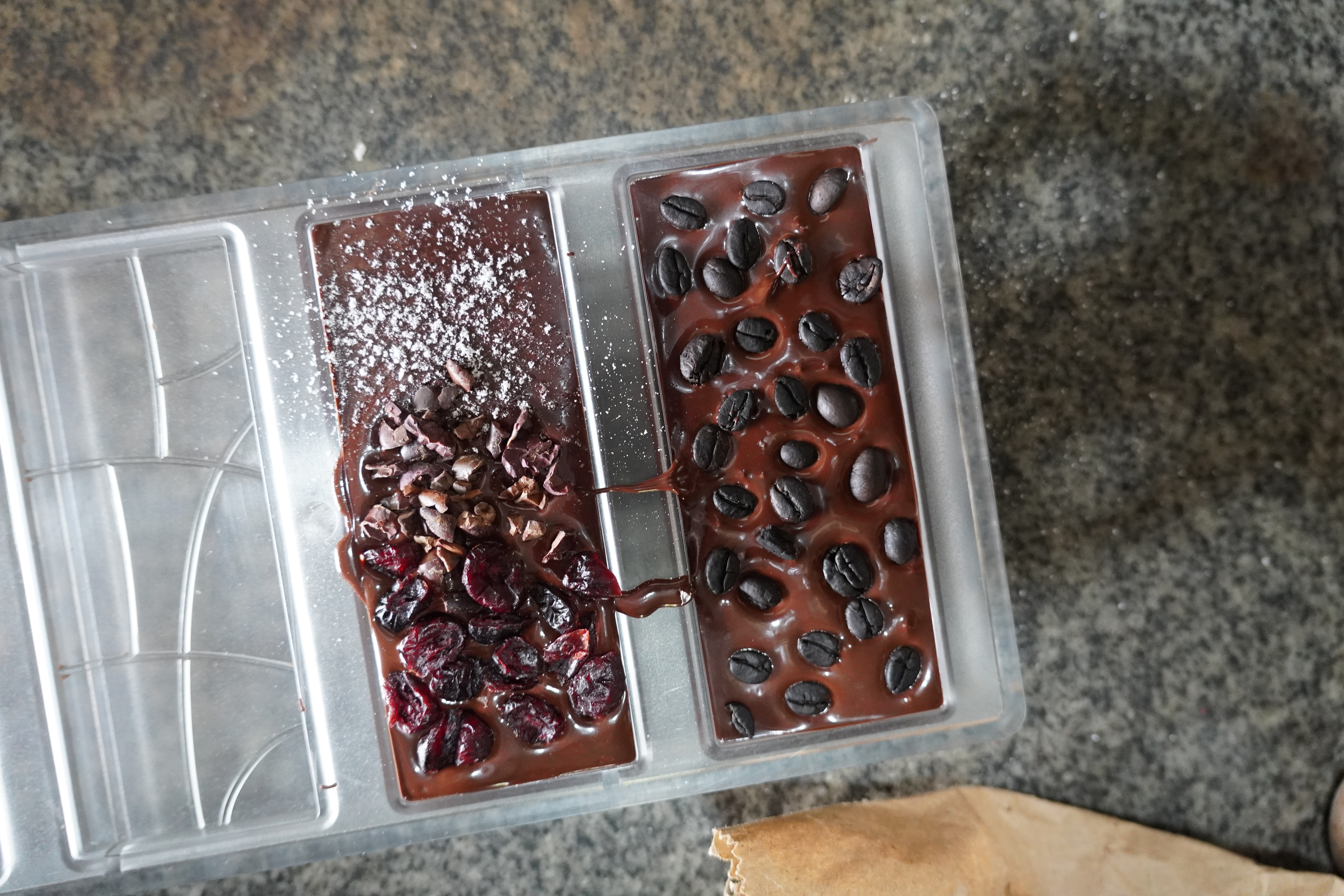
The landscape changed. We were in the jungle. Now we saw the first cocoa plants with their dark red pods. At Hacienda Cacao y Mango https://ecuadorfarmtours.com – we dried our damp hiking clothes and boots. Although only about 100 km separate the national park in the mountains from the cocoa farm, the climate here was completely different. It was warm and humid and perfect weather for mosquitoes. I had never had so many mosquito bites at once in my life. Yet. We couldn’t repair the roof yet, that had to wait until the next big city, Guayaquil. But at least it wasn’t raining anymore, and Rosi was dry. The next morning, we quickly had coffee to wake up, and then we were off. At 9 a.m., our private cocoa tour with Jamil started in English. It was immediately clear: Jamil loves his job. He has a passion for what he does and conveys it with every sentence about cocoa production. I can say in advance, the experience on the cocoa farm was one of the highlights of our trip. We went into the plantation and took a close look at the cocoa plants. The pods can be harvested all year round, every two weeks. If they are not picked, they just stay on the tree. We saw all stages of the fruit: a very beautiful small white fragile flower, pods in all sizes and colors, up to the fully matured fruit. The flowers are so tiny that only very small insects, mostly mosquitoes, can pollinate them. Pollination is very complex, and only 10% mature into fruit. Since this is an organic farm, no additional chemicals are used, as they would also harm the mosquitoes and insects. The leaves and fruits simply fall to the ground, serving as fertilizer and food for the insects. The cocoa is grown here in a mixed culture alongside bananas, mangoes, avocados, limes, coffee, vanilla (I have never seen such a beautiful flower before), pepper, palm trees, and many other plants. The advantage of this mixed culture is that there is more shade, fewer pests, better soil quality, and a higher pollination rate for the cocoa. We spent about an hour in the plantation and learned a lot. I was thrilled by all the plants and fruits. We picked four different cocoa pods, including two red and two yellow varieties, to compare them. The red pods are cultivated hybrids with more pulp. CCN-51 is a hybrid cocoa variety widely grown in Ecuador. It was bred in the 1960s and stands for Cacao Colección Castro Naranjal, Plant No. 51. It is very resilient, resistant, and yields a high harvest. However, compared to the yellow Nacional (Arriba) cocoa bean, it is rather bitter and of lower quality. After harvesting, the cocoa beans are removed from the pod and fermented with their pulp for several days. We had the unique pleasure of drinking juice from the pulp. It was delicious. We also tried red berries that made the taste of a lemon sweet. Afterwards, the beans are roasted, which we also did. The smell was indescribably good. Now, similar to peanuts, you can remove the shell, break the bean with your fingers, and obtain delicious cocoa nibs. Pure freshly roasted cocoa bean. However, we put our roasted beans into a kind of meat grinder and obtained 100% cocoa paste. This only needs to be mixed with at least one other ingredient, such as panela (sugarcane sugar), and you get chocolate. We ate ours with freshly picked mango and banana. Along with it, we drank hot cocoa. Although I am not a chocolate fan, I was in heaven. The chocolate and cocoa had a completely different taste than what you know from Germany. Many Ecuadorians drink cocoa in the morning instead of coffee. Cocoa contains theobromine, a mild stimulating substance. It also contains many antioxidants and stimulates serotonin production. After our chocolate breakfast, we made our own chocolate bars. Björn took salt, cranberries and cacao nibs, and I took coffee beans as a topping. We also bought a large bag full of cocoa nibs. Many Ecuadorians benefit from cocoa production. Due to poor harvests in Africa, the price has risen from 2 to 8 dollars per kilo. Unlike banana plantations, which are only cultivated by a few large companies, almost everyone here in the country grows cocoa and can harvest it. By the way, only the hybrid beans are exported; the good cocoa from the yellow cocoa beans stays in the country. Here, it is processed directly into chocolate bars and sold. From tree to bar. Or in our case: from tree to mouth.
The real reason for being in Guayaquil

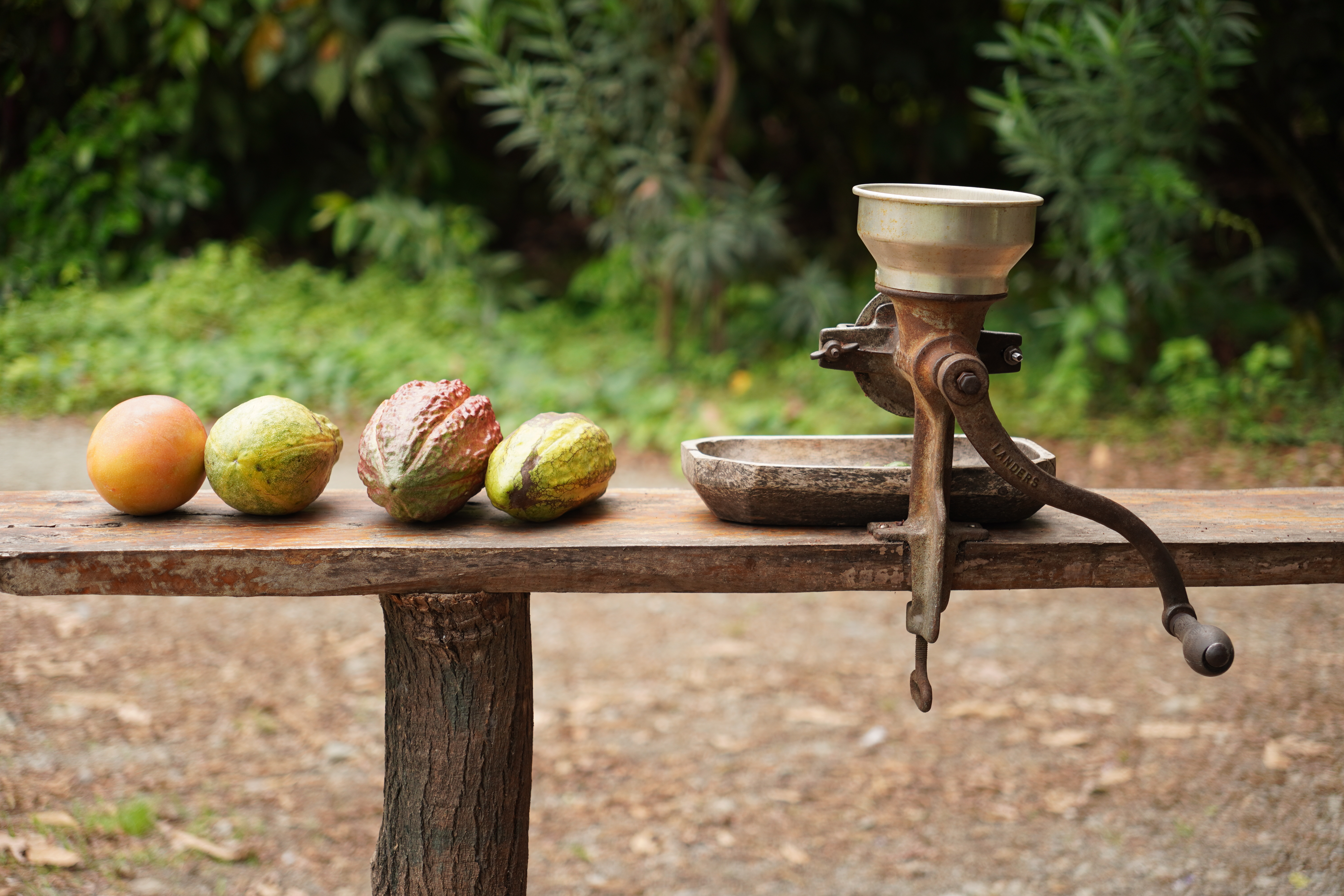
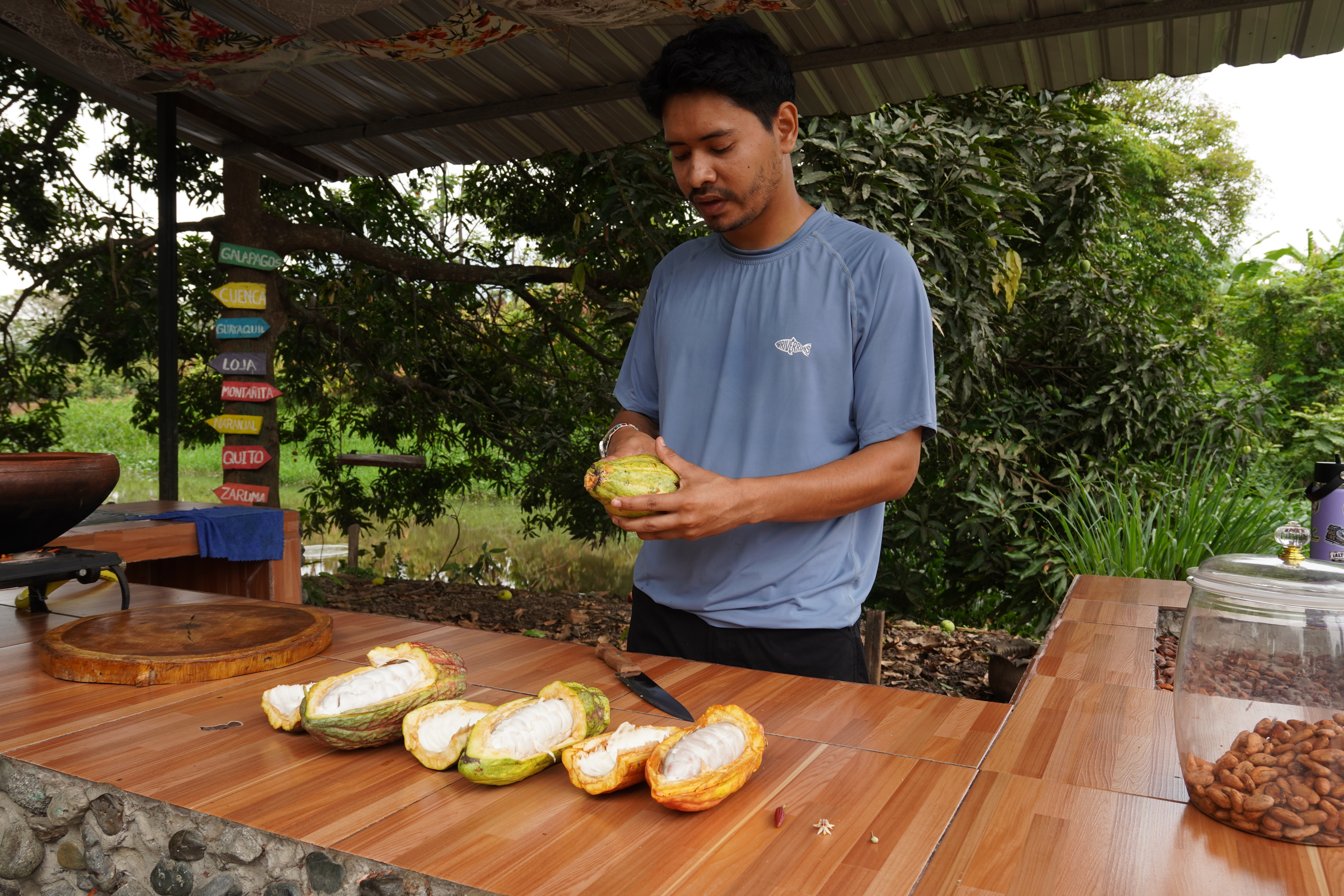
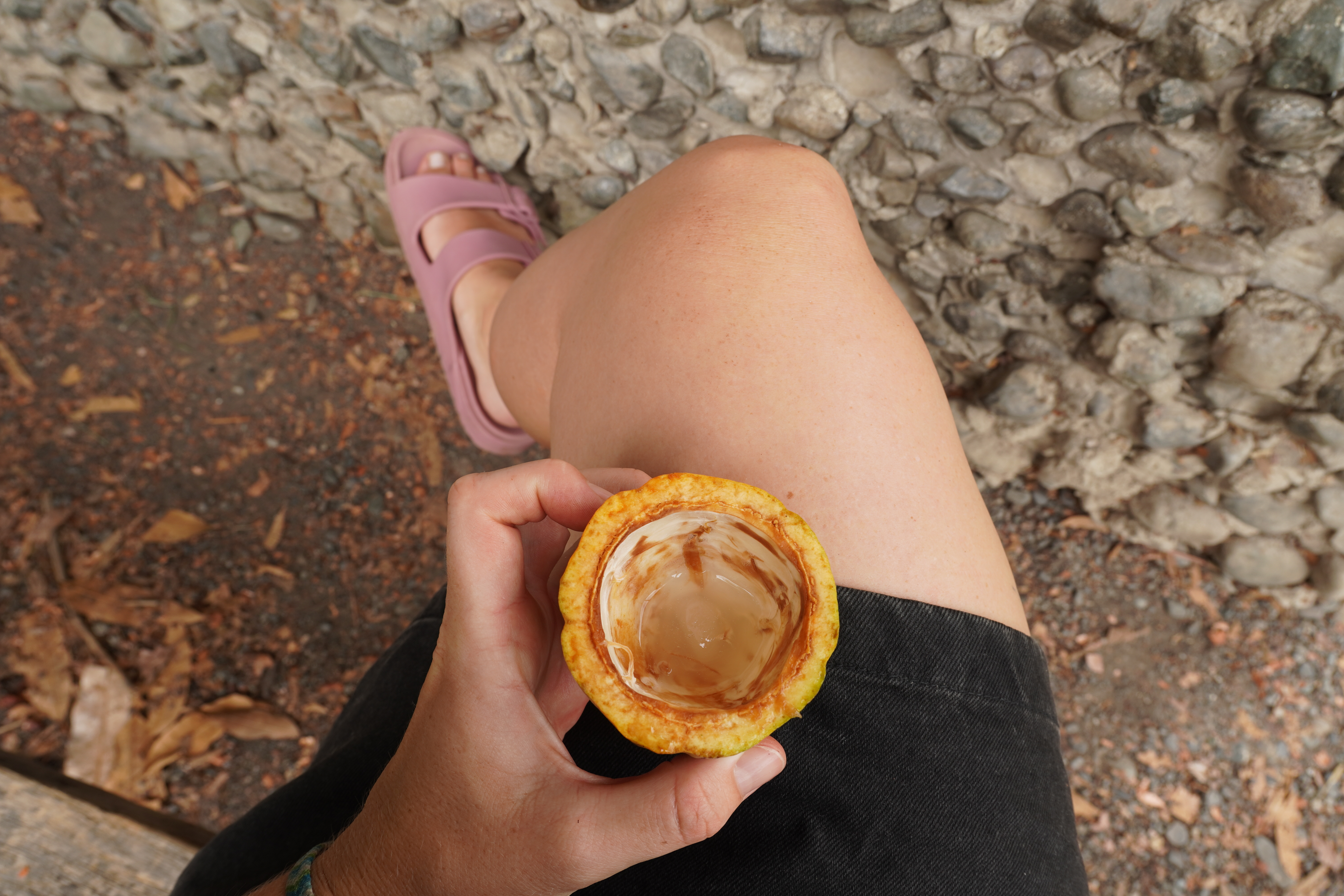
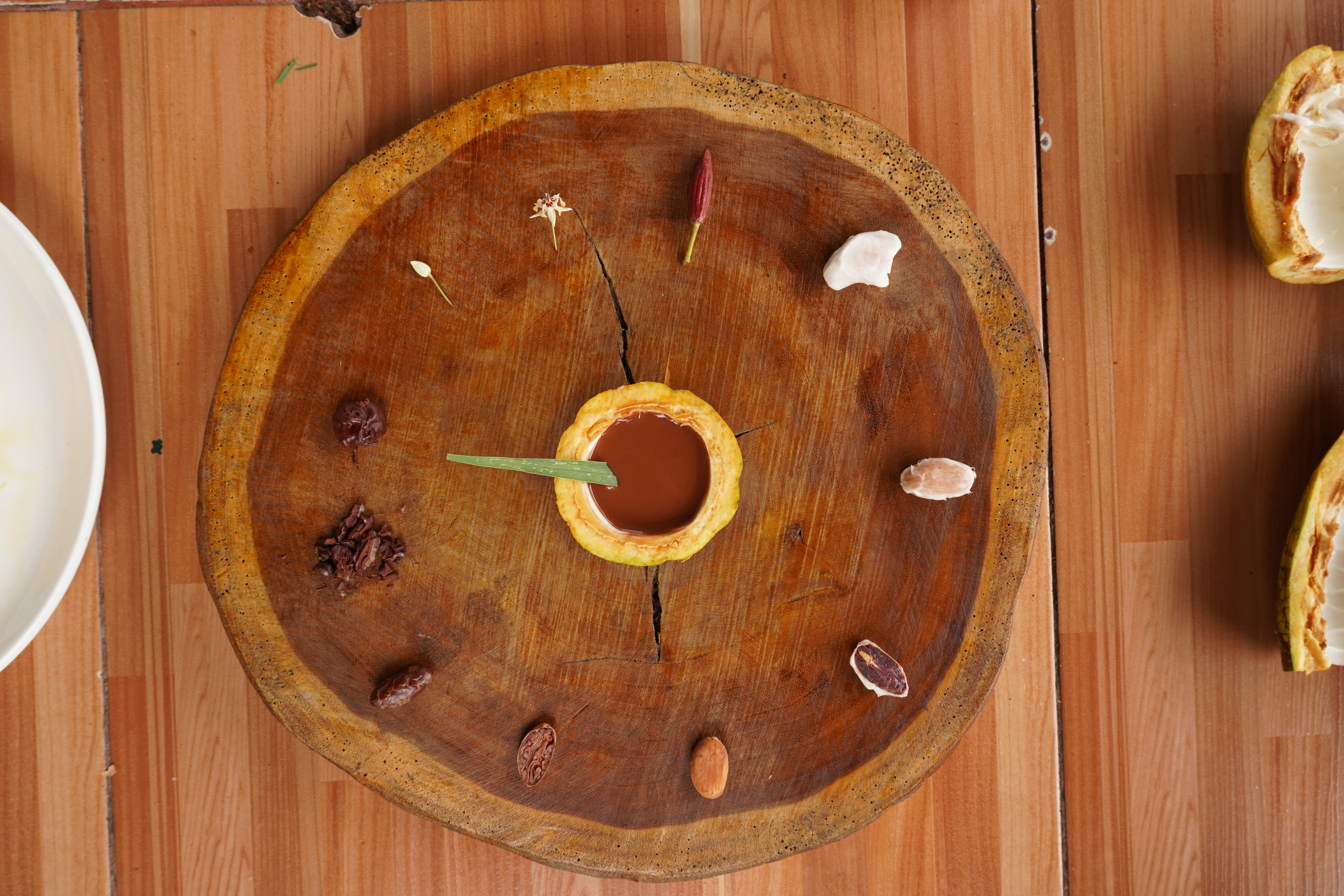
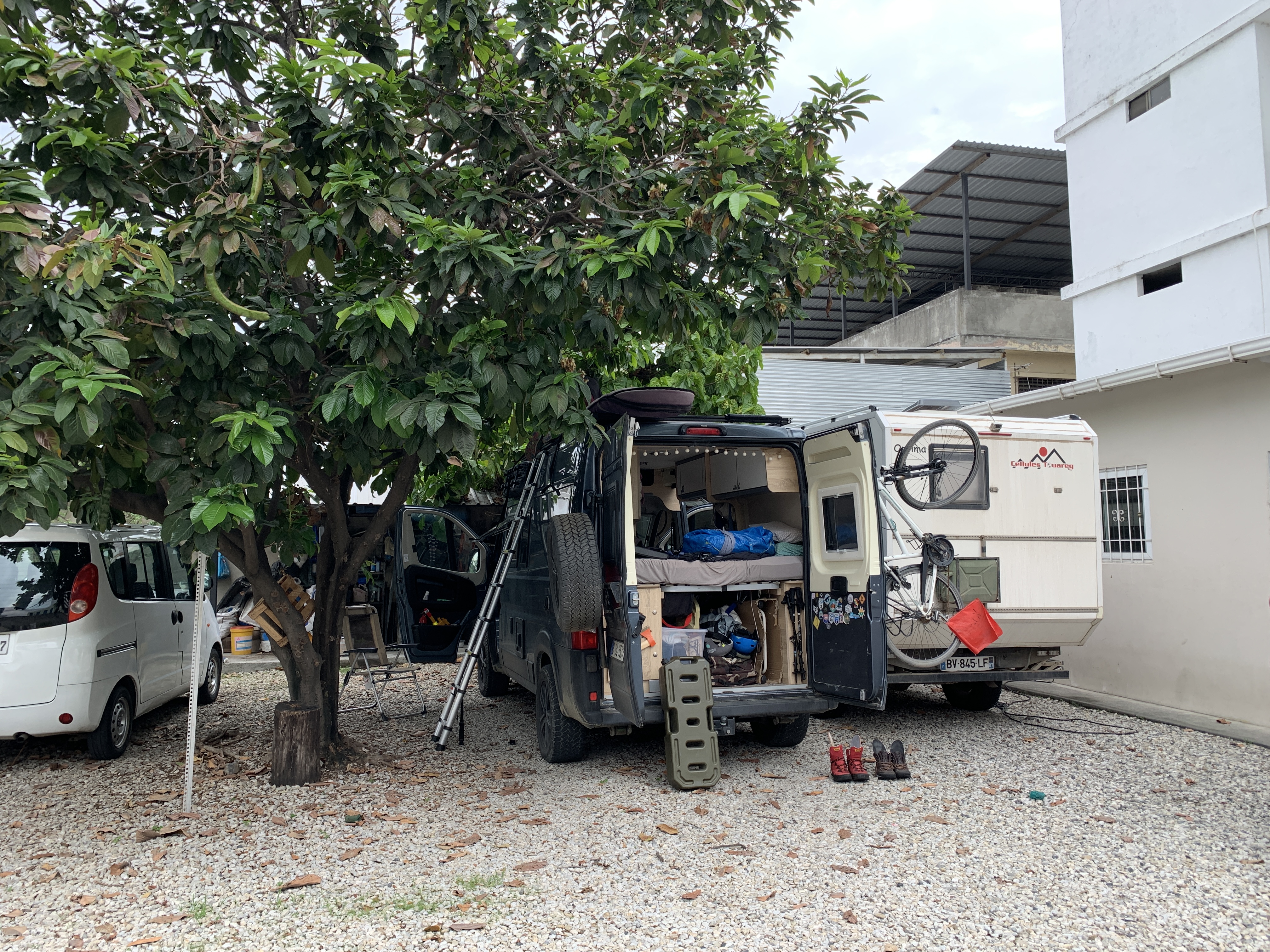
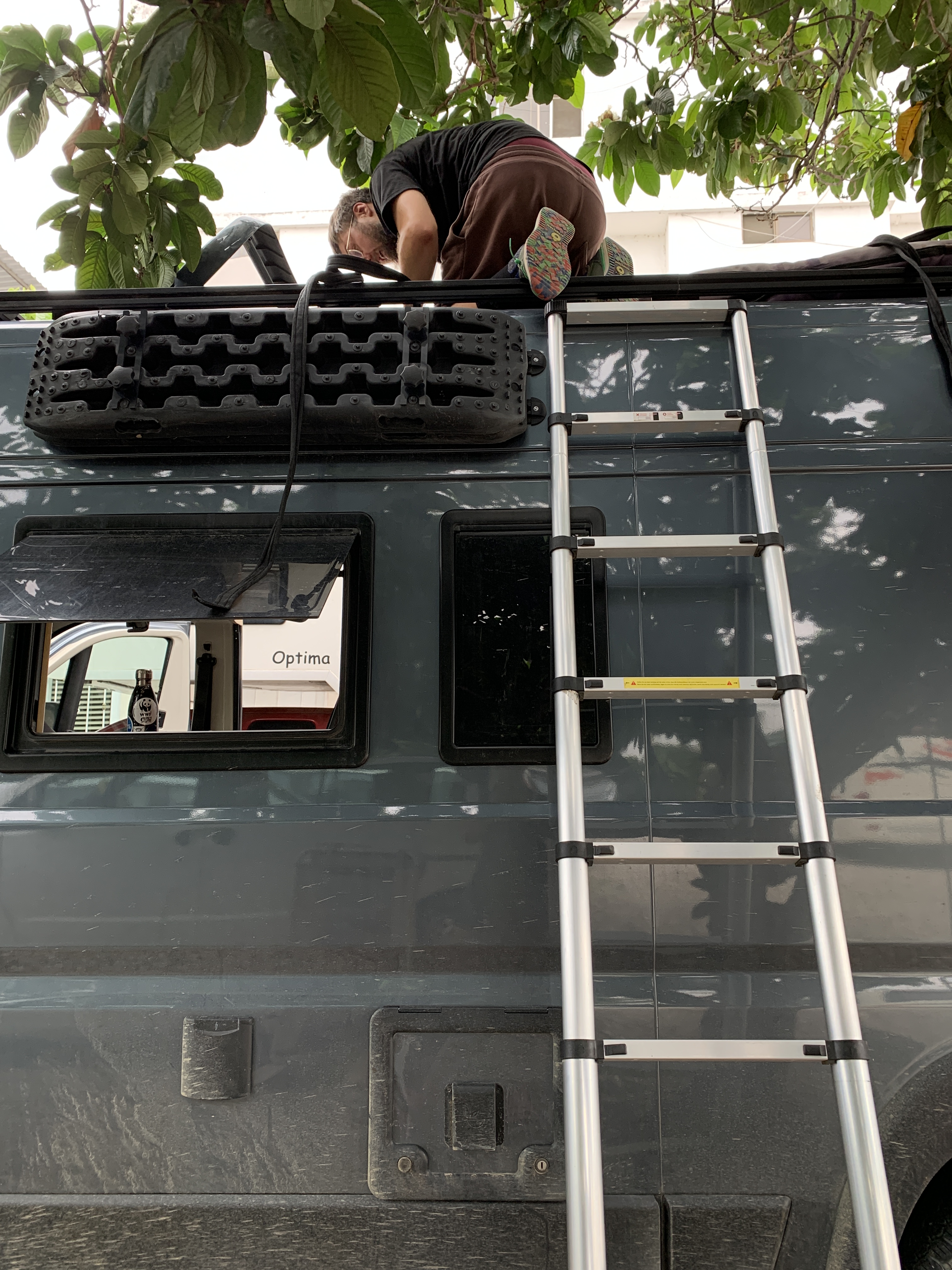
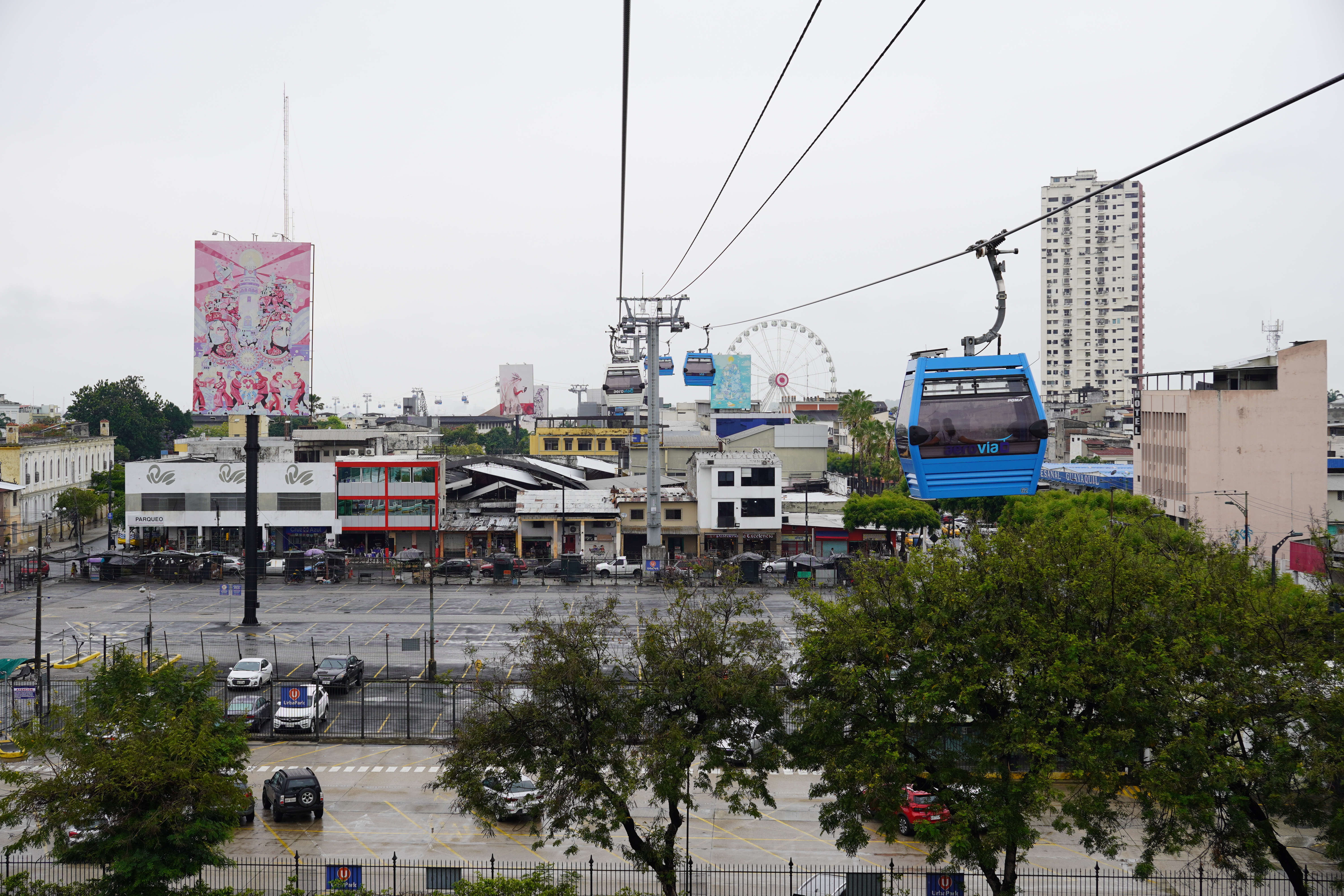
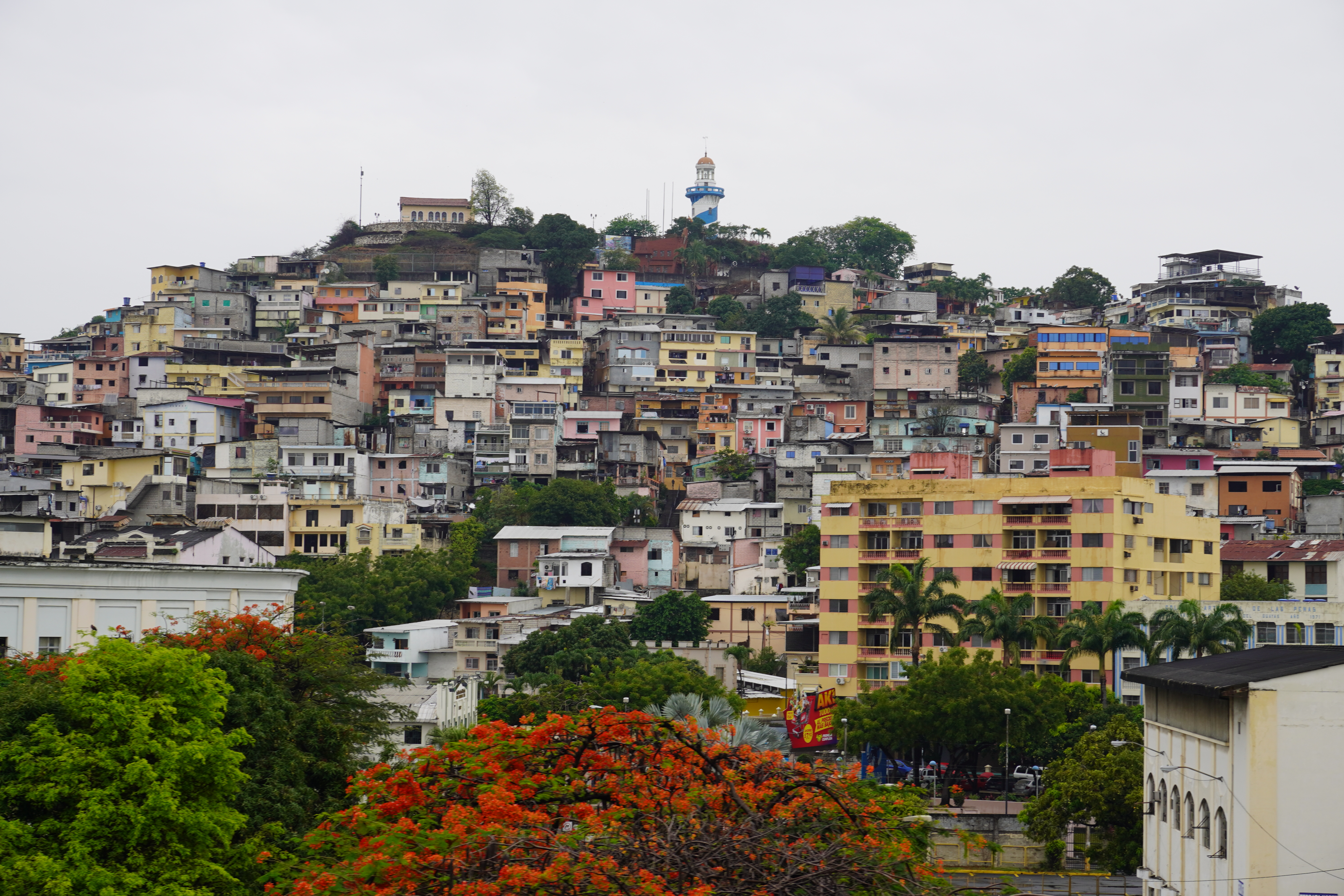
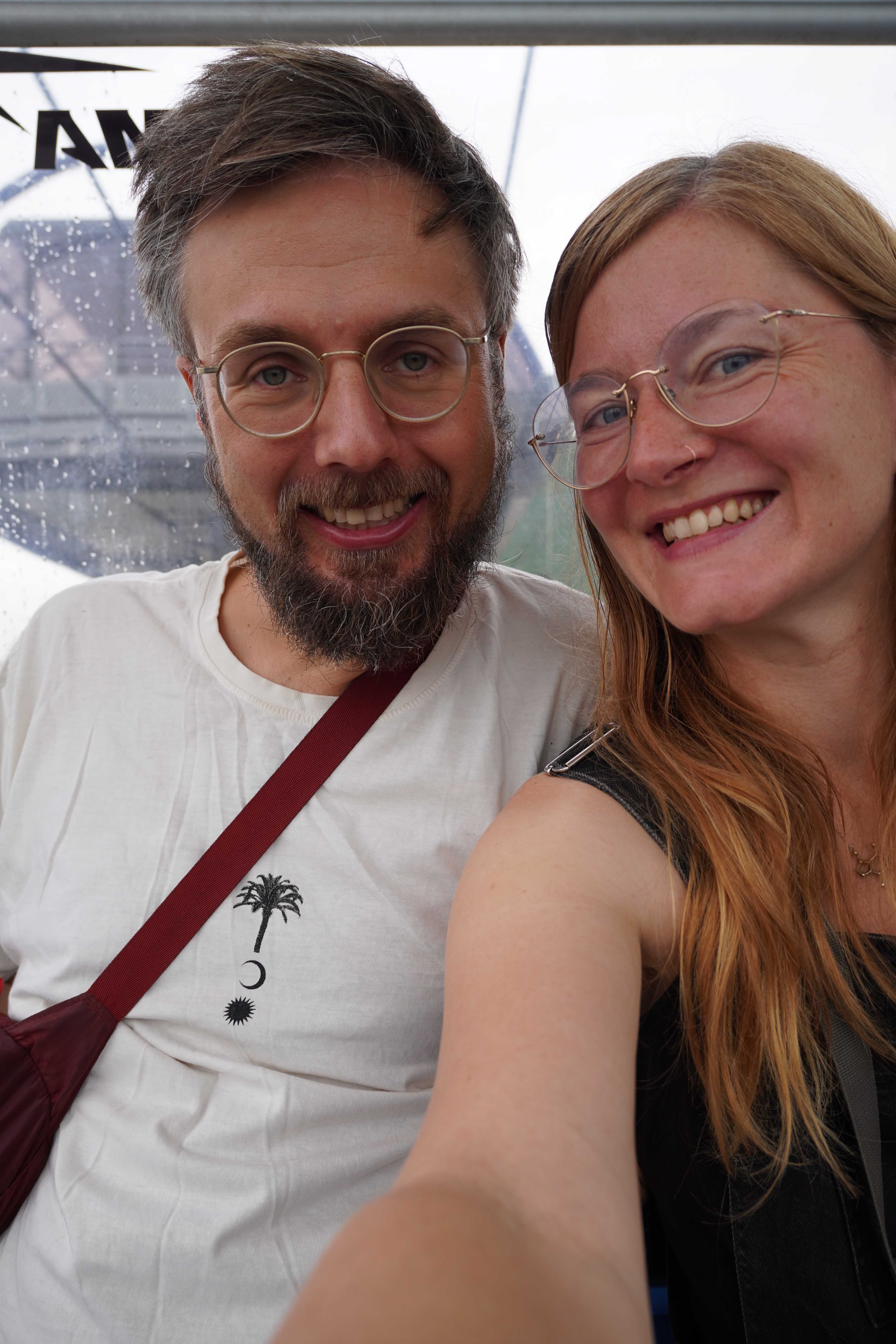
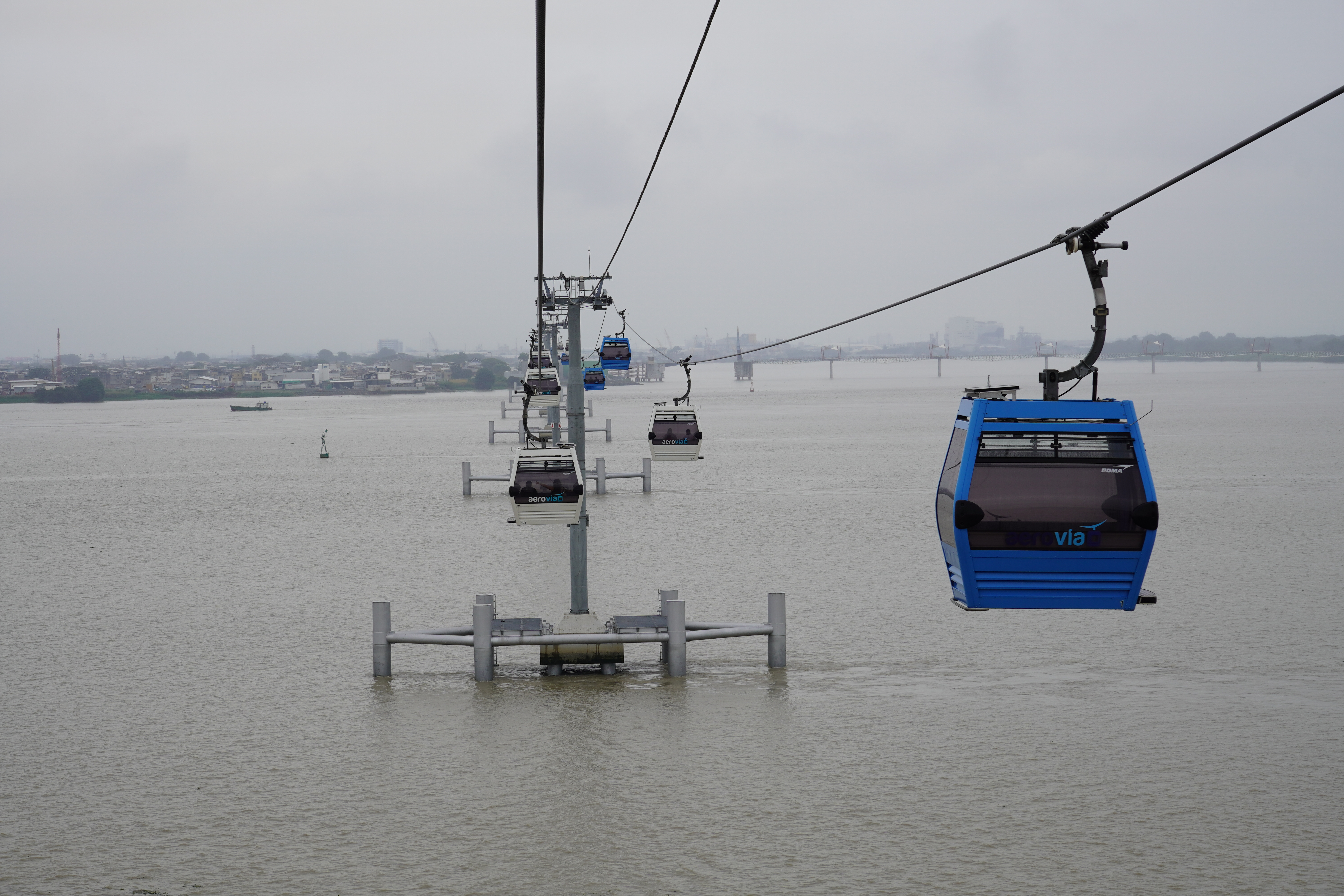
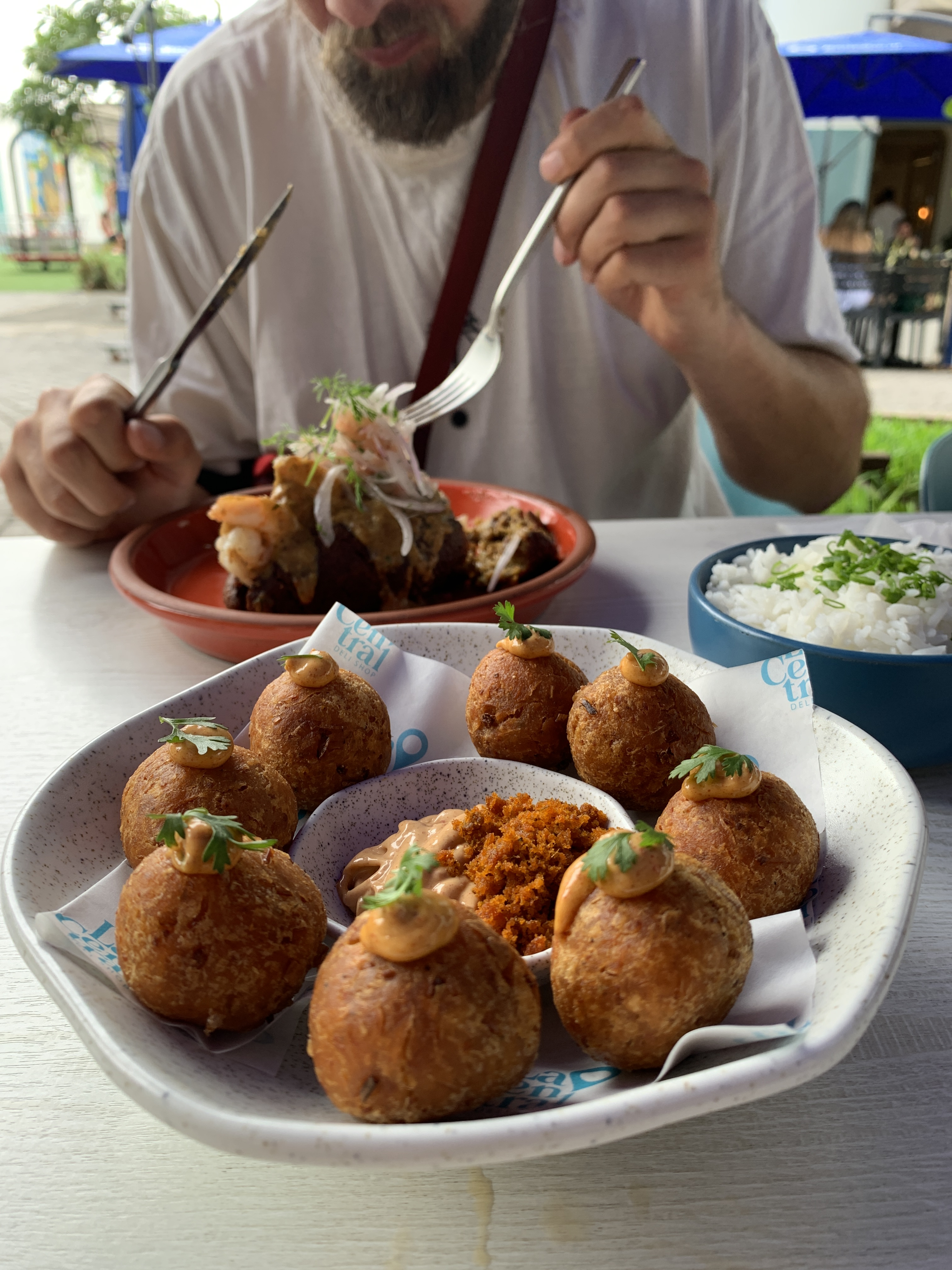
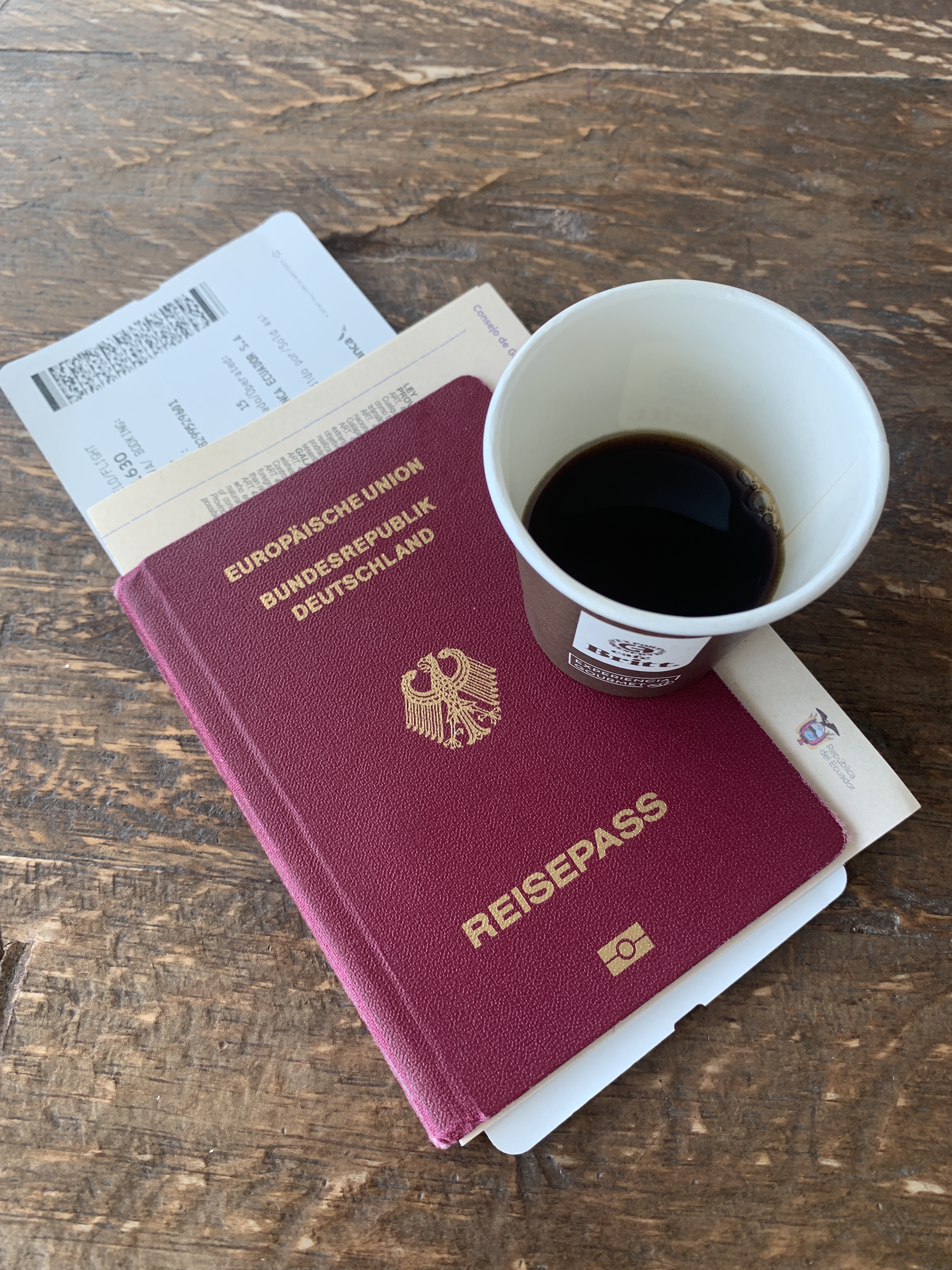
With full chöcolate bellies, we continued on to Guayaquil. Guayaquil is currently one of the most dangerous cities in South America, as the city is an important hub for the cocaine trade. But that was not why we were here. We had a safe parking spot in mind and still did a bit of sightseeing: a visit to the Mall de Sol, a ride on the Aerovía (a cable car over the Río Guayas) with a beautiful view of the city’s skyline, and a visit to the city center with a delicious brunch. We felt safe in the city. We knew where we could stay and where we better not. At our parking spot, Björn fixed the roof window, we washed Rosi and packed our backpacks. Because the next trip was to the airport, which was the real reason we visited Guayaquil. We flew to San Cristobal, to the Galapagos Islands.
 höme
höme 
Leave a comment