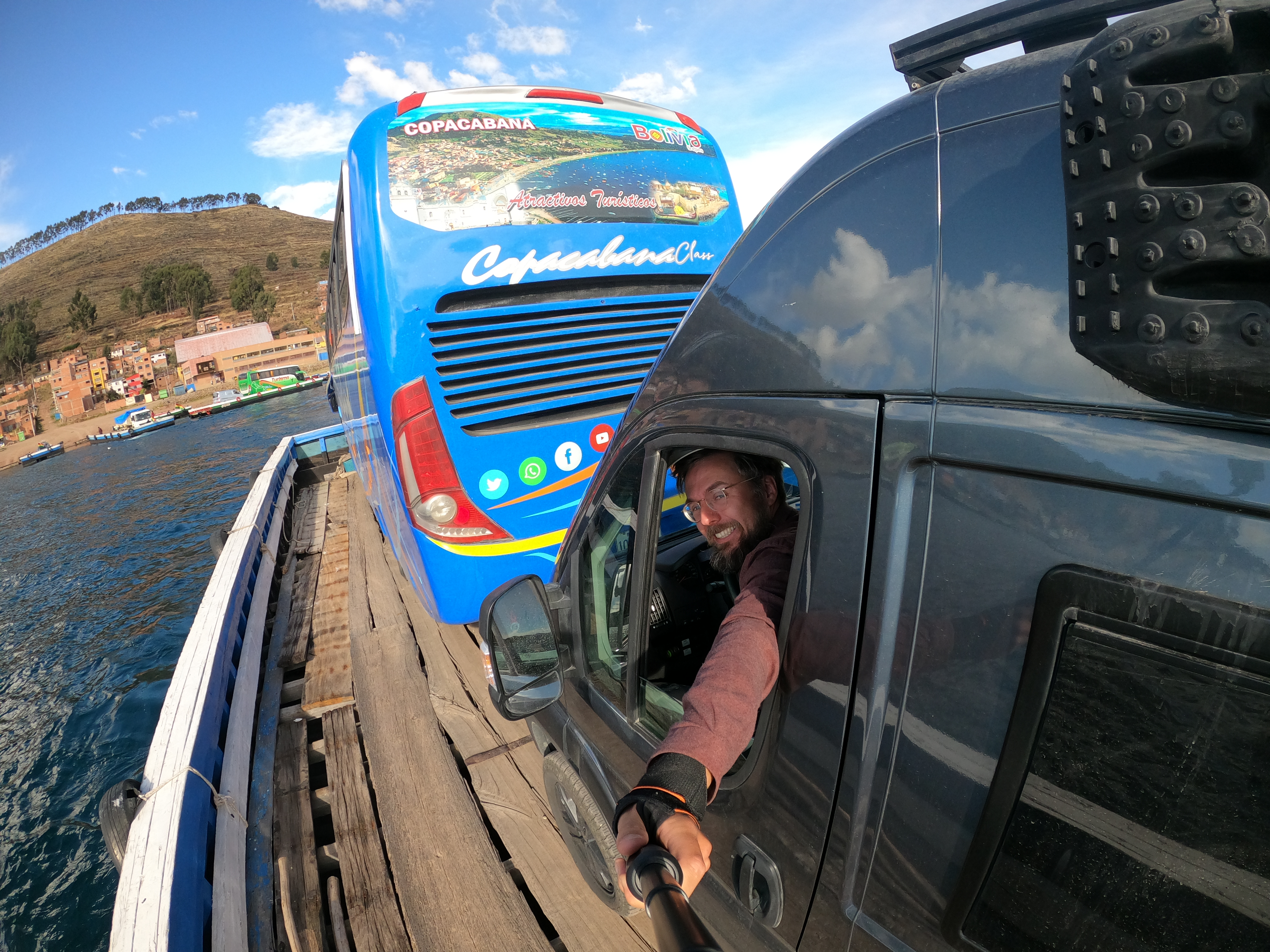
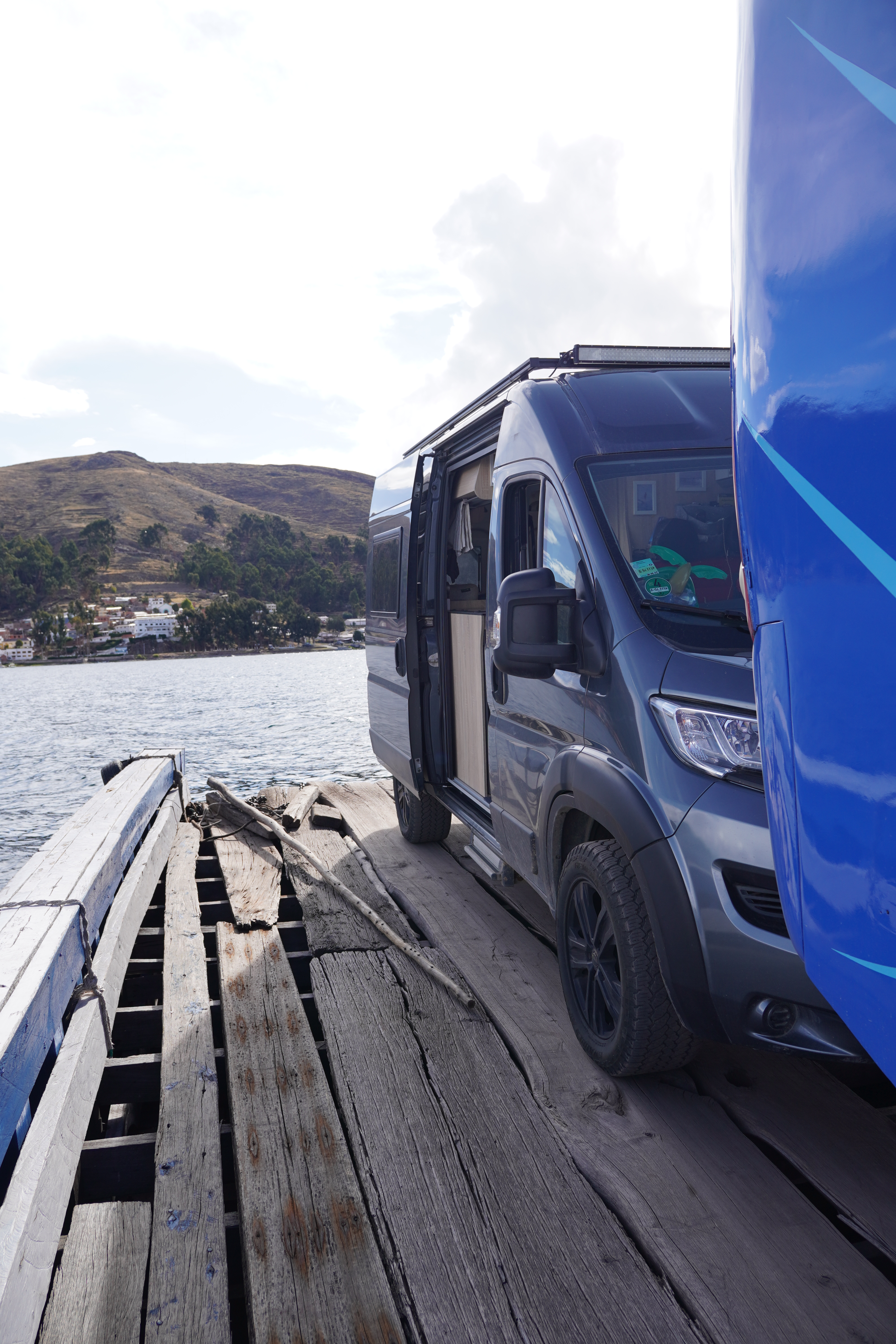
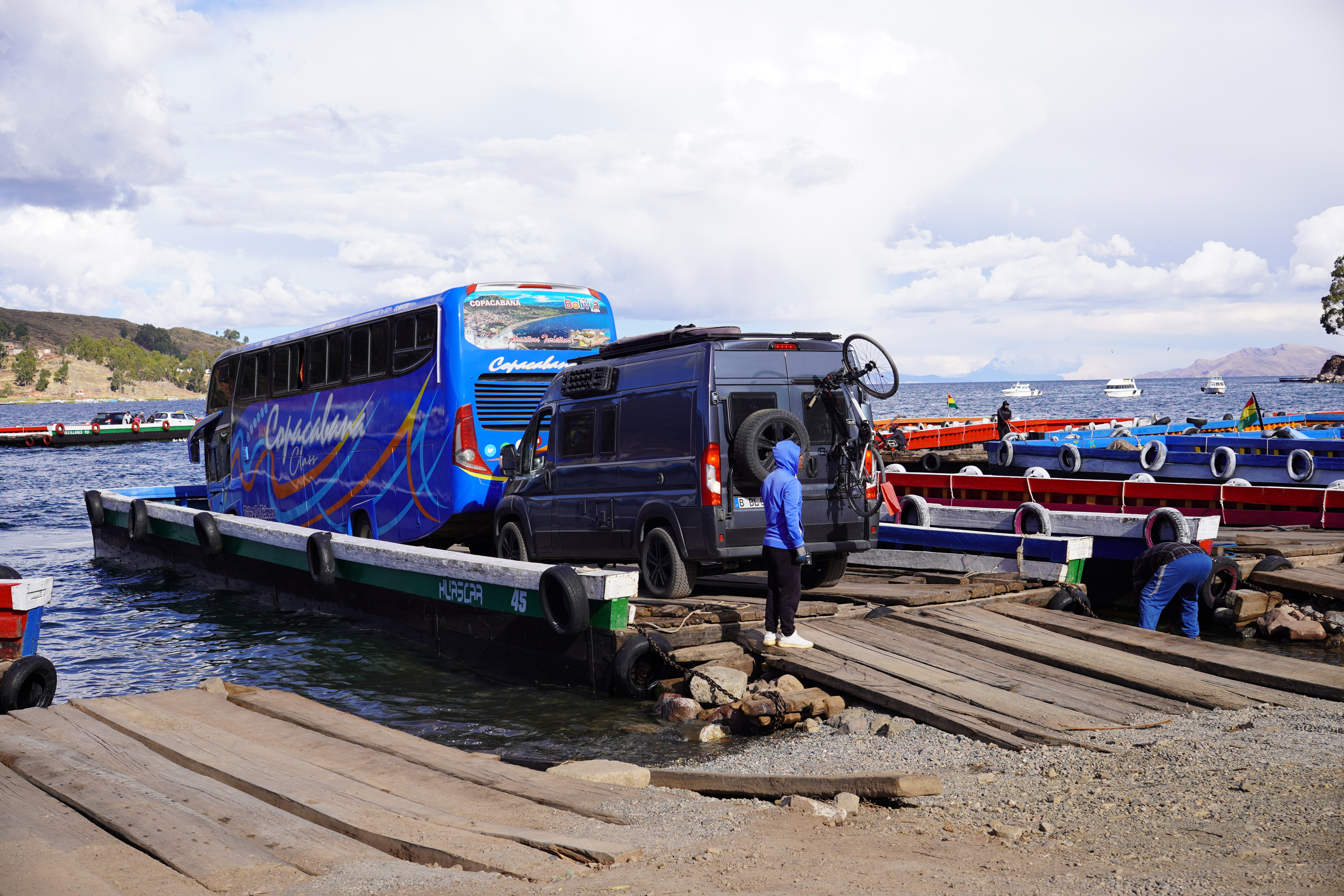
Leaving La Paz we were heading to the border of Peru at the Titicaca lake, always looking at the tank needle and calculating how far we could make it with the gas left in our tank. After a while the landscape changed and it almost seemed like being in the Toskana. After a while we could see the lake and there was still one little hurdle. A small passage that need to be crossed with a wooden ferry, that really does not seem very trustworthy. There were hundreds of ferries and multiple ones being on the water and bring cars, busses and trucks to the other side. I really hoped that we are alone on one of these small ferries, but we happened to be directed on a ferry together with a huge travel bus. Although there were pretty much no waves, the small barge was shaking a lot and we were happy to be back on land with Rosi. Multiple times the government had tried to built a bridge, but the ferry operator always protested hard against it. This is somehow a sign for many countries of South America, where people protest to keep the status quo and by this prevent innovation and also improved living standards.
Coming closer to the border to Peru we reflected on this country that made it so difficult for us to travel. The old president was advocating to block the roads, which his followers did, while we were in the country. The current President (which is from the same party as the old one, so they have similar plans for the country) tries everything to prevent the old president to run for president again. The current government is split by supporters of one or the other. The country has been in this political disputes for many years. Bolivia was named by Simon Bolivar, who fought for the independence of Latin America in the 19th century. The country was once way bigger but lost a lot of land in multiple different wars. They lost the coast to Chile (and by that also the access to the now big copper mines in Chile, they lost a lot of land to Brazil that was use for rubber trees, when synthetical rubber was not yet present and they lost oil fields to Paraguay. The Bolivian gas fields don’t bring in enough money, since the gas prices dropped and in the run for lithium that is in a full rush, Chile is way ahead of Bolivia, because they were just too slow to react. The country had and still has all the resources to be in a way better shape, but corrupt politicians and weak external affairs lead to Bolivia still being one of the poorest countries in South America. That leads to a bad international rating, and all the fuel needs to be purchased from the surrounding countries, which only accept direct payments due to Bolivias poor financial credibility. That leads to the huge petrol and Diesel shortages. Connected to the immense subsidies that they pay to keep the fuel price incredibly low, they can hardly afford the gas. But the state can also not cut the subsidies, because the people would just protest and shut down the country. It is somehow a devils circle. Nevertheless we really enjoyed Bolivia. The incredible nature, the open and friendly people, nowhere did we feel unsafe or had the feeling to be ripped off, and we only scratched the surface of this country. There is so much more Bolivia that we did not explore. I highly recommend to visit this country.
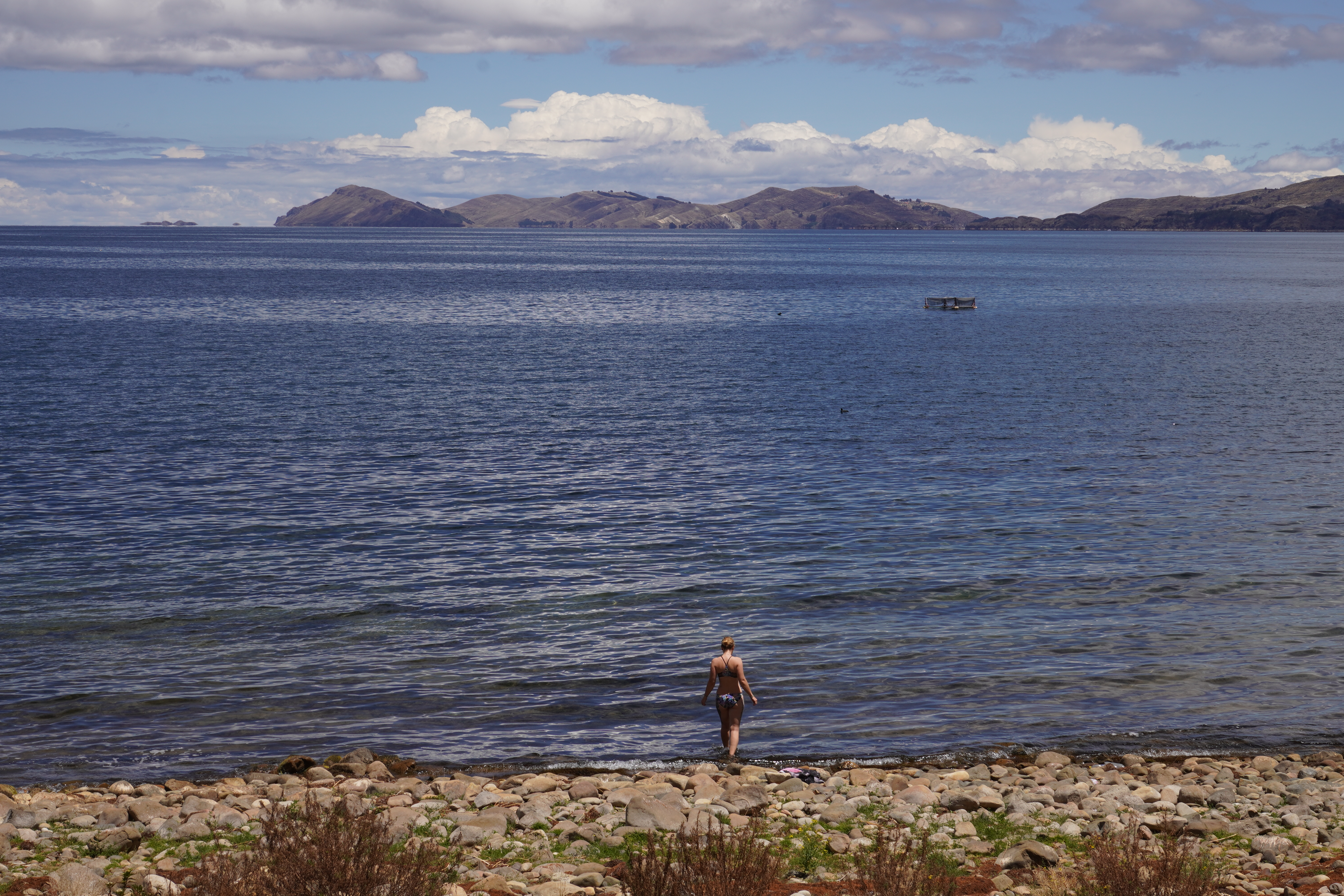
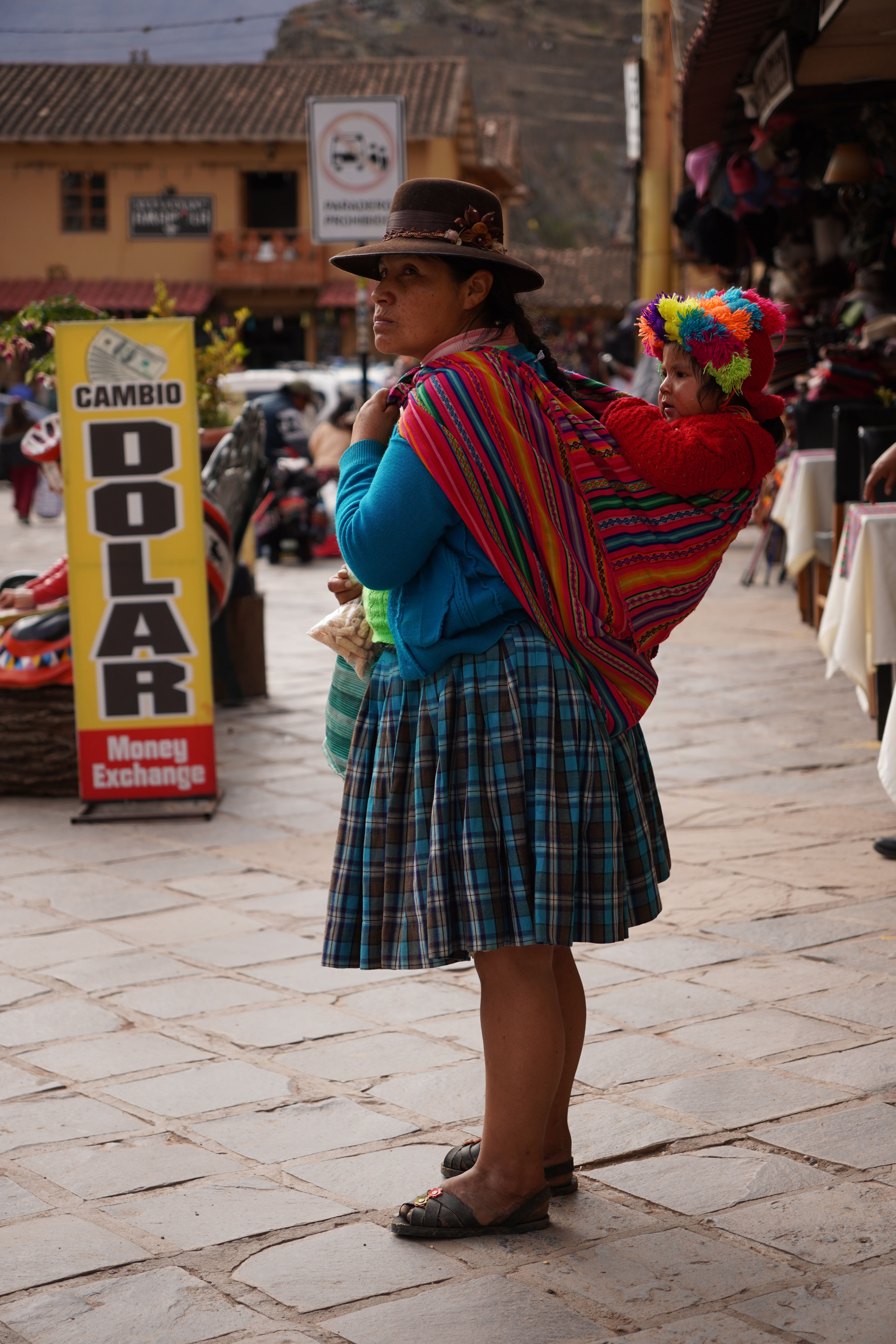
The fuel tank was almost empty, but there were also only a few kilometres left. We spent the last night at the beach of Copacabana, a small village at the coast of the Titicaca lake, but still in Bolivia. After some discussions we settled that most of the Copacanaba songs meant the famous beach in Rio de Janeiro in Brazil and not this tiny and quiet village we were sleeping at. We had a nice spot and linda was crazy enough to jump into the water the next morning. After that we crossed the border to Peru, which was again pretty easy and straightforward. After getting some gas, which was incredibly easy….We could just buy gas at a gas station, how crazy. Although it is normal pretty much everywhere in the world it seemed special to us after visiting Bolivia, we just needed to sort out some things. We needed cash, a sim card and SOAT, which is a traffic insurance, that is mandatory in Peru and all of these things seems not so easy to be organised in the little border town of Younguyo. Everyone said something different and after multiple tries we at least got some cash, but although everyone was sending us from one mobile phone store to the next nobody seemed to be able to sell a sim card. But what we already learned in that little village was the fact, that we will have to buckle up for the traffic in Peru. There are pretty much no rules at all. People are taking over left and right, just running over the streets without looking, even with a little baby in their arm. Maybe more on that later.
So we continued to the bigger town of Puno, there we sorted out the SOAT insurance pretty quick. The lady even spoke some german.
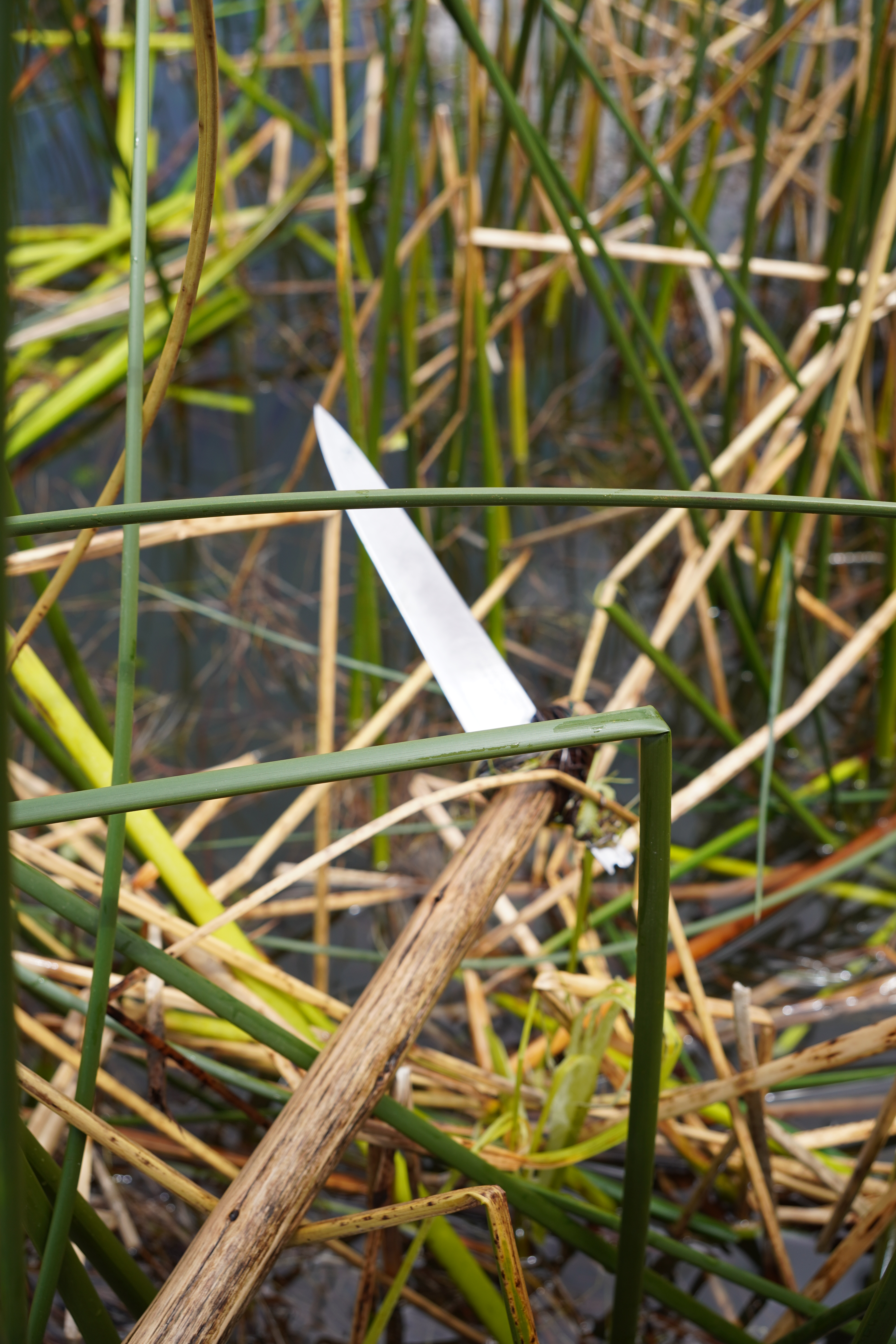
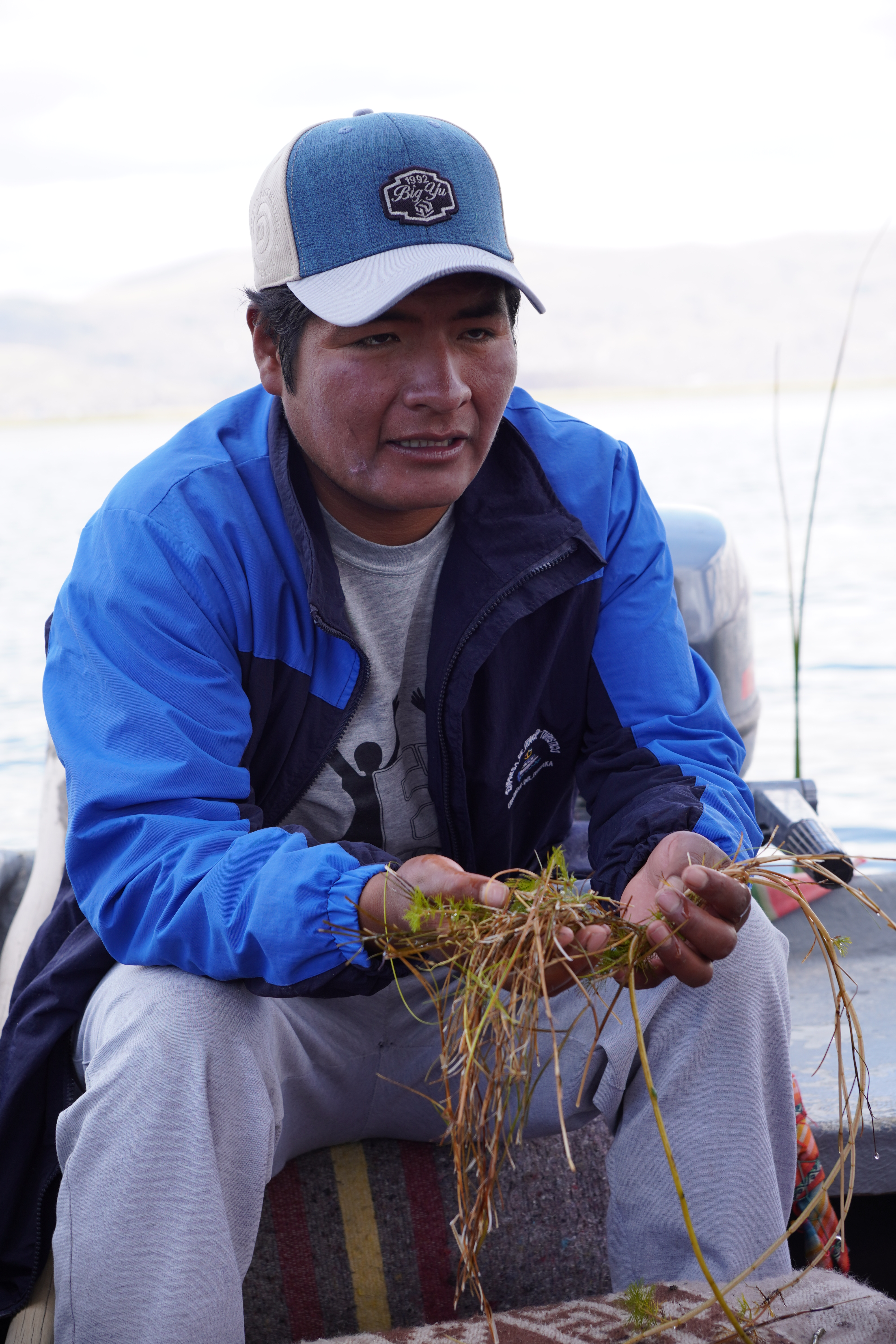
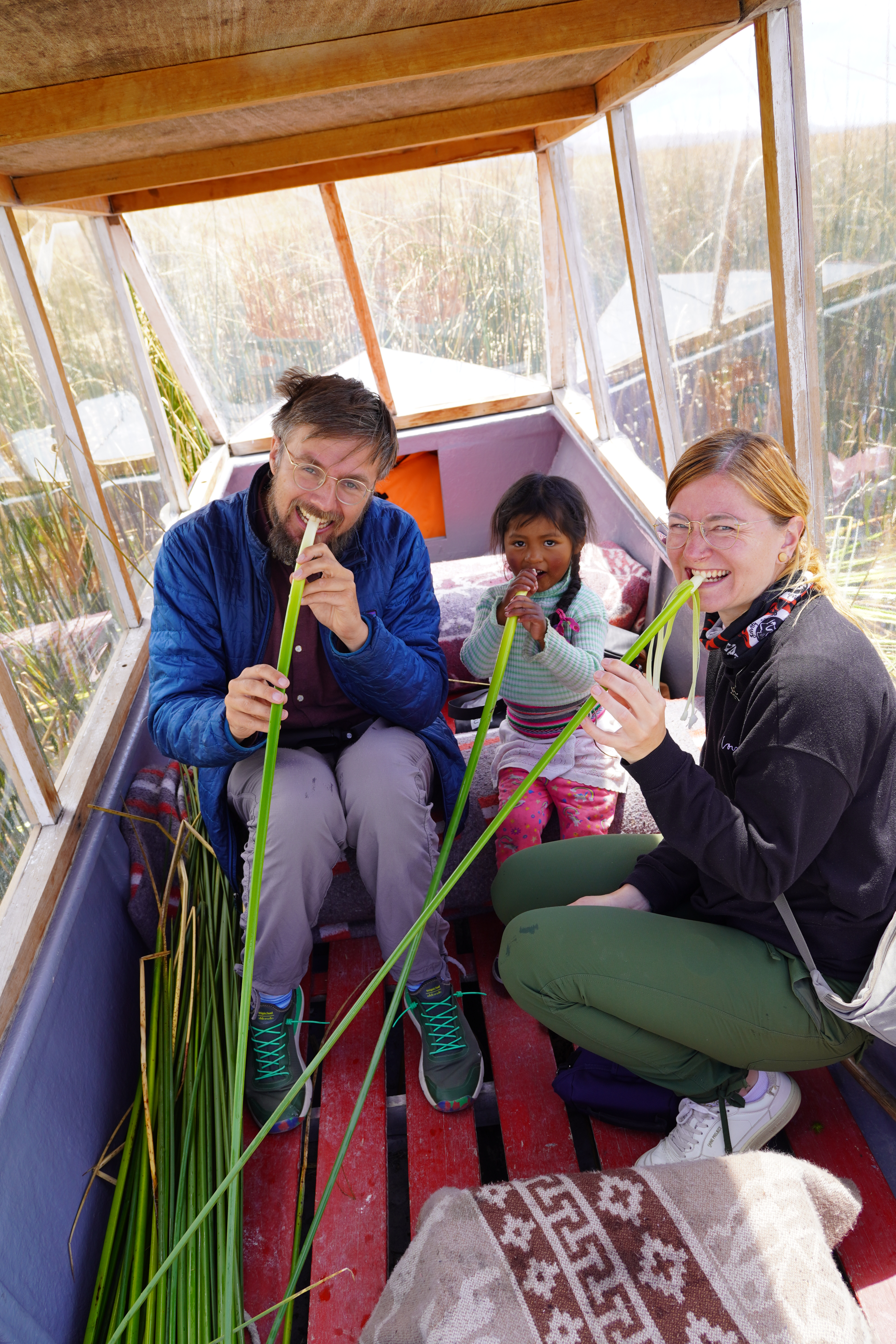
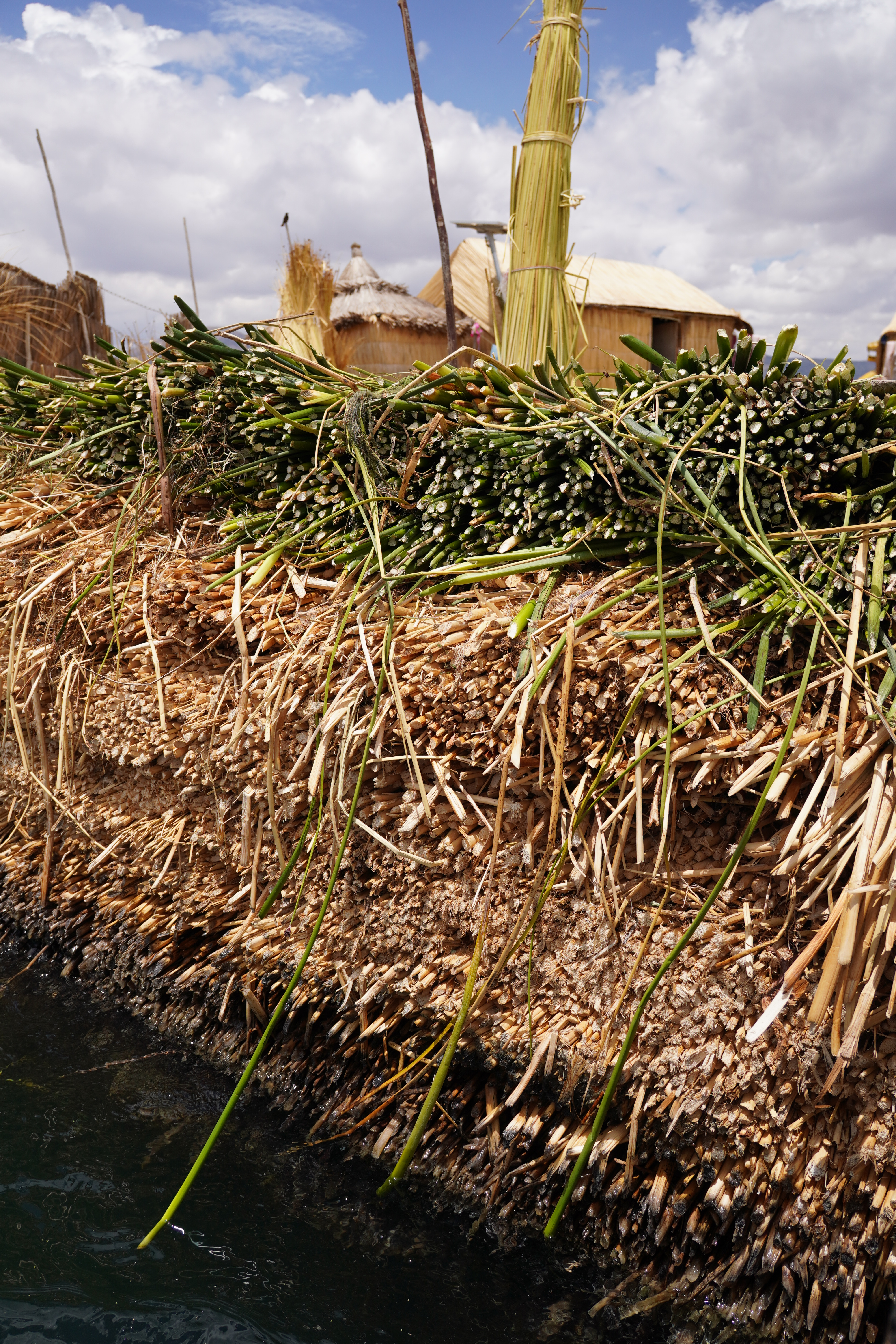
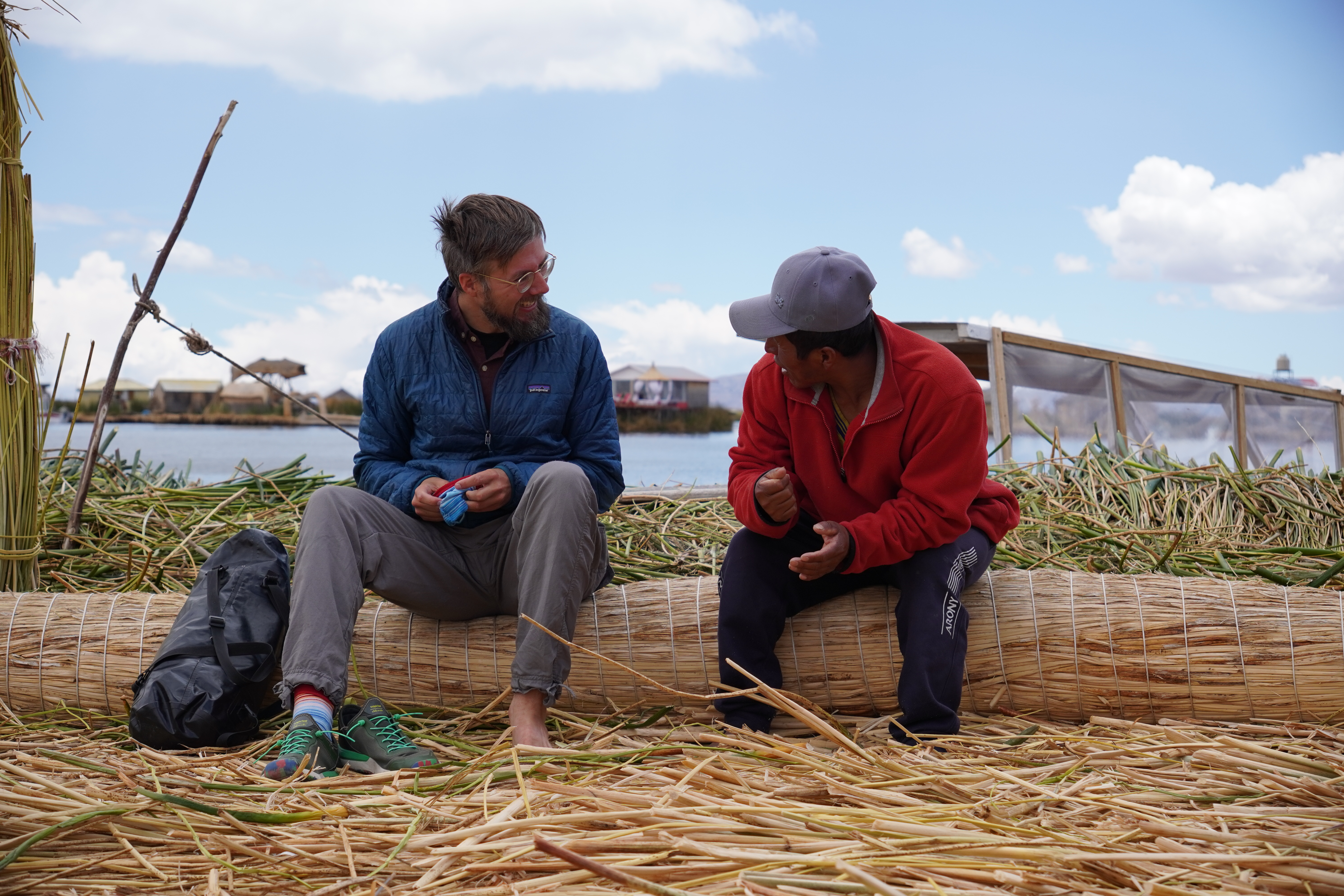
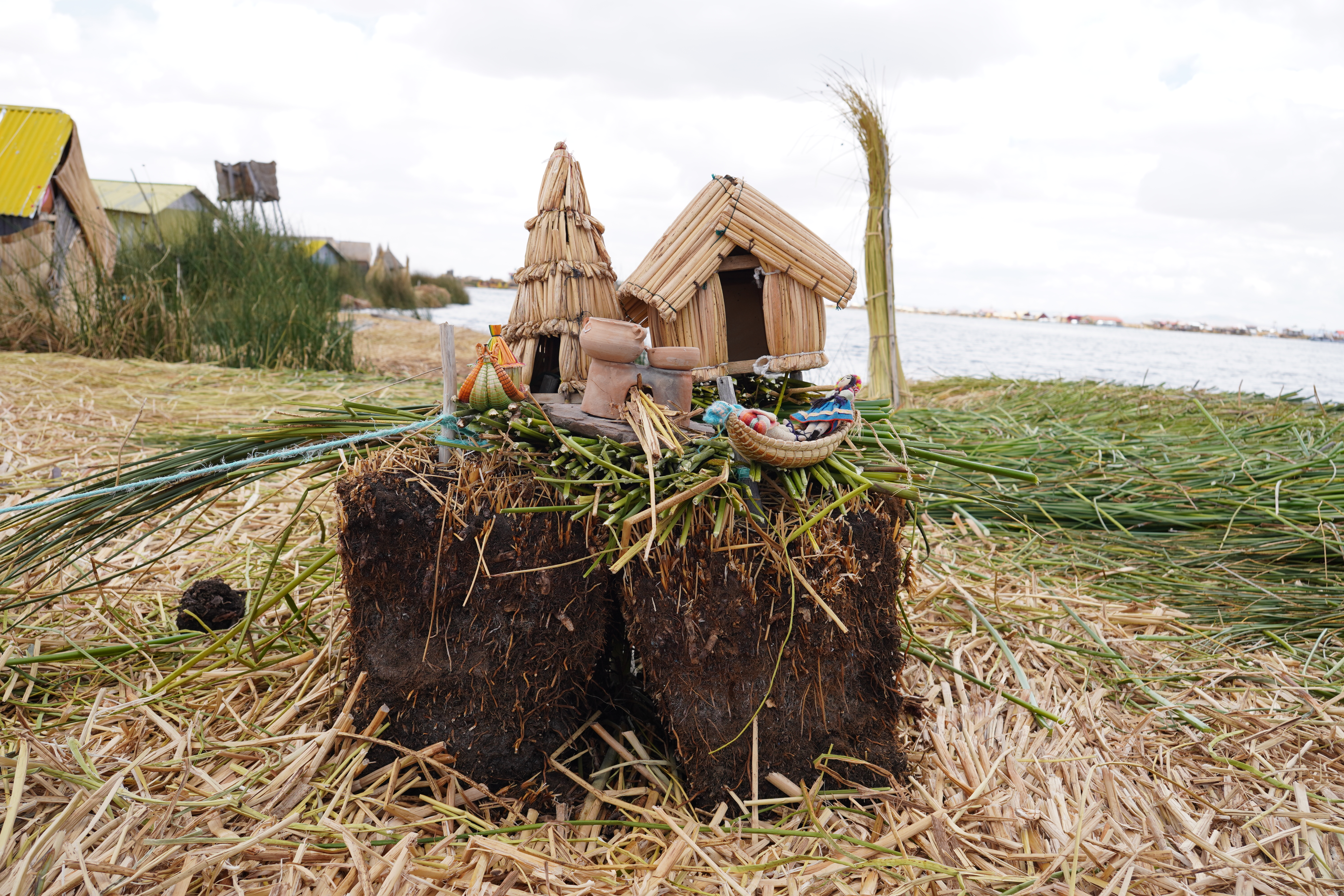
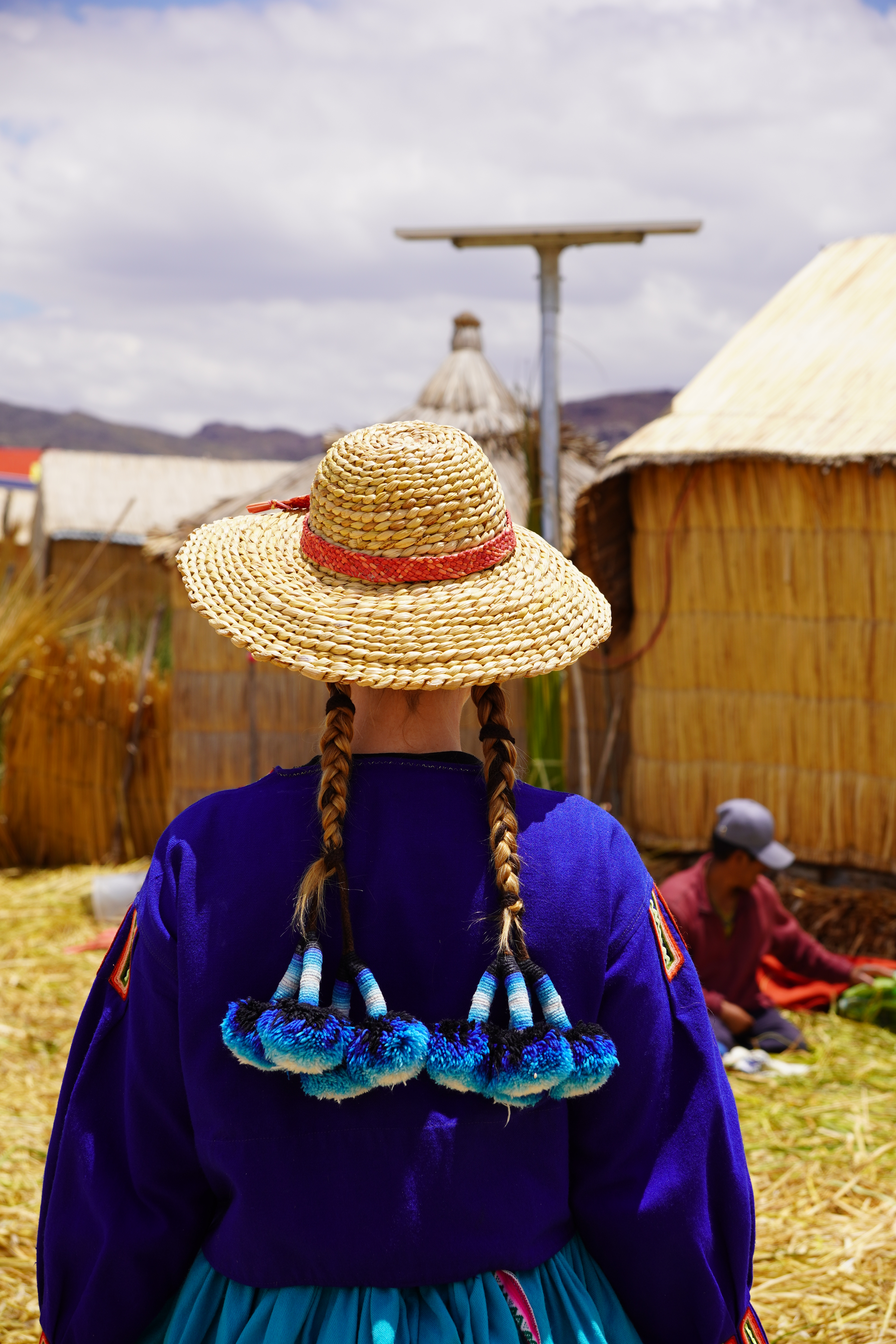
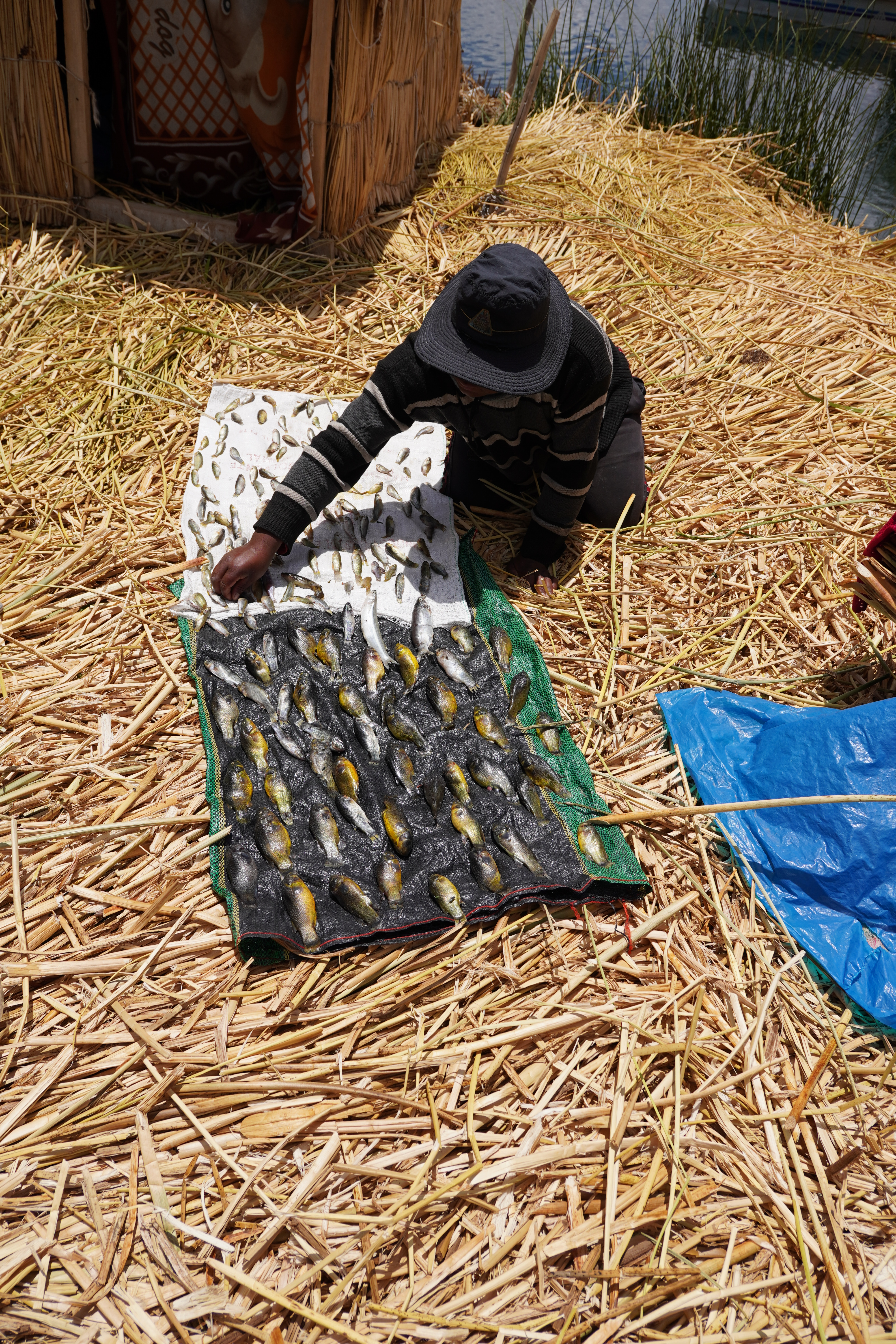
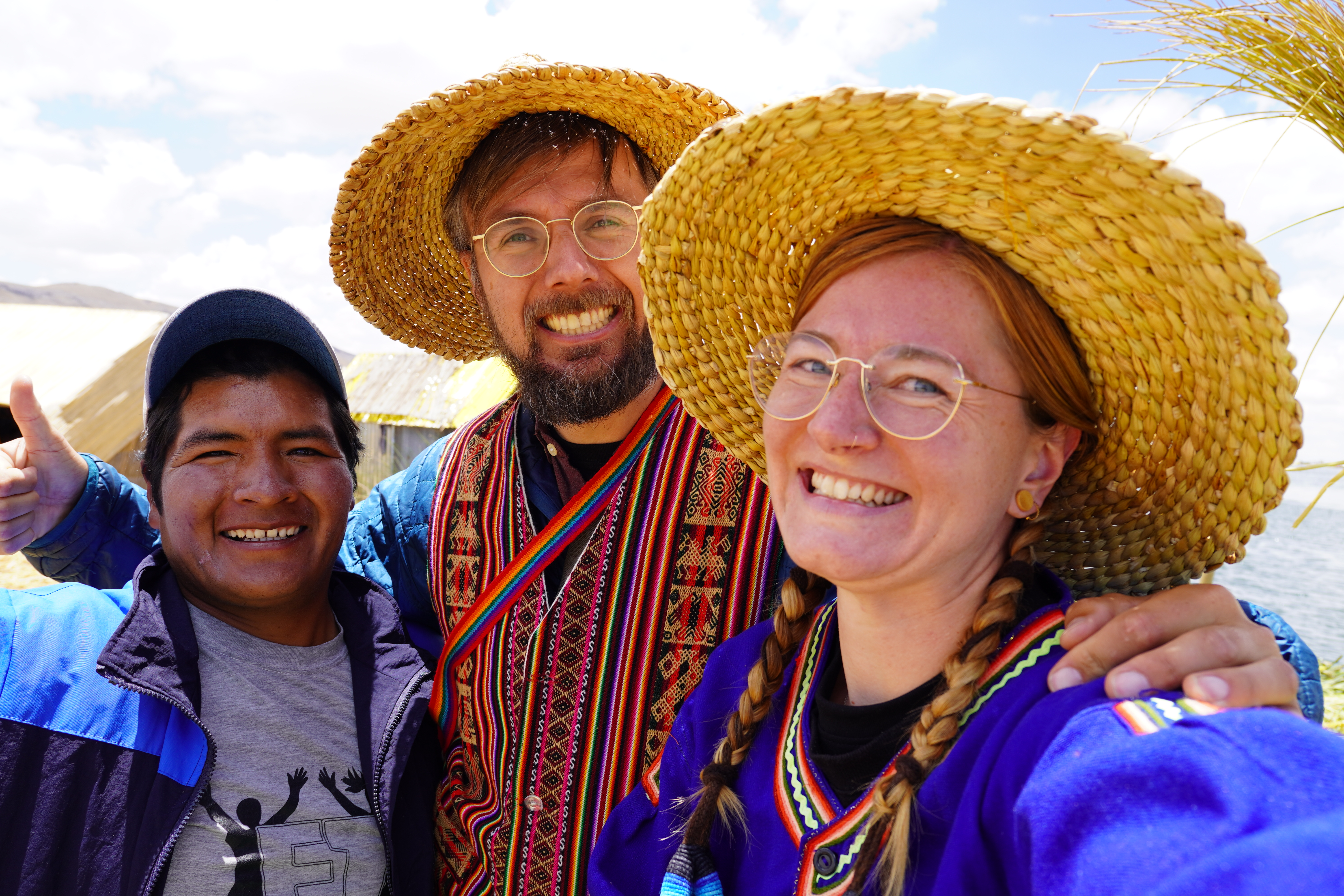
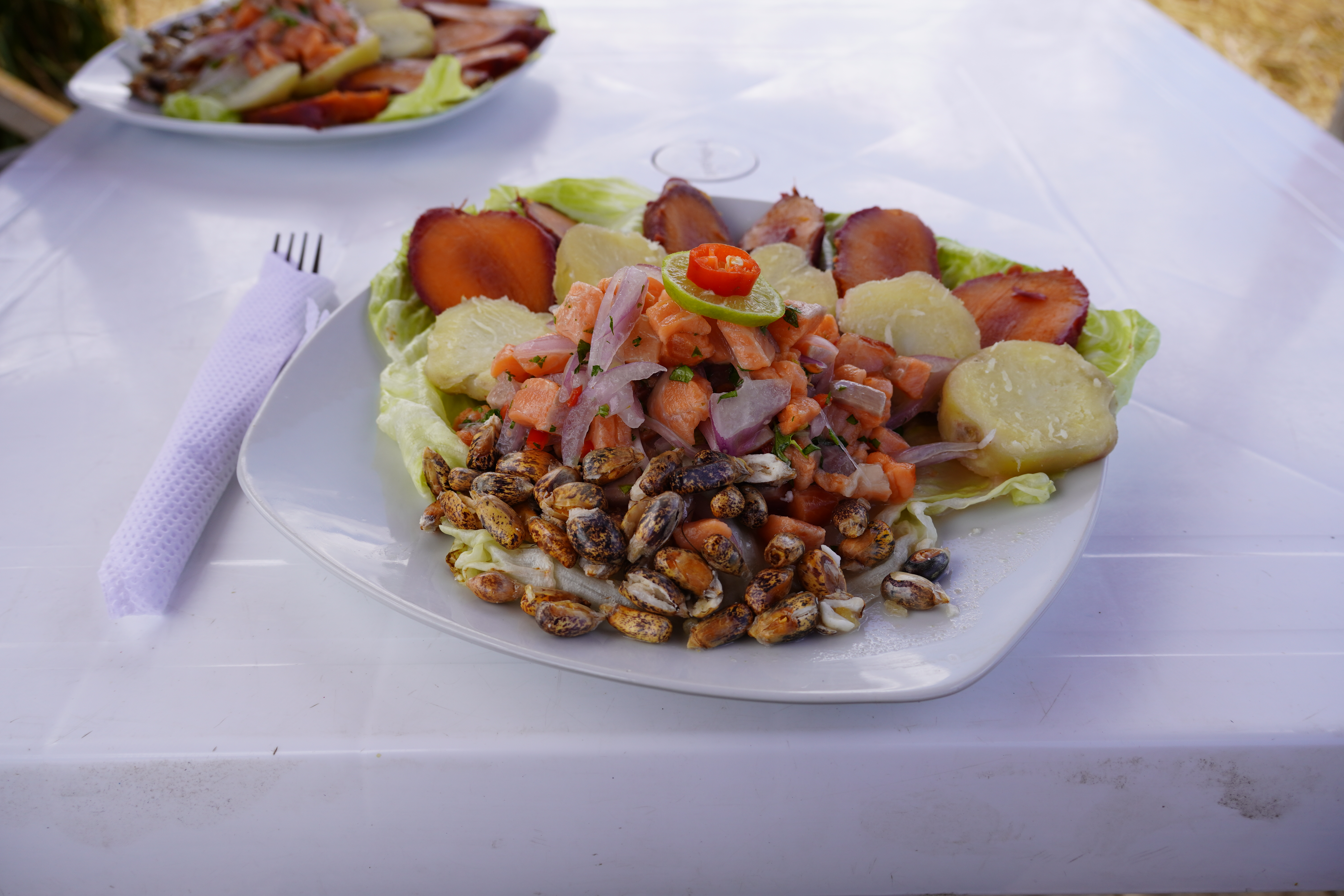
After waiting some time in the city center I even managed to organise two sim cards. We found a nice little spot on a hill overlooking the Titicaca lake and still organised a visit of the floating islands for the next day. The floating islands or „urus“ are a group of about 140 islands, that are built of a certain kinds of reed (that is named “tortura”) and approximately 2000 people are living on these islands. They are a big tourist attraction and many of the people living on these islands live of the tourists, that book tours. Some still live of the fish they catch and mainly trade at specific markets. The funny thing is, that these islands are not even very old. In older times people lived on boats that were build with the same kind of reed, but had to be completely rebuilt after a certain time. About 70 years ago there was one big floating island and after disputes it broke apart into several smaller islands, which still happens nowadays if families that share an island start to disagree. The islands are built on top of the floating tortura. For a new islands small blocks of this reed is being collected and bound together and than new reed is put on top until a surface is high enough to walk on it. Every ten days the full island needs a new layer of reed, otherwise the island would sink. If preserved well an island can sustain up to 25 years before the base is too rotten and cannot carry the weight of the little huts and layer of layers of new reed on top of it. Than a new island needs to be built. We had booked a private tour with Richard, who lives on an island. Other overlanders had recommended him to us. He was a really nice guy and his english was so bad that we mainly talked spanish (so I hope I got everything right that he explained us) He showed us how the reed is being harvested and we even did it ourself. Also he gave us some to eat, since the reed can be eaten as well. HIs little daughter was with us on the boat at that time. Than we drove to his island and he showed us which fish they hunt (mainly trouts, that are not native in the lake and were brought by the french many years ago) and how they built and sustain the islands. The island they live on is build on 28 tortura-blocks. The roots are about 2m deep, while the layer on top is at least one meter high. On 8 ankers the islands is connected to the bottom, so it does not float away.v We than got some clothes to try on for pictures (which seems to be a thing in Peru….so we let them do it to us) and of course they tried to sell some souvenirs as well. All in all they were pretty friendly and we did not have the feeling of a tourist trap there. After that we still visited a more touristy restaurant island with their own trout pond and enjoyed some really good ceviche there. Richard drove us back and we took him with Rosi to the City centre before we drove off in the direction of Machu Picchu.
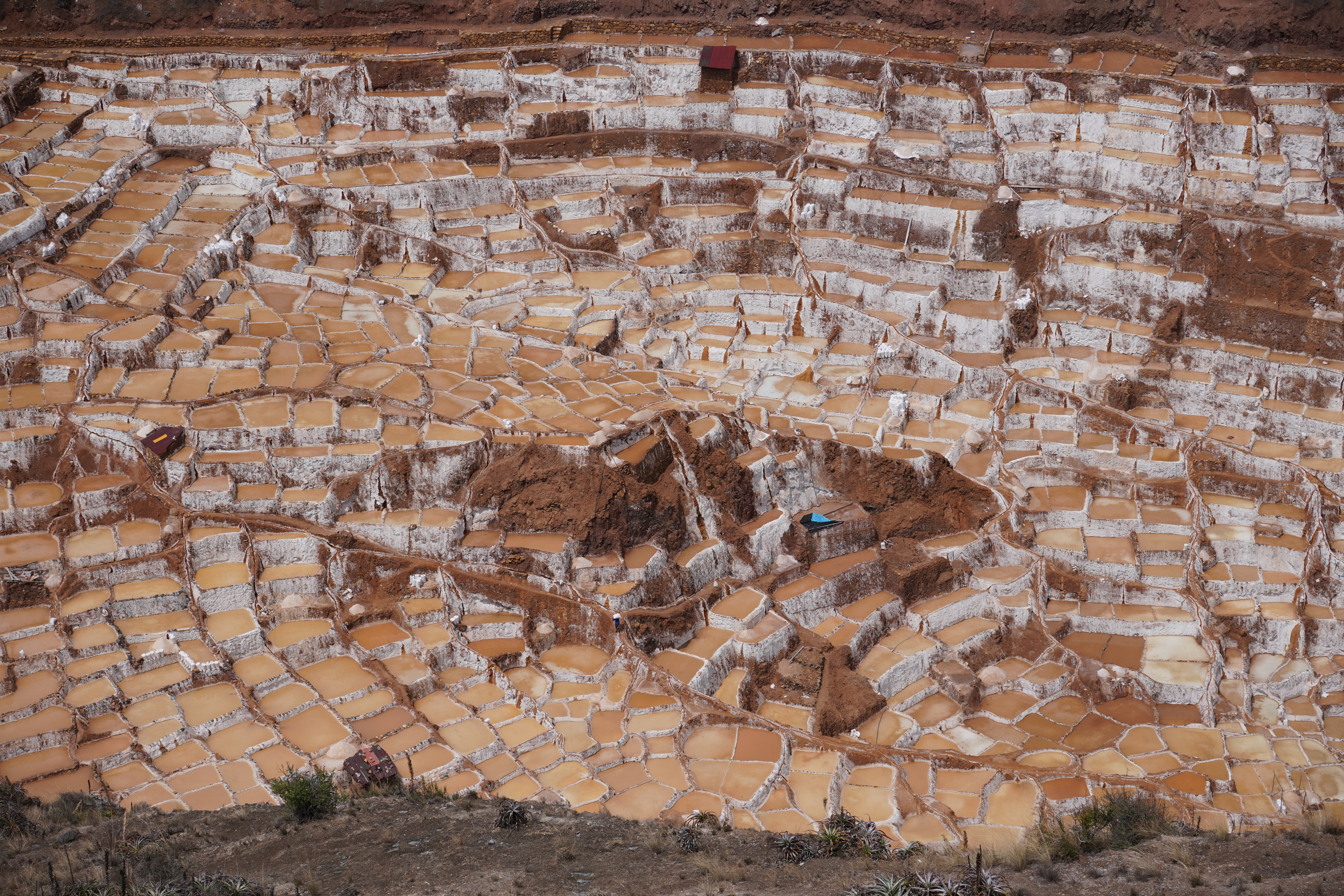
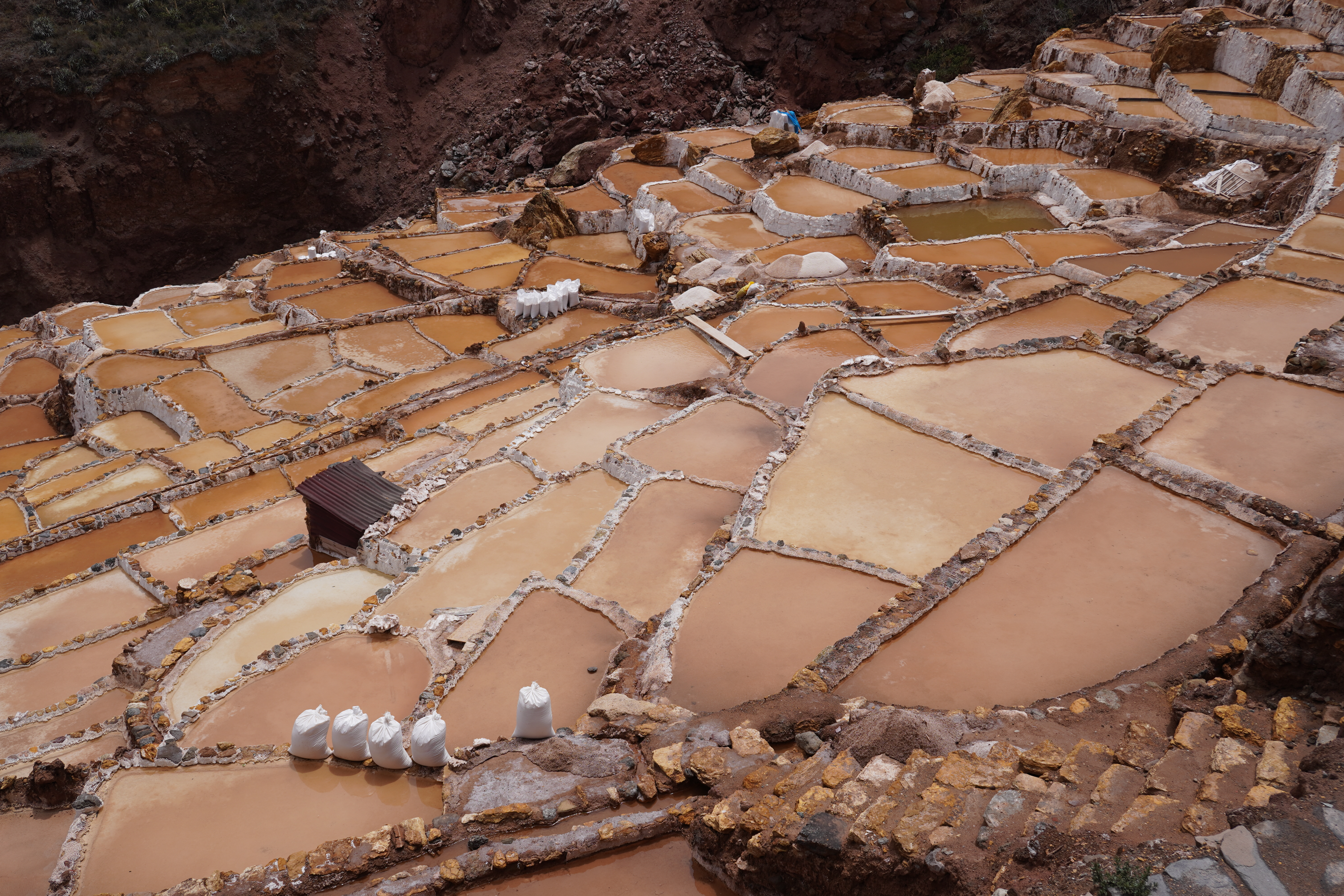
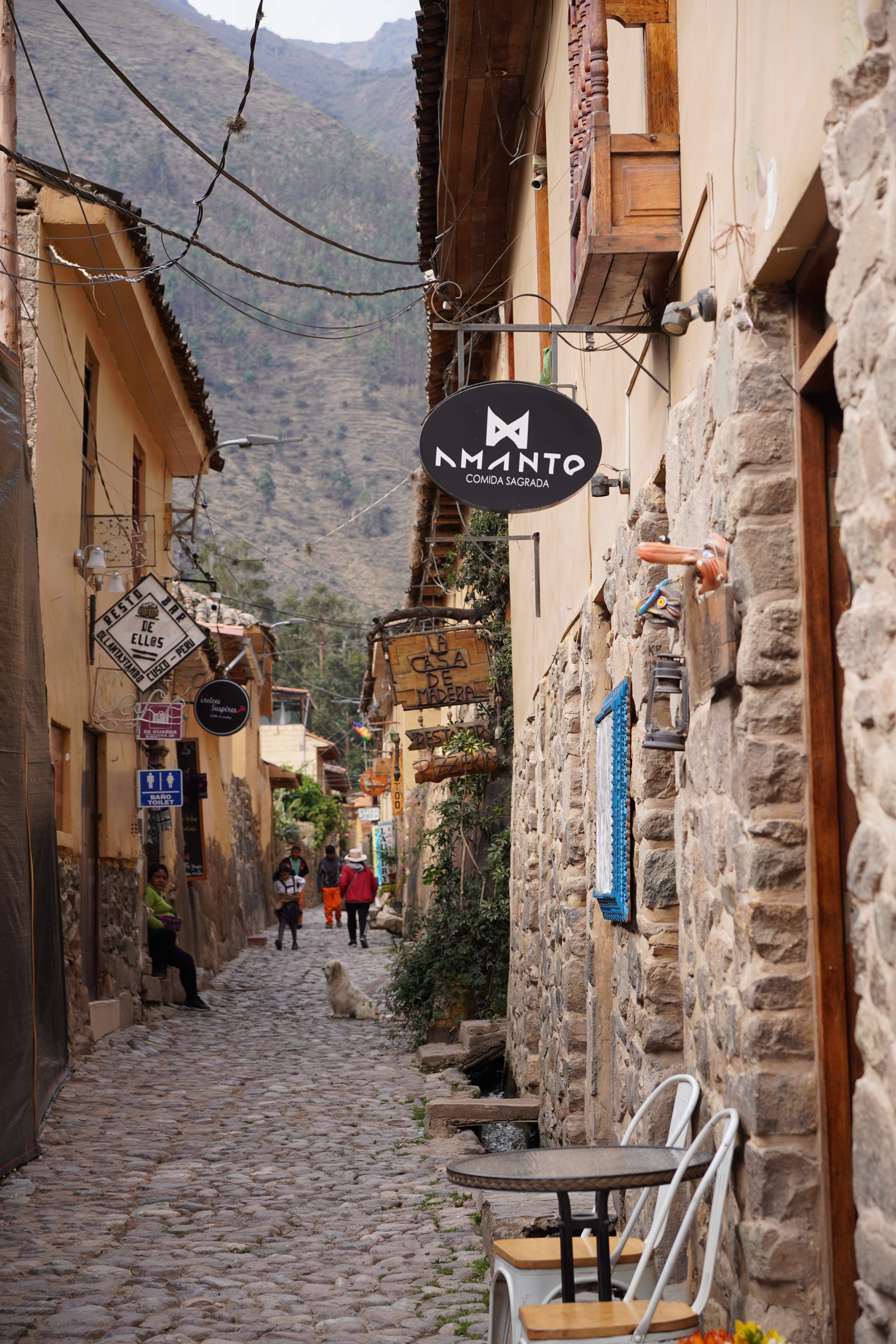
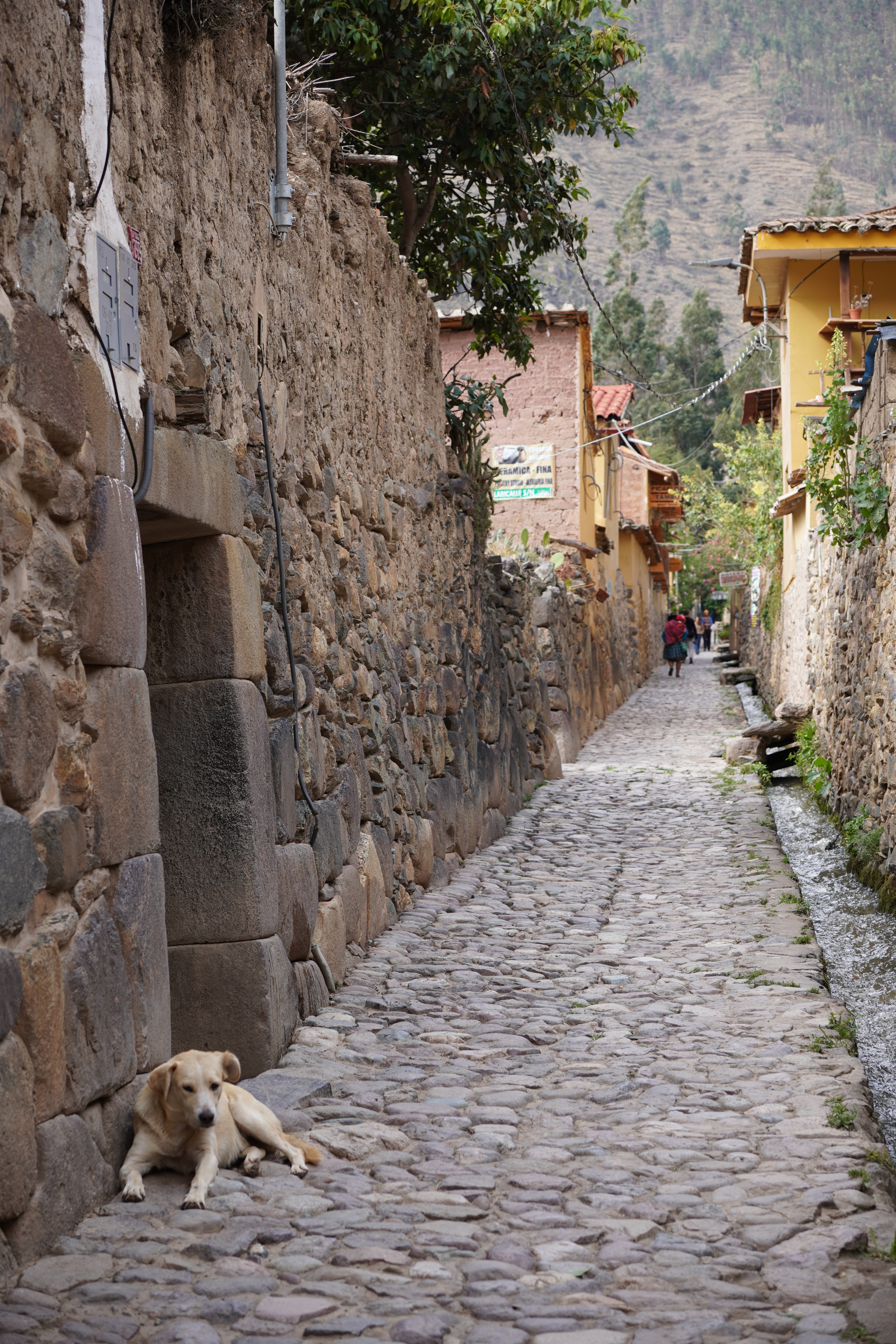
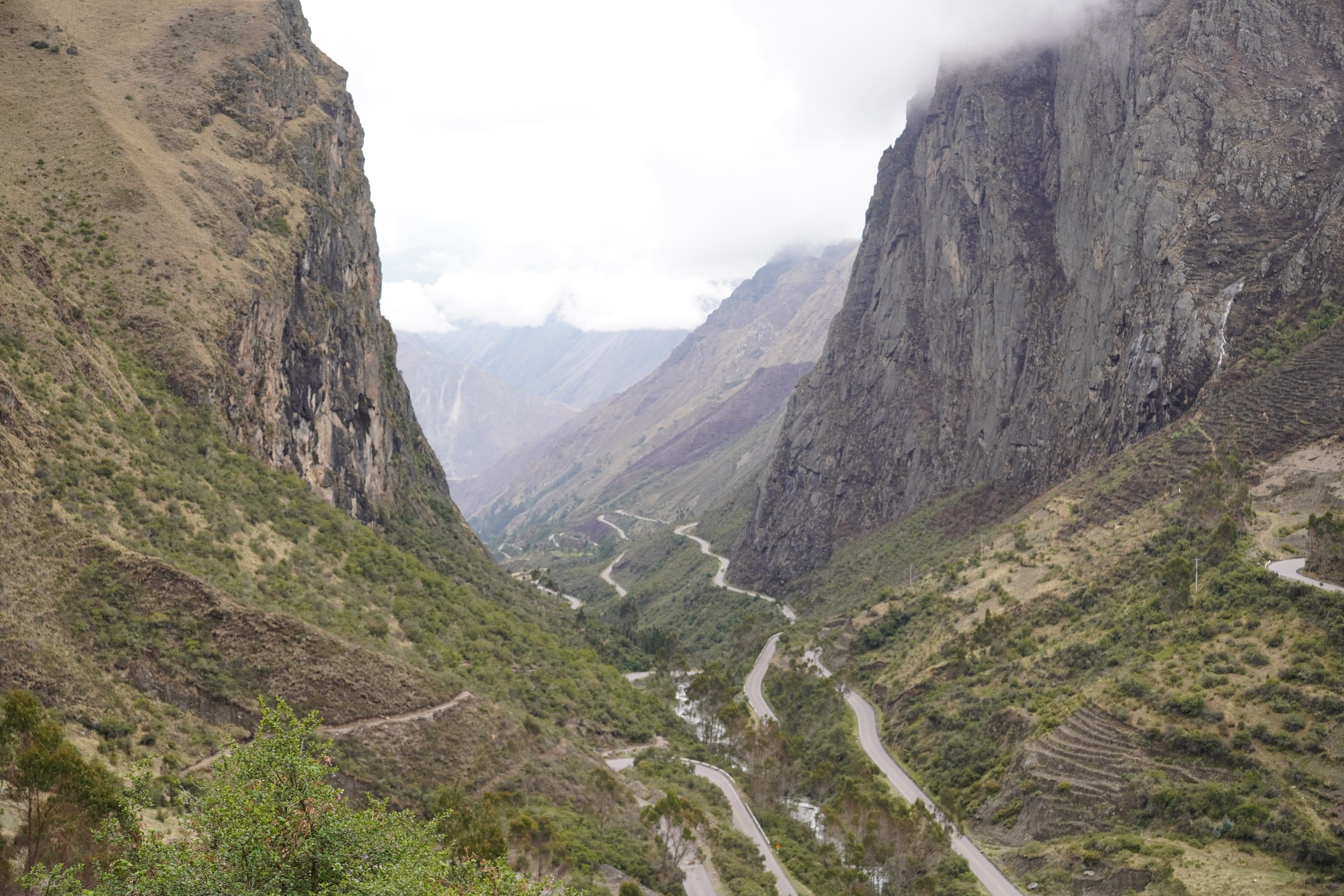
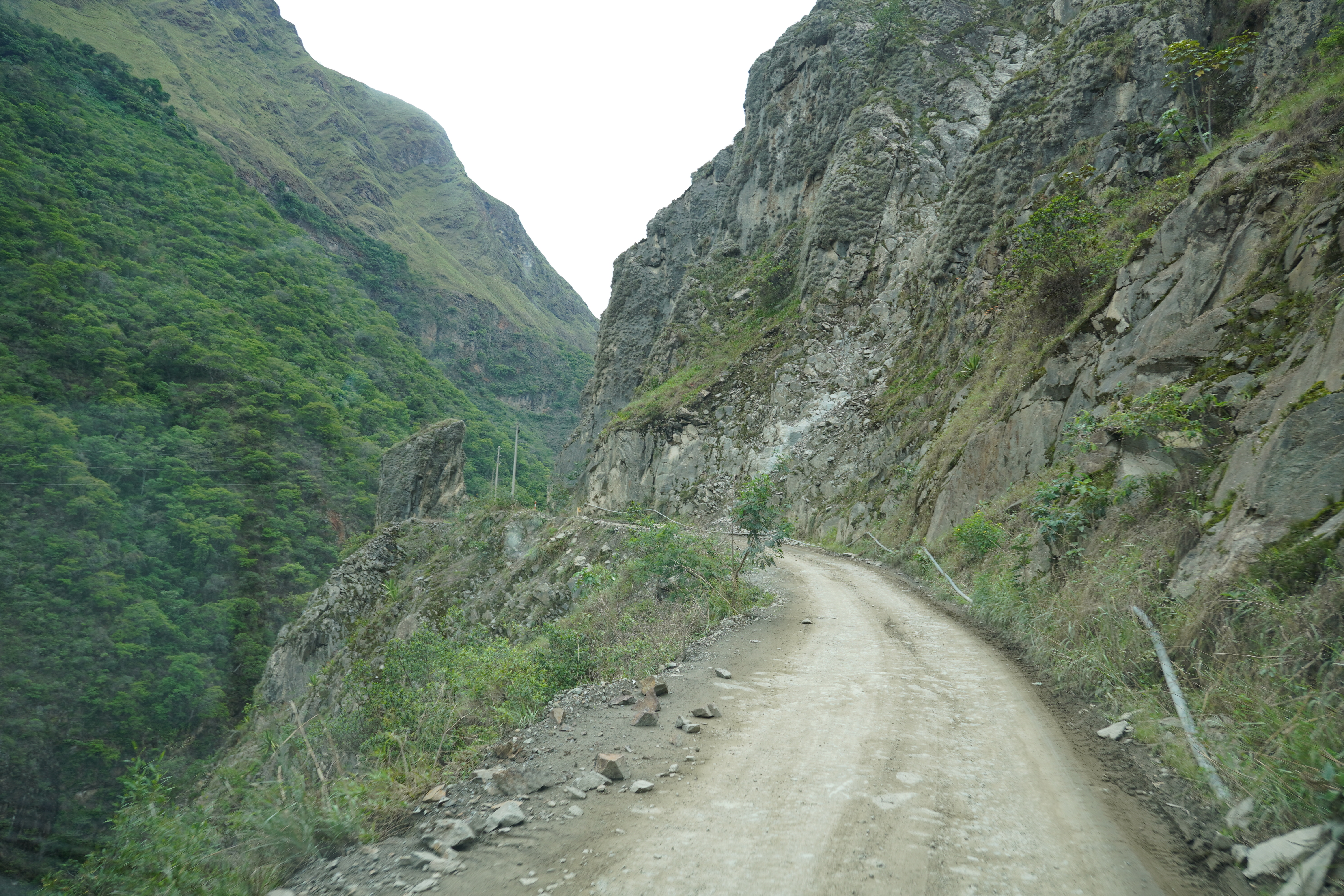
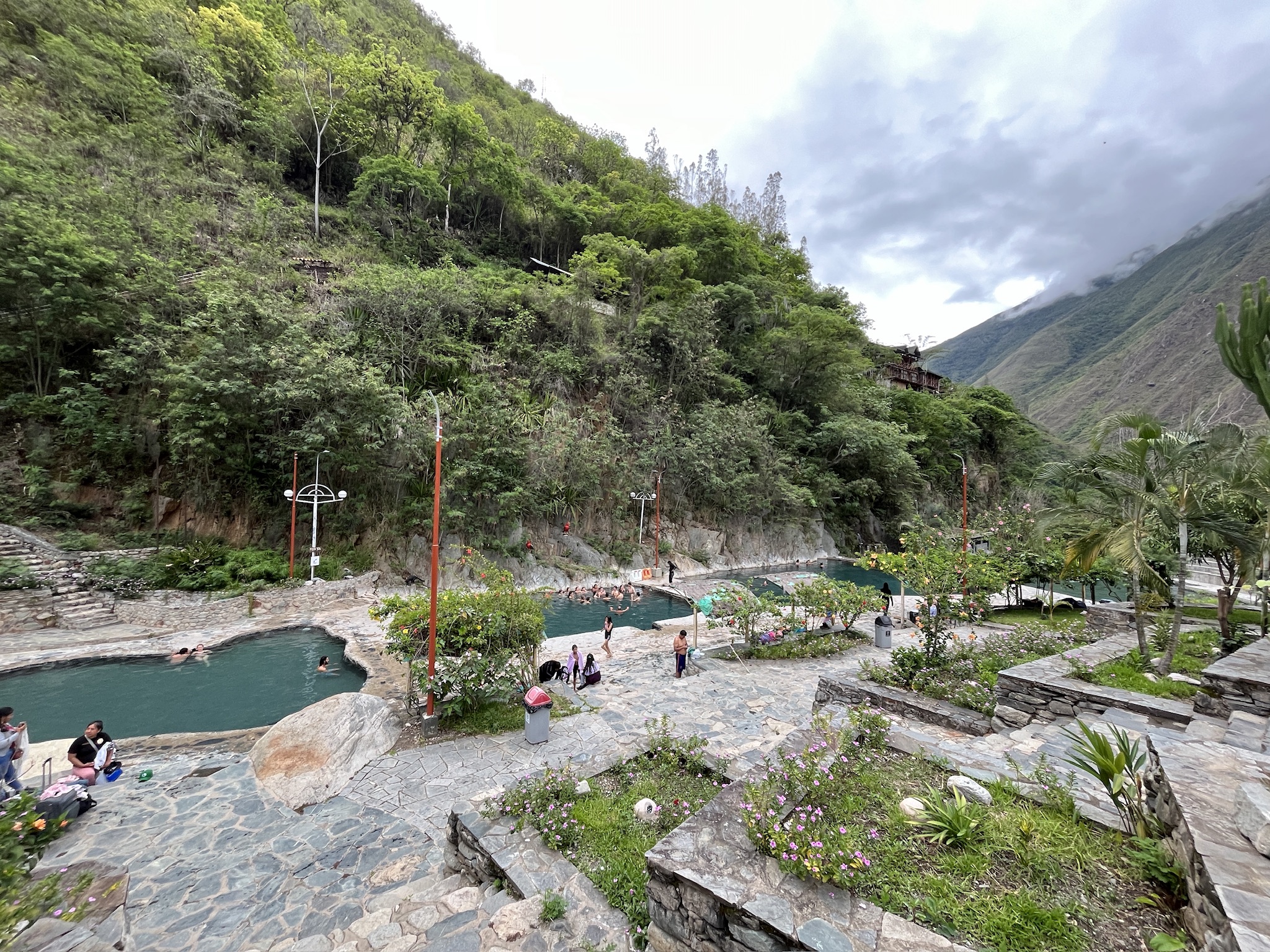
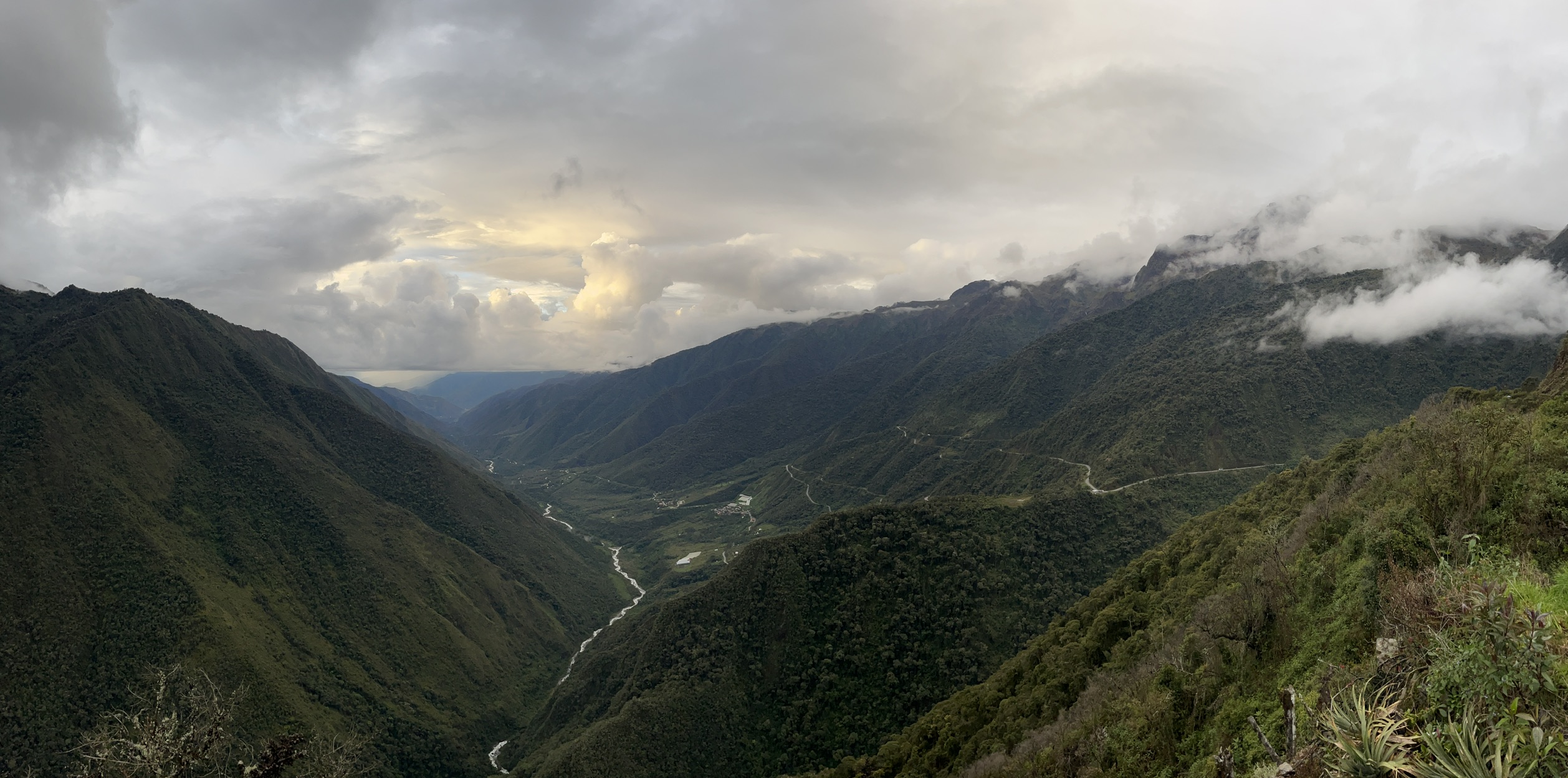
The way took us a few days, but we visited the impressive Solar de Maras, where salt is being harvested since the inka times and the beautiful little inka town Olantaytambo. The village exists since inka times and used to be an inka fortress which remains can still be visited. Many of the houses of the village are based on old inka houses. Although the village is very touristy we enjoyed the flair and explored the little narrow streets, enjoyed good coffee and good food. WE could park in a secure parking lot very close to the village center and since this did not happen very often, we spent some time in Olantaytambo. From there you could book a train directly into Agua Calientes which is the village under Machu Picchu, but it cost about 70 USD one way per person, which we thought is way too expensive, so we took the road to Hydroelectrica on the other side of Mach Picchu. To get there you need to pass a 4300m high pass and the last 50 km of the road were currently under construction. With support of a Chinese company (and only Chinese trucks) a huge wide new road is being built. The majority is still a dirt road and in the last rainy days it became pretty muddy. Mixed with the fact, that ALL Peruvians drive like the devil himself is chasing them and that the workers of the construction side don’t get the concept of one way lanes, the road turned into a deathroad like adventure. At many points the construction site had people sitting on both ends of the one lane part of the muddy road next to a cliff, but they always let the cars from both sides in. So huge trucks and little cars ended up standing head to head on the one way road. It was the perfect chaos. Additionally the rain lead to small rock slides that made the streets even narrower at some parts. The short stop at the thermal pools of Cocalmayo de Santa Teresa was perfectly relaxing after there near death experiences on the road.
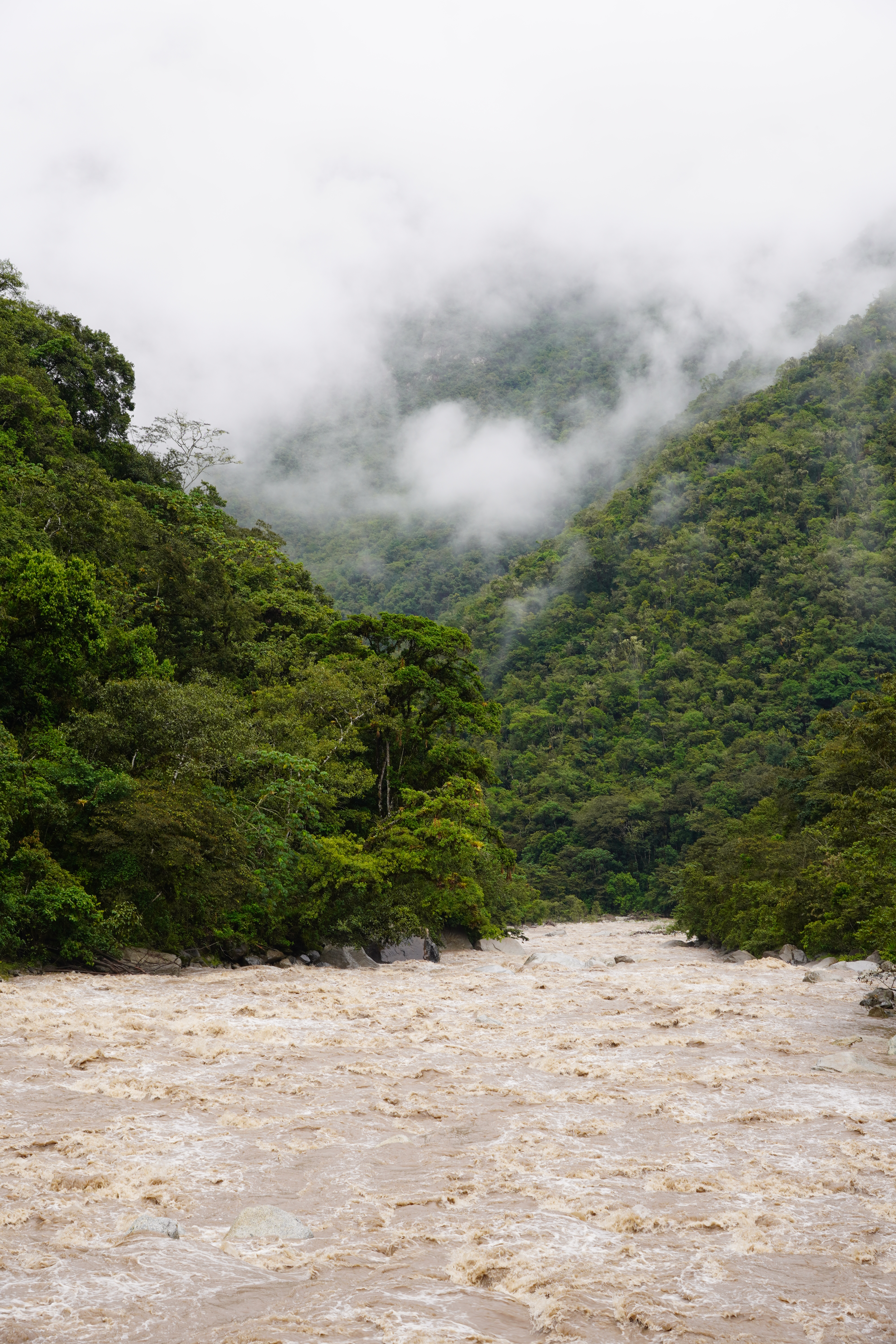
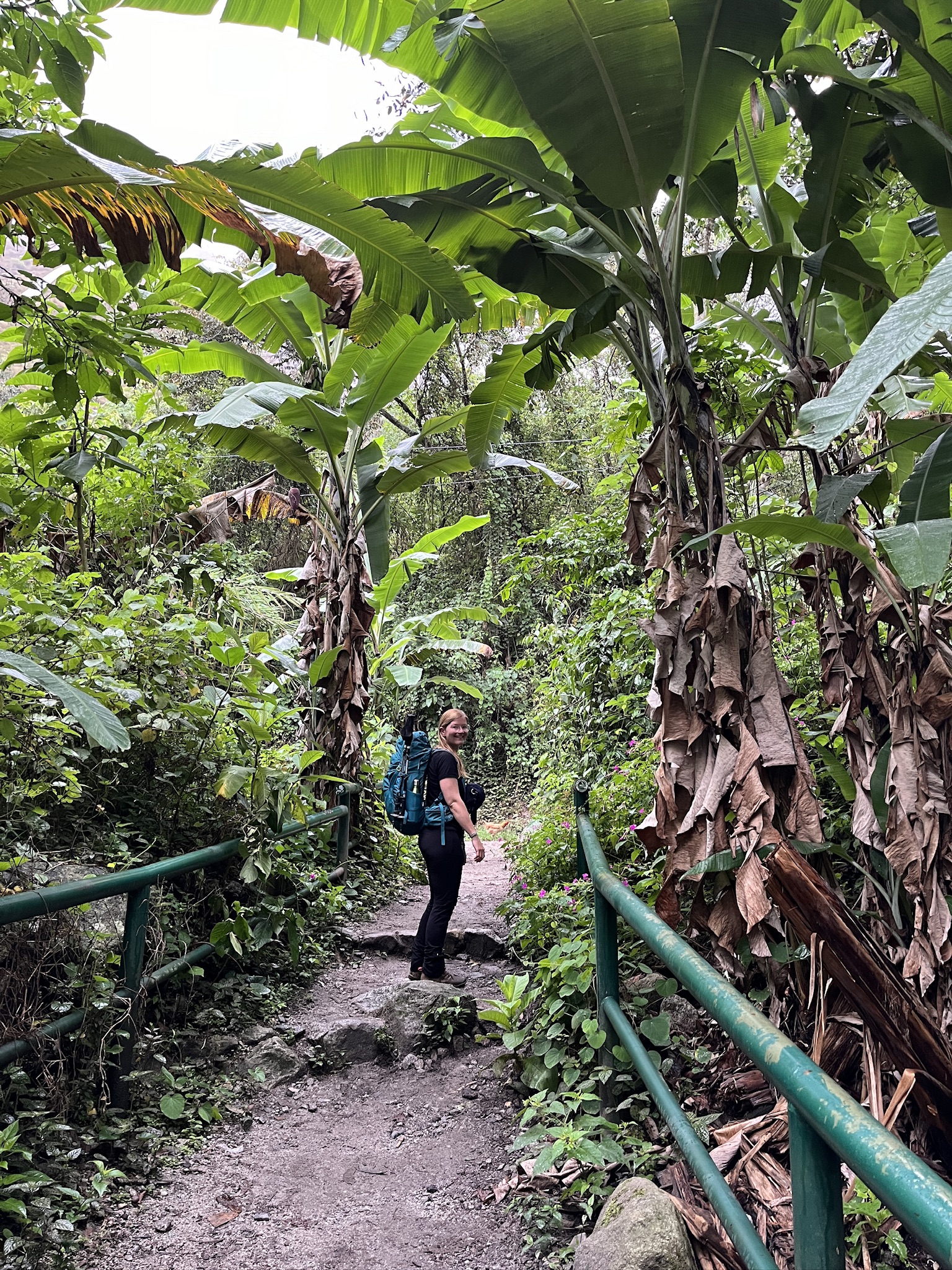
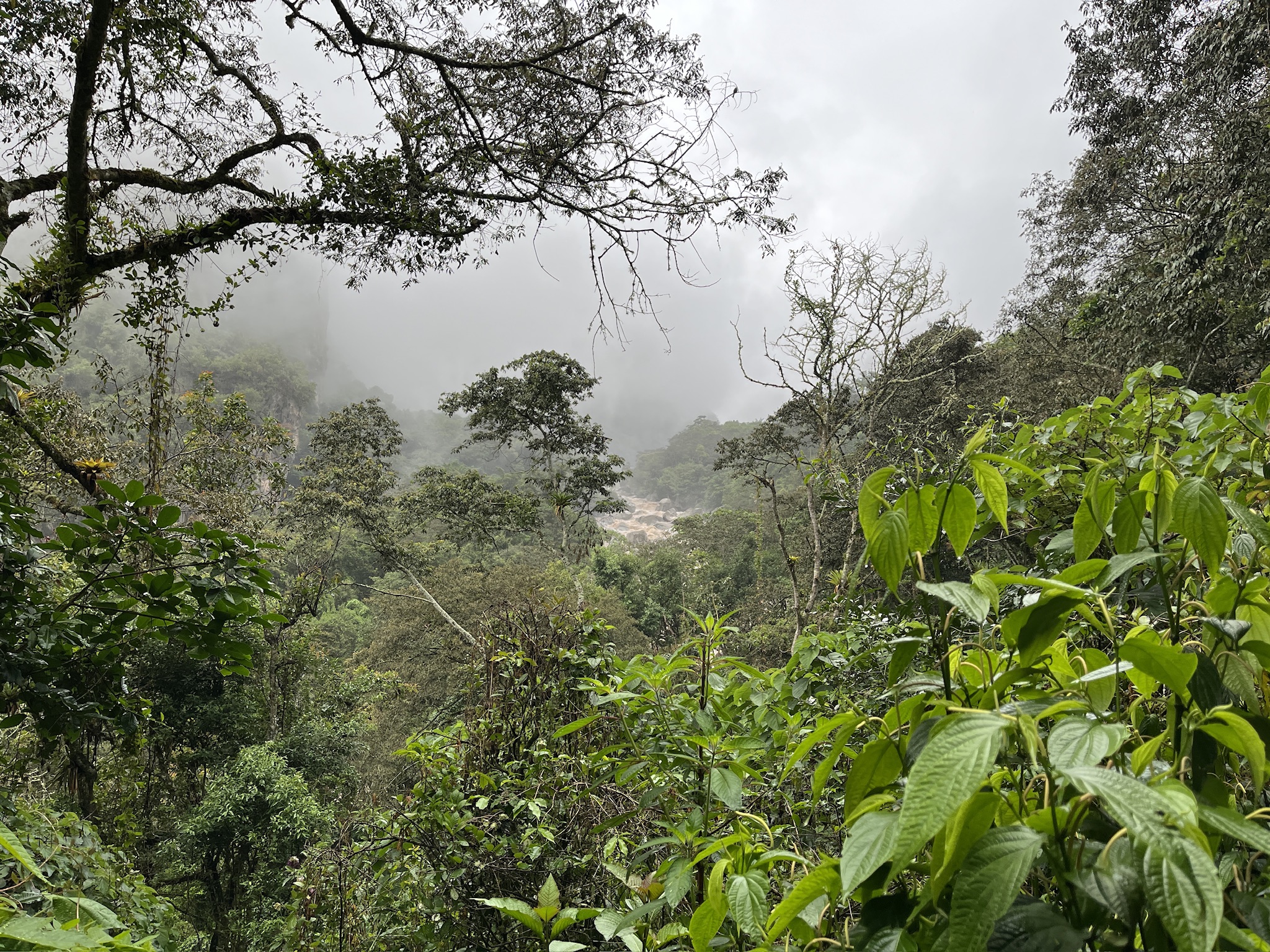
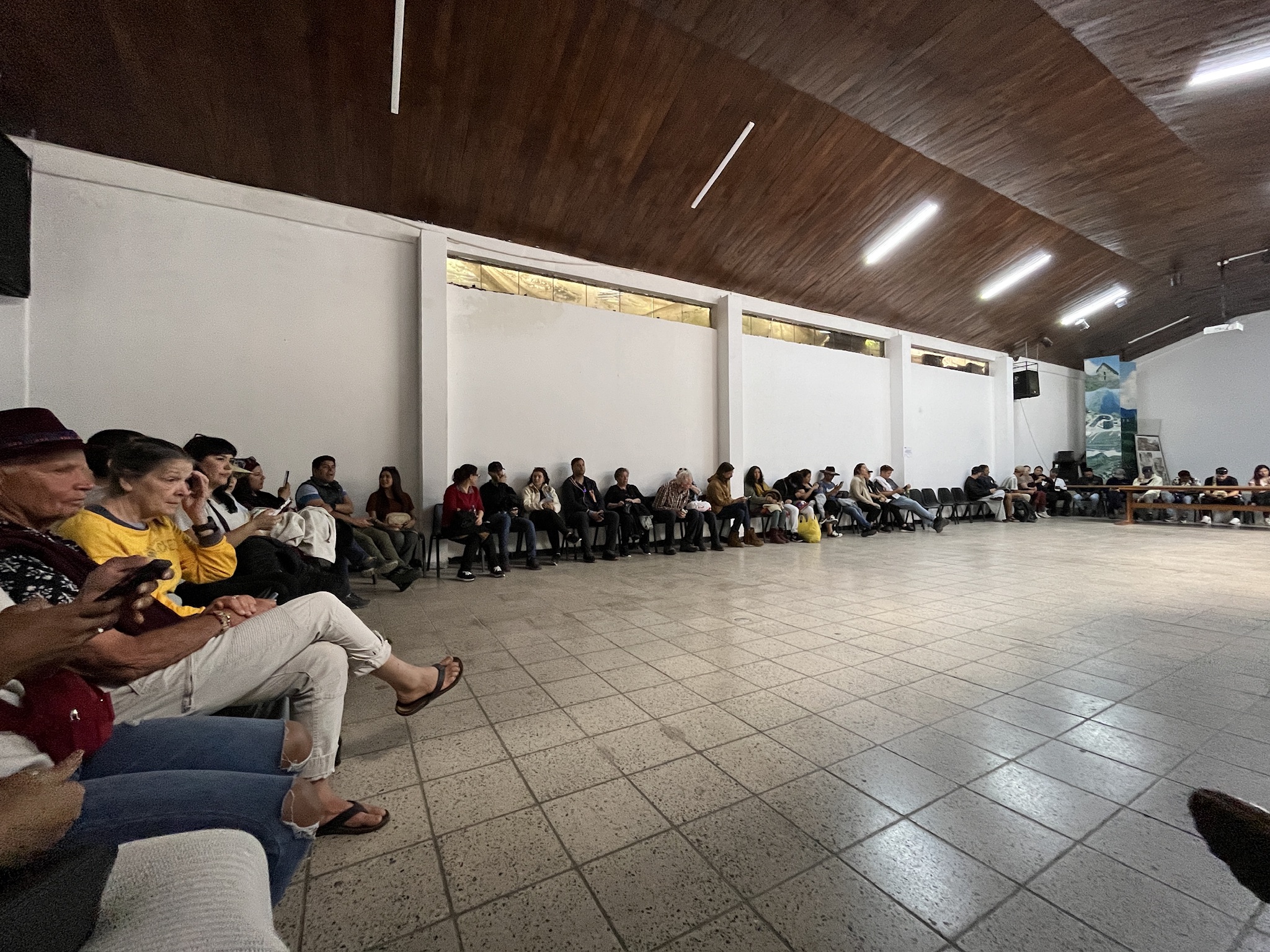
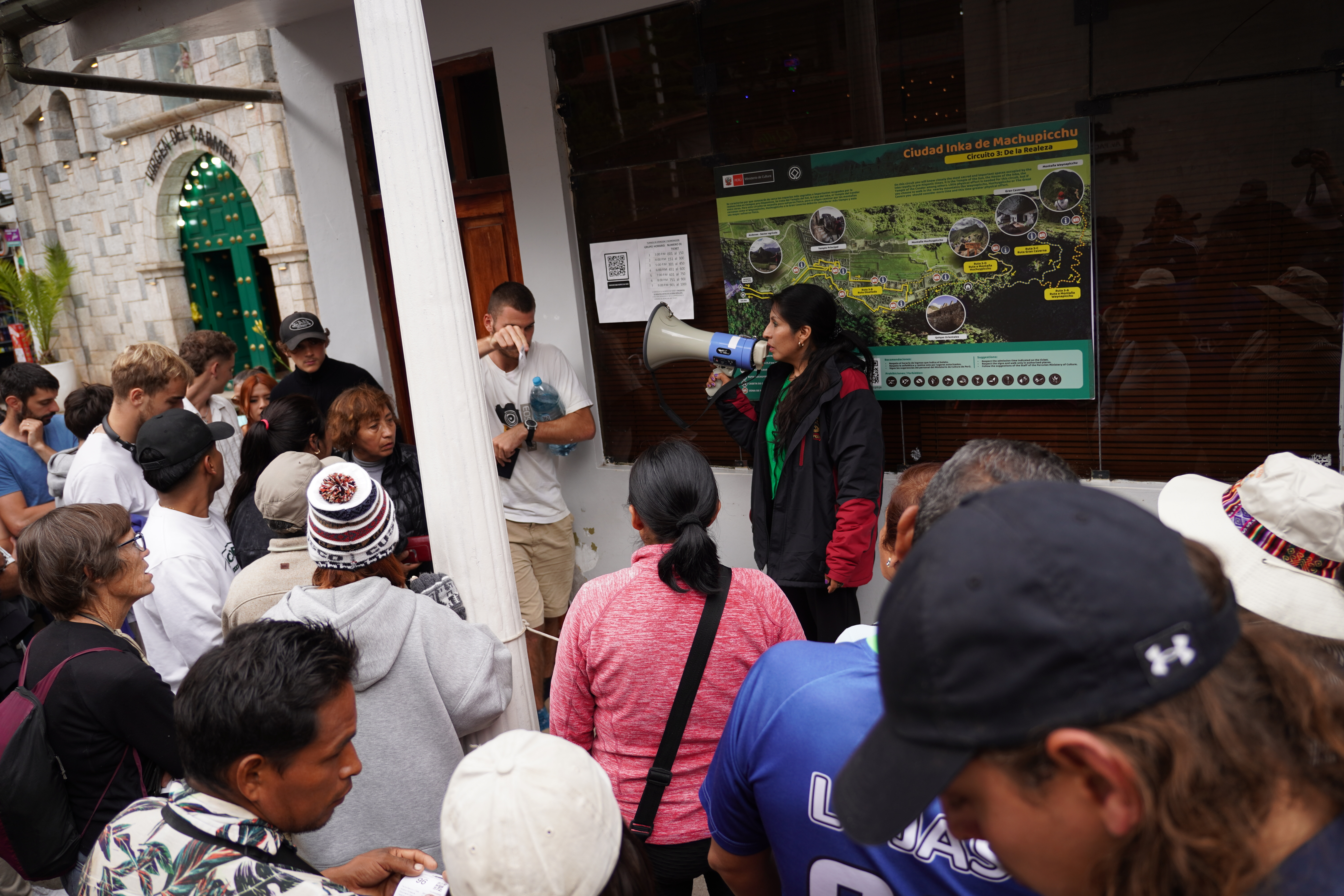
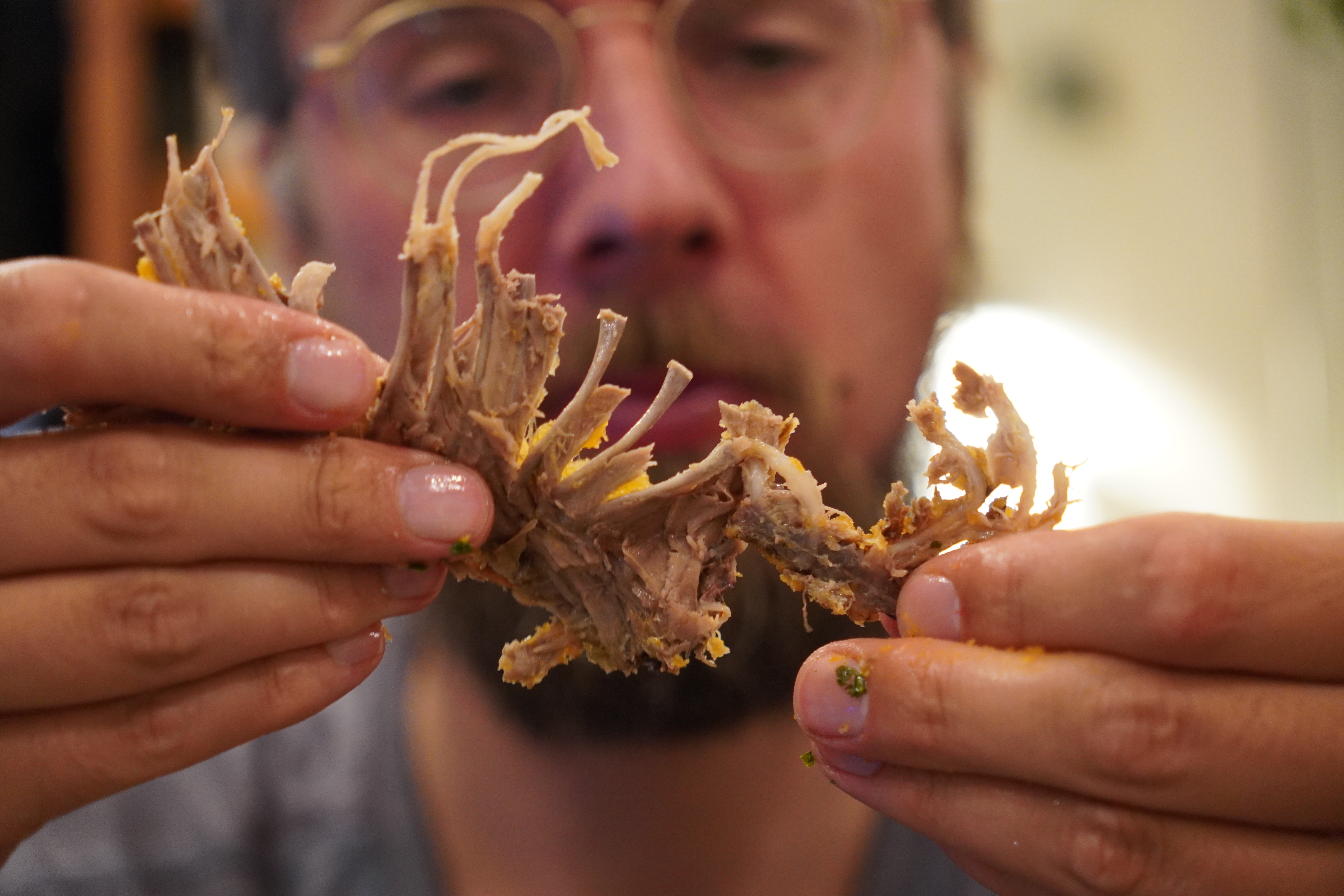
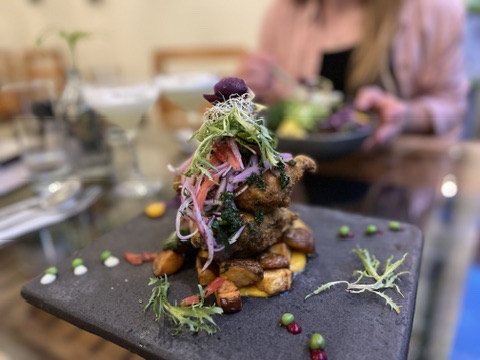
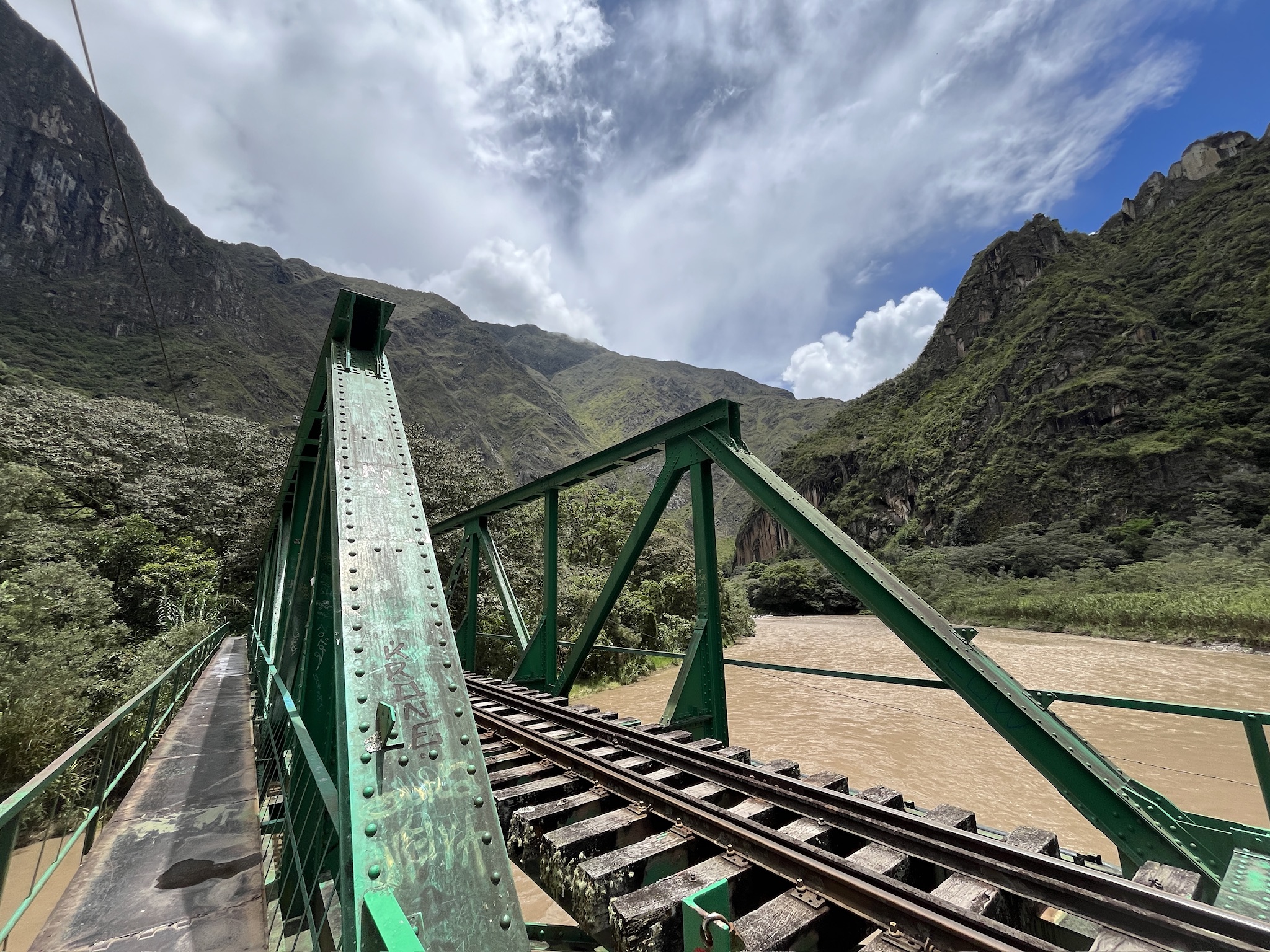
A few kilometres further and getting lost two times, we finally made it in the darkness to a secure parking from where we hiked around Machu Picchu into the village of Agua Calientes. Agua Calitentes is named after other hot springs in town and is also called „Machu Picchu village“ because it is the village from where you hike (or drive) up to Machu Picchu. It cannot be reached by car. You can only reach it by train from the east (Cusco & Olantaytambo) or west (Hydroelectrica) or by walking over one of the multiple day tracks or walking from Hydroelectrica. We walked from Hydroelectrica and started at 6 AM in the morning, so that we arrived after the beautiful 12km walk alongside the train tracks, at around 9 AM in Agua Calientes. where we directly went to the ticket office to get out „number“. With this number we needed to return to the ticket office at 3PM to than book our ticket for the next day to visit Machu Picchu. The village was the most touristic place we have been so far on this trip, but we still enjoyed fresh coffee and checked into our hostel before we showed up at the ticket office at 3PM. I am not kidding what happened next: There was a woman with a megaphone that called out every single number, so the people that earlier that day got a number now could enter in exactly the right order in the queue, but it was not a normal queue and the ticket booth was also not yet open. Every of the 150 people that appeared needed to sit down on exactly 150 chairs that were placed alongside the walls of multiple rooms. When the ticket booth finally opened, you had to stand up and move every few minutes for a few more seats. This procedure repeated itself up to 7 times each day to sell the 1000 tickets that can be obtained like this. The majority of the tickets is being sold online. There are so many more way to make this more efficient and less of a hassle, but this was the way, and we played along. Because of all the early morning mist on our hike around Machu Picchu, we decided to not buy a too early ticket and decided to enter at 11AM the next day. Also we wanted to hike up the moutain instead of paying 24USD for a bus ticket, for which you need to queue again the next morning 2 hours prior your entry time to Machu Picchu. It is all a little bit ridiculous. The evening we had some really good dinner where I tried one of Peru specialties: I had some guinea pig and it tasted better than I had expected. The next morning we stood up early and hiked up the about 1700stairs to Machu Picchu. It was an amazing hike and the closer we got to the top the more people were making already their way down and said motivating words for the last steps. When we arrived at the top, I felt like in a different world. It was packed with people entering and leaving the site and also waiting for busses, tour guides or their time to enter the site. We also had to wait a little bit and although multiple people offered us their services as a guide we refused. When our time came all hell broke loose. Hundreds of people were pushing to enter as if they wanted to get into the first row of a Taylor Swift concert. At the same time the guides were screaming to keep their groups together. I was looking for a flyer with information, but only found a QR code with a very rough map of the site. In the beginning the stairs were so narrow that a huge traffic jam appeared and the guides just stopped wherever they wanted to explain in every language about the history of Machu Picchu. It was awful. I hated it. After a while people spreaded out a little more and you could see the amazing site. It is breathtaking no question, but the mass tourism really makes it hard to enjoy it. What annoyed me the most was the fact, that there was NOT A SINGLE info sign and I love to read signs. No information at all. If you don’t have a guide you need to rely on what you find on google or your guide book. For an entry price of about 40€ you get to see a ruin with NO INFORMATION AT ALL about its history. That is not only weak, to me that is a tourist trap…and that pretty much sums it up. If you want to visit Machu Picchu, do it as a part of a longer multiple day trek, like the Inkatrail or Salcantay. The nature around Machu Picchu and the sacred valley is beautiful and my highlights were the hikes to and from Agua Calientes and up and down Machu Picchu. If you want to learn about it you have to take a guide and don’t do the same mistake we did and come as early as you can, maybe you can avoid the masses. I am still happy we did it, but to me this mass tourism seemed more like a franchise that is being milked for money until the bitter end, a little like Pokemon….MachuPickachu.
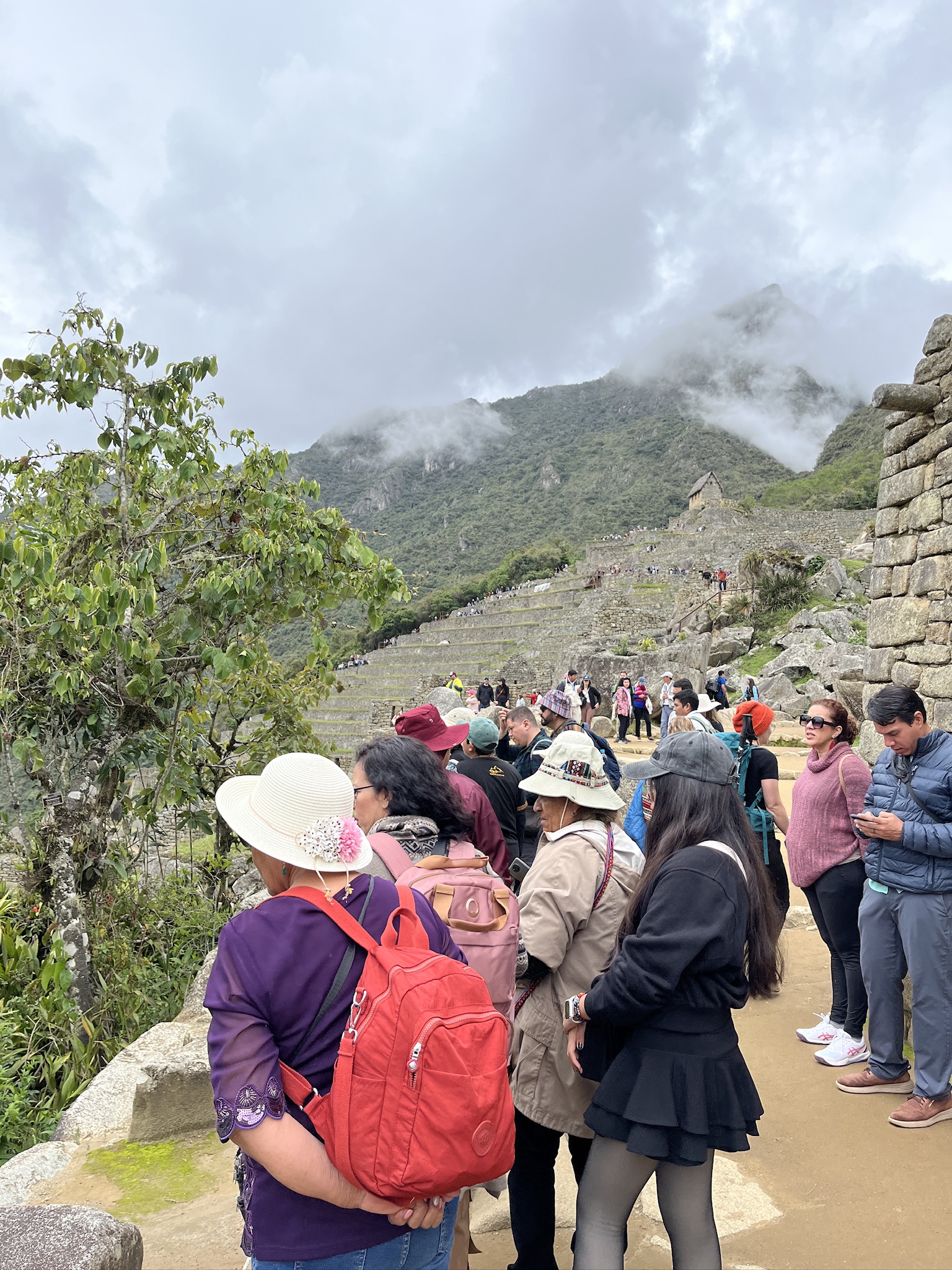
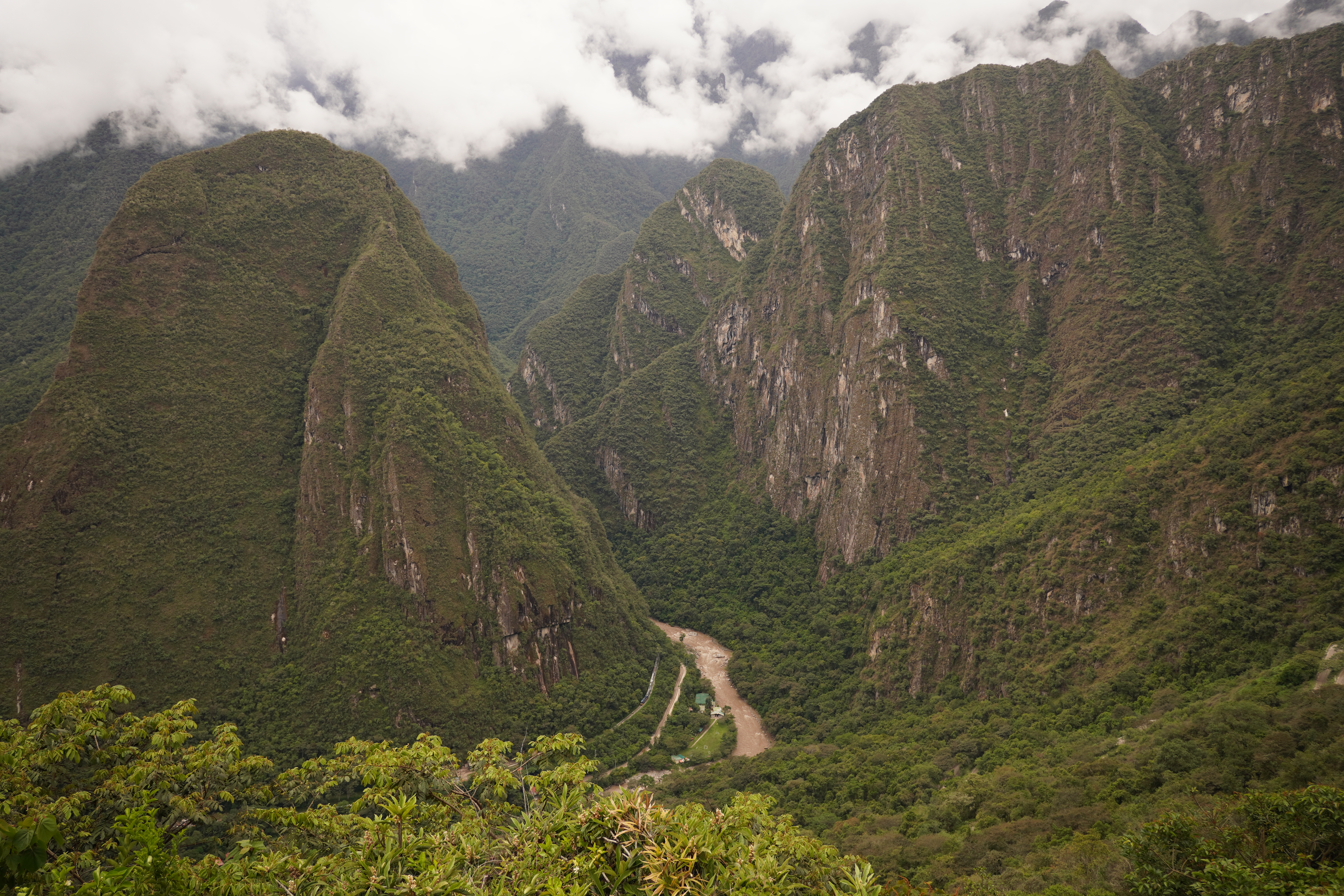
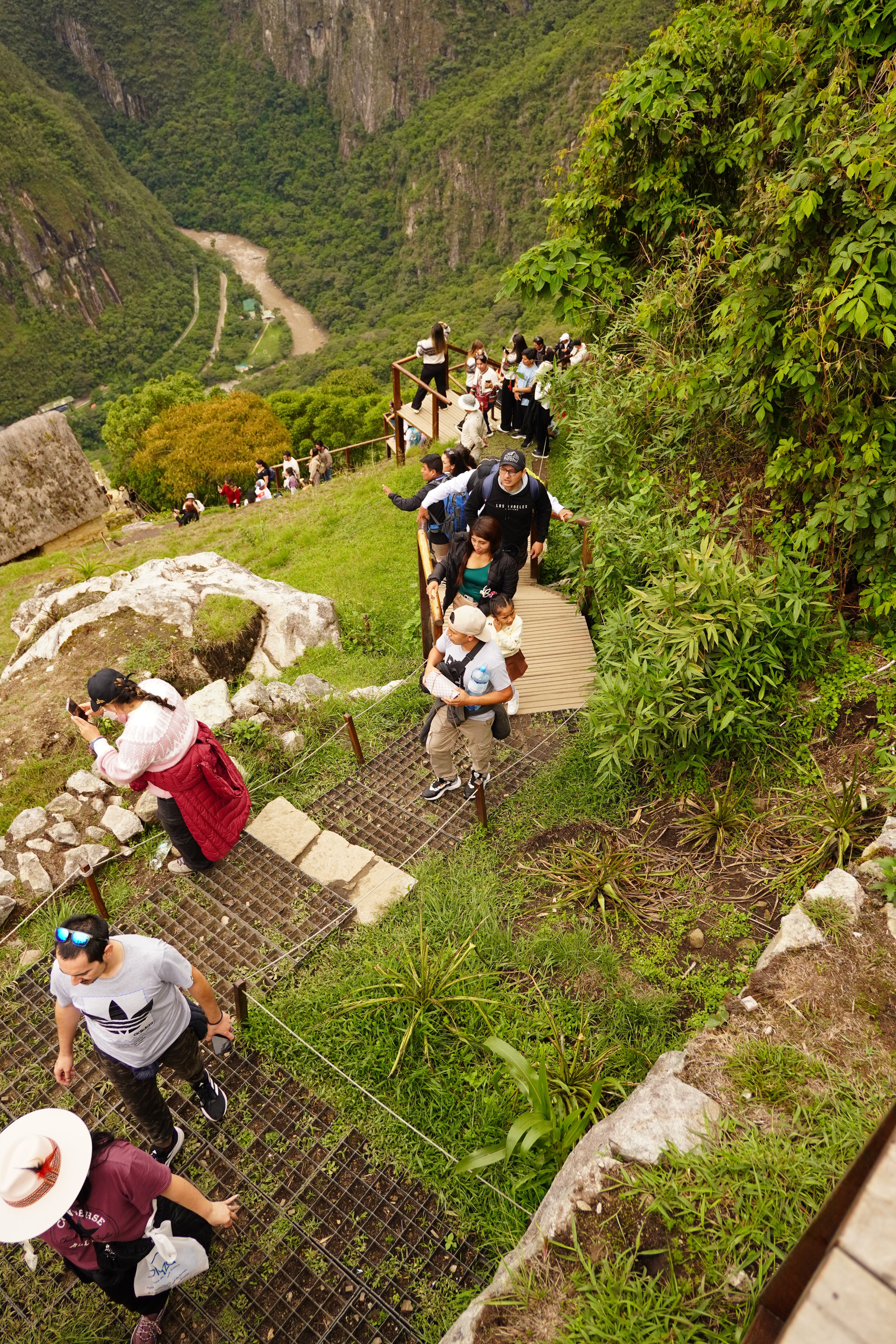
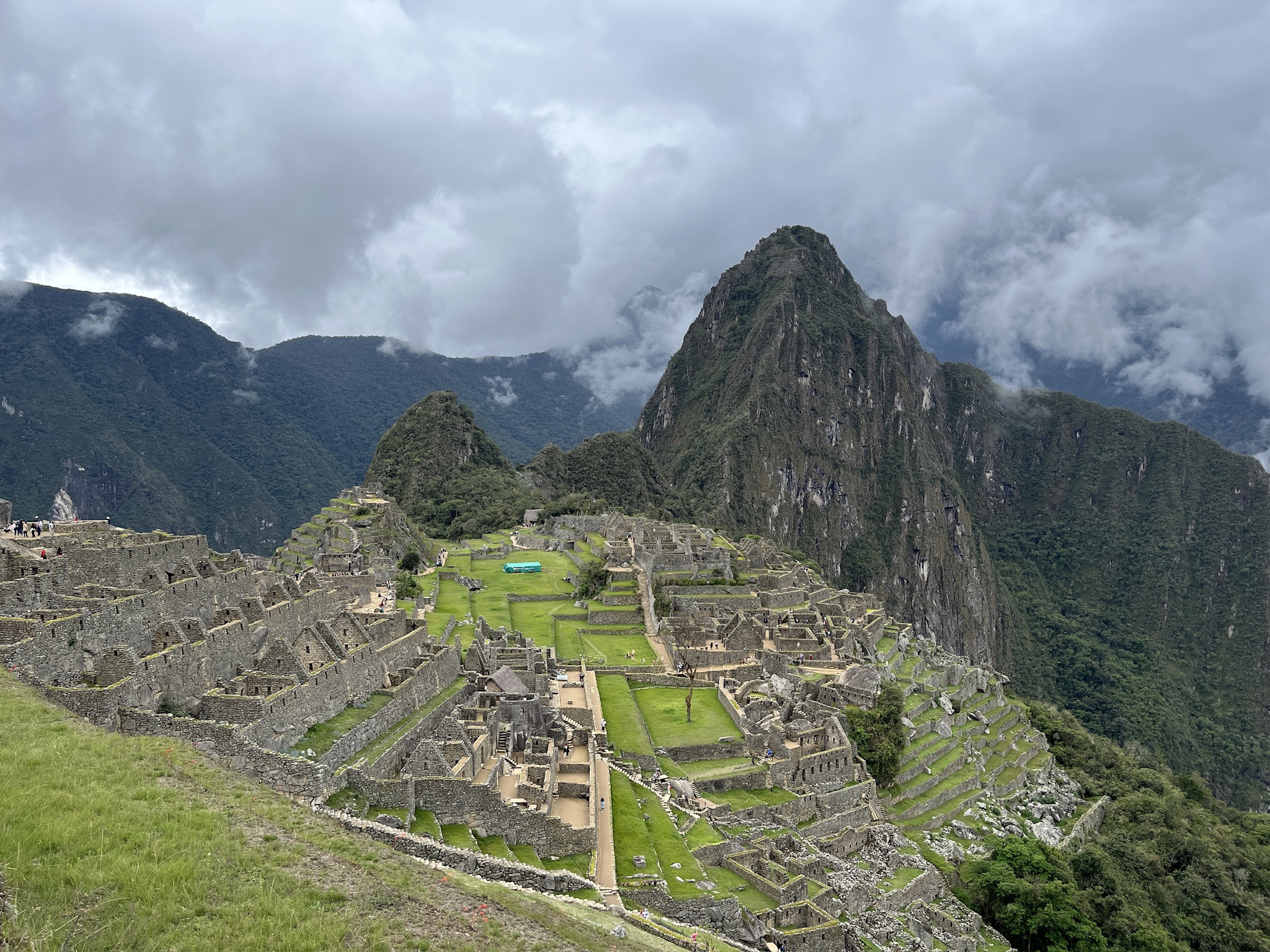
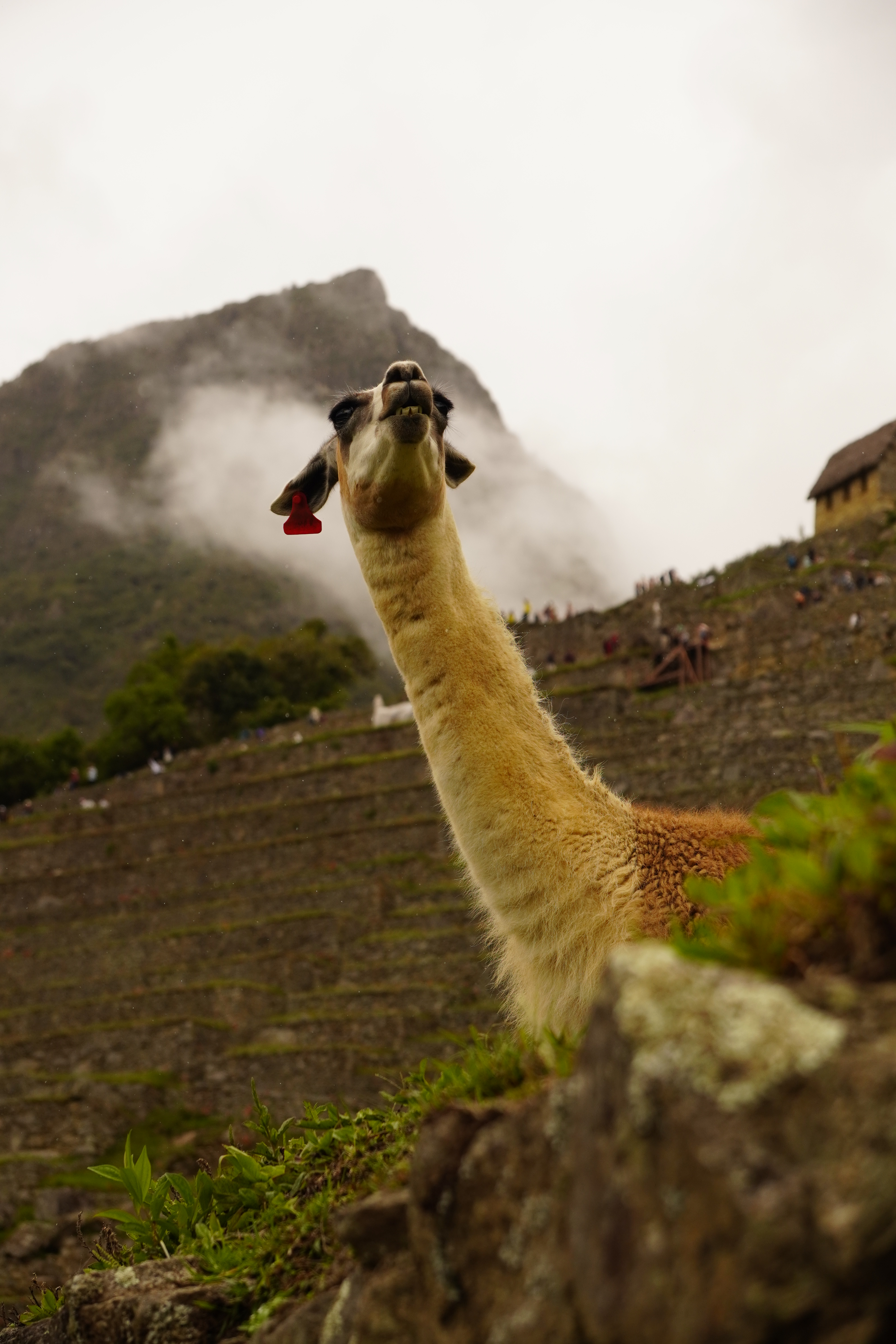
I think that the magic that Machu Picchu surrounds, is harder to experience in the masses and I have the feeling that Peru is not doing itself a favour in the way it is salvaged, but I can understand that it is a secure income stream for many in a country that has so many other challenges to tackle. I would really advocate for a way more restrictive admission with way less people being allowed up on the mountain, but looking at the highway that is being built, I guess the opposite will happen….
After returning all the way to Olantaytambo, we decided to do the little detour and visit the old central of the inca kingdom, Cusco, next.
 höme
höme 
Leave a comment