Finally on the wakeboard in the Andes
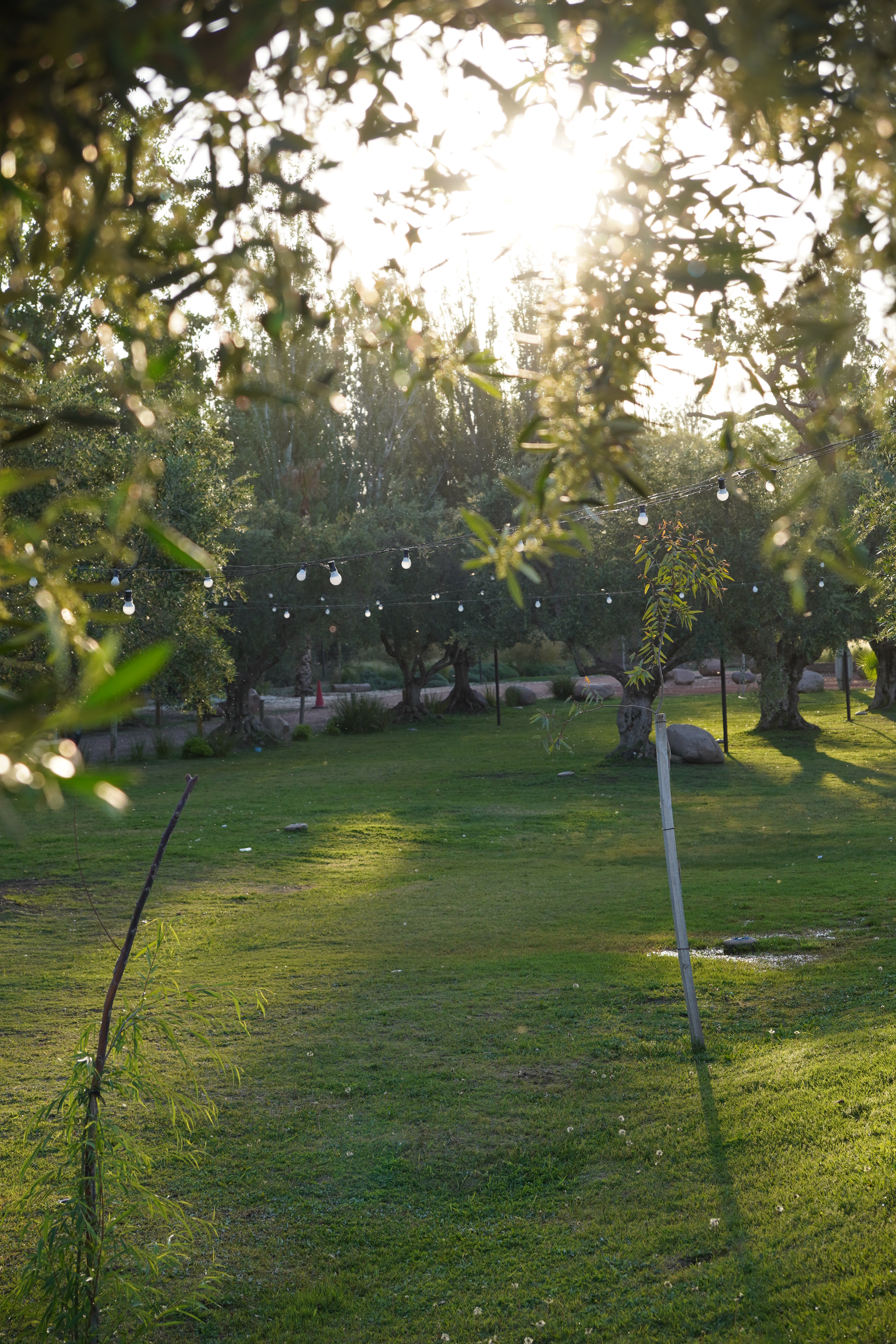
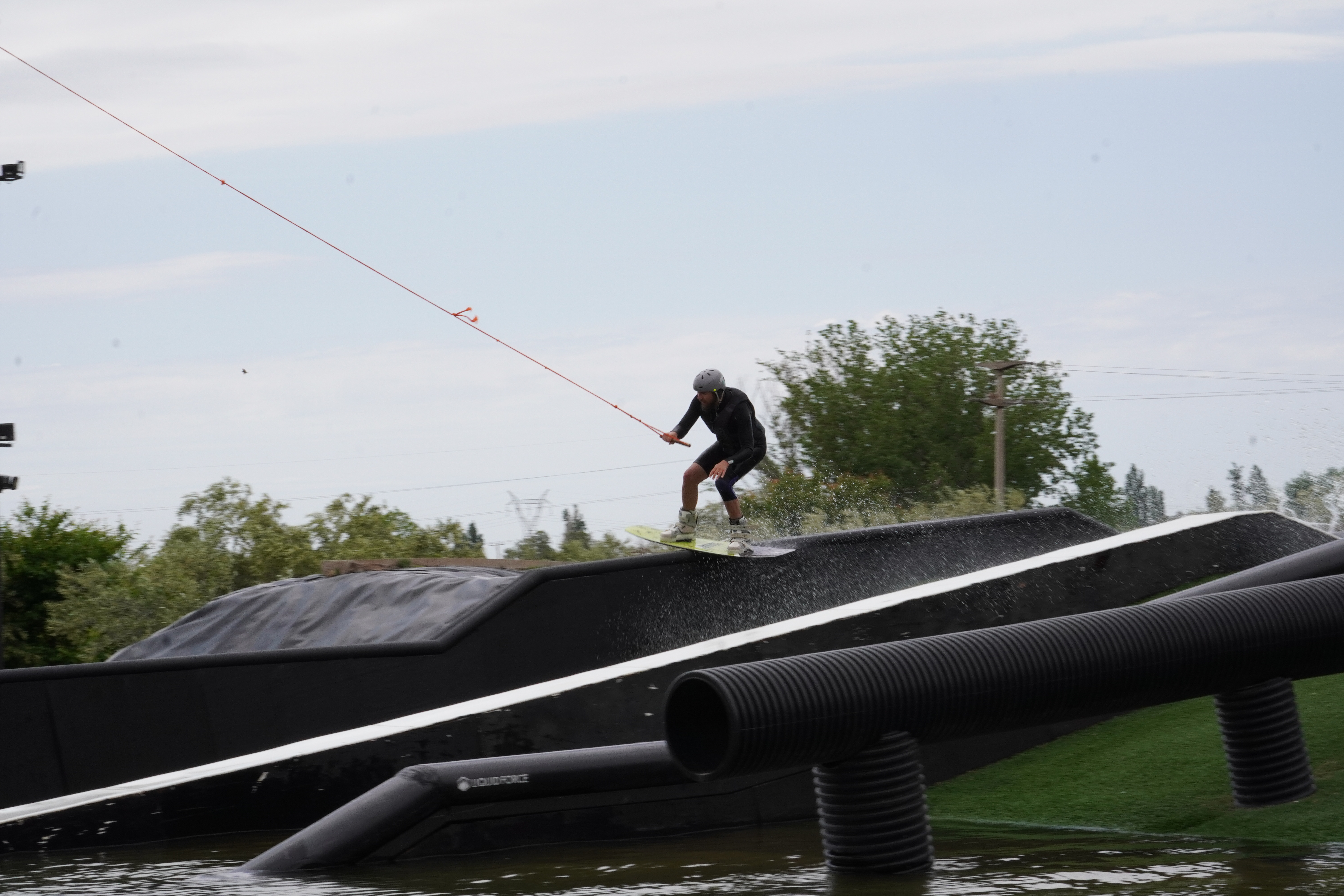
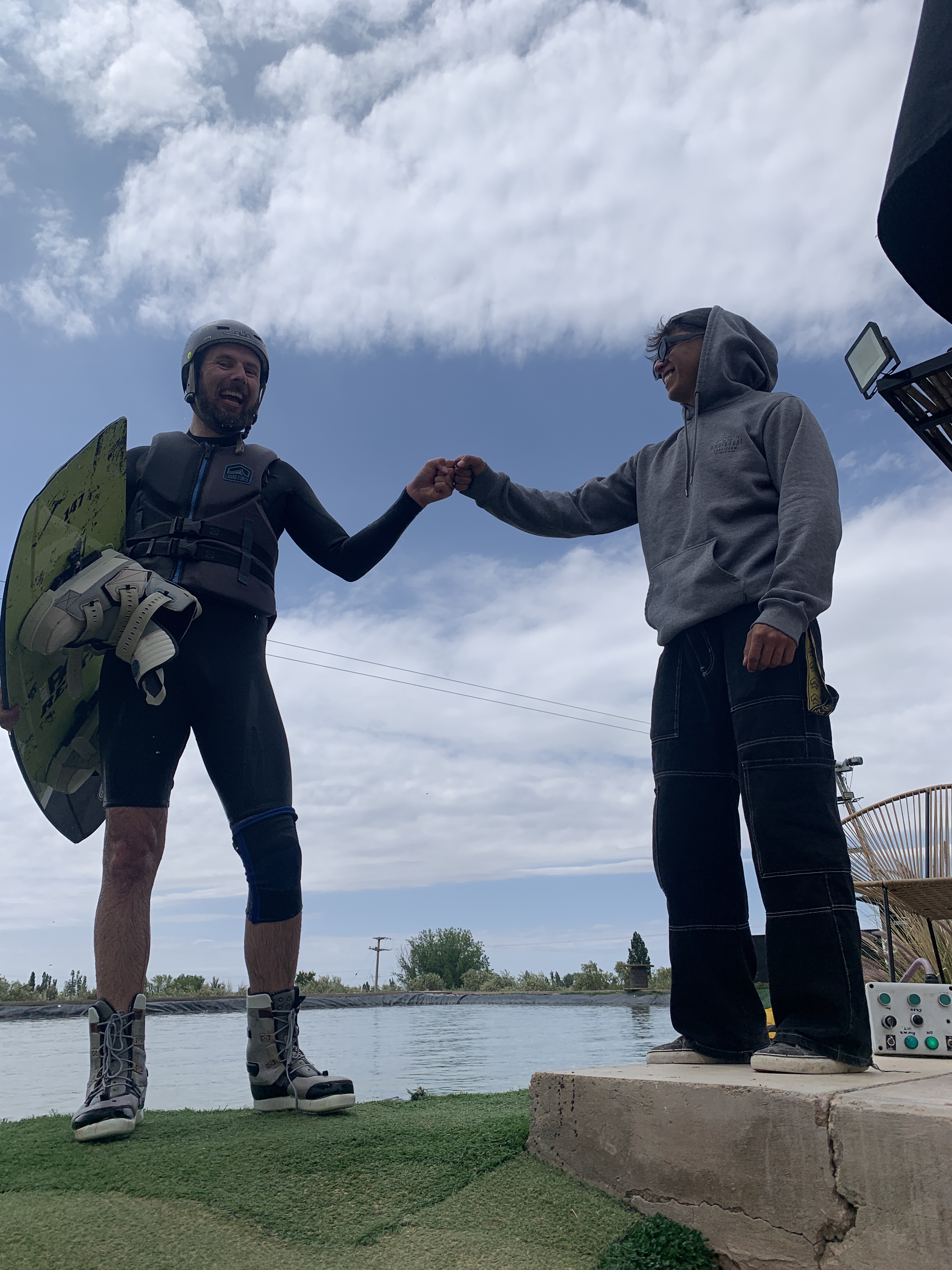
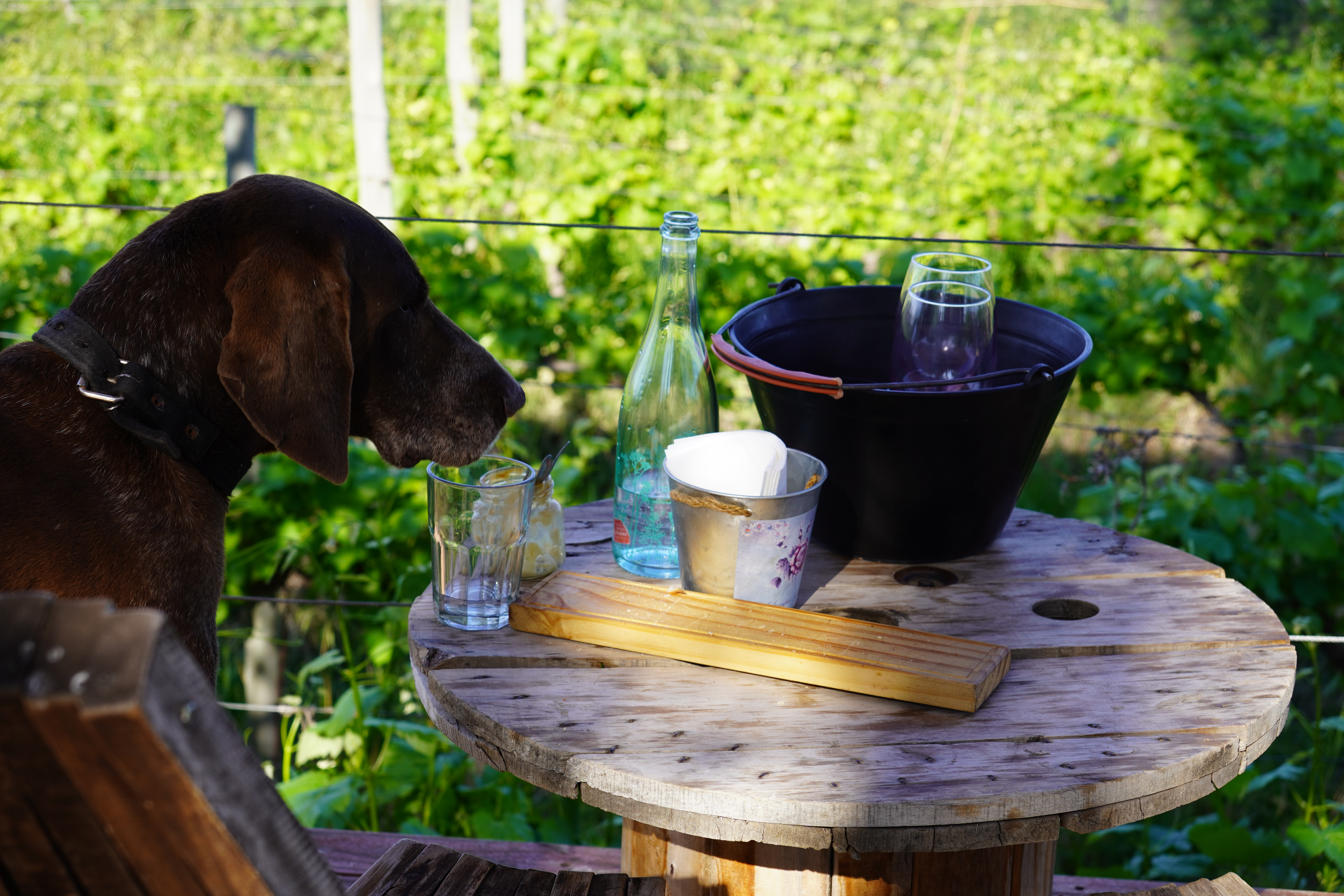
With fast food in our bellies (we didn’t finish it all, so we saved some for a midnight snack) and a repaired windshield, we headed to the Maipú district. Maipú is not only known for its wines, but also for having a wakeboard park. We couldn’t find much information online about its hours or whether it was open during the week – as always – so we just went there and were thrilled by the atmosphere. It was a beautiful summer evening, still warm, and we were greeted by olive trees and palms as we drove in. The El Roble Wake Complex has a two-tower cable system, meaning you always ride back and forth between two masts. There were people riding, and we managed to book a session for the next day at 2 p.m. When we politely asked if we could spend the night there, they told us it was no problem and that we would have a neighbor. Our camping neighbor in a container was Gino, the operator, who gave us a warm welcome. The last wakeboarders were riding until 9 p.m., when it was already quite dark, using illuminated boards. Since there was an event the next day, with a big party, they were checking if the lights in the water would hold up. It was a special full moon, unusually large. Once everyone had left, we chatted late into the night with Gino, shared our gin with him, and were very grateful for the nice company with our “Hebler”. We exchanged our dreams and life goals, and the guys talked a lot about wakeboarding. Gino (24) is from Buenos Aires and has been living in a container at the park since this season. His dream is to go to Italy next year and eventually get a wakeboarding sponsor. We had great conversations and were excited for the next day, as we would be the first to ride. We were told just to come by and let him know. It felt like we had known each other for ages. When we went to bed in the middle of the night, it wasn’t dark at all due to the moonlight. The place was surrounded by a fence and locked, with two huge dogs on the complex. We felt very comfortable and safe, and were extremely happy.
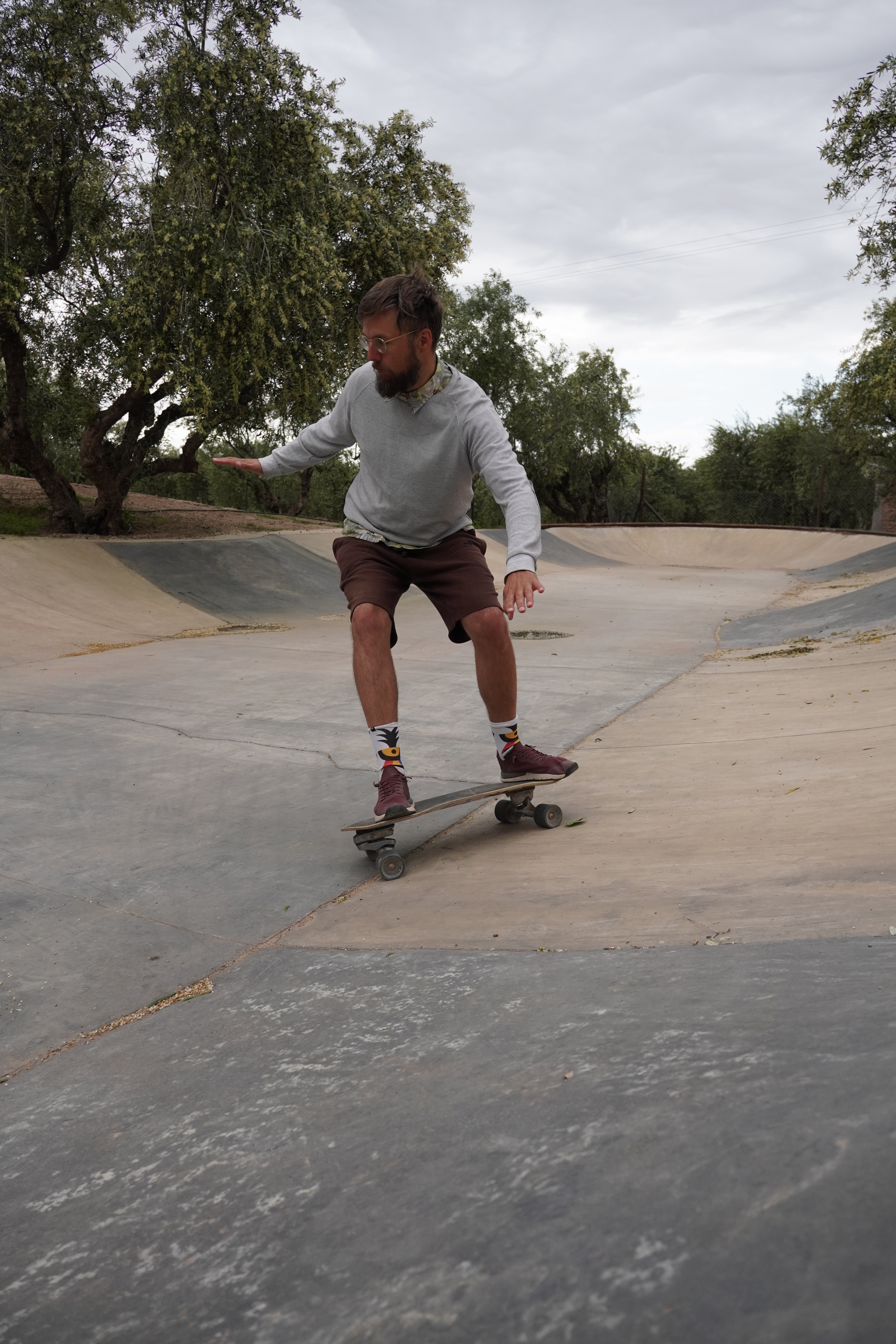
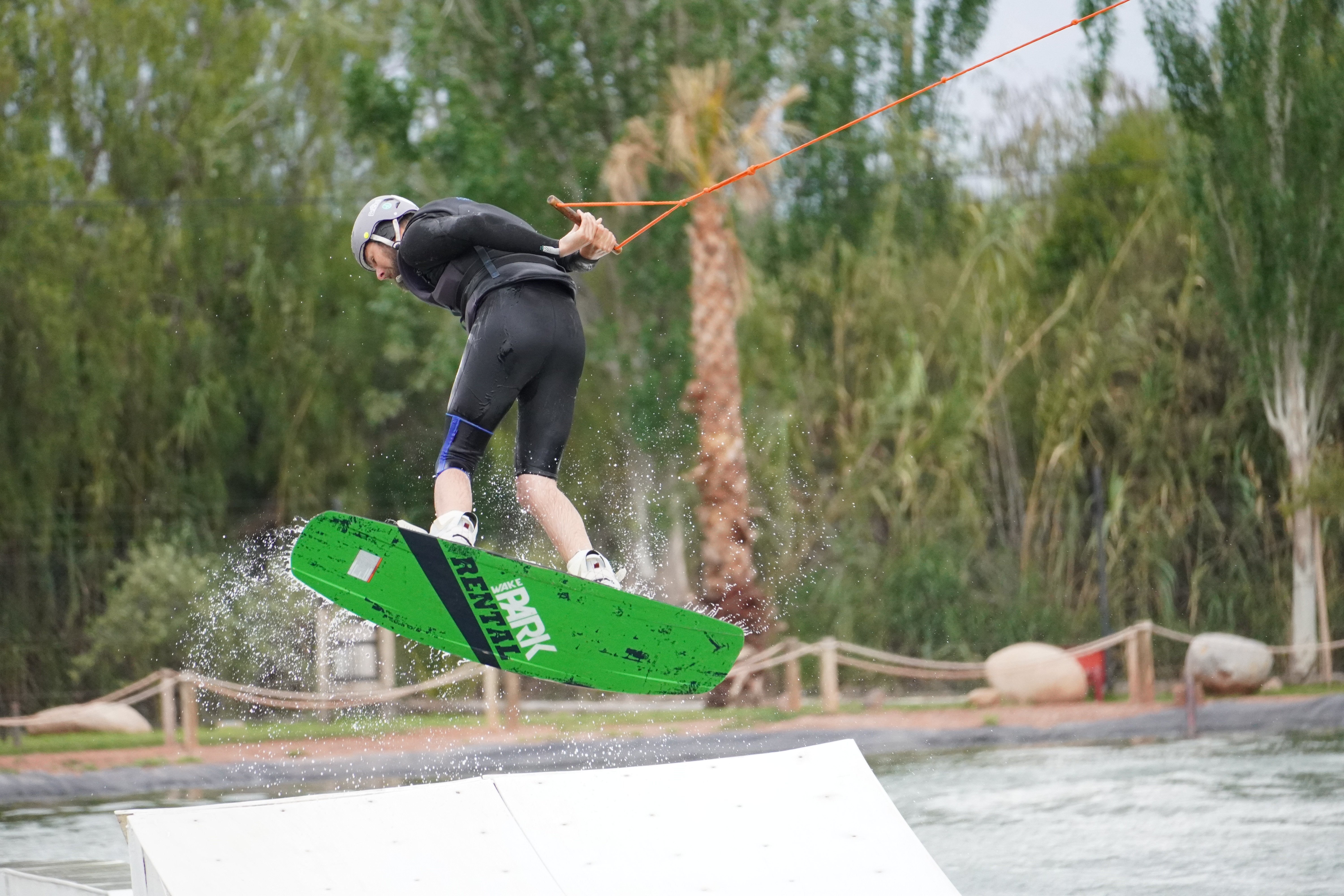
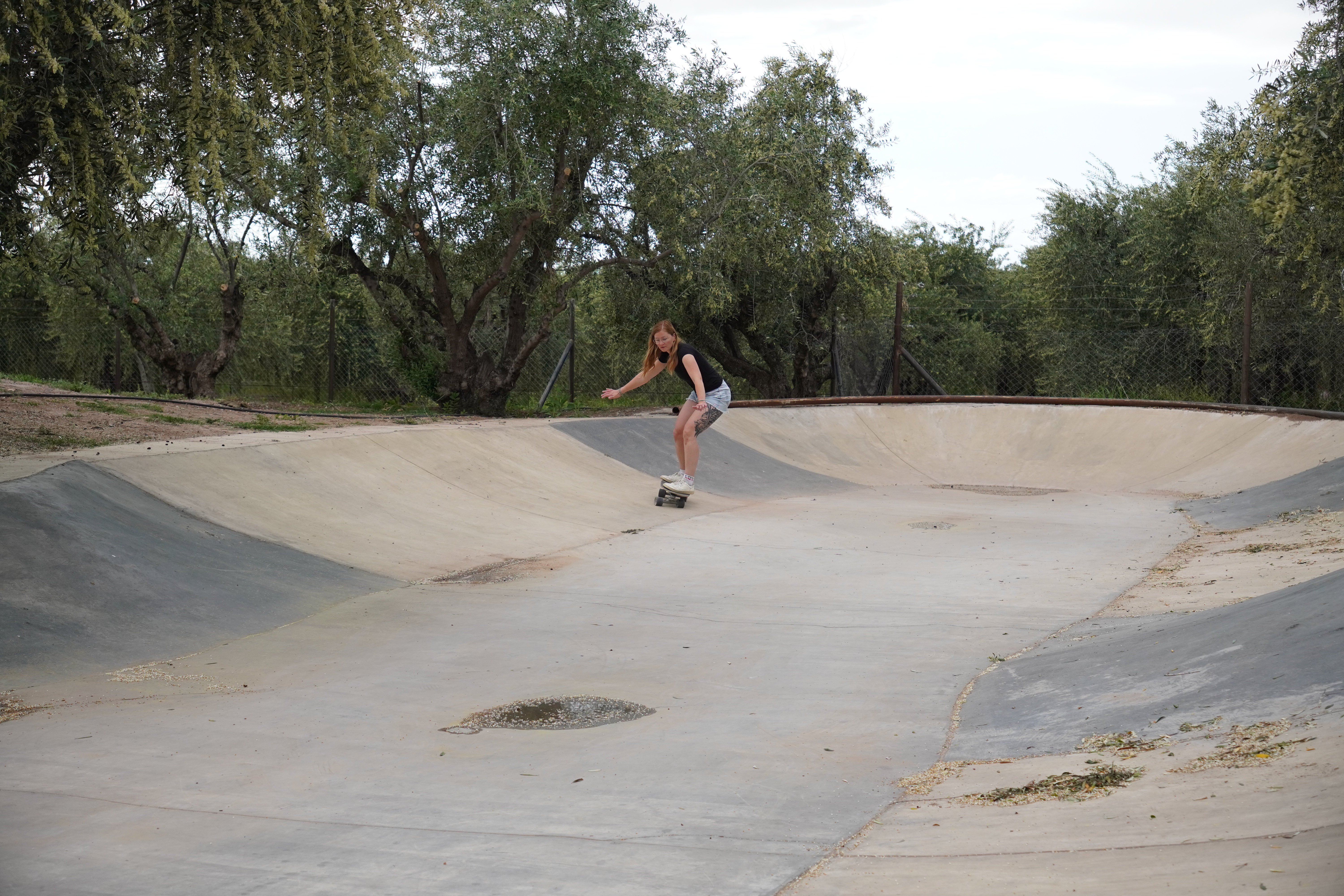
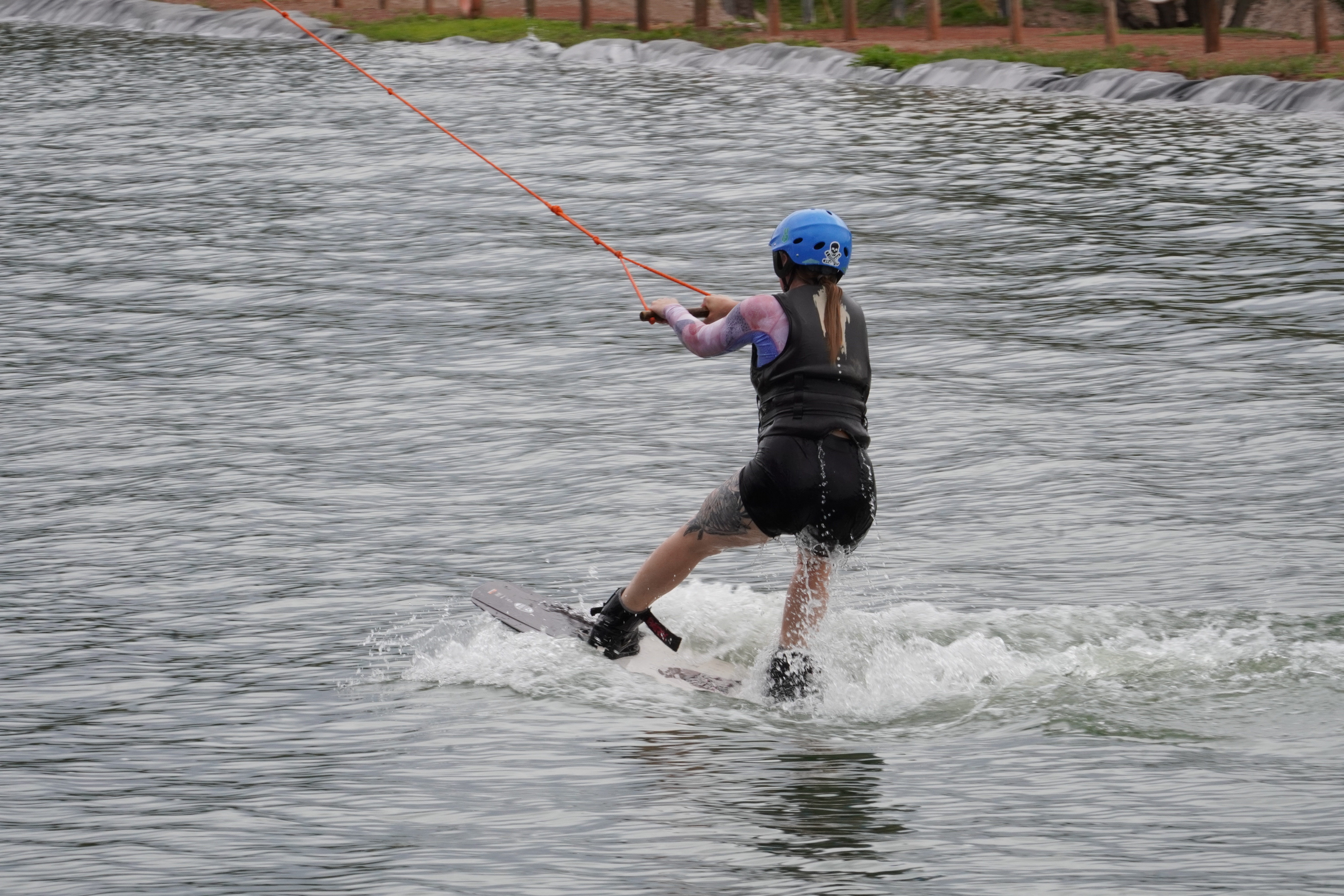
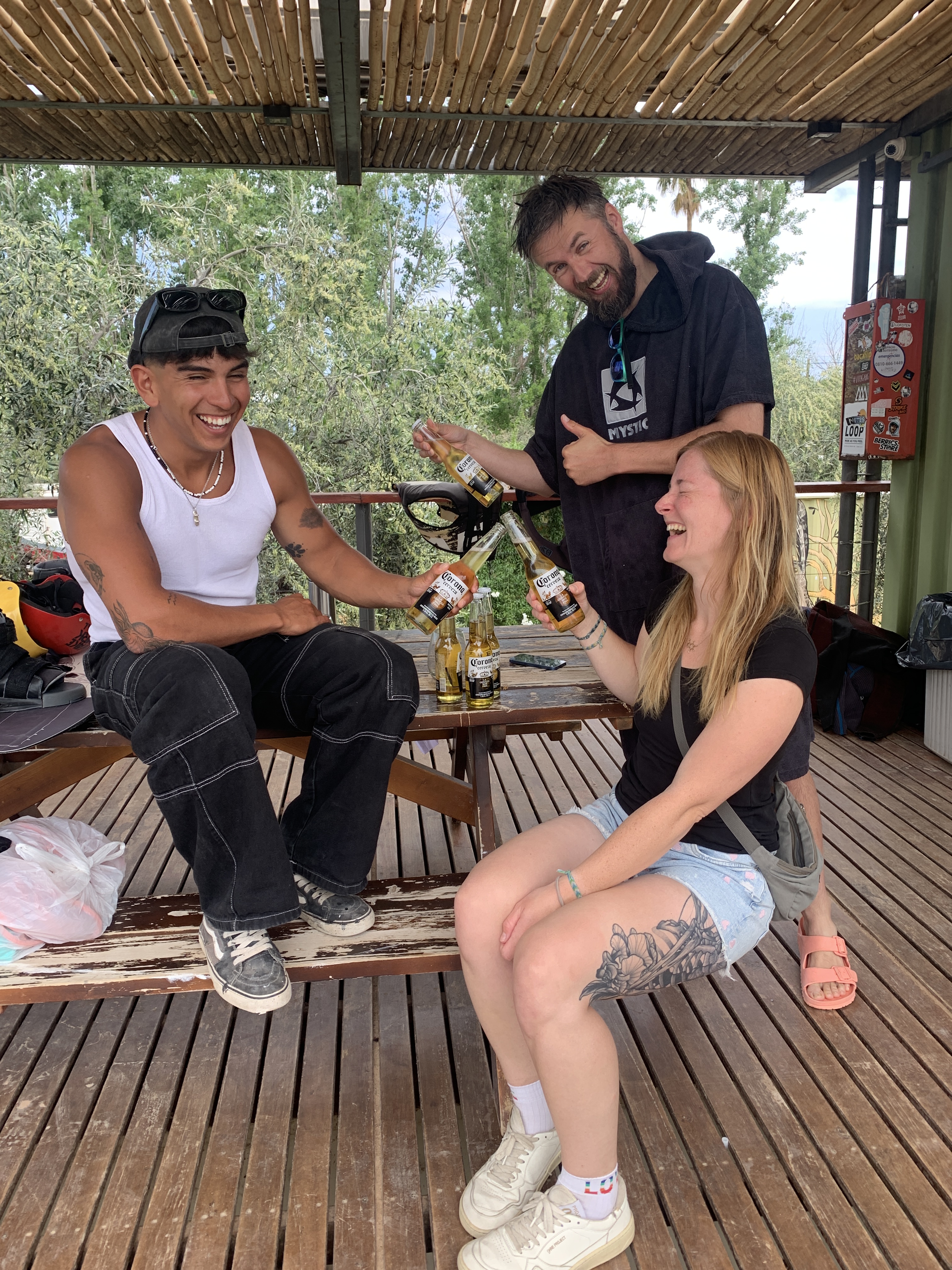
In the morning, a gardener was trimming the olive trees around us, and we were warmly greeted. After coffee, we went to Gino, who gave us his surfskate for the park’s private surfskate ramp. It felt so good. You had to be careful though, because there were olives on the ramp. The pits could get stuck in the wheels like little stones. Luckily, no one broke any bones. Now it was time for wakeboarding!!! It was too warm for a wetsuit for me, Björn put on his shorty. Gino sat relaxed on the couch, controlling the system while Björn rode. “Man, he’s sick,” he said. The obstacles were all homemade and a bit wild. Gino encouraged Björn to do some really cool stuff on the board, and in my opinion, he rode really well and safely over all the obstacles and the B-level setup. It was just fun to watch. When it was my turn, I had a lot of respect, as always, especially after my knee injury. The water was warm, and you could see the Andes on the horizon. It was just awesome, and everything went well. Once again, no one broke any bones. After our session, we had a Corona beer (Gino’s sponsor) and said our heartfelt goodbyes after a warm shower. We were in a bit of a hurry, even though we would have loved to stay longer. It felt incredible to get physically exhausted, and Gino is such a warm-hearted person. It was great to get to know him.
Wine tasting, Spätzle, and way too much Malbec
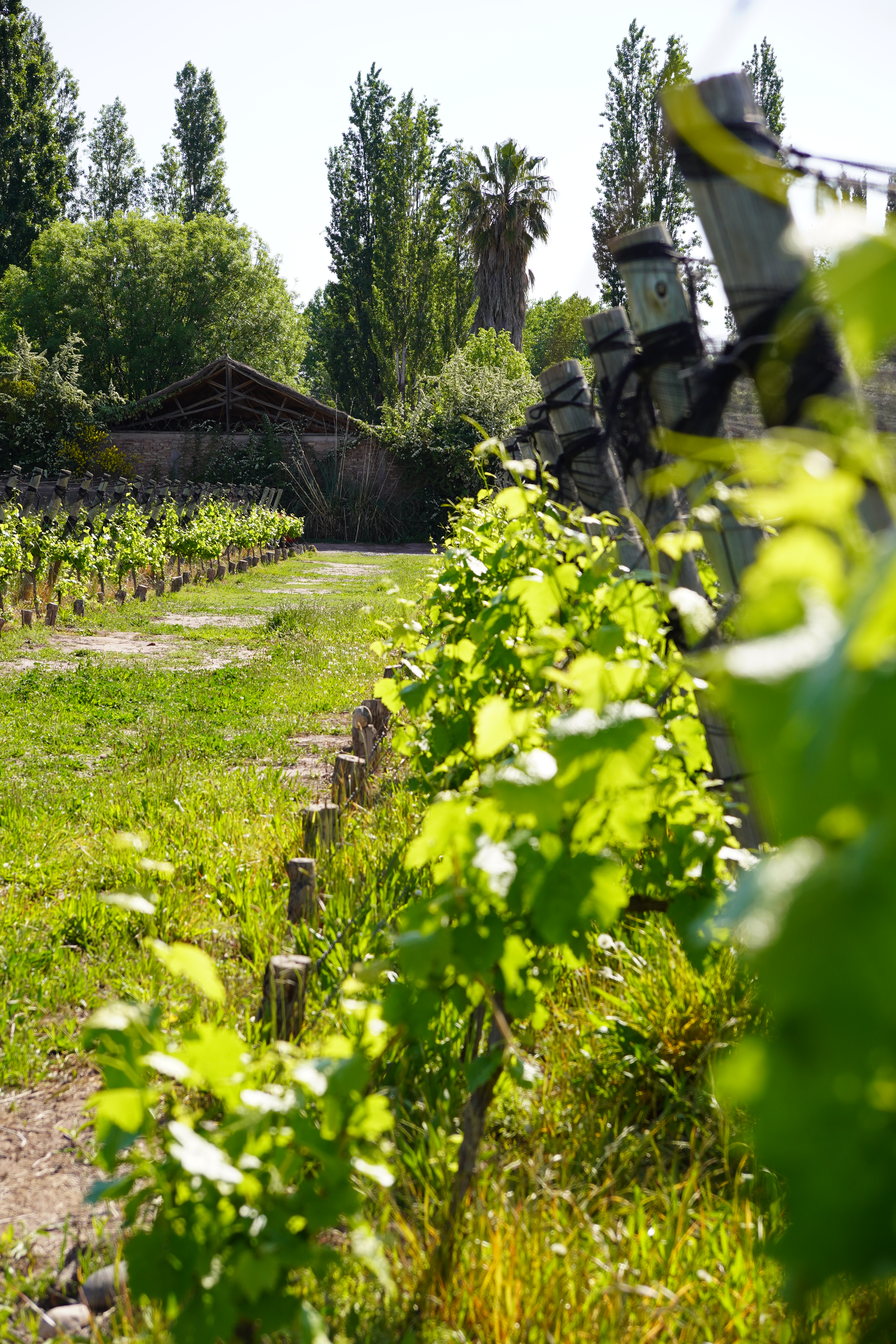
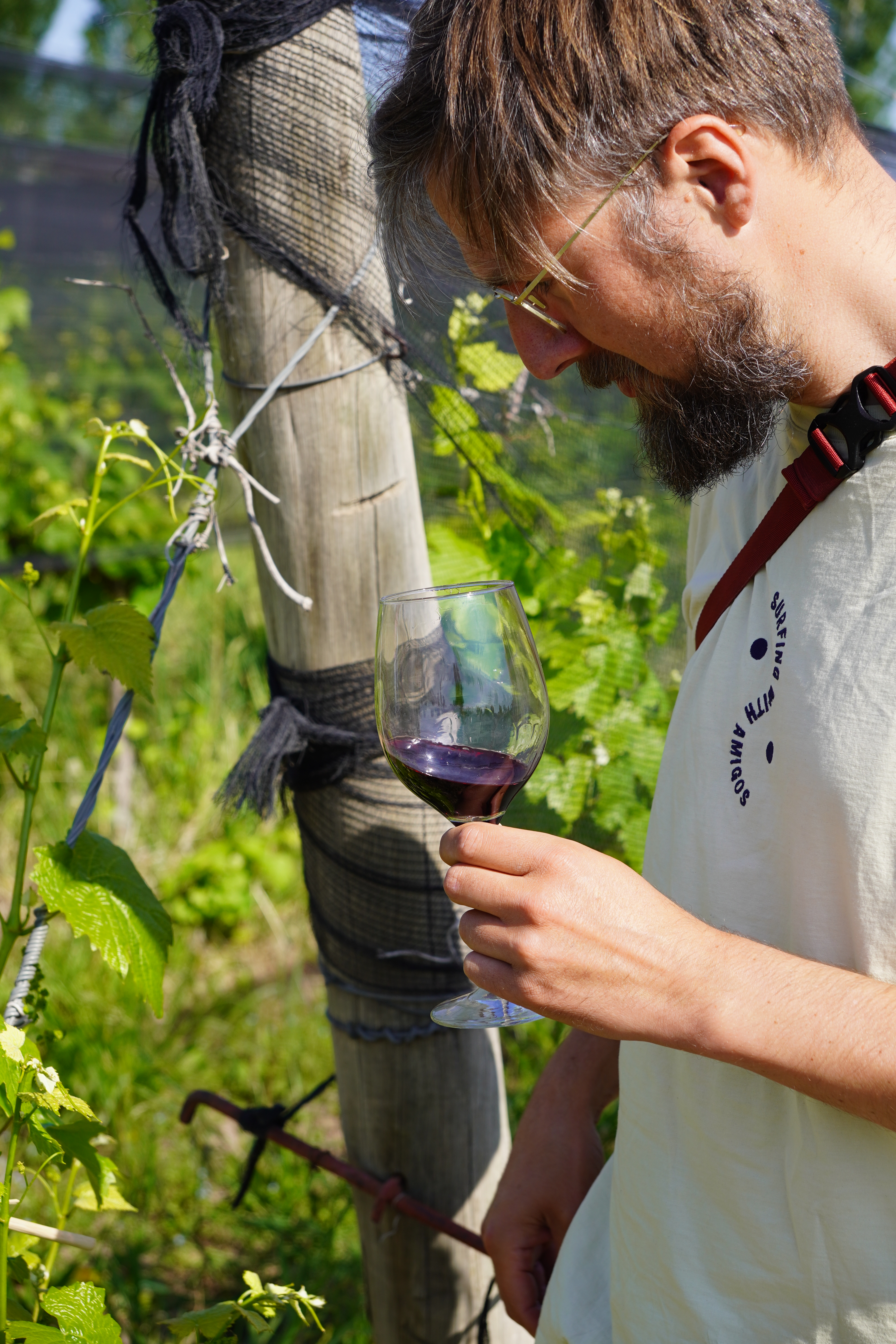
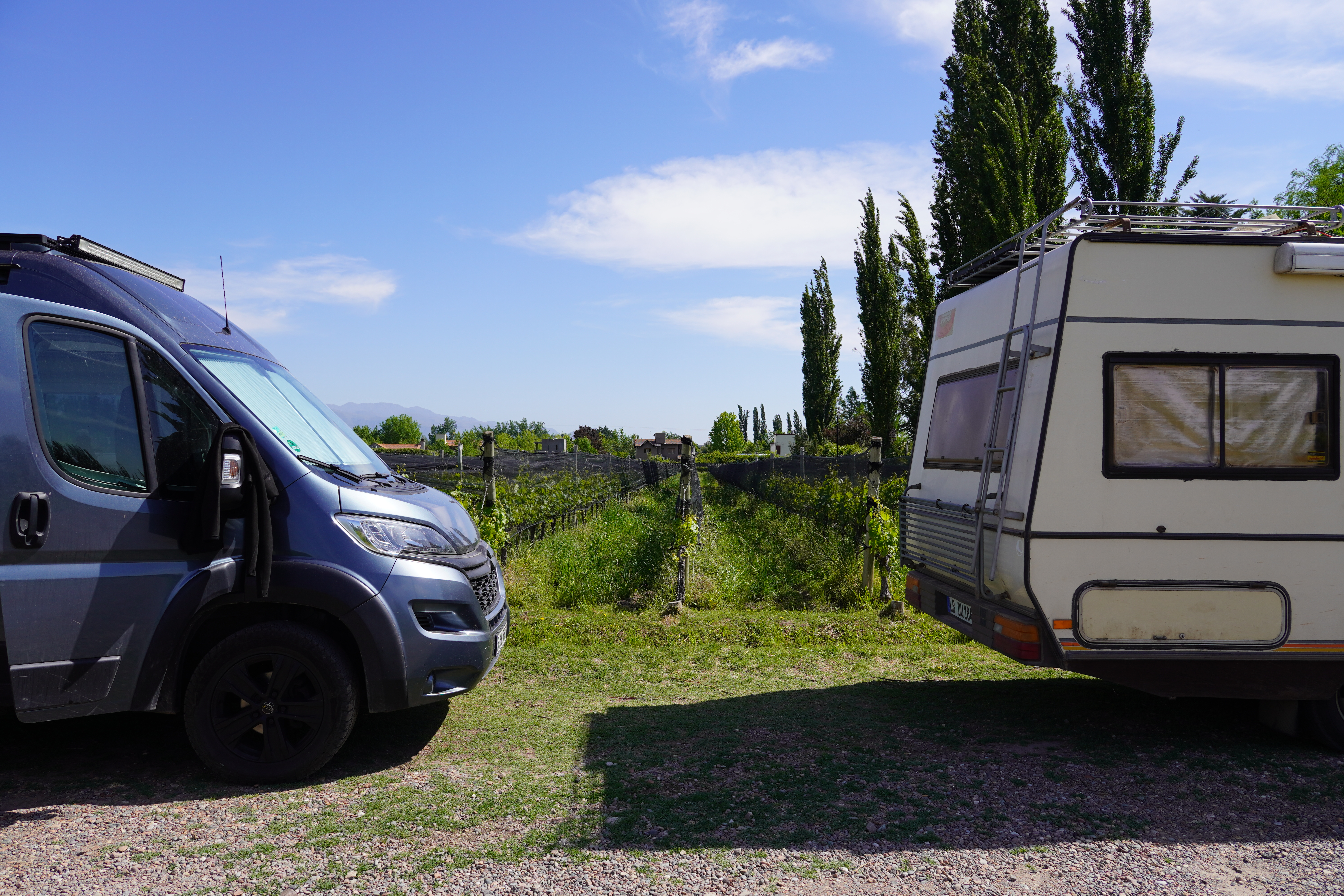
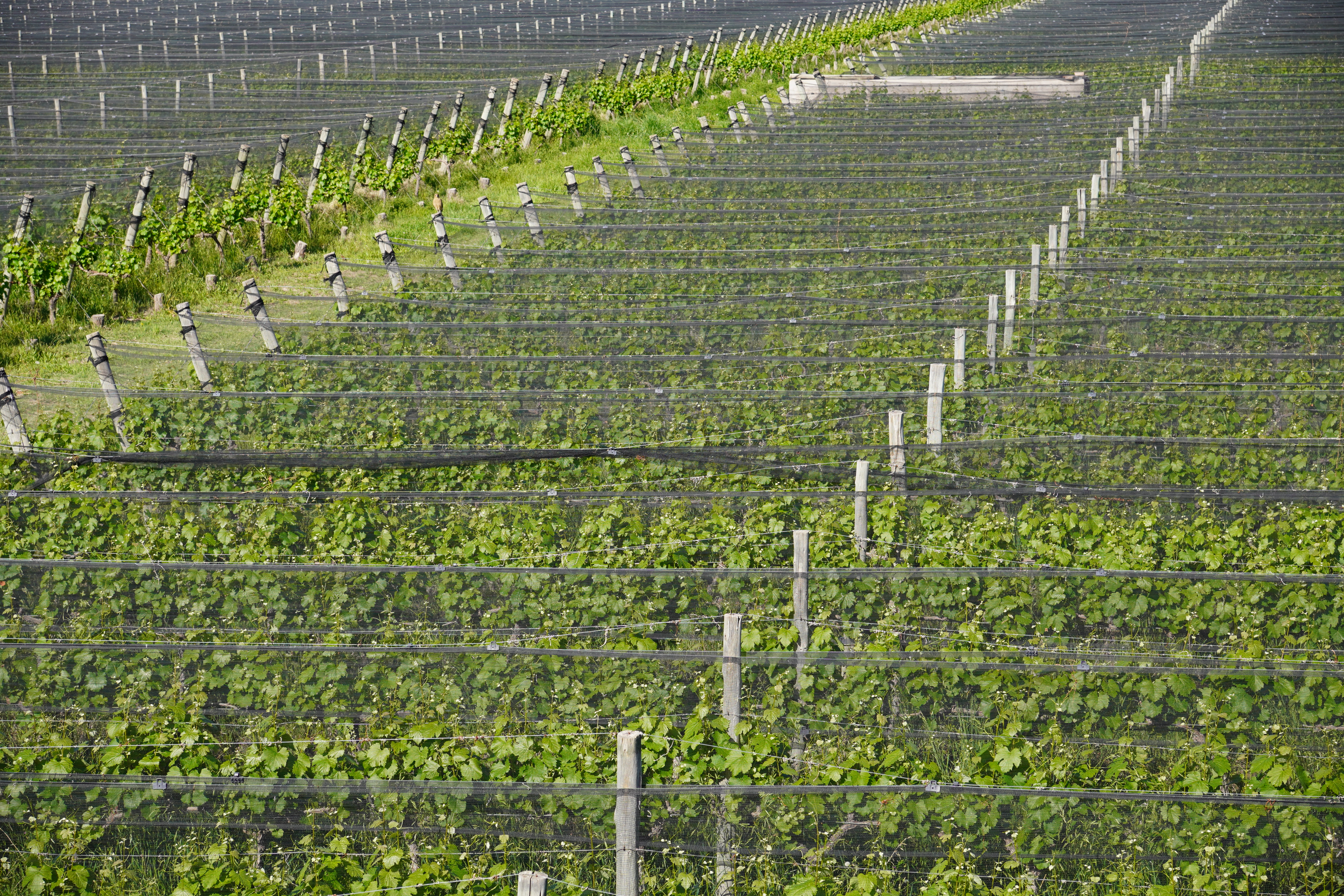
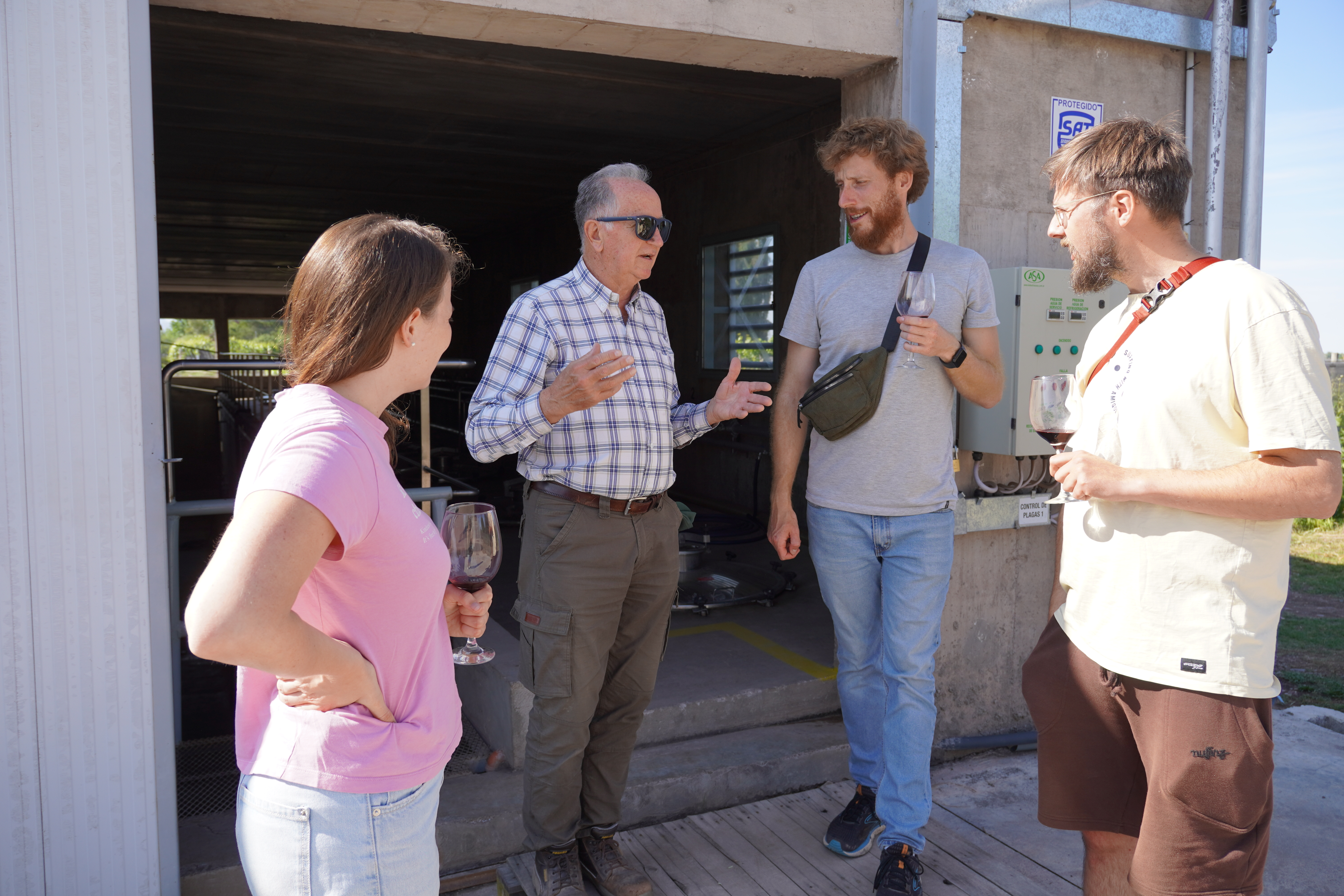
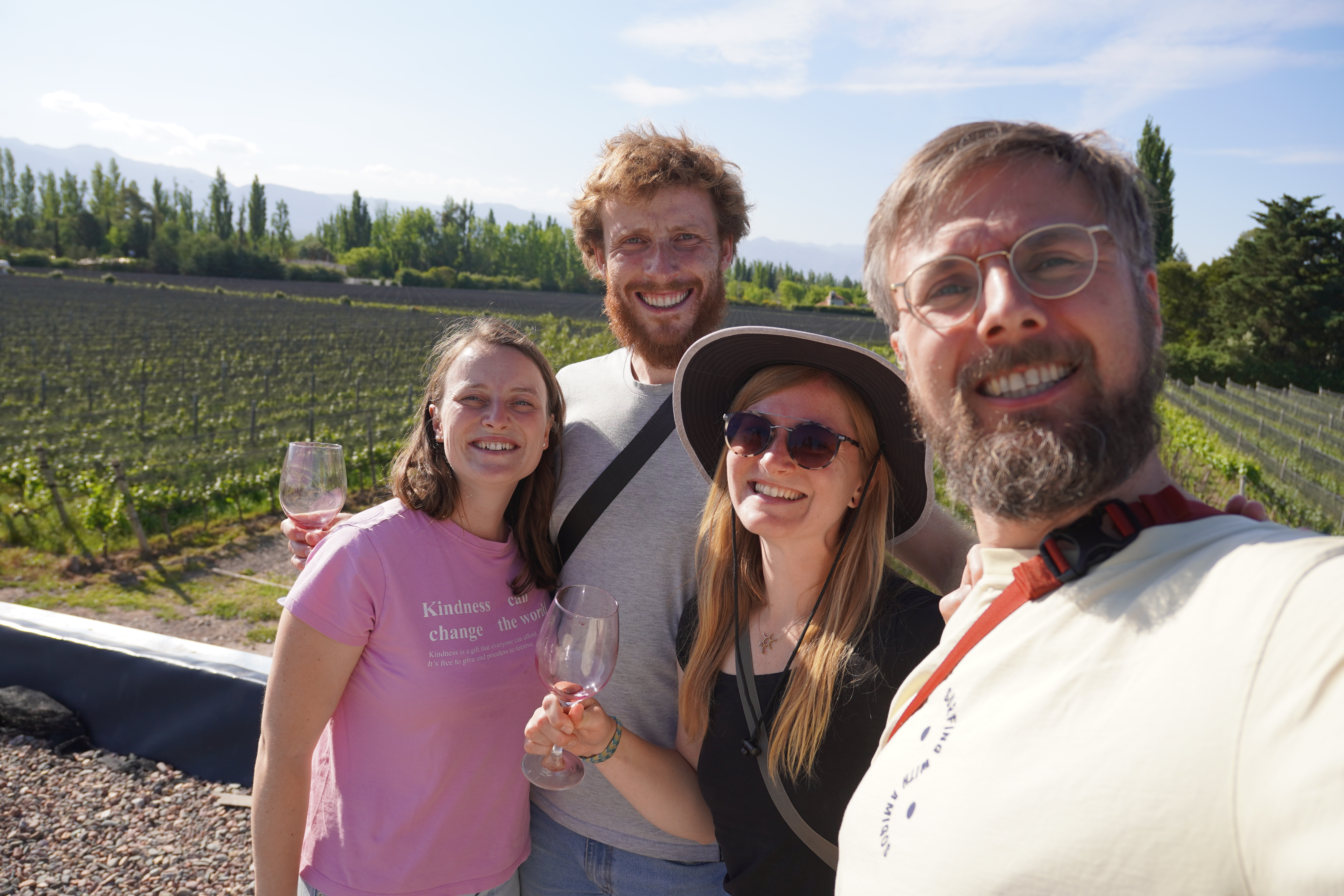
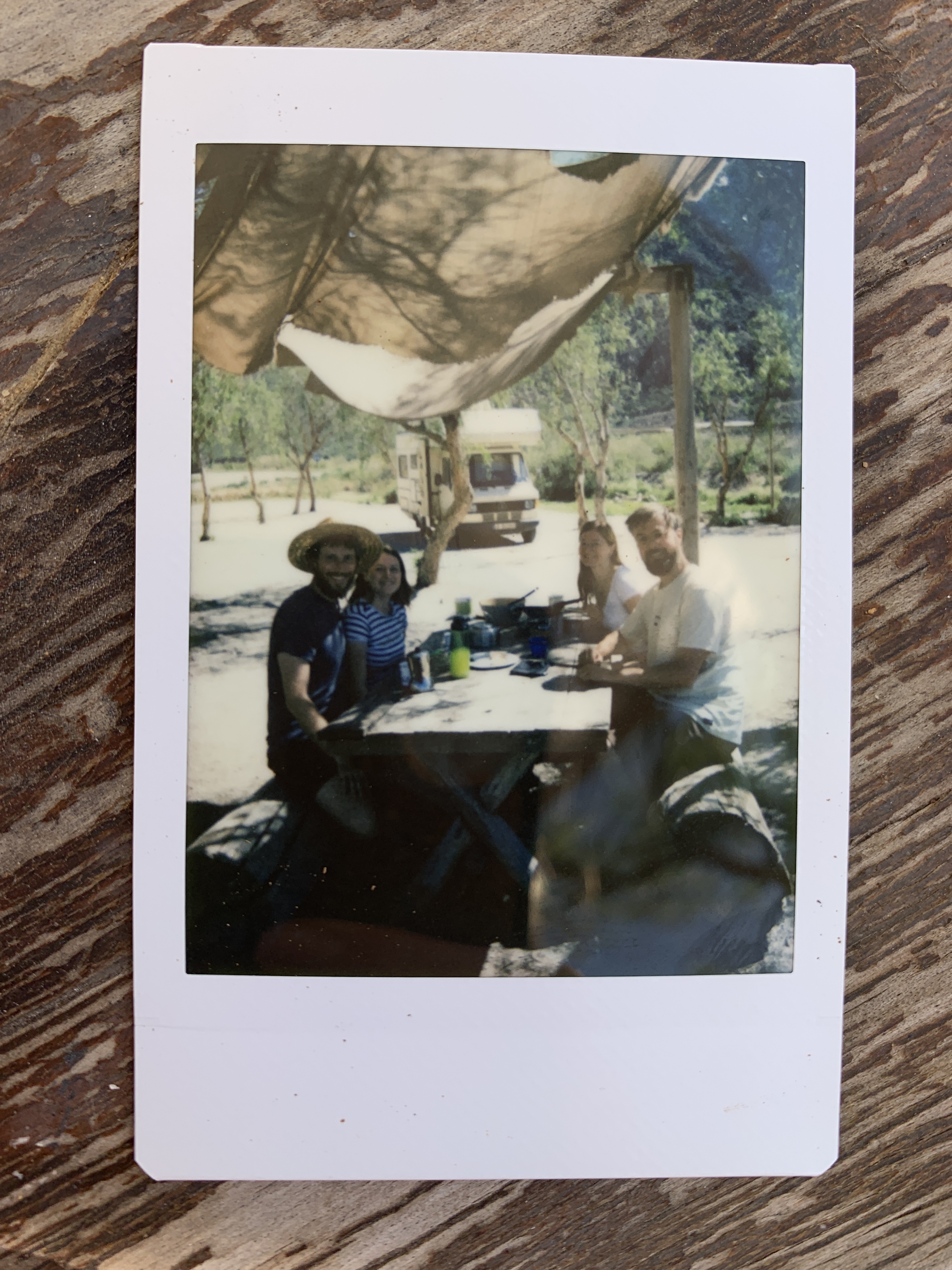
Since Montevideo, we had been in close contact with Dominik and Saskia (durchsuniversum.de), who Björn met at the harbor. The two of them shipped their camper, a 42-year-old Mercedes, on the same container ship as Rosi. Since they’re taking a different route, we always hoped we would cross paths during our 12-month journey. Mendoza worked out and fit perfectly into our travel plans. We arrived in a rush, 5 minutes late (basically still wet from our wakeboarding shower), at the Bodega Gieco and managed to join the last wine tour through the vineyard. Technically, it’s not a vineyard with hills, but a flat field with special animals: We saw humming birds. The red wines (also Malbec) we got to taste during the tour was delicious, and we treated ourselves to a few more bottles in the sunshine, right by the vineyard afterwards. They kindly allowed us to stay overnight with our campers, and no one was able to drive anymore. We spent the evening in Saskia and Dominik’s camper – where they have a proper living area – and had a great time together. We made Spätzle with lentils, cooked together, drank way too much wine, and had a wonderful evening.
Rafting in the Andes
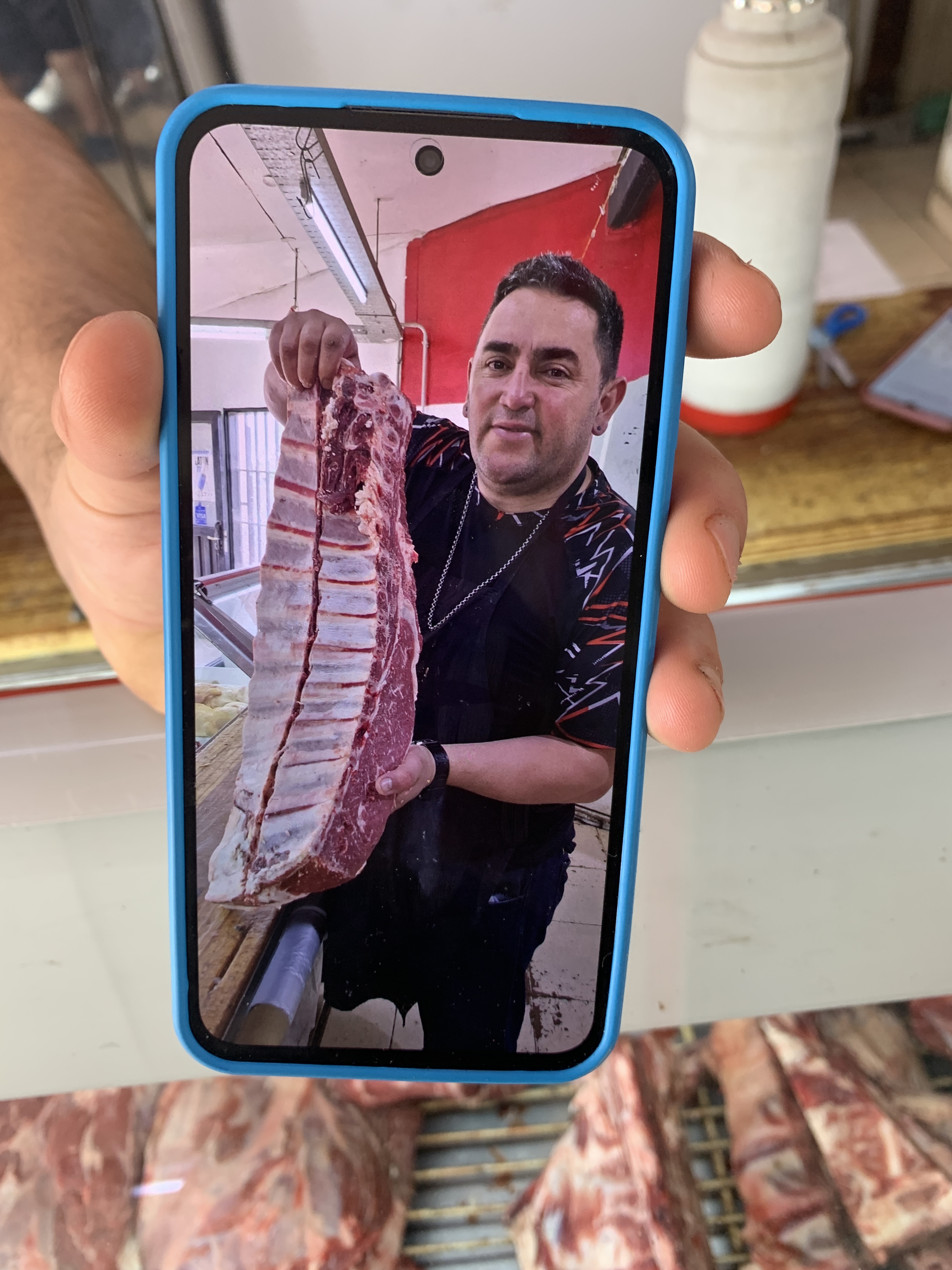
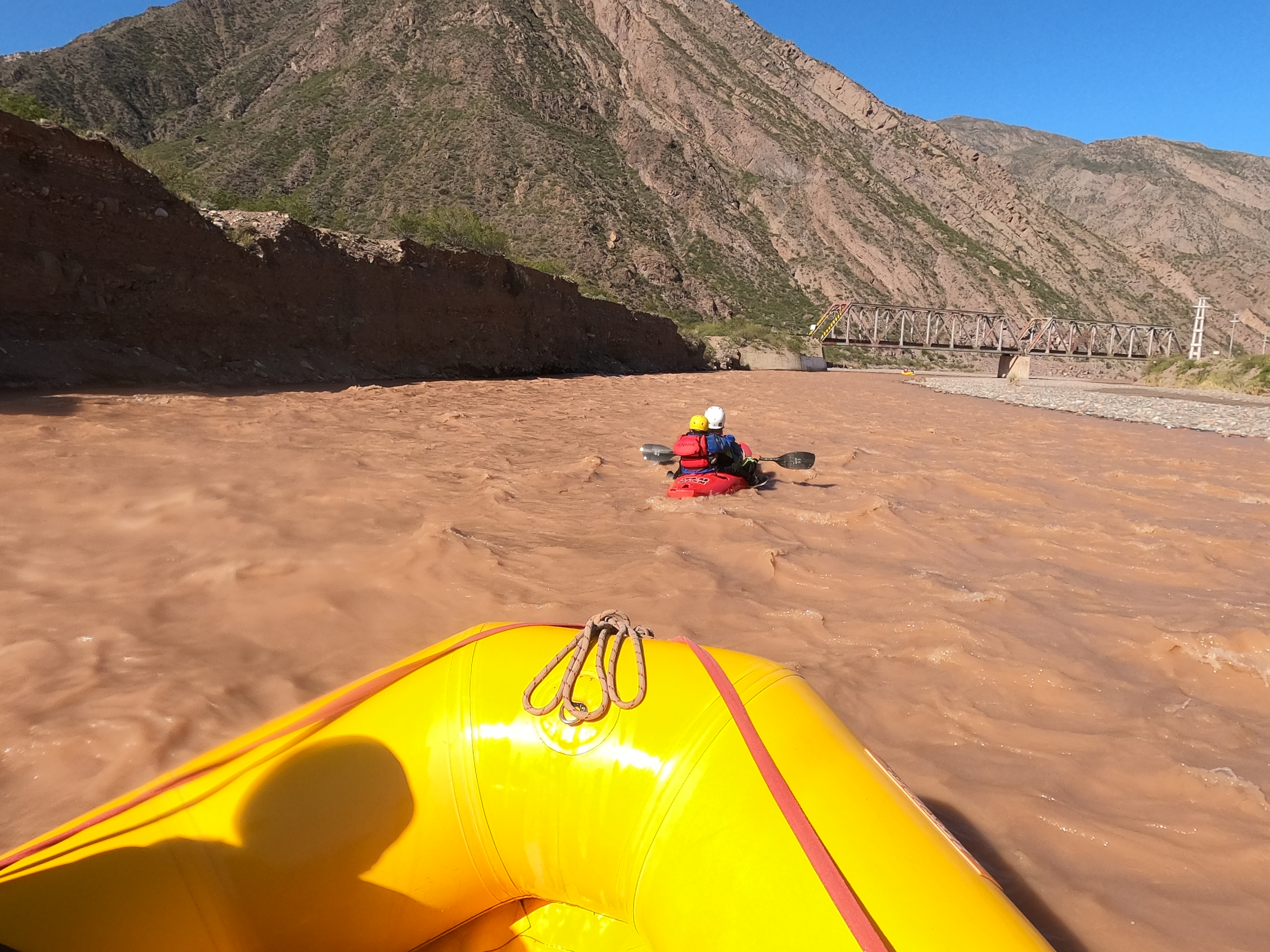
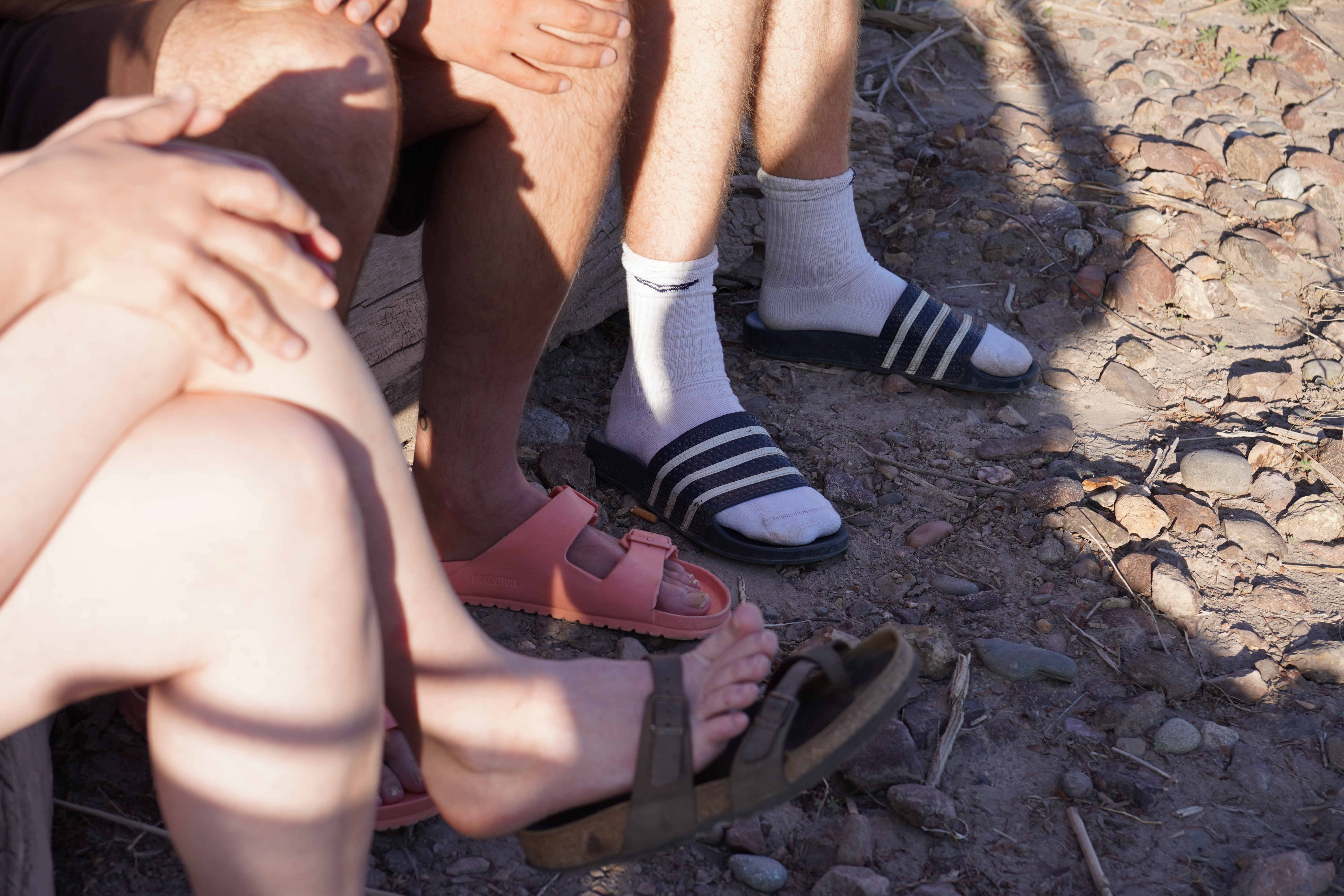
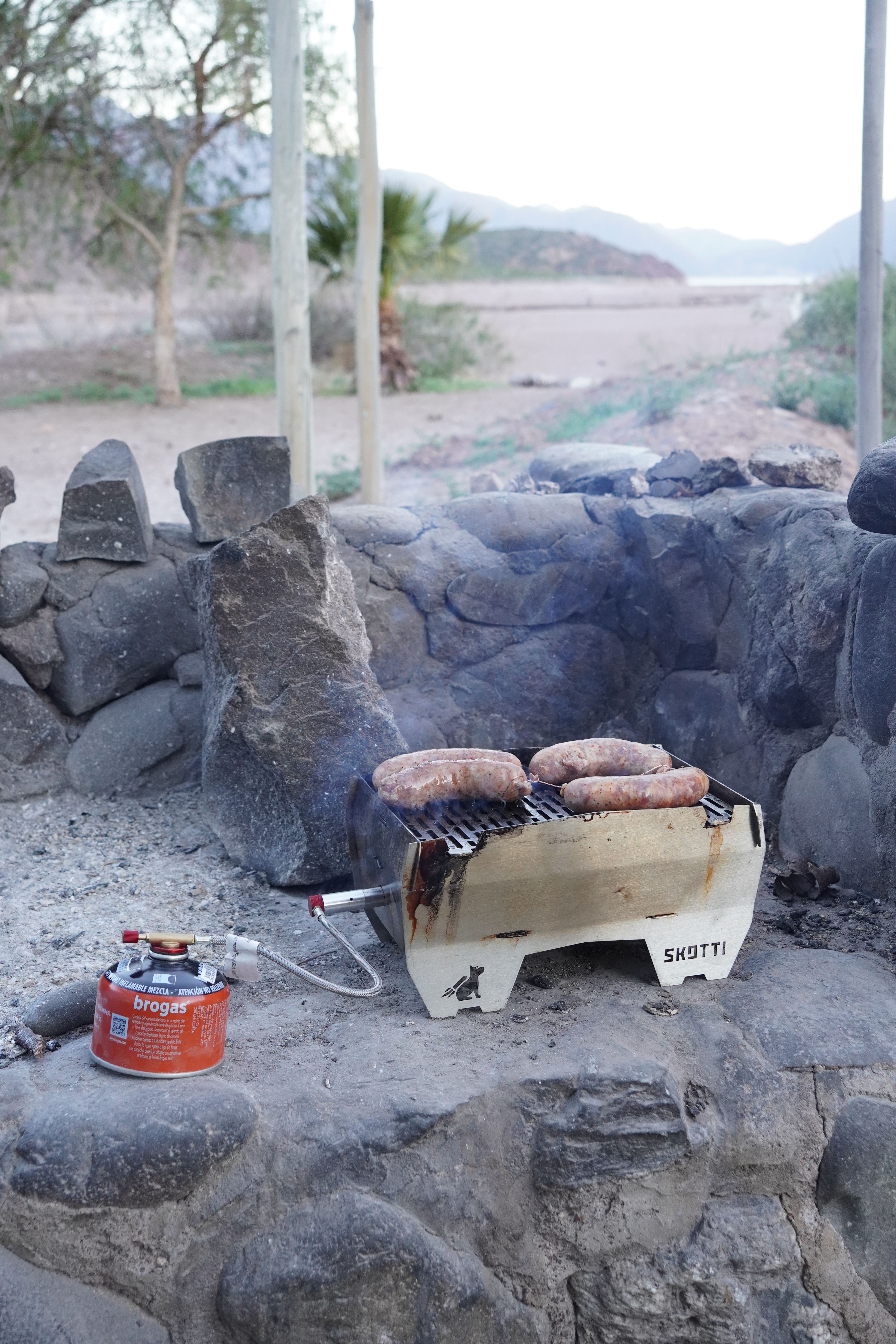
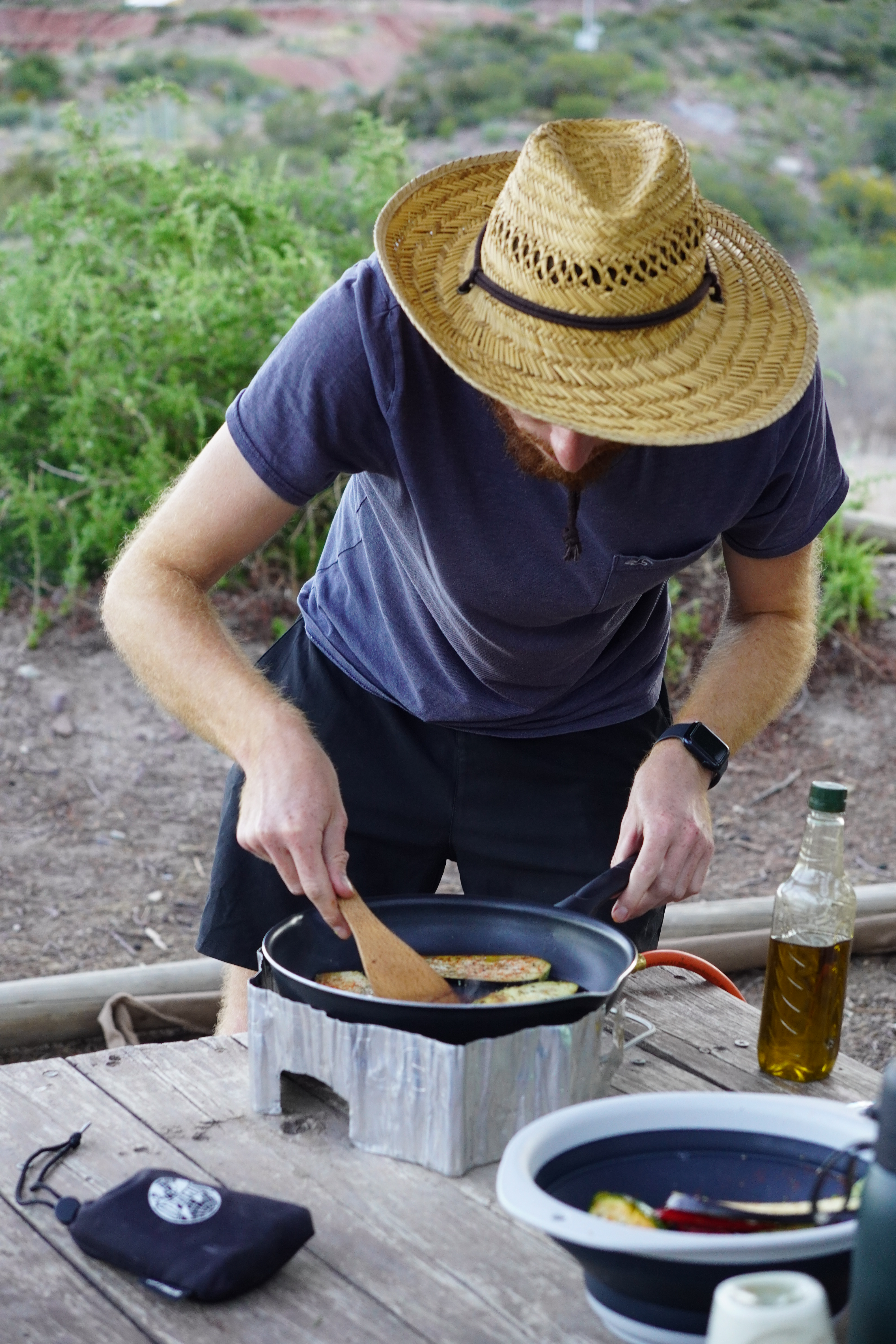
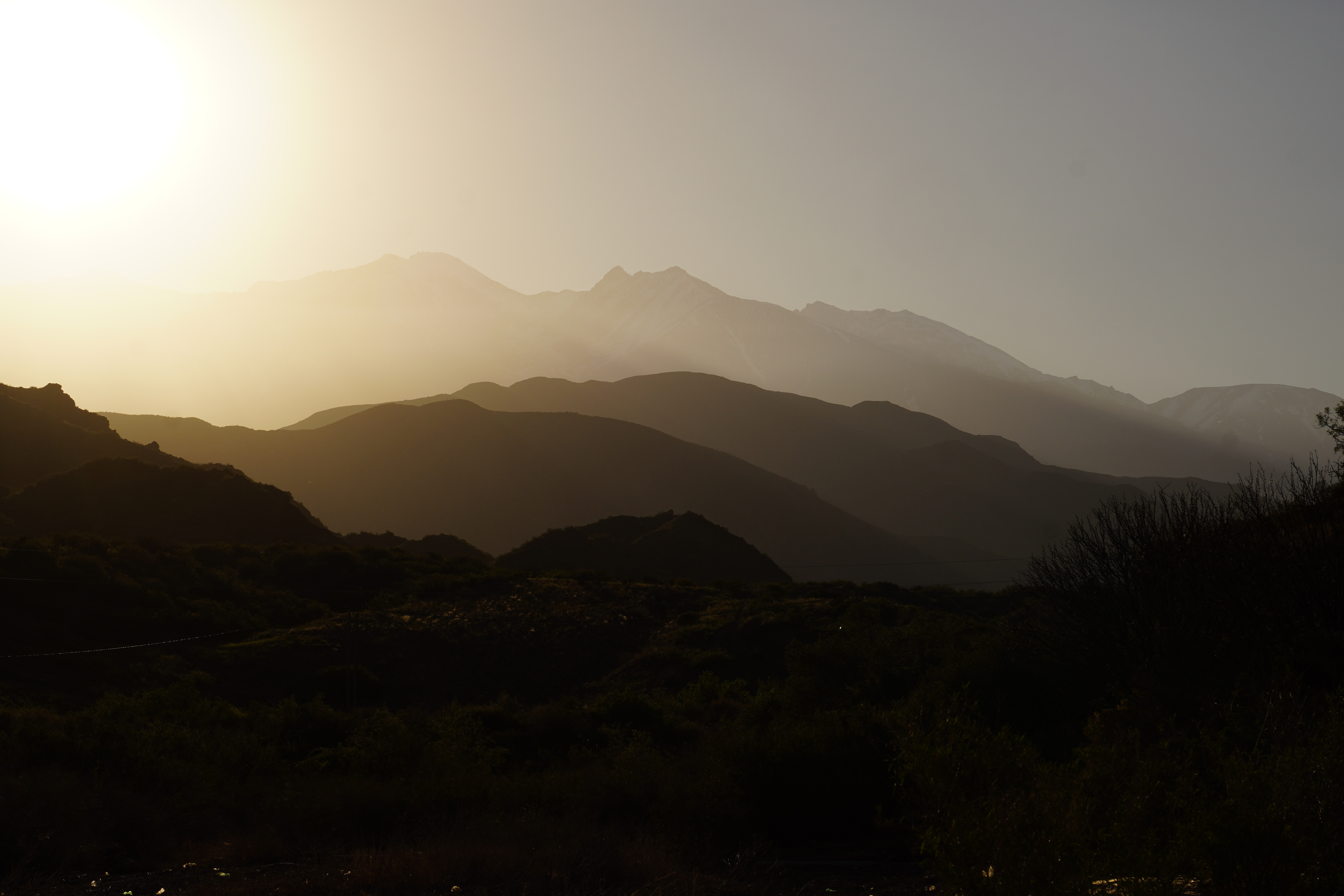
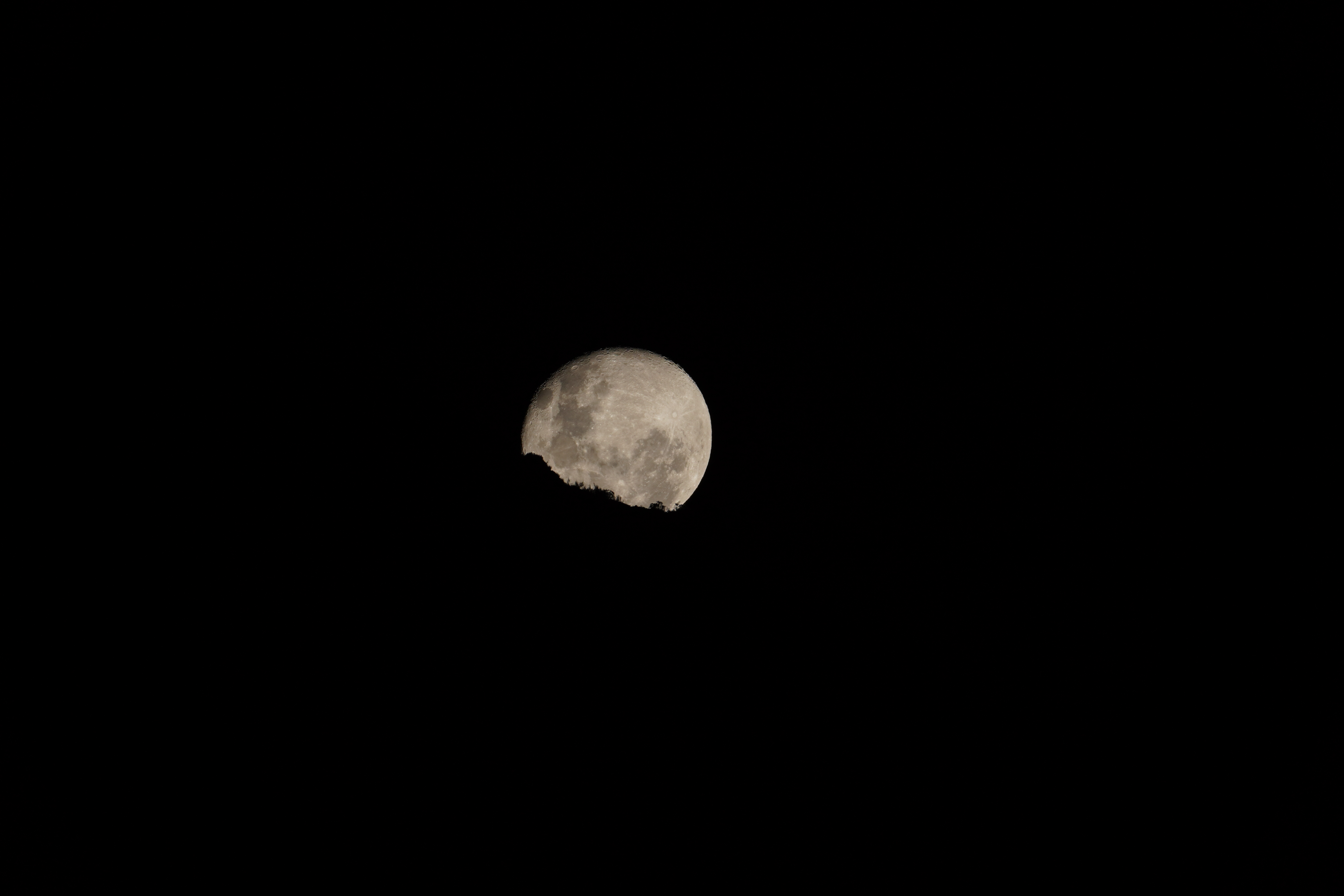
The next morning, we all had varying degrees of hangovers. Still, we planned to go rafting at Argentina Rafting and headed to the Mendoza River, near Potrerillos, close to the Chilean border. On the way, we bought Argentine steak, firewood, and ice cubes at a quirky little shop for the evening (Supermercado Los Abuelos). It was a small shop, mostly selling meat, with 6 people working there. They were so proud of their meat, that I had to take a picture of a picture of meat on their cellphone. We moved on.. The rafting conditions were easy (Level 2-3), and we were ready for some action. We spent about an hour rafting down the river and got pretty wet. Our guide brought his 5-year-old son along and was up for any fun. He was also training another guide on the side. It was a lot of fun, we laughed a lot, and got a good arm workout. At the end, we had a nice hot shower, (replay, two hot showers in a row, that’s almost too much) and they even let us park at a small private spot nearby. It was a perfect campsite for us, one of the nicest we’ve had on our trip (if you exclude wild camping). We got a key for the gate and were allowed to make a campfire, with a beautiful view of the river and the barren landscape. We spent another lovely evening with Dominik and Saskia, grilling steaks, having delicious vegetables, enjoying an amazing starry sky and many great conversations until late into the night. A smell of puma or wild animals wafted through the air, which we tried to ignore. Around midnight, when the full moon rose, you didn’t even need a flashlight outside because it was almost as bright as day. We didn’t see any wild animals, but we did see a cat.
Coca, Coco, and cräzy roads to Chile
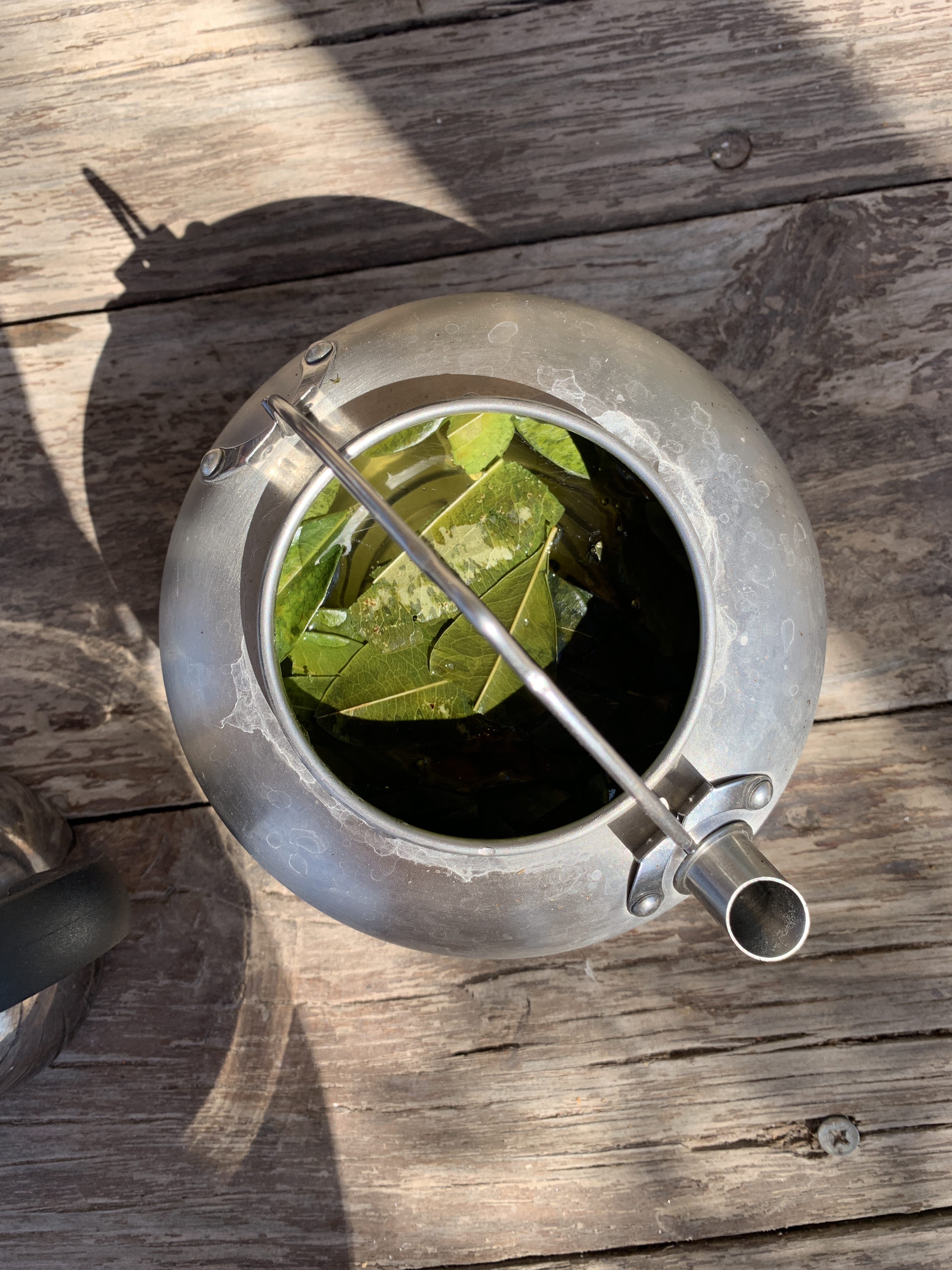
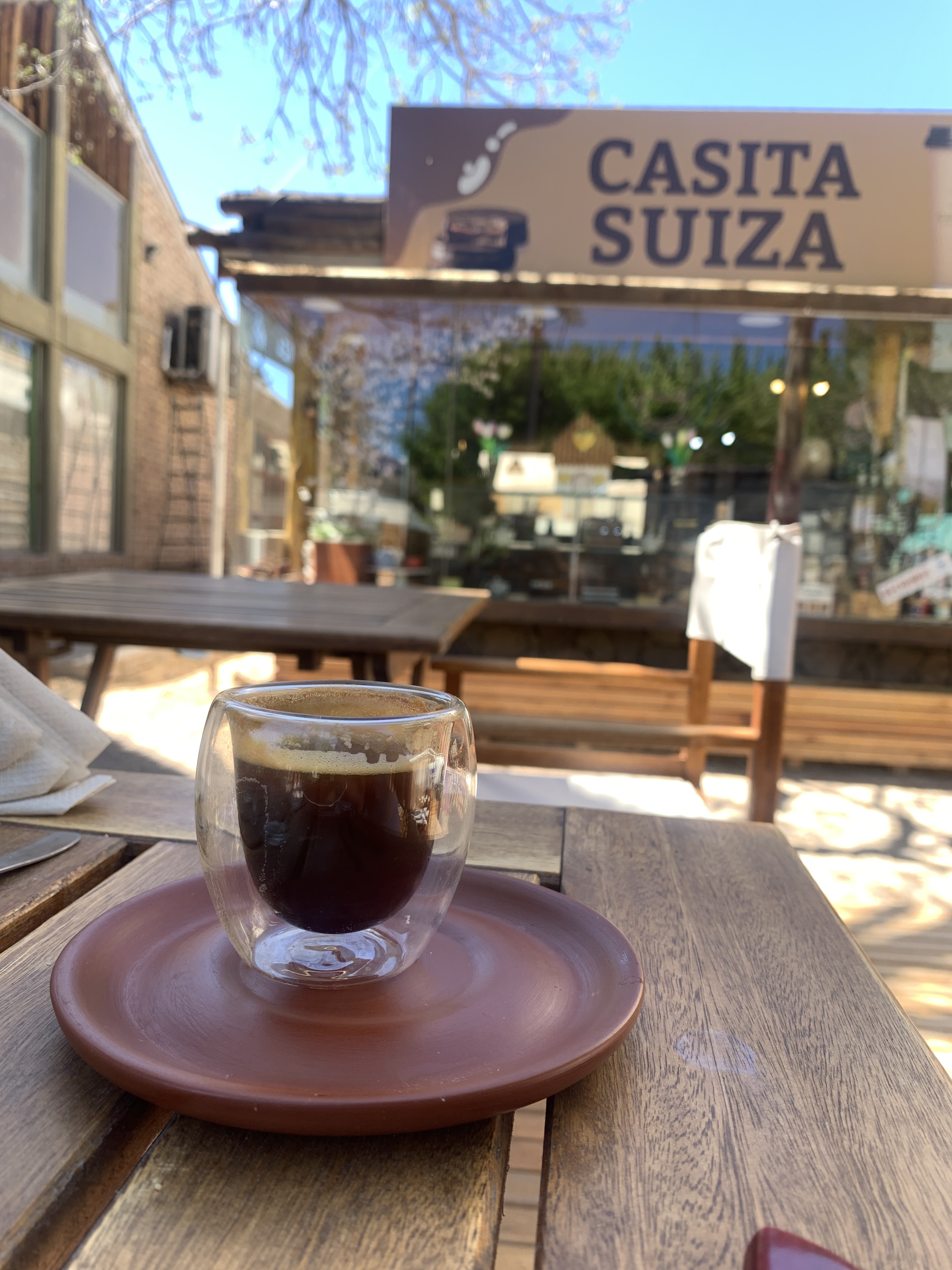
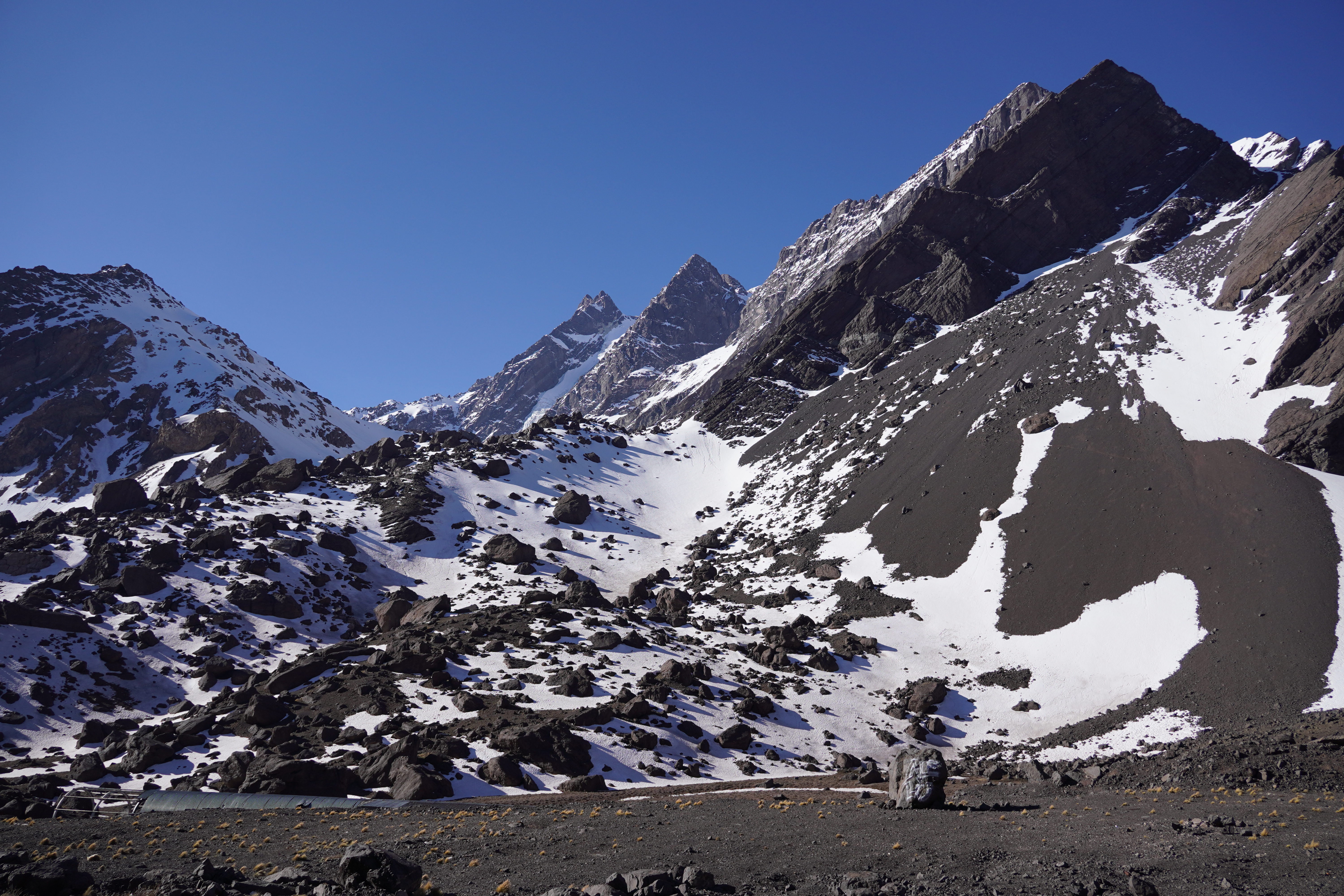
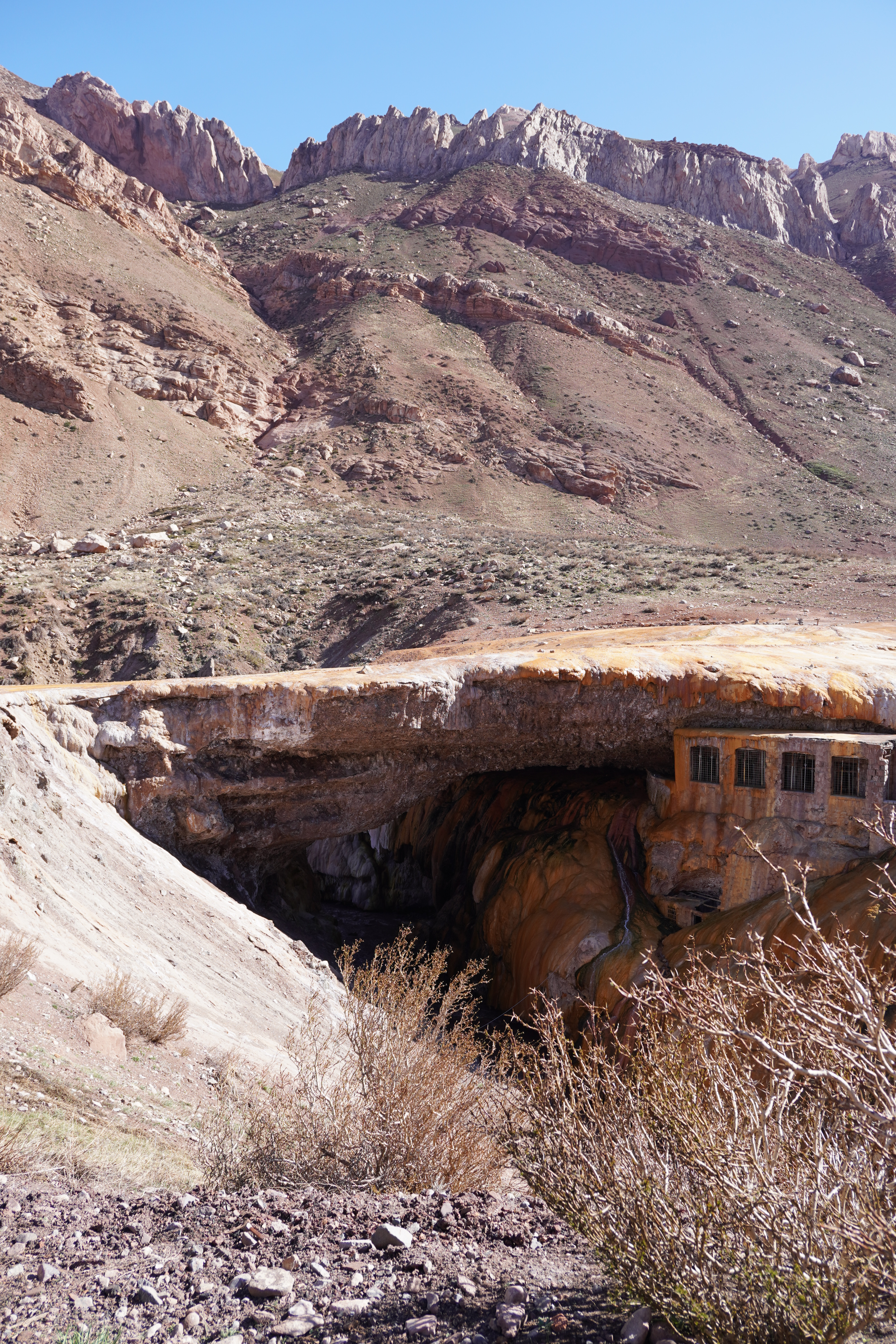
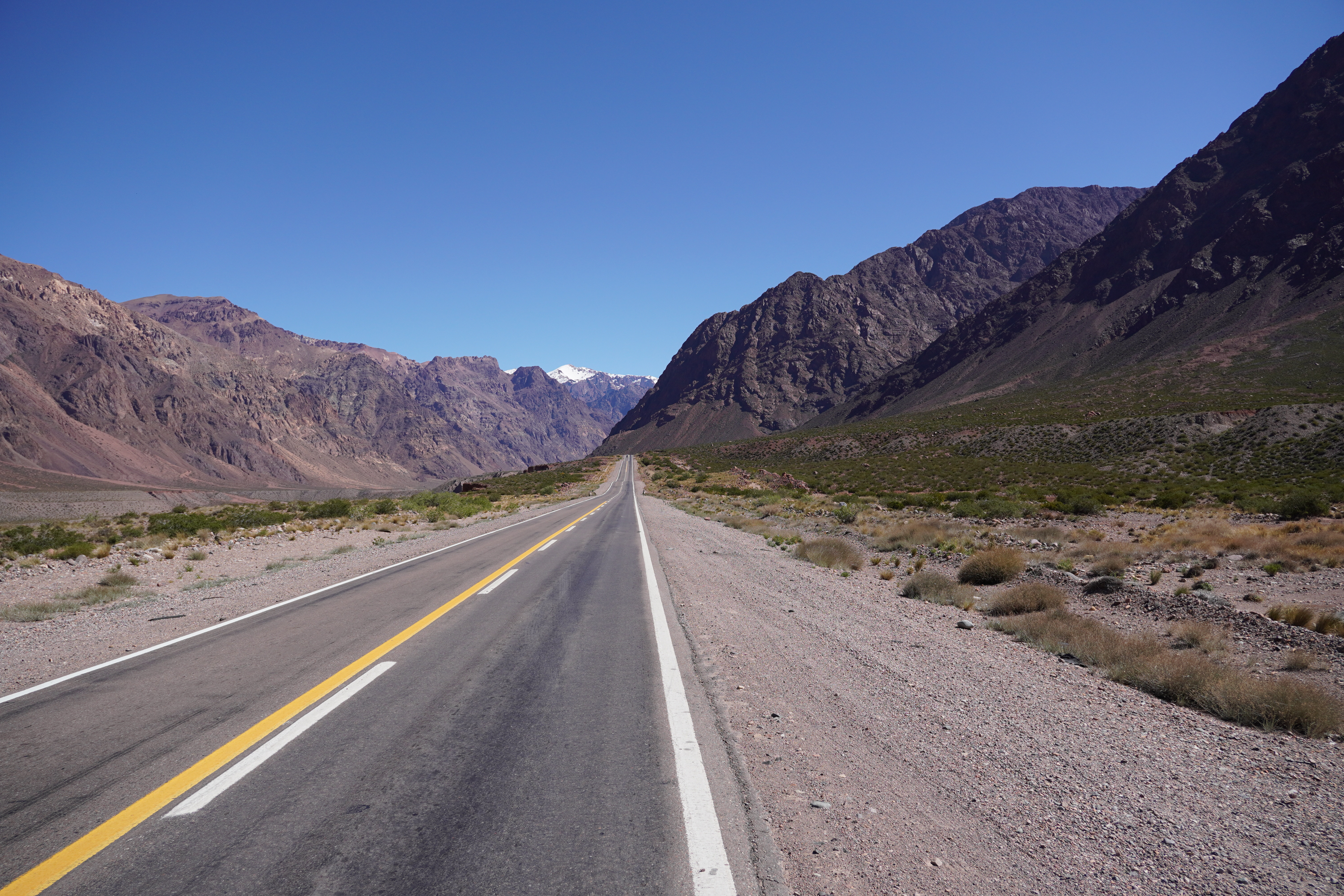
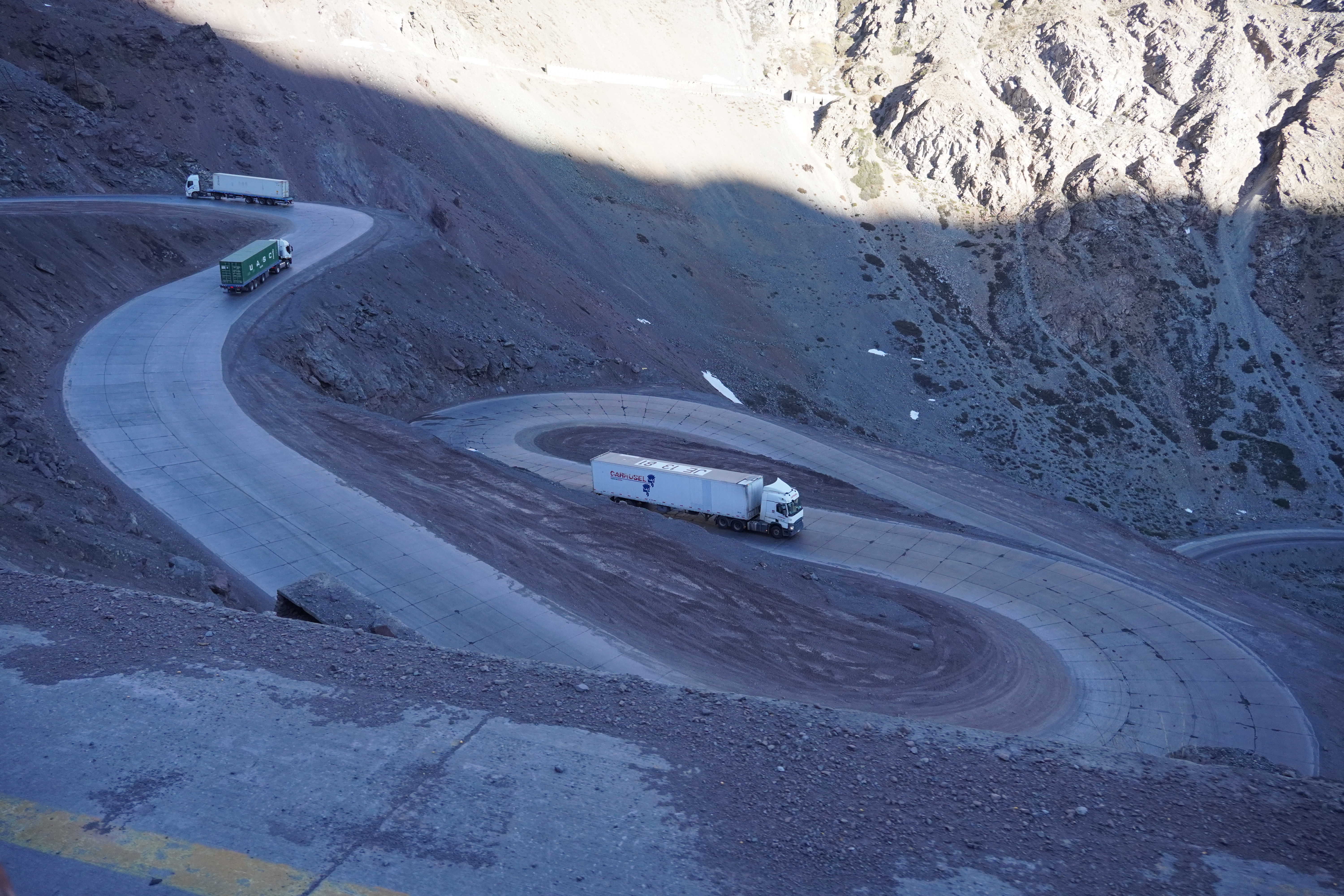
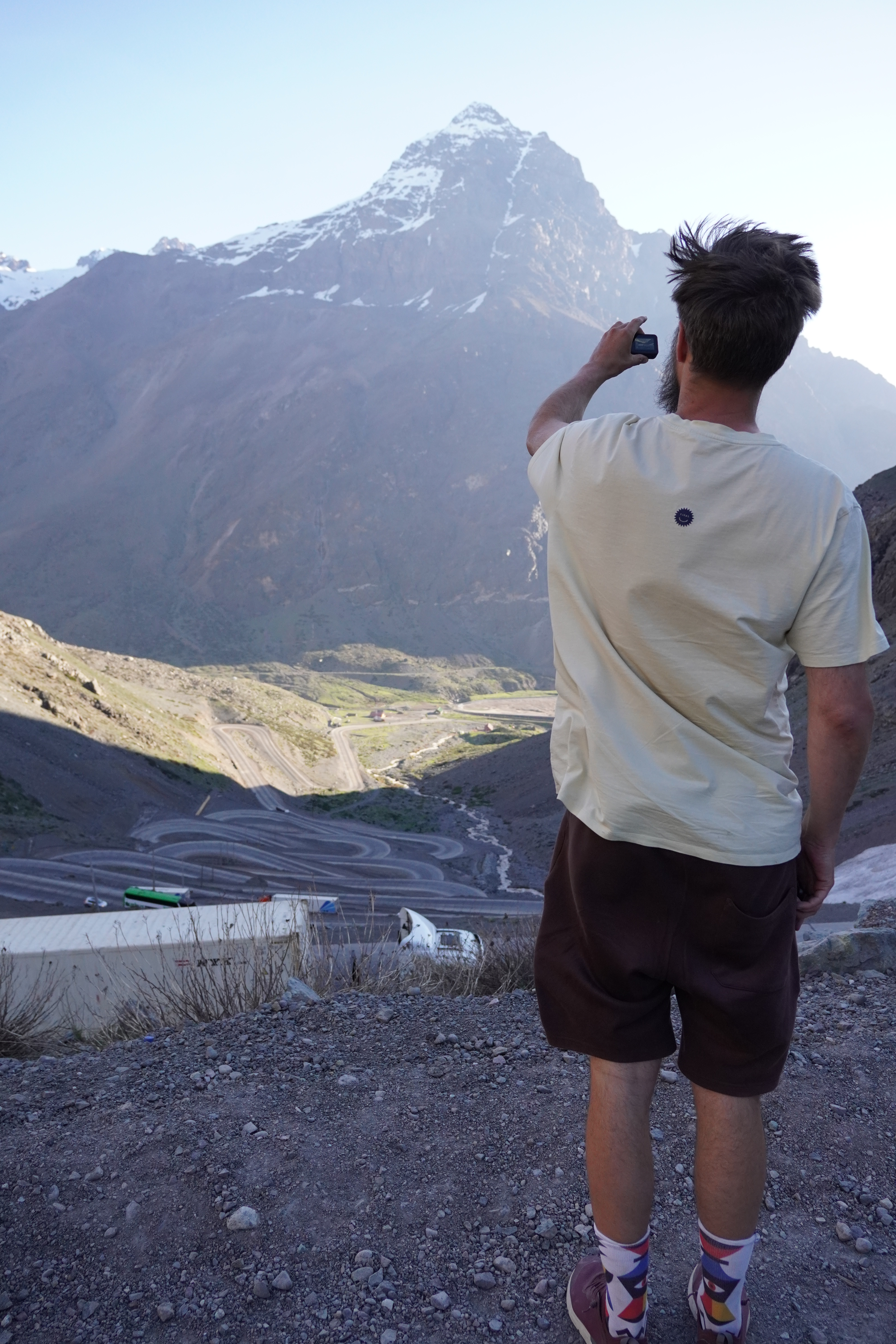
In the morning, we had jams from four countries with homemade bread, pancakes, coca tea, and the little bit of coffee we had left for breakfast. In Chile, we would finally get some decent coffee (so far, Argentina had the worst coffee, tied with Uruguay). Soon, our paths would separate. We exchanged the coconut milk we’d found in Chile (which isn’t available in Argentina) for coca leaves (to help with altitude sickness) and set off for Chile. Saskia and Dominik were heading south toward Ushuaia. We made a quick stop in Uspallata for a coffee and cinnamon roll at a Swiss café and drove past the highest mountain in the Americas. Aconcagua, at 6,961 meters, is the highest peak in South America and the tallest outside the Himalayas. It’s located in the Andes, on the border between Argentina and Chile. On the way to the border, we stopped by Puente del Inca. It’s a fascinating natural rock formation that spans the Rio de las Cuevas, known for its bright yellow and orange colors caused by mineral-rich springs. This impressive geological formation was once a popular spa before the mineral springs were closed. A young boy tried to charge us for parking, but we didn’t fall for it. We have to admit, though, that at just 8 years old, he was quite good at negotiating. However, there were no signs stating we had to pay for parking. It was probably worth a try – many tourists probably fall for it. Now, we were about to drive on the most challenging road yet. Paso del Aconcagua is a mountain pass at around 3,800 meters that connects Argentina and Chile. It’s only passable in summer and had been closed for weeks before due to heavy snowfall. Today you can take a short tunnel on top and don’t have to go all the way up. Rosi could barely accelerate in third gear, but she handled it without complaint. We didn’t feel the altitude. The landscape was barren, it was chilly, and we could see some snowfields. It was already afternoon, and we weren’t really looking forward to the border crossing, as we’d heard that Los Libertadores is very strict. The customs building was futuristic. It felt like being in a computer game as we drove through a tube-like road into the round building. A completely covered border crossing, very modern, with individual booths. We were lucky, and the older Chilean border officer, who was planning to move to Switzerland soon, was more interested in making small talk than checking our car. Still, a sniffer dog was brought in, which left some cute paw prints on our floor. About 20 minutes later, we were through and could focus on the second part of the pass: the descent. Los Caracoles, the road on the Chilean side of Paso del Aconcagua, is famous for its 29!!!!!!! tight hairpin turns. These steep, serpentine curves make the route both challenging and spectacular, overcoming around 1,200 meters of altitude. Slowly, with some photo stops, we drove down the road until we reached Rio Blanco, where we stopped for the night. I had read on iOverlander that it was a good spot to park near the fire station. We asked the firefighter boys there, and they said it was fine. However, when I tried to take a photo for my nephew Justus, the situation quickly escalated.
 höme
höme 
Leave a comment