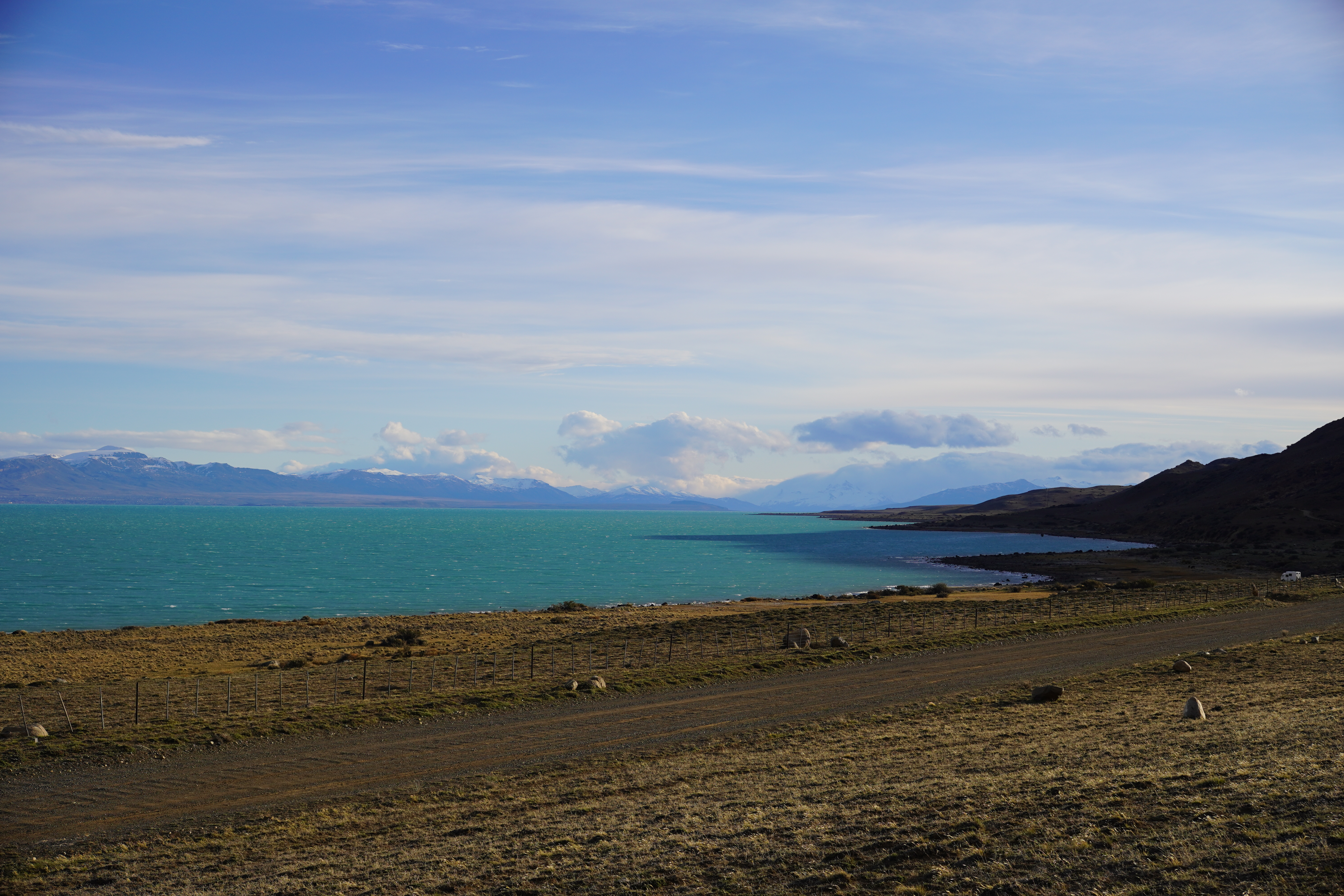
Luckily, Björn was feeling better. But such things are part of the experience when you travel for a year, though it’s not pleasant. After the visit at the mechanic and the shöpping trip, it was already quite late, but the drive wasn’t supposed to be much longer. We found a wind-protected parking spot by the turquoise-colored Lago Argentino with a view of El Calafate. Around us were cows and guanacos. We were surprised when suddenly a pretty run-down camper took on the gravel road and stopped there. It was probably too windy for them, and they didn’t want to stay with us, so they quickly moved on. In the evening, we had a light meal, and the next day we leisurely made our way to El Chaltén, which is often referred to as the “Trekking Capital of Argentina”. It serves as a base for some of the region’s most famous hiking trails, especially to the iconic peaks of Fitz Roy and Cerro Torre, which attract hikers from all over the world. Although it’s a popular destination today, El Chaltén was only founded in 1985, mainly for strategic reasons to strengthen Argentina’s sovereignty in a border dispute with Chile. The picturesque town lies on the edge of Nationalpark Los Glaciares and is surrounded by stunning nature, making it a magnet for outdoor enthusiasts. That’s exactly where we wanted to go and hike.
Roadkill and Other Dead Animals
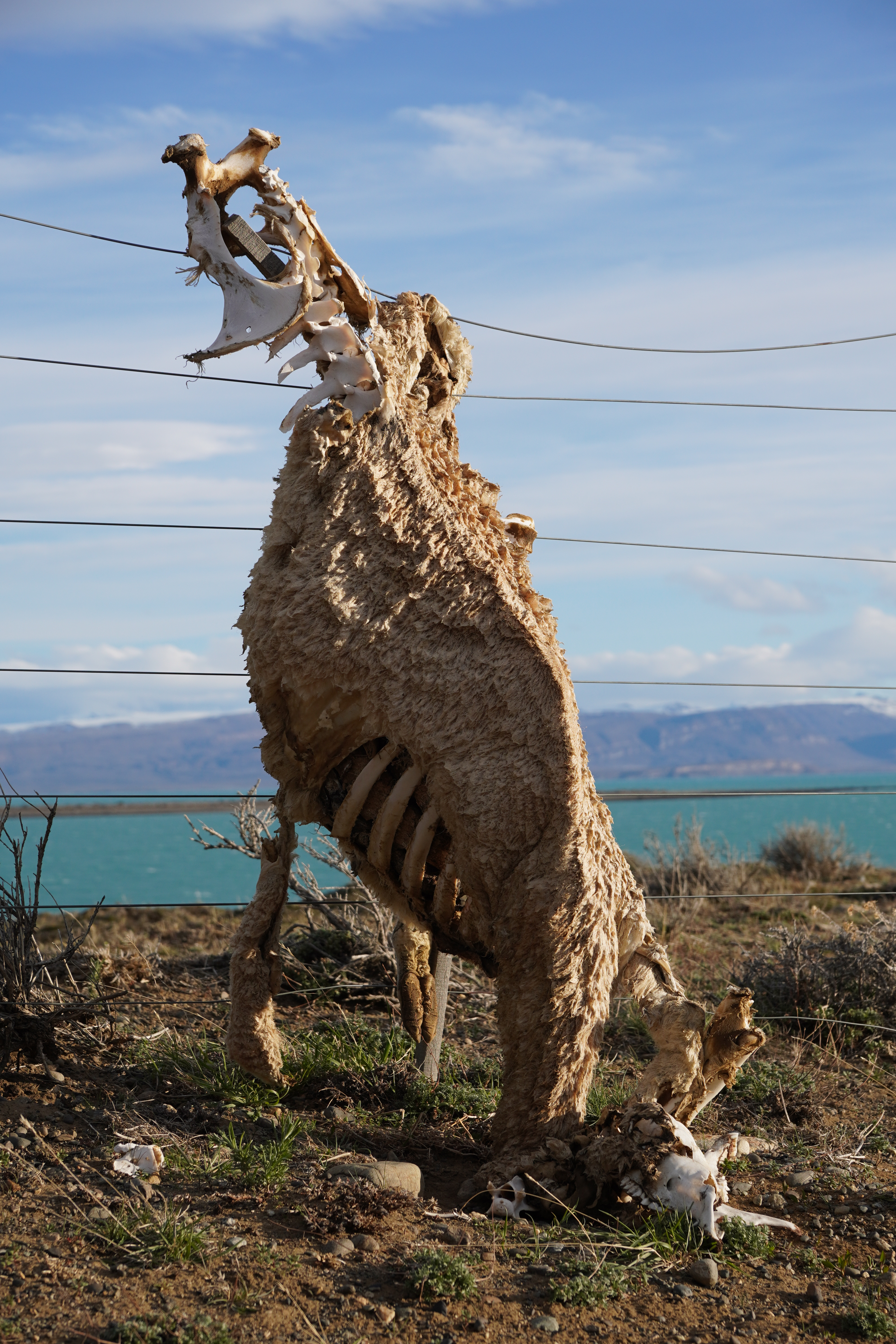
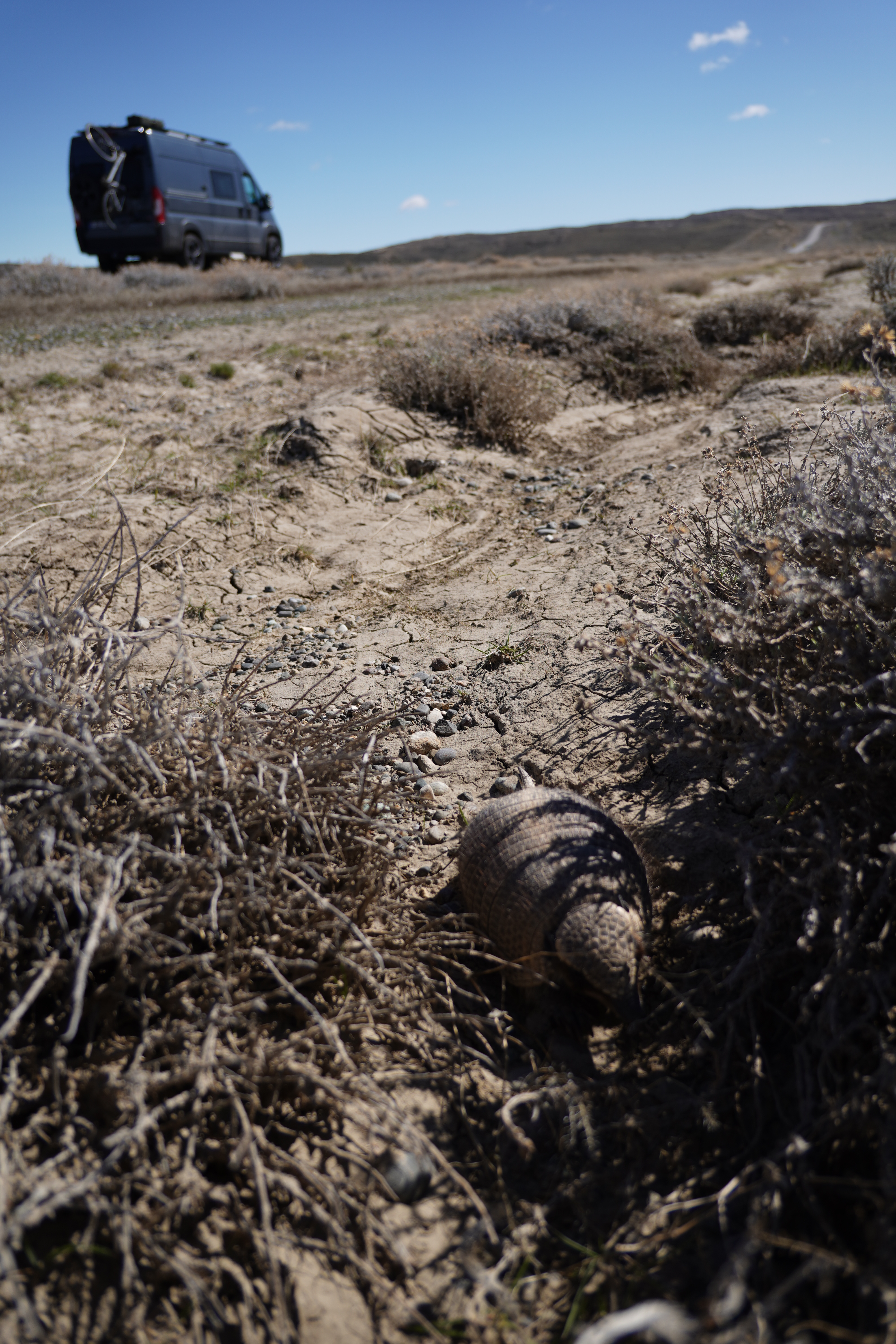
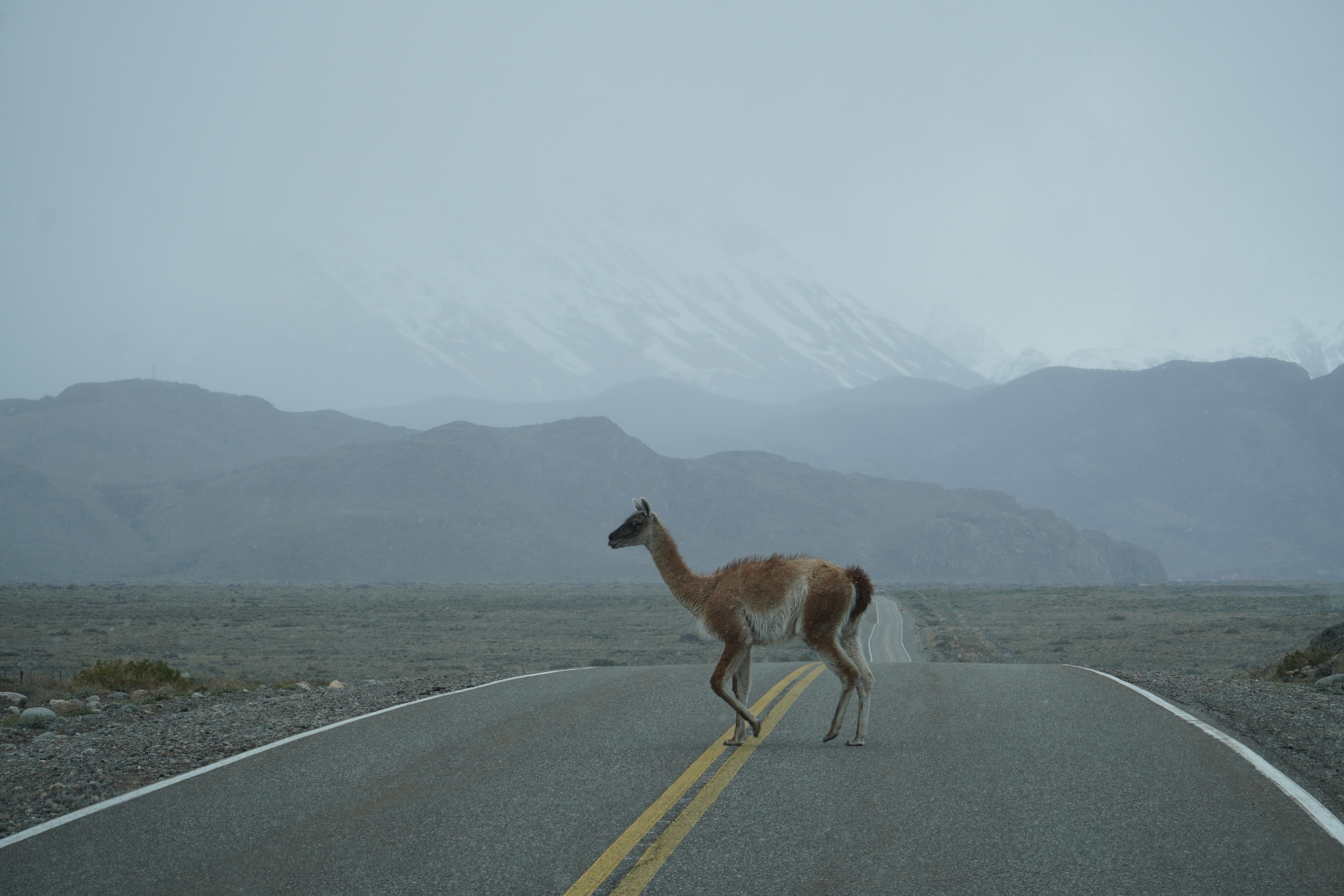
On the way to El Chaltén, we didn’t see much of the scenic surroundings. Almost nothing. In the distance, we could admire one glacier at Lago Viedma – the Viedma Glacier. The sky was gray. But we were thankful for the very well-paved road into the city. Unfortunately, we also had a sad encounter there. An armadillo crossed our path. We had been wanting to see one for a long time, but despite heavy braking and swerving, Rosi hit the small animal. It almost seemed as though it was aiming directly for the car. It made us very sad, and we were on the verge of tears. You wonder what you could have done differently. In the last few days, we had just seen too many dead animals. Hundreds of dead guanacos lie along the roadside. But most guanacos hang next to the road, stuck in barbed wire fences. They are flight animals, and when a car approaches, they run away and try to jump over the fences. Often, they get stuck and die painfully. On some sections of the road, you can’t even count all the dead animals in 100 meters. Often, it’s just fur and bones hanging in the fences. Shortly after the armadillo, I saw several condors on the ground, feasting on carrion – they were huge. But as much carrion as there was here, they couldn’t possibly eat it all. The Andean condors are still considered endangered, with an estimated population of 7,000 to 10,000. In the next few days, we had three more armadillo crossings – and all of them survived. Once, I even checked on the roadside to make sure the little one was okay.
Hiking Without a View
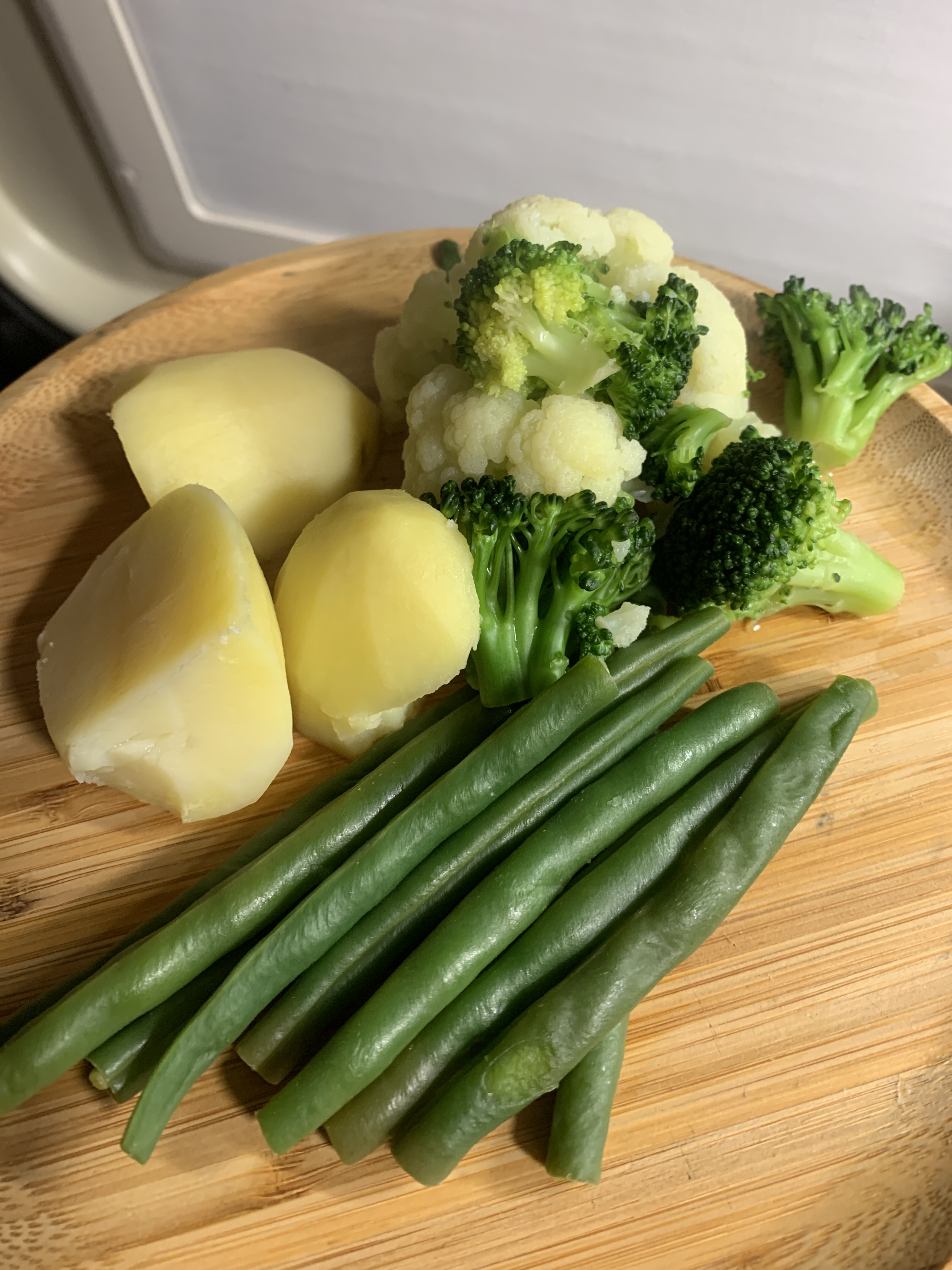
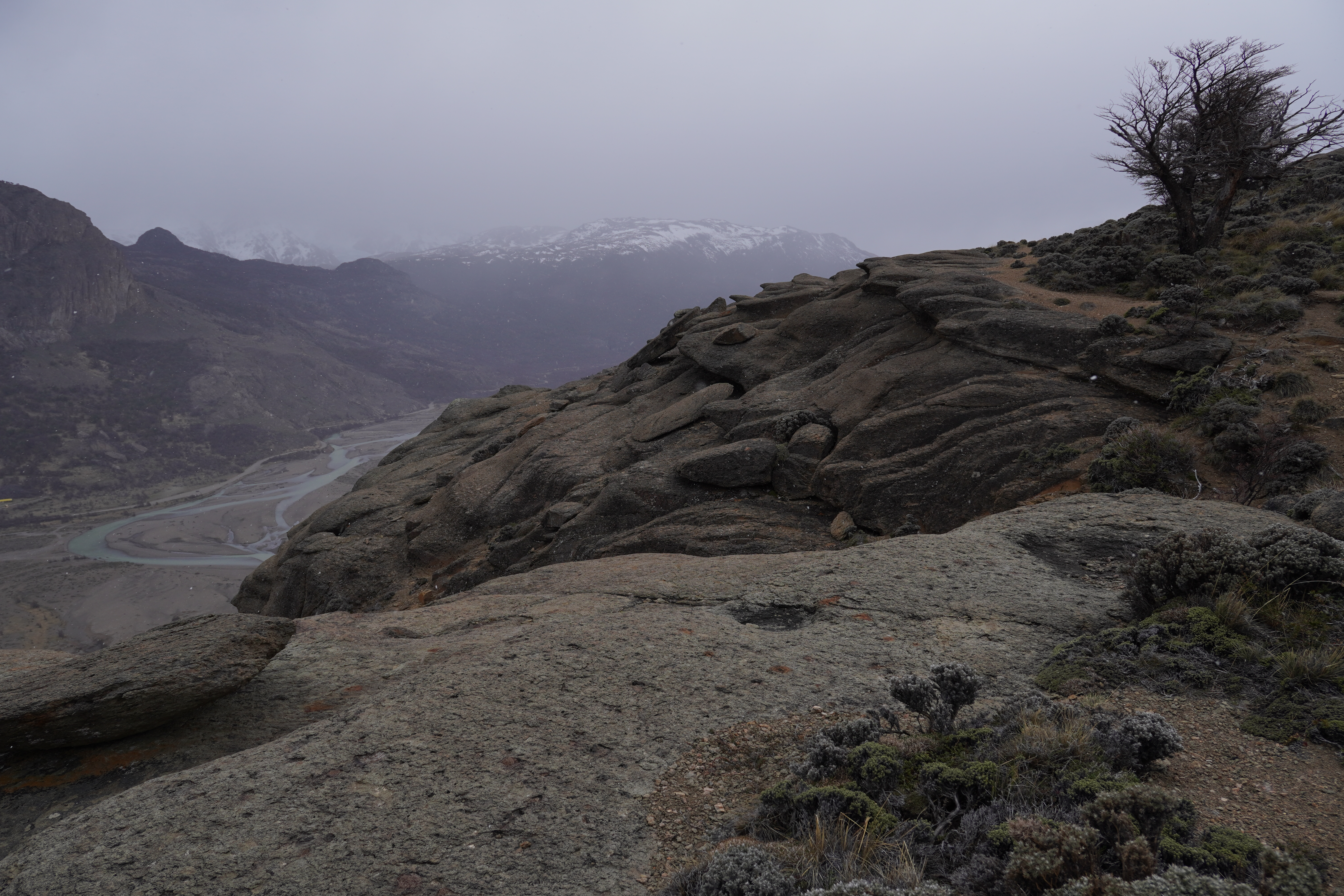
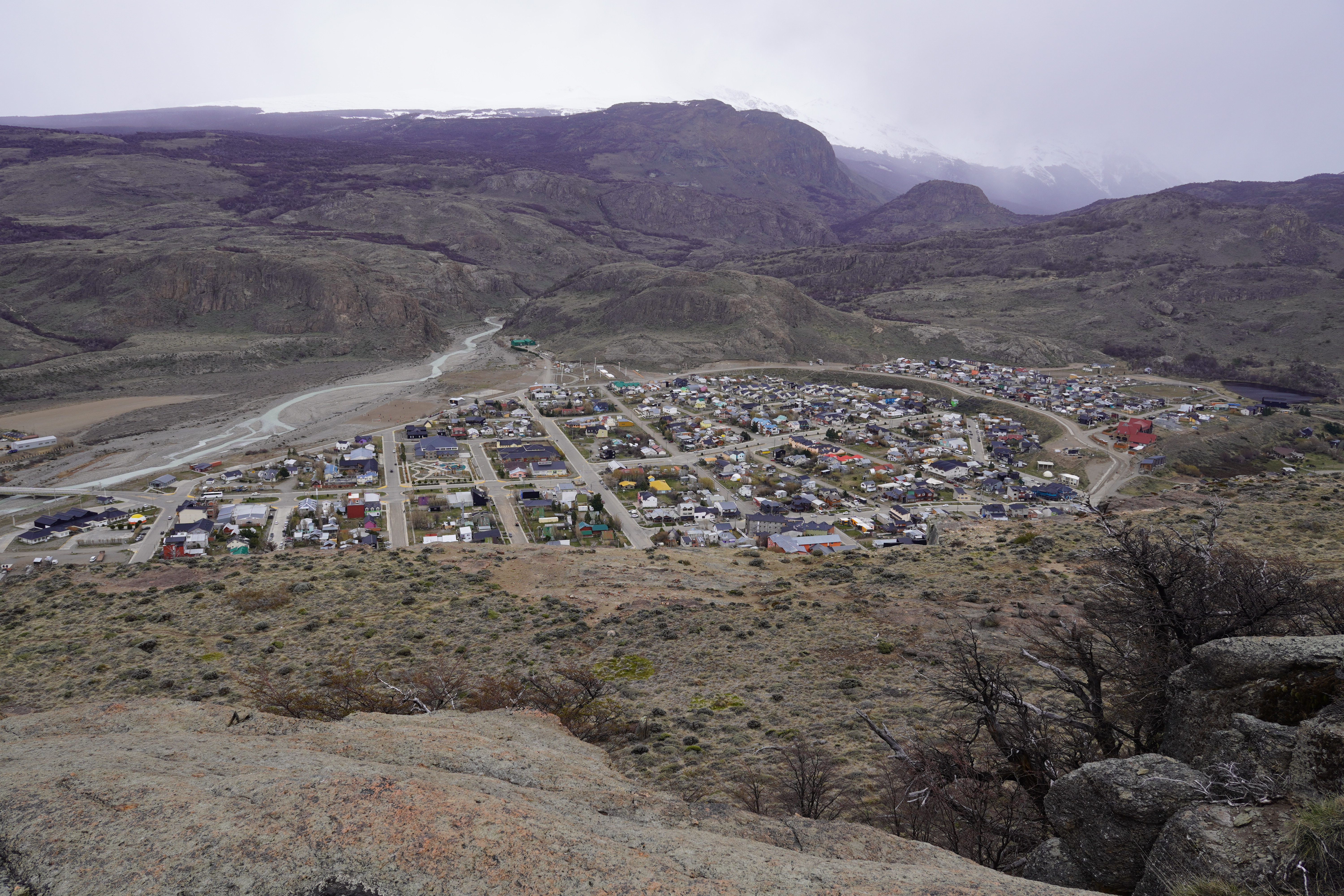
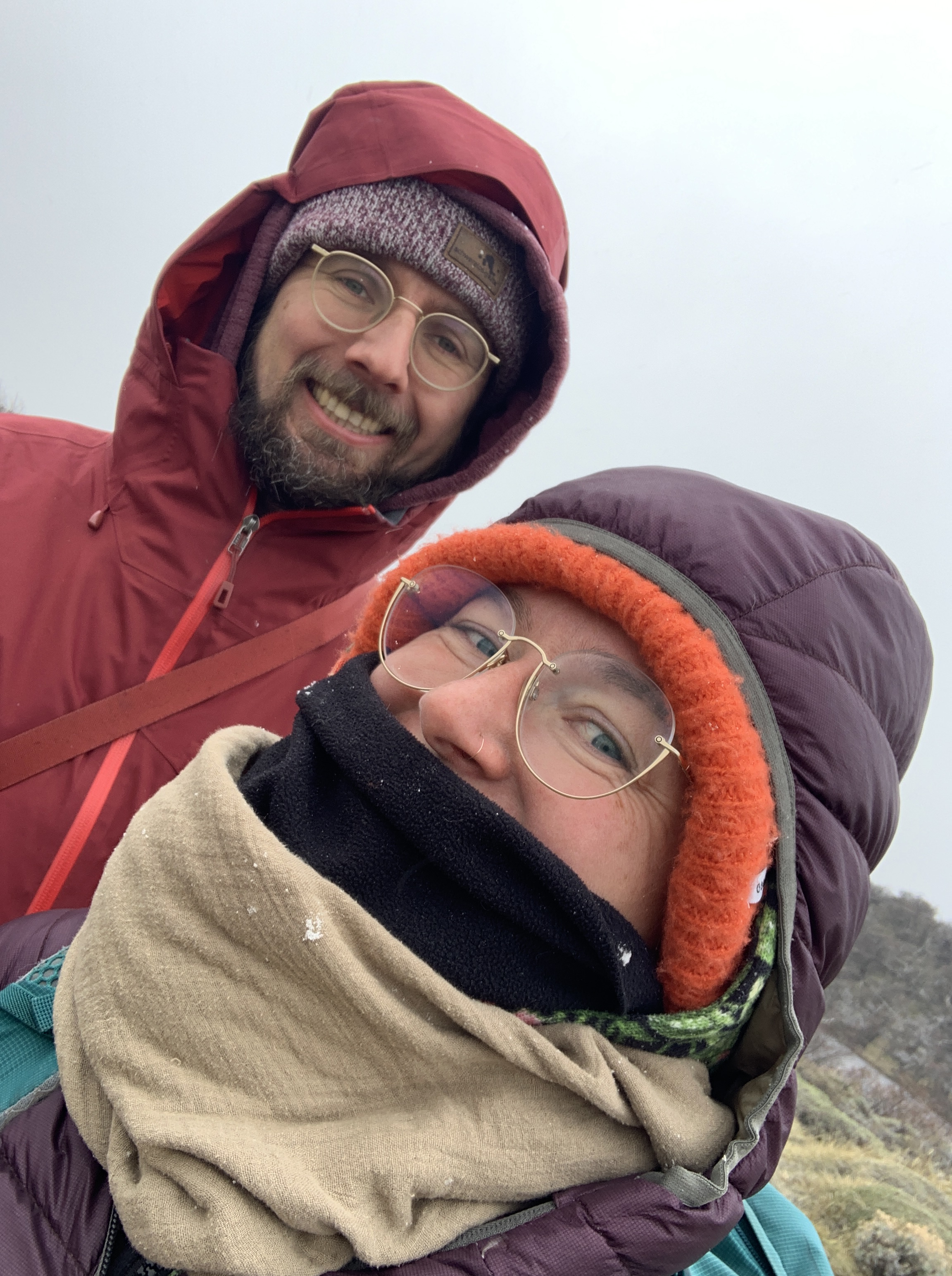
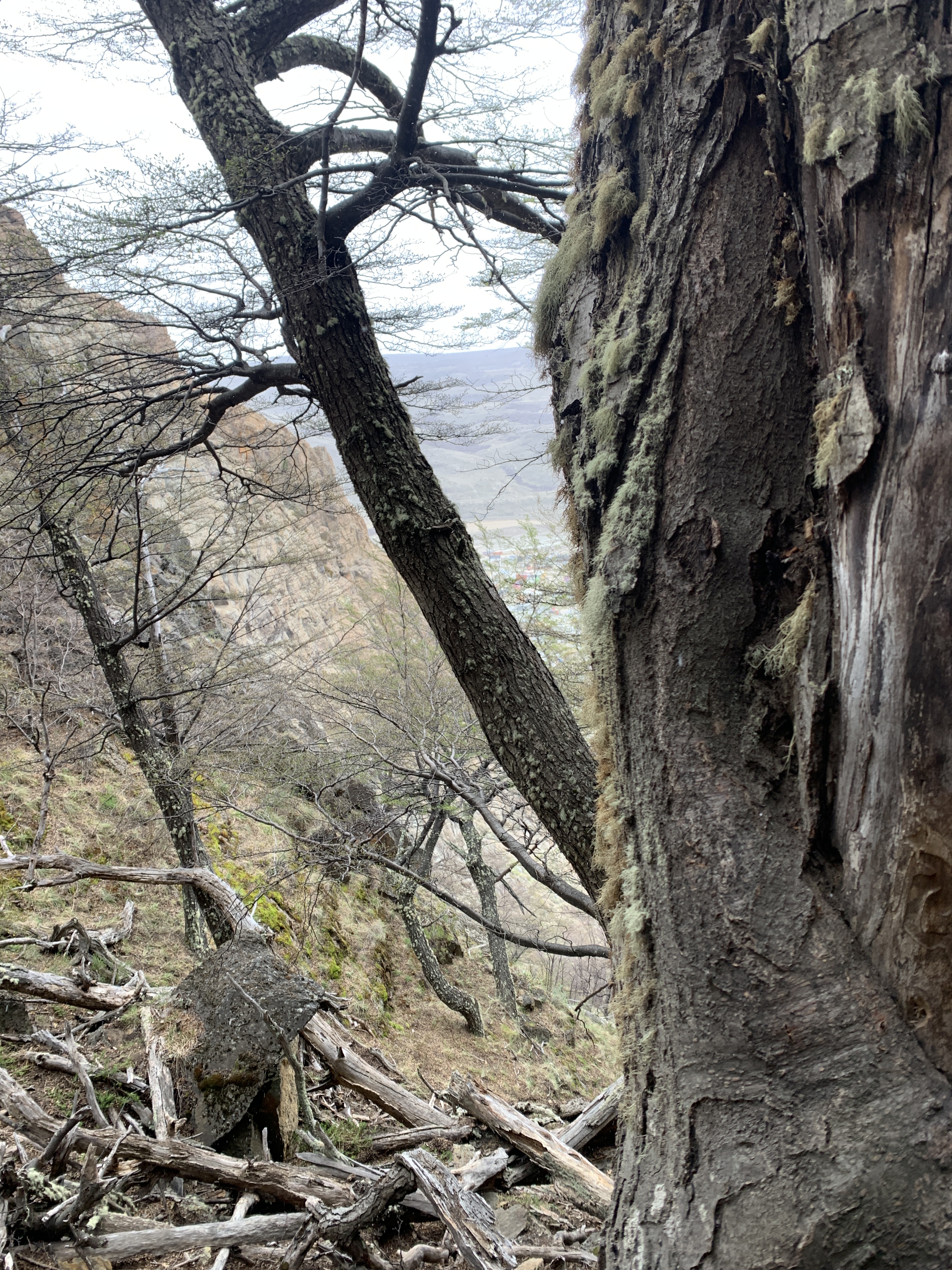
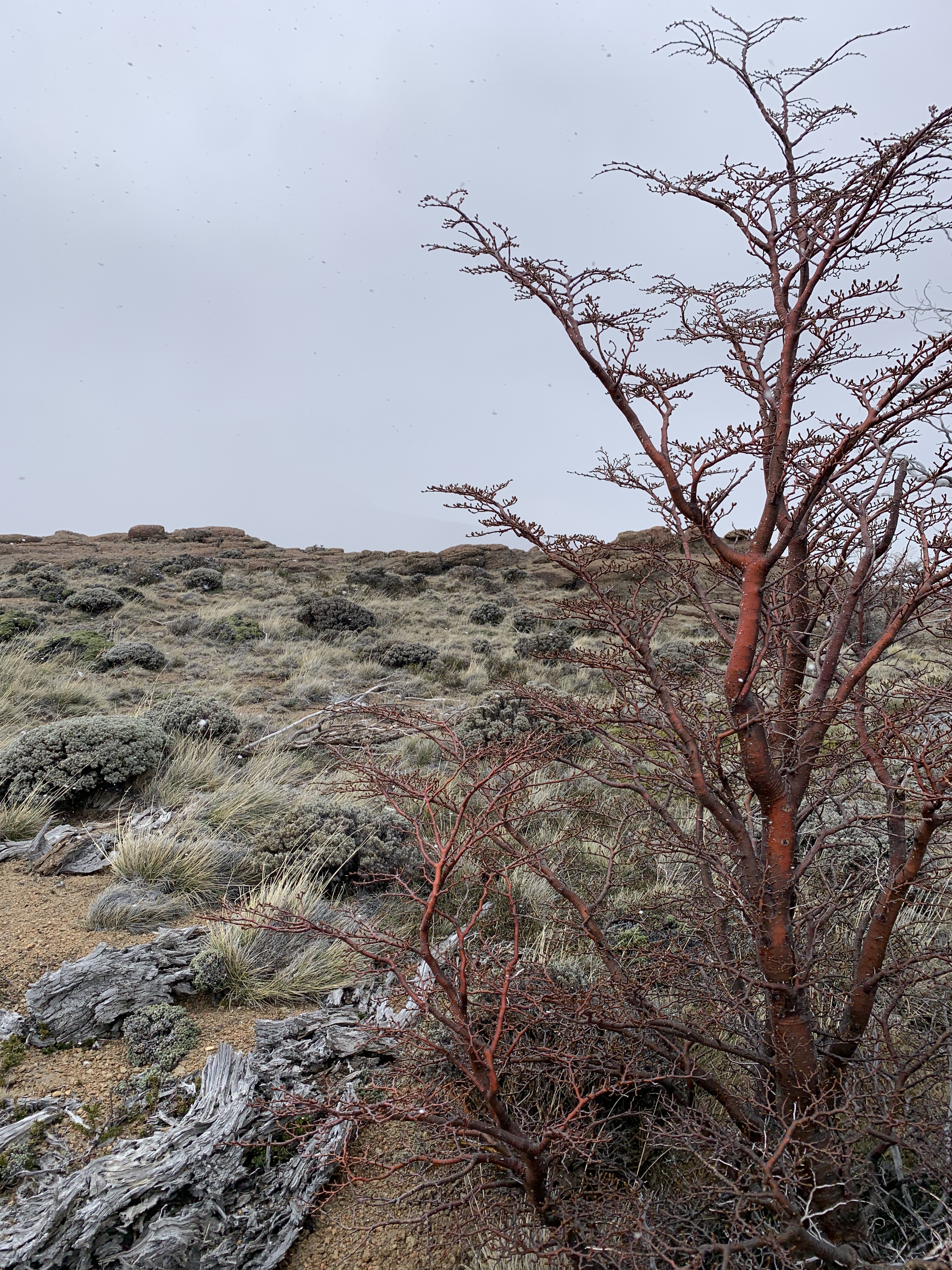
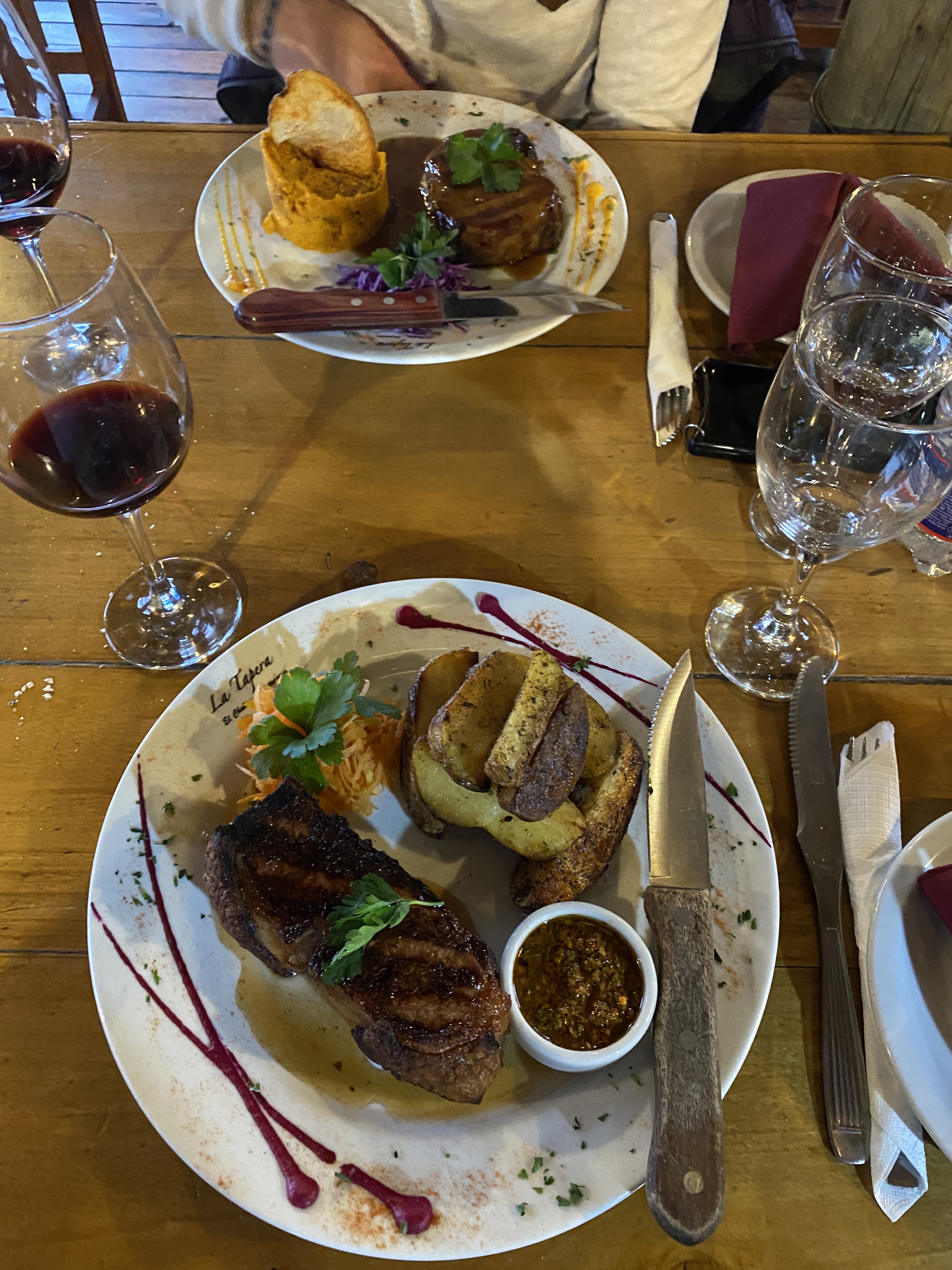
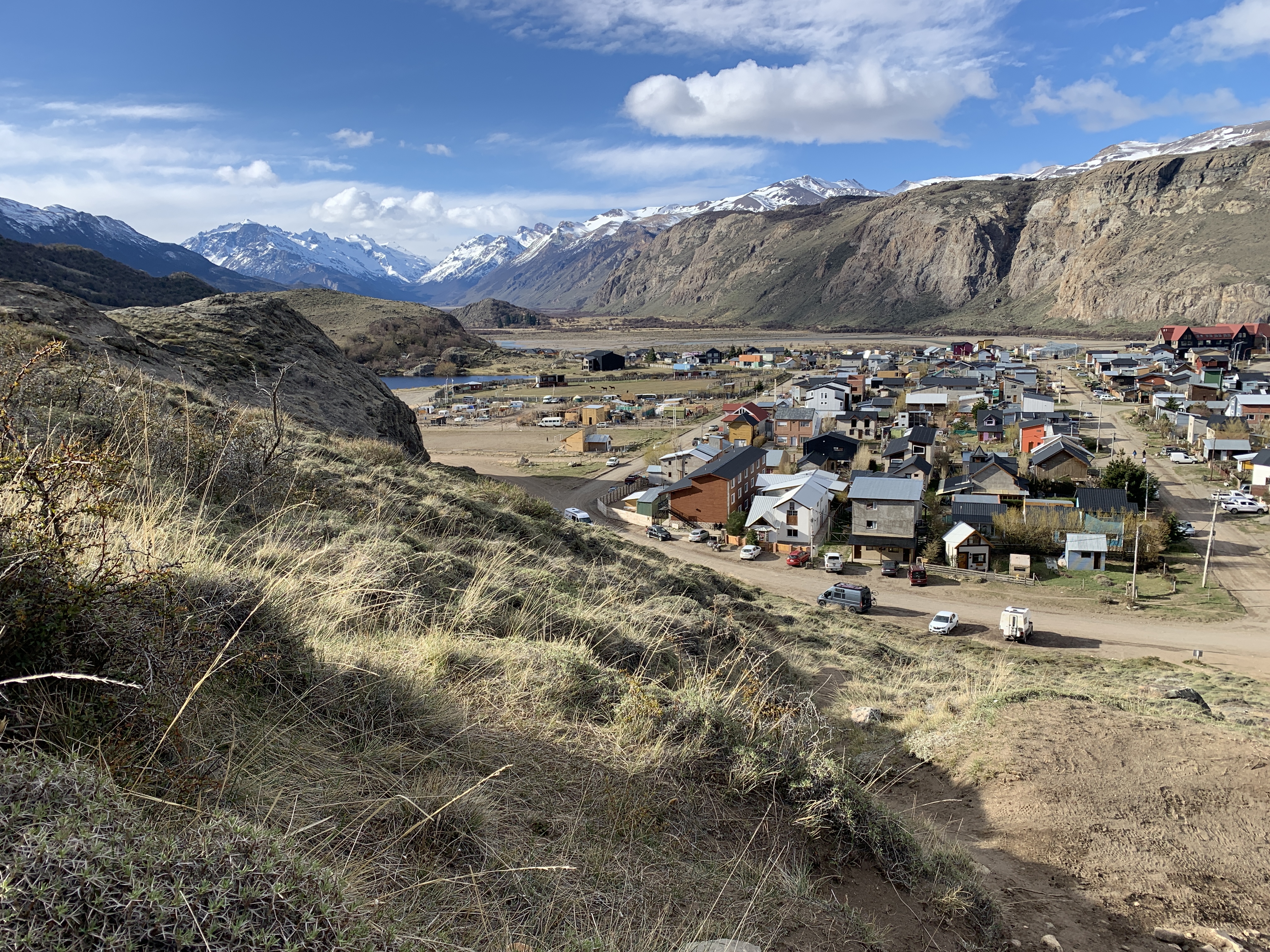
When we arrived in the town, we were surprised at how tiny it was. Everything seemed very simple and minimalistic, no frills. A bit sleepy. The few people we saw were wearing outdoor clothing and backpacks. We found a very European-style dumping station for waste, wastewater, and fresh water in town (the first one on our trip), and then we enjoyed a delicious coffee at PAISA High Mountain Coffe. We left Rosi there and thought we’d take a “little evening stroll”. We put on our hiking boots and bundled up, as snow was now falling from the gray clouds. The hiking trail turned out to be a real challenge. It was a very steep path with loose soil, in a snowstorm, on a slope in the forest with rocks. Because the path was so steep, we quickly gained altitude. At the top, the wind was blowing fiercely, but we had a nice view of the town and what lay ahead of us, though we couldn’t see any of the mountain panorama. Overhead, the Andean condors circled. Even though the weather wasn’t the best, it was a wonderfully mystical path. On the descent, we were excited to spot parrots and thought about the restaurant for the evening. Tonight, we wanted to make up for Björn’s birthday dinner, in a rustic wooden house with a crackling fireplace and local dishes: Restaurant La Tapera. It looked like an alpine lodge, except in the Andes. After hiking in the snow, it felt so good to sit by the fire. The Argentinian red wine also warmed us. Since Björn’s stomach was better after the light diet of the past few days (broth and vegetables), we had a feast. Steak with chimichurri and patatas fritas. I had pork shoulder with pumpkin puree. To top it off, a chocolate volcano. Everything was delicious. The restaurant even offered guanaco lasagna. Apparently, the animals are also eaten here. With full bellies, we drove Rosi to the visitor center of the national park, where campers can stay overnight for free. You should know that we were back in National park Los Glaciares (as we were when visiting Perito Moreno Glacier, for which we paid 30,000 Argentine pesos per person). But here, we didn’t have to pay anything. The town is actually part of the national park.

Hiking With a View
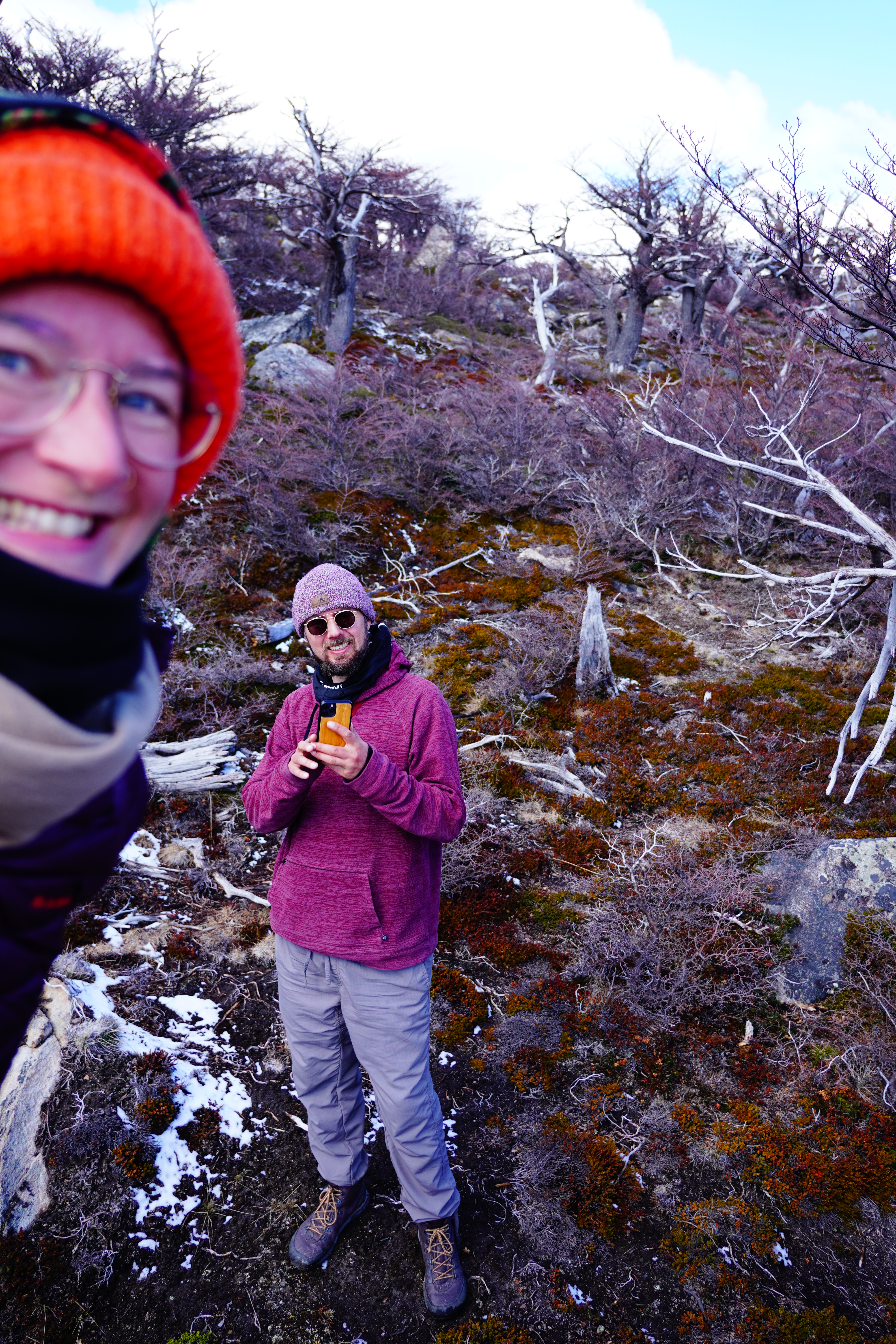
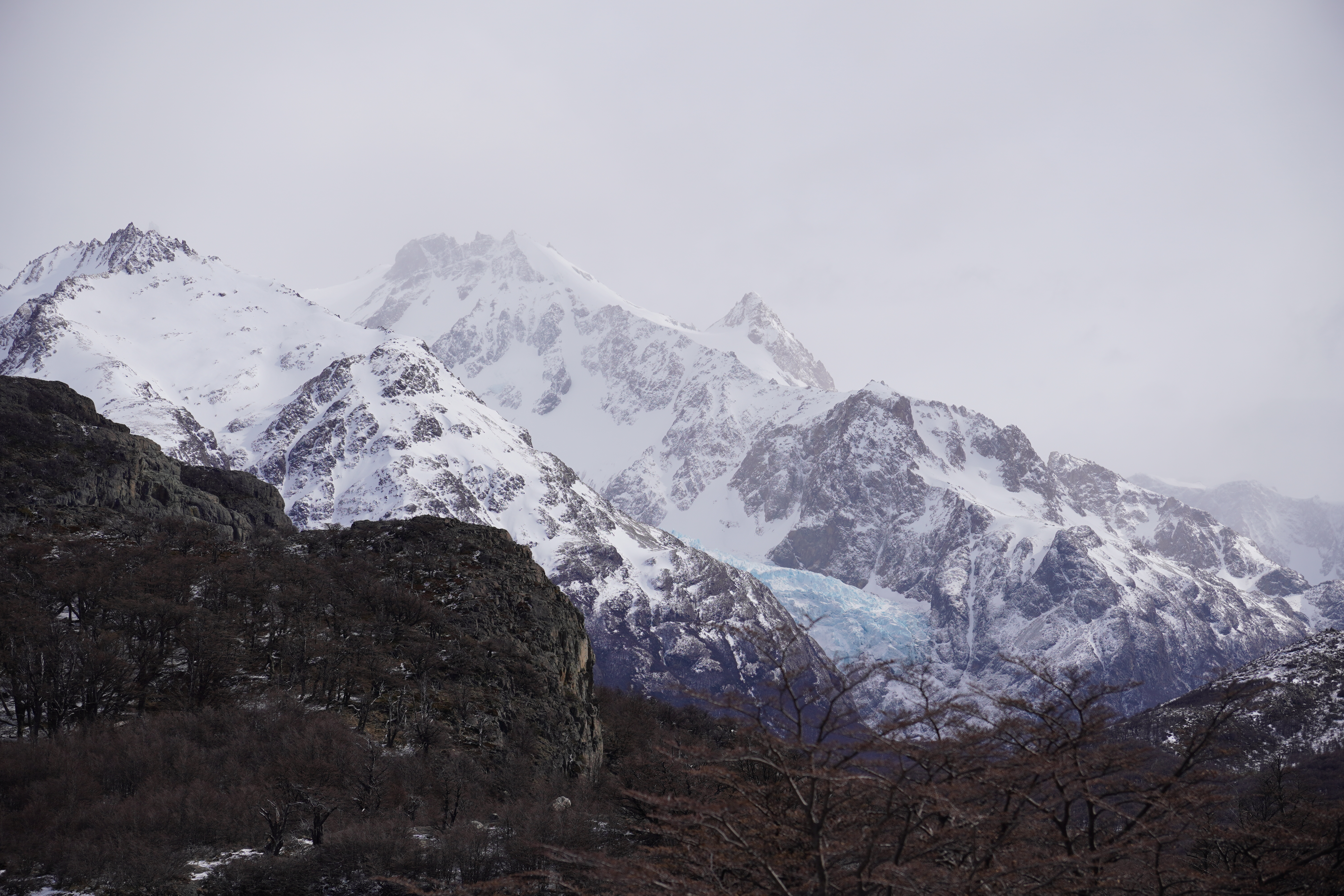
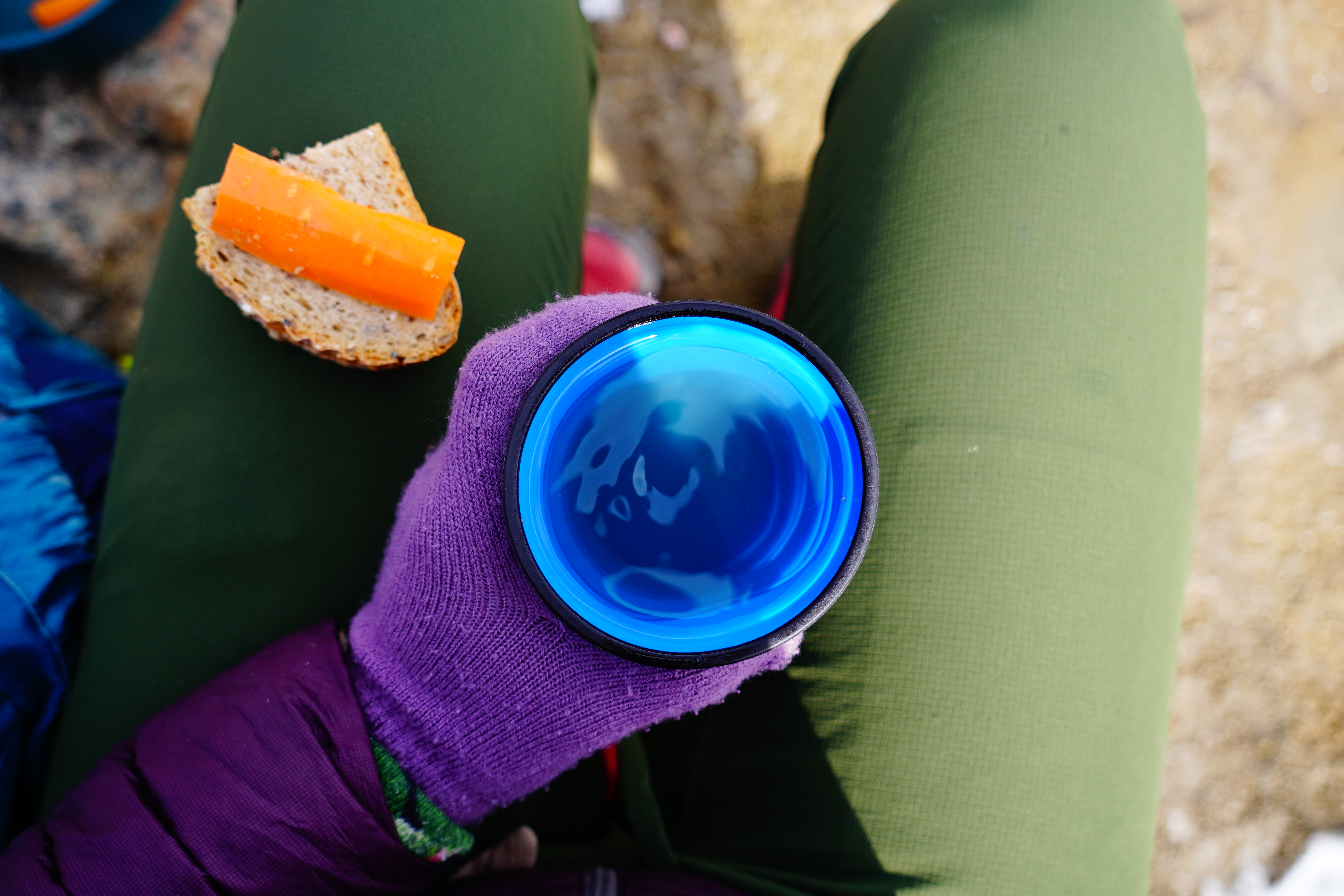
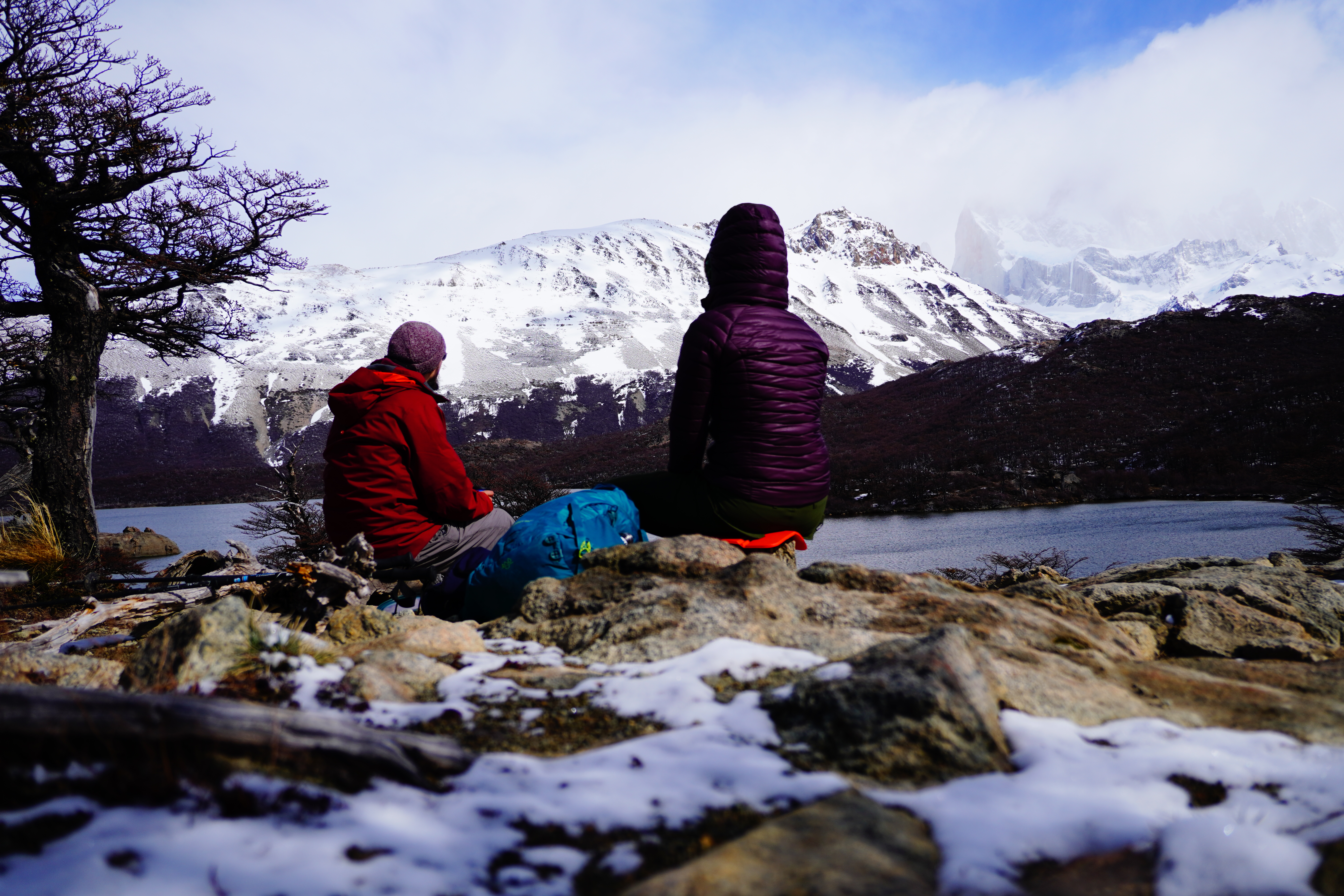
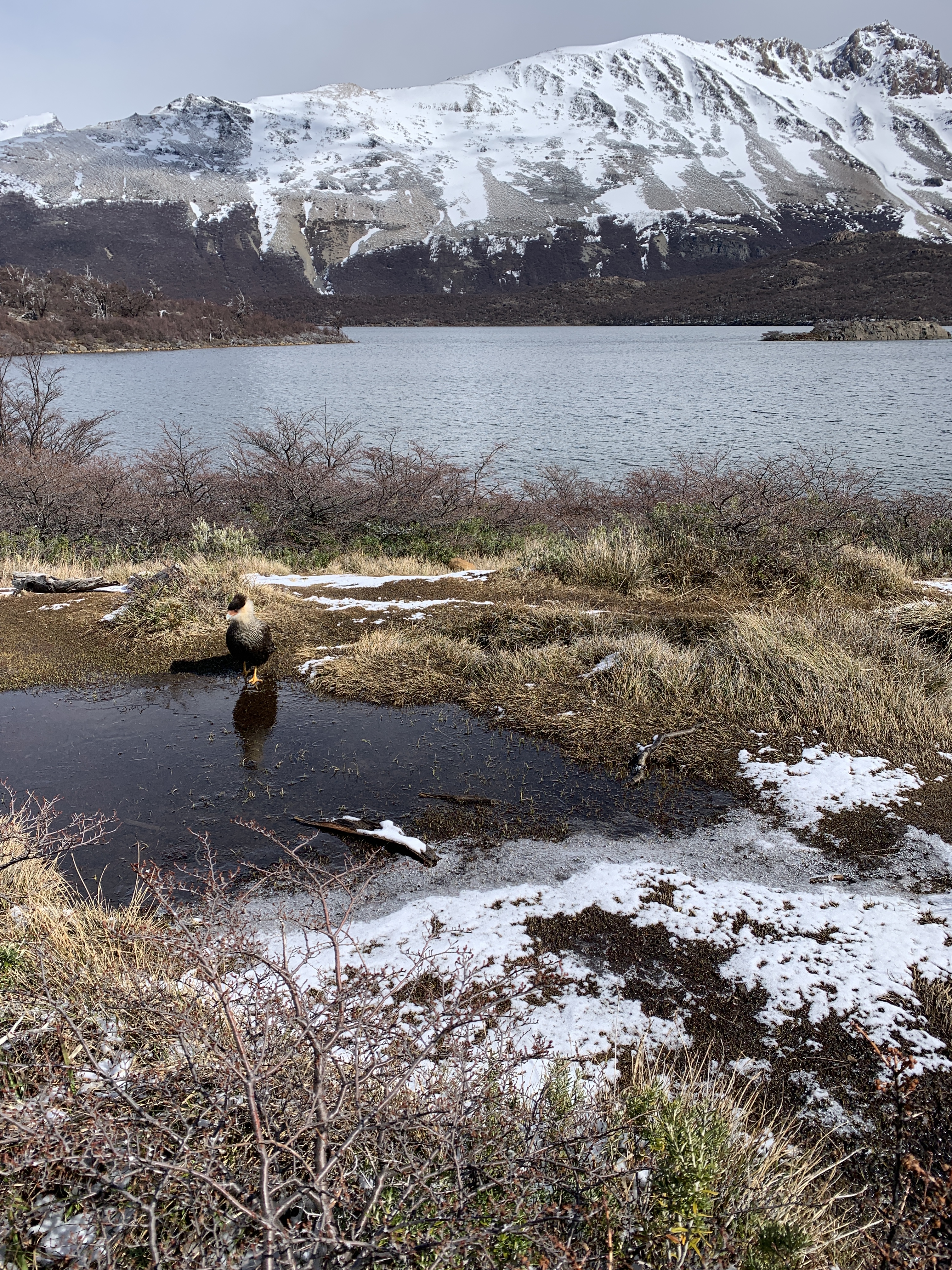
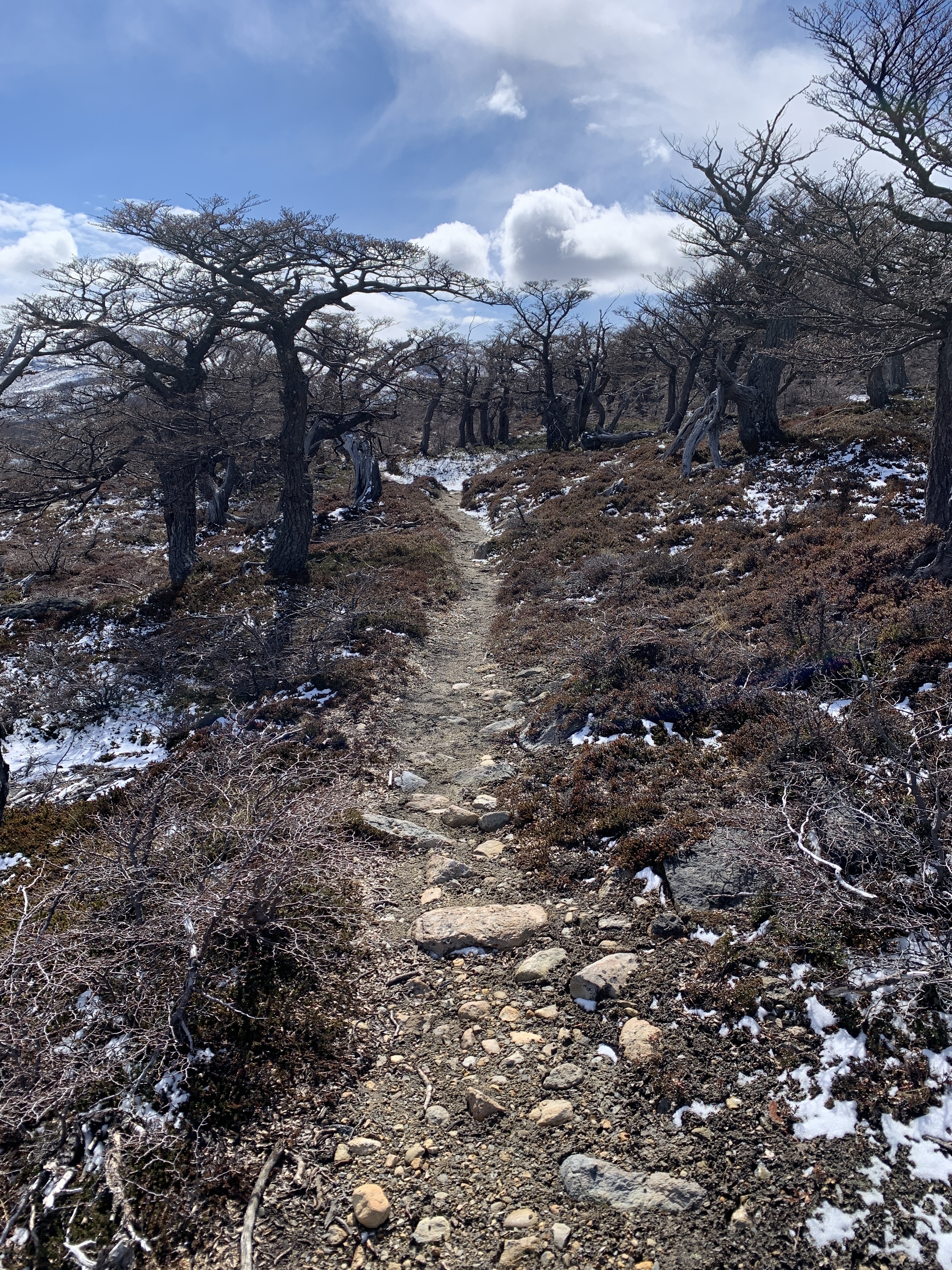
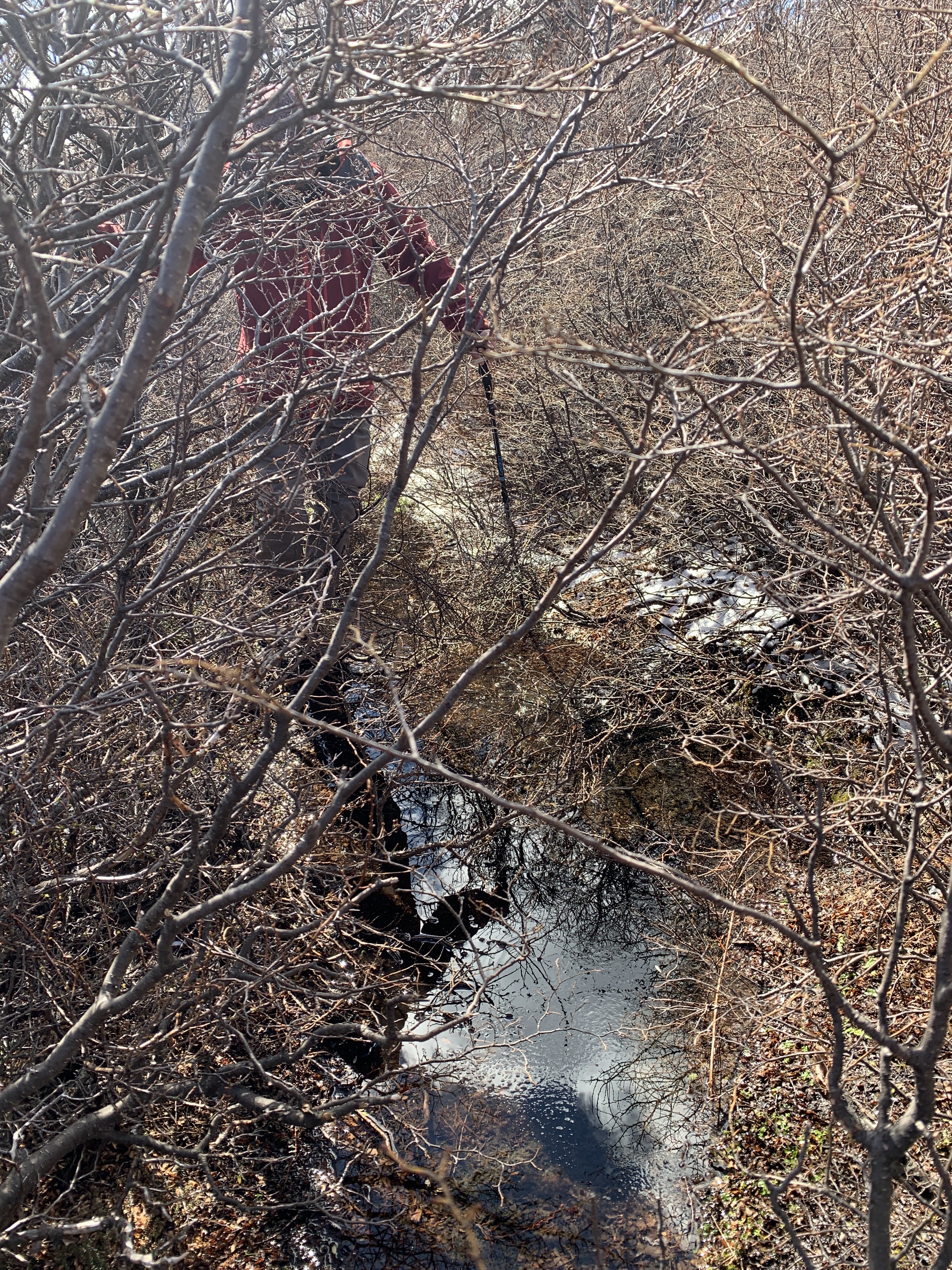
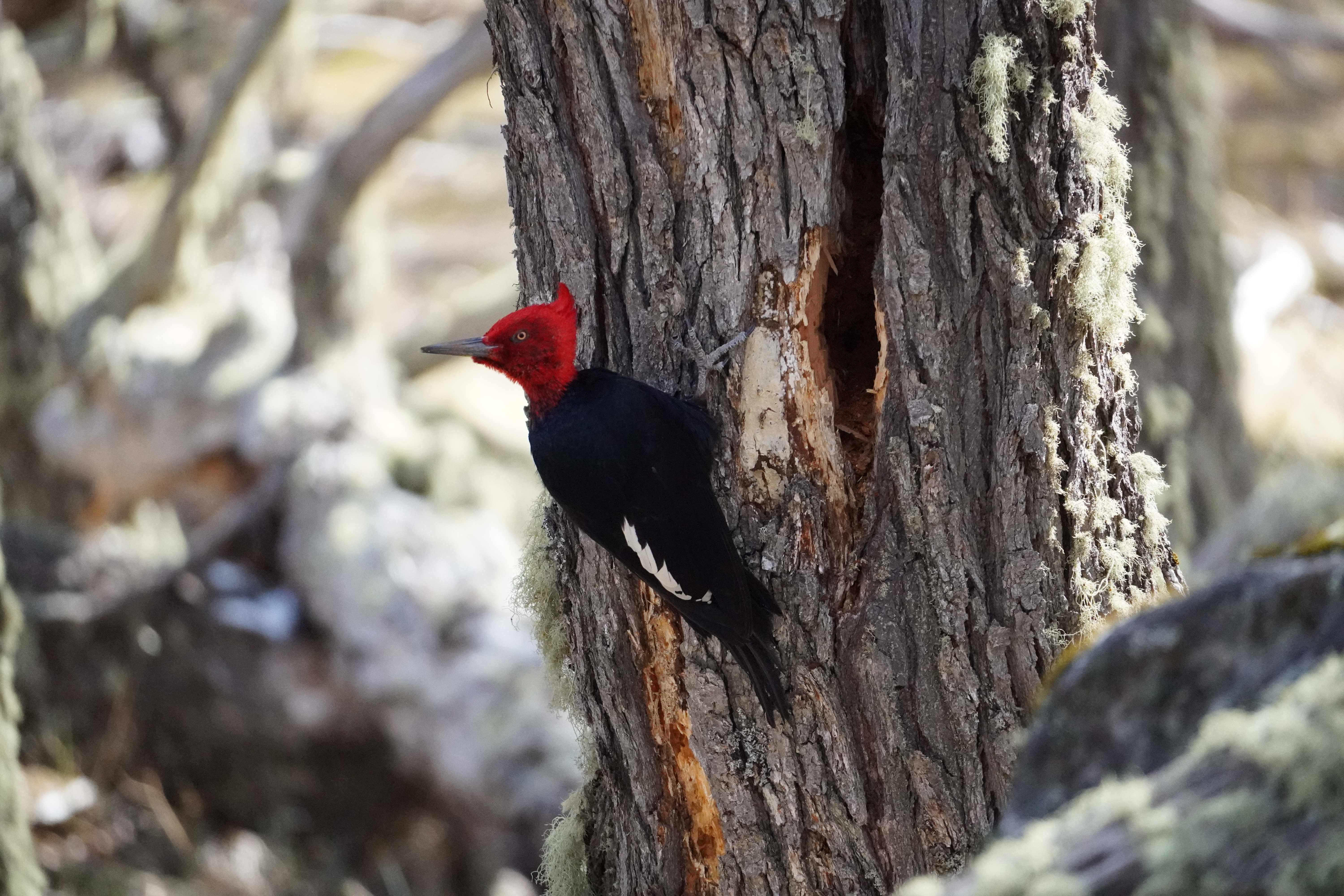
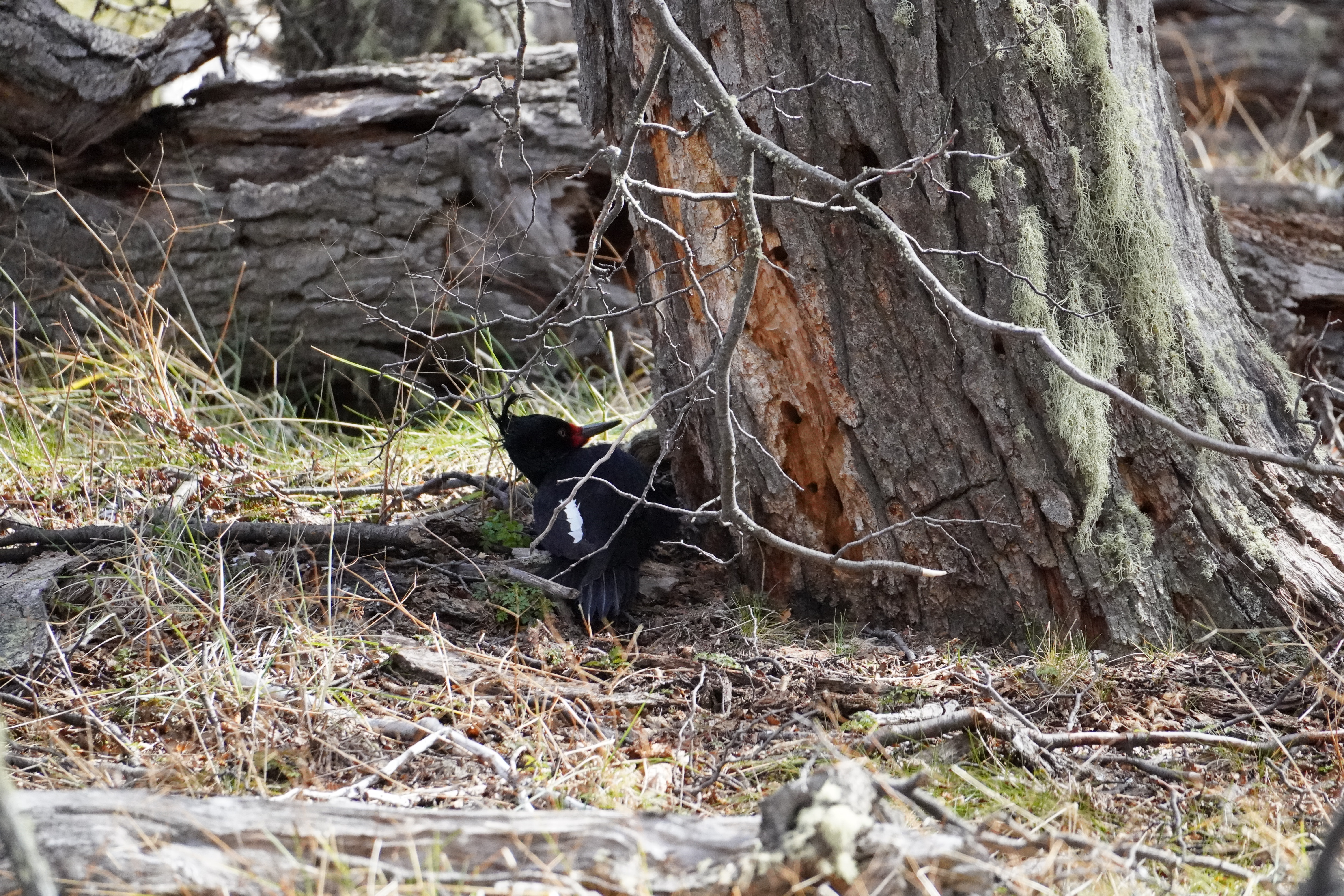
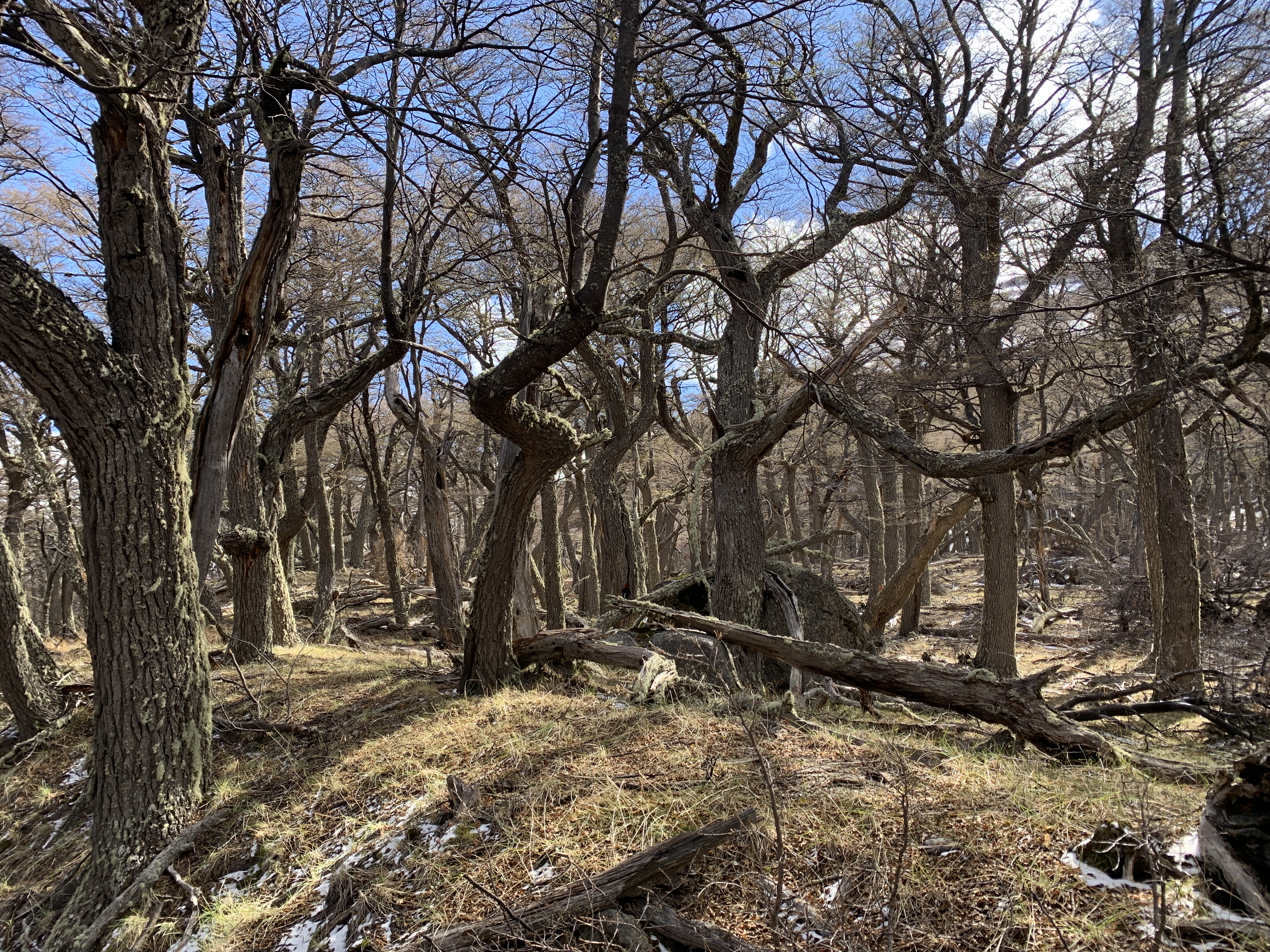
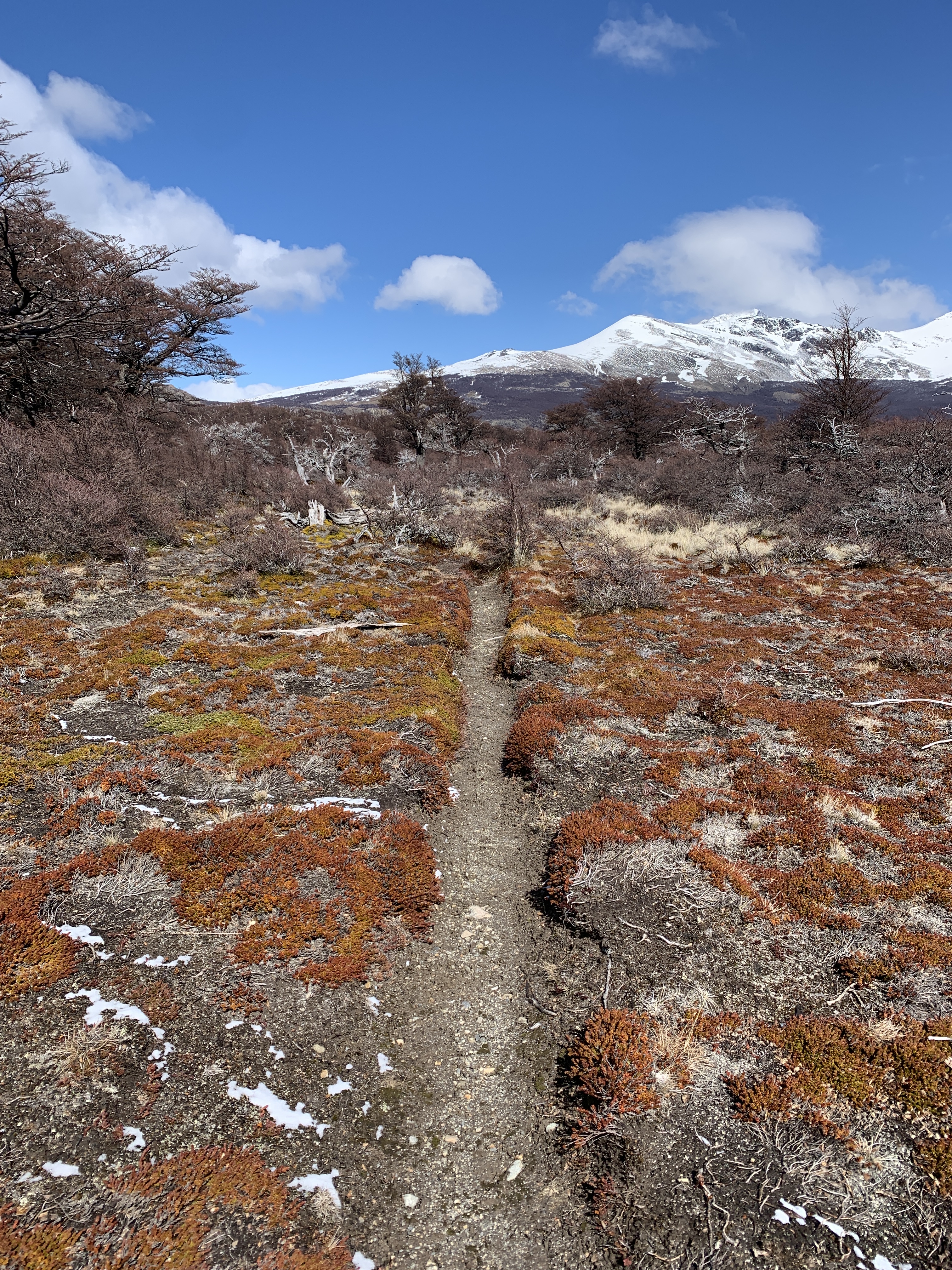
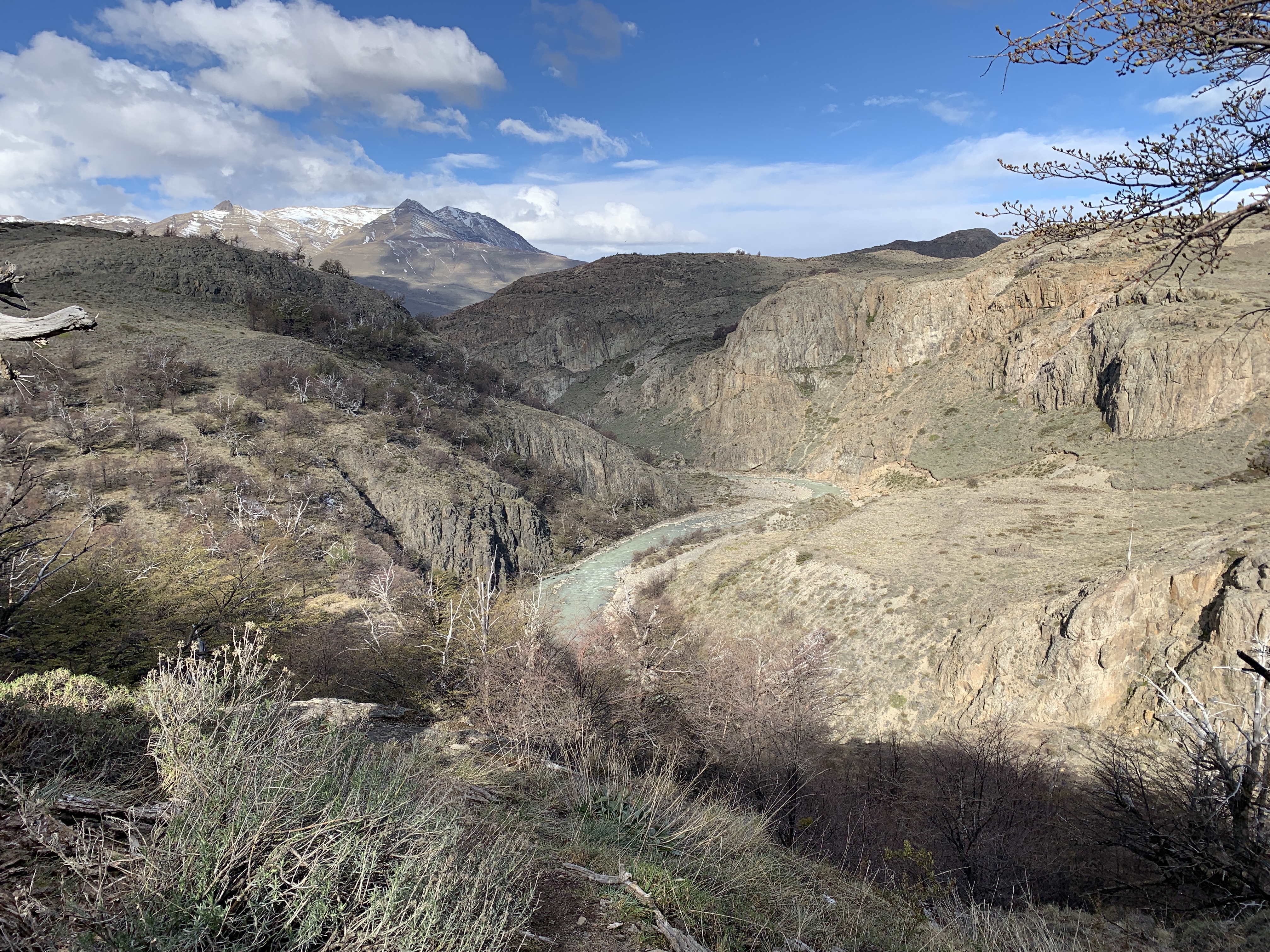
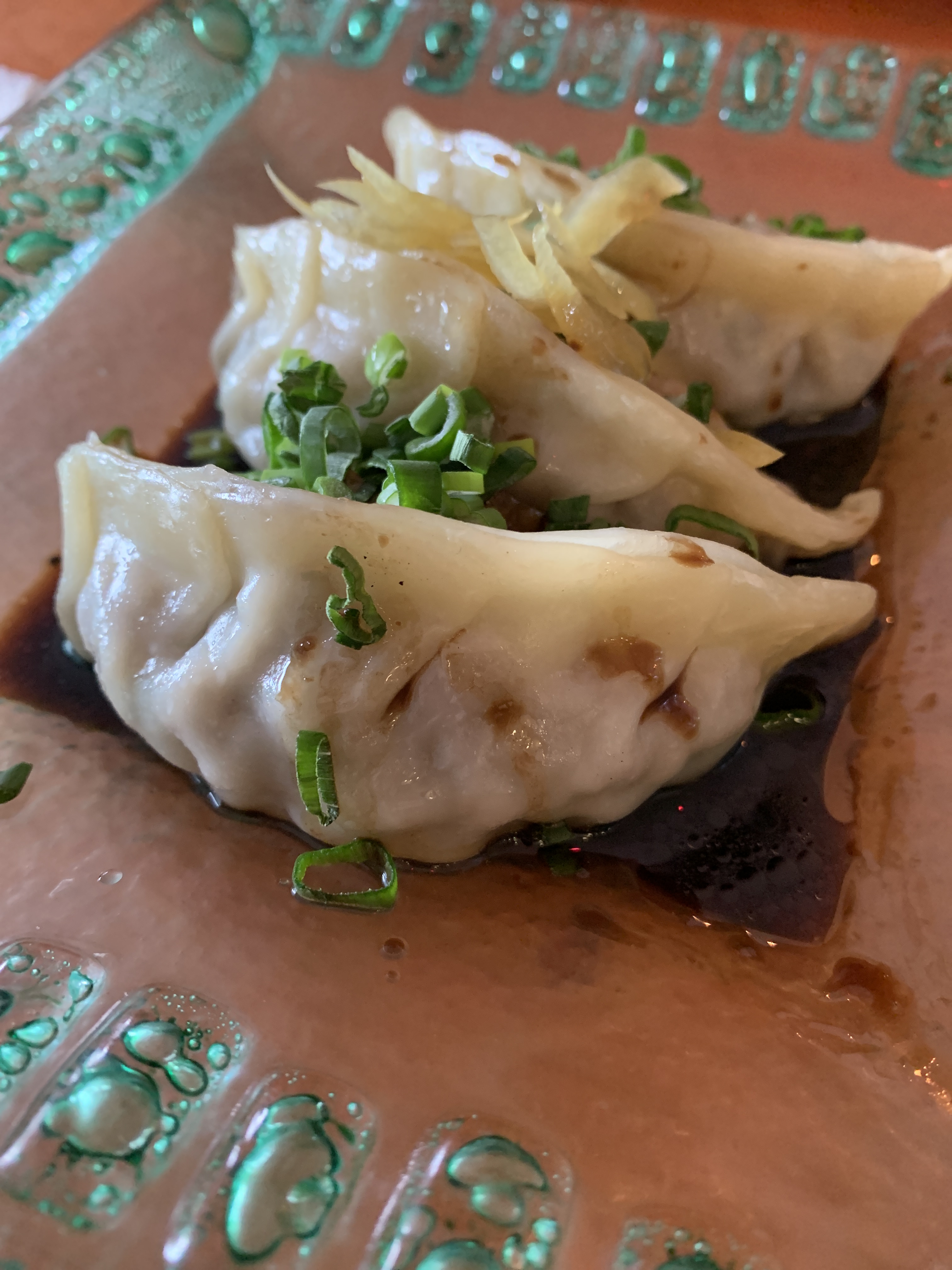
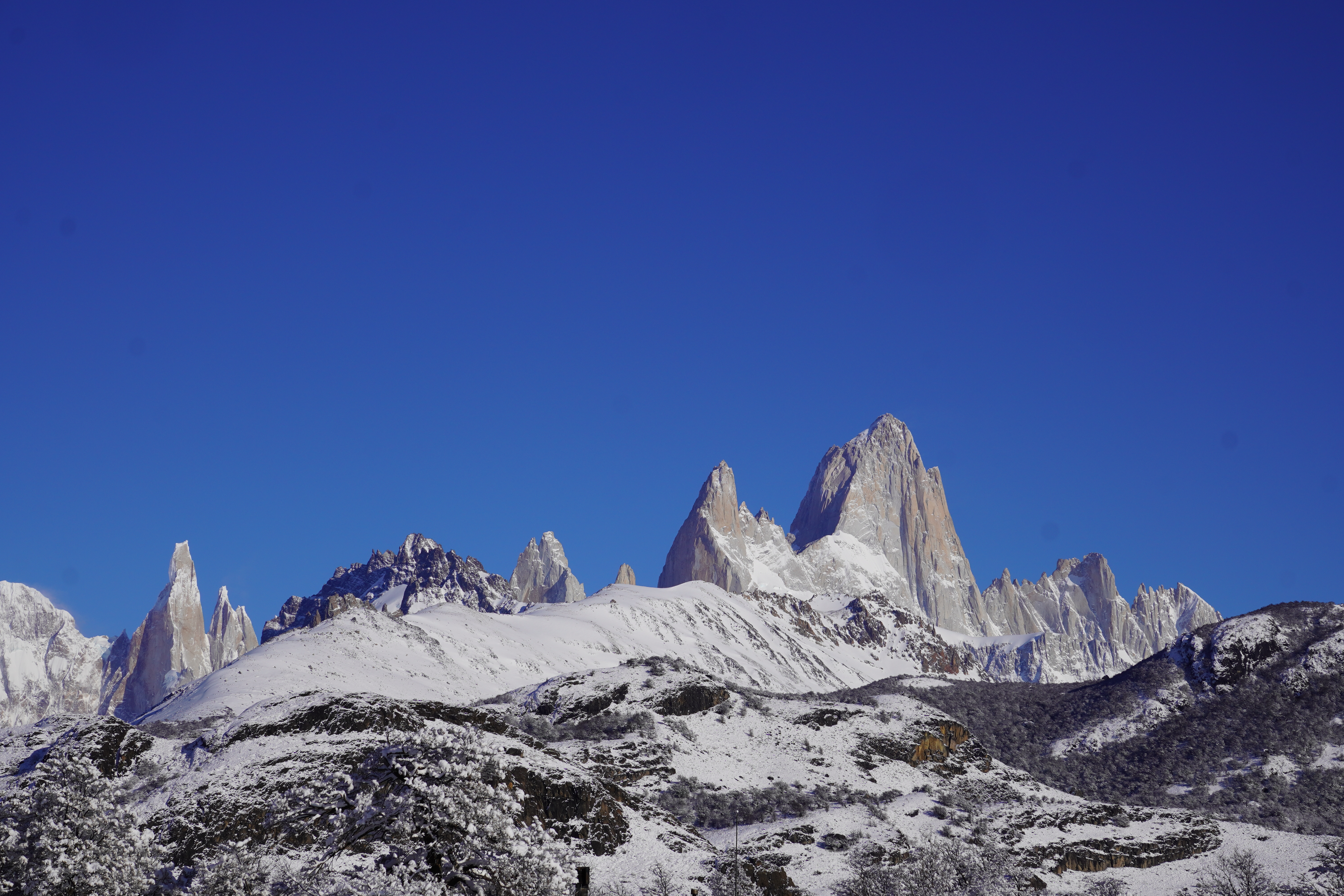
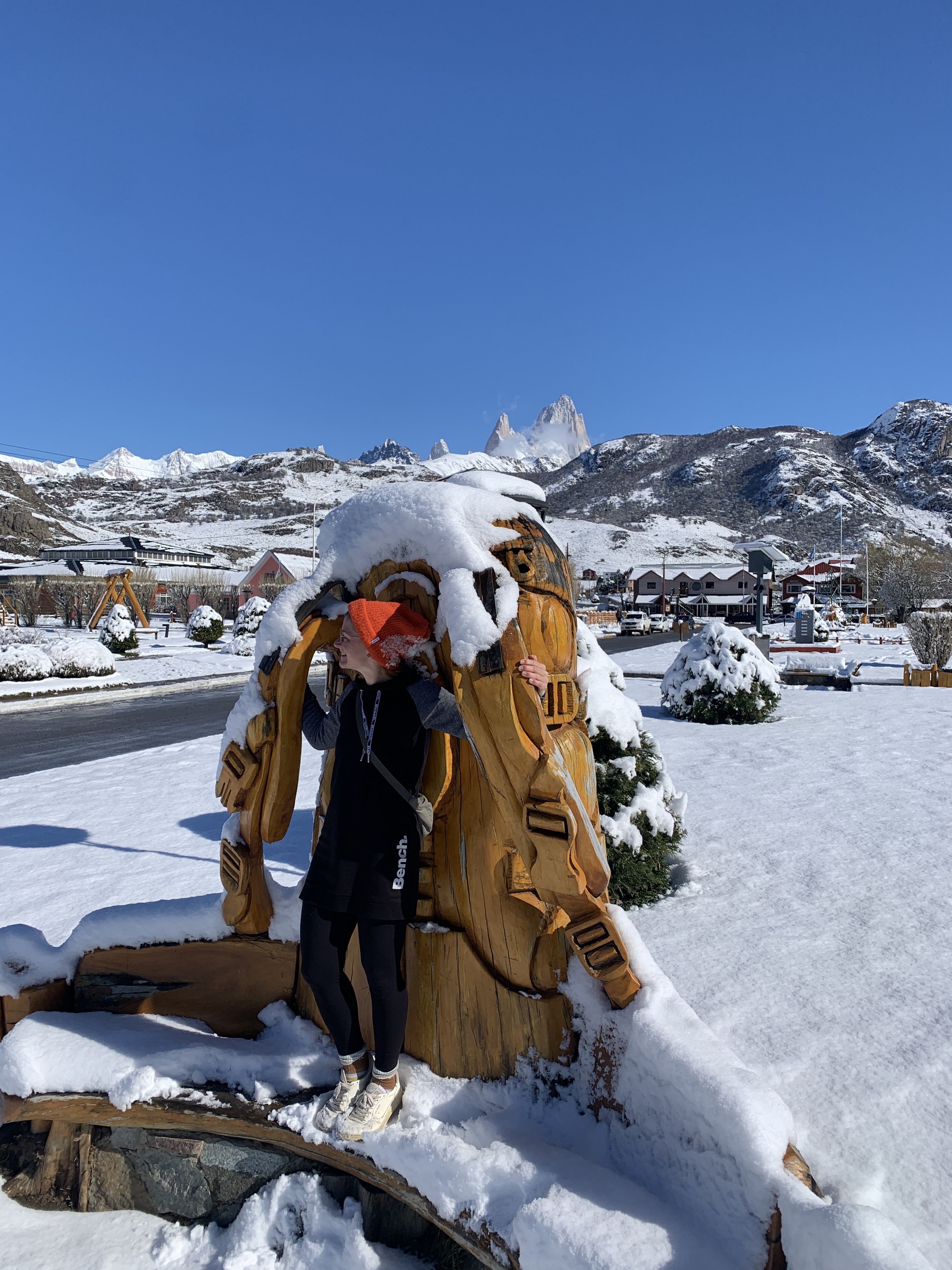
The next morning, we woke up to bright sunshine and a blue sky, and suddenly, before us stood Cerro Fitz Roy (3405 m), Cerro Torre (3128 m), and Poincenot (3002 m) on the horizon, which we couldn’t see the day before. By the way, the Patagonia logo (California) is modeled after this mountain range. Here, by the way, every second local brand is named Patagonia. Back to the mountains… they were just right in front of us. We got ready for today’s hike but started at the wrong end. So, we descended again and went to the correct starting point. At the start of the hike, it said that poles and spikes were mandatory in winter. However, since it was now spring and we didn’t want to turn back again, we simply ignored that. The path was also somewhat snowy, but it was nothing compared to the hike in Torres del Paine. We had mapped out a five-hour loop on Komoot, passing by Laguna Capri with views of Fitz Roy and back past the glacier. At the Laguna, we encountered plenty of snow and enjoyed hot ginger tea. It was easy to follow the footprints of other hikers in the snow, but these tracks suddenly stopped. Our loop wasn’t quite prepared for the season yet, so we bushwhacked through some shrubs and waded through puddles. It was by far the most beautiful part of the hike. Mosses, heather, and lichens in all colors, small gnarled windblown trees, and gorgeous views of the mountains. No people. At some point, we rejoined the prepared hiking trail and heard loud hammering in the forest. We spotted a pair of Magellanic woodpeckers nearby, huge black woodpeckers that were tearing the forest apart. The male has a bright red head, and the female is almost entirely black. Along the way, we found a geocache and had a never-ending descent back to El Chaltén, past rivers flowing into Lago Viedma, Torre Glacier, and beautiful canyons. After nearly eight hours of hiking, we finally saw Rosi in the distance, parked tiny at the end of the trail where we had thought the start was. Our knees were thankful. In the evening, we had something quite special. In Berlin, it’s standard for us, but here we hadn’t seen any Asian cuisine yet. We had delicious gyoza and warming ramen at Chica Ramen.
The Last Cold Night?
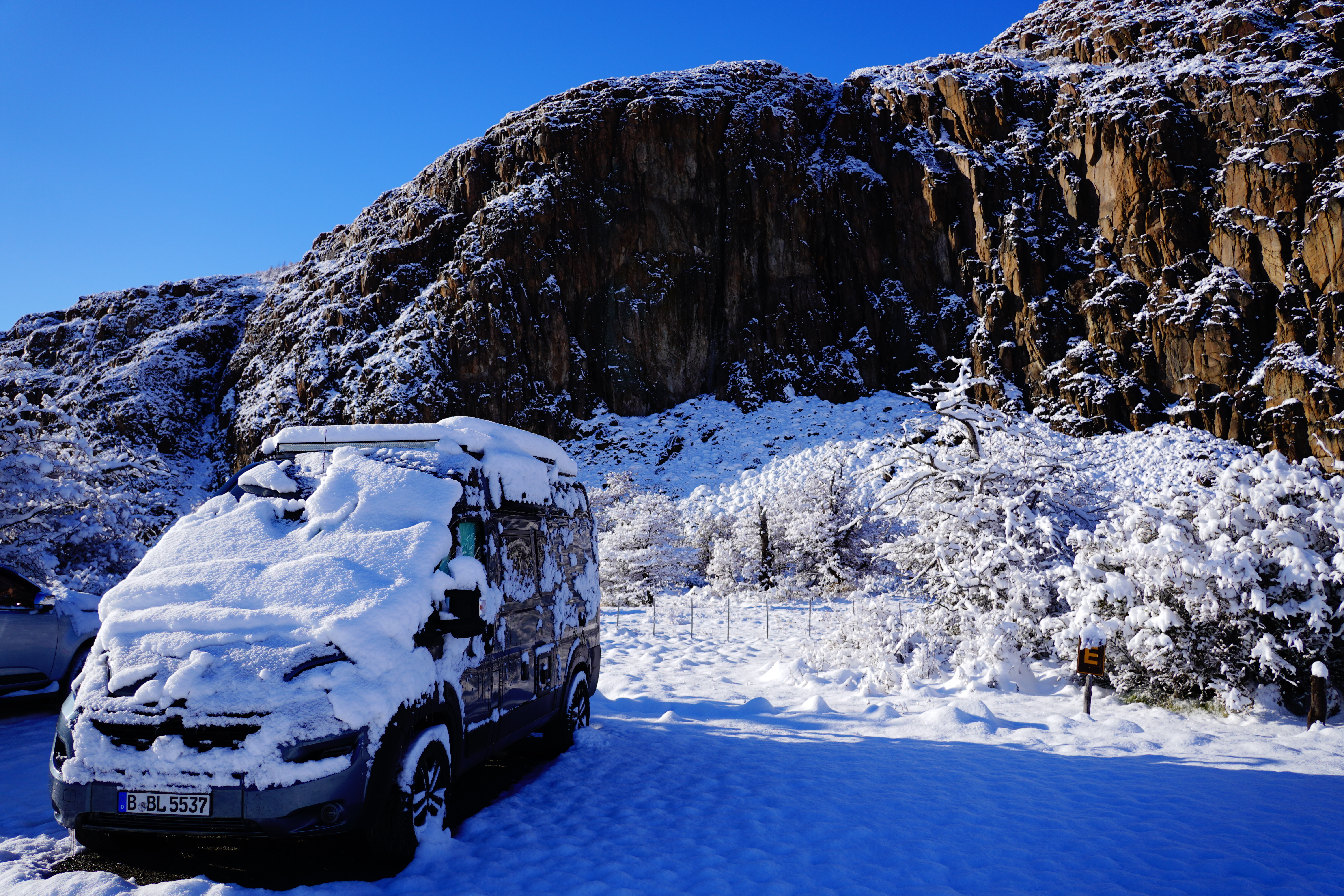
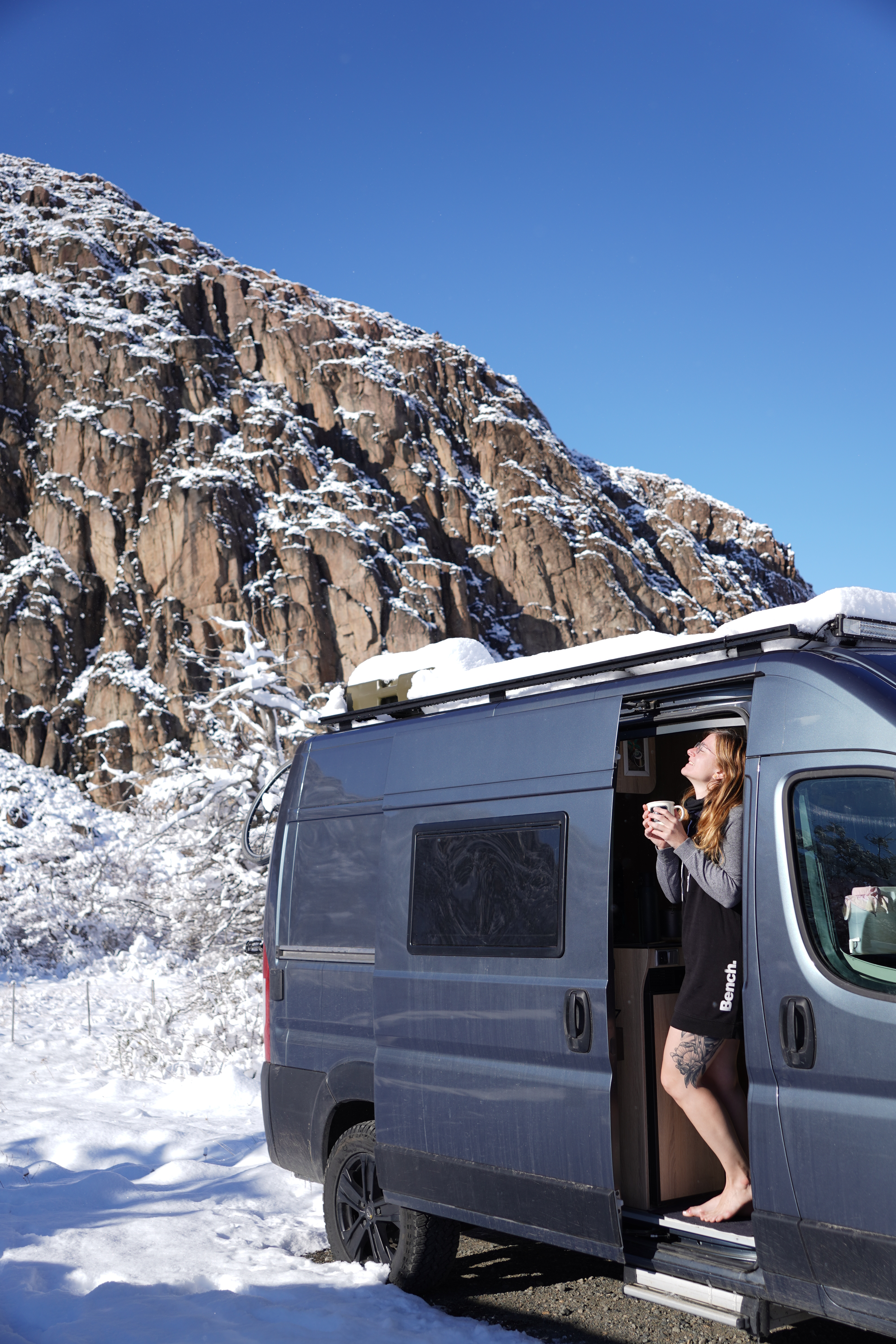
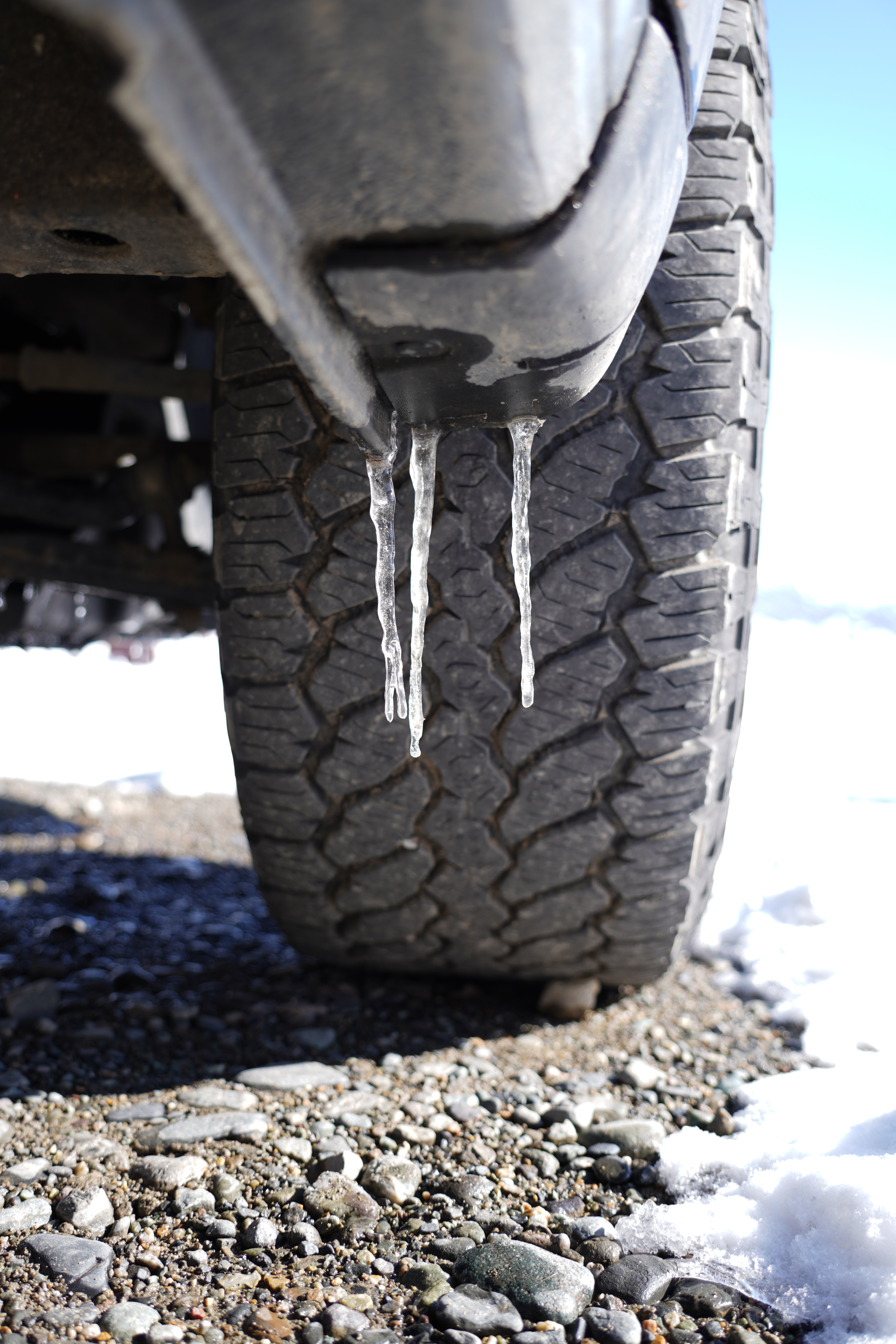
We plänned to spend the night again at the visitor center, which we did. It was supposed to be -4°C at night, but the cold was already part of the routine, and we managed just fine. In the evening, we usually heat for 1.5 hours, and in the morning for half an hour. This night, however, was warm. It was probably because we were sleeping under a 10cm layer of snow and woke up in a winter wonderland. Fitz Roy in the snow had a completely different charm. Feeling deeply content, we set off north, feeling very grateful for the three days of varying weather in this wonderful place.
Ruta 40: The Real Face
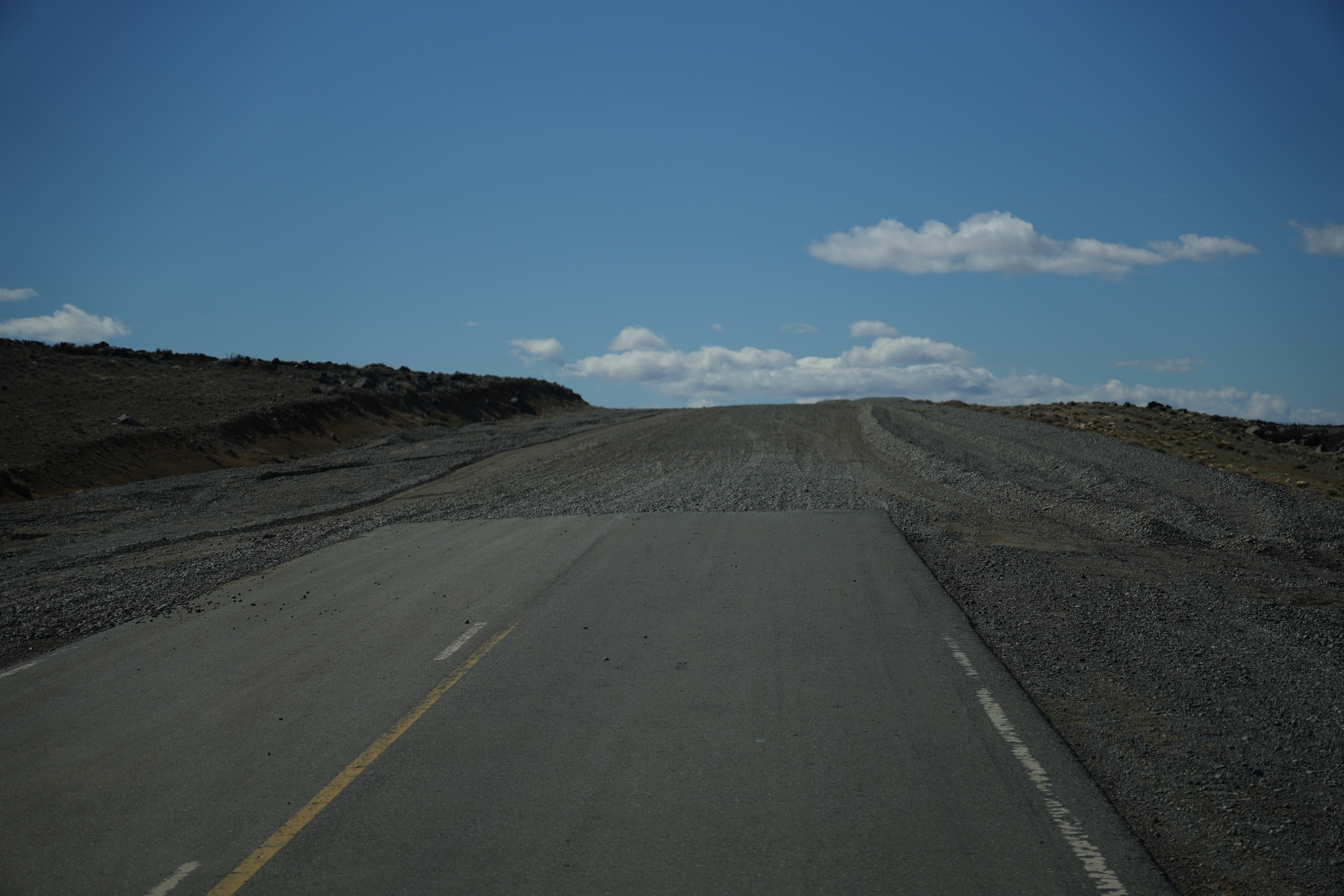
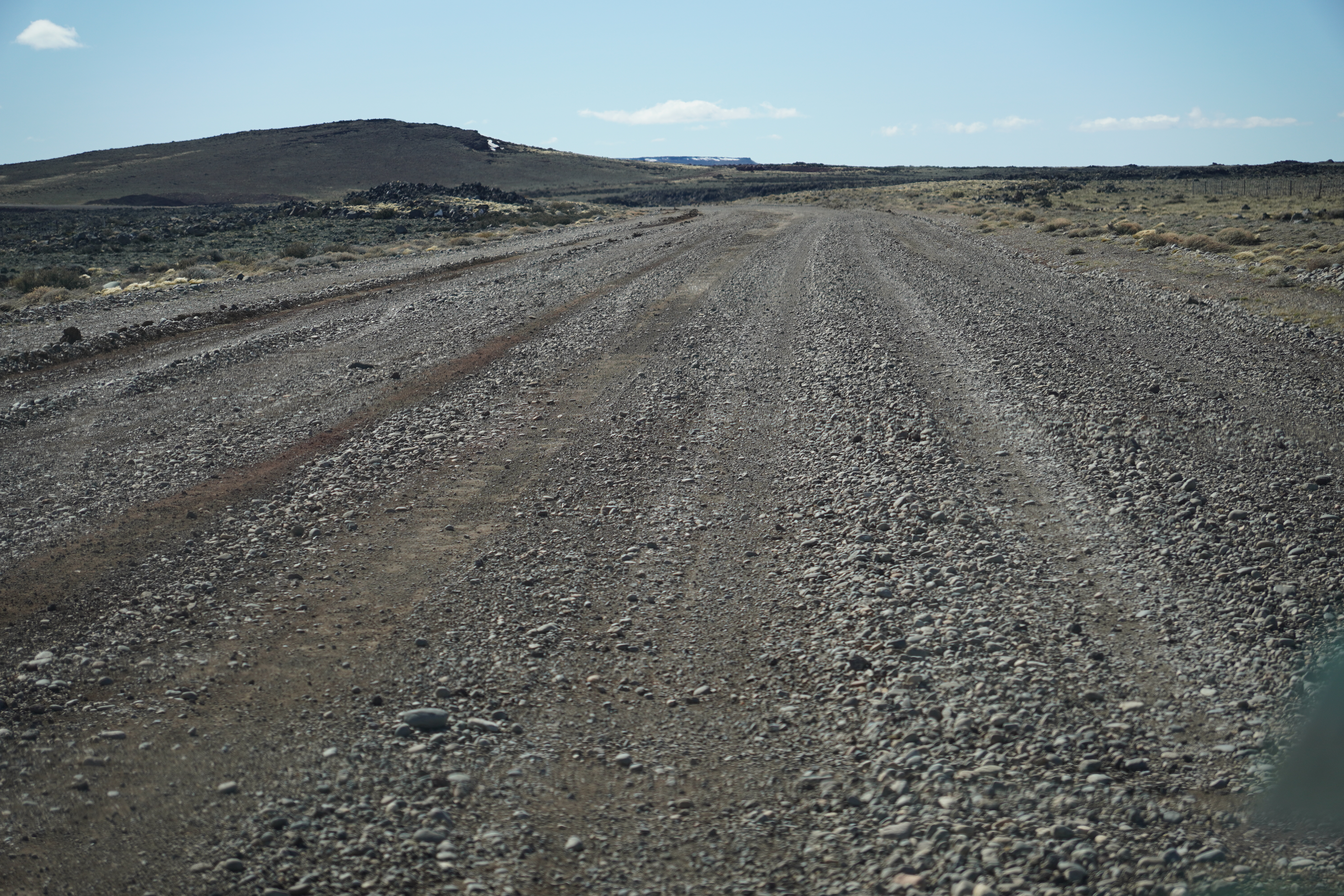
We had to drive the same 88 km of Ruta 23 back, where we had run over the armadillo on the way there, to get back to Ruta 40. Our road north. The snow disappeared, and the view in the rearview mirror was breathtaking. No armadillos in sight, fortunately. The condors had probably gotten to the roadkill by now. A few days ago, I said to Björn that I found Ruta 3 much worse than Ruta 40 so far (both are the main north-south highways in Argentina, Ruta 3 by the sea, Ruta 40 inland near the Chilean border). I quickly regretted that statement. Never again will I make such hasty remarks. As nice as the asphalt was, you should never get used to it, never. 77 km and an hour later, we came to a section of Ruta 40called Maldite 73. Info from iOverlander: “This is the start or end of the rough section known as Maldite 73… this section is notorious for accidents, mostly with motorcyclists, as it’s a bad gravel section with no plans for improvement on an otherwise paved road. For us, it’s good to know the exact start and end position so we can adjust suspension and tire pressures.”
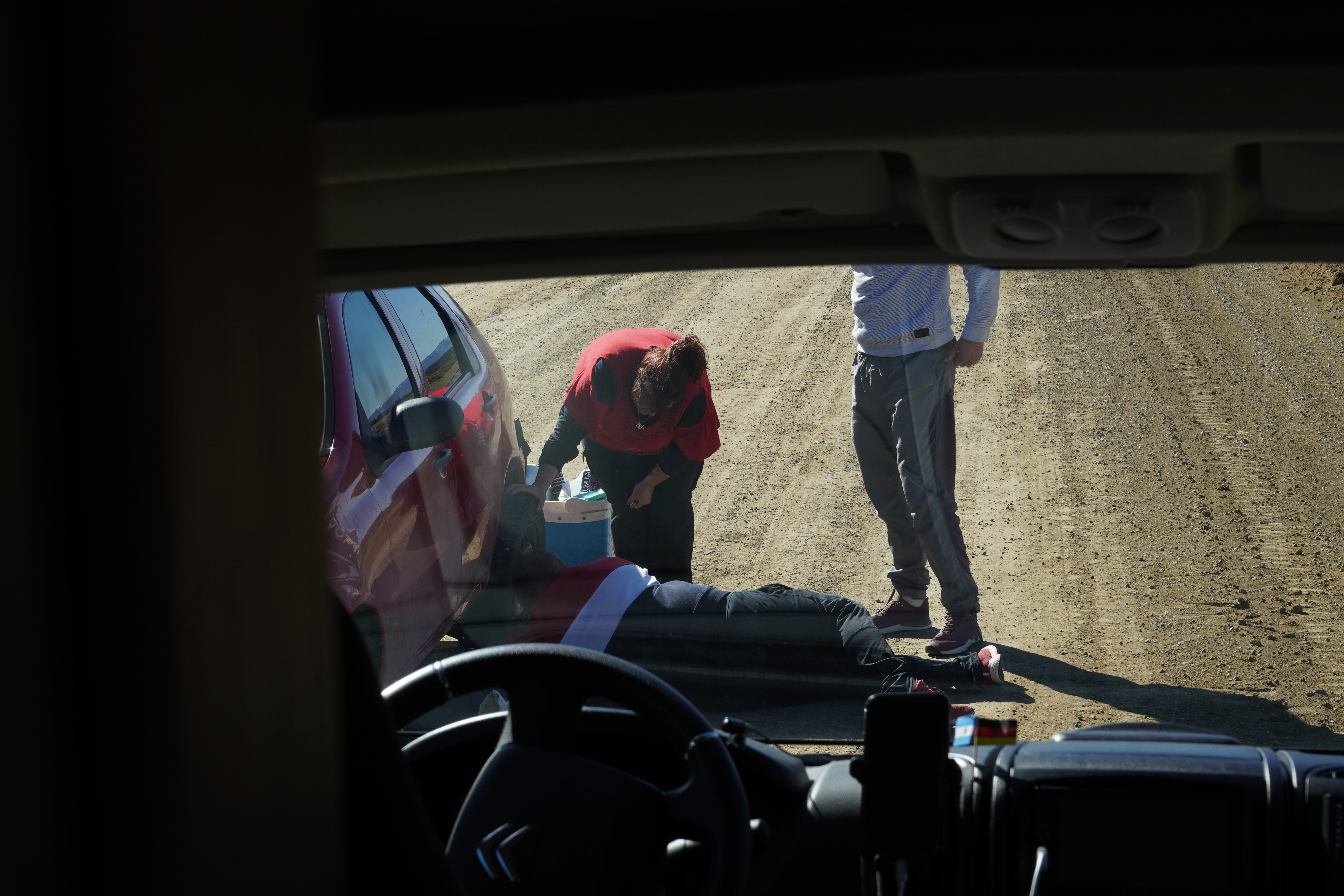
And there we were now, for 73 km. We encountered two cars. And exactly one overlander. From Germany. A fully converted 4×4 Hymer Grand Canyon on a Sprinter base with everything you could wish for. This vehicle could be a hardcore all-wheel-drive camper as an exhibition piece at a trade fair. We waved enthusiastically and stopped. So we took a break by the roadside, if you can call it that, and exchanged experiences with Bruno and Andrea from Starnberg. It was nice to speak German with fellow travelers again. Besides, we had hardly met any other travelers at all in the last few weeks. Before we said goodbye, we exchanged contact info and road condition tips. We were very grateful for the encounter. The next one followed shortly after. An Argentine family had a flat tire, and their jack had broken. Björn helped them with ours. In a good mood, with sunshine and the prospect of an end to the road, we continued. After three hours, we had made it through the 73 km. The asphalt felt soooo good. In the evening, as a reward, we enjoyed a warm shower. Yes!
 höme
höme 
Leave a comment