Punta del Este
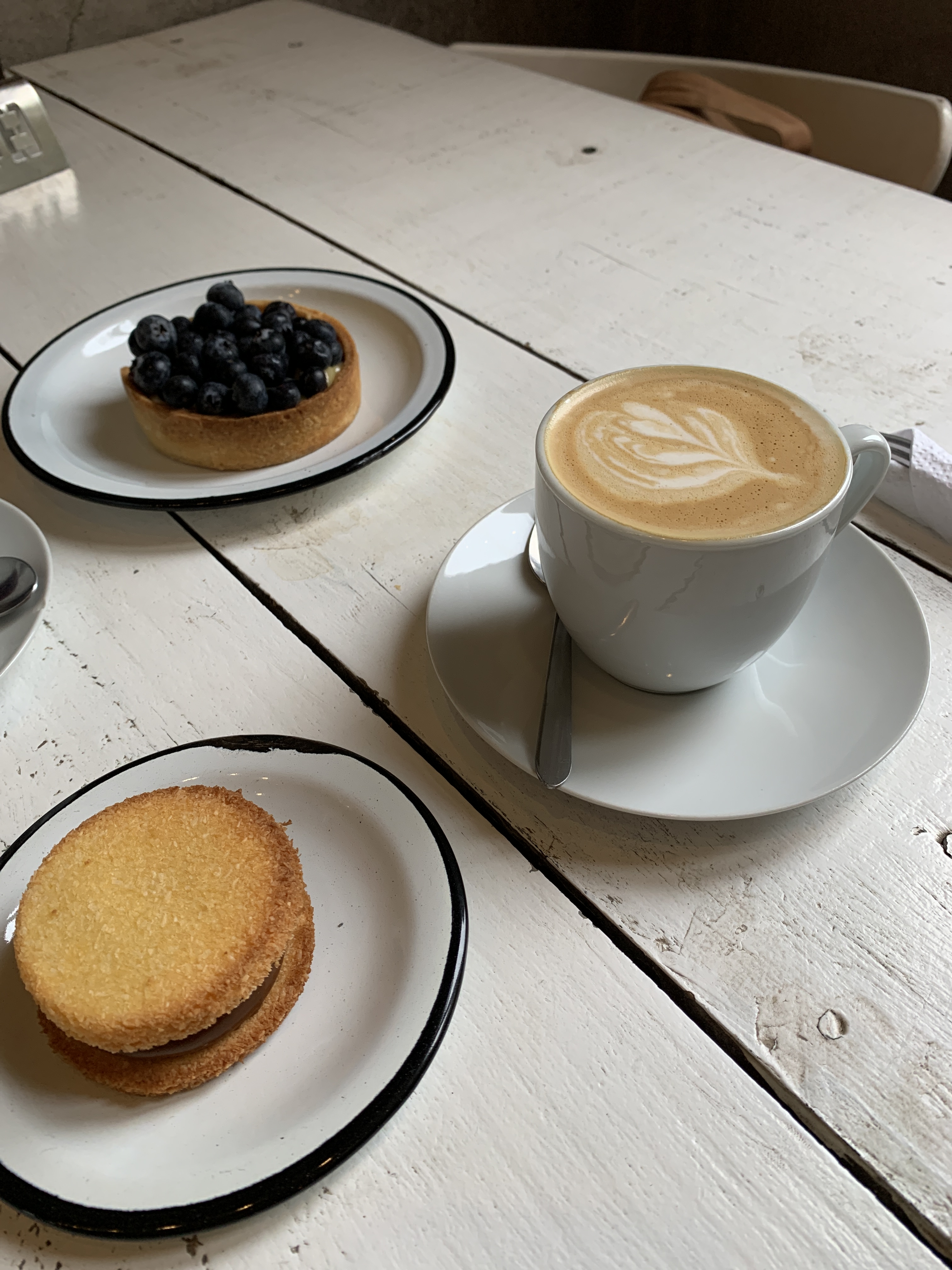
There we were, in our little Renault Kwid on the roads of Uruguay. Our first stop was Punta del Este, which we reached on Friday afternoon, in the absolute off-season. On the horizon, the high-rise buildings loomed on the beach, seemingly endless. The closer we got, the more we saw of the countless hotel and apartment buildings, built right on the beach. At this time of year, all of them were vacant. The windows were covered for the winter, and the shutters were closed. The beach bars were shut, and we drove to our apartment, explored the town, and warmed up in a small café – Vitaminas Casa de Playa y Café. The feeling we got in this town, this is how we imagined the 70s. The place seemed to be in hibernation, and everything had its charm. We kept asking ourselves: What must it be like here in the summer?
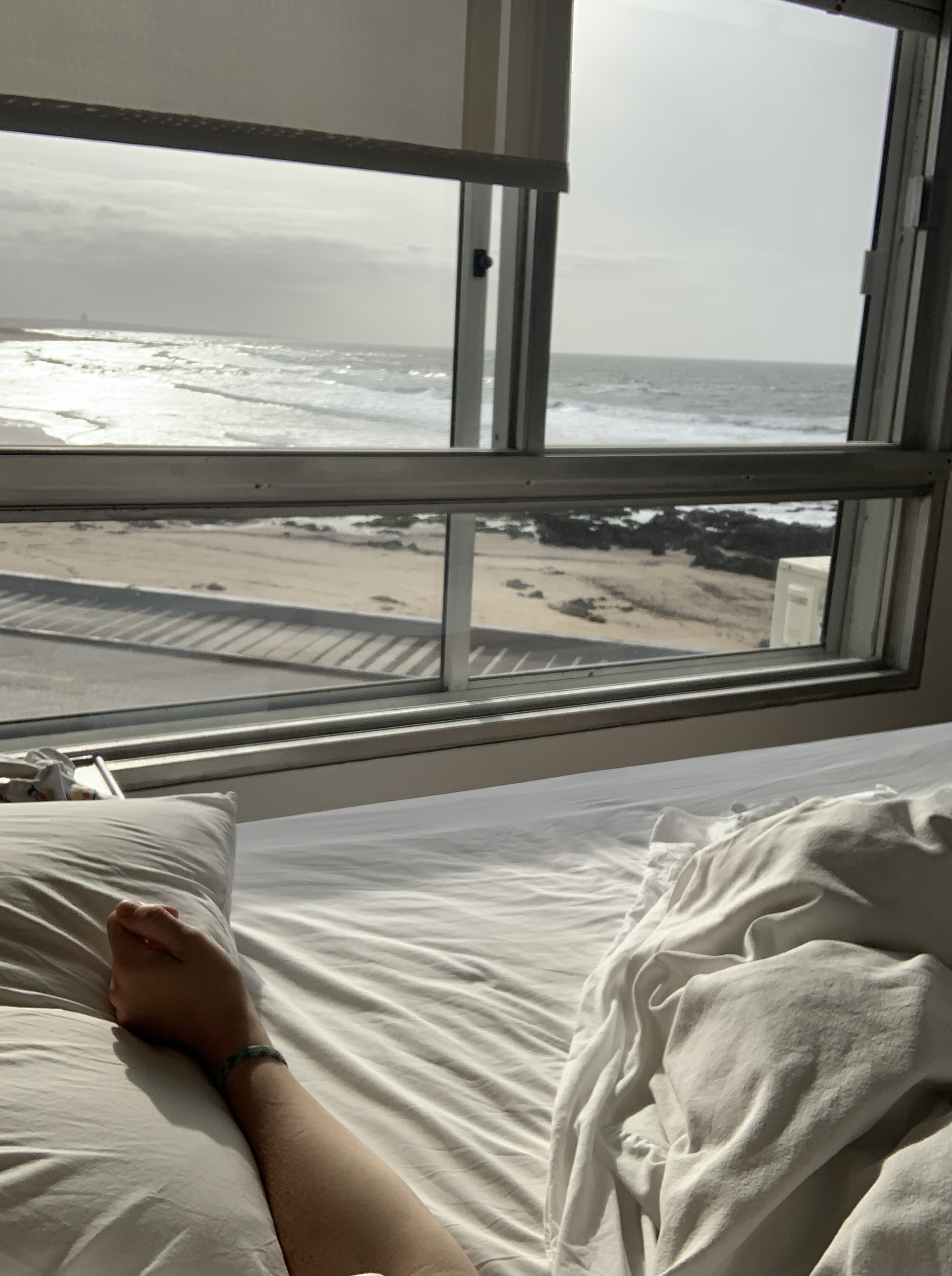
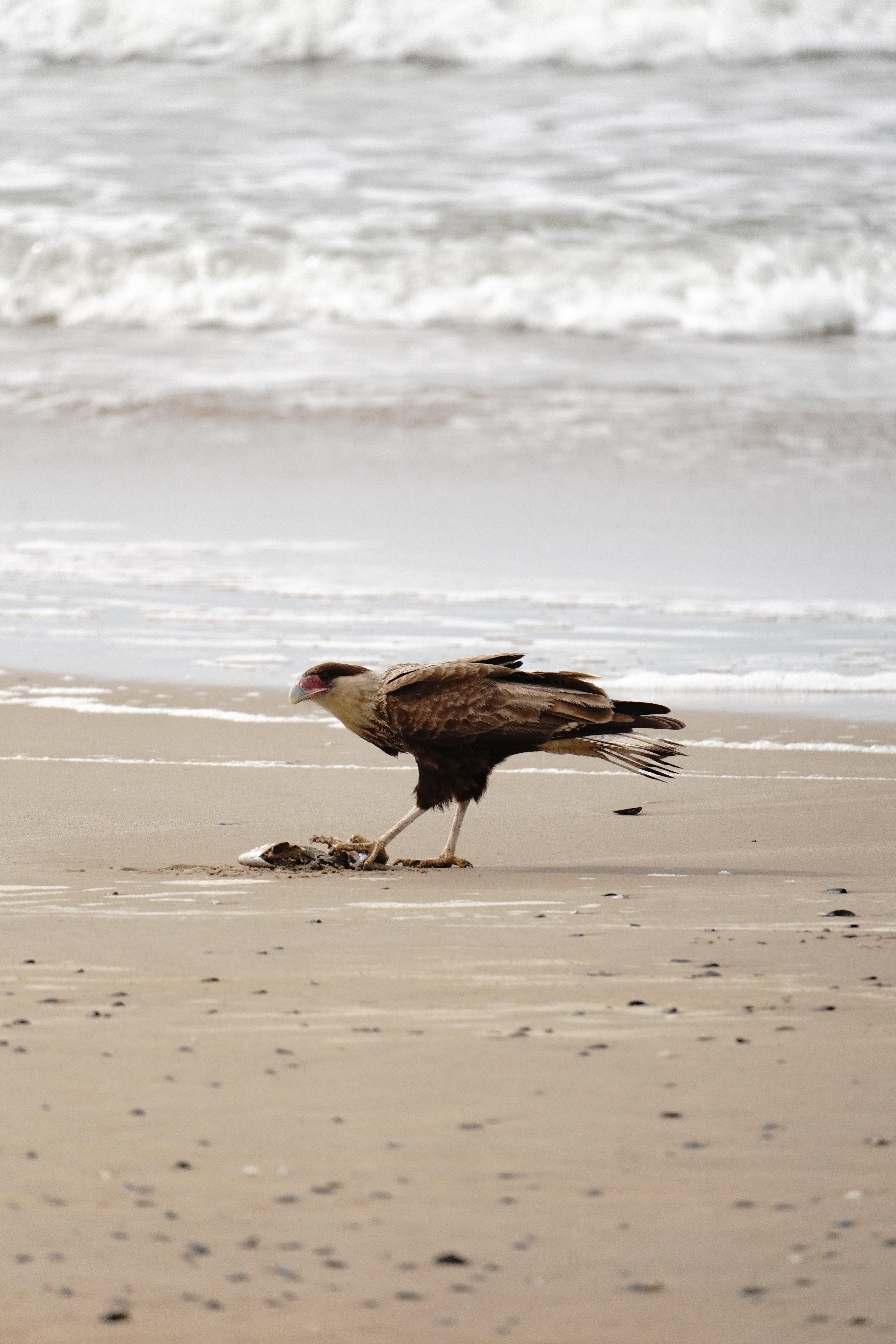
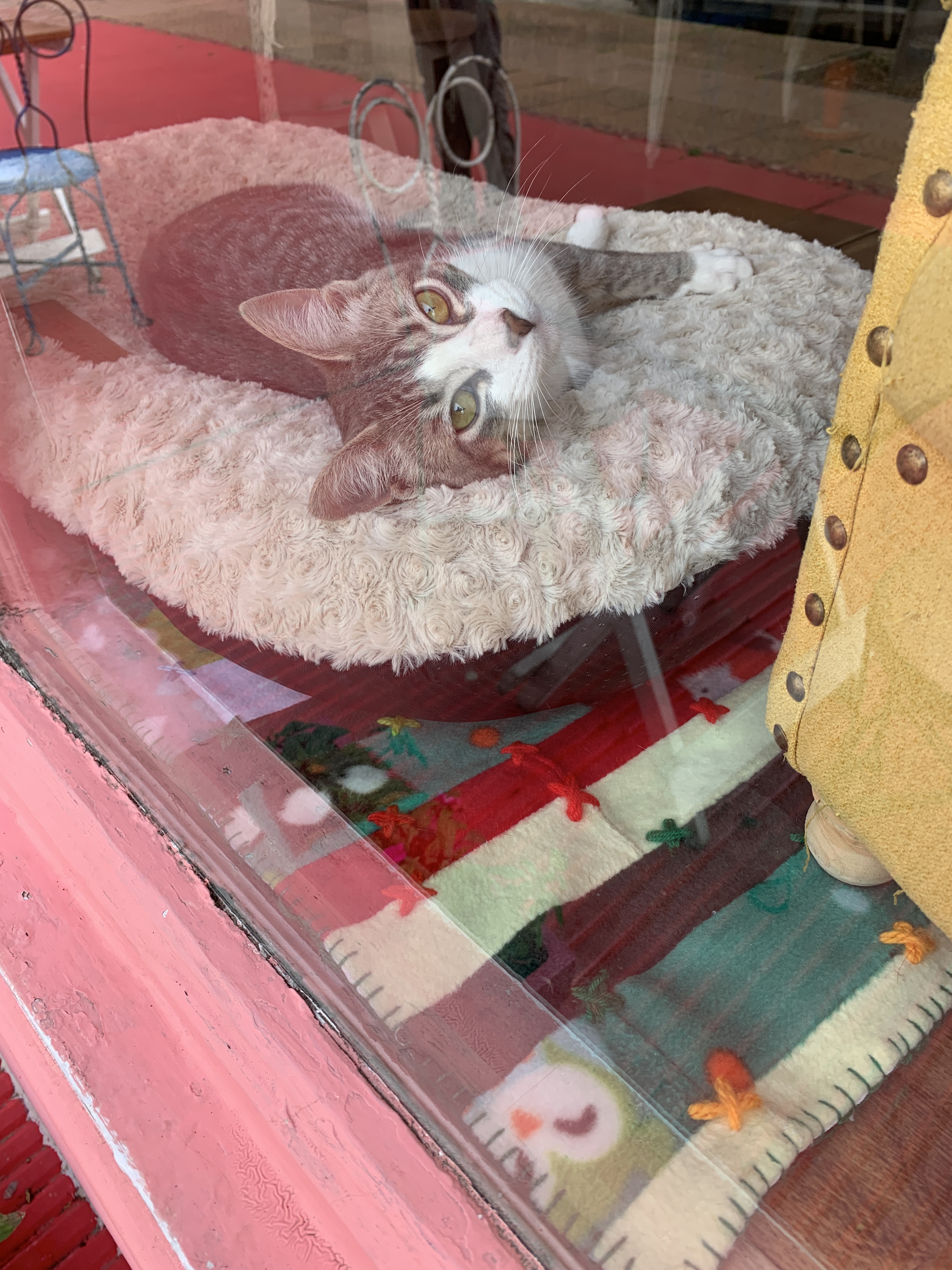
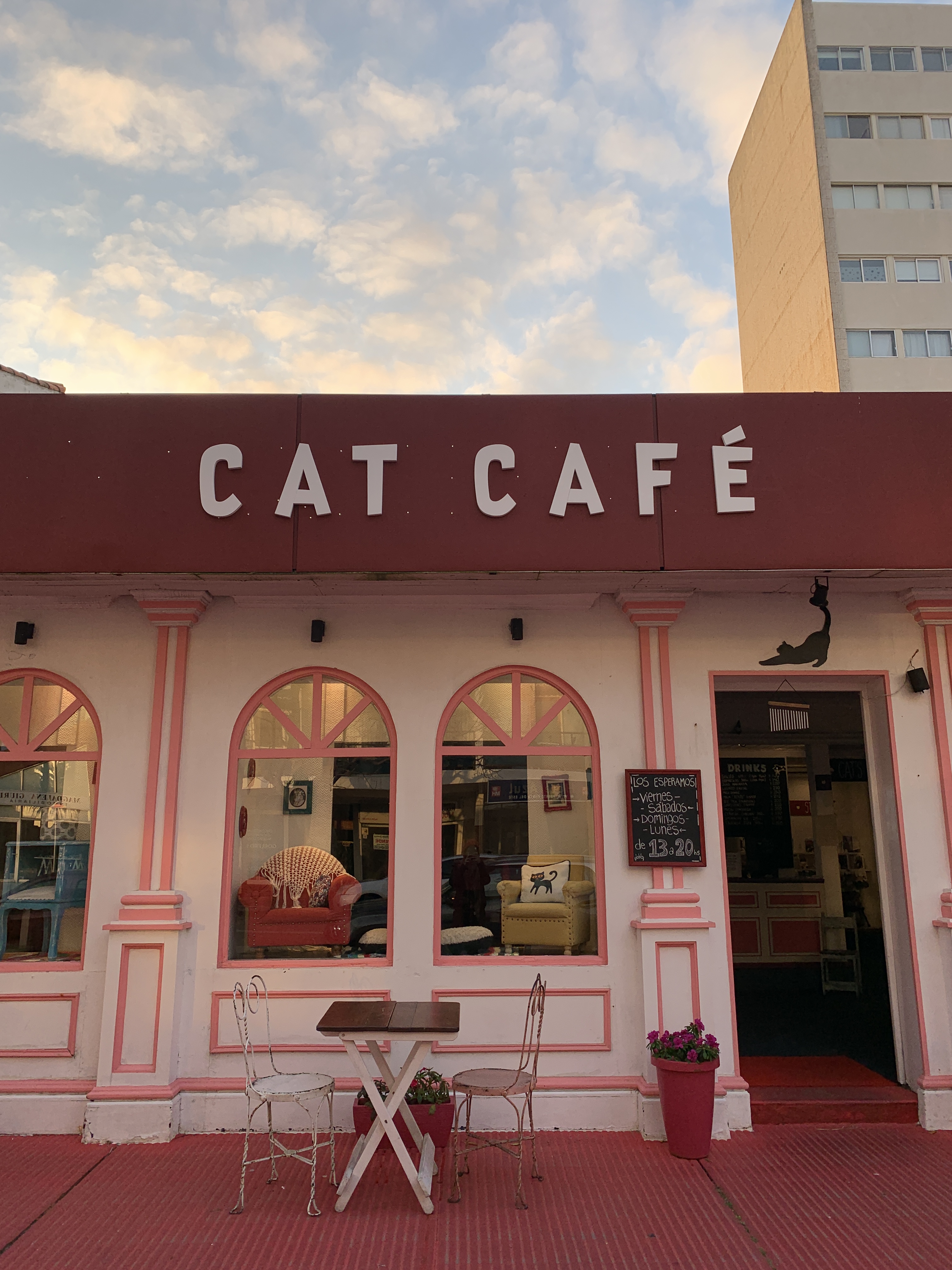
The next morning, we were surprisingly awakened by sunshine and looked directly out at the beach from our bed. After coffee in bed, we headed to the beach for a morning walk and discovered thousands of snail eggs washed ashore. We also spotted a Crested Caracara pecking at a dead fish. After our usual breakfast (muesli with fruit and coconut or vegetable milk), we walked to the harbor to see if there were any boat tours to the Isla de Lobos, which is home to one of the world’s largest colonies of South American sea lions. Every Uruguayan we encountered on the promenade typically had their mate with them. We didn’t find any information about boat tours, but we were amazed when we suddenly spotted several sea lions (fur seals) at the fish market in the harbor. They seemed quite at home there (see YouTube video). The fishermen fed them with fish scraps and even gave tourists carcasses to feed the animals. It was fascinating to watch these huge, snorting creatures up close. The smaller ones were more playful than hungry. We spent the whole day in the town, slowly embracing the winter atmosphere by the sea. It was quiet, and even tough you needed a down jacket, as soon as the sun came out, you were overjoyed and we enjoyed every moment. Besides finding a geocache at the lighthouse, located in a residential area reminiscent of the Hollywood Hills, we also visited a cat café (Adrianuzca’s Cat Café), played with kittens, strolled back along the promenade, witnessed the most kitschy sunset (Uruguayans clap when the sun sets), and later visited the Capi Bar to drink local beer and eat ceviche.
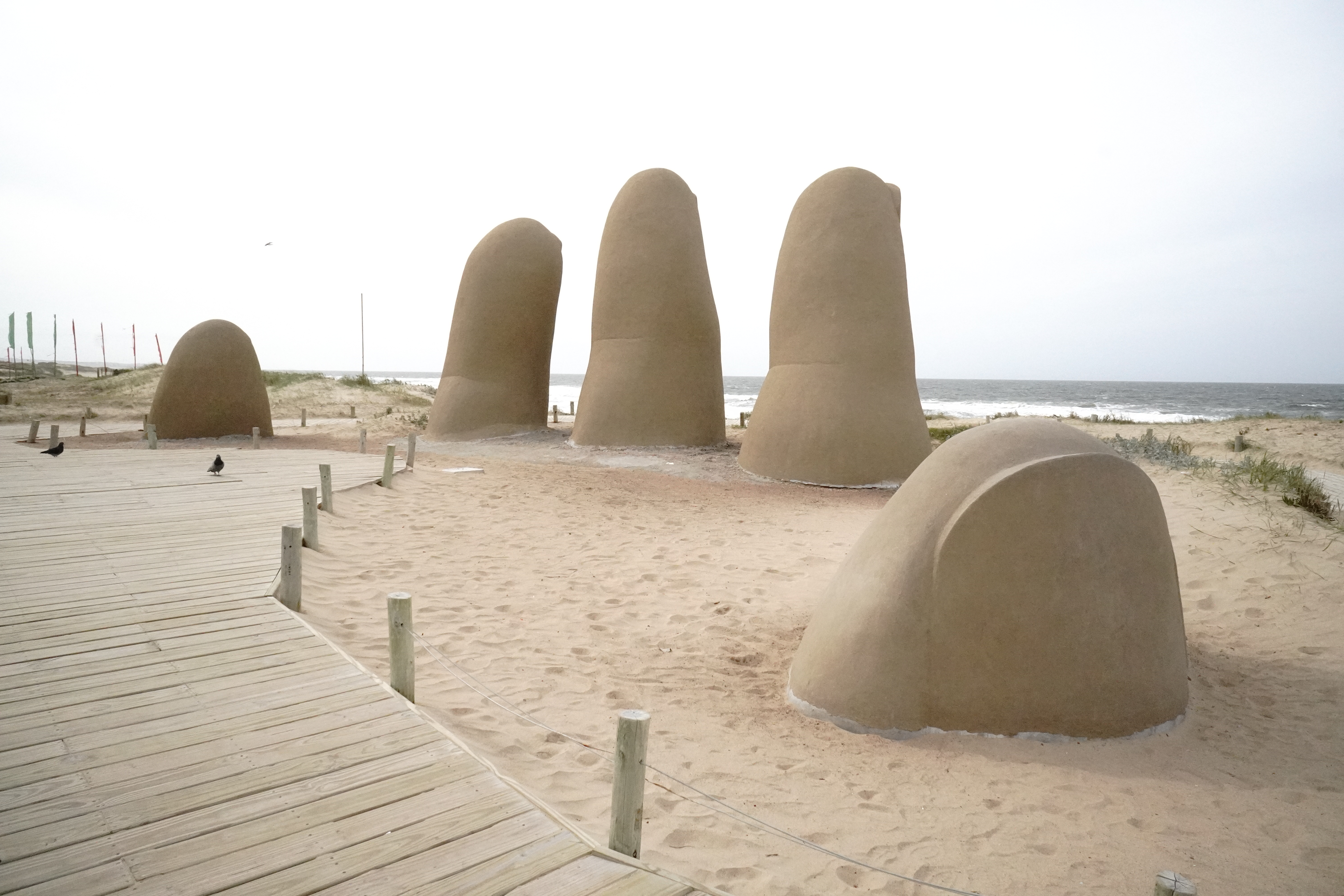
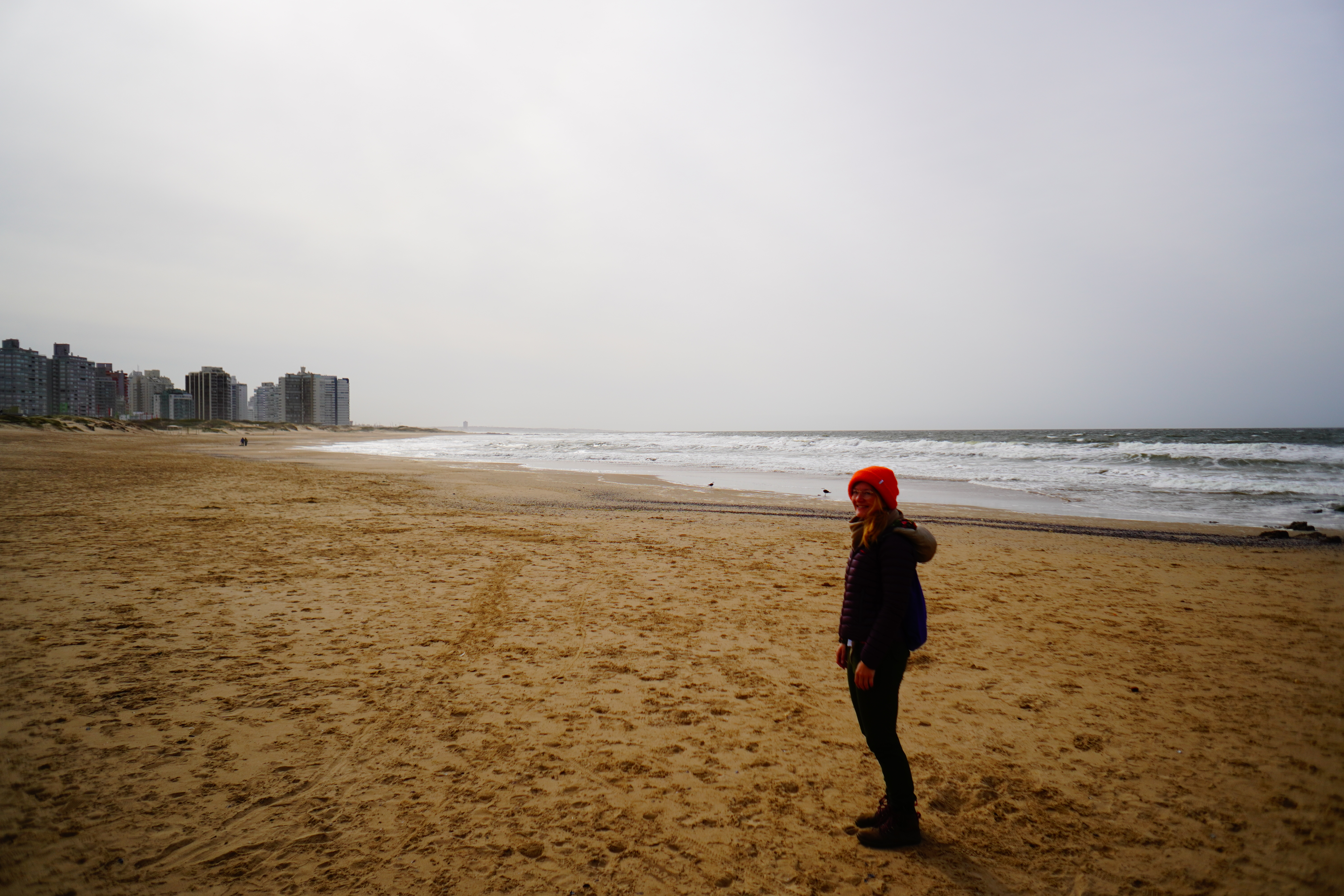
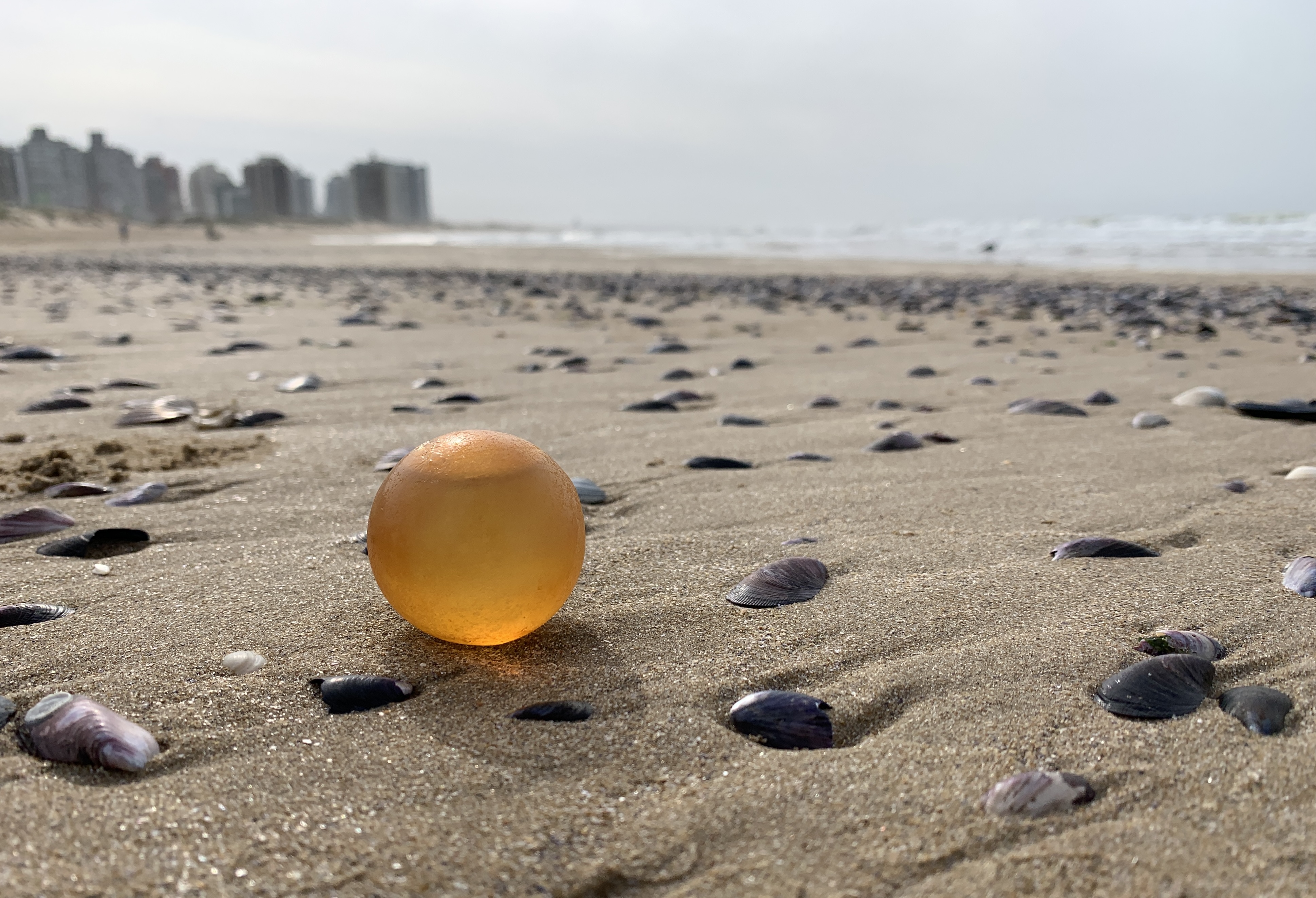
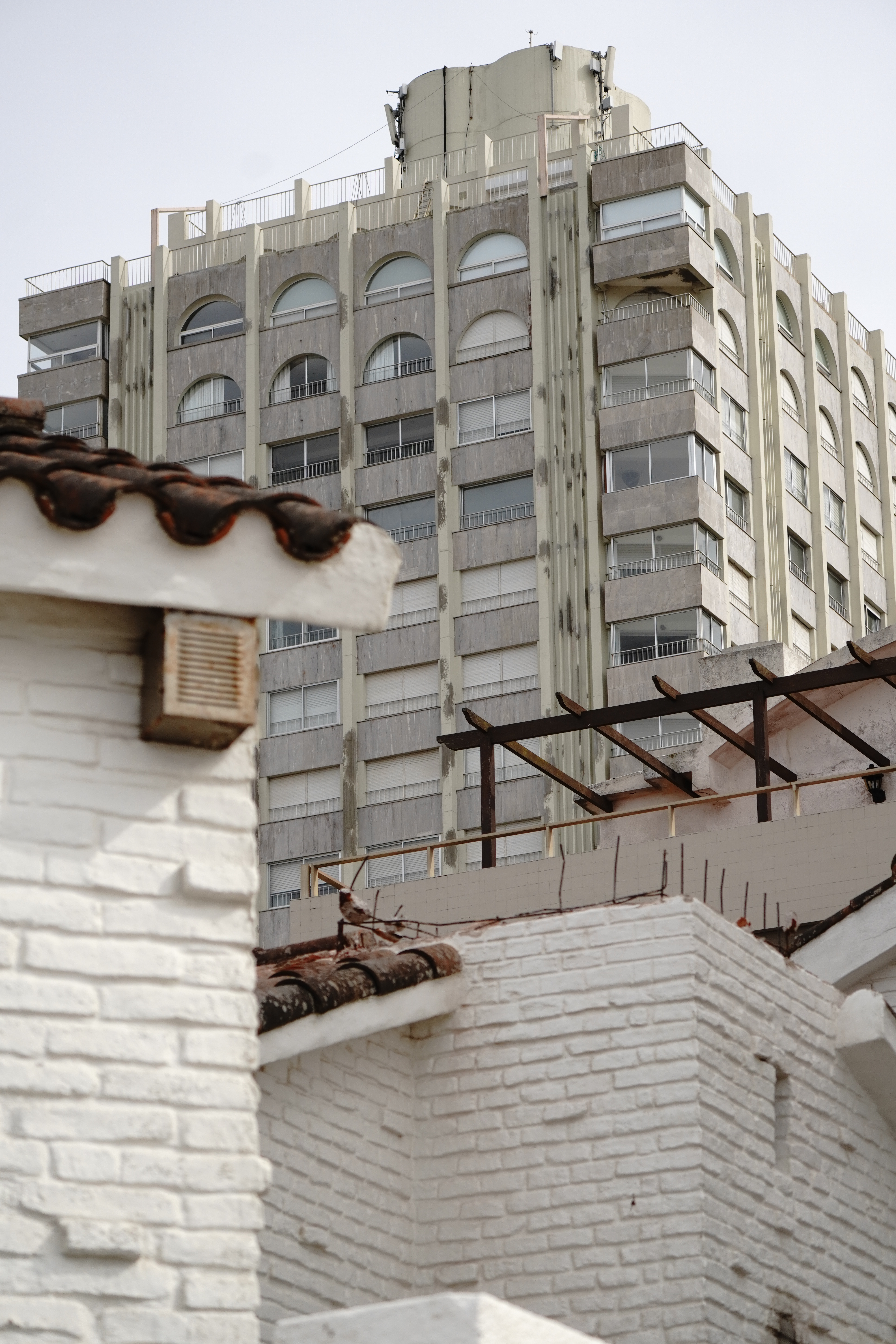

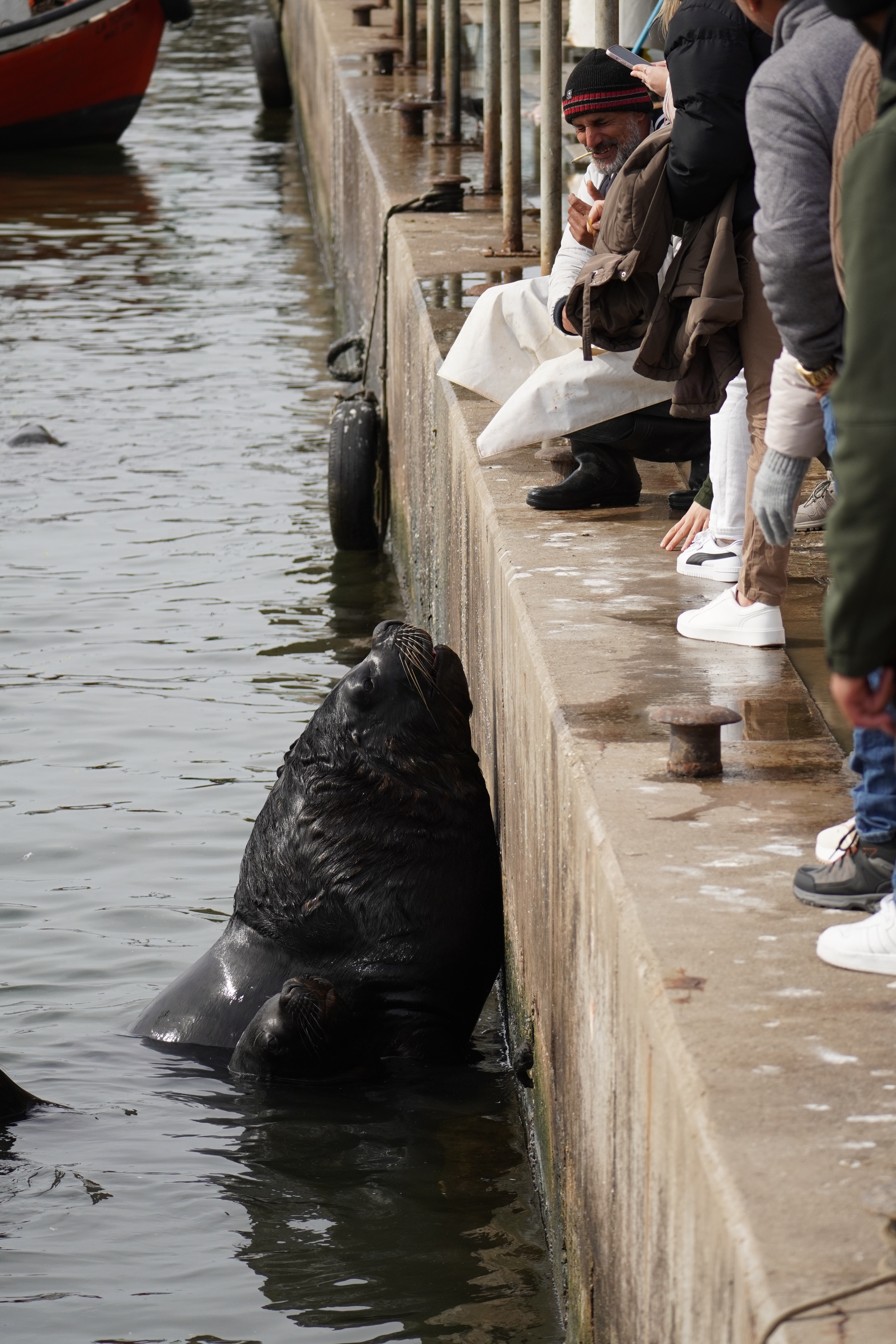
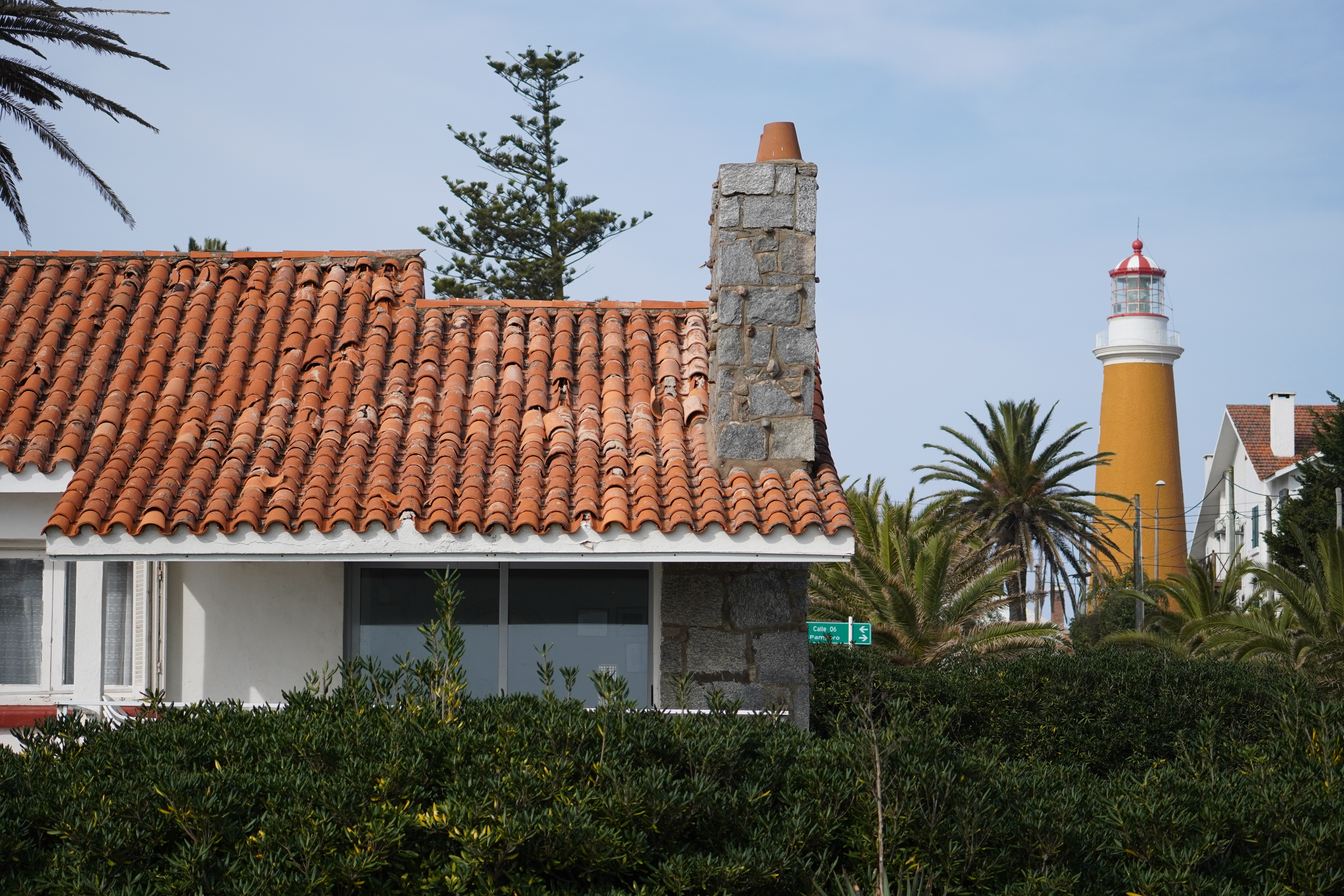
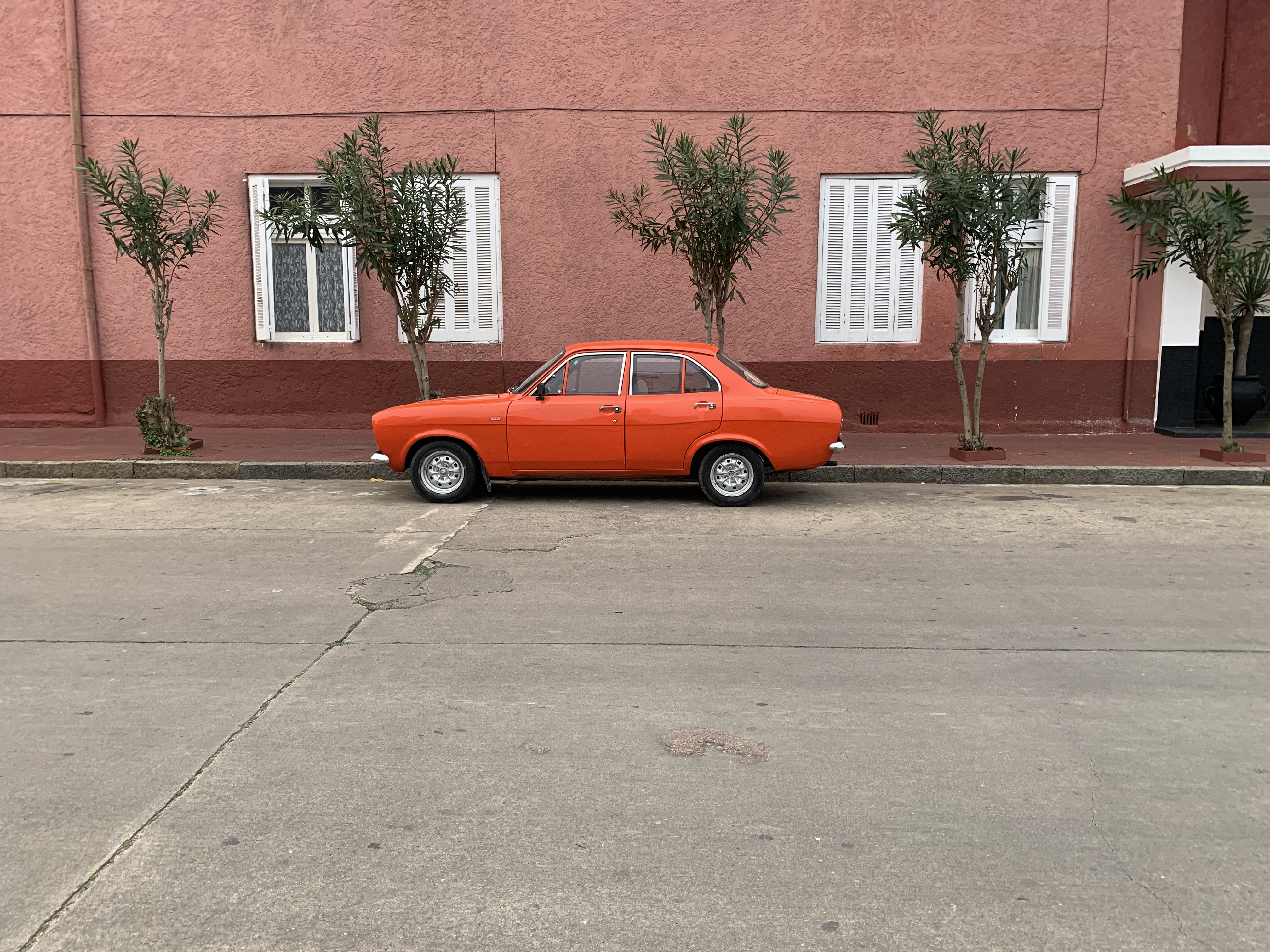

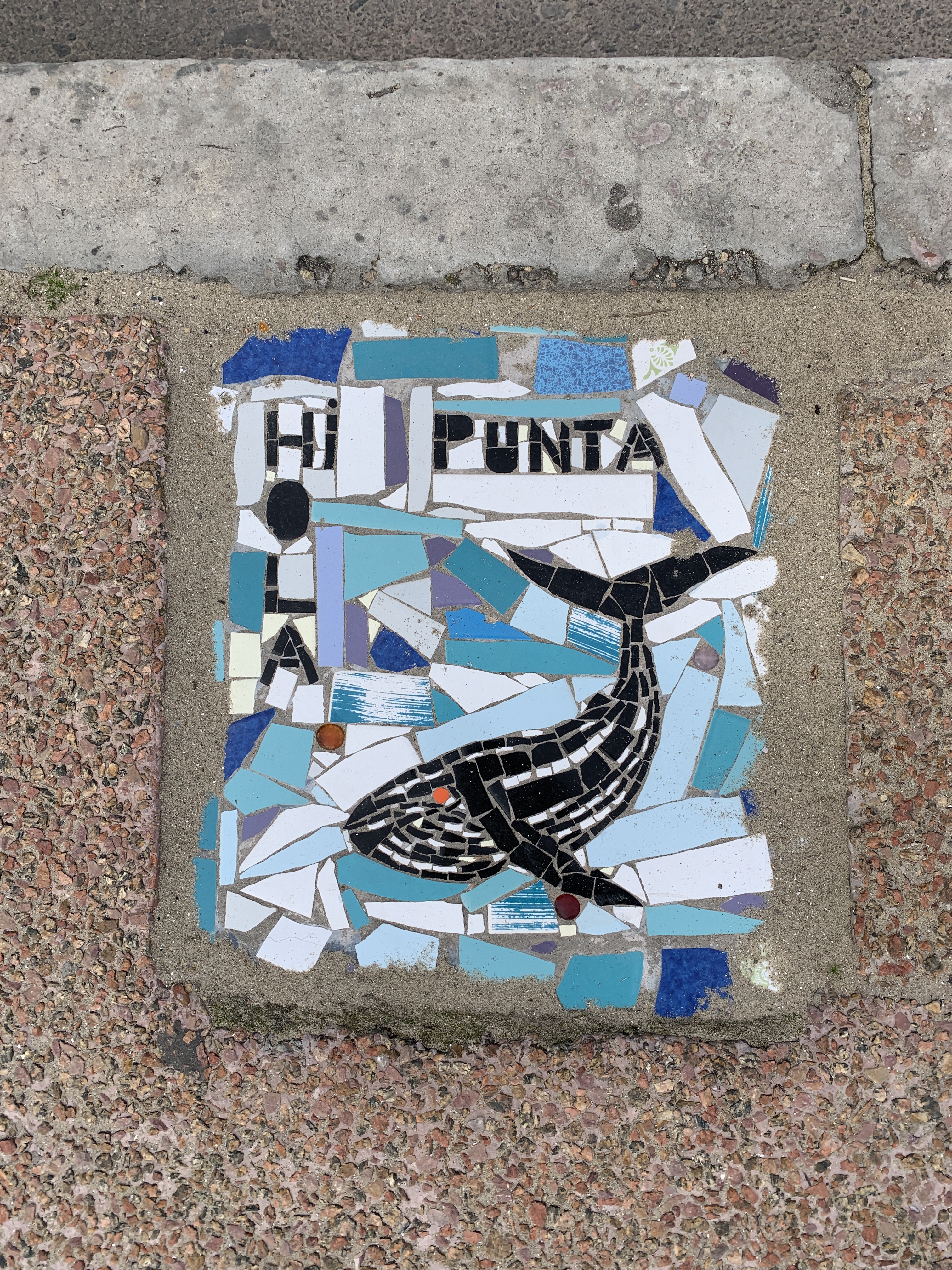
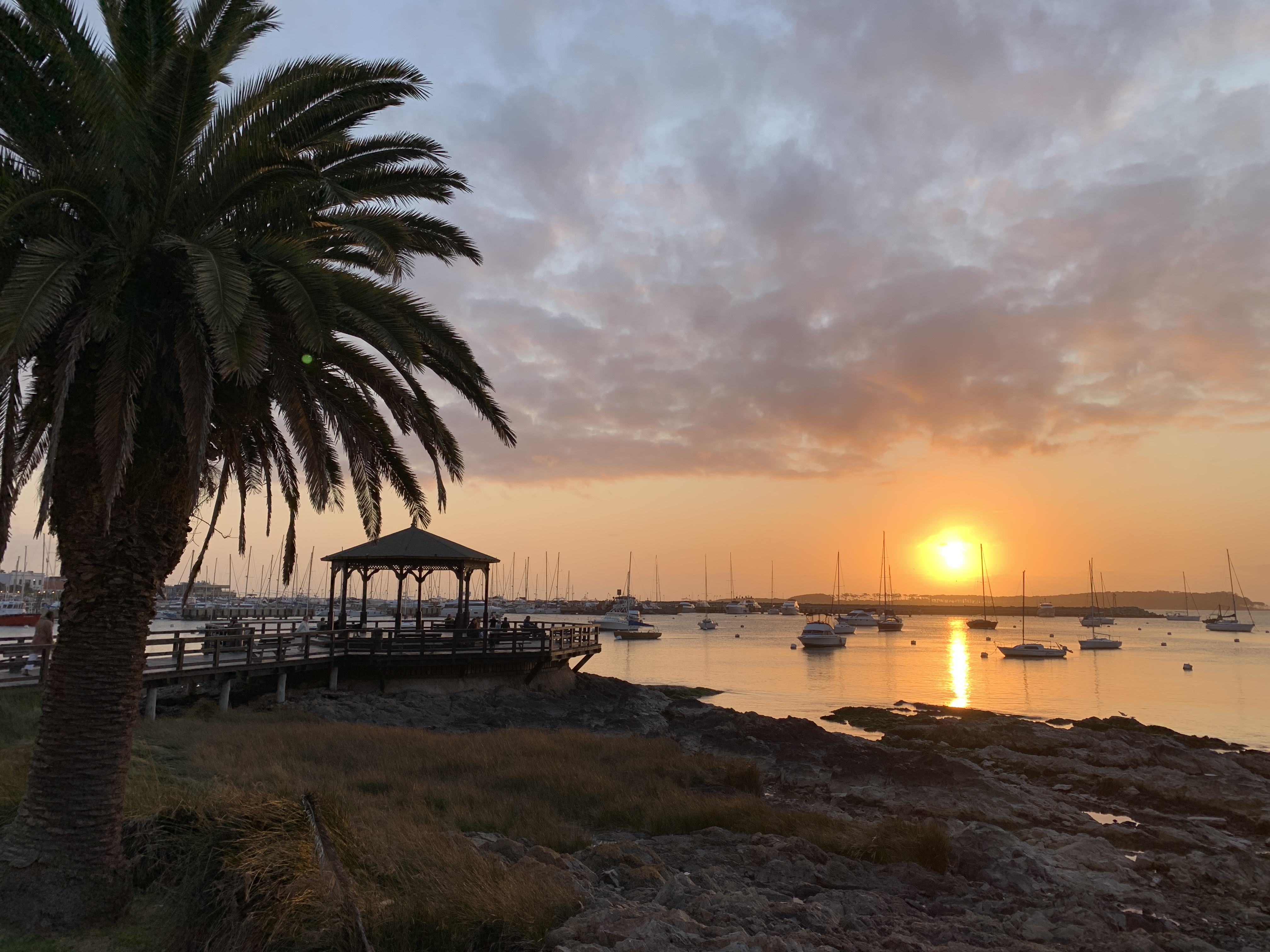
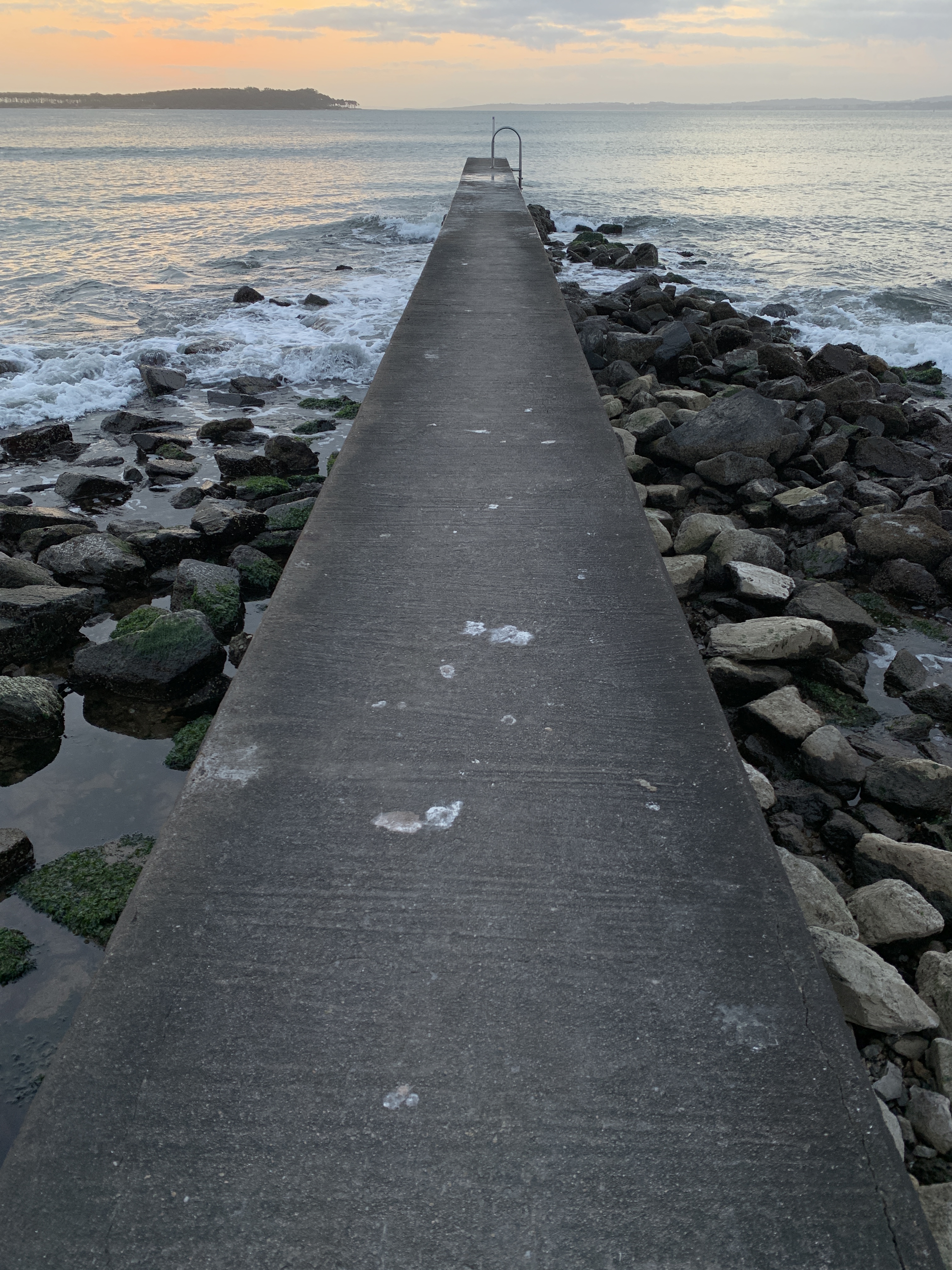
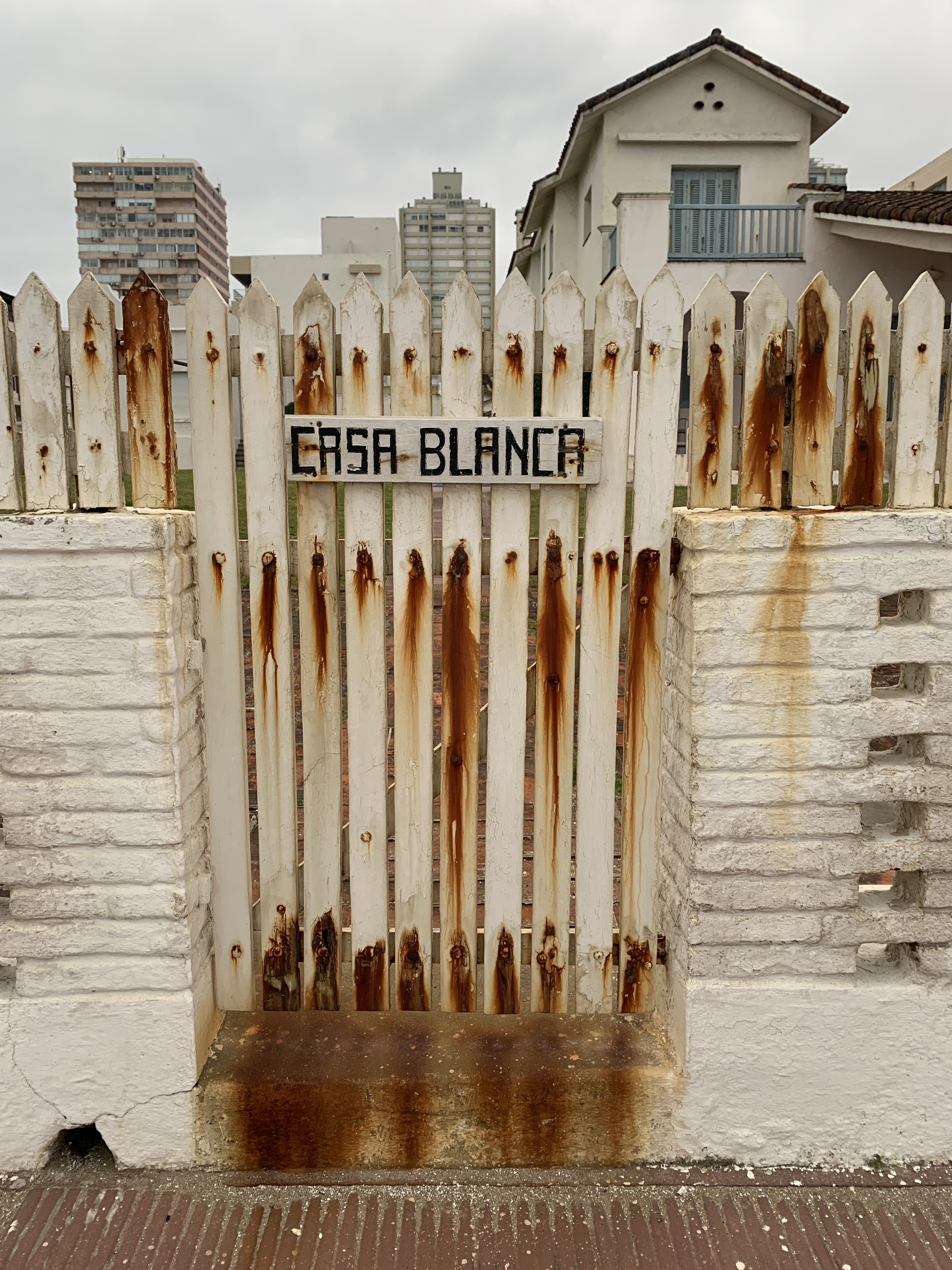
Even though I haven’t been to Sylt yet, I understand the comparison. The first thing you see in the supermarket is a champagne display, many people wear quilted jackets, and they look like they have a bit more money in the bank than the average person. Still, the place has its own charming appeal, which we liked. Björn says that people here really seem to him like the stereotypic Sylt visitors with a strong Uruguayan touch to it. The saying of the “Sylt of Uruguay” somehow makes sense, but it felt also more divers.
Buenos Aires, Fundación Pablo Atchugarry, Wonderful Wildlife and Strange Road Structures
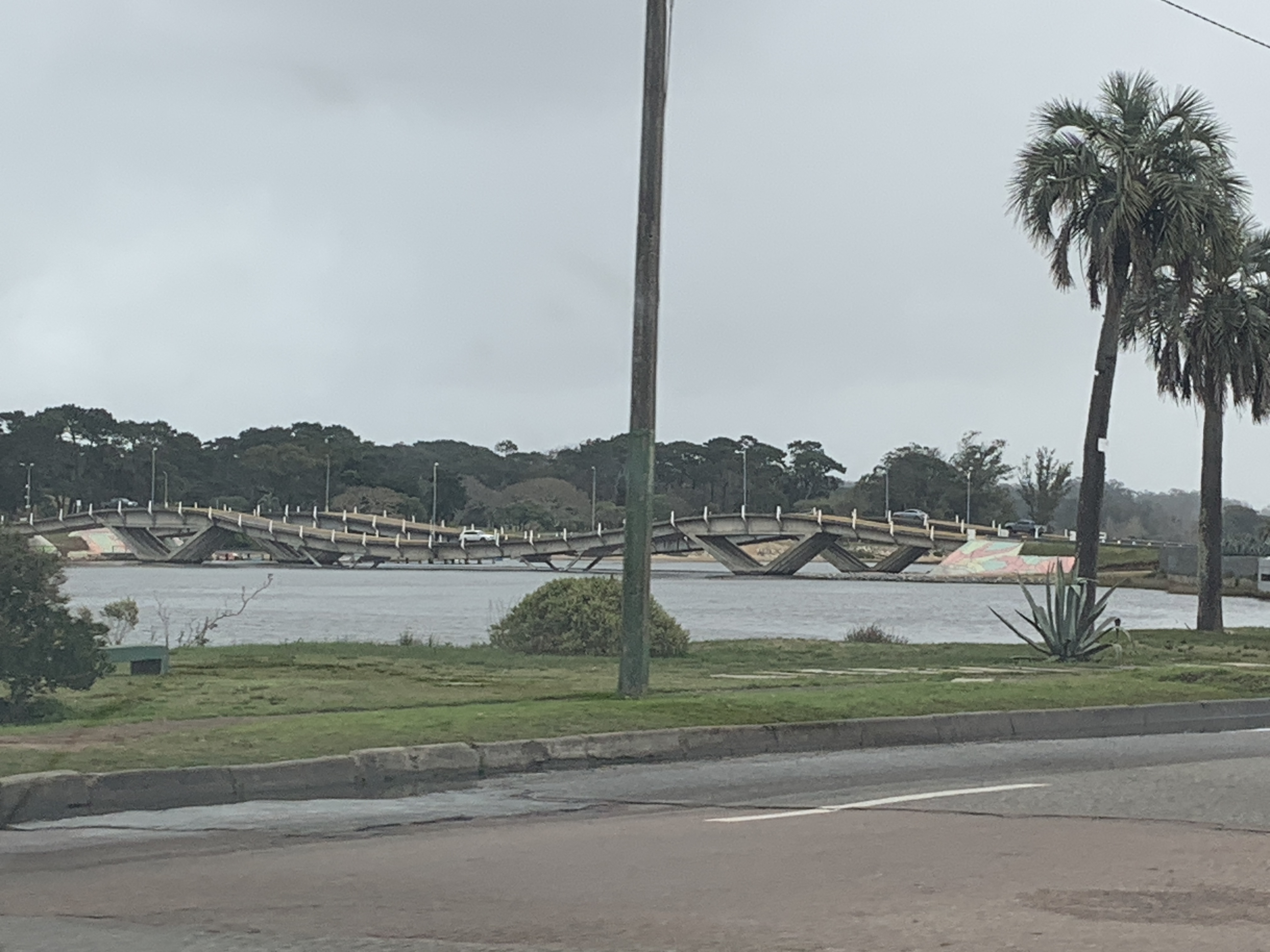
We continued along the coast to Balneario Buenos Aires in Uruguay, through clouds, mist, and poor visibility. The thermometer fluctuated between 12 – 17°C. Depending on the rain and wind strength, it could get quite uncomfortable. Along the way, we crossed an extraordinary bridge, the Leonel Viera Bridge. The high-rise buildings became fewer, and the accommodations turned into houses, huts, tiny houses and cottages. It got a real surfer vibe. But it was windy and cold, and we wondered again: What must it be like here in the summer? Luckily, our little tiny house had a fireplace, which was already lit when we checked in. We took a walk on the beach in the rain and spent the afternoon reading by the fire and cooking choripán. At night, we slept in the hard bed, with all the neighborhood dogs gathered outside to bark and a faint smell of gas in the apartment. Every day we looked forward more and more to Rosi.
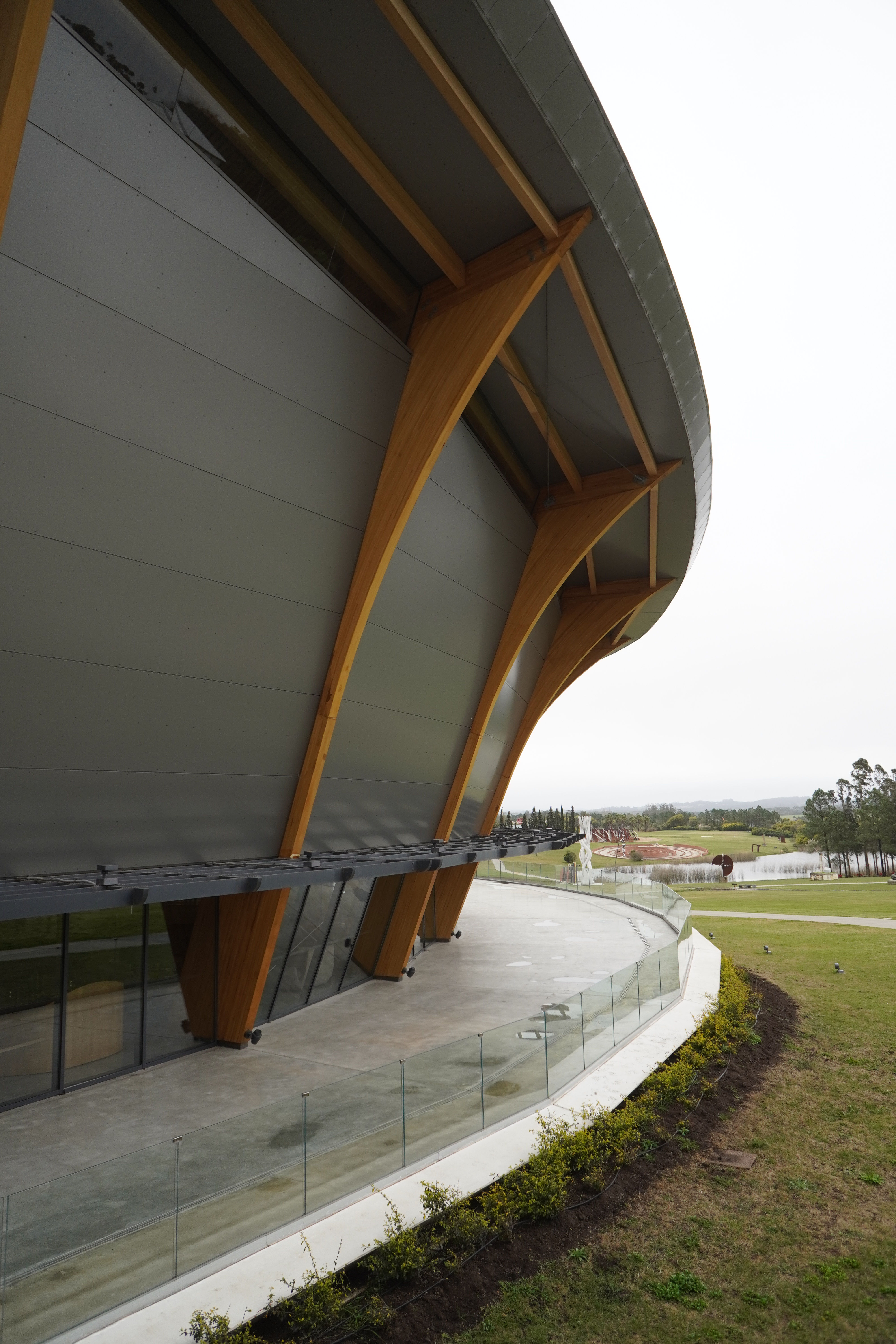
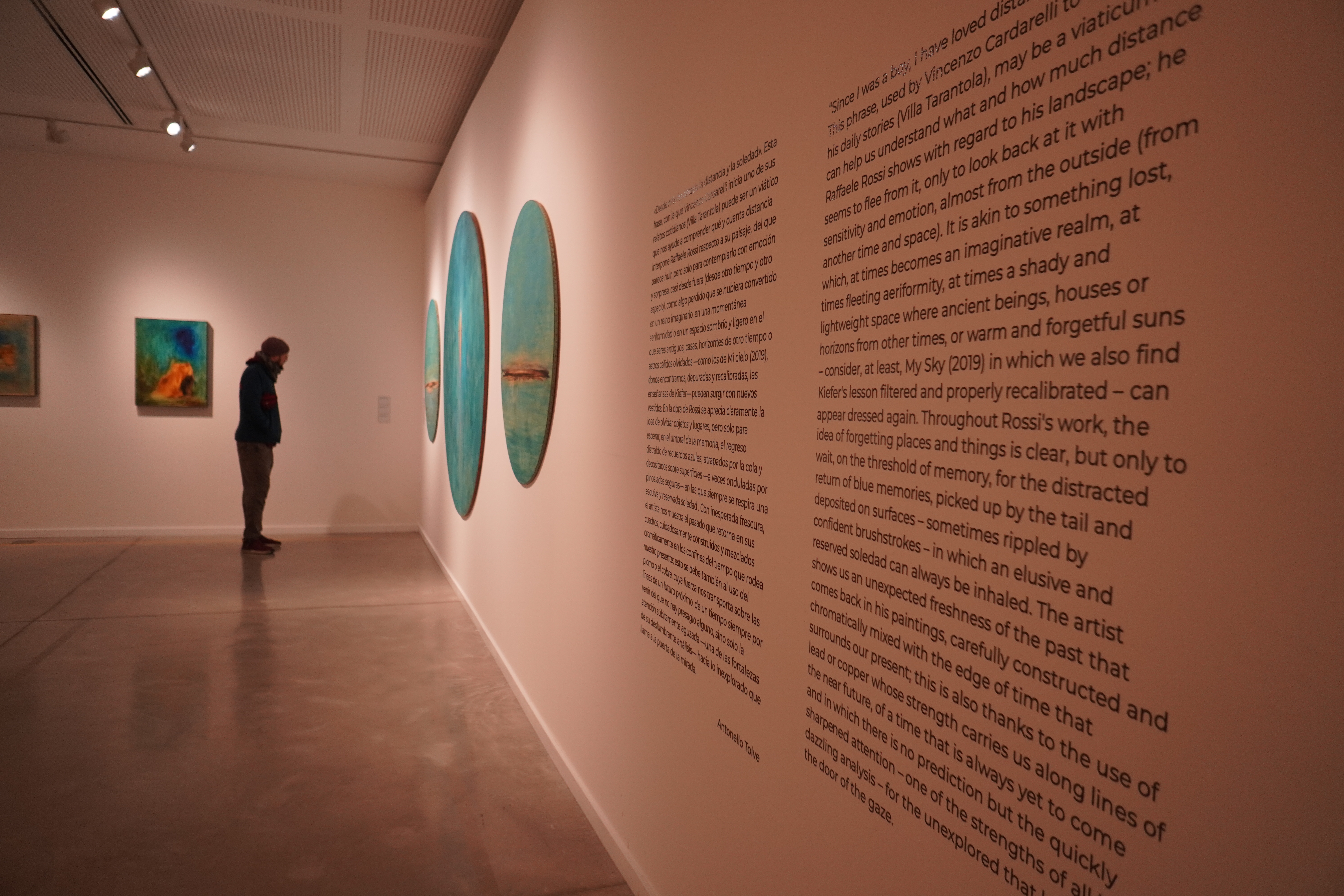
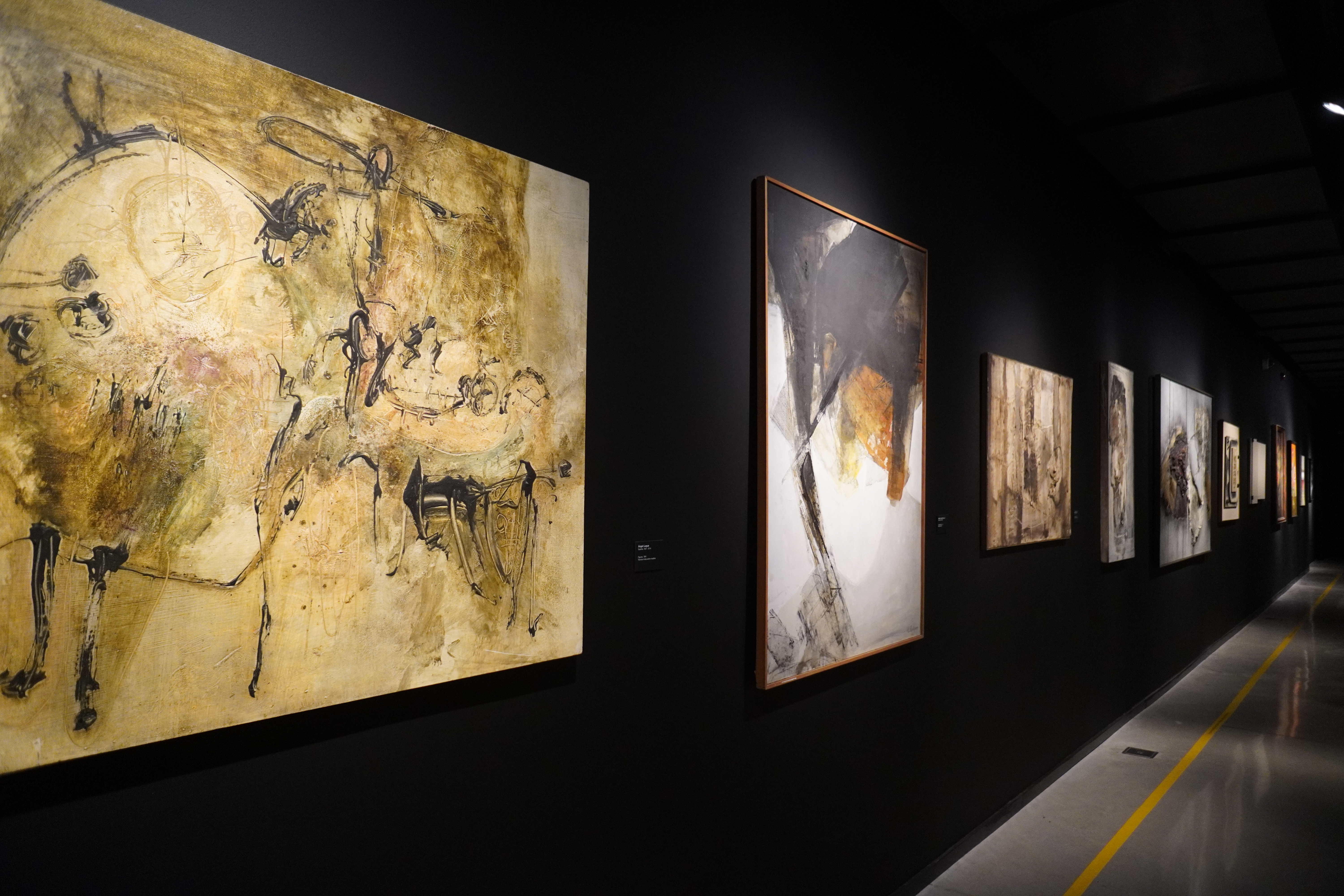
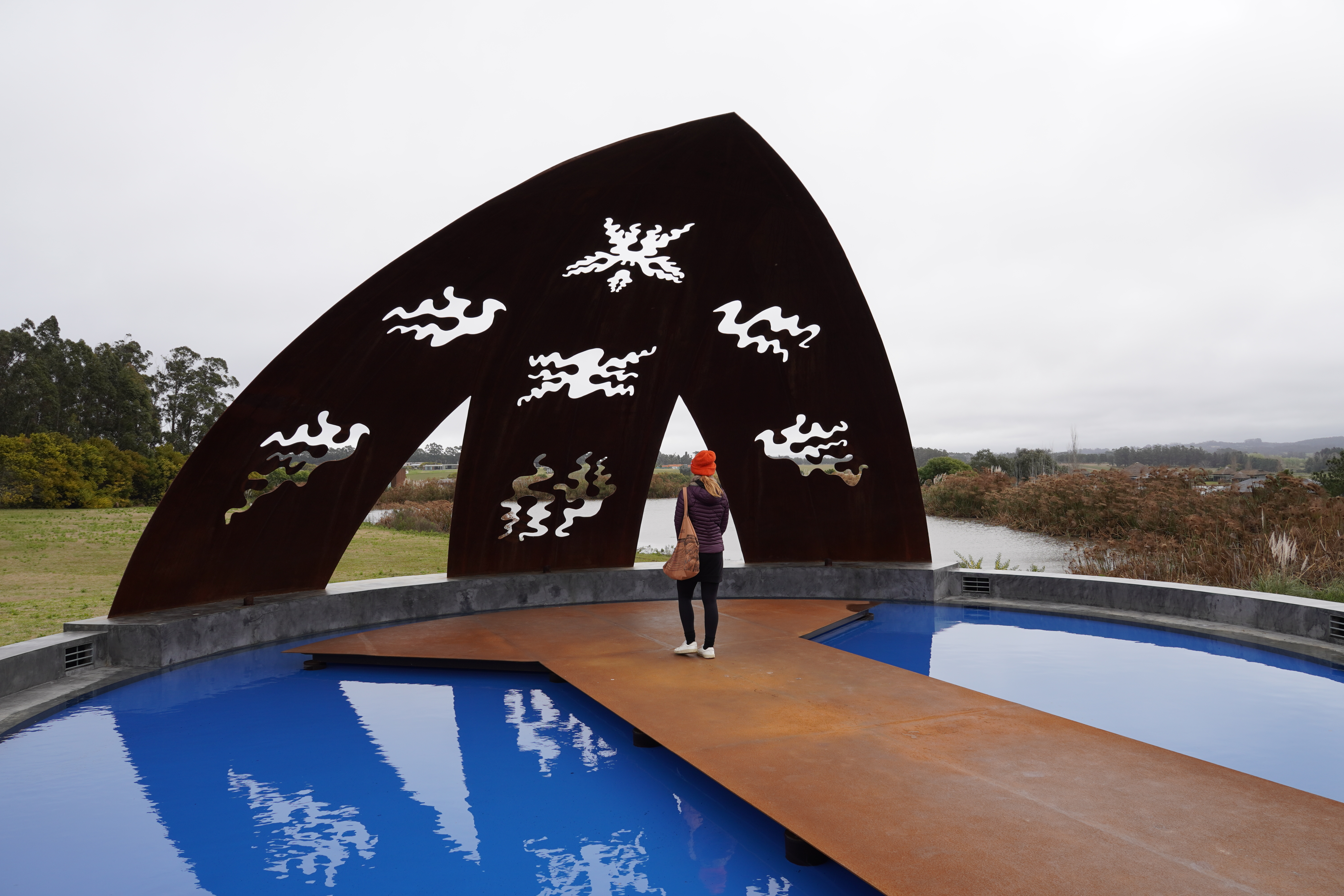
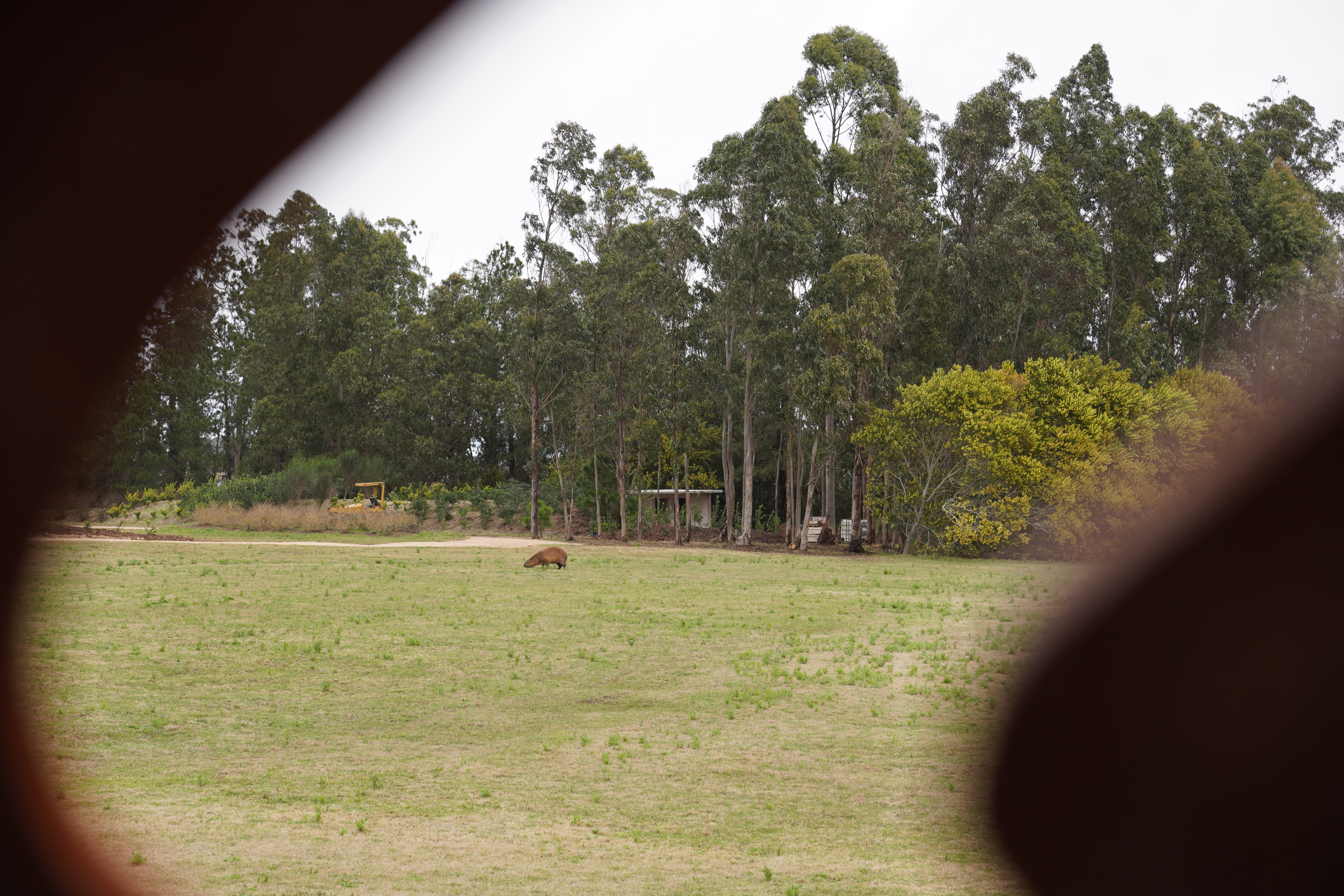
The next day, we visited the Fundación Pablo Atchugarry, a cultural and artistic center dedicated to promoting contemporary art, featuring sculptures, exhibitions, and an open-air park created by the renowned Uruguayan sculptor Pablo Atchugarry. Like all the museums we had visited so far, this one was also free. Besides two other people, we were the only visitors. It was a huge site, covering approximately 900,000 square meters. Along with several beautifully designed rooms, it had an outdoor area with sculptures, lakes, and walking paths. The artist himself passed us on a tractor, building his marble sculptures on-site. But our highlight was something else — the wildlife. Since the museum is open and unfenced, its meadows and lakes attract many animals. A giant stork and many birds we hadn’t seen before. A paradise for bird watchers. At first, we thought of deer because of the droppings on the ground. But the footprints looked more like those of aliens. At the far end of the park, we finally saw the creatures leaving tracks everywhere — a whole herd of capybaras grazing peacefully. Big and small. We were totally amazed and couldn’t stop watching them. What funny animals. As we left, we saw another herd beside the park and were very happy with this surprise. So, besides art, there was quite a lot of other things to marvel at. While we were in Buenos Aires, Uruguay, Rosi was in Rio de Janeiro, Brazil, getting a little closer every day.
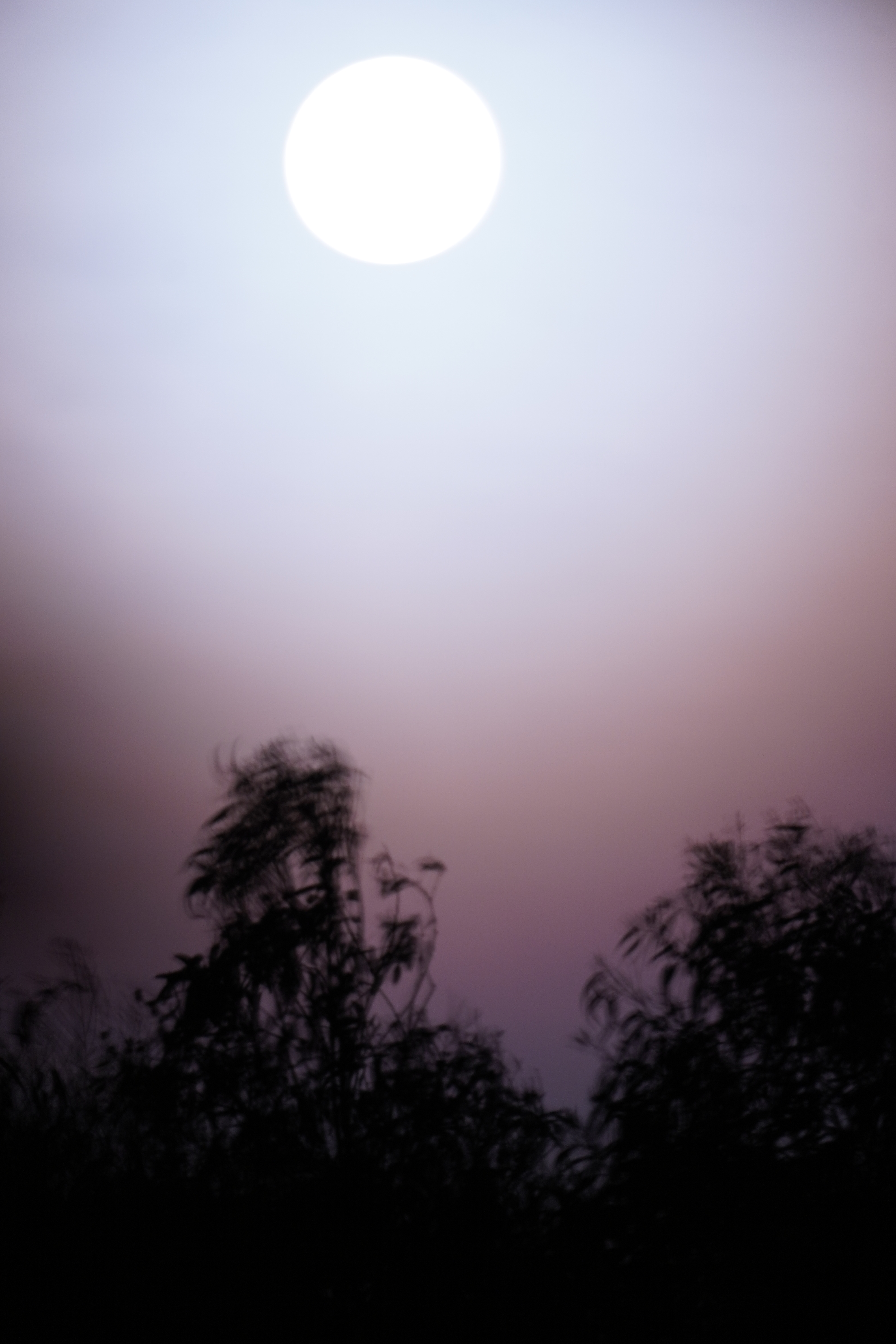
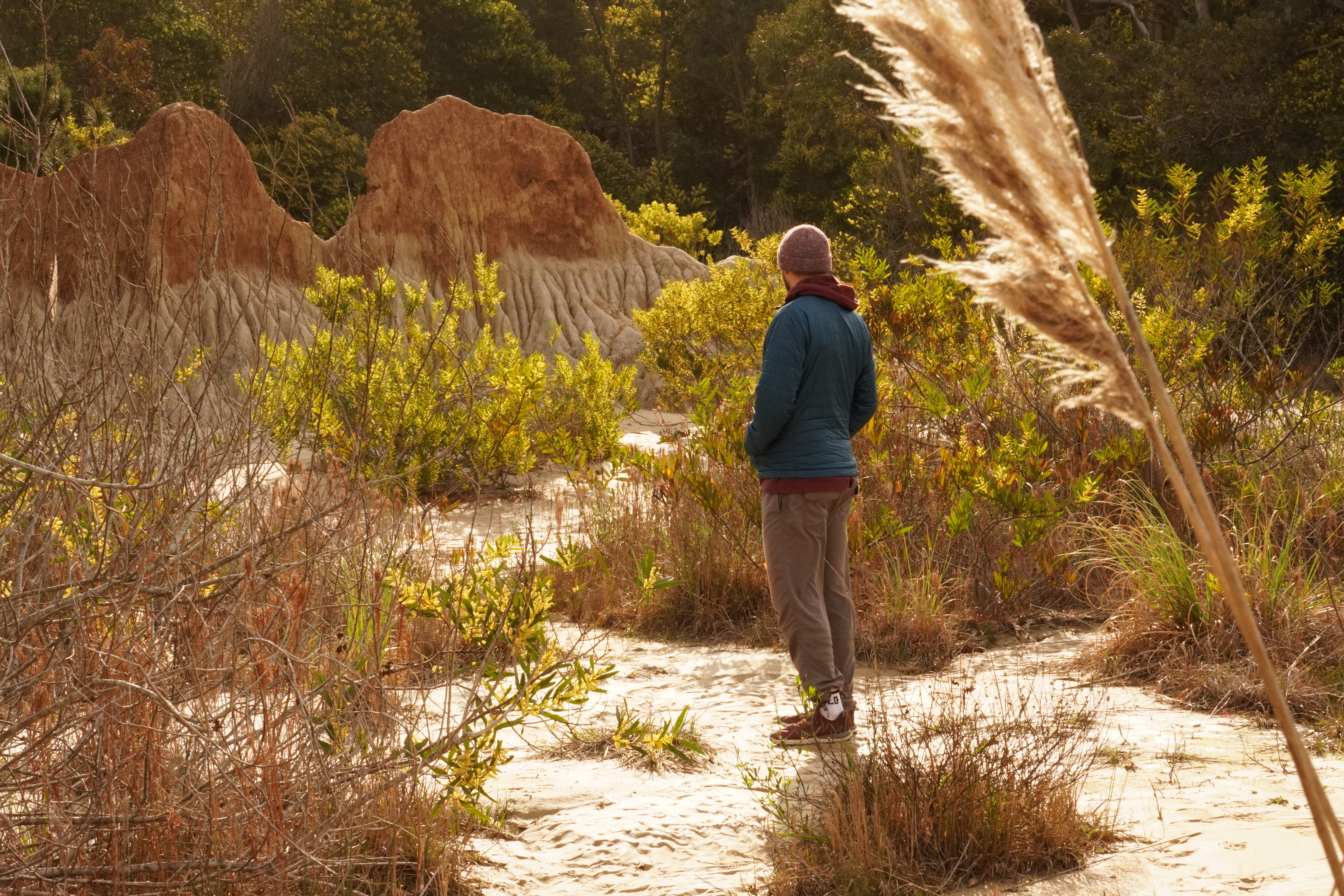
The next day, we continued along the coast in the sunshine, passing lost places and crossing the Puenta de la Laguna Garzón. It looks like a roundabout on water but is just a bridge. On the way to Punta del Diablo, we passed the Valle de la Luna, with wild sand formations looking like a lunar landscape. Matching the full moon, we discovered the night before.

Punta del Diablo
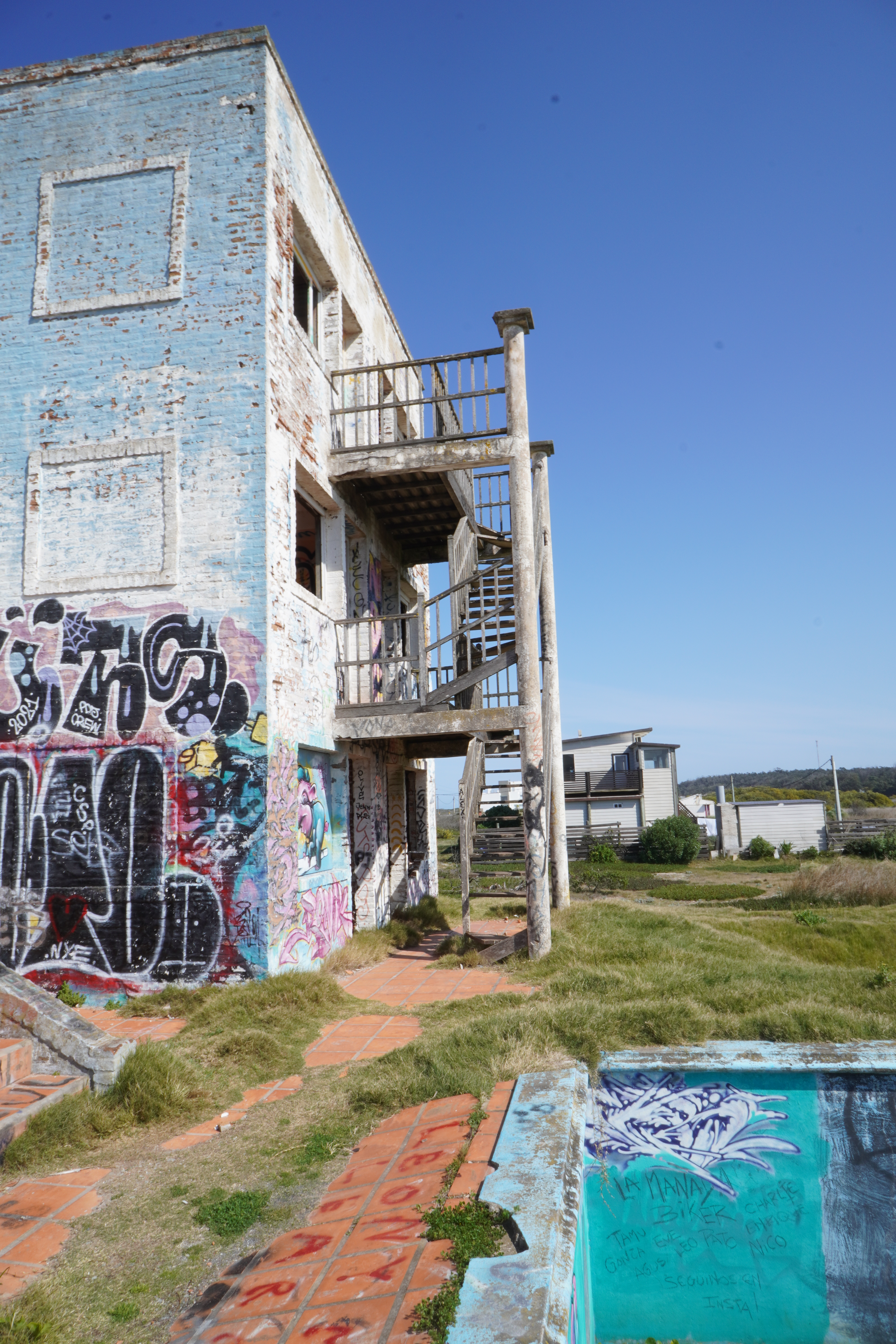
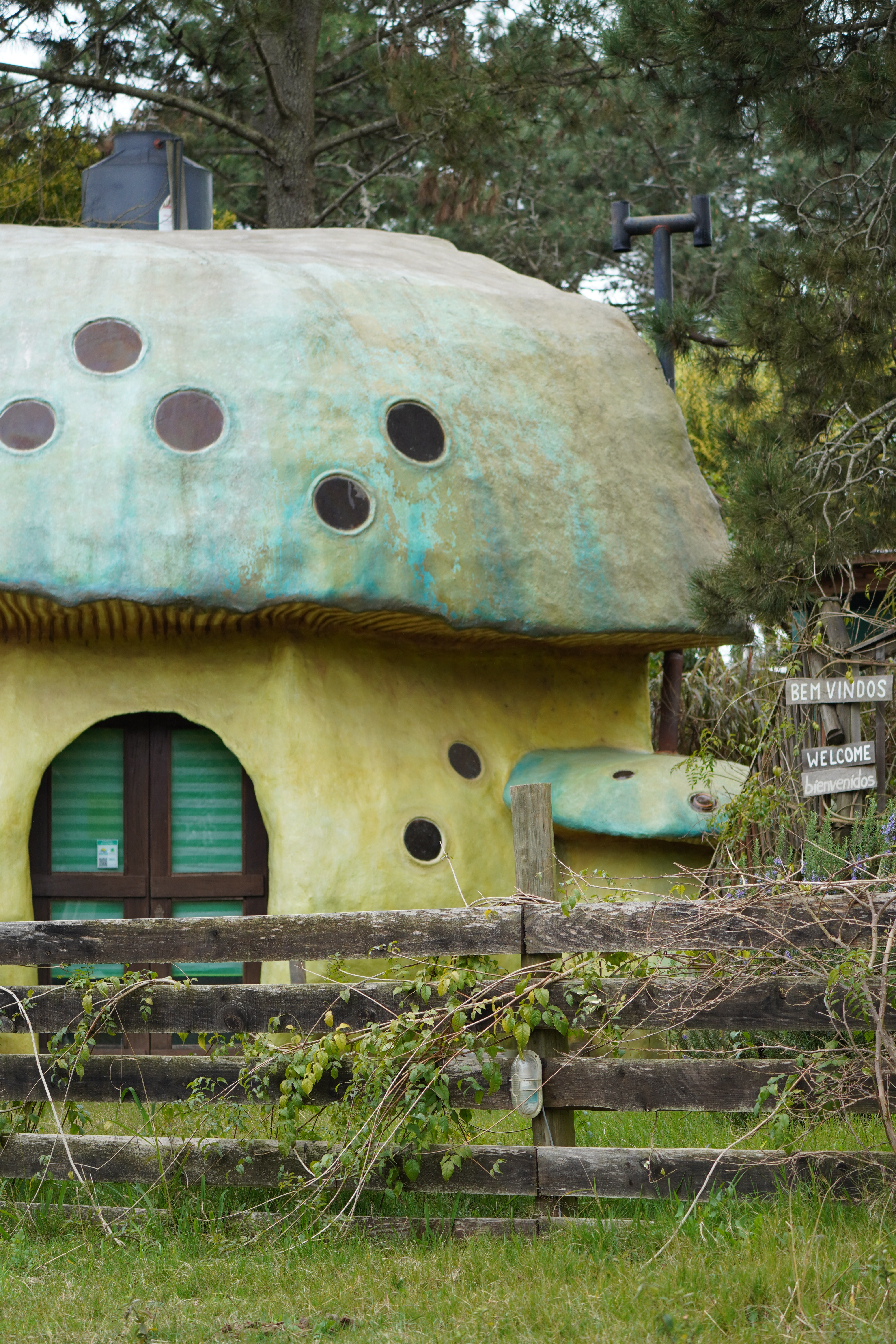
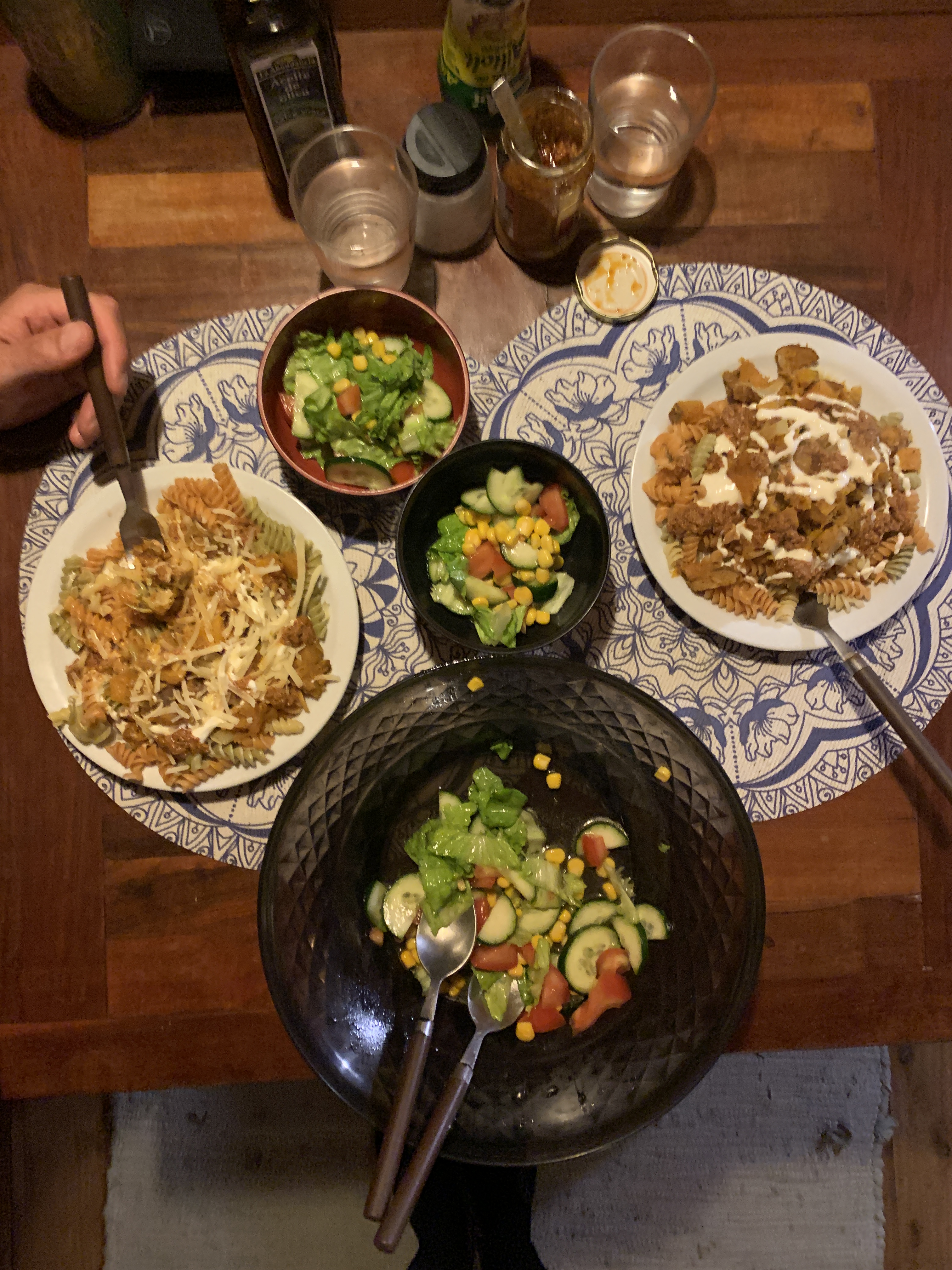
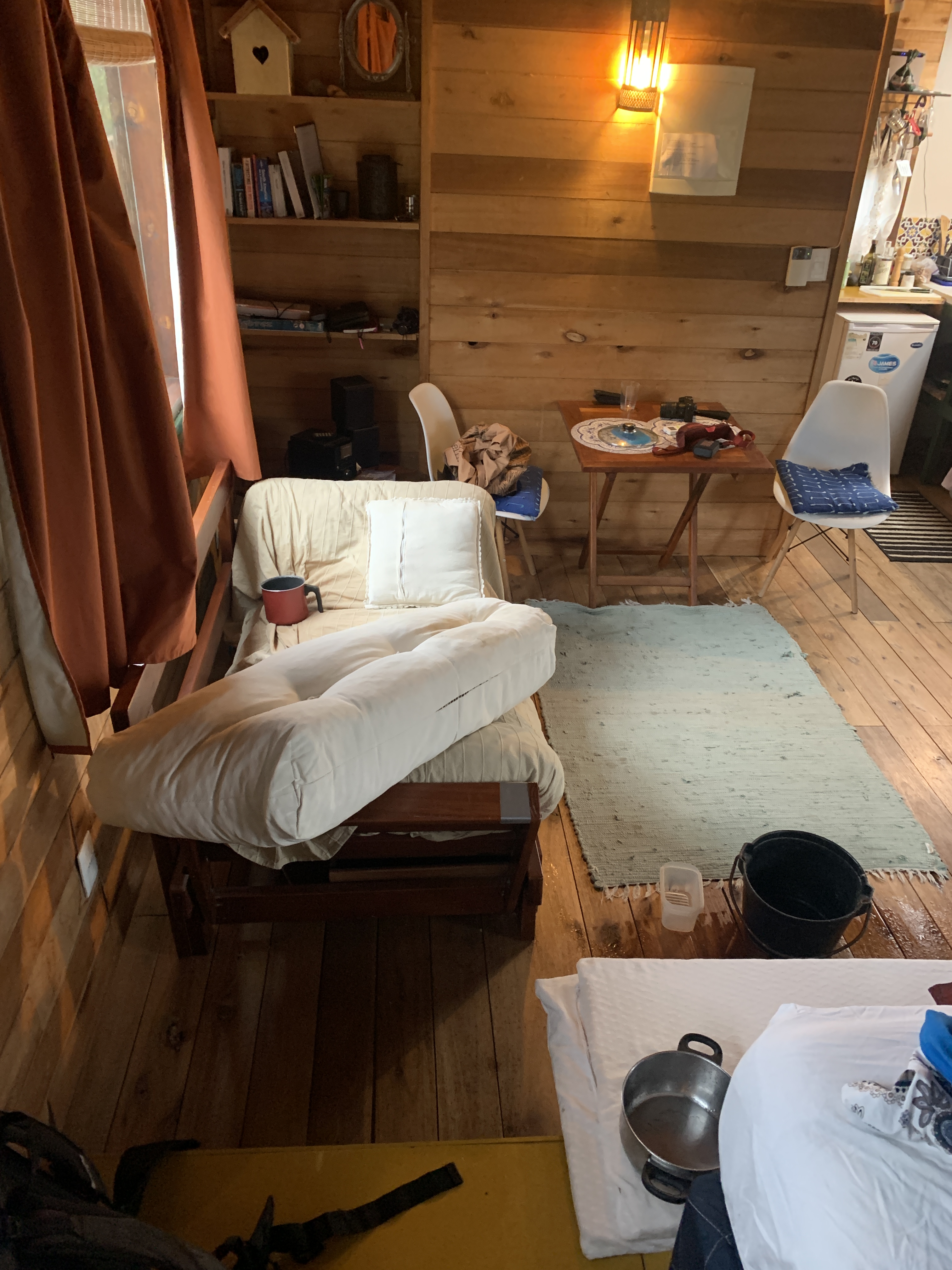
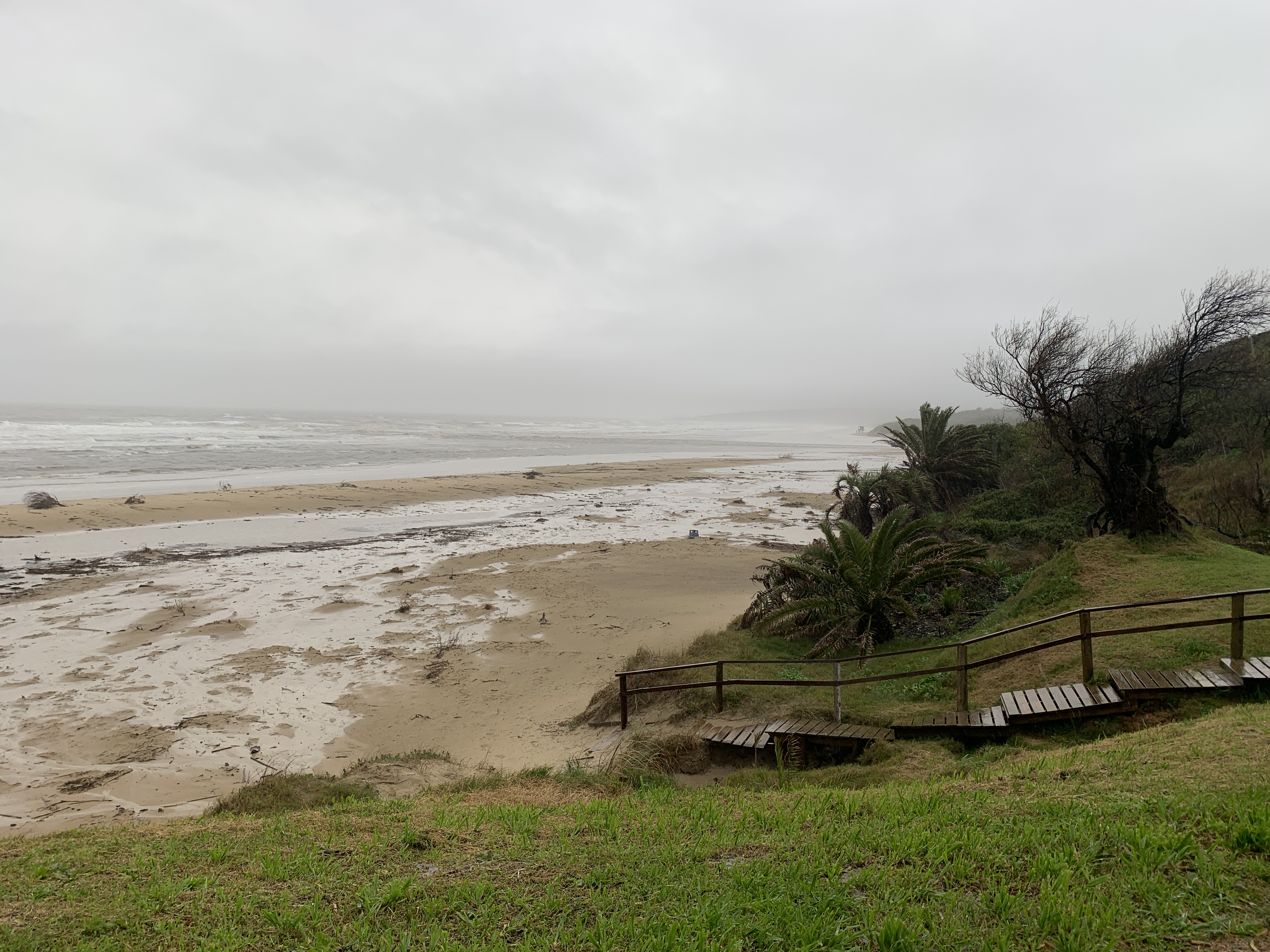
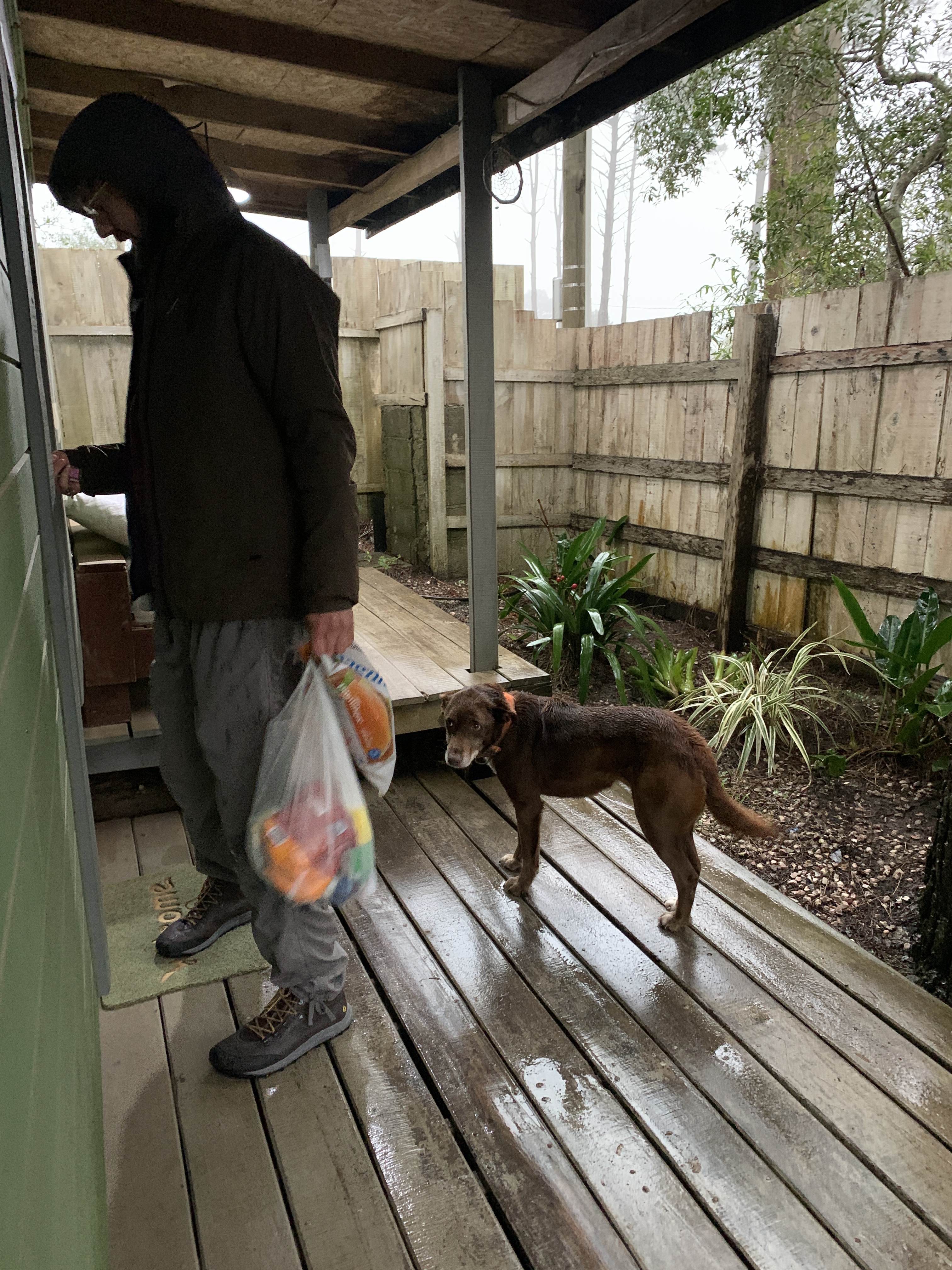
The devil wanted to introduce himself personally to us. Don’t worry, nothing happened. But the next few days were a bit bumpy. We made the best of it and still had unbelievably good days with great experiences. When we arrived in Punta del Diablo, the sunshine was gone, and it became very, very uncomfortable. The paved roads turned into bumpy dirt roads. Here, dogs rule the streets. They seem to have a home and wear collars, but they wander along the streets and take care of everything. We quickly took a walk to the lighthouse with a police patrol (we were parked illegally because the public parking lot had been washed away, but no one seemed to care) and watched the heavy waves. Our tiny house was cozy; we cooked a delicious meal and were glad to be warm and dry. We always made sure our accommodation had heating, as it was impossible without it. In the evening, it started to thunderstorm, and it rained all night long. The next morning, it was dripping in four places through the ceiling — the sofa, the foot of the bed, and the center of the room were already wet. In a tiny house, that means almost everything. So, by noon, we had to leave our cozy little house and move out. The rain was forecasted to continue for the next 24 hours, and quite heavily. Our kind landlady quickly arranged a replacement for us. You should know that Punta del Diablo consists of only tiny houses, most of which are empty in winter. You can see the most bizarre buildings. Some look like treehouses or forts we built as kids. So, we spent four days here, in wind and rain, during the off-season when hardly any cafés or restaurants are open. Devilishly good.
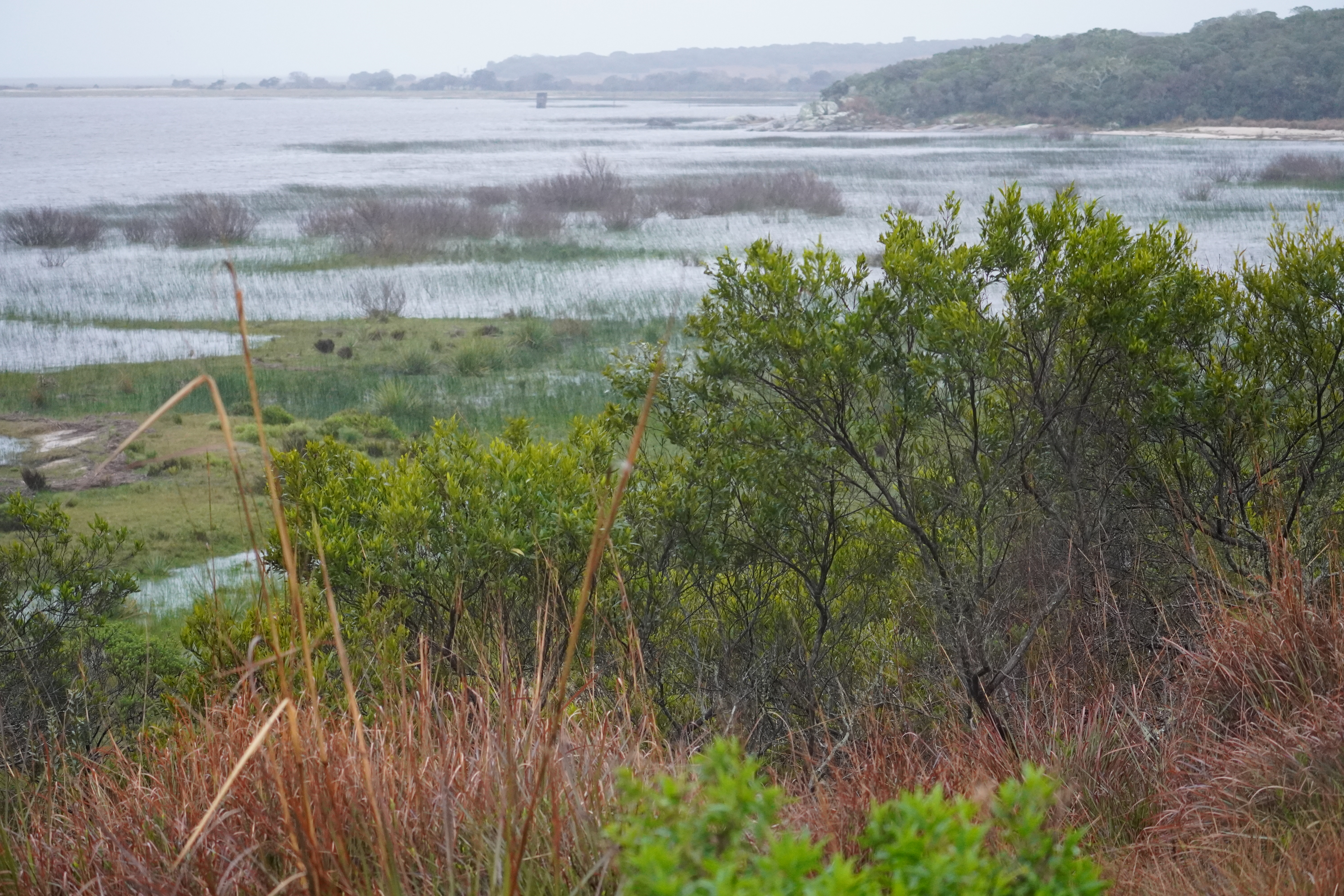
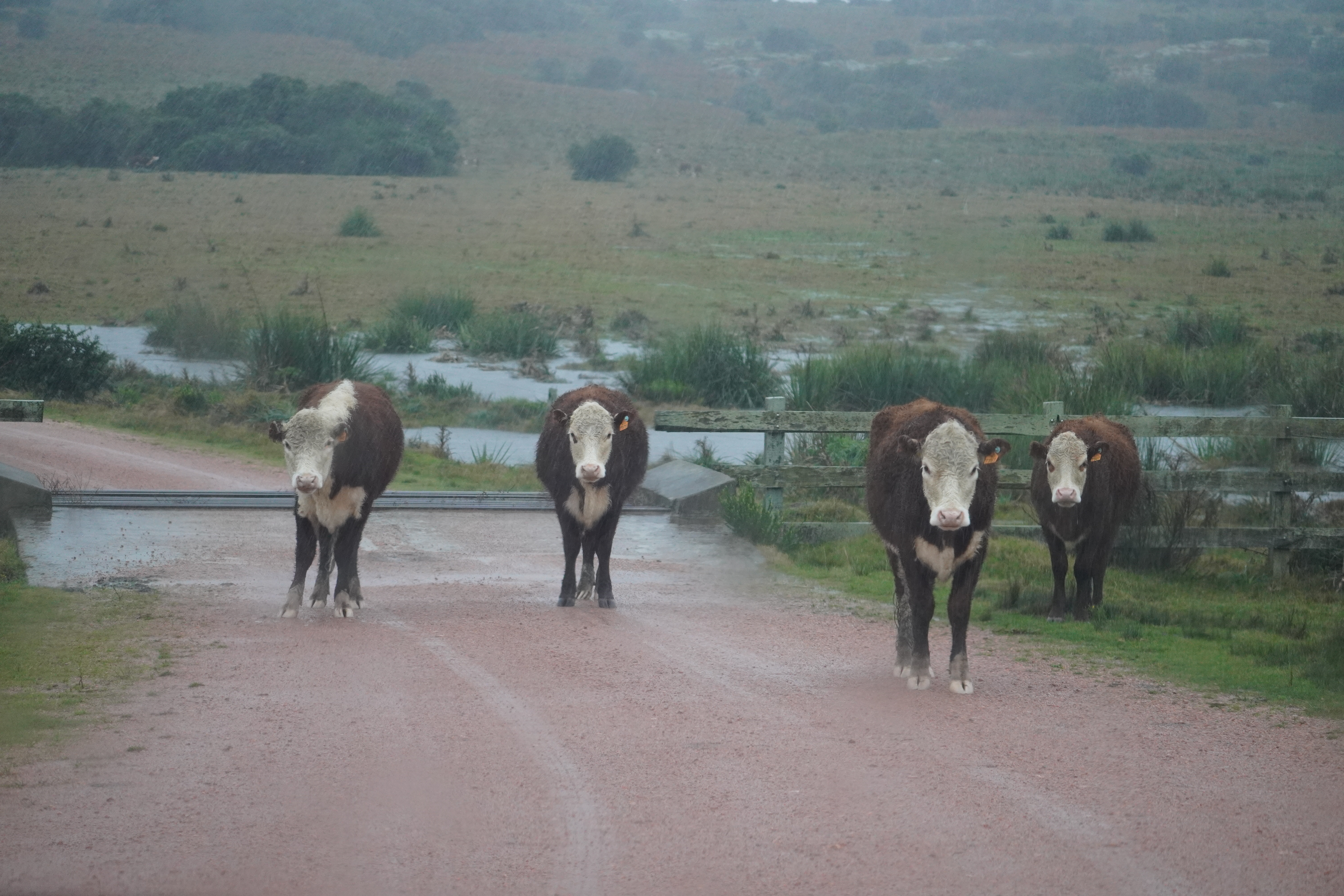
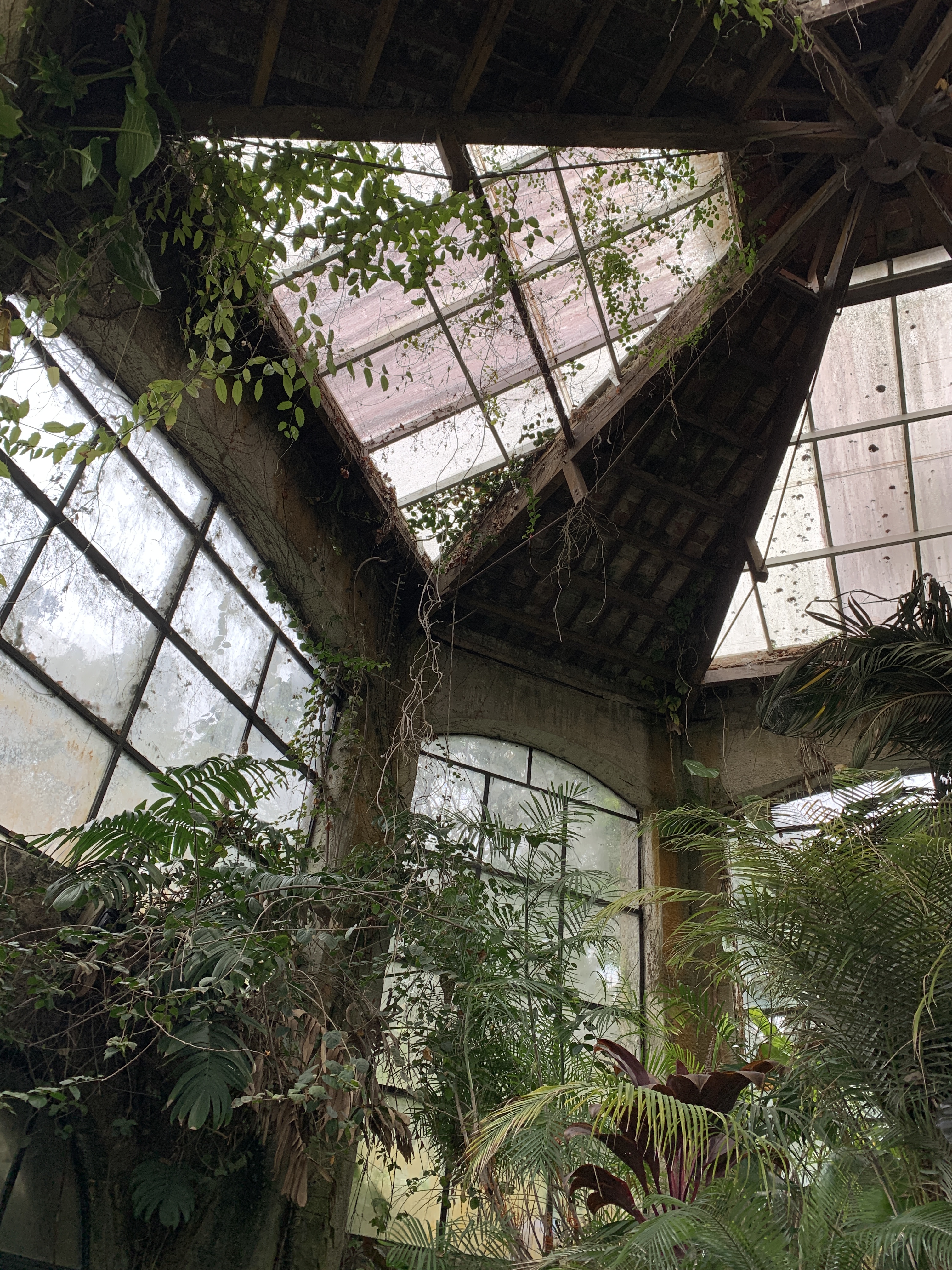
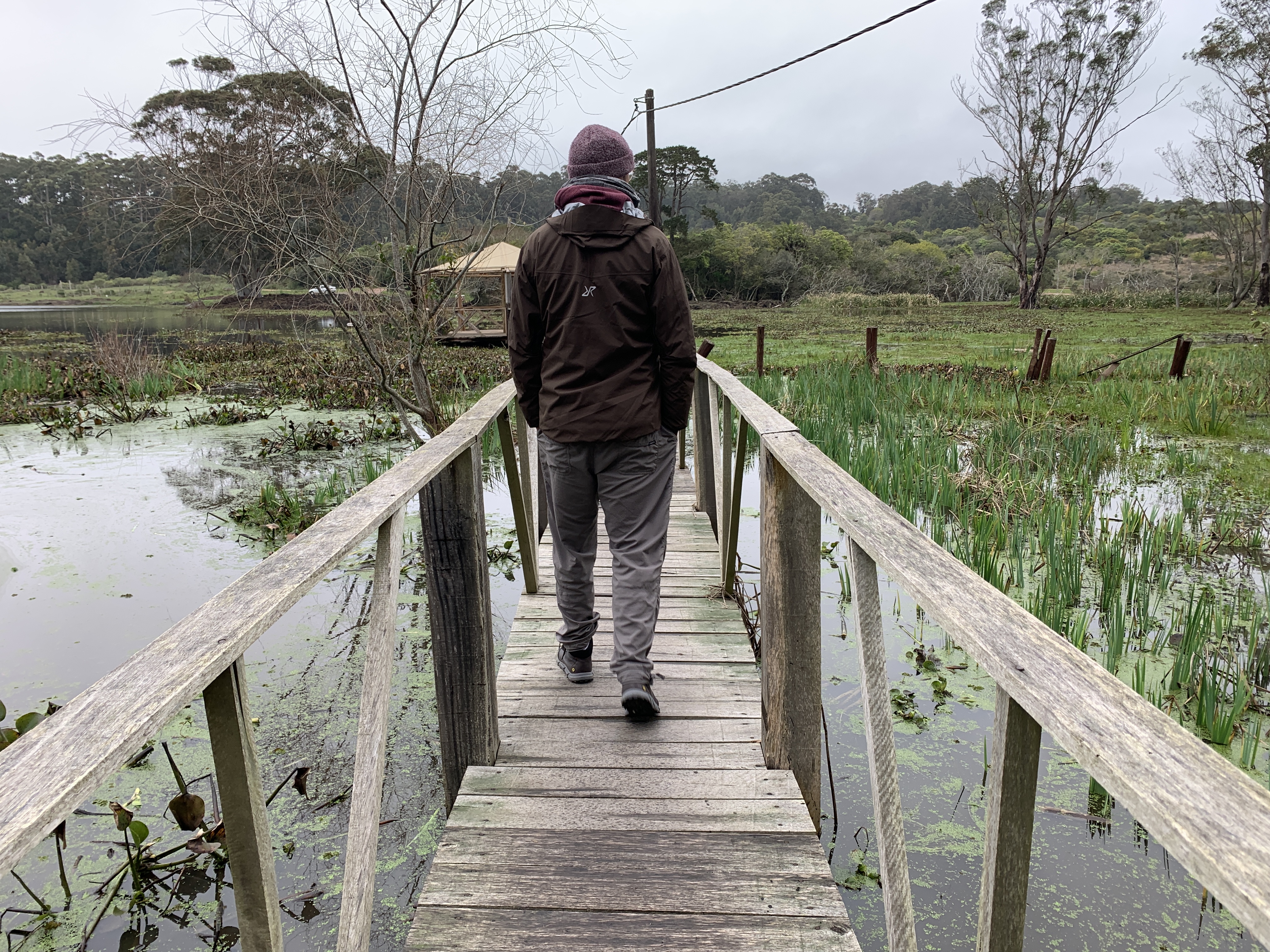
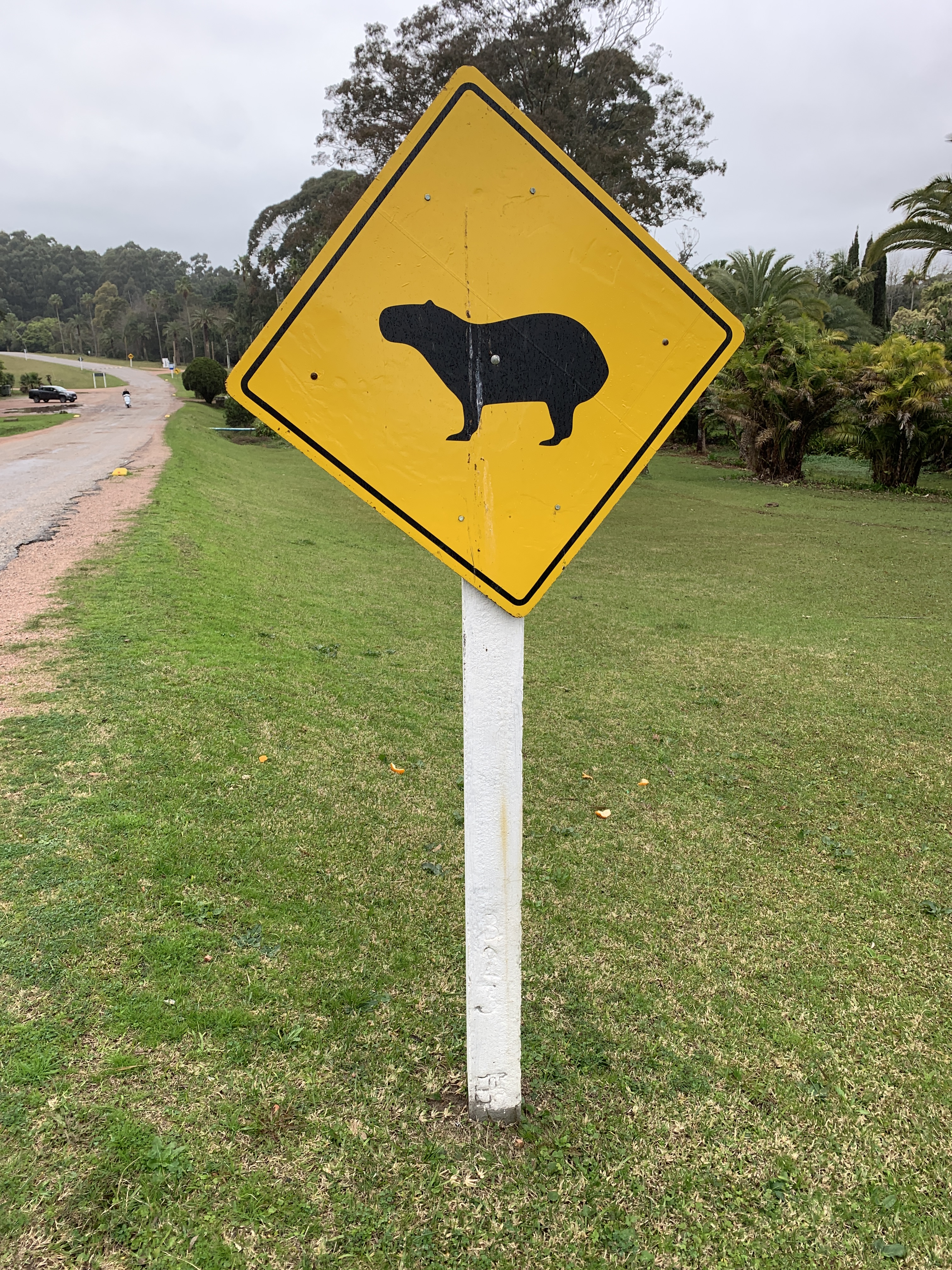
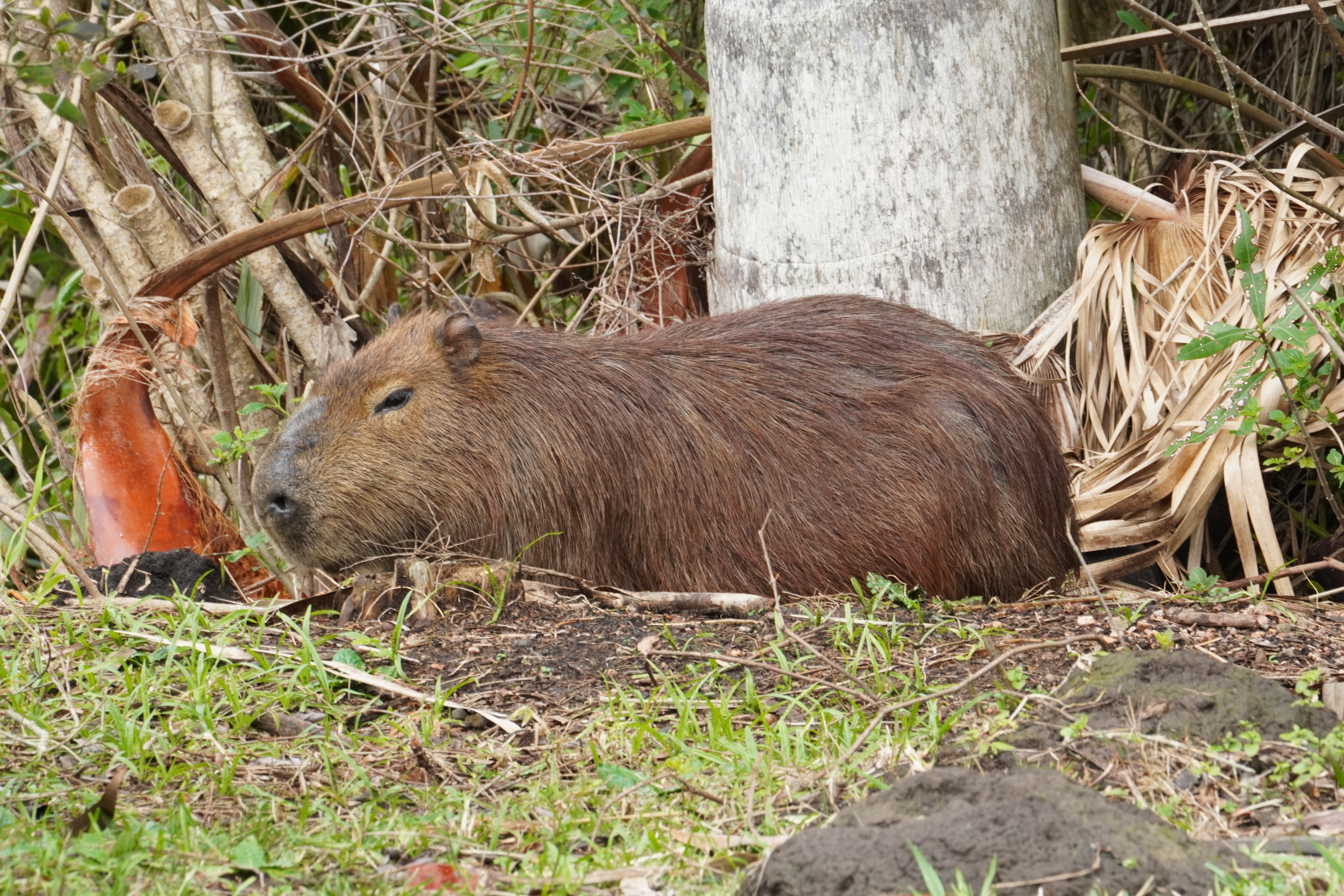
With our little Kwid, we were mobile. We were almost at the Brazilian border but didn’t want to cross it with the rental car. But driving without a license was okay, which he forgot at “home”. At a police check on the main road, Björn showed his ID card and forgot all of his Spanish, and the officer waved us through. In general, all the people here are super friendly, talkative, and helpful. So, we visited something different around Punta del Diablo every day, donned our rain jackets and pants, and made the best of the situation. We visited the Laguna Negra, a freshwater lake known for its dark waters and rich biodiversity, making it a key part of the Bañados del Este Biosphere Reserve. Birdwatching, however, turned into cowwatching. The Santa Teresa National Park, operated by the military, was also on our list. The highway in front of the national park is also used as an airplane runway and is extremely wide. The visit is free. Upon entering, the military personnel note your license plate number and phone number. If you don’t spend the night there, the park closes for visitors at 6 PM, and if you haven’t left, they call you. “German number? Oh well, it doesn’t matter.” Given the unstable weather, it was practical to drive through the national park and get out at the scenic spots. We especially liked the aging botanical garden. In the beautifully landscaped outdoor area, we could observe many animals again. Our favorite animals in Uruguay: capybaras. They were very close, and it was beautiful, and the weather was reasonably okay. The last day at the northernmost point of our journey so far, before we head south to Patagonia, was at the Cabo Polonio National Park, where we almost booked an Airbnb.
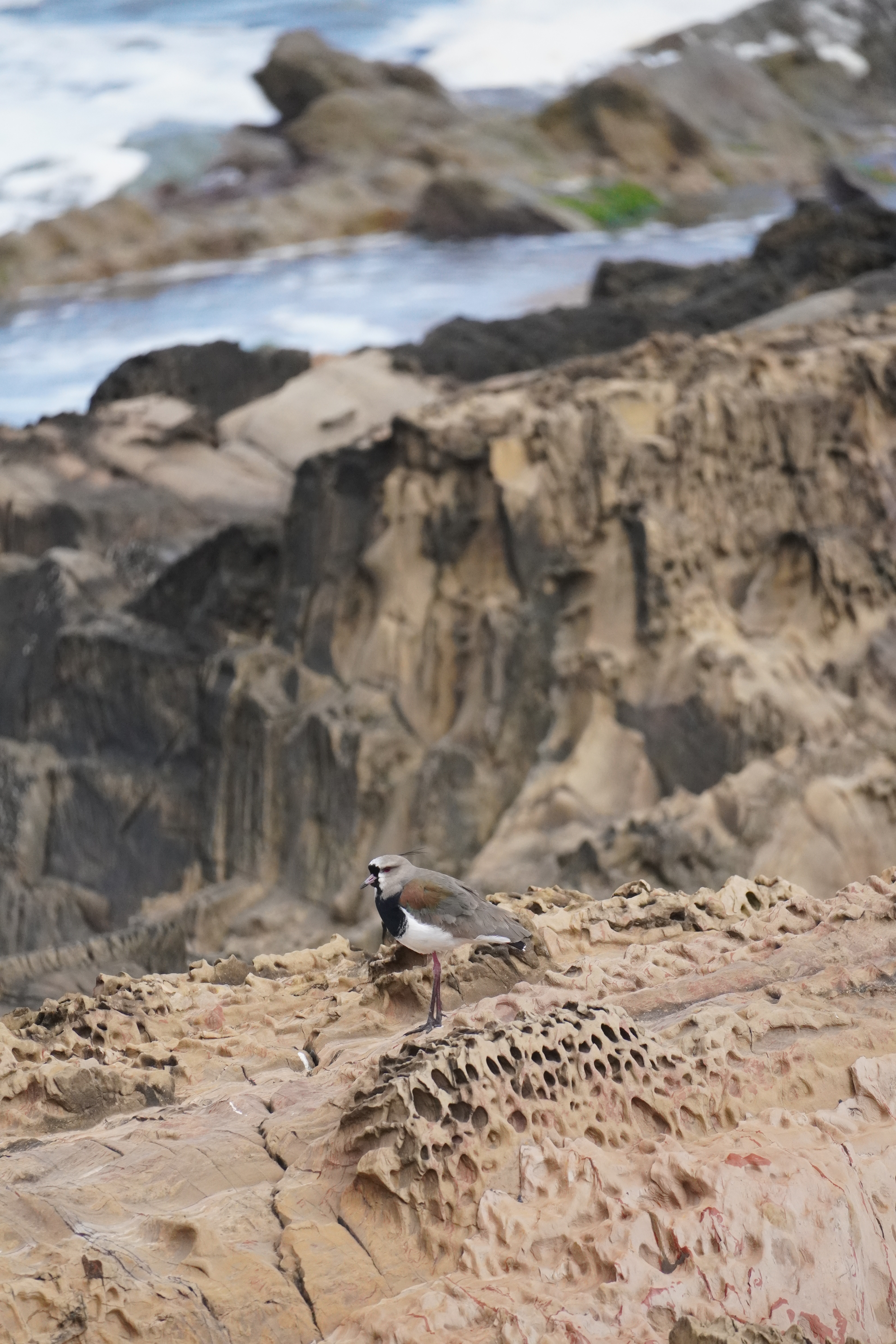
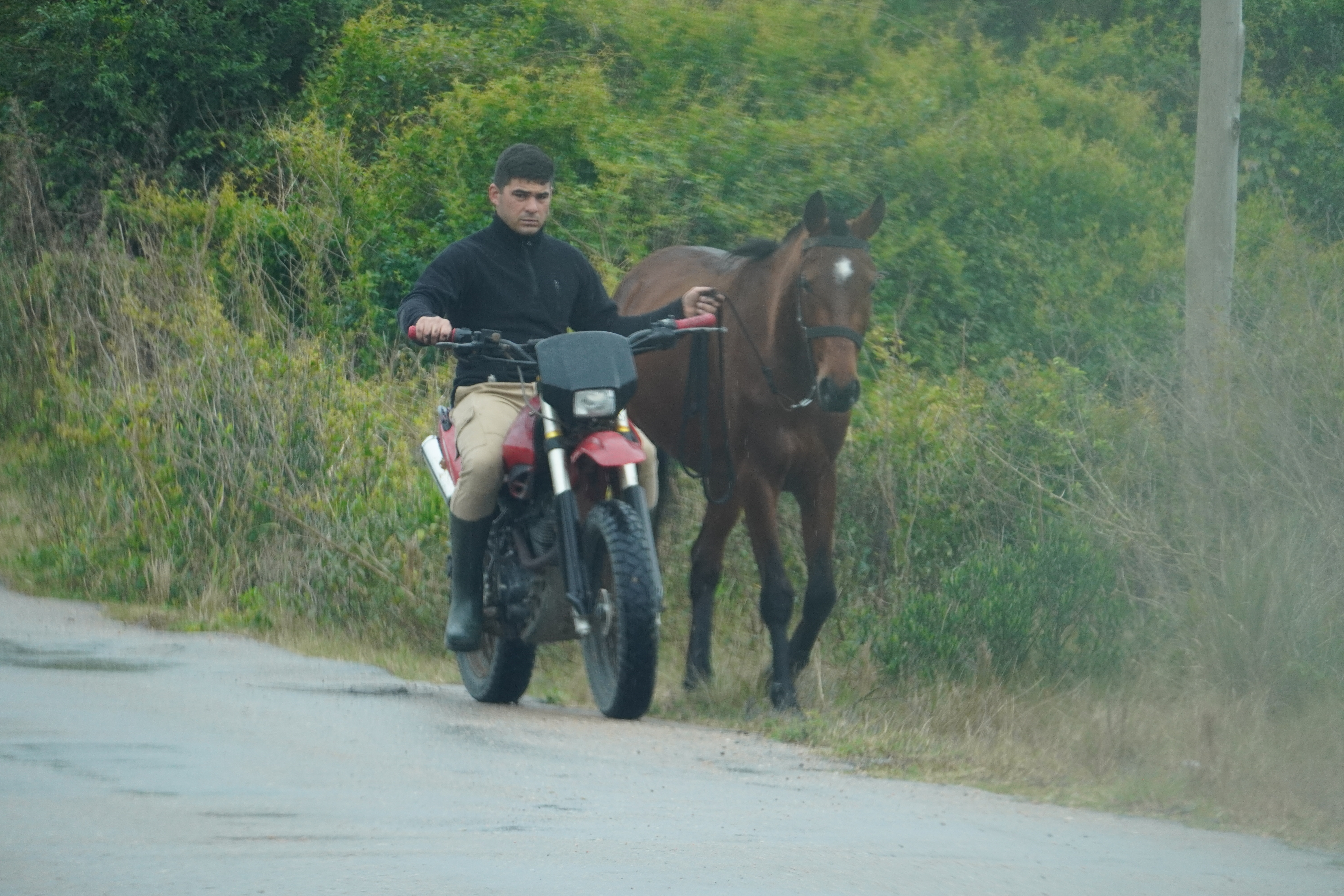
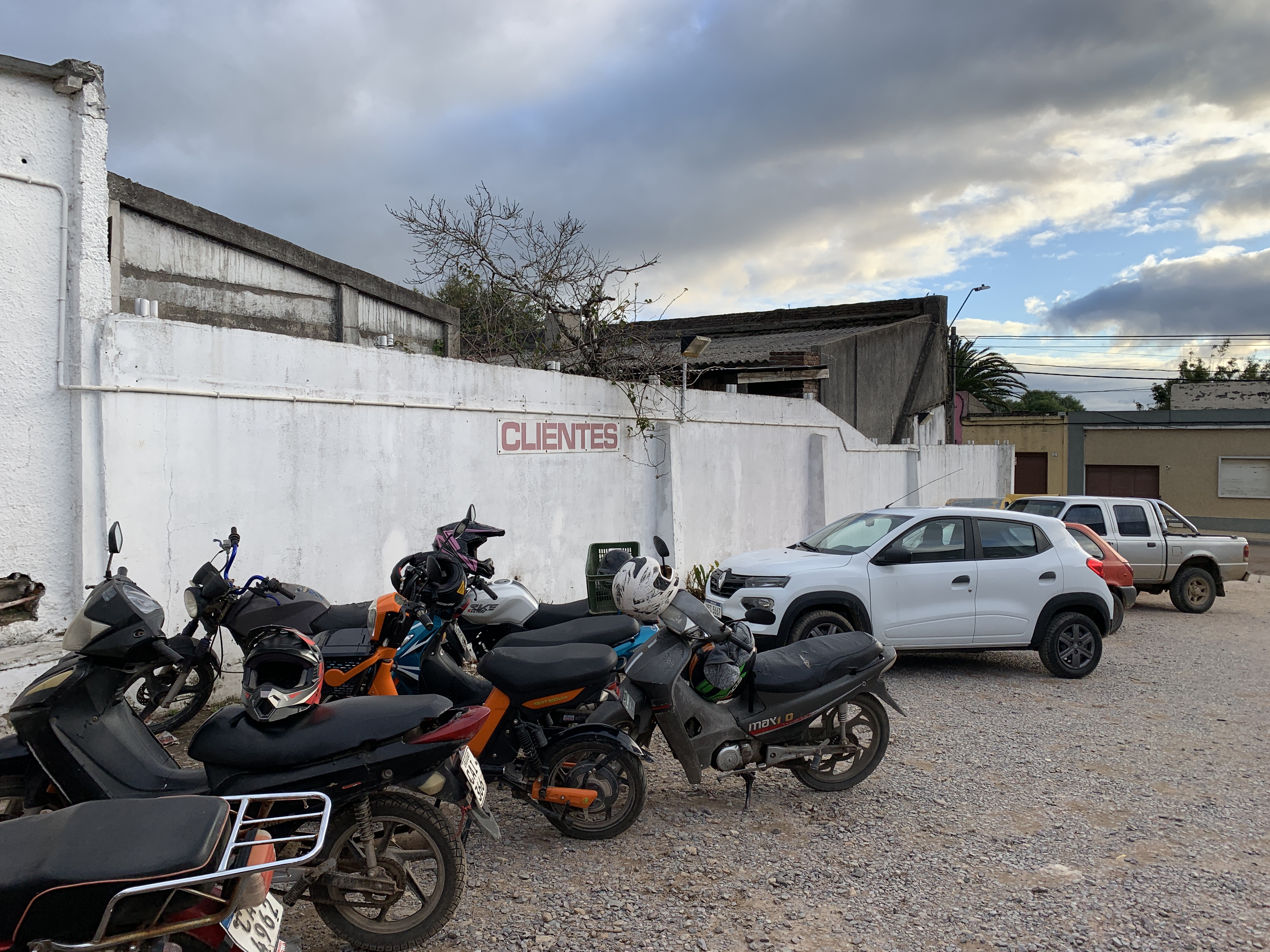
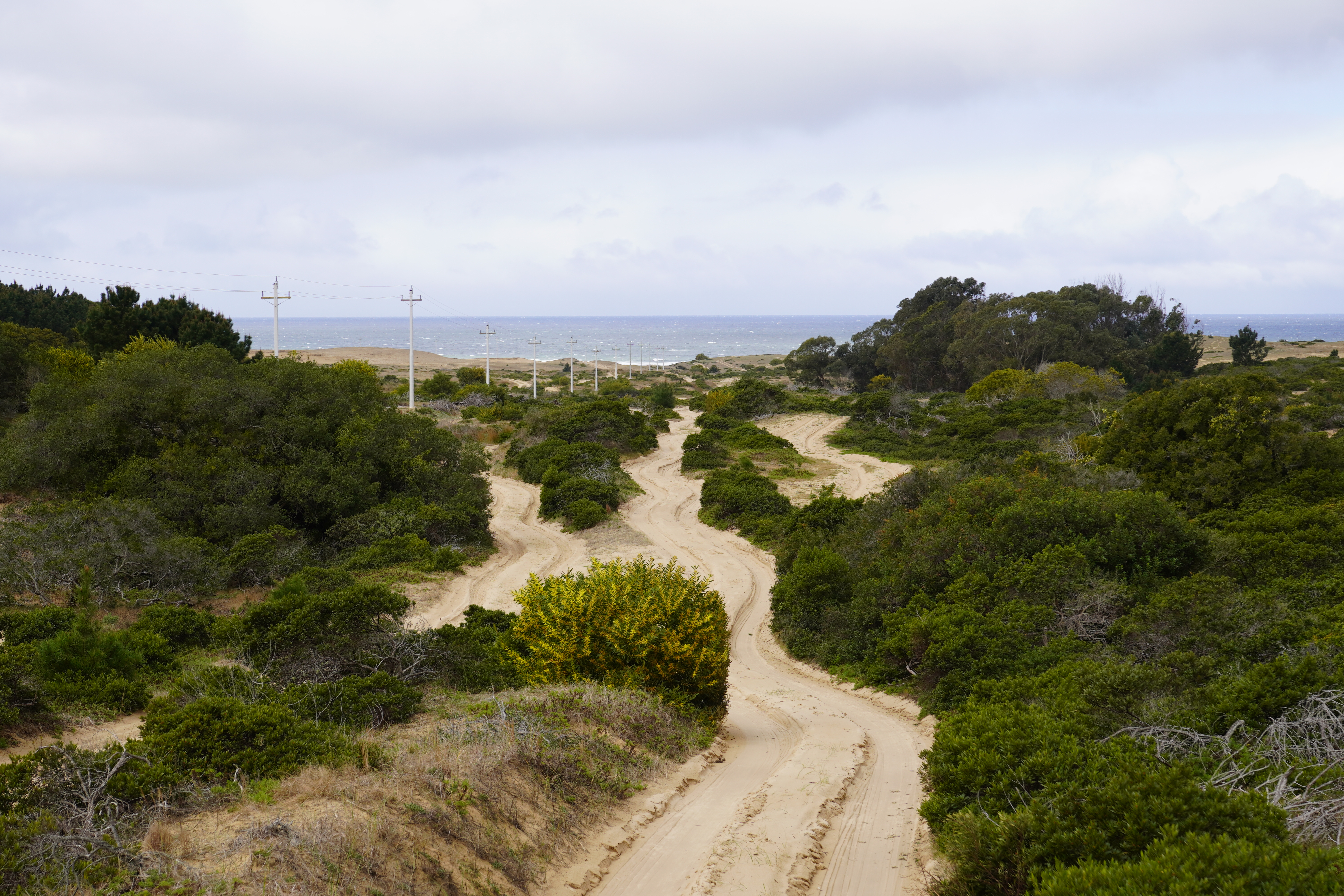
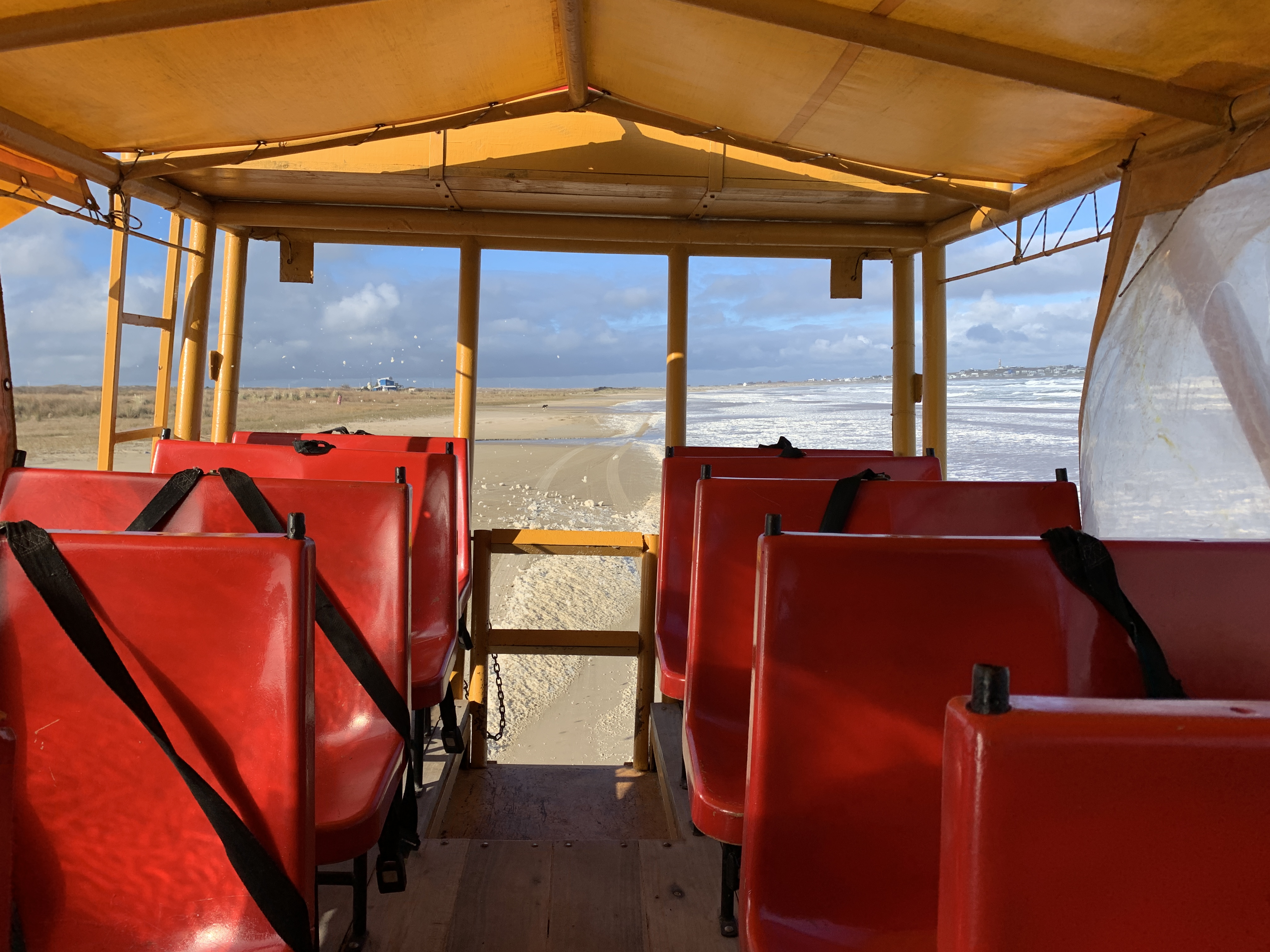
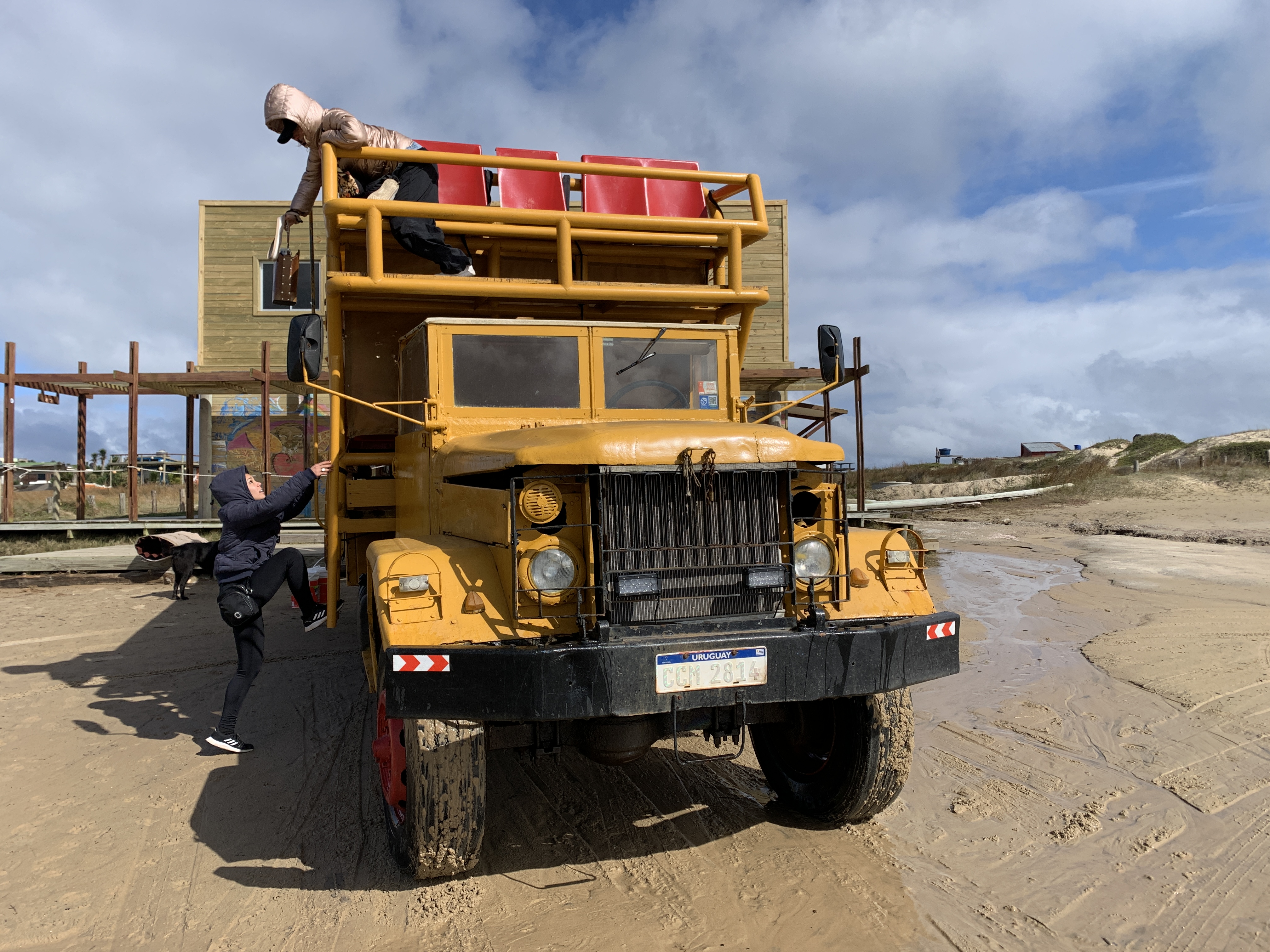
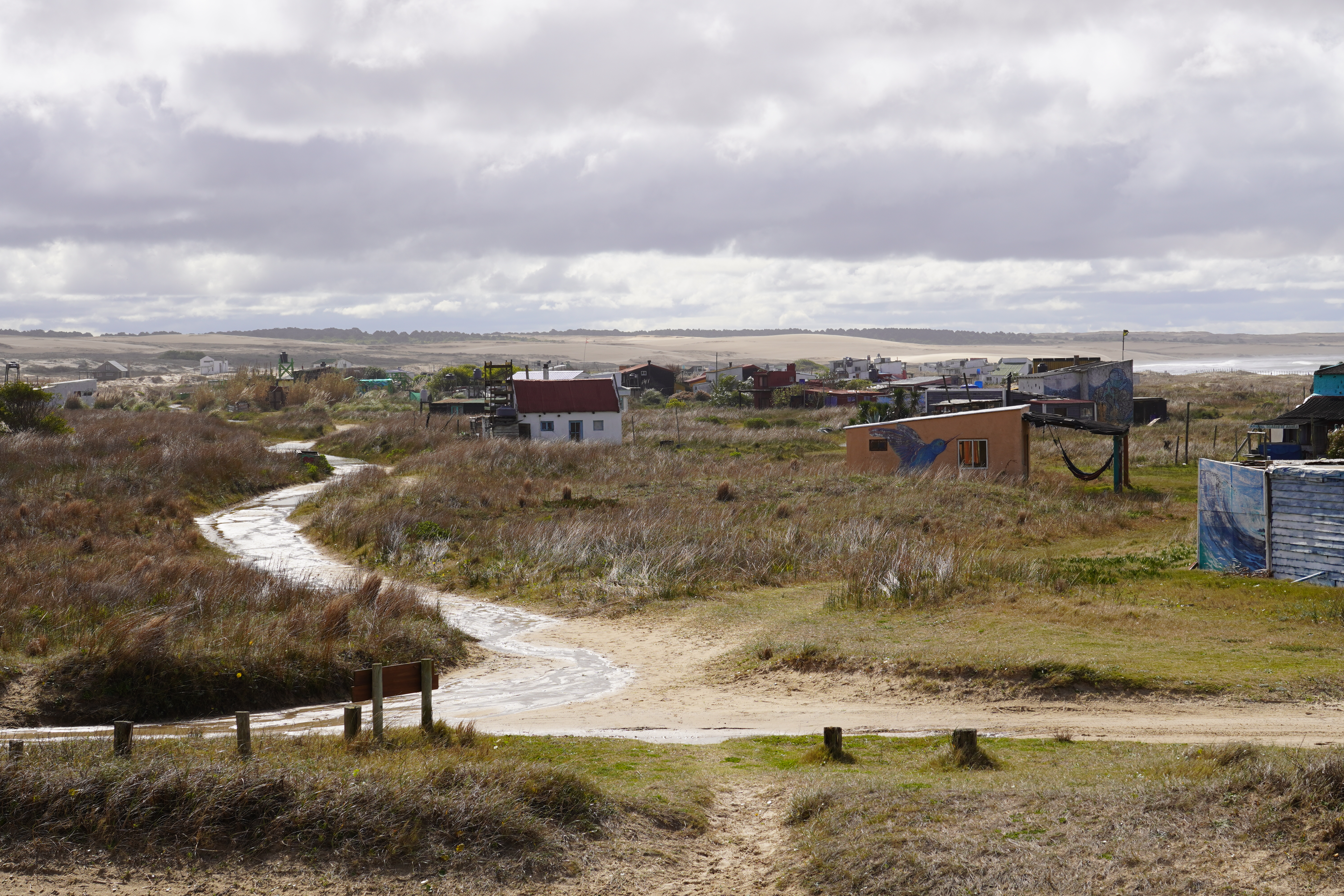
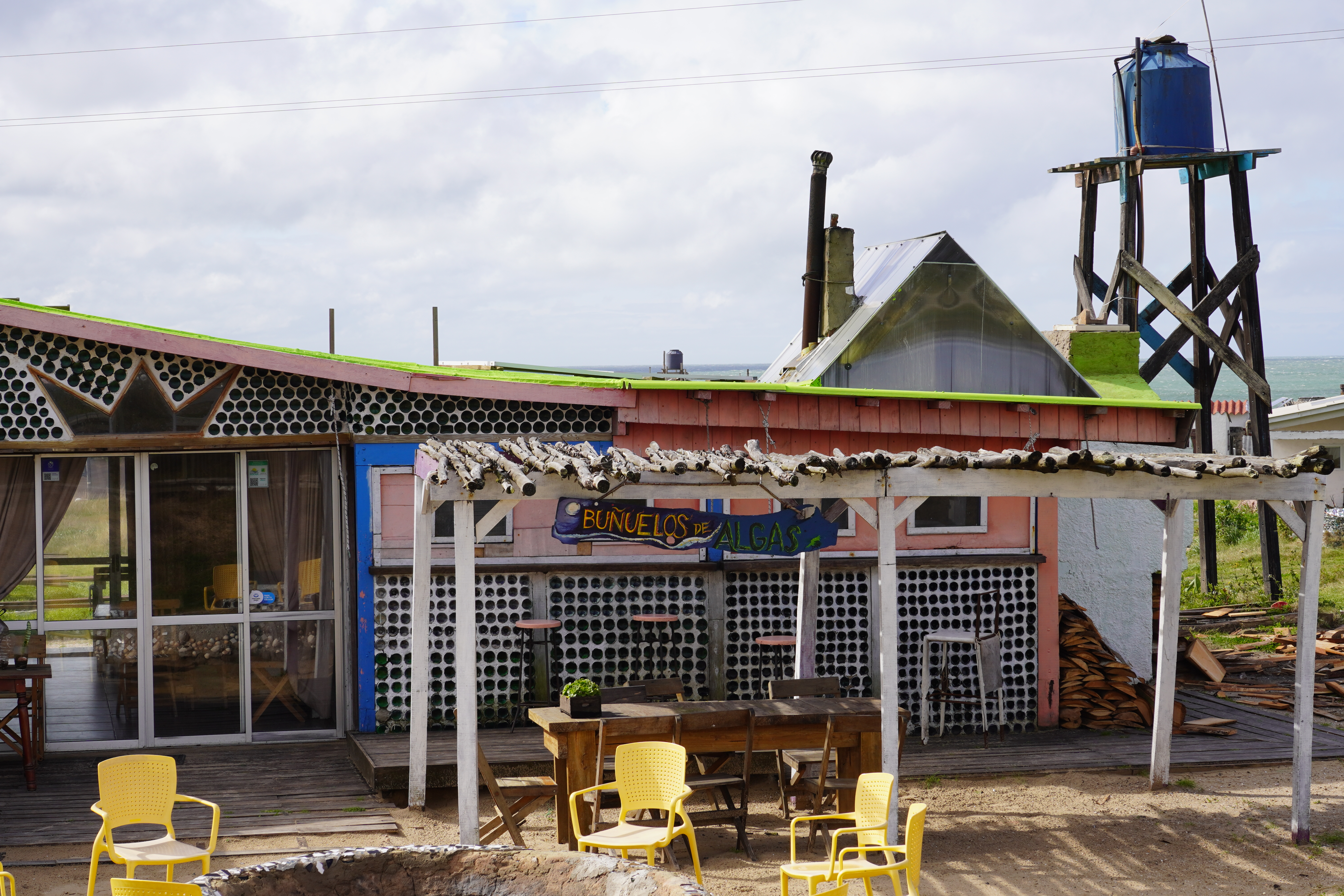
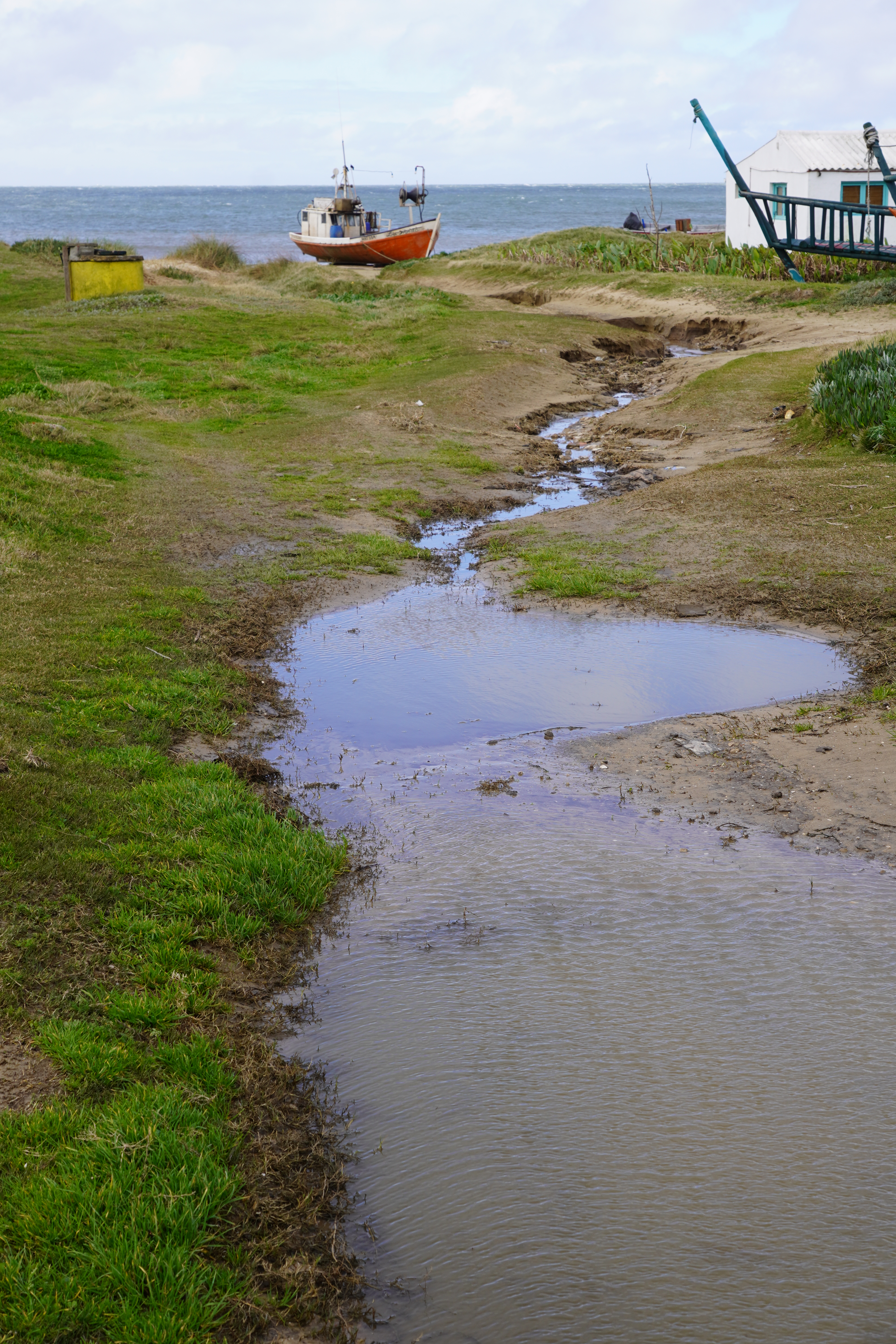
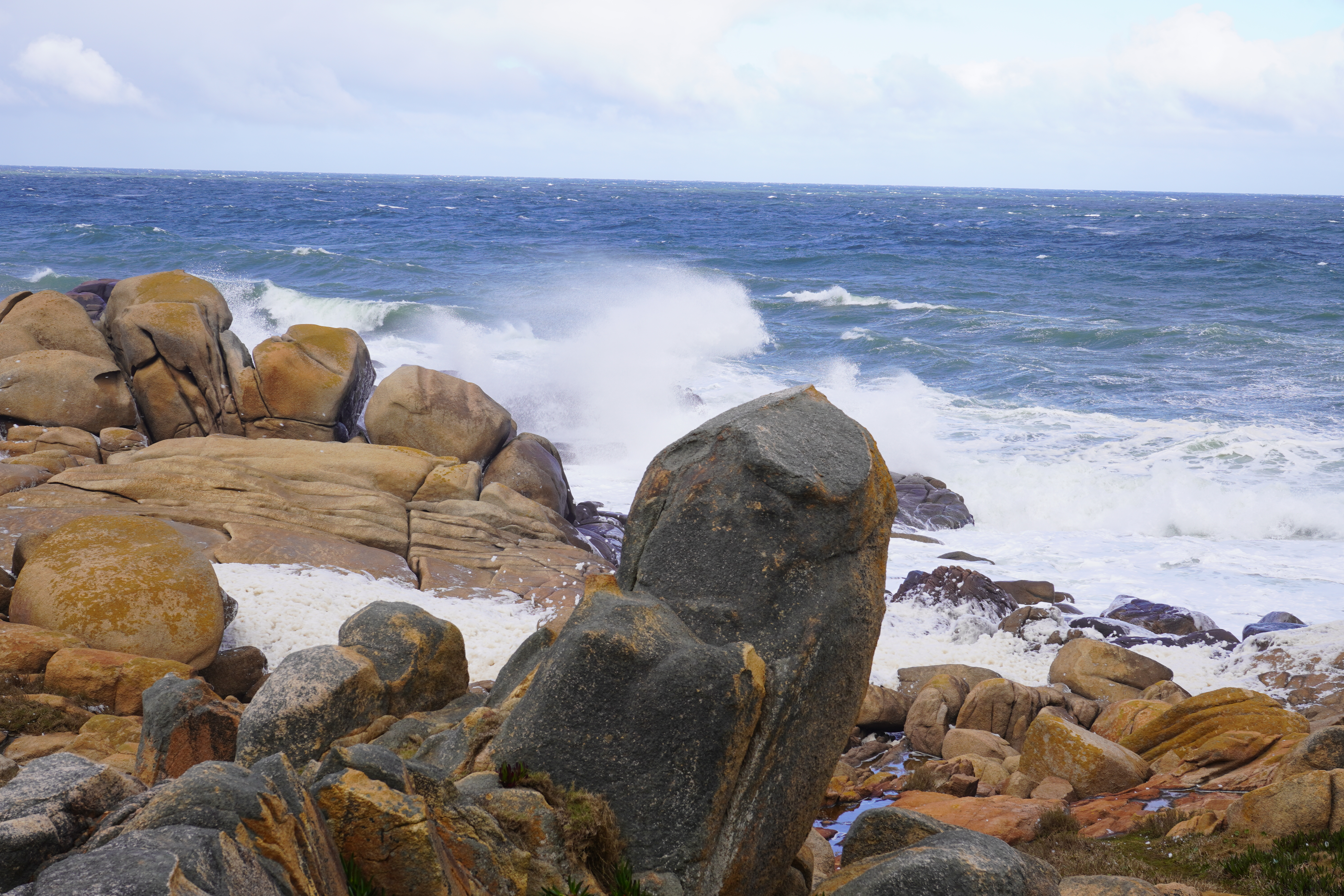
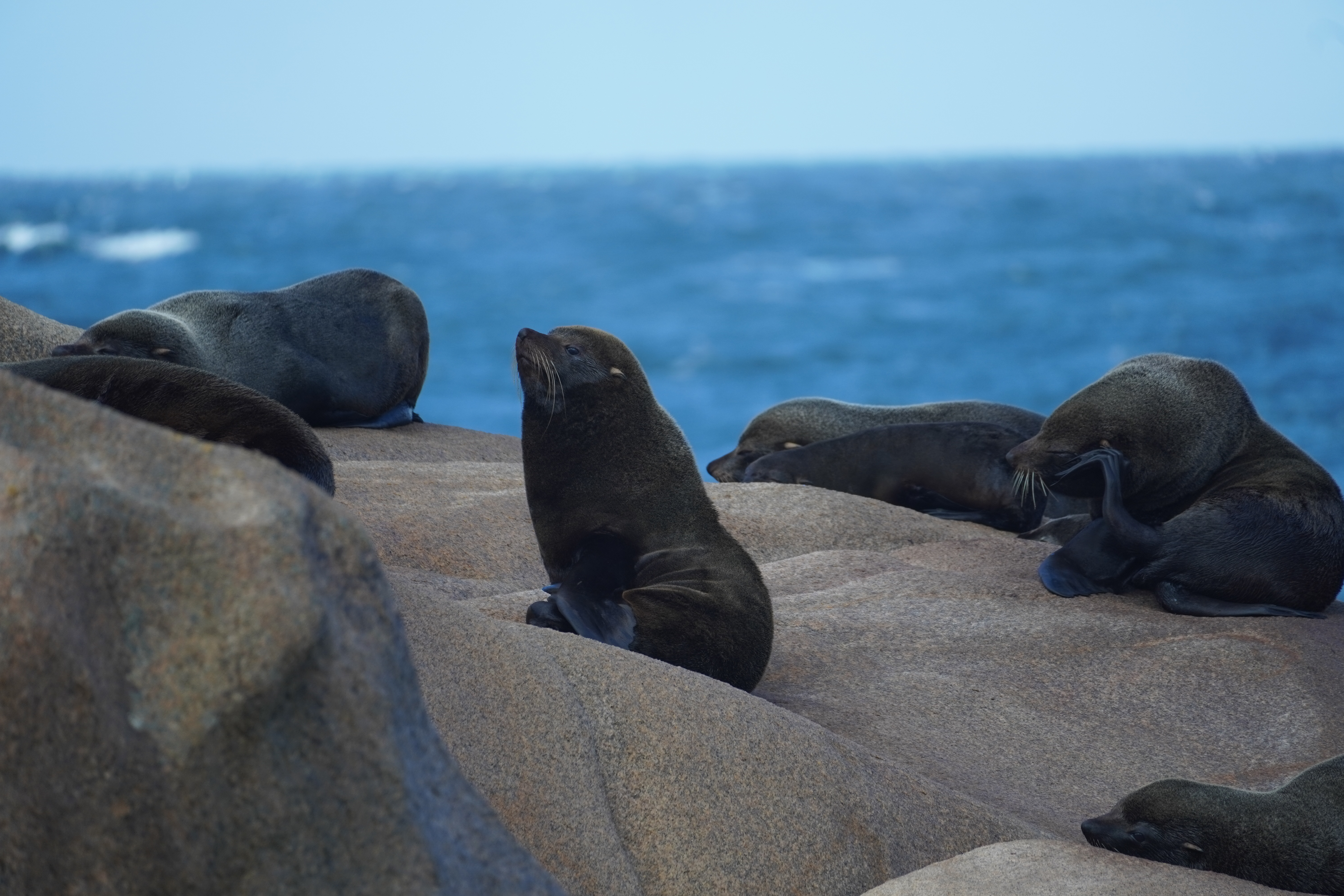
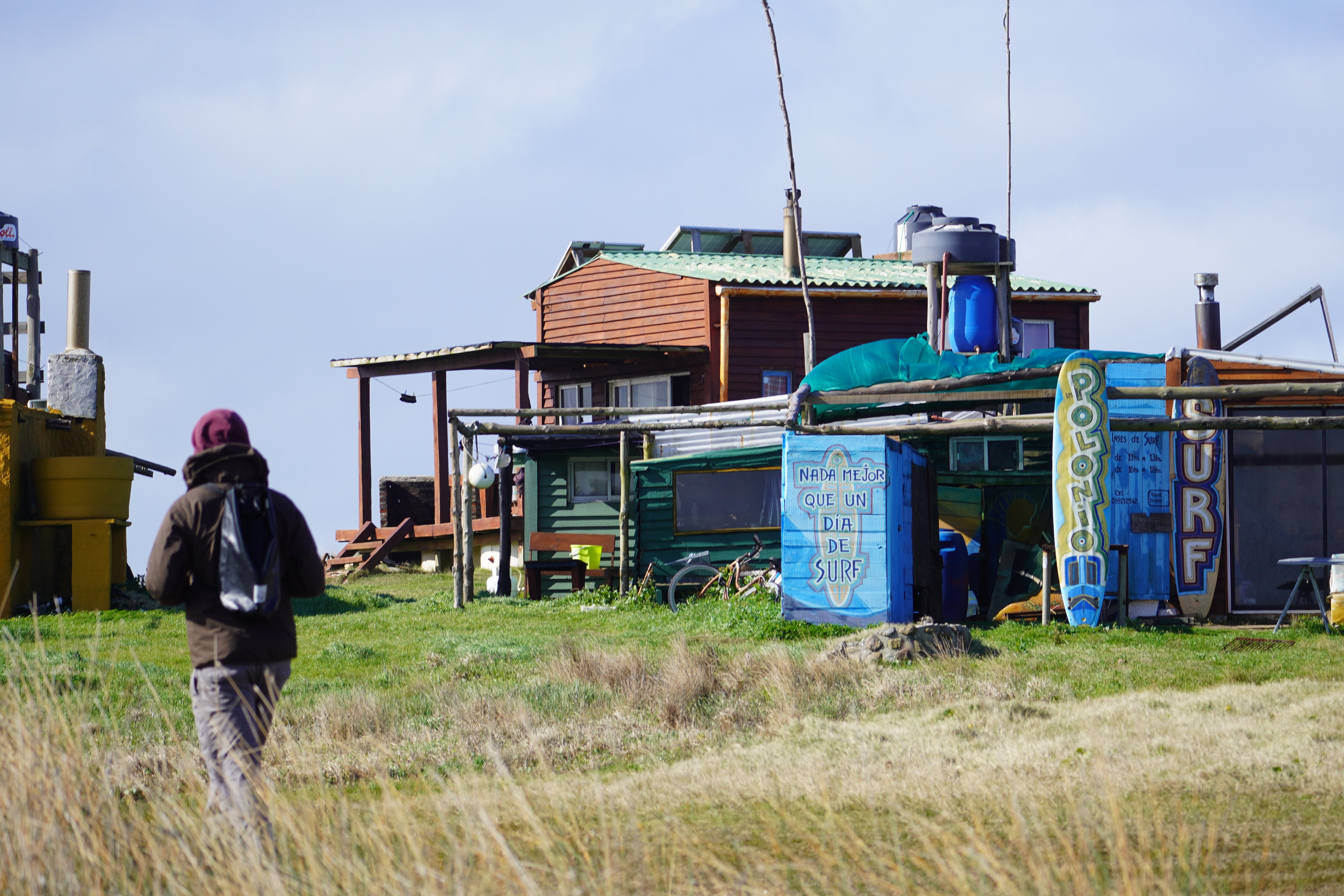
Cabo Polonio is a remote and rustic village known for its stunning natural landscapes, where sandy dunes meet the Atlantic Ocean. The area is off the grid, with no electricity or running water, relying on solar panels and wells, allowing visitors to immerse themselves in the untouched beauty of its beaches and surrounding nature. It’s a good thing we didn’t book accommodation there because it’s not easy to get there. There’s an official parking lot with an electronic barrier and license plate recognition. At a small, seemingly abandoned and closed house, you buy a ticket for a truck that takes you to Cabo Polonio. We rode with three other Uruguayans, on a bumpy 30-minute ride through dunes, water, sand, and along the beach. The truck was still well-loaded with building materials, bags, and groceries because you have to bring everything with you. There are no stores (sometimes you can buy something somewhere), no electricity, no heating, no running water, no telephone network and no wifi. We sat on the roof of the truck and had to hold on tight not to fall off. When we arrived, we admired the dune town, with its simple huts, accompanied by a dog. There were no streets, only sand or grass paths, if any. The only people we met were those who had ridden with us in the truck. We explored the area and saw a small group of fur seals sunbathing on the rocks by the sea very close to us. Since the wind was so strong, we had to warm up slowly. In a hostel, where nothing was happening either, we were told that about 79 people live here. We drank tea and instant coffee, watched a little cockroach on the table, and warmed up before catching the second-to-last truck back to civilization. At night, we listened to the mice in the wall before slowly heading back towards Montevideo the next day. Passing countless palm trees, cattle herds and eucalyptus forests. Rosi is almost here. We’re so excited.
 höme
höme 
Leave a comment