Animales en Buenos Aires
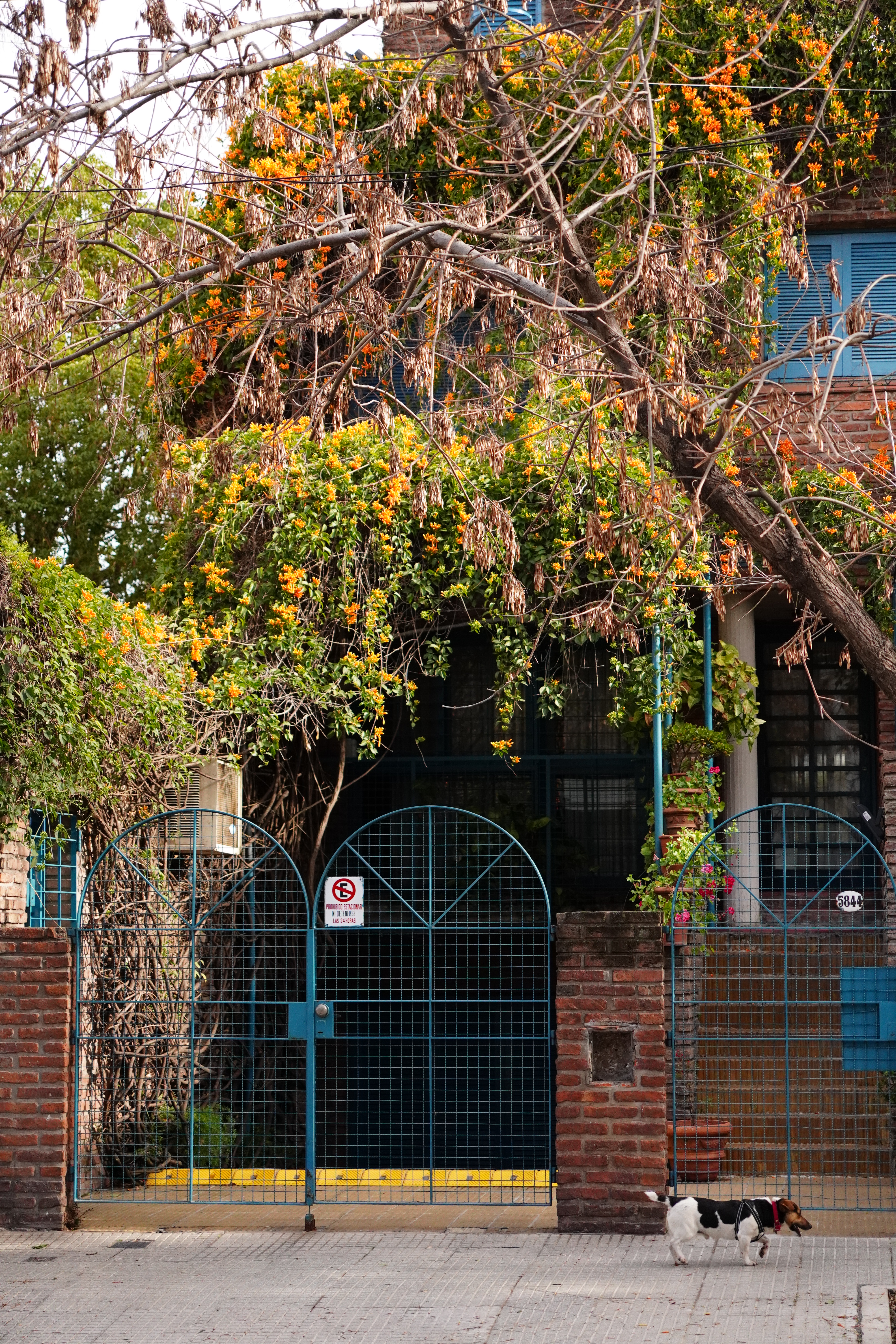
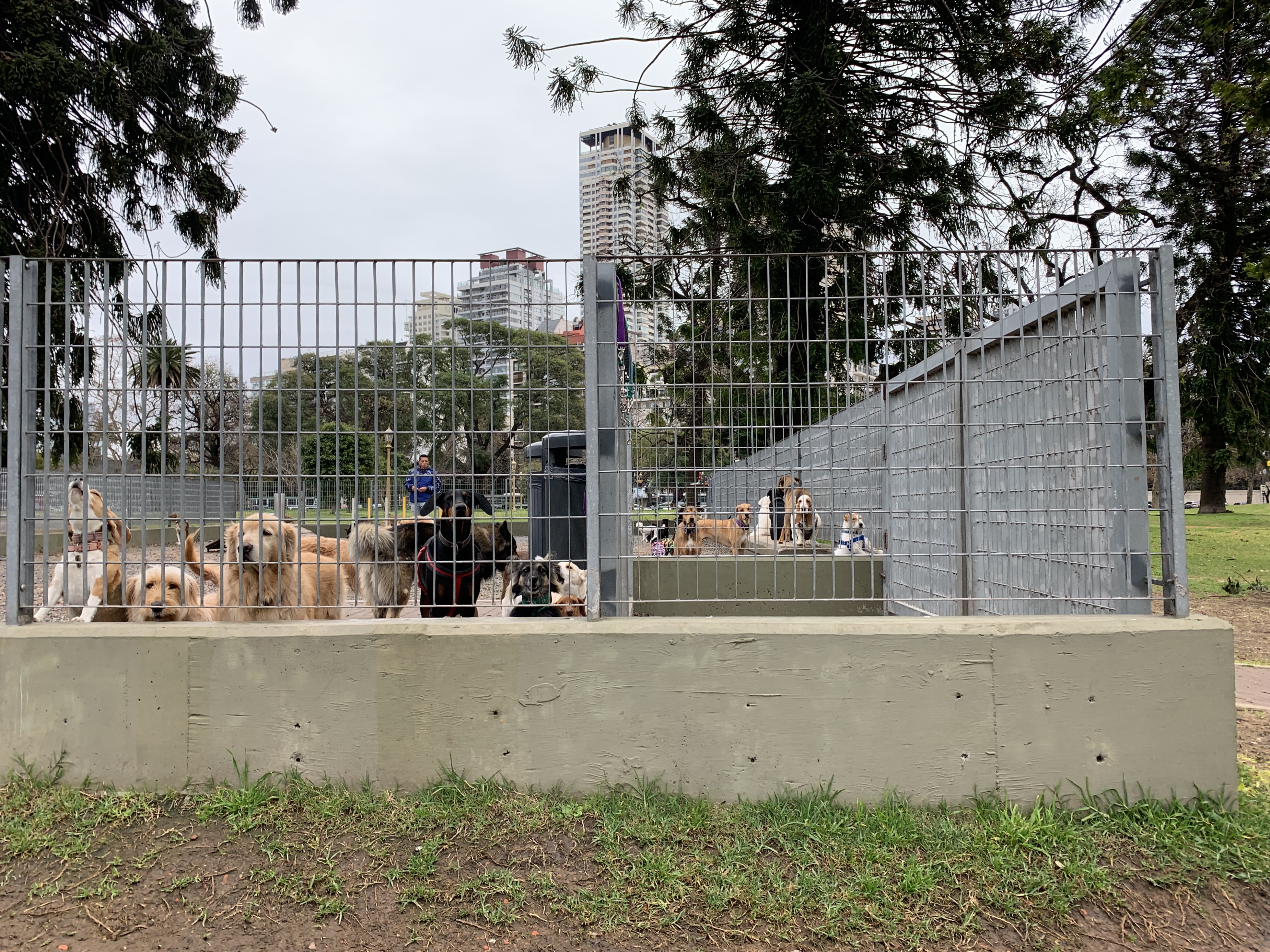
Everyone, literally everyone, has at least one dog. To make a living — since the prices for food and other essentials are comparable to those in Germany — the city’s residents go to work a full day. The dogs are then dressed in stylish sweaters and taken to dog sitters. The maximum number of dogs per walker we saw was 14. Unfortunately, the dogs have only a few green spaces or opportunities to roam freely. There are small fenced dog parks within the larger parks where the dogs stand around on leashes. The sidewalks are covered in dog poop and pee. This smell is part of Buenos Aires, the “good air”.
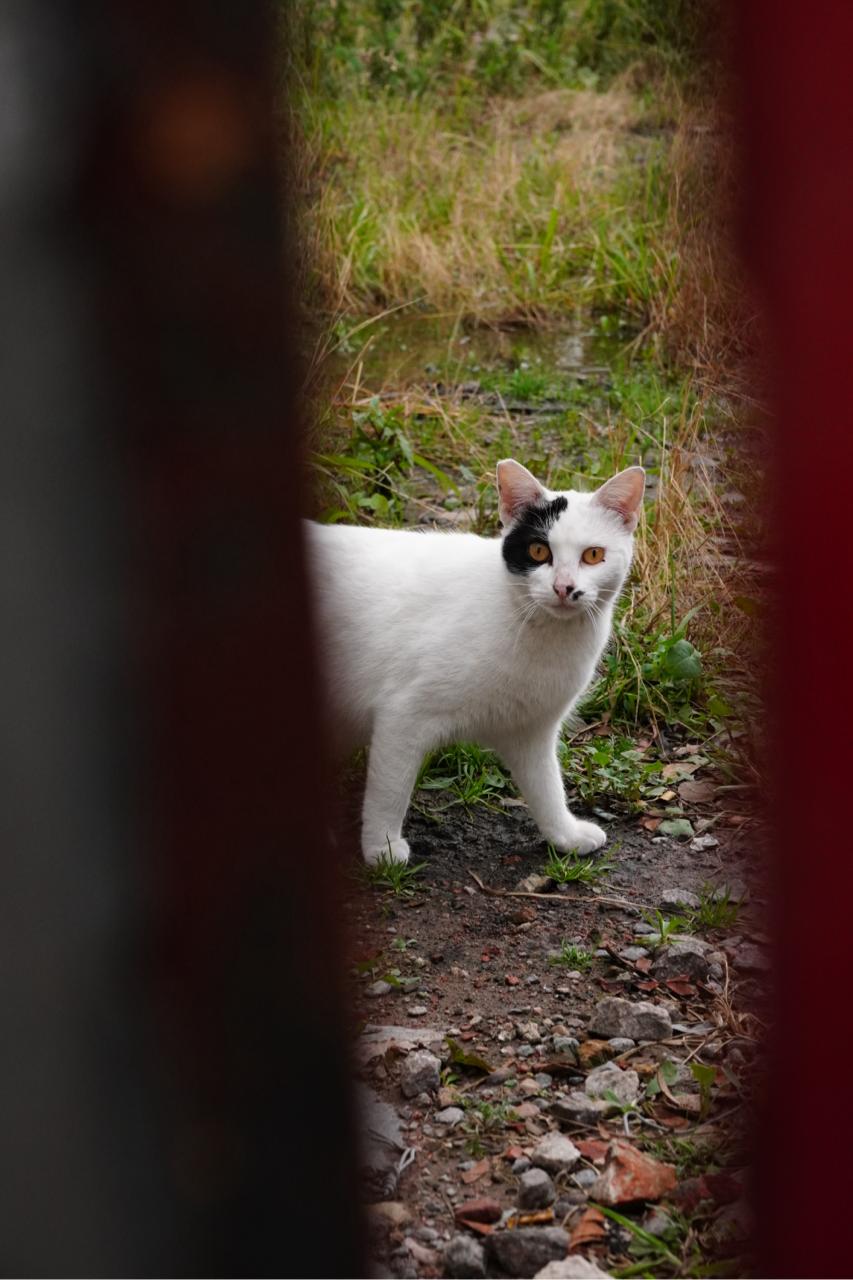
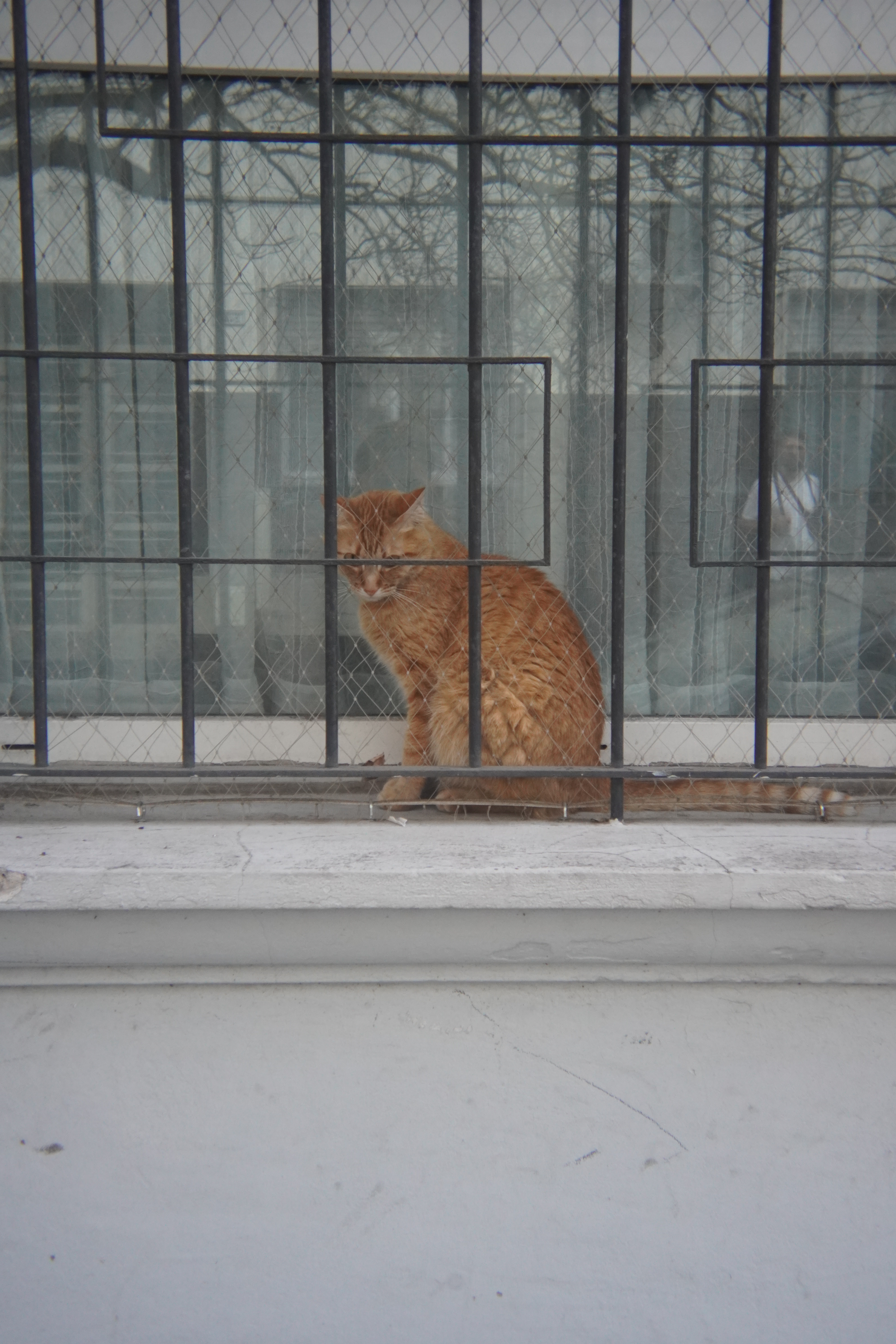
I also saw a few stray cats. Not many.
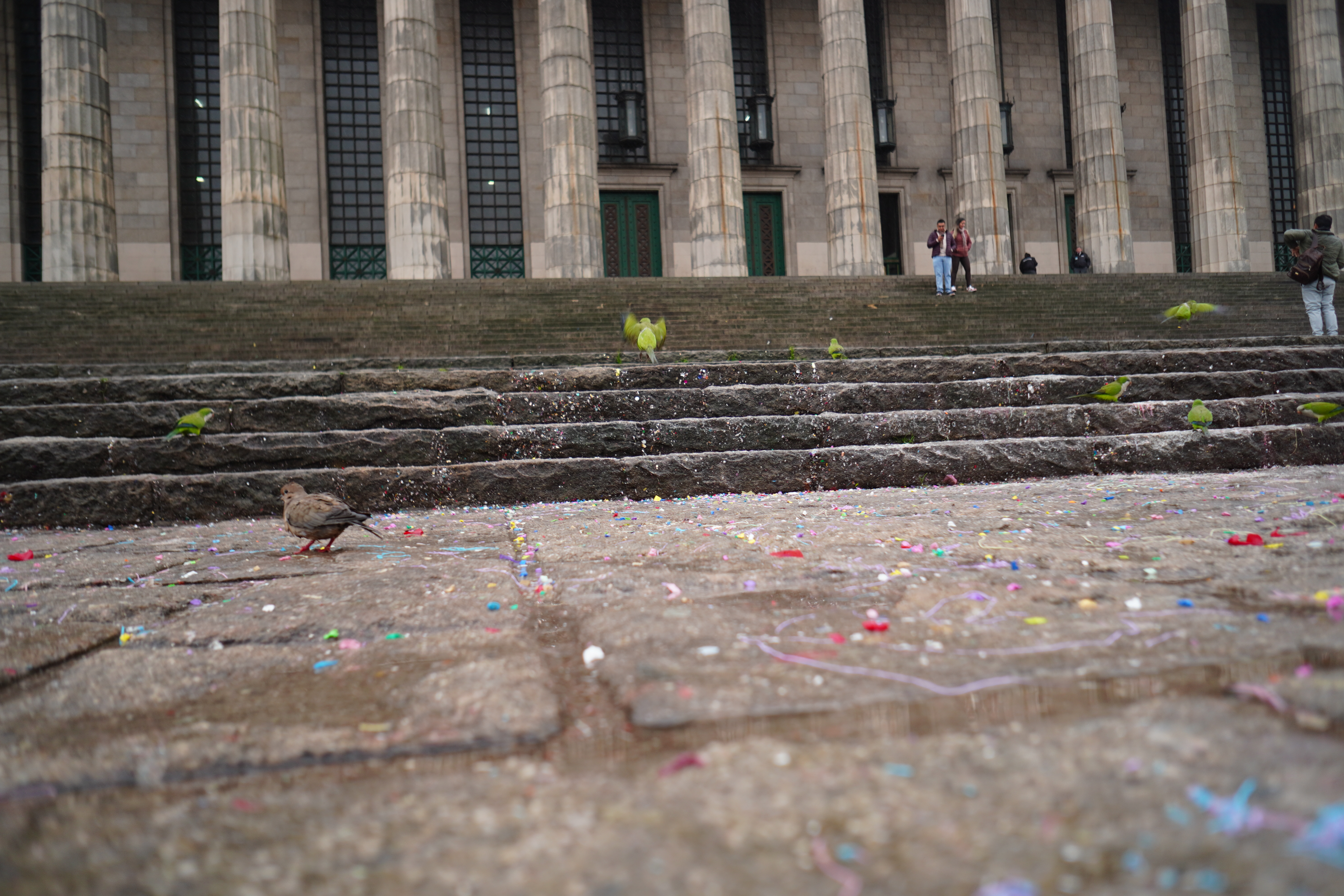
In the streets, you can hear many birds. The pigeons coo in an Argentine way, different from those in Germany. There are tiny little pigeons and regular-sized ones. You mostly hear starlings and blackbird-like birds with orange bellies. Small green parrots (monk parakeets) have also settled in the city, possibly due to the Ecoparque.
We haven’t seen any insects, but it is winter.
Björn and I played a game during the week: Whoever steps in dog poop first loses. It was a close call many times. In the end, we both won, but we often had to pull each other away at the last second. Never take your eyes off the ground while walking in the city. Never.

Calles y transpörte público
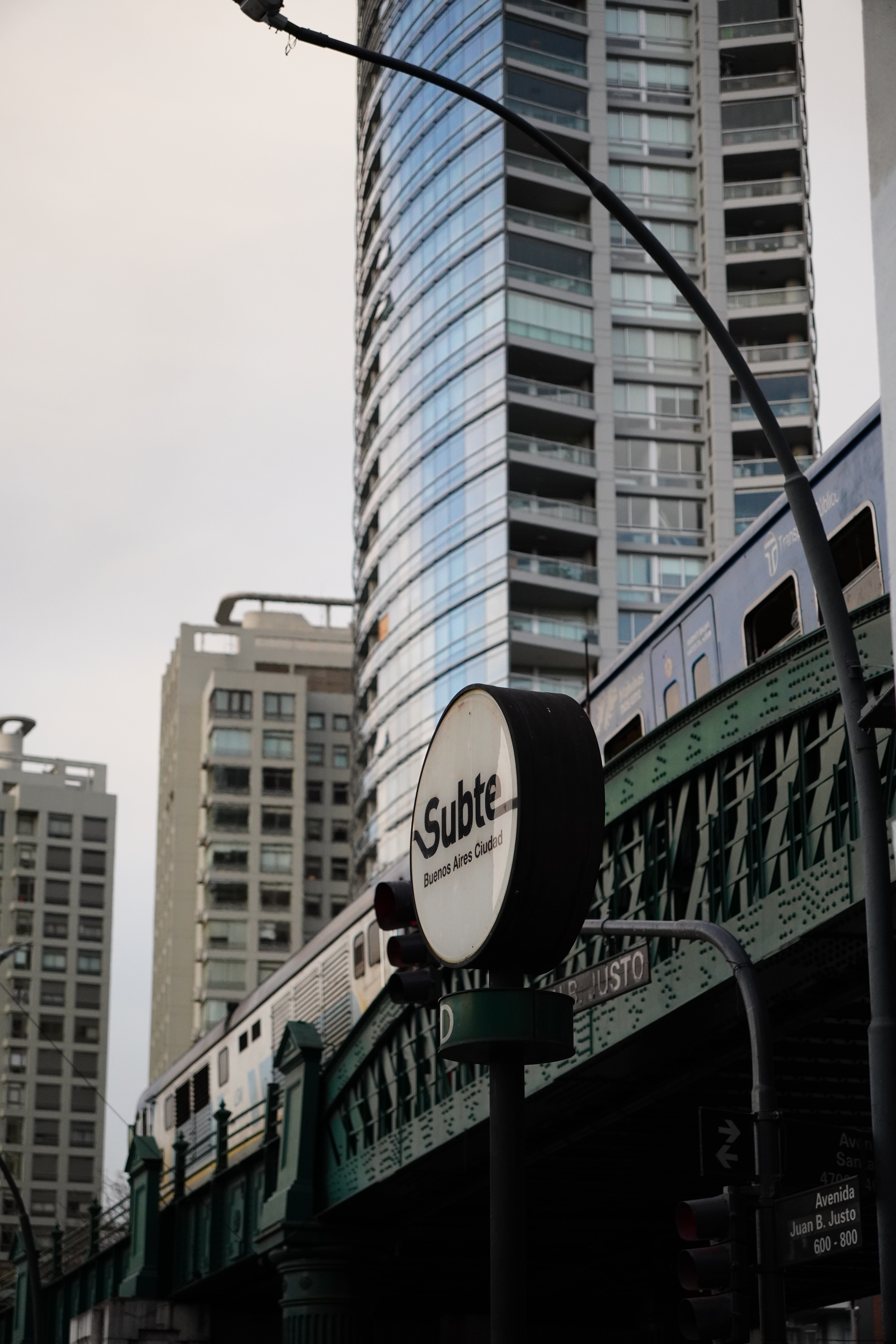
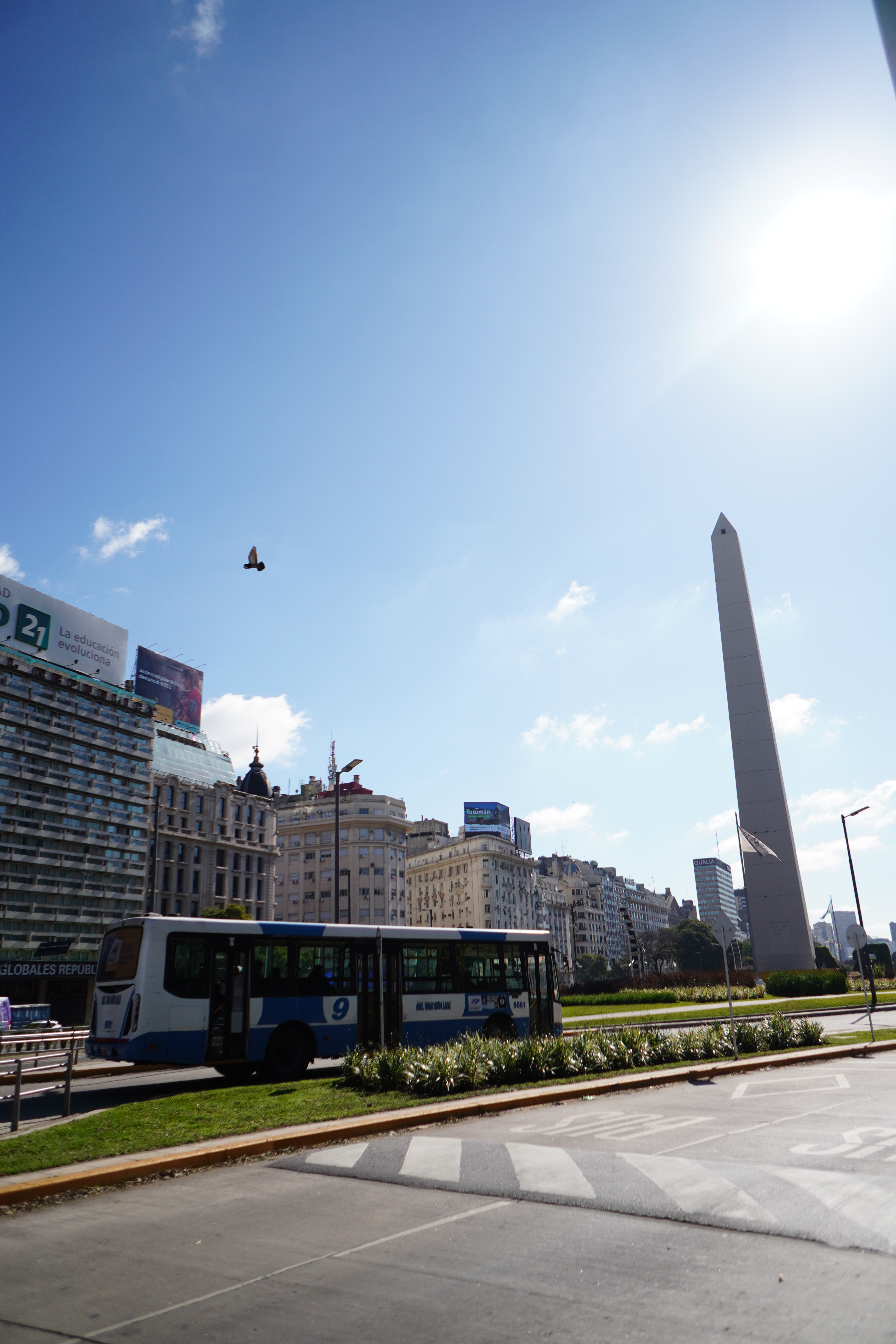
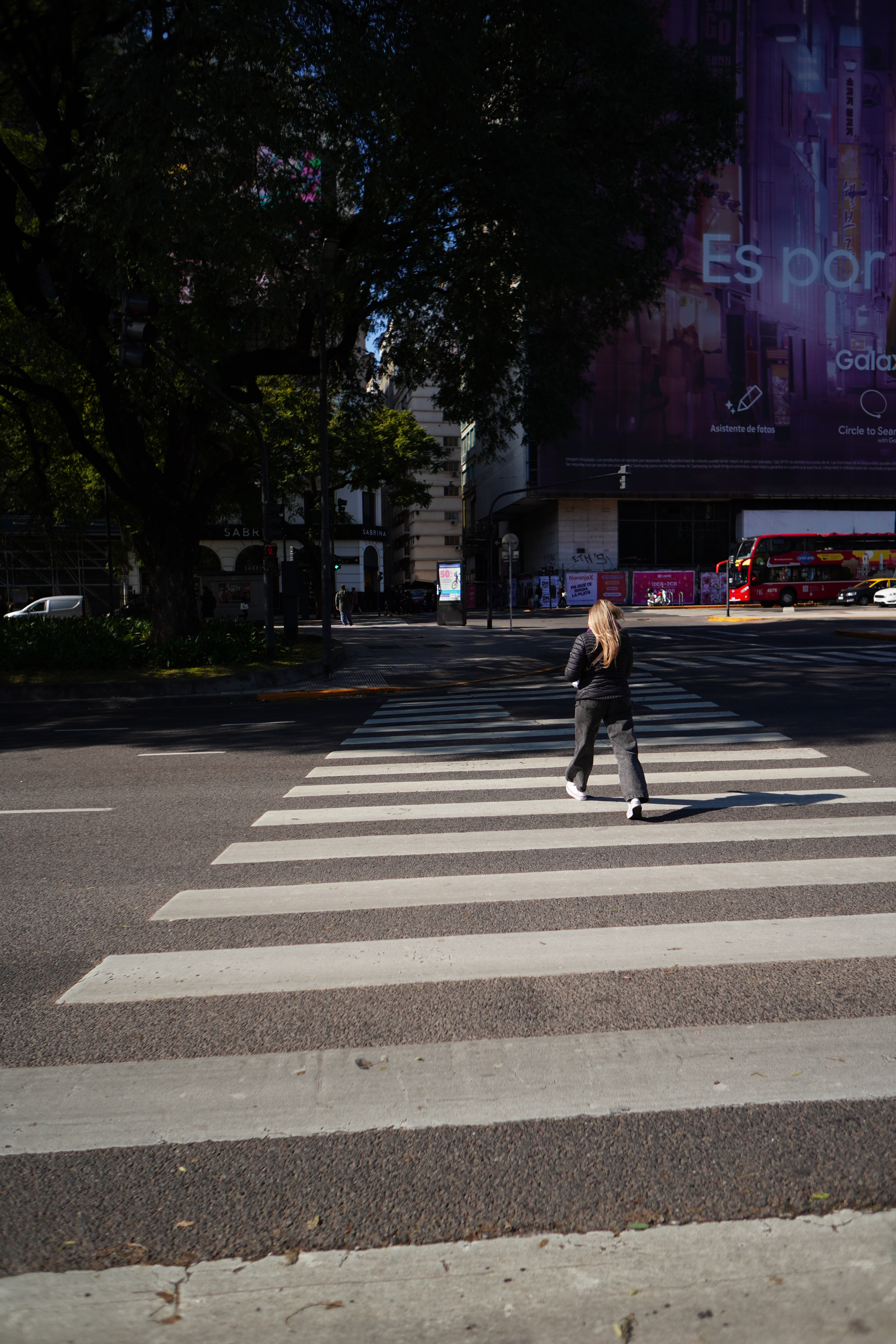
The major streets are truly large and wide — we counted seven lanes once. The cars and buses loosely follow the markings. Unlike in Berlin, there’s hardly any honking. It seems to work without accidents. Finding the bus stop wasn’t always easy. The city has a vast bus network that takes you to the other end of the city for about €0.60. However, you need to find the bus stop first. Google doesn’t show the exact location. Sometimes, a sticker with the respective bus number is simply stuck on a lamppost. You have to wave at the bus, and people line up in an orderly queue. The bus is very crowded, so you have to watch your belongings and keep an eye on everything, especially where you want to get off — this is, of course, not displayed anywhere. There’s only one stop button, and it’s hard to reach when the bus is packed with people. The SUBTE, the subway, is similar. There are six lines, A to H. You can ride for just a few cents. However, we struggled to get the SUBE card. You need the card to access the turnstiles and ride the subway. The kiosk (which Google showed as a sales point) didn’t have the card; you could only reload it there. The two young women at the kiosk also couldn’t tell us where to get one. Down in the SUBTE, we were told at the counter to buy the card upstairs at the kiosk. We then walked a few blocks further. The next 2-3 kiosks didn’t have the card either. Finally, we went down into another station and found the SUBE card. We then took the packed subway for four stations “home.”
La vida en la ciüdad
And then there were a few other challenges.. One day, I caused a power outage in the apartment while we were still in bed in the morning. Another day, we had no water in our apartment. Unfortunately, that was the day I decided to dye my hair. The dye had already been in my hair for 40 minutes and needed to be rinsed out quickly. We tried to get the last drops of water from the taps. Björn even heated some water for me in the kettle. It somehow worked out, but it was annoying. My hair looked good and hasn’t fallen out yet.
Once, the doorbell rang in the morning, just as Björn had the toothbrush in his mouth and I was half-dressed. Someone said through the intercom: “Hello, I am the fumerator. Can I fumerate your apartment?” “No, thank you.”
Then one evening, we had a fire alarm in the building — a 11-story building. We checked the hallway and saw some neighbors standing around discussing (there are about 40 apartments in the building). We grabbed our passports and jackets and went down the stairs. Red lights were flashing everywhere, and there was a strong draft in the stairwell, almost pulling us down. We ended up outside with two other residents. Then someone came, turned off the alarm, and said that someone had just caused smoke in the kitchen while cooking. Okay, so we went back upstairs. The next time there’s a fire alarm, we’d probably take more than just our passports with us — like the car key for Rosi, for example.
 höme
höme 
Leave a comment